
































How To Choose High-Quality Gluten And Dairy Free Products: A Nutritionist’s Guide
Discover how to choose high-quality gluten and dairy free products with expert tips from a nutritionist. Learn what to look for on labels, avoid common pitfalls, and shop smarter for your health.

Written by: Pippa Thackeray
Written on: 27 May 2025
Having studied nutritional therapy and following a gluten free and dairy free diet myself for a number of years, I’ve learned the hard way that not all "free-from" products are created equal.
While the wave of gluten free and dairy free options may seem like a bonus for those missing their traditional counterparts, many prioritise convenience over quality. This guide offers clarity on identifying genuinely healthy alternatives while avoiding overly processed options that don’t support good wellbeing.
Why processed "free-from" foods are the problem
The food industry’s response to dietary trends often comes with a troubling trade-off: convenience for quality.
Let’s take popular supermarket vegan cheeses as an example of this. Traditional cheese typically contains just a few ingredients: milk, salt, and enzymes. By contrast, plant-based cheese alternatives can include a messy cocktail of thickeners, stabilisers, and gums, like carrageenan, which are known to disrupt gut health and the health of the gut flora. More on this later.
Similarly, as is the case with products such as gluten free bread and snacks, they often replace wheat with refined flours, the aforementioned additives and added sugars to mimic texture and taste. While these products may be free of gluten, they’re not free from the issues posed by what are named as “ultra-processed foods,” including higher glucose spikes and lower nutritional value.
How to choose the healthiest approach to ‘Free From’
The best way to avoid ultra processed foods containing harmful additives is to lean into foods that are naturally free from gluten and dairy. These options are easier on digestion, and do not have their vital nutrients excessively stripped away.
Gluten free grains
Gluten free grains are a good starting point to benefit from their nutrient density. Gluten free grains are known to be high in minerals such as calcium, iron, zinc and phosphorus.
Watching your nutrient intake is a good idea, especially if you are transitioning directly from a diet containing lots of high quality wheat or rye products (such as products made from minimally processed flour and ancient grains), as you will need to replace the minerals and other nutrients that were previously part of your intake on such a gluten-containing diet.
Nutritionally dense naturally gluten free grains and flours:
- Buckwheat: A versatile option for baking and in french pancakes, naturally gluten free and packed with nutrients, including fibre, protein, niacin, and flavonoids.
- Quinoa: High in protein and essential minerals, quinoa is a great substitute for rice or couscous.
- Wild rice: Nutrient-dense and a fantastic base for salads or stir-fries
- Millet: A naturally gluten free grain, adds variety and nutrition to countless dishes. It is helpful whether you’re craving a warm breakfast or a hearty side dish.
- Naturally gluten free and dairy free proteins: Whole, minimally processed proteins like fresh meats, fish, eggs, and legumes are inherently gluten free. But, be cautious with processed options like plant-based meats, as these may contain hidden gluten or dairy derivatives.
- Fruits and vegetables: Fresh produce is inherently gluten and dairy free. Aim for a wide variety (30 or more types weekly) to maximise nutrient intake and keep meal prep exciting.
Allergy versus intolerance
Before discussing ingredients, understanding the difference between allergy and intolerance is an important step. Perhaps most crucially, establishing if you are affected by either an allergy or intolerance is important to understand the severity of the changes you are making to your dietary choices.
- Allergy: An immune system reaction to specific foods, which can range from mild symptoms to life-threatening anaphylaxis. Common examples include peanut or shellfish allergies. Immediate GI hypersensitivity can cause stomach cramping and symptoms such as nausea, this is commonly due to an IgE-mediated (antibody) reaction.
- Intolerance: A non-immune digestive issue causing discomfort, such as bloating or cramps, often linked to lactose or gluten sensitivity. An intolerance is often not as immediate as an allergy, symptoms of a food intolerance may build and worsen over time. Many intolerances are quite subtle in their manifestations and often go unchecked. They may even manifest in non-gut-related symptoms such as acne, eczema or joint pain.
Why you should read ingredient labels
It might not seem the most exciting suggestion, but learning to read food labels is a ground zero skill for anyone adopting a gluten free and/or dairy free lifestyle. If a product contains an ingredient you don’t recognise (or can’t pronounce), it’s probably worth reconsidering if you can find a healthier wholefood-based alternative to it.
- Step 1: Watch out for hidden allergens, often listed in bold. For example, wheat in soy sauce or milk proteins in flavoured yoghurts. Bolded ingredients will often contain an explanation underneath as to if this is a gluten or dairy containing ingredient, or if it may be one that is contaminated with these allergens.
- Simplify your choices: Think rationally. A good, whole food-based oat milk, for instance, should only really contain oats and water — maybe a pinch of salt.
Cooking tips for gluten free and dairy free diets
Adapting your cooking habits is key to thriving on this diet. Here are some practical tips:
- Experiment with gluten free baking: Gluten provides elasticity in baking, so gluten free flours like buckwheat or quinoa require adjustments. Try blending flours for better results and don’t be afraid of trial and error.
- Choose the right pasta: Gluten free pastas are convenient counterparts to wheat-containing pastas, and equally versatile. Many wholefood-based and high quality gluten free pastas, such as those made from lentils, chickpeas, or brown rice are nutrient-dense alternatives. Pair them with fresh veggies and proteins for balanced meals without the need to think too much about replacing pasta as a much-loved source of carbohydrates.
- Rethink sauces and condiments: Many condiments like soy sauce or salad dressings contain hidden gluten or dairy. Opt for tamari or coconut aminos and make simple dressings with olive oil, apple cider vinegar, and fresh herbs.
Why you must watch out for sweeteners and additives
Sugar and artificial sweeteners are common in both regular and popular free-from processed foods. While sweeteners that are marketed as healthier options, they’re best used sparingly.
Weighing in on sweeteners
Artificial sweeteners, including aspartame, sucralose, and saccharin, may alter gut microbiota, affect insulin sensitivity, and increase cardiovascular risk. Some, like aspartame, are linked to headaches, while their role in weight and diabetes management remains mixed in the official literature.
The breakdown on additives
As mentioned earlier, many processed alternatives are also loaded with stabilisers, emulsifiers, and preservatives, which can negatively impact gut health.
Food additives, particularly emulsifiers and preservatives, are prevalent in processed foods and can adversely affect gut health.
Emulsifiers:
- Carboxymethylcellulose (CMC) and Polysorbate 80: These emulsifiers can disrupt gut microbiota composition, increase intestinal permeability, and promote inflammation, potentially leading to metabolic disorders.
- Carrageenan: Commonly used in dairy alternatives and processed meats, carrageenan has been linked to increased systemic (whole-body) inflammation.
Preservatives:
- Sodium Benzoate and Potassium Sorbate: These preservatives can alter gut microbiota balance, potentially leading to dysbiosis and, on a systemic level, contribute to negative immunomodulatory responses.
Consider transitioning to a wholefood diet
Making the move to a diet rich in whole, minimally processed foods doesn’t have to happen drastically overnight. Start small by replacing one processed item at a time with a wholefood alternative.
Easy wholefood swaps, gluten free and dairy free:
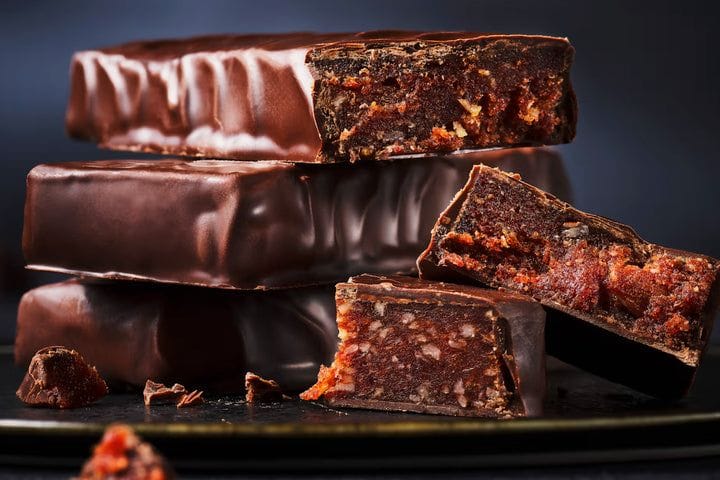
- Swap processed gluten free bread with a gluten free sourdough containing only the necessary ingredients. At Healf we are also loving banana-bread-like Banana Nut IQBar as a breakfast companion or a handy snack.
- Replace shop-bought dairy free milks with homemade versions using simple recipes. It is as simple as blending 100g oats with 1 litre water, then straining through a muslin cloth or sieve — done.
Such small and incremental tweaks allow you to create a diet that’s not only free from gluten and dairy, but also maintaining a high nutrient intake to benefit your digestive system and the health of the whole body on a holistic level.
A gluten free and dairy free diet: What about B vitamins and calcium?
If you’re on a gluten free and dairy free diet, it is essential to assess your nutrient intake. It is a topic covered in several instances throughout this piece, however, B vitamins and calcium are two nutrients believed to be of major consideration.
But the good news is there are excellent products and wholefood sources available that are B vitamin and calcium-rich to help you meet your needs.
B Vitamins
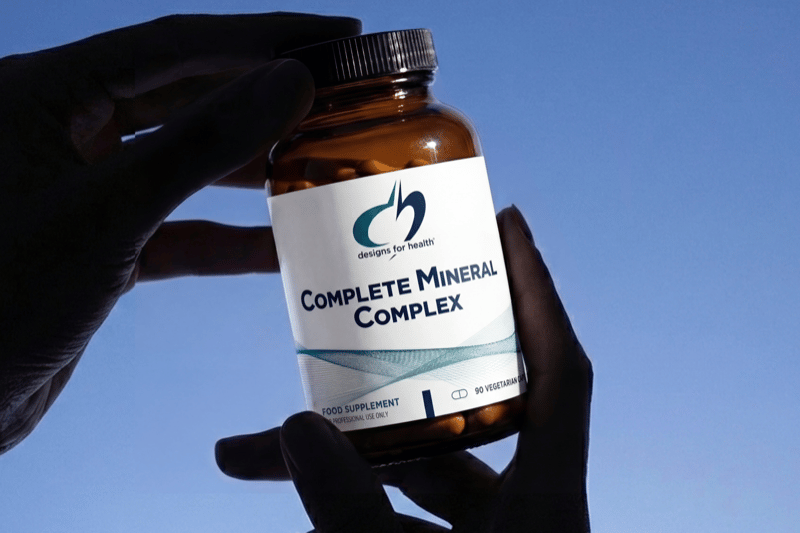
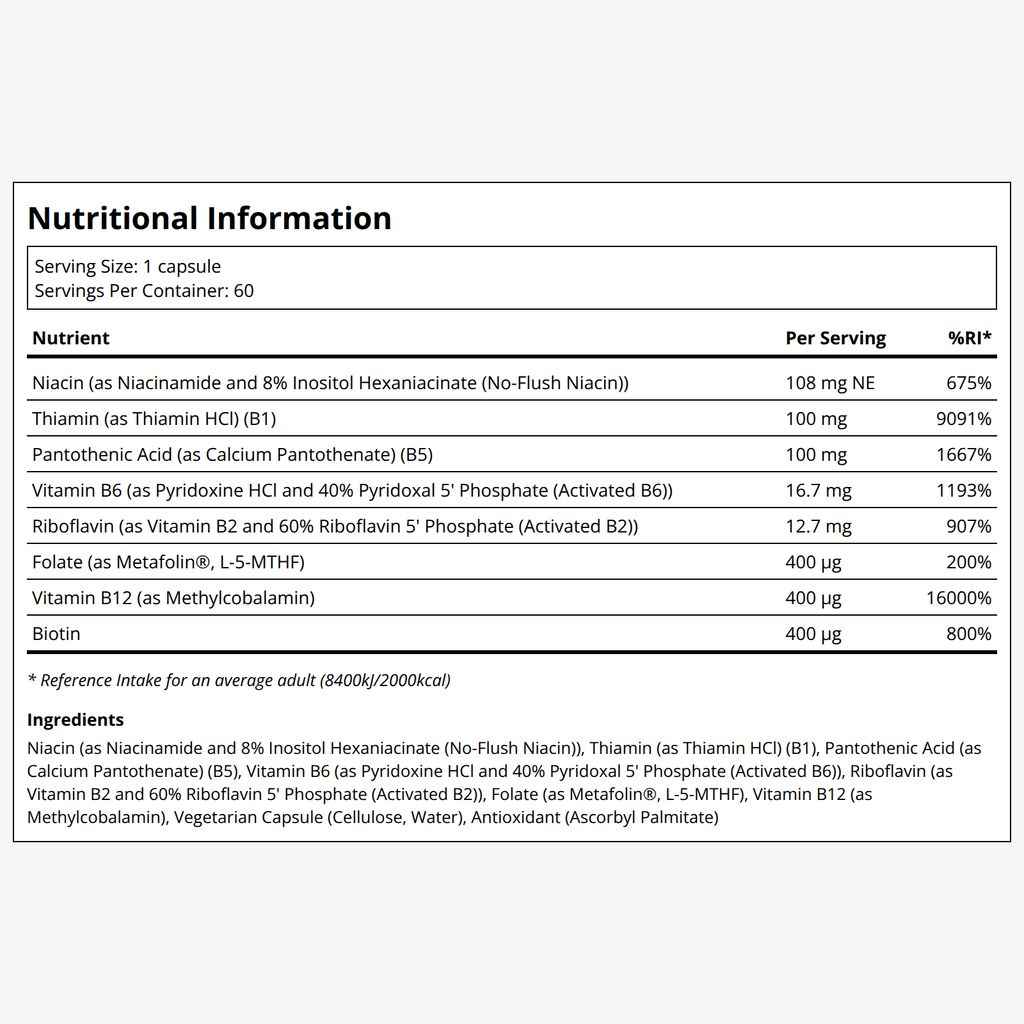
B vitamins, namely B12 and folate, are required for energy, as well as aspects of nerve health and red blood cell production. On a gluten free diet, many natural sources of B vitamins, such as gluten containing whole grains, may be off-limits. A high-quality B-complex supplement can help.
Vitamin B12 is naturally found in animal products, including dairy, and is absent in plant-based foods unless fortified. Folate, while present in various foods, can be deficient in those with gluten-related disorders due to malabsorption issues.
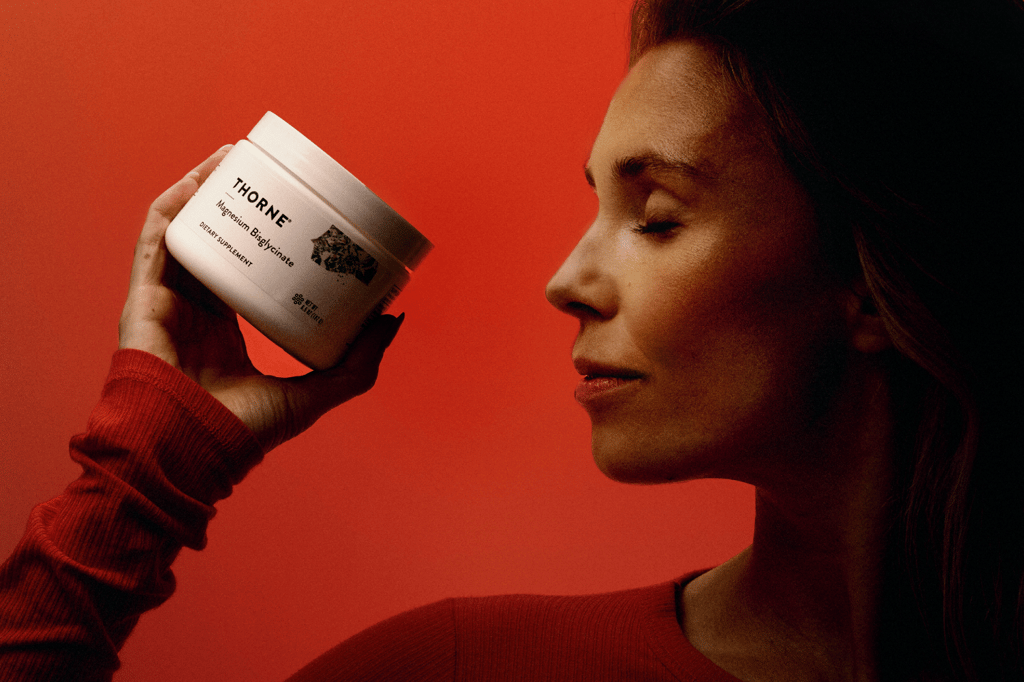
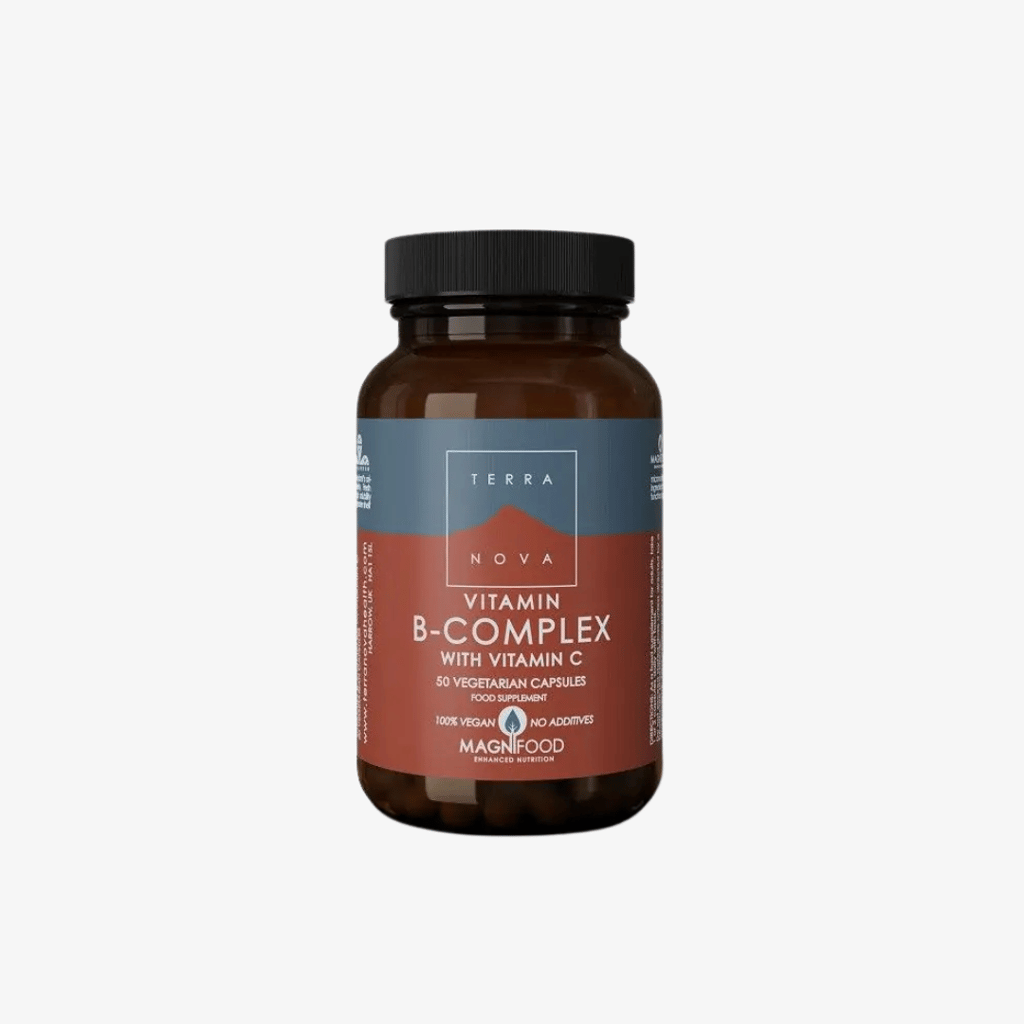
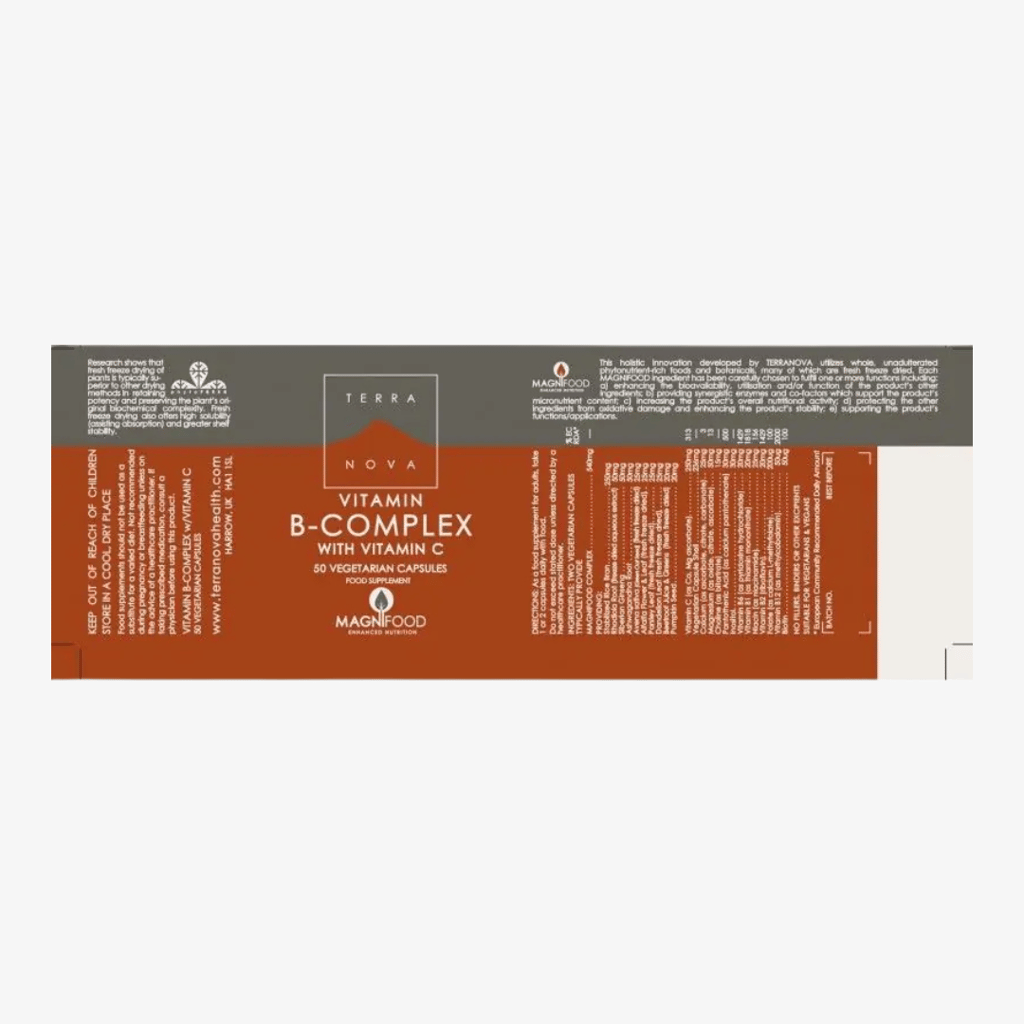
Here are some solutions available at Healf:


Calcium
Calcium is famous for assisting bone health, healthy teeth, and proper muscle and nerve function. By removing dairy, a diet might lack in calcium, unless sufficient steps are taken.
Dark green leafy vegetables like kale and broccoli, along with legumes, can boost your calcium intake and may even be better absorbed by the body compared to dairy products. However, supplements are often a reliable way to ensure you meet your daily requirements.
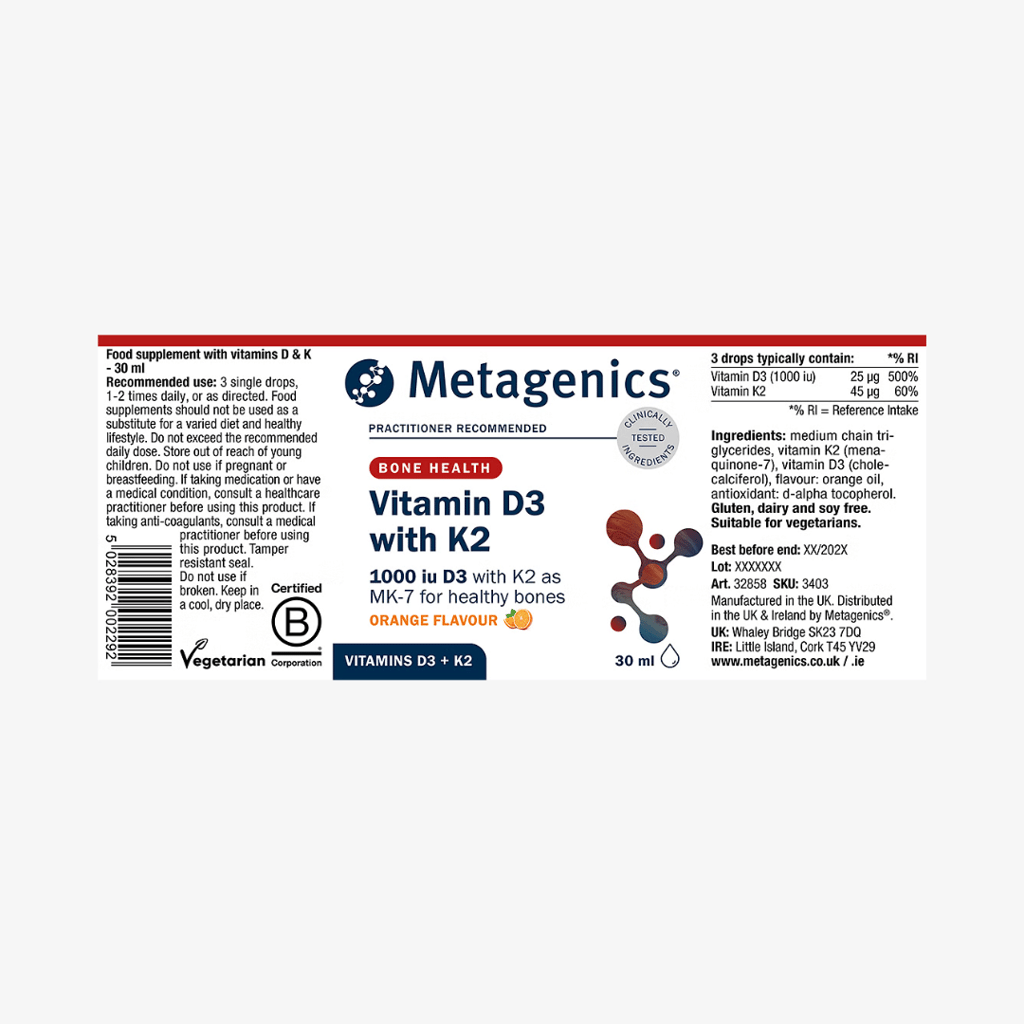
- Nutri Advanced Vitamin D3 With K2: Combines calcium with Vitamin D3 for better absorption
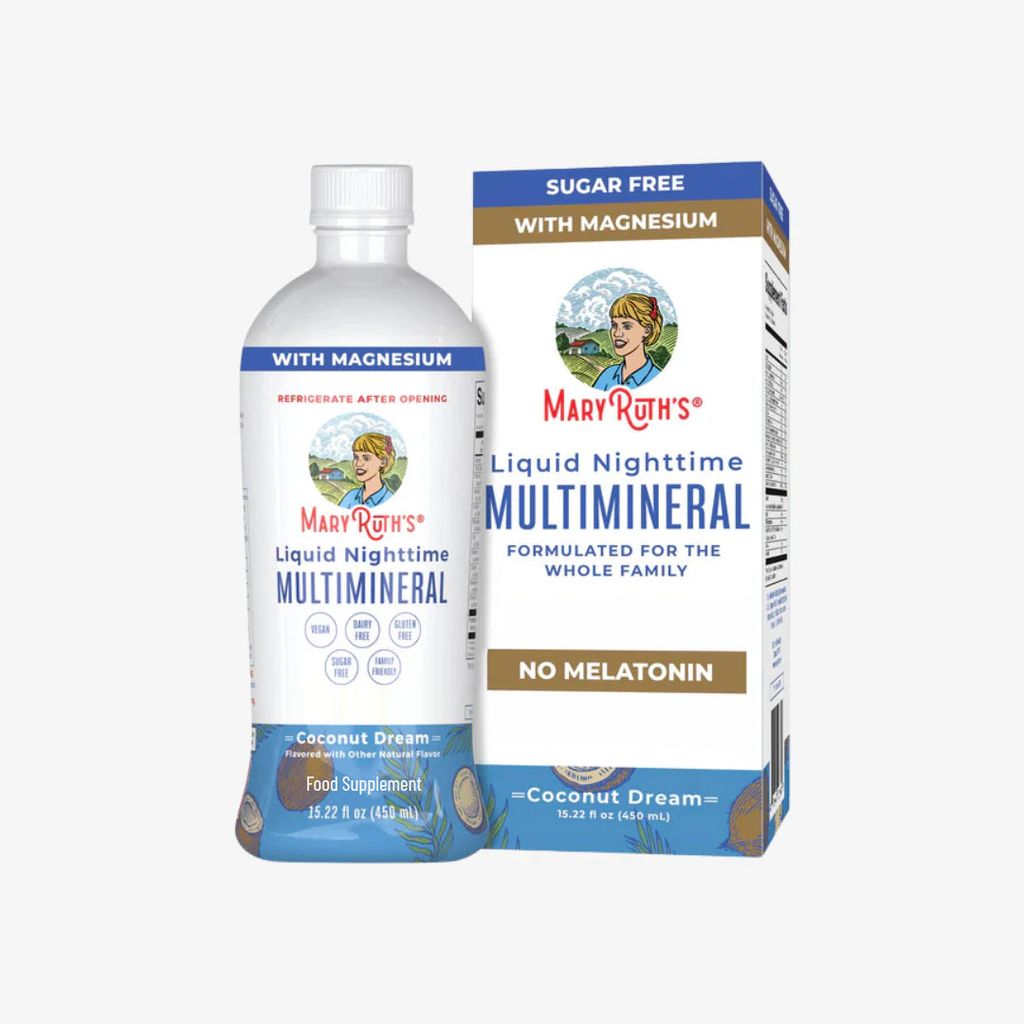
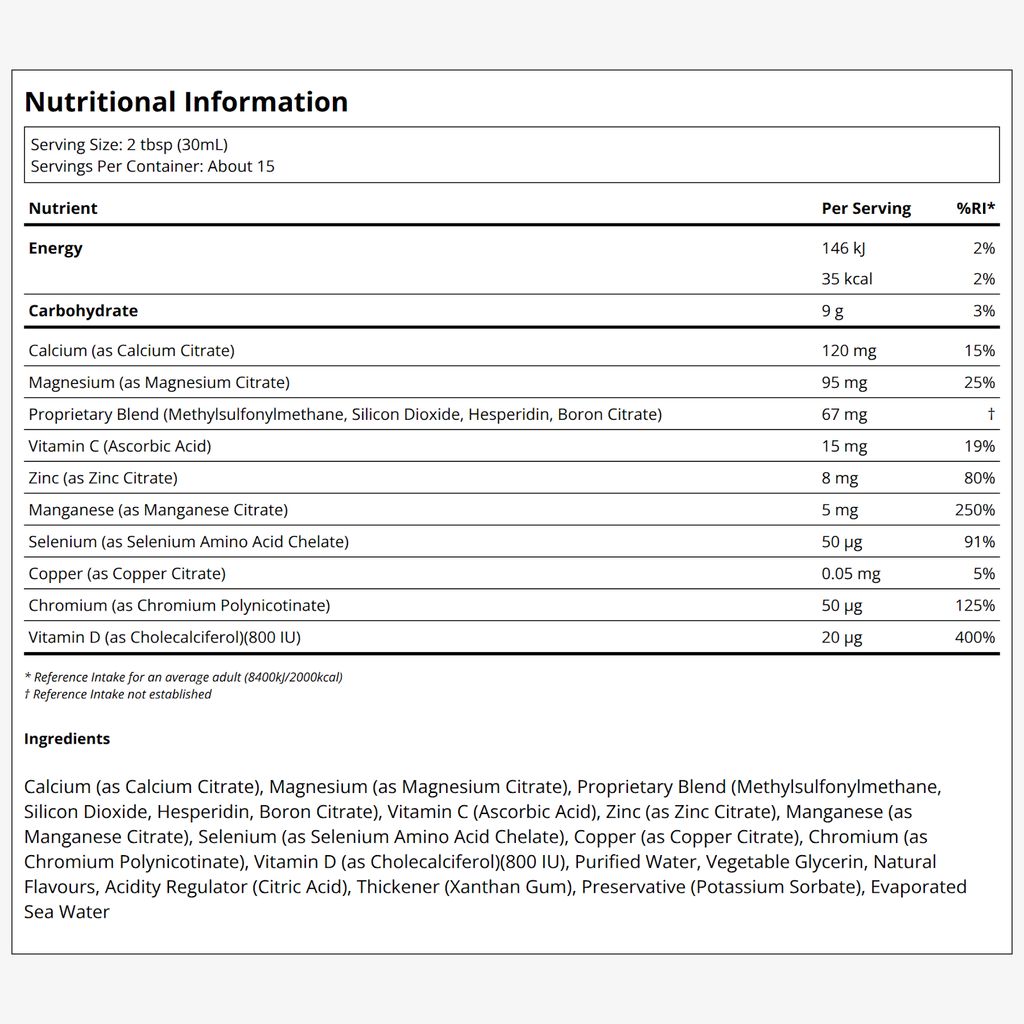
- MaryRuth Organics Night time Multimineral Liquid: A versatile product offering additional minerals.
Choosing safe supplements
Also, when selecting supplements, always check for certifications like "gluten free" or "dairy free" on the label, and consult with your healthcare provider for personalised advice.
Final thoughts
Finding high-quality gluten - and dairy free alternatives is about more than just reading labels. It’s about understanding your body’s needs and prioritising foods that are as close to their natural state as possible. By focusing on whole, naturally free-from foods, you can create a diet that’s both healthful and satisfying — no compromise necessary.

This article is for informational purposes only, even if and regardless of whether it features the advice of physicians and medical practitioners. This article is not, nor is it intended to be, a substitute for professional medical advice, diagnosis, or treatment and should never be relied upon for specific medical advice. The views expressed in this article are the views of the expert and do not necessarily represent the views of Healf
Pippa is a content writer and qualified Nutritional Therapist (DipNT) creating research-based content with a passion for many areas of wellbeing, including hormonal health, mental health and digestive health.
As a contributor to The Healf Source, she regularly attends seminars and programmes on a plethora of contemporary health issues and modern research insights with a drive to never stop learning. In addition, interviewing experts and specialists across The Four Pillars: EAT, MOVE, MIND, SLEEP.
In her spare time, she is an avid swimmer, mindfulness and yoga lover, occasionally bringing a raw, honest approach to the topics she faces. You may also discover some personal accounts of eye-opening wellbeing experiences amidst the reality of a disorientating, and often conflicting, modern wellbeing space.