






























_2026-10-13_14-11-48.png)


Is Modern Tech A Hidden Fertility Risk?
With tech constantly around us, here’s what the science says (and doesn’t say), plus what you can do if you’re worried.

Written by: Samantha Nice
Written on: 18 August 2025
You’ve probably seen the warnings… don’t keep your phone in your pocket. Don’t rest your laptop directly on your lap. Maybe even unplug your WiFi at night. Why? Because of EMFs (electromagnetic fields) and the growing fear that they might be harming our reproductive health.
It’s a topic that’s quietly been gaining momentum across forums, TikTok and podcasts, with some convinced that long-term exposure to EMFs could be contributing to everything from declining sperm quality to disrupted cycles and fertility struggles. Others argue it’s overblown and just another wellness trend built on fear, not facts.
But with global sperm counts dropping and fertility challenges on the rise, researchers are starting to ask harder questions: could our everyday tech habits be playing a role? We spoke to Andy Mant, founder of BON CHARGE, to understand what EMFs actually are, what the research really says about their effect on fertility, and the simple, practical steps you can take to protect yourself without going fully off the grid.
What are EMFs and where are they coming from?
"EMF radiation is an invisible layer of our modern environment that most people don’t fully understand, but we’re all exposed to it daily," says Andy who goes on to explain that there are two key types of electromagnetic radiation:
- Ionising radiation, which includes high-energy forms like X-rays and gamma rays. "Ionising radiation has enough energy to tear atoms apart and, in high doses, can lead to serious health risks like cancer or even death," says Andy. "Fortunately, ionising radiation is rarely present at dangerous levels in everyday environments."
- Non-ionising radiation, which is what we encounter far more frequently. "This is emitted by smartphones, laptops, Wi-Fi routers, Bluetooth devices, smart meters and power lines," Andy explains. While it's lower energy, the concern lies in the constant, cumulative exposure that happens as we go about our tech-heavy lives.
"We’re exposed to low-frequency EMFs from mains electricity and appliances, radiofrequency (RF) EMFs from wireless devices and intermediate frequencies from smart home tech and lighting systems," he says. "It’s not about fear, it’s about informed exposure. These fields are always on, and our bodies are constantly absorbing them, especially with how intimately we all use tech today."
What does the science say about EMFs and fertility?
When it comes to reproductive health, Andy believes the science is starting to speak for itself. "It’s been building for over a decade," he says, when asked if there's credible evidence linking EMF exposure to reproductive dysfunction. "Studies have linked EMF exposure, especially from mobile phones, to reduced sperm motility, viability and morphology in men," he adds. "A 2014 meta-analysis in Environment International reviewed 10 studies and found mobile phone exposure significantly impaired sperm quality." And it’s not just male fertility that might be affected. "For women, research is still emerging, but concerns include EMFs disrupting ovarian follicles and early embryo development," says Andy. " A 2021 review pointed to possible impacts on female reproductive hormones and fertility outcomes."
Why your pocket or lap could be the worst place for tech
Not all EMF sources are equal and some are much more intimate than others. "The worst offenders are devices that sit close to or directly on the pelvis," says Andy. These include phones in pockets (especially for men, laptops used on laps, tablets resting on your abdomen and Wi-Fi routers placed near your bed or under your desk. "Distance matters,” says Andy. “EMFs drop off sharply with just a bit of space, but most people don’t think about that. That’s why products that shield or create separation are critical." The problem is proximity. With our tech often directly against our bodies for hours each day, the cumulative effect on sensitive organs is increasingly being questioned.
How EMFs may be messing with your hormones and cells
So how could non-ionising radiation actually impact reproductive function? Andy breaks down four key biological mechanisms:
- Oxidative stress: "EMFs can increase free radicals, damaging DNA in sperm and eggs. This 2015 review in Electromagnetic Biology and Medicine found a strong link between EMF exposure and oxidative stress."
- Calcium channel disruption: "According to Dr Martin Pall, EMFs can overstimulate calcium channels, disrupting hormonal signaling and cellular function."
- Thermal effects: "Backed by a 2011 study in Fertility and Sterility, laptops on laps increase scrotal temperature, reducing sperm production."
- Endocrine disruption: "Emerging studies (like this one) suggest EMFs may alter testosterone, FSH and estrogen regulation."
It’s not just about your reproductive organs, EMFs might also be messing with the hormones that keep your fertility in check. So while the effects might not always be obvious, they can add up in subtle ways, from how your body functions to how your hormones communicate.
Is there long-term data and what do we still need to know?
The research into EMFs and fertility is growing, but like a lot of things in the wellness world, it's still evolving and Andy is quick to acknowledge that. “Yes, long-term data does exist, but we need more,” he says. “I’ve referenced some studies above but another notable one is this 2011 study that shows that prolonged mobile phone use correlates with lower sperm concentration.”
That said, there are still some gaps in the science and Andy doesn’t shy away from calling them out. “There are no long-term randomised controlled trials in humans due to the fact that EMF has not been around for very long. They are mostly animal models and short-term observational studies,” he explains. “There are also inconsistent EMF measurement methods as not all devices emit equally and confounding factors such as stress, diet, heat and tech usage habits all vary.”
Whilst the full picture isn’t crystal clear just yet, Andy urges people not to wait for perfect evidence before taking action. “Uncertainty doesn’t equal safety. We saw the same delay with tobacco, trans fats and BPA. Precaution is often the smarter path especially when fertility is on the line.” In other words, just because we don’t have all the answers yet, doesn’t mean the risk isn’t real, particularly when it comes to something as sensitive and as important as your reproductive health.
What can you realistically do to reduce EMF exposure?
If the research has you rethinking your relationship with your phone and laptop, you’re not alone. The good news? Simple shifts can make a big difference. Andy’s lists his practical top tips for you here:
- Keep your phone out of your pocket, use airplane mode or carry it in a bag.
- Don’t use laptops or tablets on your lap without an EMF Radiation Blocking Laptop Mat.
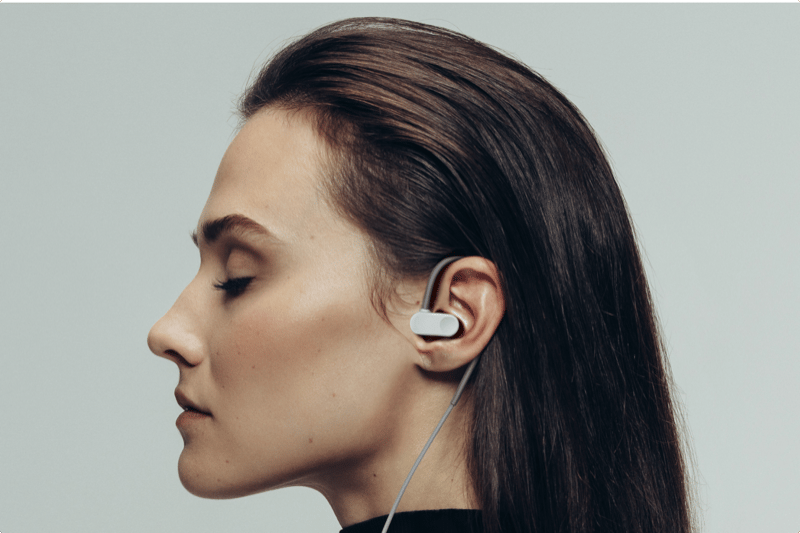
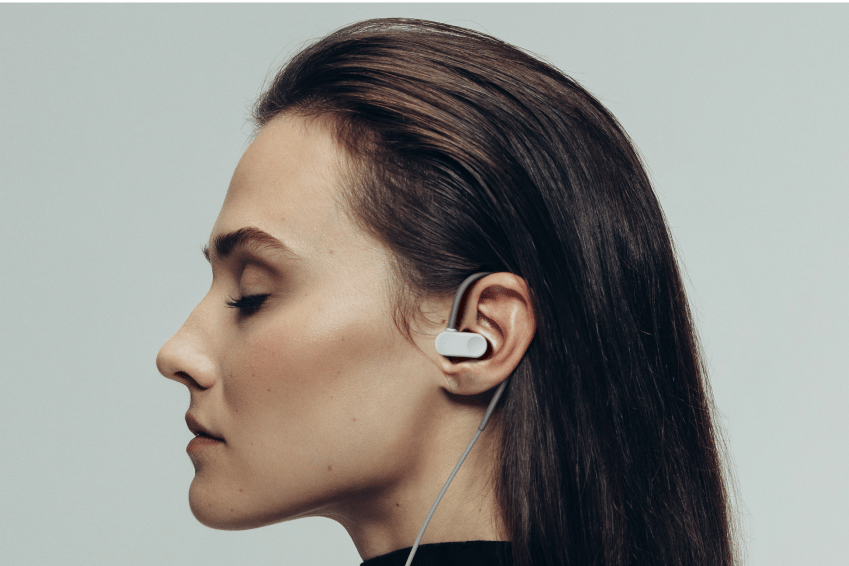
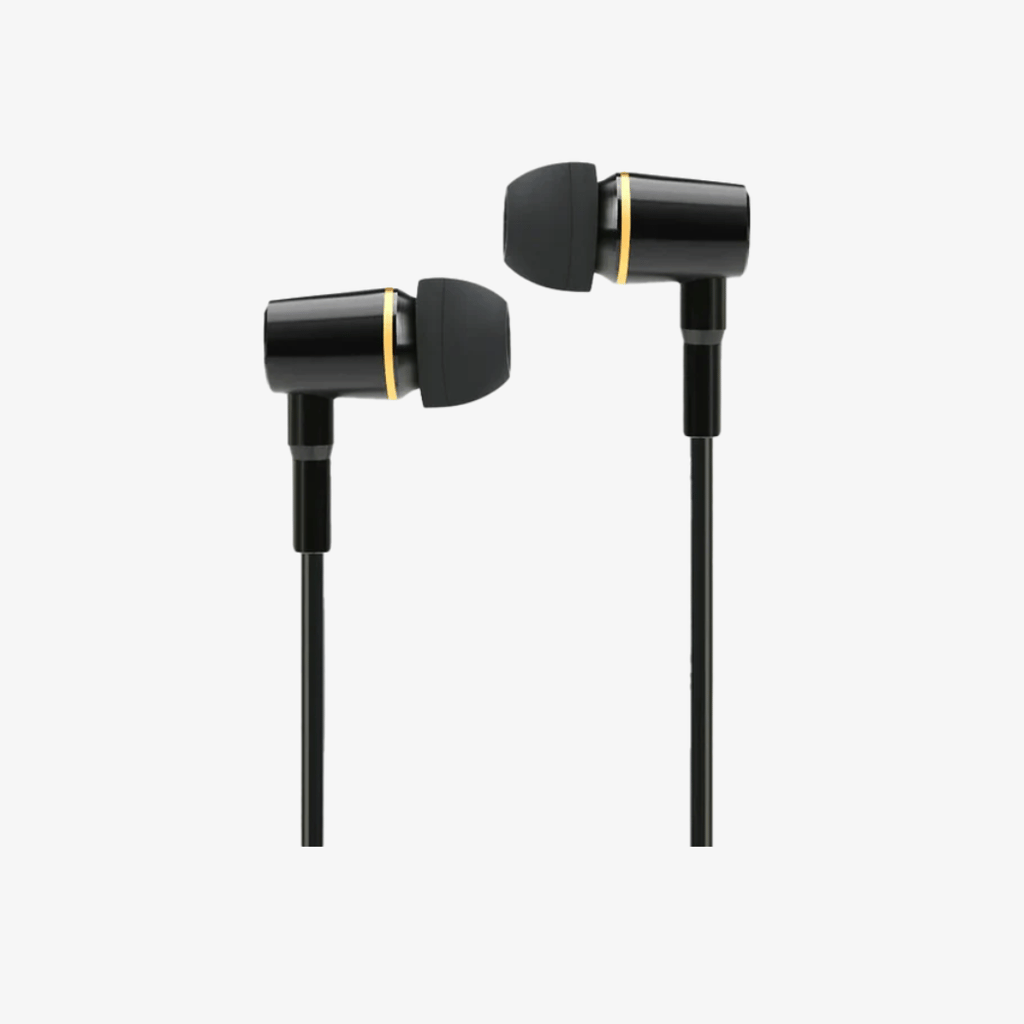
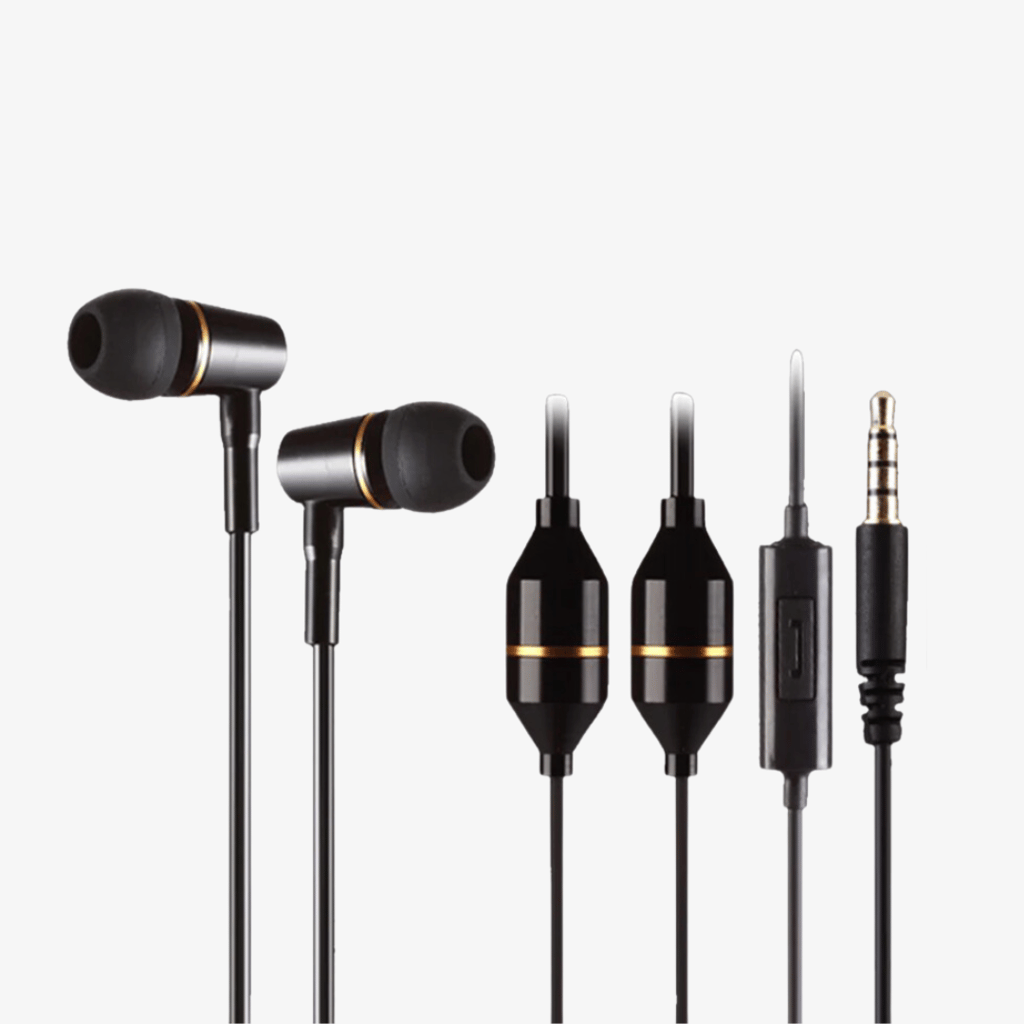
- Use EMF Radiation-Free Air Tubes instead of wired headphones or wireless Bluetooth earbuds.
- Turn your Wi-Fi off at night.
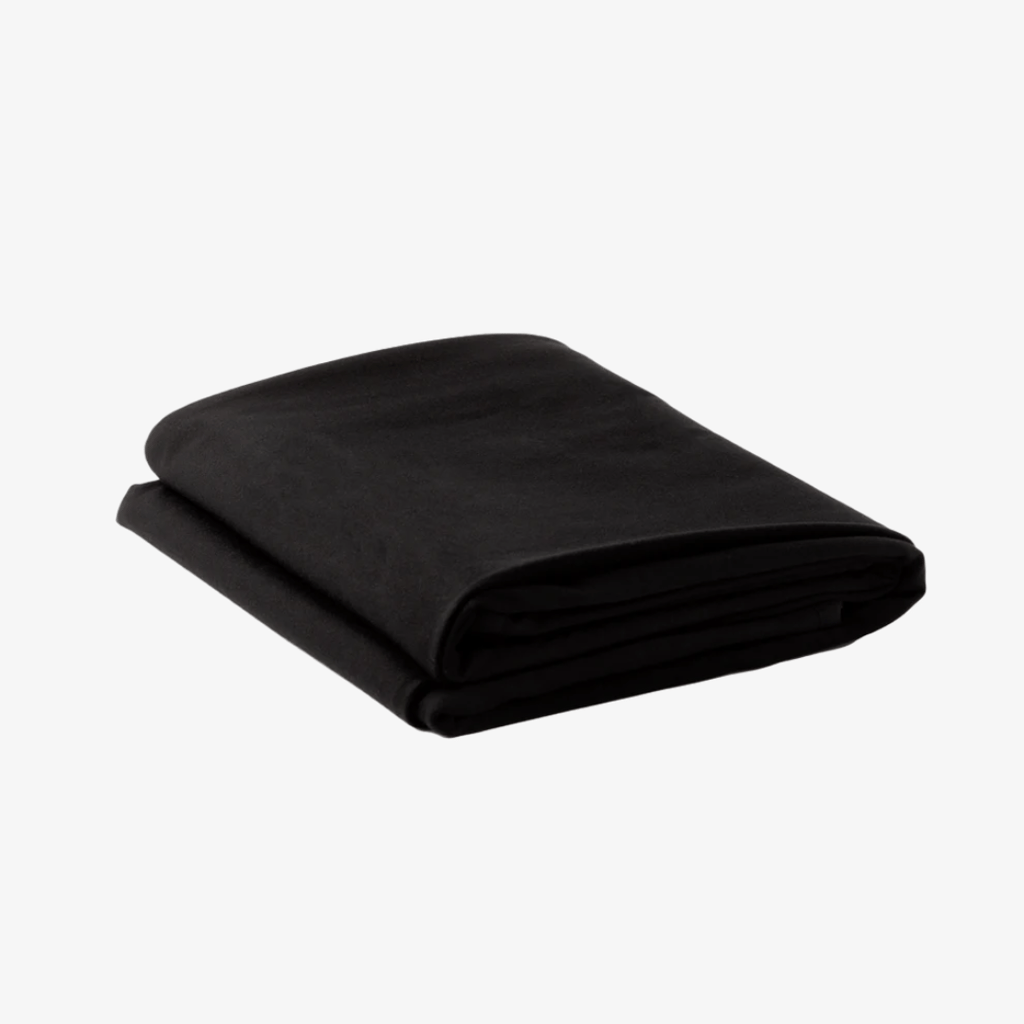
- Use an EMF Shielding Blanket. “Kourtney Kardashian Barker uses our EMF Radiation Blocking Blanket.”
- Create distance between your devices wherever you can, even a few inches makes a difference.

Who’s most at risk?
While everyone is exposed, some groups are more vulnerable. "Pregnant women especially,” says Andy. “The fetus is highly sensitive to EMFs due to rapid cellular development. This 2017 study in Scientific Reports showed prenatal EMF exposure correlated with higher miscarriage risk."
"Teenagers are also ones to watch as their brains, endocrine systems and reproductive organs are still developing and they tend to use devices more intensely and closely,” he adds. "With fertility rates dropping globally, these groups should be protected, not experimented on."
Final thoughts
EMFs are everywhere and no one’s suggesting we abandon our phones or Wi-Fi altogether. But with more data emerging around their potential impact on fertility and hormone health, it’s worth being proactive. "It’s not about fear, it’s about informed exposure,” says Andy. Creating distance, cutting back on device time and using shielding products are simple, achievable steps that might help protect your long-term reproductive health.



This article is for informational purposes only, even if and regardless of whether it features the advice of physicians and medical practitioners. This article is not, nor is it intended to be, a substitute for professional medical advice, diagnosis, or treatment and should never be relied upon for specific medical advice. The views expressed in this article are the views of the expert and do not necessarily represent the views of Healf
Samantha Nice is a seasoned wellness writer with over a decade of experience crafting content for a diverse range of global brands. A passionate advocate for holistic wellbeing, she brings a particular focus to supplements, women’s health, strength training, and running. Samantha is a proud member of the Healf editorial team, where she merges her love for storytelling with industry insights and science-backed evidence.
An avid WHOOP wearer, keen runner (with a sub 1:30 half marathon) hot yoga enthusiast and regular gym goer, Samantha lives and breathes the wellness lifestyle she writes about. With a solid black book of trusted contacts (including some of the industry’s leading experts) she’s committed to creating accessible, well-informed content that empowers and inspires Healf readers.