













_Madeline_Spanier_Photos_ID7424.jpg)
Ready To Eat Your Way To A Better Orgasm?
The foods, nutrients and aphrodisiacs that can help set the tone and satisfy in more ways than one.

Written by: Samantha Nice
Written on: 6 February 2026
Food probably isn’t the first thing that comes to mind when you think about pleasure, but it does actually shape a lot of the biology that makes desire, arousal, and connection possible in the first place.
From how well blood flows, to how supported your hormones are, to whether your nervous system actually feels safe enough to switch out of stress mode, what you eat sets the backdrop for your sex life far more than most of us realise. So can certain foods really put you in the mood? Or is it all oysters, dark chocolate and wishful thinking?
To separate science from sexy myths, nutritionist Jasmine Bliss tells us what’s really going on in the body, what role so-called aphrodisiac foods actually play, and how to eat for pleasure without turning dinner into performance pressure.
What role can food actually play in pleasure and libido?
“Food plays a supporting role in libido rather than acting as an on-off switch,” says Bliss. “Physiologically, what we eat influences sexual wellbeing through a few key systems: blood flow, hormone production, energy availability and nervous system balance.”
Those systems are deeply intertwined with how desire shows up. “Adequate nutrition supports circulation, which is essential for arousal, provides the raw materials needed to produce sex hormones, stabilises blood sugar, which affects mood and desire, and helps regulate stress hormones like cortisol,” Bliss explains. “When these systems are well-supported, the body is simply in a better state to experience desire and pleasure.”
When they’re not supported (due to chronic under-eating, nutrient deficiencies or blood sugar crashes) libido is often one of the first things to disappear. she adds.
How directly is libido linked to what you eat?
Despite what your social feed might suggest, libido isn’t driven by individual foodsInstead, it is influenced by overall nutritional status and eating patterns, says Bliss. For example, low iron or vitamin B reduce your energy and desire, a lack of carbs can increase cortisol and suppress reproductive hormones, and diets high in saturated fats can affect vascular health, reducing arousal by limiting blood flow.
One of the most useful reframes relates tolibido itself: “Libido is essentially a luxury signal. It tends to show up when the body feels safe, fuelled and well-supported.”
Just remember: Expectations matter. “Food alone rarely ‘puts someone in the mood’, but it can help remove barriers to desire,” says Bliss. “Physiology and psychology are tightly linked. A nourishing meal can improve energy, stabilise blood sugar and support relaxation, while the ritual of eating, slowing down, sharing food and feeling cared for can signal safety and connection to the nervous system.”
Your environment, emotional context, and anticipation matter here, too, so “eating for libido works best when food supports the body and the experience around it feels unpressured and pleasurable,” says Bliss.
Do ‘libido-boosting’ foods work in different ways?
There is a real difference between foods that can shift how you feel in the moment and foods that quietly support your physiology over time. “It’s important to separate short-term effects on mood or sensation from long-term physiological support,” Bliss explains.
Bliss explains that some foods can make a difference in how you feel in the moment by supporting steady energy, lifting your mood or helping circulation. Others are less about instant effects and more about what happens over time, by quietly supporting things like hormone health, iron levels, blood flow and how well your body copes with stress when they’re eaten regularly.
Ultimately, she says the biggest impact on libido doesn’t come from chasing specific ‘libido foods’. It comes from eating enough overall, getting a good mix of nutrients and making sure your body is properly fuelled. When nourishment improves, desire often follows naturally as a side effect; rather than something you have to try to force through your diet. “Libido usually improves as a by-product of better overall nourishment,” she adds.
The foods everyone talks about (and what they really do)
Some foods do support the biology behind desire, but they work in very different ways and none of them act as an instant turn-on switch. Here’s what’s actually going on with the most talked-about libido foods, and a few that fly under the radar.
Oysters
Oysters are probably the most famous aphrodisiac of all and there is a genuine nutritional reason behind the hype. “There is some science, but it’s often overstated,” says Bliss. “Oysters, for example, are rich in zinc, which is important for testosterone production and reproductive health.” Zinc plays a role in hormone production and overall reproductive function, which means oysters can support the underlying physiology linked to libido. What they don’t do, however, is trigger desire on their own. “It doesn’t work like a pharmaceutical aphrodisiac,” Bliss adds.
Chocolate
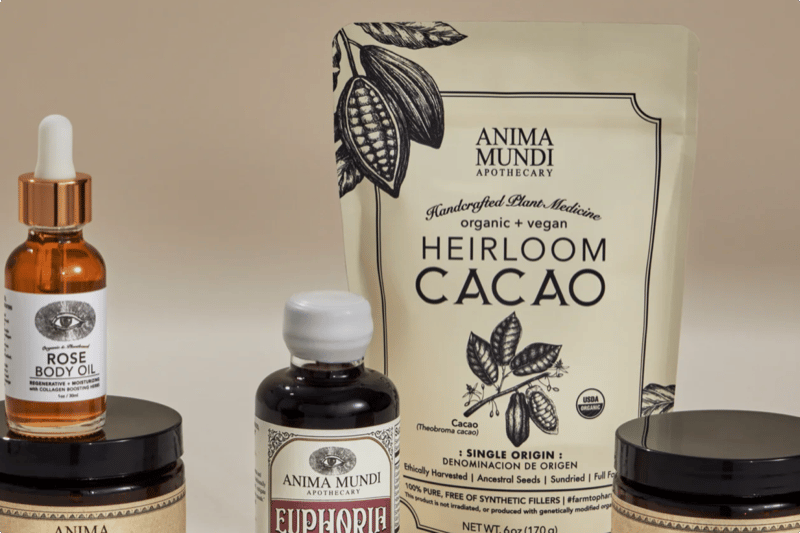
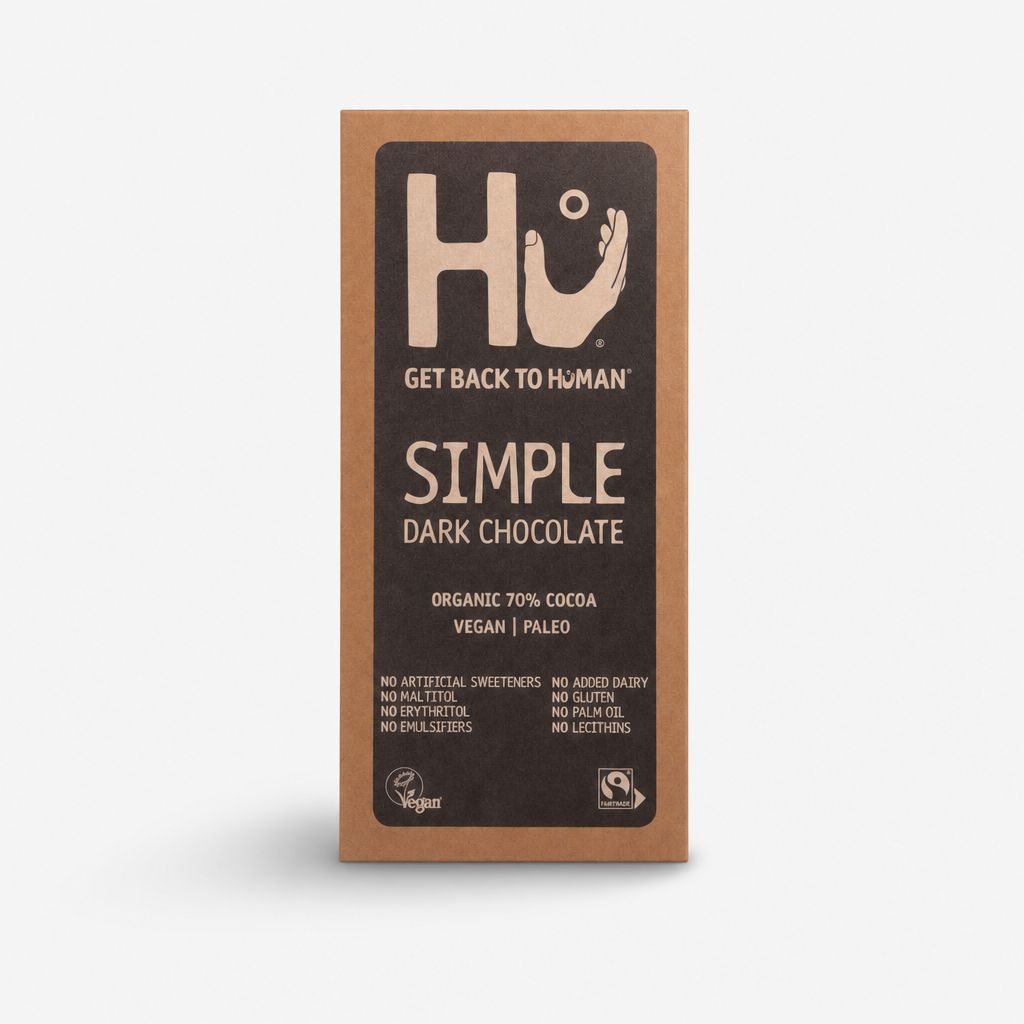
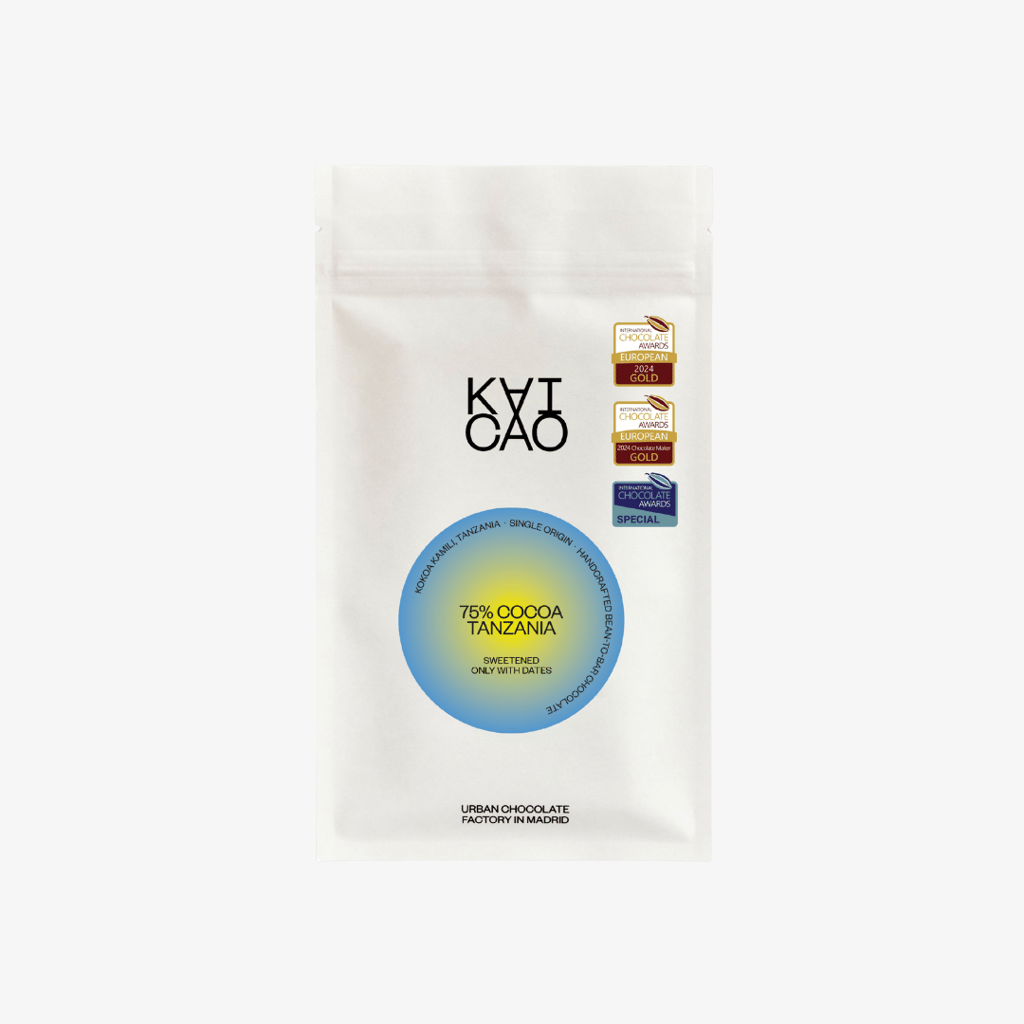
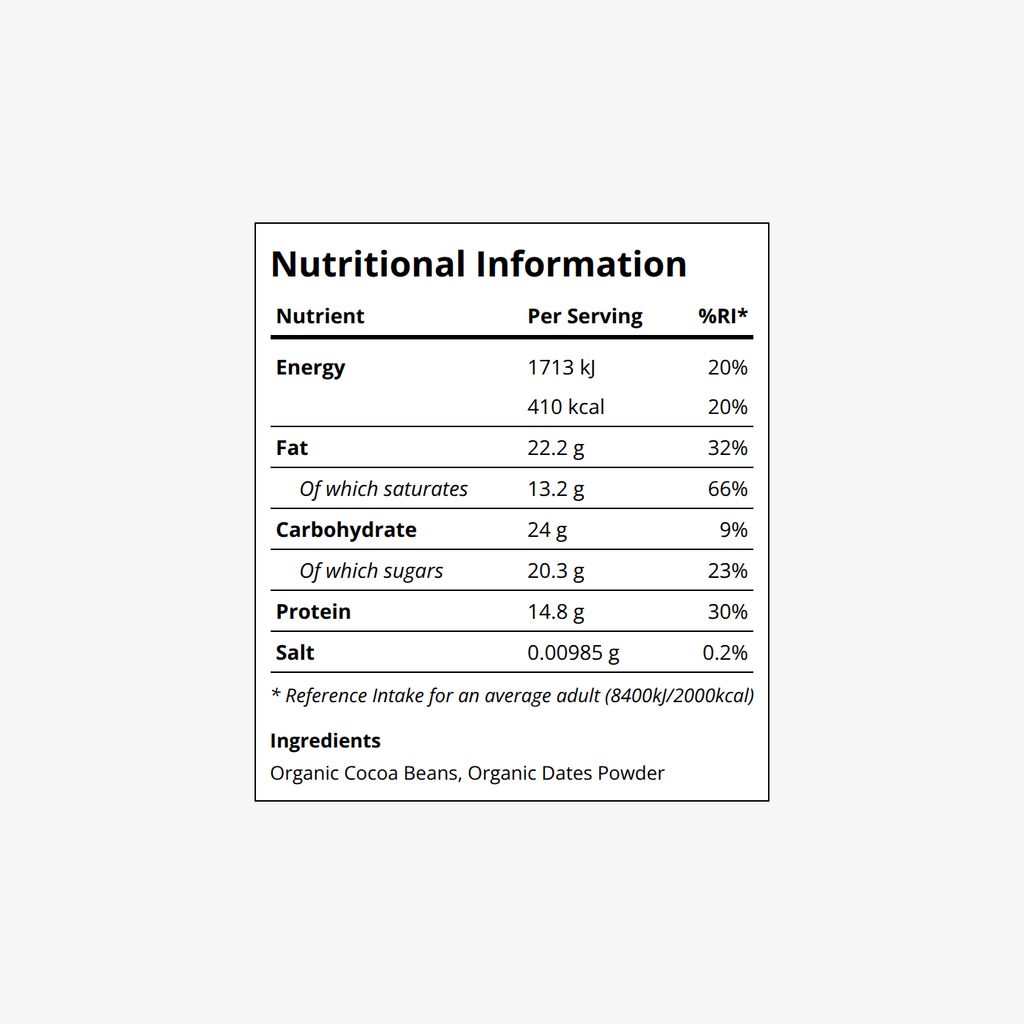
Chocolate earns its sensual reputation for slightly different reasons, containing compounds (like phenylethylamine, theobromine and tryptophan) that can boost dopamine and serotonin, Bliss explains. Dopamine and serotonin are both involved in reward, enjoyment and emotional wellbeing, which helps explain why chocolate can feel comforting and mood-lifting in the moment. But again, expectation needs to stay realistic.
“Their reputation is likely a mix of nutritional support plus symbolism, enjoyment and expectation. In other words, the context in which these foods are eaten probably matters just as much as their nutrient content,” says Bliss.



Carbohydrate-containing meals
One of the most overlooked contributors to low desire is simply not fuelling enough. Libido is strongly influenced by whether the body feels adequately supported, caloric and energy-wise. Carbohydrates help stabilise blood sugar and support energy availability, which plays directly into how the nervous system and hormonal system behave.
Iron and B-vitamin rich foods
Low iron or B-vitamins can reduce energy, which is one of the most common and least obvious barriers to pleasure. Both support oxygen delivery, nervous system function and energy production. When those systems are under-supported, fatigue rises and libido often quietly drops with it.
Foods that support blood flow and vascular health
Arousal is a physical process as well as a psychological one. As Bliss explains, one of the foundations of desire is circulation. Supporting vascular health through diet helps maintain healthy blood flow to tissues involved in arousal, which is one of the key physical foundations of sexual response. Bliss points out that this is less about “sexy” foods and more about regularly eating in a way that supports heart and blood-vessel health. Some helpful examples include:
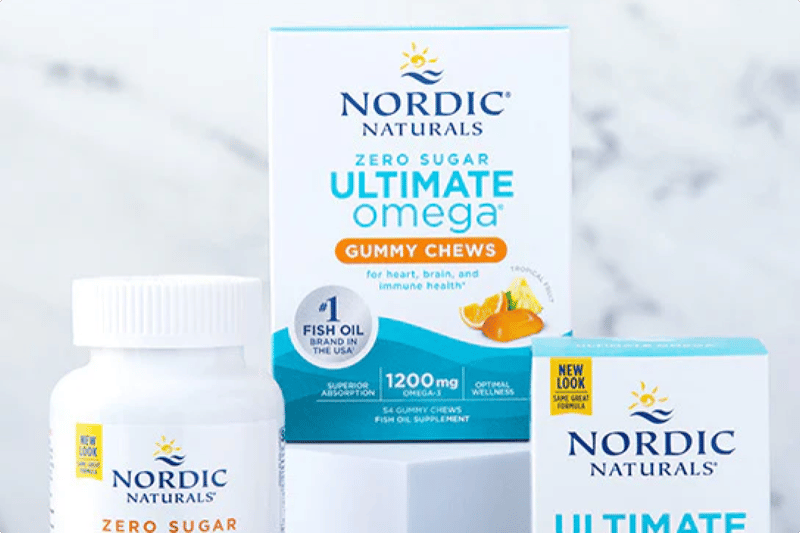
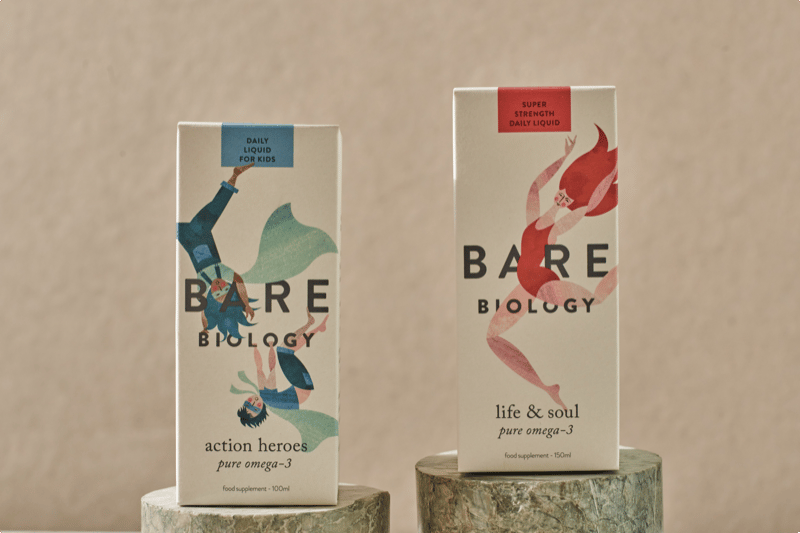
Oily fish (such as salmon, sardines and mackerel): rich in omega-3 fats, which support healthy blood vessels and circulation.
Berries (like blueberries and strawberries): high in polyphenols that help protect blood vessels and support vascular function.
Extra virgin olive oil: a key source of monounsaturated fats and antioxidants linked to better cardiovascular and blood-flow health.
Nuts and seeds: provide healthy fats, magnesium and antioxidants that support blood vessel function.
Garlic: contains natural compounds that help support healthy circulation and blood vessel relaxation.
These foods don’t trigger desire on their own, she explains, but by supporting long-term vascular health, they help maintain one of the core physical systems that makes arousal possible in the first place.
Five unexpected foods that may quietly support arousal
These aren’t classic aphrodisiacs, but they quietly support one of the main biological functions that Bliss says is key for desire… blood flow.
Watermelon: Contains L-citrulline, which converts to L-arginine and can help increase nitric oxide. Nitric oxide supports blood vessel relaxation and circulation, which is important for physical arousal.
Beetroot: Naturally rich in nitrates, which also boost nitric oxide production and support healthy blood flow.
Leafy greens (like spinach, rocket, kale): Support vascular health and provide iron and B-vitamins, both of which Bliss notes can matter for energy and desire.
Pumpkin seeds: A useful source of zinc and magnesium, which support hormone production and nervous system function.
Pomegranate: Rich in polyphenols that support blood vessel health and circulation over time.
Just remember that these foods underpin the systems behind arousal and don’t act as instant mood-setters on their own.
How to eat for pleasure and libido without pressure
If there is one thing Bliss is keen to dismantle, it is the idea that a single perfect meal will get you in the mood. “A realistic approach is to think of food as creating the conditions for desire rather than trying to engineer it,” she explains.
In practice, eating for libido is much simpler than most people expect. Bliss recommends “eating enough, regularly and without guilt, supporting energy, blood sugar and nutrient needs, choosing foods that feel satisfying and pleasurable, and letting meals be part of connection, relaxation and routine rather than a performance.” And perhaps most importantly, try to lower the stakes around what food is meant to achieve. “Libido is responsive. When food supports wellbeing and pleasure overall, without the expectation that a single meal should ‘deliver’, desire is far more likely to follow naturally.”
The takeaway
A pomegranate will not magically fix a low libido. But the food we eat does shape the foundations that allow desire and pleasure to show up in the first place. When meals support blood flow, hormones, energy and nervous system balance, you are creating a body that is far more able to respond to intimacy. And when eating also becomes a moment of slowing down, enjoyment and connection, the impact goes well beyond nutrients alone. So yes, order the oysters and share the chocolate, just don’t expect your dinner to do all the work.



This article is for informational purposes only, even if and regardless of whether it features the advice of physicians and medical practitioners. This article is not, nor is it intended to be, a substitute for professional medical advice, diagnosis, or treatment and should never be relied upon for specific medical advice. The views expressed in this article are the views of the expert and do not necessarily represent the views of Healf
Samantha Nice is a seasoned wellness writer with over a decade of experience crafting content for a diverse range of global brands. A passionate advocate for holistic wellbeing, she brings a particular focus to supplements, women’s health, strength training, and running. Samantha is a proud member of the Healf editorial team, where she merges her love for storytelling with industry insights and science-backed evidence.
An avid WHOOP wearer, keen runner (with a sub 1:30 half marathon) hot yoga enthusiast and regular gym goer, Samantha lives and breathes the wellness lifestyle she writes about. With a solid black book of trusted contacts (including some of the industry’s leading experts) she’s committed to creating accessible, well-informed content that empowers and inspires Healf readers.