












How To Increase Libido In Men (According To Hormones, Not Hype)
Your libido is a biological window, offering a real-time look at your overall health. Let 2026 be the year you optimise your drive—from the inside, out.

Written by: Ed Cooper
Written on: 6 February 2026
by Ed Cooper
Sperm optimisation may be all the rage right now, but if you’re never in the mood, it’s really all for naught. Roughly one in three UK men have recently experienced a loss of libido, with 41% citing work stress and mental health as the primary dampeners, according to Bupa’s 2025 Wellbeing Index. Doctors are seeing more and more patients wanting to know how to get revved up, which suggests men are increasingly interested in wresting ahold of their sexual health.
But the fact is, sexual desire is tied to core health markers that go far beyond attraction and testosterone—like sleep, stress, and exercise—so understanding your sex drive isn't just about the bedroom, it’s also key to your wellbeing. We spoke with two doctors to break down the science on what might help you in the bedroom.
What causes low libido?
There’s really no simple answer to this question because the reality is, lots of things impact your libido. Thankfully, many of those factors are modifiable. Low male libido is often influenced by a combination of lifestyle factors, says Giuseppe Aragona, MD, a GP and medical adviser for Prescription Doctor. On the list? Diet, exercise, alcohol consumption, smoking, and chronic stress.
Ben Davis, MD, a GP and sex therapist specialising in men's health and sexual wellbeing, adds that libido issues don’t just come down to physical elements, such as weight gain or a lack of exercise, but also psychological and social issues. “Libido is often much more than medical issues; long-term relationships, having children, life stressors, feeling conflicted about your sexual self are common non-medical causes of low libido,” he says.
Of course, testosterone also plays a role, but its impact is frequently oversimplified. Yes, testosterone is necessary for healthy libido, but it’s not the whole picture, Dr. Davis explains. While there’s not a ton of consensus around what constitutes “healthy” testosterone levels, men should typically hit between 450 and 600 ng/dL. Low testosterone is typically indicated below 300 ng/dL.
Genuinely low T levels can suppress desire, but “one in four men have symptoms of low testosterone such as fatigue and low libido, despite completely normal testosterone levels,” says Dr. Davis, which can complicate a diagnosis. “If you’re truly deficient in testosterone, have a diagnosis confirmed, and go on to treatment, this can make a big difference to your desire for sex.”
What role does low libido signal about my overall wellbeing?
If you’ve been feeling sluggish, unmotivated, and stressed, you’ll have probably noticed your libido isn’t as high as it could be. It’s no coincidence. Your libido is tied to key health markers, so if your hormones, diet, exercise routines are out of whack, or your mental health is low, you’ll probably see that reflected in your desire. Think of it like a bellwether for holistic health, signaling things about your sleep quality, stress levels, and immune resilience.
As the Bupa report details, “poor mental health and stress at work were the most prominent factors behind symptoms of erectile dysfunction, premature ejaculation and loss of libido.” Further research from The English Longitudinal Study of Ageing also supports the idea that libido is closely tied to broader emotional health and stressors. The study found that declines in sexual desire are associated with higher rates of depressive symptoms and lower quality of life and life satisfaction in men, reinforcing libido as a marker of overall wellbeing rather than a standalone issue.
Dr. Aragona agrees. “Mental health is equally important; anxiety, depression, and relationship difficulties frequently contribute to reduced sexual desire,” she says. “Hormonal imbalances, particularly low testosterone, can further compound the problem.”
Conversely, men with a healthy sex life experience enjoy a cache of benefits beyond the bedroom. “It can improve cardiovascular health by promoting better blood pressure and endothelial function, support hormonal balance, and even boost immune response,” says Dr. Aragona. “Sexual activity can reduce stress, improve mood, strengthen emotional bonds with a partner and enhance overall well-being.”
How do I increase my libido?
Wondering where to start? For Dr. Davis, there are six key areas to focus on: Sleep, stress, diet, movement, avoiding alcohol and other substances, and good relationships. “If you can crack these, it’s very possible to maintain a good libido into older age.”
Eat
A diet rich in whole foods, healthy fats, and micronutrients supports overall health and sexual health, per Dr. Aragona. That means loading up on leafy greens, chicken, legumes, fruits and more.
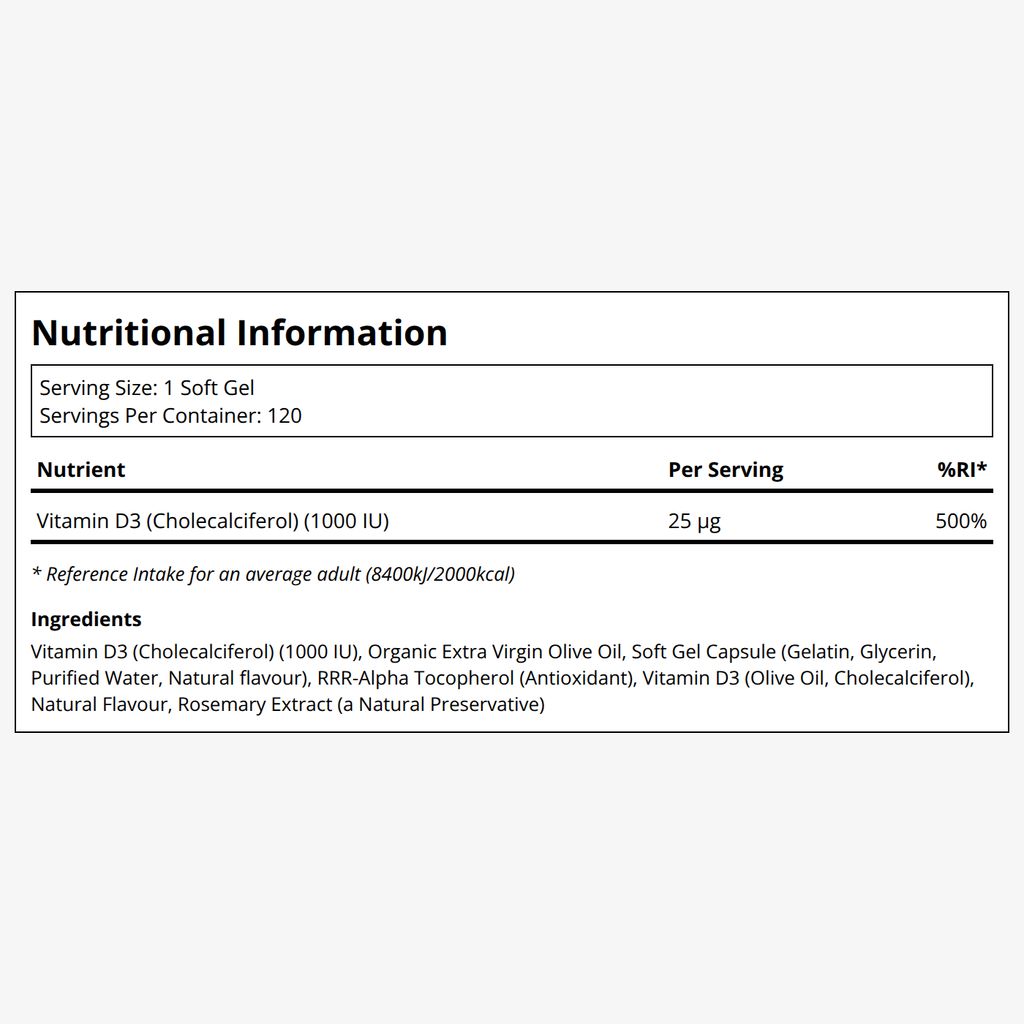
Some key nutrients you should keep an eye on include zinc (which your body needs to produce testosterone), antioxidants, Vitamins D and B12, and iron. You should try to avoid highly processed foods and foods with high sugar content, both of which can mess with your hormone levels.
High in Vitamin D and healthy fats, the Mediterranean diet can be a good way to boost sexual function via testosterone synthesis. Low Vitamin D levels are also linked to lower serotonin and seasonal depression. If the Mediterranean diet isn’t for you, check your vitamin D levels and grab a quality supplement.

Move
“Regular exercise, particularly resistance and aerobic training, can improve hormone balance and blood flow,” says Dr. Aragona. In fact, moderate exercise actually reduces cortisol levels and provides a flood of endorphins, while HIIT and strength training can actually boost testosterone, adrenaline, and growth hormone (HGH).
Life is busy, so it can help to get on a regular schedule or set up a dedicated spot for quick, at-home workouts. Even 20 minutes is better than nothing, and it’ll have the added, long-term benefit of helping you in the bedroom.

Mind
Your mindset makes a big difference when it comes to arousal and performance. “Stress can be a libido enhancer or killer, but for most people it’s more of a dampener,” says Dr. Davis.
So, it can help to manage stress through mindfulness or counselling, says Dr. Aragona. Studies have shown that participants who practised grounding, deep breathing, and body scan exercises actually reported lower stress levels after a single session and lower heart rate variability.
You can try the 5-4-3-2-1 grounding exercise at home if you want to center yourself and feel more present in your body.
Before you start, take one soft inhale through the nose, one longer exhale through the mouth. Repeat once.
Step 1. Five sights: Name five things you can see. Focus on small details like colour, shape and texture.
Step 2. Four touches: Name four things you can feel. Clothing on skin, feet on the floor, the weight of your body on the chair.
Step 3. Three sounds:Name three sounds, near or far. Let them be just sounds.
Step 4. Two smells: Name two scents, even if they are faint.
Step 5. One taste: Name one taste. No strong taste? Sip water or notice a neutral taste.
Take two slow breaths before you return to what you were doing. Use this time to perceive whether there has been a change in your mental state.
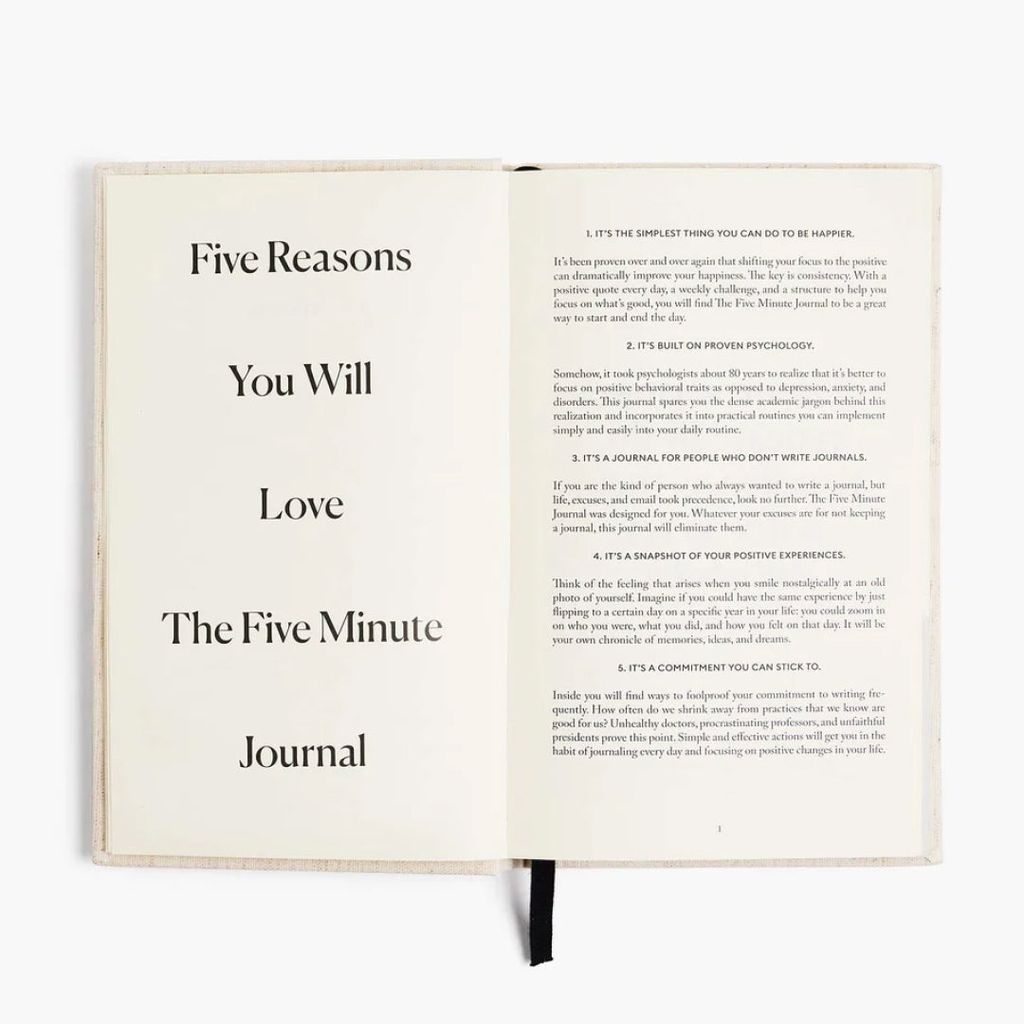
Journaling can also offer a structured way to lower your mental load and switch the nervous system from fight-or-flight to connection mode.
Sleep
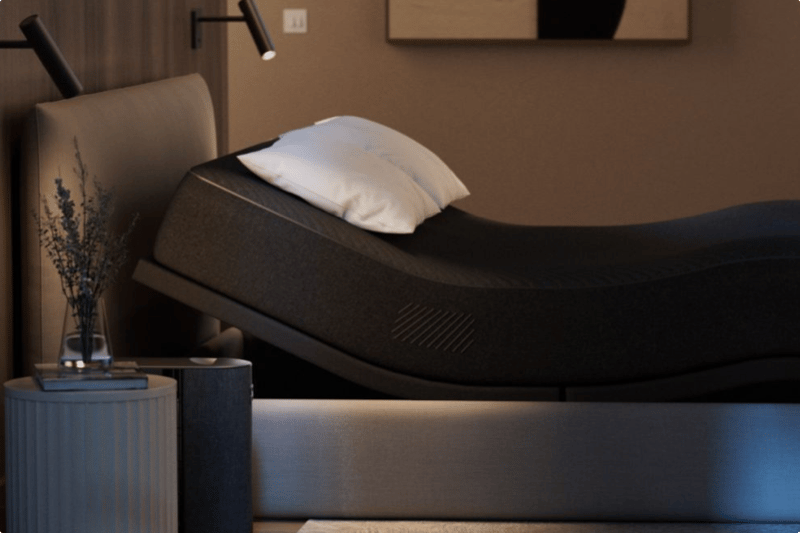
A healthy sleep routine also supports libido, hormonal balance, and overall wellbeing, per Dr. Aragona. Of course, this is easier said than done, but prioritising getting good, quality sleep can truly be a game-changer for your sexual health.
There are simple steps you can take to maximise your Zzzs, like making sure that your bedroom is dark and quiet, limiting caffeine after 2 p.m. and alcohol, and avoiding screens before bed.
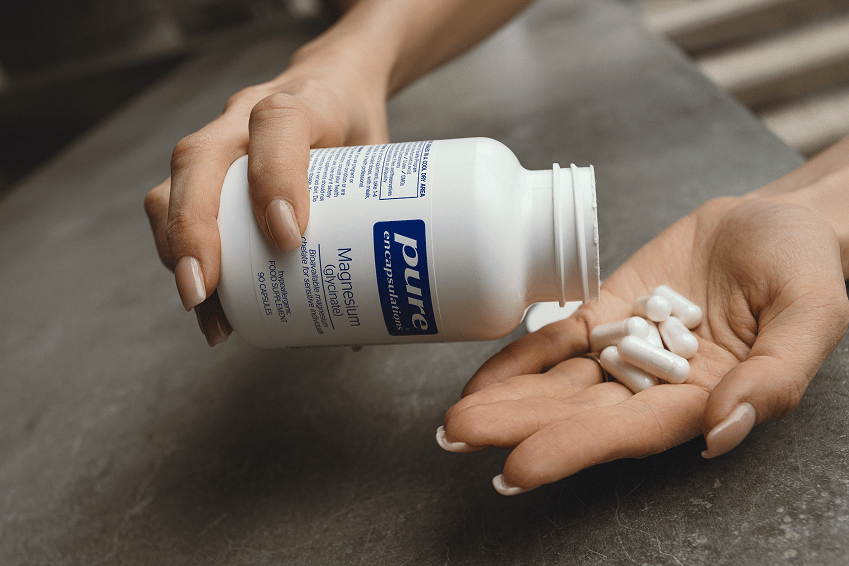
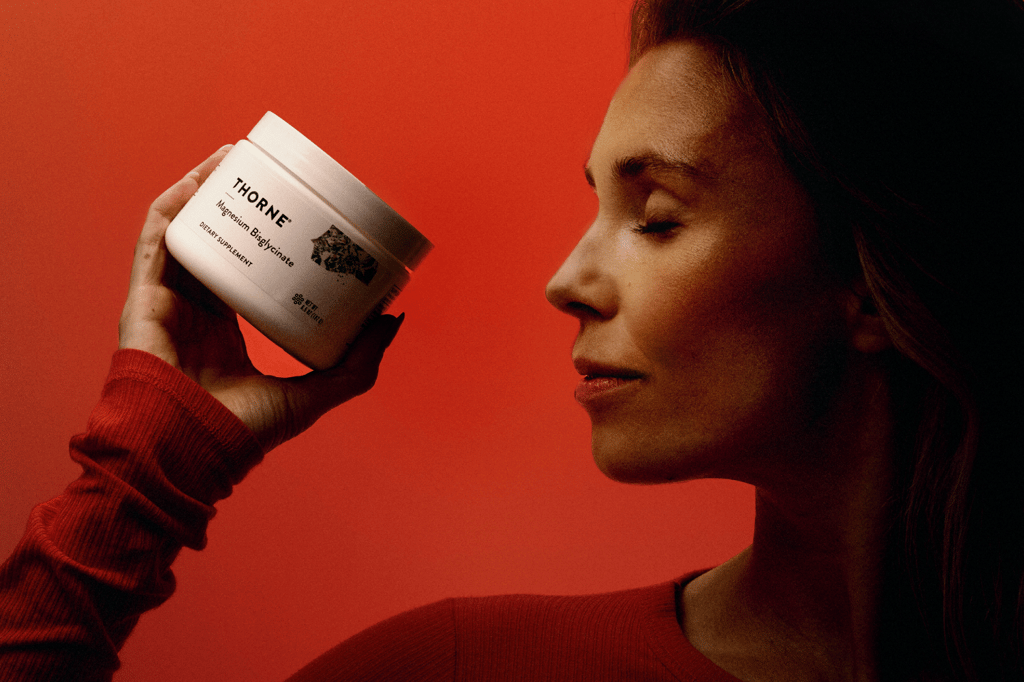
If you need a little extra help, magnesium supplements work to calm the nervous system and relax the body, and support the production of melatonin, a sleep hormone that regulates our circadian rhythm.



This article is for informational purposes only, even if and regardless of whether it features the advice of physicians and medical practitioners. This article is not, nor is it intended to be, a substitute for professional medical advice, diagnosis, or treatment and should never be relied upon for specific medical advice. The views expressed in this article are the views of the expert and do not necessarily represent the views of Healf
Ed is a freelance journalist and former Men’s Health digital editor, with bylines in Red Bull, BBC StoryWorks, Guardian Labs, Third Space, Natural Fitness Food and Form Nutrition, among others. Having run marathons, conducted sleep experiments on himself and worked with some of the world’s most in-demand experts — from sleep scientists and strength athletes to high-performance trainers and elite-level nutritionists — one thing remains clear for The Healf Source contributor: fitness trends come and go, but as long as you keep turning up for yourself, consistency will win every time.