






































_2026-10-13_14-11-48.png)


How The 5-4-3-2-1 Grounding Exercise Can Help You Reset In Minutes

Written by: Pippa Thackeray
Written on: 28 October 2025
The 5-4-3-2-1 is a practical grounding technique for anxiety. It’s designed to help those coping with stress and is used to calm anxiety quickly, in any setting.
Why grounding works when anxiety spikes
When thoughts loop, muscles tense, breathing speeds up and anxiety races off the tracks, here is something new to try.
Grounding techniques, such as the 5-4-3-2-1 method, are a common strategy for managing issues and symptoms that typically arise from PTSD and anxiety.
What is grounding?
Grounding redirects your attention to neutral sensory facts in your immediate environment.
Simply put, it interrupts worry spirals and gives you something practical to do in the moment.
“This technique can empower us to take an active role in managing our anxiety and stress levels, giving us a sense of control and self-efficacy.” – Steph Strauss, Mindfulness Expert
What is the 5-4-3-2-1 grounding technique?
No equipment, no special setting, and it takes a couple of minutes.
It is a short, structured scan centred around your five senses. You notice and name what you see, feel, hear, smell and taste. It may seem almost too good to be true, but significant benefits have been seen in the research.
Evidence to support the 5-4-3-2-1 technique
Studies show that steady, mindful breathing activates the vagus nerve, the main pathway of the parasympathetic nervous system that helps regulate heart rate and the stress response.
This activation, known as respiratory vagal stimulation, moves the body from a fight or flight state toward rest and recovery by improving heart rate variability and supporting autonomic balance.
Grounding also changes what your brain is doing with attention. By focusing on neutral sensory input, you interrupt threat-focused loops, which often makes room for clearer, more balanced thinking.
The 5-4-3-2-1 exercise, in particular, draws parallels with many other grounding and body scan practices, both widely used to reduce stress and anxiety. In one clinical study, participants who practised grounding, deep breathing, and body scan exercises showed measurable improvements in heart rate variability and reported lower stress levels after a single session.
How it helps the brain and body
In essence, anxiety narrows your focus to threat.
By naming simple sensory details, you move attention to the present. This is so the fight or flight response is quietened in order to allow a clear mental state to return.
It can also be layered with other methods, such as adding slower breaths with a longer exhale for an increased sense of safety and control.
Is anxiety prevalent in the UK?
Data from the Office for National Statistics shows that 22.5% of UK adults rated their anxiety as high between July and September 2024.
This level has barely changed since 2023 but remains higher than before the pandemic, when the figure stood at just over 20%. The persistence of this rise suggests that elevated stress and anxiety have become a continuing part of daily life for many people.
Moreover, a recent Mental Health Foundation poll found that nearly 75% of UK adults felt anxious over a two-week period, with 25% saying it affected their daily life. Reporters of the study say everyday pressures such as stressful commutes and crowded city environments add to this strain, and urban living has been linked to a higher risk of anxiety and other mental health concerns.
5-4-3-2-1 Step-by-step: Try it now
Pause and breathe: Before you start, take one soft inhale through the nose, one longer exhale through the mouth. Repeat once.
Step 1. Five sights: Name five things you can see. Focus on small details like colour, shape and texture.
Step 2. Four touches: Name four things you can feel. Clothing on skin, feet on the floor, the weight of your body on the chair.
Step 3. Three sounds:Name three sounds, near or far. Let them be just sounds.
Step 4. Two smells: Name two scents, even if they are faint.
Step 5. One taste: Name one taste. No strong taste? Sip water or notice a neutral taste.
Finish: Take two slow breaths before you return to what you were doing. Use this time to perceive whether there has been a change in your mental state.
When to use this technique
It is all too common to feel the pressure in moments like before a big presentation or interviews. However, many people suffer from anxiety in fairly mundane situations, say on the commute or even before bed.
This technique is also recommended by mental health experts as something to work on alongside therapy if you are experiencing panic, stress or trauma responses.
Even if you are not currently undergoing therapy, using it early when you notice worry building, not only at peak intensity, can be extremely helpful as a prevention method.
How to deepen your grounding practice
Once you know the basic 5-4-3-2-1 sequence, you can build on it.
Fine-tuning the breath
Start by matching your breath to the count, breathing in for 4 and out for 6. This slower rhythm helps your nervous system settle and brings an extra layer of calm to the exercise.
Using tangible objects
You can also bring more focus by saying each step out loud or writing it down. It helps the mind stay anchored, especially on busy days.
Keep a small textured object in your pocket for the touch step so you have something familiar to connect with. When you reach the hearing step, choose one steady sound and follow it for three full breaths, letting your attention rest there.
Smell is a powerful way to land in the present, so use a light, familiar scent such as those from essential oils or your favourite fragrance to support this stage.
Adding in supplements and scents
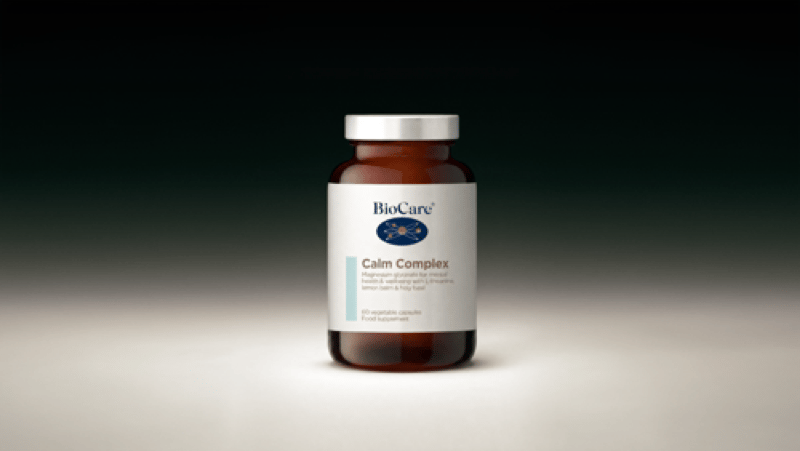
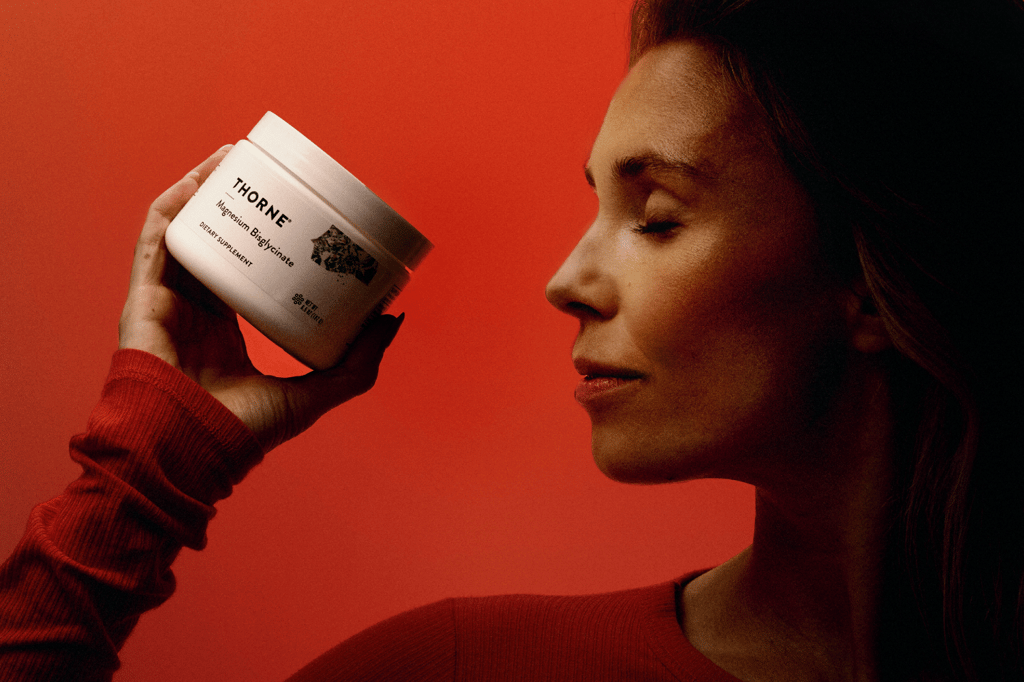
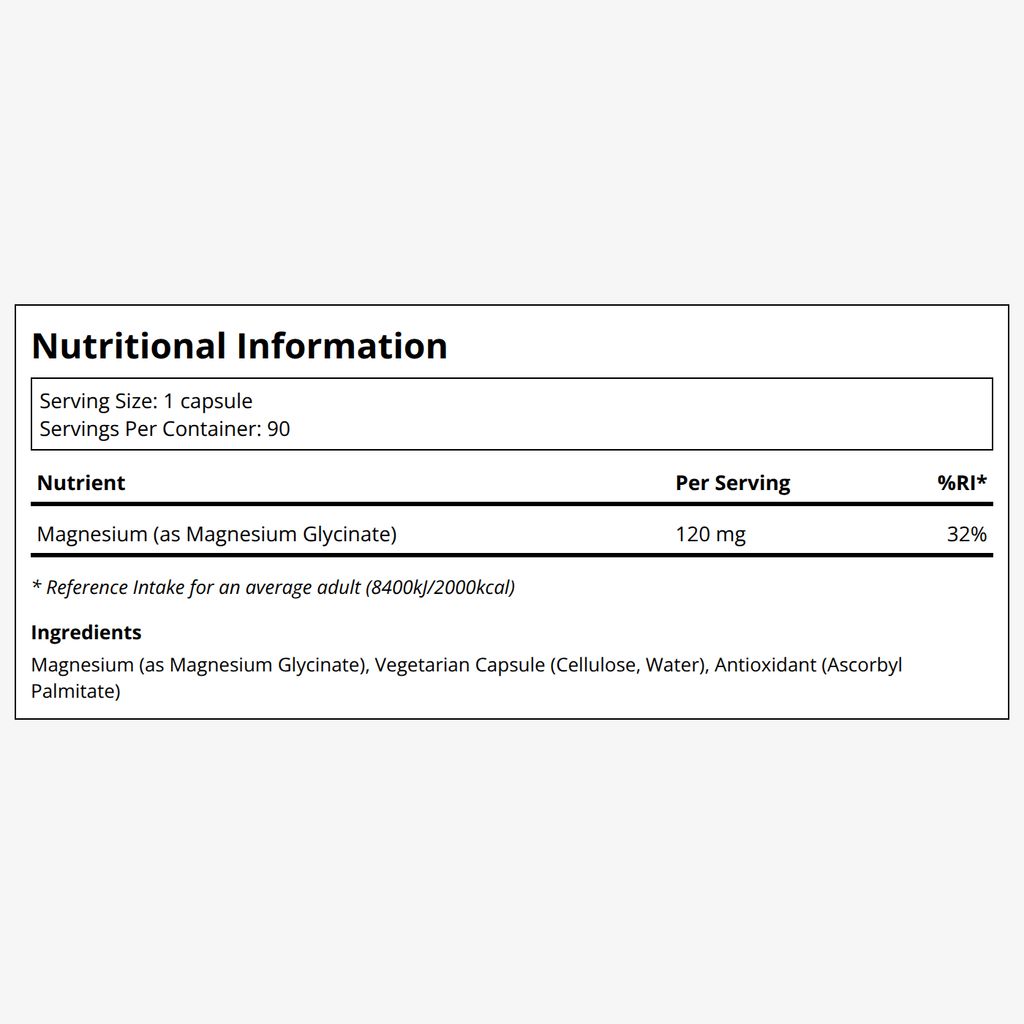
Pairing short grounding breaks with tea-derived L-theanine helps maintain calm, alert focus through the day, while magnesium glycinate in the evening can ease anxiety or muscle tension.
Scents such as lavender or bergamot can also help mark the transition into rest.
A quick script you can screenshot
Find a steady seat, both feet on the floor.
One soft inhale through your nose, one longer exhale through your mouth.
See 5 small details in your space.
Feel 4 textures or points of contact.
Hear 3 sounds, near or far.
Smell 2 scents, however faint.
Taste 1 thing, even neutral.
Finish with two slow breaths.
Repeat if needed.
When 5-4-3-2-1 can feel difficult
It feels silly
That is common at first. Give it a week. Repetition helps the practice feel natural.
I keep losing count
Use fingers to track numbers. A small sticky note at your desk with 5-4-3-2-1 can help you tick each step.
I am still wired at night
Try the bedtime version. Dim the room, run through the steps slowly, then add two minutes of relaxed breathing. If sleep remains difficult, speak with your GP.
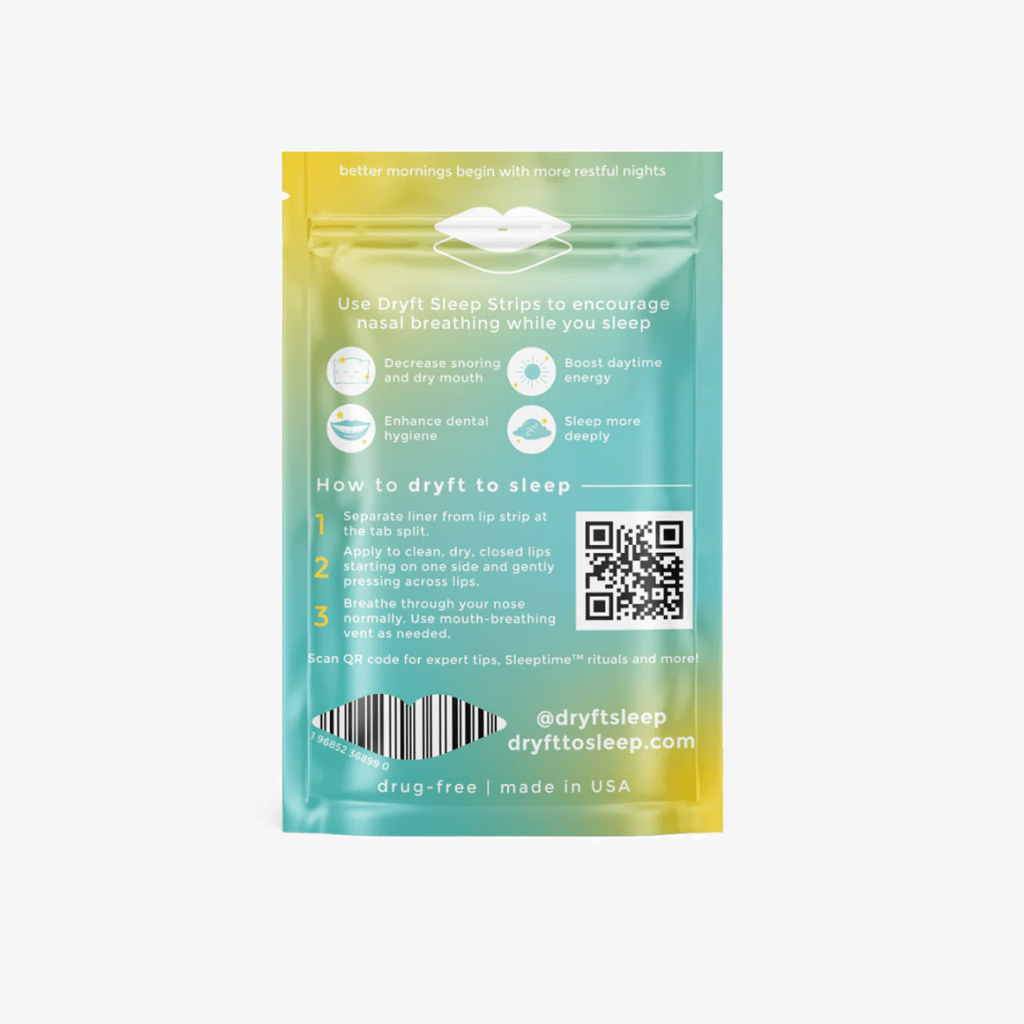
Shop Sleep Aids to explore natural ways to unwind, from magnesium glycinate to soothing pillow sprays that help you slow down and rest more easily.


Variations if senses are tricky
If smell or taste are hard to notice
Swap in extra sights or touches. The order is helpful, not mandatory. A familiar scent can also stand in for the smell step.
If you feel detached or spaced out
Hold a cool glass or a small ice pack for a few seconds before you start. The temperature shift can help you land in your body.
If you are in a really busy space
Do a silent version with eyes open. Keep your breath natural and list items in your head.
If you prefer botanical support
Some people prefer a combined approach that supports balance through the day and deeper rest at night.
L-theanine or ashwagandha can help steady focus and ease tension, while other calming botanical blends such as saffron and chamomile can also promote relaxation before sleep.
Explore options from Youth & Earth and Anatome for natural ways to support calm and recovery.
The bottom line
The 5-4-3-2-1 grounding technique is a simple, yet extremely powerful and portable tool you can use before a high-pressure moment, during an anxiety spike, or at lights out.
It is favoured for being discreet, quick to learn, pairing well with therapy and movement, and being compatible with your existing everyday rituals.
So, if you remember one thing, remember this: “look, feel, hear, smell, taste…breathe”.
Shop MIND at Healf and discover tools that support calm focus, grounded thinking, and everyday mental reset.
The 5-4-3-2-1 method: Common questions
Is this the same as the five-sense method?
Yes. It is the same practice described with a different name. You walk through the five senses in a set order to anchor attention in the present.
Can it help with panic or PTSD?
Grounding is not a replacement for therapy. It can steady you during flashbacks or intense anxiety by bringing attention back to the room. Pair it with professional support if trauma is active.
What about the 3-3-3 rule?
This is a shorter variant. You name three things you see, three things you feel, then take three slow breaths. It aims for the same outcome, quick present-moment focus.
How often should I practise?
Little and often works well. Pick a consistent cue such as when you sit down to work or when you make tea. Practising during calm times helps the skill show up under pressure.

This article is for informational purposes only, even if and regardless of whether it features the advice of physicians and medical practitioners. This article is not, nor is it intended to be, a substitute for professional medical advice, diagnosis, or treatment and should never be relied upon for specific medical advice. The views expressed in this article are the views of the expert and do not necessarily represent the views of Healf
Pippa is a content writer and qualified Nutritional Therapist (DipNT) creating research-based content with a passion for many areas of wellbeing, including hormonal health, mental health and digestive health.
As a contributor to The Healf Source, she regularly attends seminars and programmes on a plethora of contemporary health issues and modern research insights with a drive to never stop learning. In addition, interviewing experts and specialists across The Four Pillars: EAT, MOVE, MIND, SLEEP.
In her spare time, she is an avid swimmer, mindfulness and yoga lover, occasionally bringing a raw, honest approach to the topics she faces. You may also discover some personal accounts of eye-opening wellbeing experiences amidst the reality of a disorientating, and often conflicting, modern wellbeing space.