

Would You Stay In An Alcohol-Free, Low-EMF, Non-Toxic Hotel?
Long Lane is redefining luxury as nervous system regulation with deeper sleep, cleaner inputs and real connection… without the hangover.

Written by: Samantha Nice
Written on: 27 January 2026
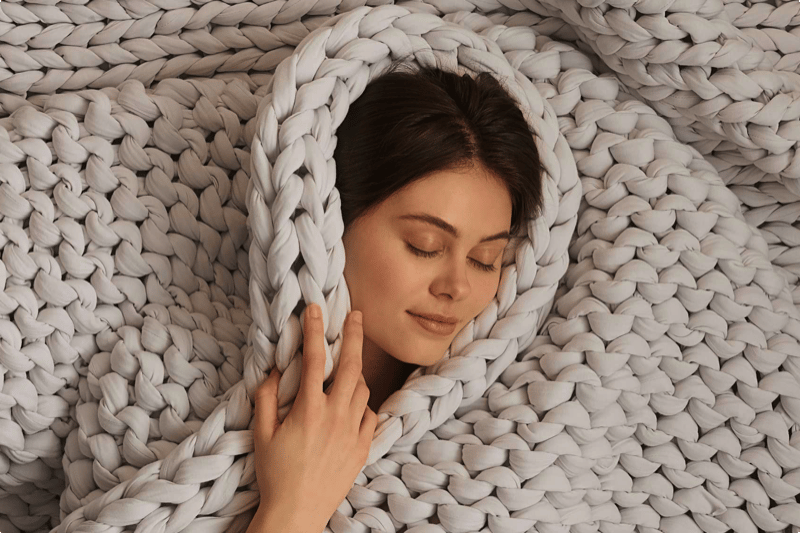
There’s a new kind of luxury quietly taking over and it has nothing to do with thread count, minibars or rooftop parties. It’s the kind you feel in your body. A stay where you actually sleep deeply, where your nervous system stops buzzing and where you leave feeling noticeably better than when you arrived.
In 2026, wellbeing travel isn’t just about adding a sauna to the itinerary, it’s about designing environments that genuinely support recovery, regulation and real connection. That’s the promise behind Long Lane, a soon-to-launch countryside members’ club in the South Downs. Built around a bold idea - what if hospitality was designed for wellbeing first? - Long Lane is positioning itself as something pretty radical: alcohol-free, low-EMF and low-toxin by design.
Those words may sound intense to some, but once you understand what founders Loui Blake and Harrison Hide are actually building, it starts to feel less extreme and more like the obvious next step.
This isn’t a just “wellness hotel”
Long Lane isn’t trying to add wellbeing into a traditional hotel experience. It’s redesigning the whole thing from the ground up with health as the foundation. The founders’ focus is less about indulgence and more about the internal experience… how you feel when you wake up, how you move through the day and whether you leave more refreshed than when you arrived.
“Our highest priority is wellbeing and we think about that in terms of connection; to self, to others, to nature and to something higher, call it purpose, God, the universe,” says Loui. “We make all decisions through the lens of ‘does this foster a deeper sense of connection?’” That line alone gives you the exact vibe… serious about health, but not sterile. Intentional, but not performative. A place designed to feel human again.
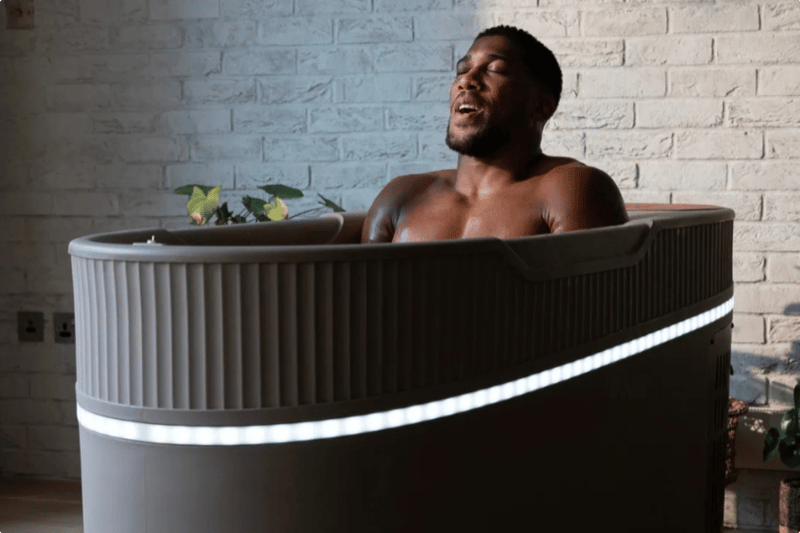
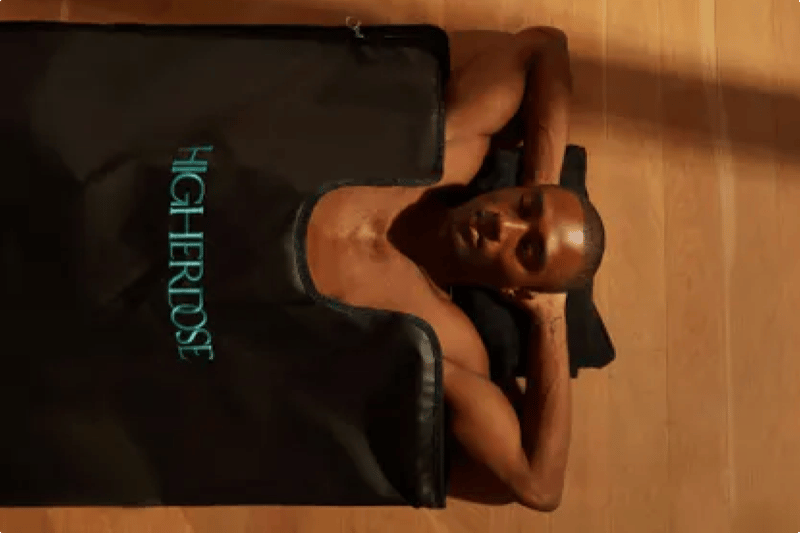
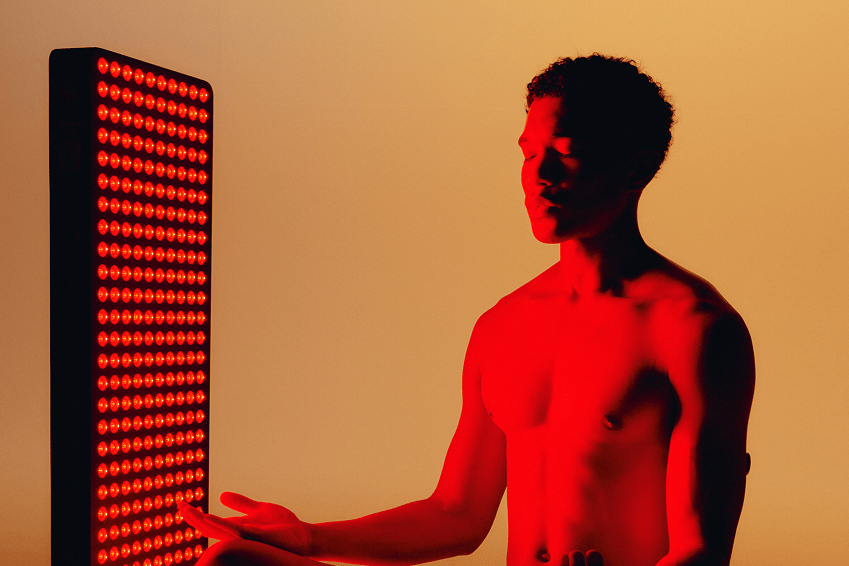
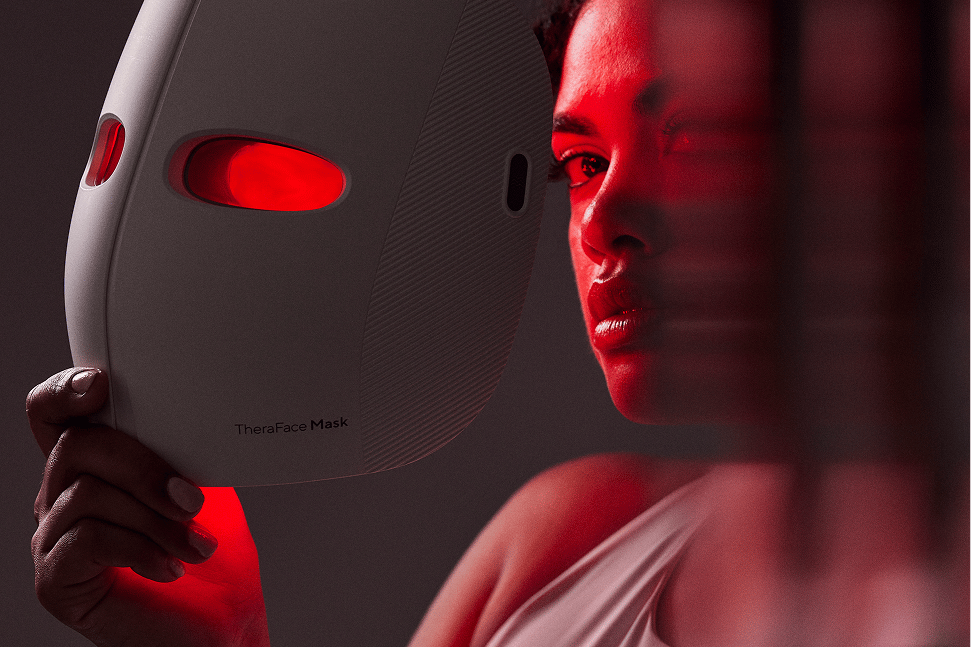
And while the philosophy runs deep, the reality is just as exciting. Long Lane is being built as a full recovery-first playground, with a natural pool and spa garden, a regenerative organic farm, padel courts, woodland work studios, and a dedicated recovery suite with red light, sauna and ice baths… all designed to make feeling good the default.
Why alcohol-free and what replaces it?
British hospitality has typically revolved around alcohol. Not just socially, but structurally. It’s been the default shortcut for relaxation, connection and confidence and often the glue of members’ clubs, hotels, dinners and late-night conversations. Long Lane isn’t pretending alcohol doesn’t work in that role, but it is asking whether the trade-off still makes sense.
“We have to recognise alcohol’s function as a catalyst for connection, but there’s a compromise and many have decided that their health is too great a price to pay,” Harrison explains. Instead of building another space where socialising comes with a hangover, Long Lane is trying to create a new kind of atmosphere where connection still happens, but without the physiological cost.
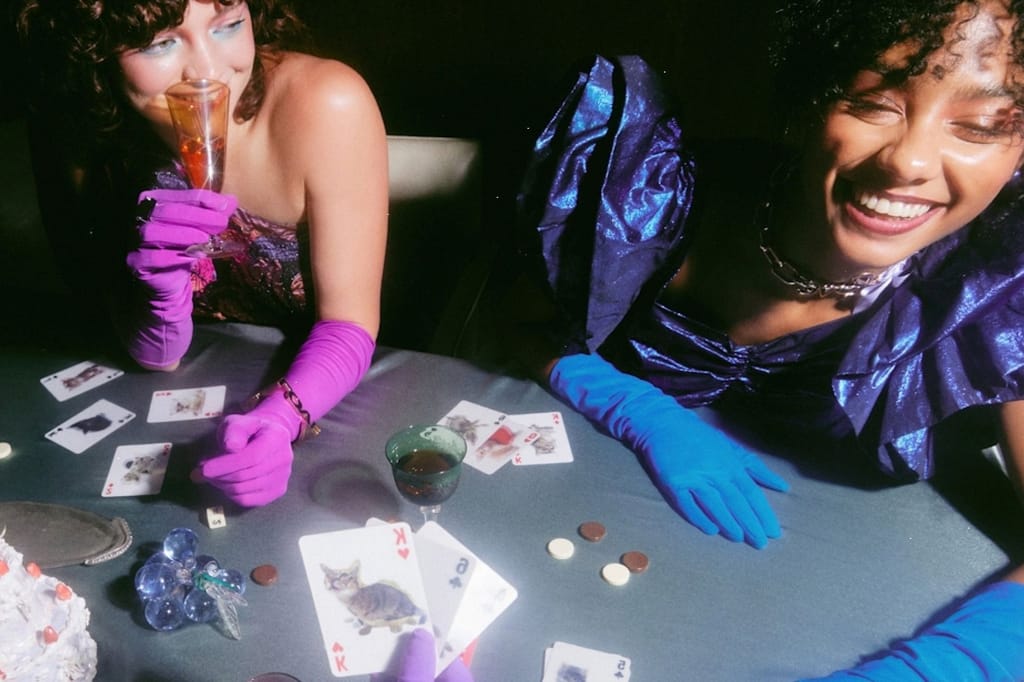
This certainly isn’t about removing the fun though. “We love the ritual and experience of drinks, so the lowest hanging fruit is replacing this with beautiful, health-promoting drinks,” Loui says. “The next is to design spaces, curate experiences and provide new ways that bring us closer together.” He calls it a huge paradigm shift. “We experience it in fitness all the time, but how to achieve this in social spaces is what we’re playing with,” he adds.
The hidden stressors most hotels never design for but your body definitely feels
Even the most beautiful hotels can leave you feeling oddly tired. Not because you did too much, but because the environment itself is subtly stressful. We’re talking bright artificial lighting, poor air quality, heavy fragrance, disrupted sleep and noise you don’t consciously notice. We’ve normalised that slightly wired, slightly restless feeling as part of modern life, but Long Lane is built around the idea that you don’t have to tolerate it.
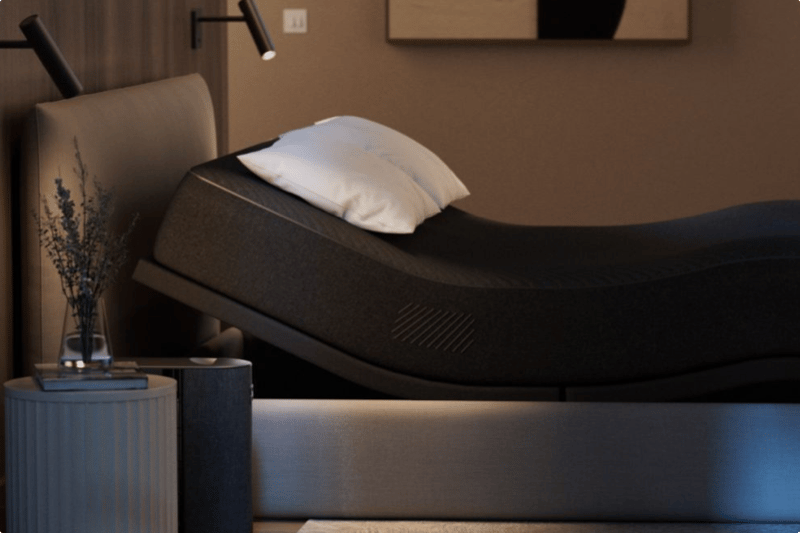
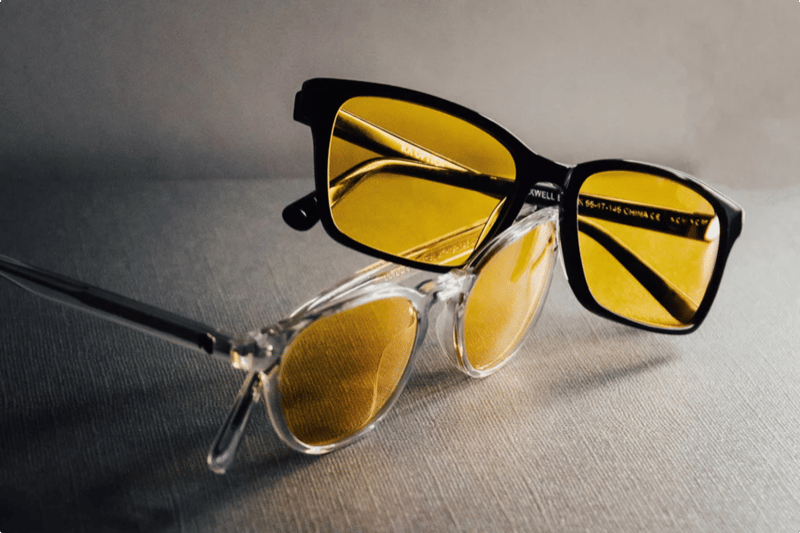
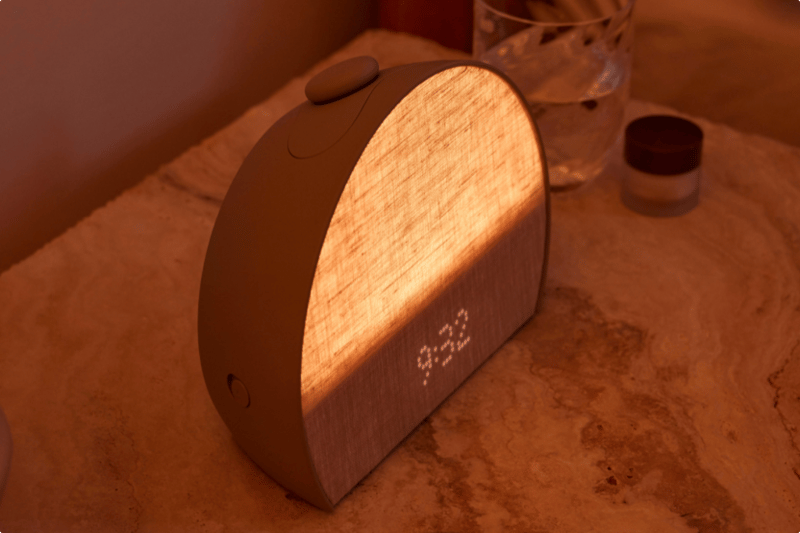
“When it comes to environmental stressors, it really is a rabbit hole,” says Loui. “LED lightbulbs that flicker and drive stress response are a big one, as they’re totally out of sync with our circadian rhythm.” It’s the kind of thing you might not consciously notice, but your nervous system absolutely does… especially when you’re already depleted. That’s why Long Lane is taking sleep and light cues seriously with circadian-friendly lighting in the bedrooms, designed to support a calmer wind-down at night and a more natural wake-up rhythm in the morning.
From there, it gets even more granular. “Chemical pollutants and mould in the air can be totally unchecked and unmonitored,” Loui explains. “Tap water can be laden with heavy metals and toxins.” And then there’s what’s happening behind the scenes: “Cleaning products, non-stick pans in the restaurant, and food that’s sprayed with chemical pesticides and herbicides.” None of it is designed to feel dramatic, but cumulatively, it can create a low-grade stress load your body is constantly responding to.
Even spaces that claim to be built for wellbeing don’t always pass the test. “There are places that say they’re ‘spaces for wellbeing’ but still use wood glues in their saunas which can release neurotoxins when they heat, and chemicals in their swimming pools,” says Harrison. Long Lane’s goal is to quietly remove those stressors so your system can do what it’s designed to do when it feels safe - downshift, recover and actually rest.
What “low-toxin” actually means at Long Lane
“Low-toxin” can easily become a vague phrase, but at Long Lane it’s treated as a design principle rather than a marketing angle. The approach is rooted in the belief that your environment isn’t separate from your health and that it is part of your health. Every material, product and input becomes a signal to the body.
“We think of the lived environment as an extension of the human nervous system,” Harrison says, describing it as “an adaptive setup that monitors and adjusts to conditions. Our guiding principle is that all inputs must be as close to nature as possible,” he adds. That doesn’t just mean organic food in the restaurant, it means thinking through everything from daily rituals to what touches your skin.
“We’ve prioritised making as many things organic, local and seasonal… from your toothpaste and bed linen, to mould-free, heavy-metal free coffee and even the floor cleaner we use,” adds Loui. The intention is that none of this feels heavy or restrictive while you’re there. It should feel effortless. It’s the kind of care you only fully appreciate when you realise how rare it is. With a regenerative organic farm on site (and a focus on local, seasonal sourcing), it’s less about “being strict” and more about creating an environment where the clean option is simply the default.
Low-EMF is not a trend at Long Lane, it’s a standard
EMFs can be a polarising topic, but Long Lane’s position isn’t rooted in fear. If you’re claiming to build a space for recovery, you can’t ignore the inputs that may undermine it, especially when guests are already arriving depleted, overstimulated and sleep-deprived.
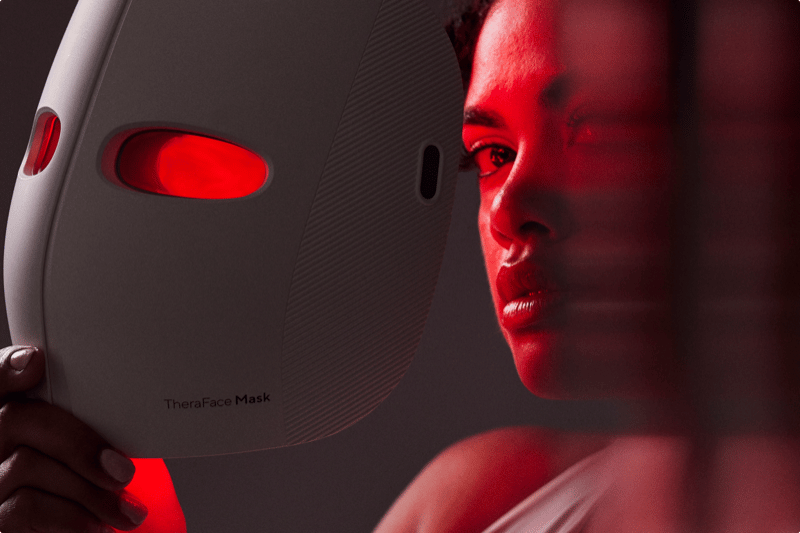
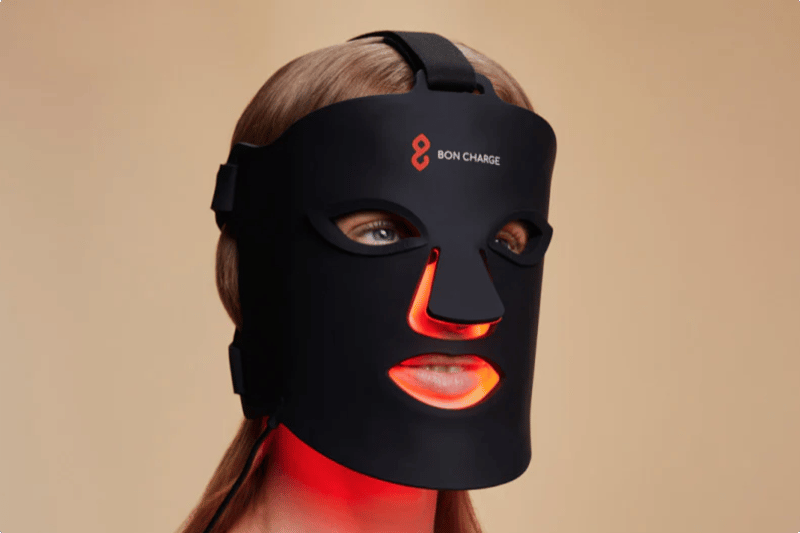
“We therefore cannot, with any integrity, take what is a lazy approach when we know better,” Loui says. He explains the logic through contrast. “A cheaper red light panel gives us mitochondrial benefits, but the EMF emitted may damage others,” he says. It’s a reminder that it’s not just about one tool or one feature… it’s the full system working together.
It’s not just about removing stressors either; it’s about building a system that actively supports recovery. They’ve also created a longevity clinic with diagnostics and advanced therapies like hyperbaric oxygen (HBOT), cryotherapy and IV therapy making it a place you can genuinely upgrade how you feel, not just switch off for a night.
“Call it a purist view, but we seek to normalise this level of detail and weave it into the experience to the extent it goes unnoticed,” Harrison adds. “We want guests to feel noticeably different and understand why.” That’s the point. It shouldn't feel like you’re staying in a lab, it should feel like you’re staying somewhere that finally makes sense.
Is nervous system regulation the new status symbol?
There’s also a cultural shift happening. For far too long, status has looked like late nights, packed calendars, constant stimulation and being seen everywhere. But more people are waking up to the fact that the “always on” lifestyle comes with a cost. The new aspiration isn’t about looking like you’re thriving, it’s about actually feeling good.
Both Loui and Harrison aren’t interested in turning regulation into another badge of identity thought. “To be concerned with status is a fast way to hijack the nervous system,” he says. “The ego has simply shifted.” What’s replacing it, they believe, is something much more grounded. “We think the new aspiration is less about what people think and more about how we feel.”
That philosophy shows up in the design, too. “Long Lane is built to feel good as a priority. “The function of beauty in this capacity is that it feels beautiful to witness, but it’s not being built for social media approval. The design is more about amplifying the experience, than winning awards or looking good for social media,” says Loui.
So, would you stay somewhere like this?
The question Long Lane raises isn’t just would you stay there? It’s why environments like this aren’t more normal. Because once you start noticing the hidden inputs that shape sleep, stress, recovery and connection, it becomes difficult to unsee them. The truth is, most of us aren’t just tired, we’re overstimulated, under-recovered, and constantly adapting to environments that don’t support our nervous system at all.
Long Lane is betting that the future of hospitality won’t be louder, busier or more indulgent. It’ll be cleaner, calmer, more nature-led and more human. A place where you can still socialise, still have fun, still feel part of something… but without sacrificing your health in the process. If that sounds like the kind of stay you’d choose, you’re probably exactly who Long Lane is being built for.
Want to know what it actually feels like to stay there? Read - Inside Long Lane: The Biohacking Countryside Club Built For Deep Rest.

This article is for informational purposes only, even if and regardless of whether it features the advice of physicians and medical practitioners. This article is not, nor is it intended to be, a substitute for professional medical advice, diagnosis, or treatment and should never be relied upon for specific medical advice. The views expressed in this article are the views of the expert and do not necessarily represent the views of Healf
Samantha Nice is a seasoned wellness writer with over a decade of experience crafting content for a diverse range of global brands. A passionate advocate for holistic wellbeing, she brings a particular focus to supplements, women’s health, strength training, and running. Samantha is a proud member of the Healf editorial team, where she merges her love for storytelling with industry insights and science-backed evidence.
An avid WHOOP wearer, keen runner (with a sub 1:30 half marathon) hot yoga enthusiast and regular gym goer, Samantha lives and breathes the wellness lifestyle she writes about. With a solid black book of trusted contacts (including some of the industry’s leading experts) she’s committed to creating accessible, well-informed content that empowers and inspires Healf readers.