



















_2026-10-13_14-11-48.png)


Matcha Benefits: How It Boosts Focus Without the Jitters
From L-theanine to quality, what actually drives calm, focused energy and how to choose a matcha that delivers.

Written by: Samantha Nice
Written on: 30 April 2026
Matcha is everywhere right now, on café menus, in viral recipes on social media, and slowly overtaking flat whites in morning routines. It hasn’t become the go-to drink just for how it looks, though. More and more people are choosing matcha over coffee because of how it actually makes them feel.
While it’s often grouped with coffee as another source of caffeine, the way matcha works in the body and how the caffeine interacts with the other compounds in the finely ground green tea leaves is completely different. From steady energy to sharper focus, here’s what’s behind matcha’s rise, and how to tell if yours is pulling its weight.
Why matcha feels so different to your usual coffee
Matcha comes from the leaves (tencha) of the Camellia sinensis plant, which are ground down into a fine powder before being added to water. Powdered tea was first developed in China before being adopted by the Japanese, who incorporated it into traditional tea ceremonies.
Whilst it can seem like it’s just a fancy, green-coloured, herby tasting coffee, the effect is completely different. “The caffeine in matcha is released much more slowly than coffee, this is due to the presence of L-theanine which slows down the release of the caffeine,” explains nutritionist Jenna Hope, RNutr, MSc, BSc. That slower release changes how your energy rises and falls, making it steadier rather than spiking and crashing. “L-theanine also increases the release of the neurotransmitter GABA which contributes to leaving you feeling calmer and more relaxed,” she adds.
The caffeine content in coffee is also significantly higher than the caffeine in matcha, Hope points out. A standard cup of matcha contains around 40 to 70 mg of caffeine, compared to roughly 95 to 140 mg in a cup of brewed coffee. While matcha has more caffeine per gram of powder, the smaller serving size means you’re typically getting less overall. So instead of a sharp caffeine lift followed by a drop, you tend to get steadier, more sustainable energy.
The benefits of matcha (and why they happen)
Matcha’s appeal goes beyond a slower energy release that helps us “feel better.” There are a few specific matcha benefits that consistently come up, and they all link back to how it’s made and what it contains.
More stable energy
Matcha still provides a good dose of caffeine, it’s just delivered differently. “L-theanine slows down the release of the caffeine meaning that it gives you a gradual release of energy rather than a spike and a crash,” says Hope. That’s why it tends to feel more level, without the sudden dip a few hours later.
Better focus without overstimulation
Matcha doesn’t just wake you up, it tends to sharpen concentration. The combination of caffeine and L-theanine creates a more balanced state of alertness, rather than a quick spike. Studies show this pairing supports attention, reaction time, and sustained focus more effectively than caffeine alone, which helps explain why it feels easier to stay locked in without overstimulation.
Lower stress response compared to coffee
Caffeine can push cortisol up, especially in higher doses. But since the caffeine in matcha is released more slowly, “it doesn’t create such a stress on the body and has a lower impact on cortisol release when compared to coffee,” explains Hope. For those who are sensitive to caffeine, this change can be really noticeable.
Antioxidant support
Since matcha is made from whole tea leaves, you’re getting all the leaves’ nutrients, not just an infusion. “Matcha contains a flavanol called EGCG (epigallocatechin-3-gallate) which is a type of antioxidant that helps to reduce free radicals.” It also helps naturally boost Brain-Derived Neurotrophic Factor (BDNF), a protein essential for memory, learning, and overall brain health.
Research suggests this EGCG is a powerful polyphenol that can do everything from help reduce inflammation, to lower blood pressure, and promote heart health.
Improved skin health
Matcha’s antioxidant benefits also extend to your skin. Its combination of EGCG, chlorophyll, and naturally occurring caffeine can help reduce visible inflammation, support skin clarity, and contribute to maintaining healthy collagen levels over time. It’s not an overnight fix, but something that builds with consistency.
Why quality matters more than you think
Not all matcha delivers the same result. You’ll see “ceremonial grade” on a lot of packaging, but it’s not always a guarantee of quality. “Ceremonial grade is the highest grade of matcha, the leaves used are from the first harvest and typically this matcha should be bright and vibrant,” says Hope.
Processing is where things start to vary. “Ceremonial grade matcha which is milled by stone retains more of its nutrients as it’s milled via a much softer and slower process. This helps to retain the bright colour.”
Thanks to matcha’s increasing popularity, processes have had to speed up. “Ceremonial grade matcha is often milled using metal which speeds up the process but also degrades some of the nutrients,” says Hope. Often, the tell is a duller green colour.
Lower grades follow the same pattern. Premium matcha is typically harvested later, with a slightly darker colour and more earthy taste, while culinary-grade matcha tends to be more robust, less vibrant, and better suited to cooking rather than drinking on its own.
How to choose a good matcha (what to look for)
In matcha, different cultivars — a specific variety of the tea plant, chosen for traits like taste, aroma or colour — are selected to shape the flavour profile, which is why one matcha can taste smooth and sweet, while another feels more savoury or robust.
“Look for ceremonial, stone-milled matcha with a vibrant green colour,” says Hope. She recommends avoiding matcha powders with added flavourings, bulking agents, sugars, or sweeteners.
Top tips for choosing a high-quality matcha
- Bright, vibrant green colour, not dull or yellow-toned
- Ceremonial grade (but check colour, origin and processing)
- Stone-milled where possible
- Shade-grown, which helps preserve L-theanine content
- Cultivar selection that prioritises flavour and balance
What to steer clear of
- Added sugars, flavourings or sweeteners
- Bulking agents or fillers
- Dull, khaki or brown-toned powders
- Very cheap “ceremonial” matcha
Why it matters
Put simply, how matcha is grown and processed really shapes both the flavour in your cup and the effect you actually feel. “Matcha should be grown under shade and for optimal quality should be stone-milled rather than metal milled as this can degrade some of the beneficial compounds such as EGCG and L-theanine,” says Hope.
How much matcha should you have?
More isn’t always better. “Matcha contains caffeine so moderation is key. You can definitely have too much matcha,” says Hope. Practically, this usually looks like:
- 1 or 2 cups a day
- Around 1–2 grams of matcha per serving (roughly ½–1 teaspoon)
That’s enough to get the benefits without pushing your caffeine intake too far. How you prepare it also makes a difference. Hope points out that added syrups, flavours, sugars, the type of milk, and the preparation process can all impact how ‘healthy’ the drink is.
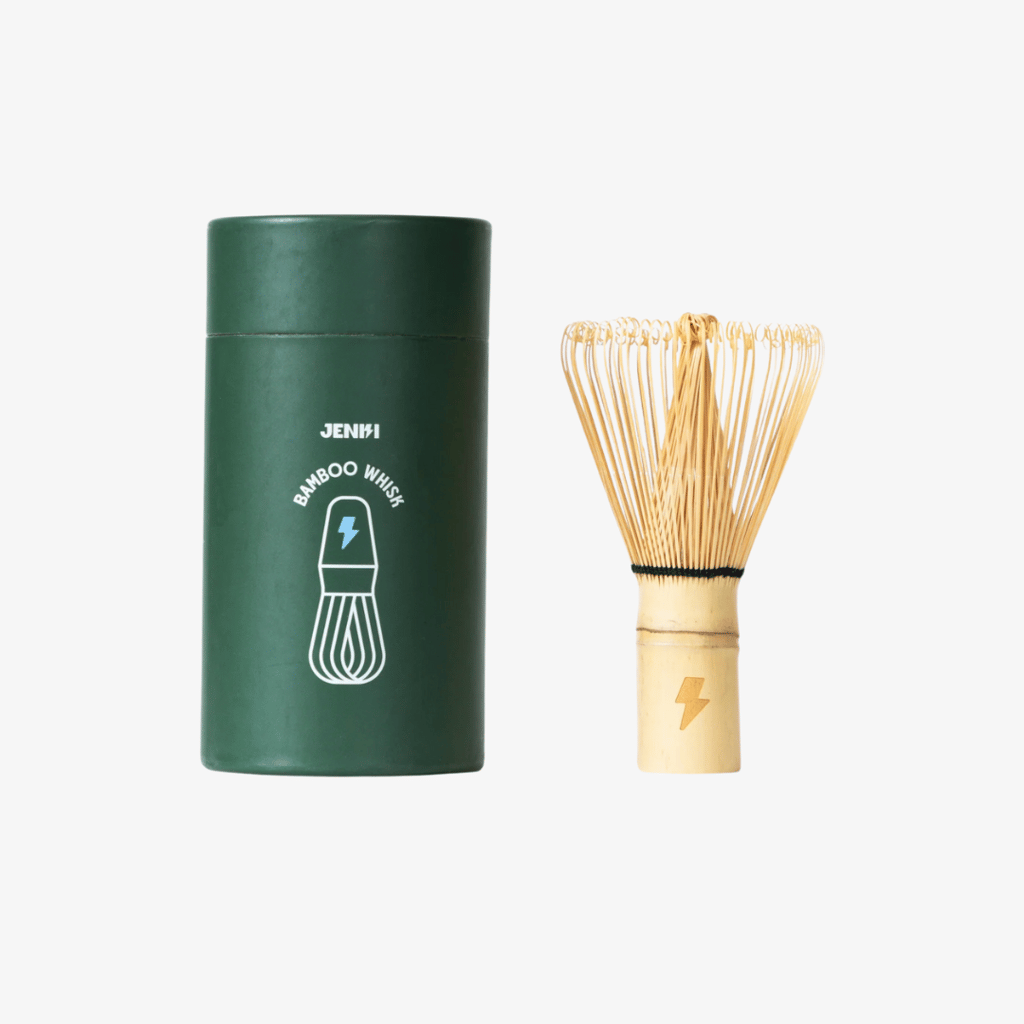
The way you mix your matcha also matters more than most people realise. Using a traditional whisk (chasen) helps properly disperse the powder, preventing clumps and creating a smoother texture. It also helps the matcha blend evenly with water, which improves both taste and consistency. A simple preparation, just matcha and water, or with a small amount of milk, tends to keep the benefits intact. Once you start layering in sugars and flavourings, the overall effect can shift pretty quickly.

So, which matcha should you choose?
Sold on the benefits and ready to get sipping? Finding the best matcha depends on how you plan to use it, how sensitive you are to caffeine, and how much attention you pay to things like processing and origin. Here are four Healf-approved favourites:
For an easy, everyday matcha
JENKI Ceremonial Grade Matcha Tin
If you want something that fits straight into your routine, this is a strong starting point. It’s a ceremonial-grade blend from Uji, designed to be simple to prepare and consistent every time. Smooth, mellow, and lightly sweet, it works just as well on its own as it does with milk. JENKI focuses on making matcha more accessible, blending cultivars to create a profile that’s easy to drink and stick with.
Ingredients and grade: Ceremonial-grade matcha (Tencha leaves, blended cultivars)
Processing: Steamed, dried and stone-ground
Origin: Uji, Japan
Cultivation: Shade-grown
Taste: Smooth, mellow, lightly sweet with a creamy finish
For a balanced matcha that works however you take it
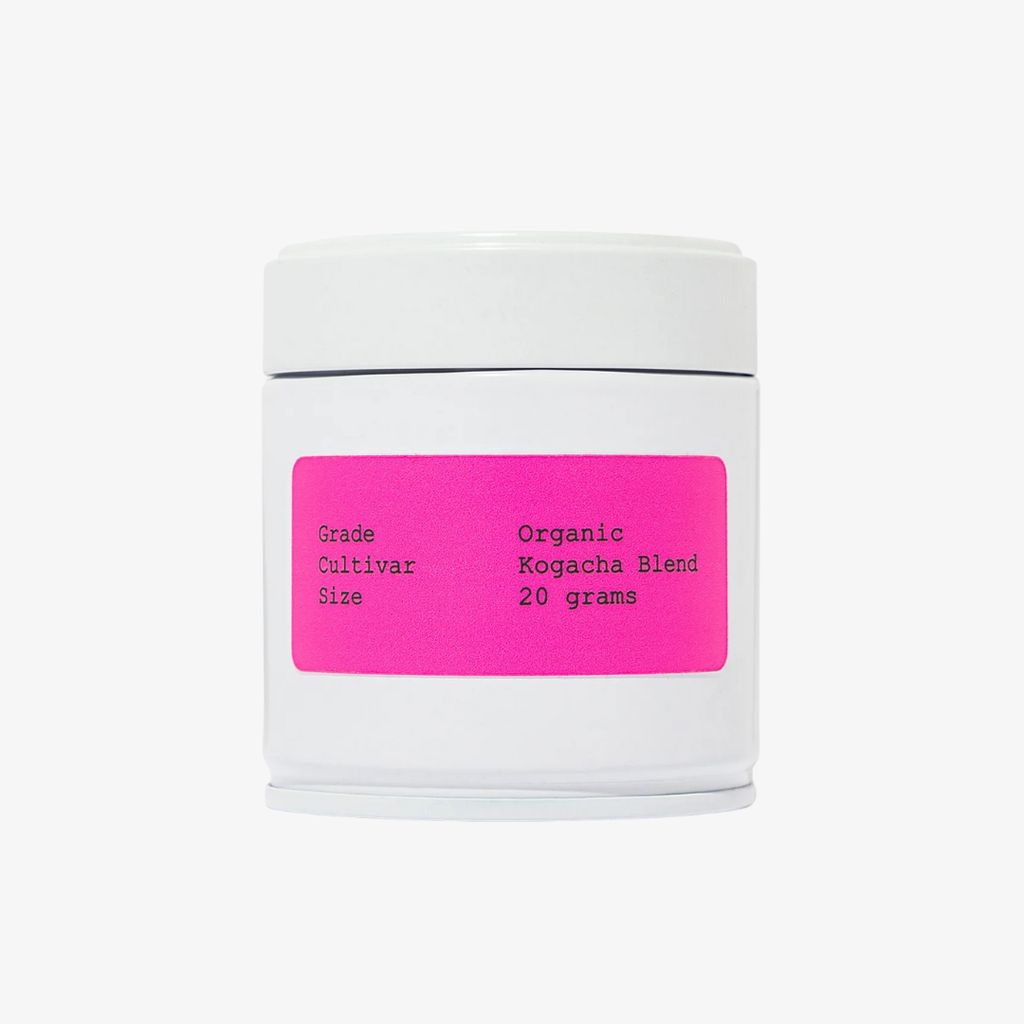
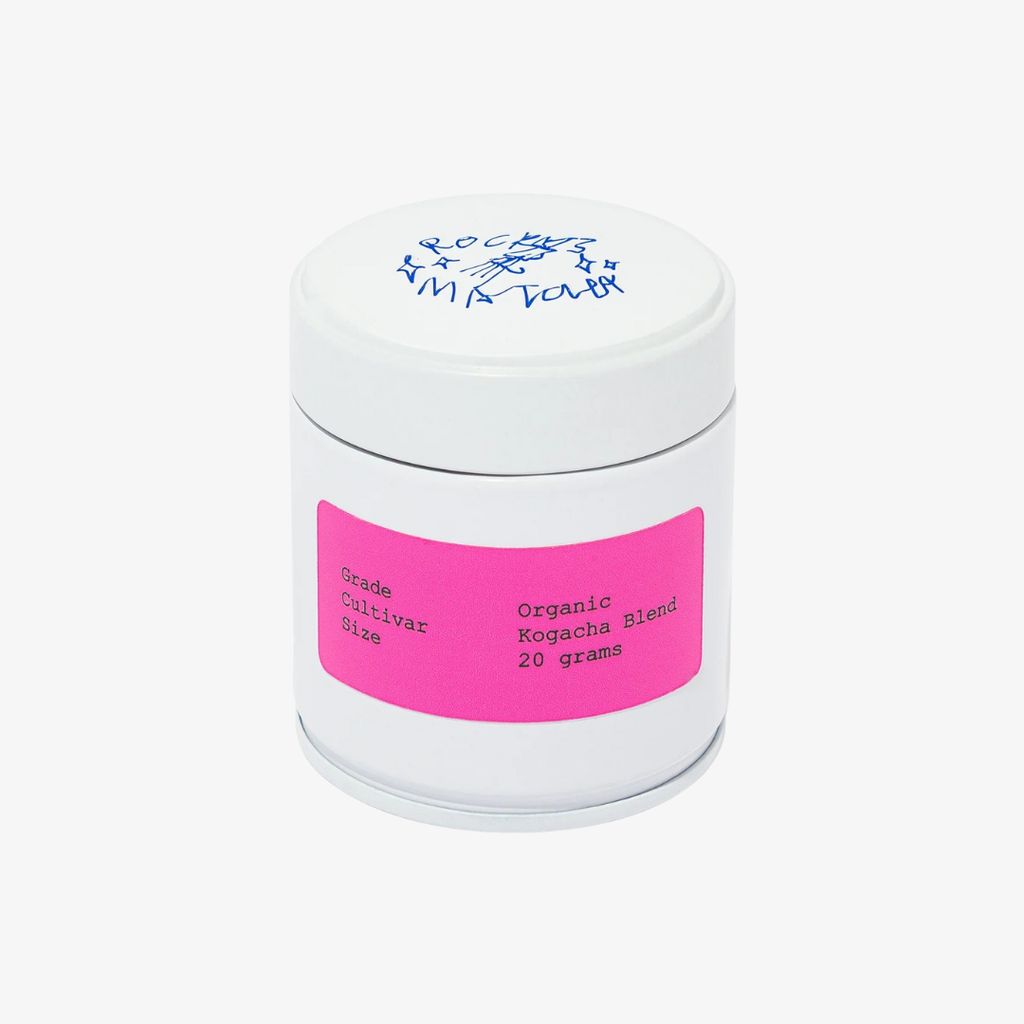
If you want one matcha that covers everything, this one sits right in the middle. It’s a blend of three cultivars (Yabukita, Okumidori and Saemidori), giving it a softer, more rounded profile without sharp bitterness. Clean enough to drink on its own, but structured enough to hold up in a latte, it’s designed to be versatile rather than niche. Rocky’s works with multi-generational producers in Yame to create blends that prioritise balance and consistency.
Ingredients and grade: Organic ceremonial-grade matcha
Processing: Stone-milled
Origin: Yame, Japan
Cultivation: Shade-grown
Taste: Light, smooth, softly sweet with a mild savoury depth
For a more considered, high-quality matcha
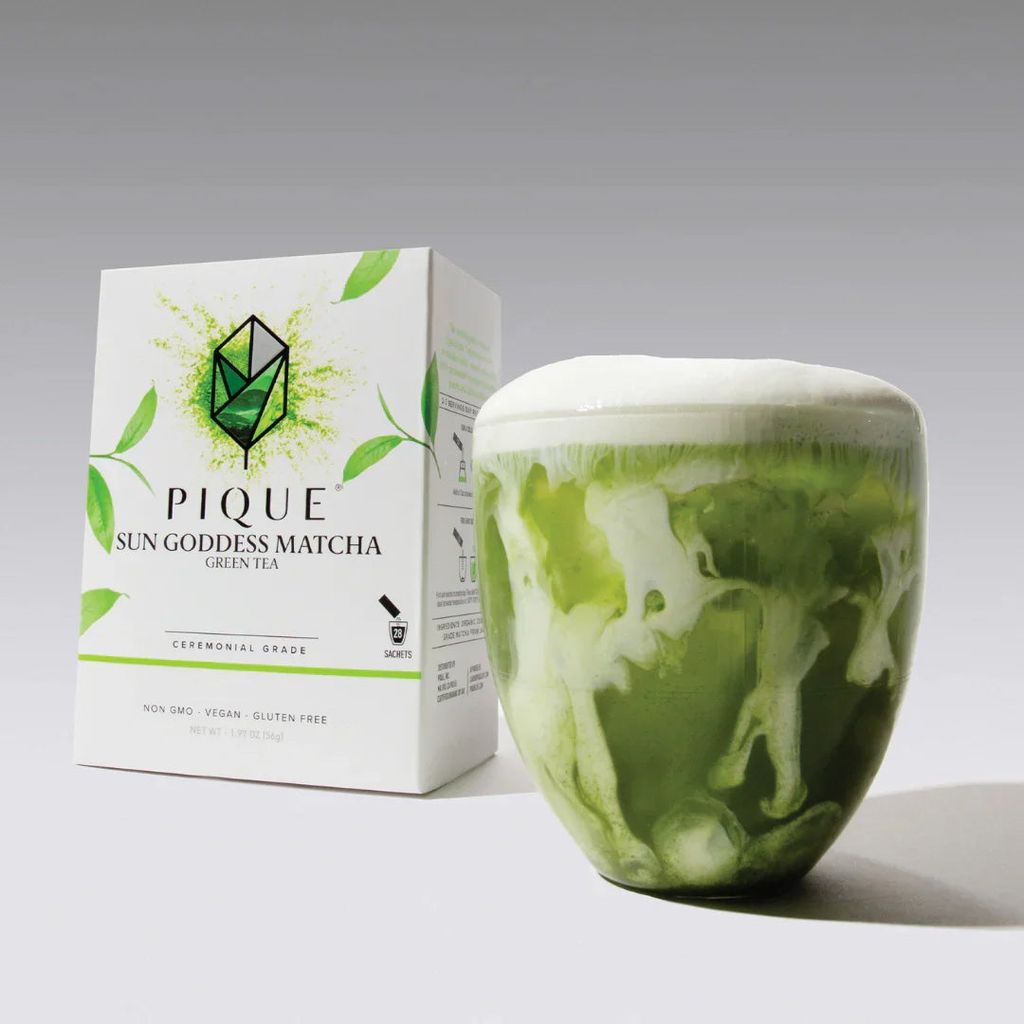
If you’re paying closer attention to sourcing and processing, Pique’s formulation leans more in that direction. It’s organic, ceremonial-grade, and stone-ground using traditional methods, with a focus on preserving the full profile of the leaf. The flavour is deeper and more layered, with a stronger savoury note. Pique works closely with long-established tea producers, taking a detailed, quality-led approach from origin through to final product.
Ingredients and grade: Organic ceremonial-grade matcha
Processing: Stone-ground using traditional methods
Origin: Kagoshima, Japan
Cultivation: Shade-grown
Taste: Rich, smooth, slightly savoury with a fuller finish

So, Healf or hype?
Matcha earns its place, but it’s not just about choosing it over coffee. The difference people notice is real. The combination of caffeine and L-theanine creates a type of energy that feels steadier, more focused, and easier to sustain without tipping into overstimulation. But not every matcha delivers that effect, and how it’s grown and processed has a direct impact on what you actually feel.
Get that right, and it becomes a reliable part of your routine. Miss it, and it’s just another drink that doesn’t quite live up to the promise.
Your matcha questions, answered
What are the main matcha benefits?
The biggest shift people notice is in how their energy feels. It’s more stable, easier to sustain, and less likely to drop off halfway through the morning. That comes with better focus, fewer jitters, and a calmer overall response to caffeine. On top of that, matcha contains antioxidants like EGCG, which support the body more broadly rather than just delivering a short-term lift.
Why does matcha not make you jittery?
It comes down to how the caffeine is delivered. Matcha contains L-theanine, which slows down the release of caffeine and changes how your brain responds to it. Instead of a quick spike, you get a more gradual rise, alongside an increase in calming neurotransmitters like GABA. The result is energy that feels more controlled, rather than overstimulating.
Is matcha healthier than coffee?
They’re doing different jobs. Coffee tends to deliver a faster, more intense hit of caffeine, which can feel useful in the short term but harder to sustain. Matcha is slower and more balanced, with added compounds like L-theanine and antioxidants that shift the overall effect. For some people, that makes it a better fit, especially if they’re sensitive to caffeine.
Can you drink matcha every day?
Yes, and that’s how most people use it. Just keep in mind that it still contains caffeine, so it’s worth being aware of your total intake across the day. The way you prepare it is also key. Adding a lot of sugar or syrups can change the overall effect more than the matcha itself.

This article is for informational purposes only, even if and regardless of whether it features the advice of physicians and medical practitioners. This article is not, nor is it intended to be, a substitute for professional medical advice, diagnosis, or treatment and should never be relied upon for specific medical advice. The views expressed in this article are the views of the expert and do not necessarily represent the views of Healf
Samantha Nice is a seasoned wellness writer with over a decade of experience crafting content for a diverse range of global brands. A passionate advocate for holistic wellbeing, she brings a particular focus to supplements, women’s health, strength training, and running. Samantha is a proud member of the Healf editorial team, where she merges her love for storytelling with industry insights and science-backed evidence.
An avid WHOOP wearer, keen runner (with a sub 1:30 half marathon) hot yoga enthusiast and regular gym goer, Samantha lives and breathes the wellness lifestyle she writes about. With a solid black book of trusted contacts (including some of the industry’s leading experts) she’s committed to creating accessible, well-informed content that empowers and inspires Healf readers.