




































_2026-10-13_14-11-48.png)


Morning Skincare: Should You Cleanse Or Just Splash With Cold Water?
Ditch the guesswork and get the expert lowdown from dermatologist Dr Nora on what exactly you should be doing first thing.

Written by: Samantha Nice
Written on: 29 September 2025
Mornings are hectic enough without overthinking your skincare routine, but for many, the first question of the day is: should I cleanse my face or just splash with cold water?
Overnight, our skin produces oils, sheds dead cells and even accumulates sweat and environmental debris. For some, a gentle morning cleanser helps remove this buildup, creating a clean canvas for serums, sunscreen and makeup. For others, a quick splash of water is enough to refresh the skin without stripping away natural oils.
This debate has been a long-standing one in skincare circles, with pretty passionate arguments on both sides. Some dermatologists and experts argue that cleansing twice daily is excessive and can disrupt the skin barrier, while others say that skipping a morning cleanse leaves behind residue that blocks the effectiveness of other skincare products.
In a bid to get this one properly answered, we spoke with Dr Nora, dermatologist and medical director at Rejuvenation Clinic who shared her evidence-based insights on the pros and cons of morning cleansing. Here she helps break down the science behind morning cleansing, the benefits of cold water, and, most importantly, how to decide what’s best for your skin type.
Do you really need to cleanse in the morning?
According to Dr Nora, morning cleansing is not an absolute must for everyone. “If you have dry or sensitive skin, splashing with lukewarm water may be enough. However, if you have oily, acne-prone or combination skin, a gentle morning cleanse can help remove overnight oil, sweat and product residue, giving you a fresh base for the day ahead,” she explains.
This highlights an important point; that like with most things, skincare is personal so it’s all about finding what works for you.
External factors also play a big role in whether a morning cleanse is necessary. “If you have night sweats or oily skin, cleansing in the morning becomes more important,” adds Dr Notra. If you know you’ll be exposed to pollution and sunlight throughout the day, morning cleansing plus antioxidants will help protect against free radicals.”
How to know if skipping cleansing helps or hurts
If you’re unsure whether you should cleanse or not, Dr Nora advises using your skin as the guide. “Listen to your skin. If you notice congestion, breakouts or dullness when you skip cleansing, this could be your sign that your skin may need it. On the other hand, if cleansing every morning makes your skin feel tight, irritated or flaky, you may be over-cleansing and would perhaps benefit from just water.” Essentially, the right morning routine isn’t something you copy from TikTok - it’s something you build by paying attention to how your skin reacts.
Choosing the right cleanser for your skin
Not all cleansers are created equal, and the morning isn’t the time for harsh, stripping formulas. Dr Nora explains.
For oily or acne-prone skin, go for gel or foaming cleansers with salicylic acid or niacinamide.
For dry or sensitive skin, cream or milk cleansers with ceramides or glycerin are best.
For combination skin, go for gentle gel cleansers that balance without stripping.
“Micellar water can also be great for quick, gentle cleansing if your skin is normal or dry,” she adds. These recommendations show that even if you do decide to cleanse in the morning, the key is choosing something gentle that supports, not damages your skin barrier.
Your skin type shapes the whole morning routine
“Your skin type sets the tone for the rest of your morning routine because it determines what your skin needs most after a night of repair and renewal,” says Dr Nora who breaks it down further with expert recommendations:
Oily or acne-prone skin: Focus on a gentle cleanse to remove overnight oil, then use lightweight, non-comedogenic hydration. Ingredients like niacinamide can help regulate sebum.
Dry skin: Skip harsh cleansers and reach for richer, hydrating textures with hyaluronic acid or ceramides to restore moisture from the start of the day.
Combination skin: Treat different zones differently and go for a light gel or lotion for the T-zone and richer cream for other dry areas.
Sensitive skin: Keep it minimal. Opt for soothing, fragrance-free formulas and barrier-strengthening ingredients like thermal water or ceramides.
And remember, your skin’s needs aren’t static. They shift with the seasons and with age. “In winter, use creamier cleansers and richer moisturisers; in summer, lighter gels and oil-control products,” Dr Nora advises. “With age, skin tends to lose oil and hydration, so you may need gentler cleansers, more antioxidants, and barrier-supporting ingredients like ceramides and peptides.”
Why cleansing affects how your other products work
A morning cleanse isn’t just about removing oil, it also preps your skin for the rest of your products to perform properly. As Dr Nora explains, “Cleansing removes oils, sweat and dead skin cells that can act as a barrier. A clean base allows active ingredients and sunscreen to penetrate and sit evenly on the skin.” Skipping this step might mean that your vitamin C serum or SPF doesn’t do its job as effectively.
The right way to cleanse in the morning
One mistake people often make is focusing too much on the cleanser itself but not on how they use it. Dr Nora recommends paying attention to technique and temperature. “Use lukewarm water. If it’s too hot, it strips oils and can damage the barrier. Too cold and it won’t cleanse effectively,” she adds. “Always massage cleanser gently into your skin for 30-60 seconds, then rinse and pat dry - don’t rub.”
And what about after the gym? If you exercise in the morning, cleansing isn’t optional. “Sweat mixed with bacteria and product residue can cause breakouts if left on the skin. A quick gentle cleanse post-workout is usually all you need,” advises Dr Nora.
Your morning vs. evening routines
It’s not just about whether you cleanse, it’s about when you cleanse and what you pair it with. Your skin’s needs actually shift depending on the time of day, which is why experts often stress the importance of separating your AM and PM routines.
“In the morning, look for antioxidants (like vitamin C), hydrating serums and sunscreen to protect against daily damage,” says Dr Nora. “At night, turn to retinoids, exfoliating acids or richer creams to support repair whilst you sleep,” she adds.
This distinction matters because your skin faces two very different challenges across the day:
In the morning, your focus is defense. You’re preparing your skin to face stressors such as UV rays, pollution, blue light from screens and varying weather conditions. A gentle cleanse followed by antioxidants like vitamin C helps neutralise free radicals, while lightweight hydration keeps the barrier strong. The final, non-negotiable step should always be sunscreen to shield against photoageing, pigmentation and skin cancer.
Your Healf-approved morning routine:
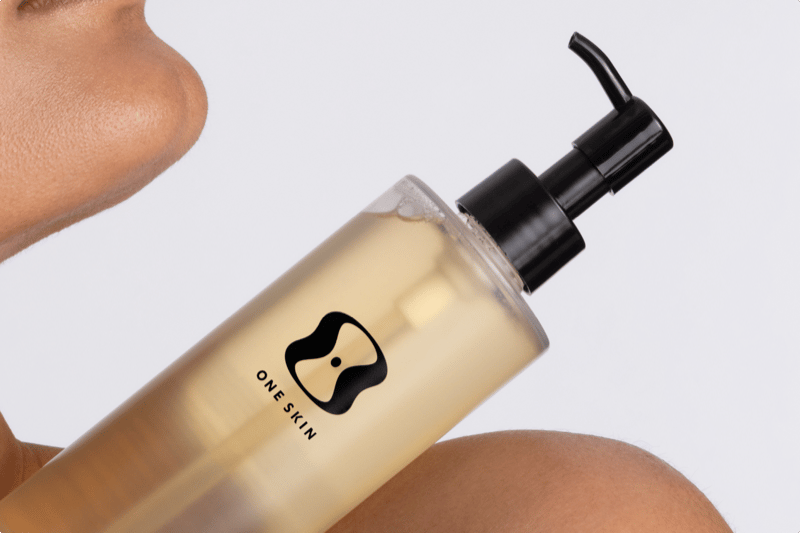
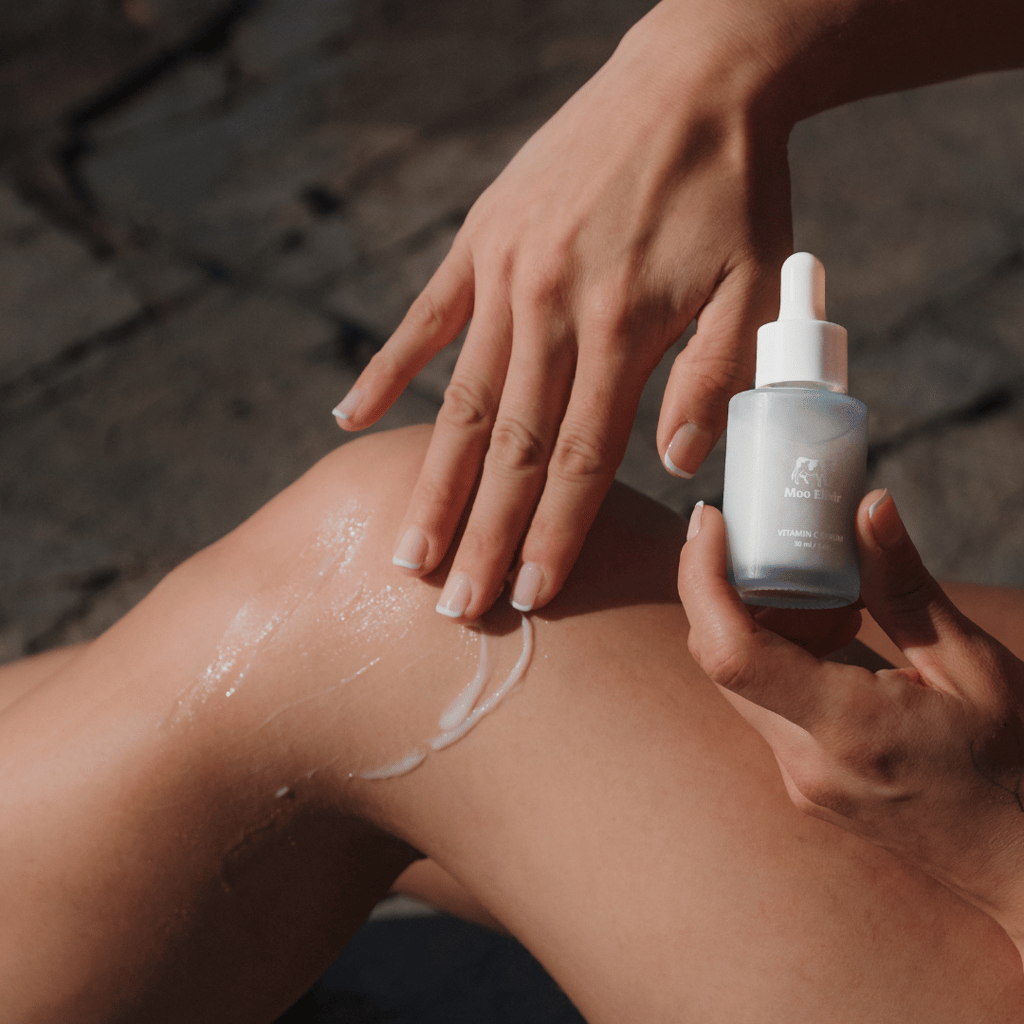
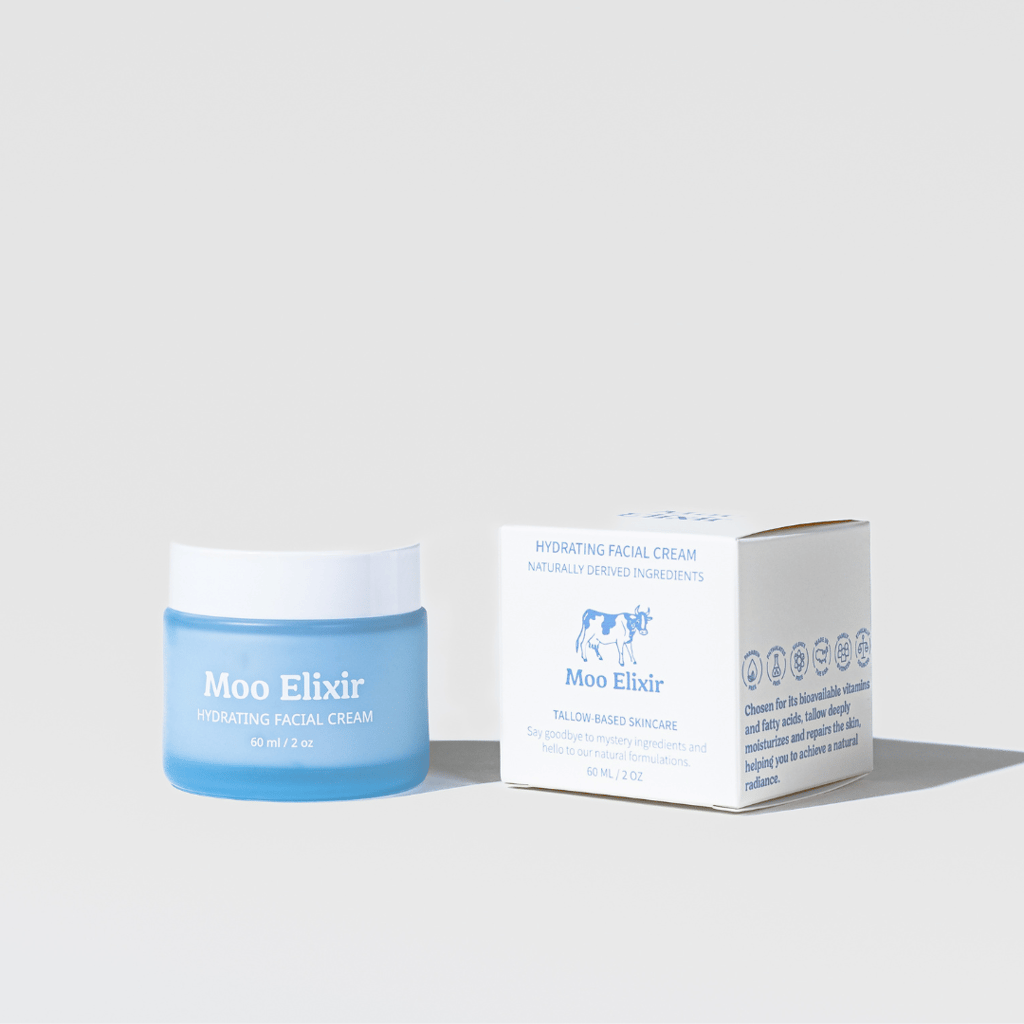
Step 1: Gently cleanse with AWvi’s The Gentle Cleanser. Step 2: Apply Moo Elixir’s Vitamin C Serum. Step 3: Use Moo Elixir’s Hydration Facial Cream or OneSkin’s OS-1 FACE Topical Supplement. Step 4: Finish with SPF like Supergoops! Glowscreen Sunrise SPF 40 PA+++
At night, your focus is repair. Overnight your skin naturally enters “recovery mode.” This is the best time to use retinoids (we love this Phyto-Retinol Sleep Serum from True Botanicals) to boost cell turnover, exfoliating acids to clear away dead cells or richer moisturisers that restore hydration levels. These products can be more potent, and your skin can better tolerate them overnight without interference from sun exposure.
Think of it this way: your morning routine is your armour, and your evening routine is your treatment. The two should complement each other and create a balanced rhythm that supports both glowy radiance but also long-term skin health.


The final takeaway
So, do you need to cleanse every morning? The answer isn’t black and white. For some, water is plenty. For others, especially those prone to oiliness or acne, skipping this step can do more harm than good. As Dr Nora summarises perfectly: “Skincare isn’t one-size-fits-all. Your routine should adapt to your skin’s needs, your environment and even your age. The goal is always balance and to support your barrier while protecting against daily stressors.”




This article is for informational purposes only, even if and regardless of whether it features the advice of physicians and medical practitioners. This article is not, nor is it intended to be, a substitute for professional medical advice, diagnosis, or treatment and should never be relied upon for specific medical advice. The views expressed in this article are the views of the expert and do not necessarily represent the views of Healf
Samantha Nice is a seasoned wellness writer with over a decade of experience crafting content for a diverse range of global brands. A passionate advocate for holistic wellbeing, she brings a particular focus to supplements, women’s health, strength training, and running. Samantha is a proud member of the Healf editorial team, where she merges her love for storytelling with industry insights and science-backed evidence.
An avid WHOOP wearer, keen runner (with a sub 1:30 half marathon) hot yoga enthusiast and regular gym goer, Samantha lives and breathes the wellness lifestyle she writes about. With a solid black book of trusted contacts (including some of the industry’s leading experts) she’s committed to creating accessible, well-informed content that empowers and inspires Healf readers.