






















How To Whiten Your Teeth Naturally: Your Guide From A Biological Dentist
Forget harsh strips and viral hacks, a biological dentist explains the natural habits that actually help teeth look brighter and the trends that could quietly be damaging your enamel.
Written by: Samantha Nice
Written on: 20 March 2026
The quest for pearly white teeth is something most of us are chasing, so it’s no wonder teeth whitening has become big business. With charcoal powders, LED kits, whitening strips and endless DIY hacks online all promising noticeably whiter teeth in a matter of days, it’s easy to get caught up in wanting to try them all. But many of these approaches rely on bleaching agents or abrasive ingredients that dentists warn can actually do more harm than good.
That’s why more people are starting to look for natural ways to improve how their teeth look without relying on harsh chemicals. The problem is that the idea of “natural whitening” is often misunderstood. Many of the viral tricks circulating online either don’t work at all or can slowly damage enamel over time.
To separate Healf from hype, we spoke to Dr. Seb Lomas, biological dentist, about how the colour of your teeth really works and the realistic ways you can make them appear naturally brighter. His advice shifts the focus away from aggressive whitening and towards something more sustainable: protecting enamel, supporting the oral microbiome and maintaining the conditions that allow teeth to reflect light properly.
Why “natural whitening” isn’t really about whitening
A lot of us assume whitening means bleaching teeth to a brighter shade, but naturally improving the appearance of teeth works very differently. “It depends what we mean by ‘whiten’,” says Lomas. “You can’t change the intrinsic genetic shade of dentine without bleaching. But you can improve brightness by reducing surface stain, supporting enamel smoothness, optimising saliva and pH, and preventing biofilm buildup.”
“When enamel is clean, hydrated, and remineralised, it reflects light better. That alone can make teeth look noticeably brighter without bleaching,” he adds. Natural whitening therefore isn’t about changing the colour of the tooth itself. It’s about creating the conditions that allow teeth to appear brighter.
The dentist-approved and natural ways to keep teeth looking brighter
If bleaching isn’t the goal, what actually helps? According to Lomas, a few simple habits can make a surprisingly big difference.
1. Focus on enamel health
One of the biggest drivers of tooth brightness is the condition of the enamel itself. “The most promising non-bleach approach is enamel-supportive remineralisation, particularly hydroxyapatite-based products,” Lomas explains.
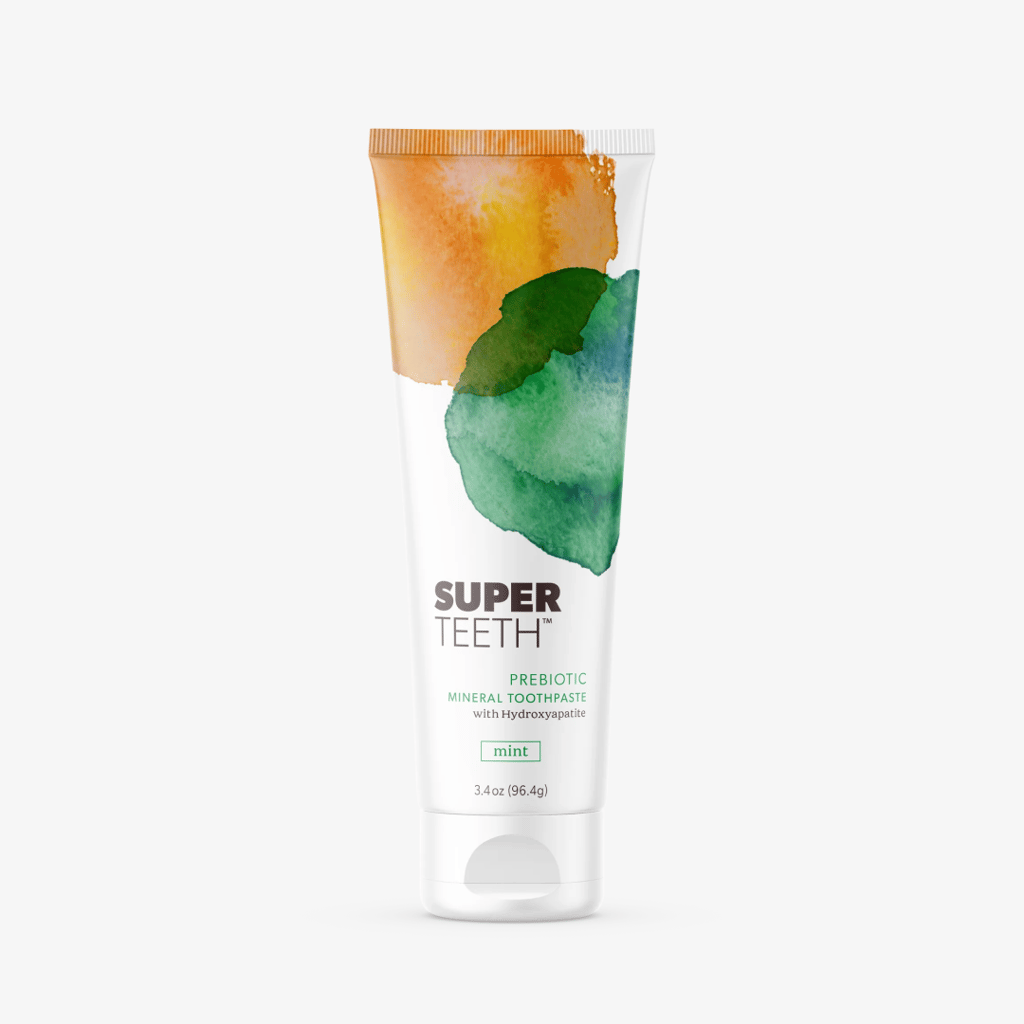
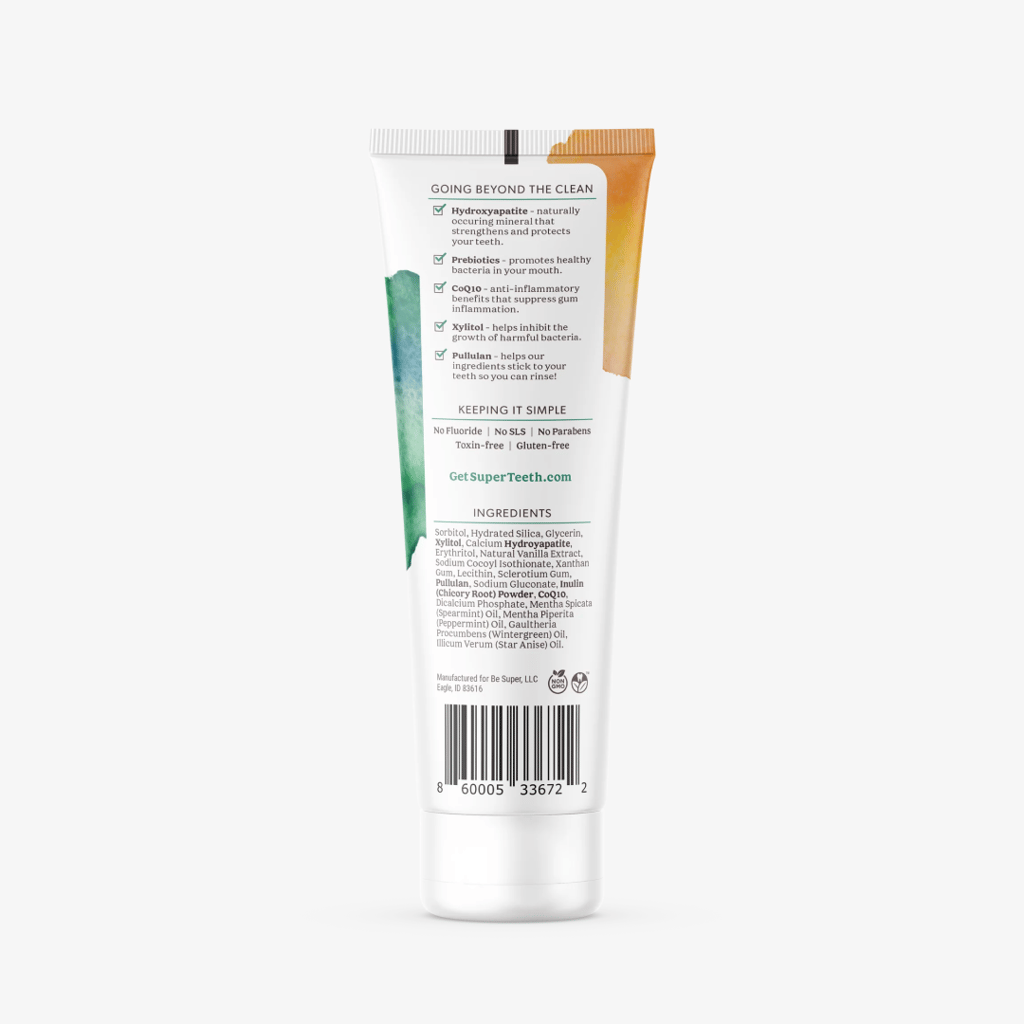
Hydroxyapatite — a mineral naturally found in teeth — is increasingly used in today’s toothpastes as a way to better support enamel health. “Hydroxyapatite can smooth enamel surface irregularities, fill microscopic defects, and improve light reflection.” It doesn’t chemically whiten teeth, but by improving surface smoothness it can make teeth appear brighter. “The real breakthrough is understanding that brightness often comes from surface integrity, not chemical whitening.”


2. Protect your saliva
Your saliva can really affect how bright your teeth are. This is because it helps regulate oral pH, strengthens enamel, and naturally washes away bacteria and food particles that contribute to staining. One of the simplest ways to support this process is staying well hydrated according to Lomas. “This helps to support saliva flow which is one of the most important factors for oral health and teeth brightness.”
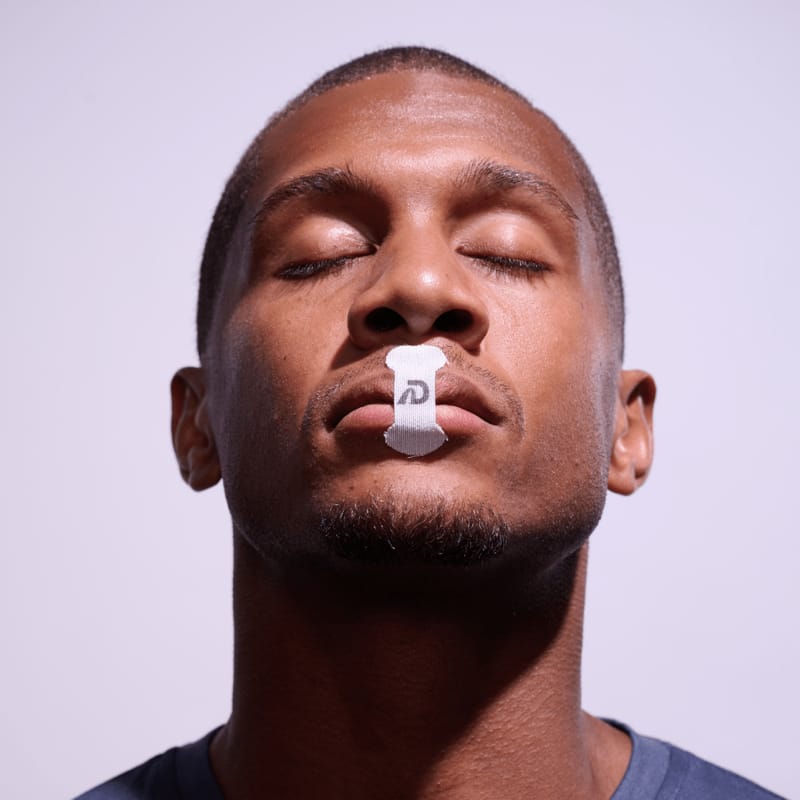
Other everyday habits matter too. Mouth breathing and constant snacking can all reduce saliva’s protective effect. When saliva flow drops, plaque builds more easily and stains are more likely to stick to the enamel surface.
3. Eat foods that support remineralisation
Despite what you may read or see online, there aren’t specific foods that actively whiten teeth. But some foods support the conditions that keep teeth looking bright. “What matters most is reducing the frequency of acidic intake, avoiding constant snacking and supporting saliva flow,” Lomas explains.
Crunchy vegetables like carrots, celery and cucumber stimulate saliva and provide gentle mechanical cleaning. Dairy foods also help support enamel health thanks to their calcium and phosphate content. “It’s less about specific ‘whitening foods’ and more about maintaining a neutral pH environment that protects enamel,” adds Lomas.
Does oil pulling actually whiten teeth?
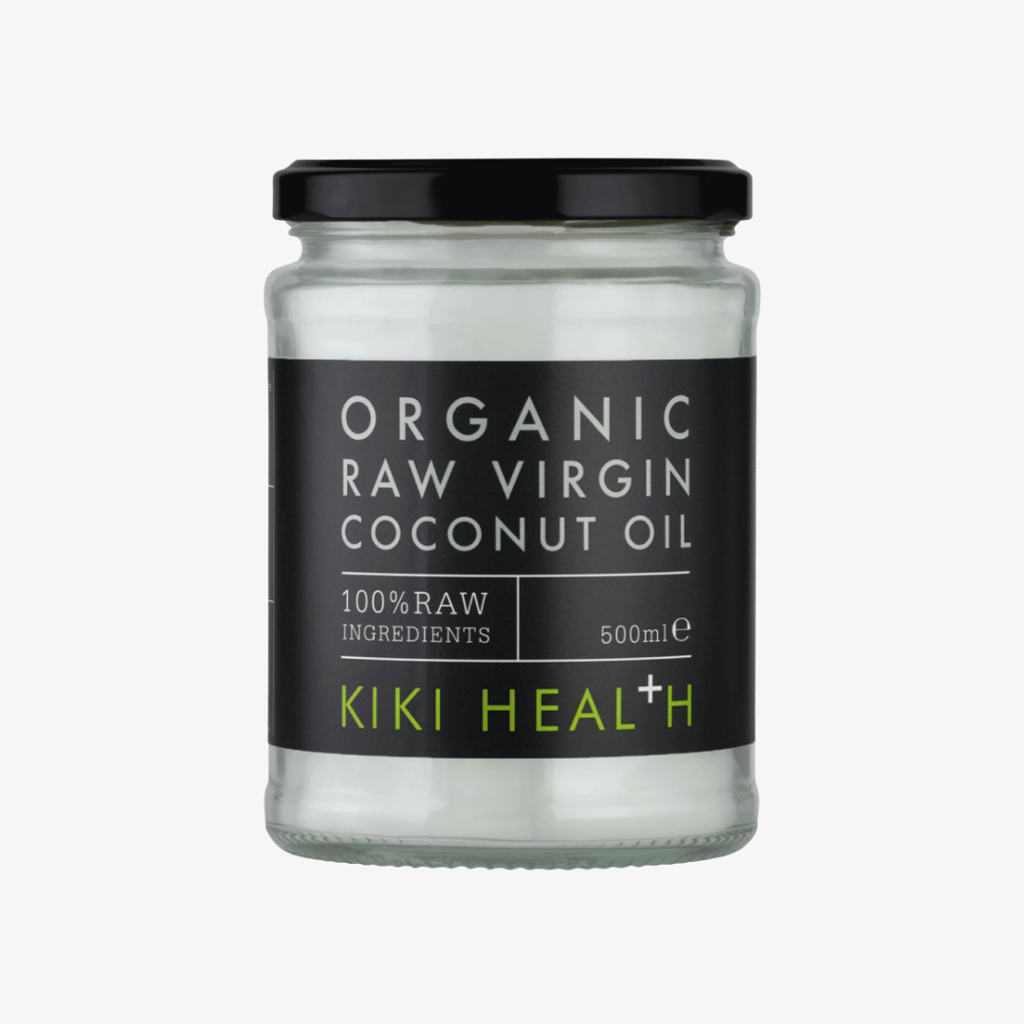
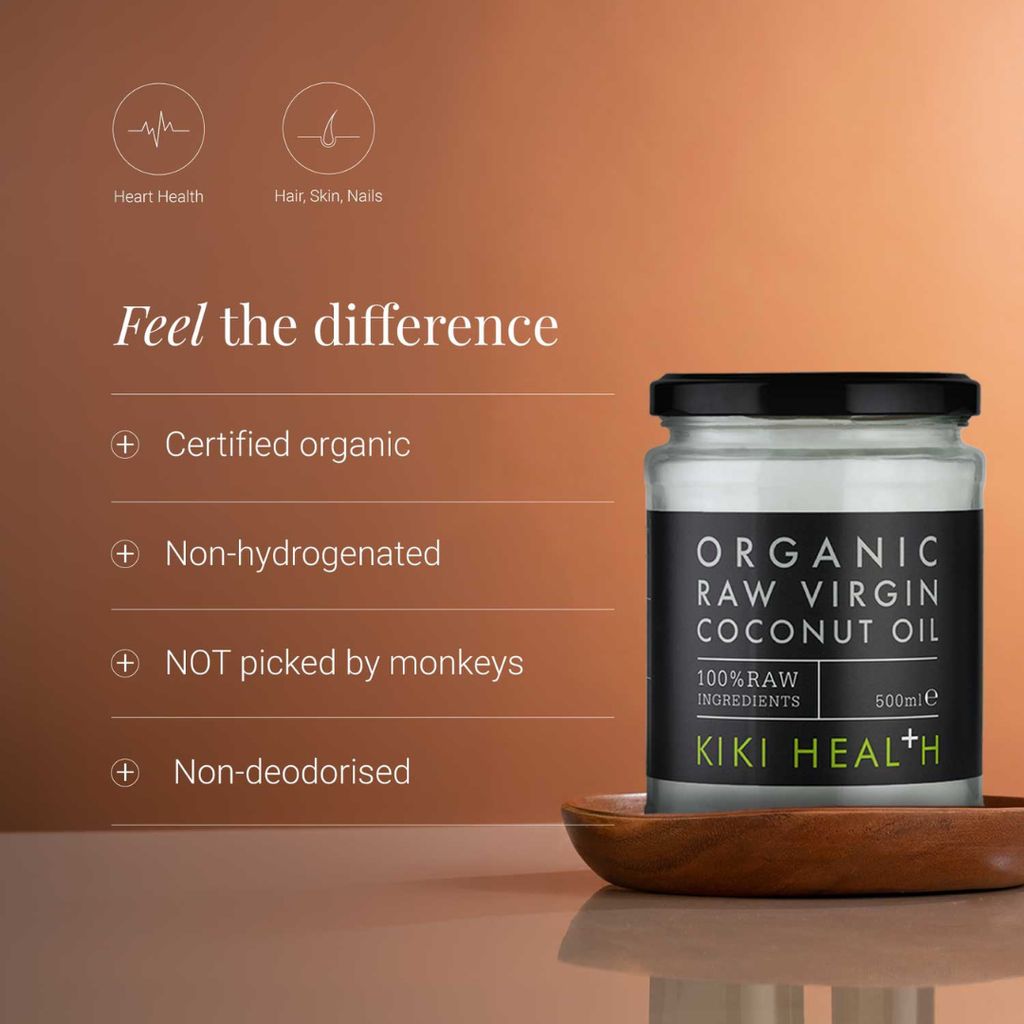
Oil pulling has become a huge trend, often promoted as a natural whitening solution. The practice involves swishing oil — typically coconut oil — in the mouth for several minutes to reduce bacteria, but does it actually make teeth whiter?
“There is evidence that oil pulling reduces bacterial load and plaque accumulation,” says Lomas. “If plaque is reduced, superficial staining may appear less noticeable.” However, that doesn’t mean oil pulling changes tooth colour. “There is no strong evidence that oil pulling whitens enamel. It doesn’t alter intrinsic tooth colour. “At best, it temporarily improves surface cleanliness, which can make teeth appear whiter.”
So while oil pulling isn’t necessarily harmful when done occasionally, it’s unfortunately not a miracle whitening solution either.
The natural whitening hacks he doesn’t rate
Some of the most viral “natural whitening” trends online involve abrasive ingredients that can actually damage enamel. Two of the most common are charcoal powders and baking soda.
“Charcoal is quite abrasive, while baking soda is milder but still abrasive,” says Lomas. Because of this, both can remove superficial stains in the short term but the problem is that regular abrasion can slowly wear down enamel.
“Repeated abrasion can thin enamel, increase sensitivity and make teeth appear more yellow long term due to dentine exposure,” he explains. That yellowing happens because enamel is naturally translucent, while the underlying dentine is more yellow in colour. As enamel becomes thinner, that dentine begins to show through more clearly.
“Once enamel is thinned, that cannot be reversed naturally, so they’re really not strategies I recommend,” Lomas explains. For that reason, he advises treating these methods as occasional rather than routine and at most, doing once a week.
The surprising role of the oral microbiome
Another factor that plays a role in how bright teeth appear is the oral microbiome — the ecosystem of bacteria living in the mouth. “Microbiome balance absolutely influences how bright teeth look,” says Lomas.
When the oral microbiome is balanced, plaque is kept under control and the mouth maintains a more stable pH environment, but when things are off balance, staining becomes far more likely. “An imbalance in oral bacteria can lead to thicker biofilm forming on the teeth and a rougher enamel surface. That roughness allows pigments from foods and drinks to stick more easily, which can make teeth appear darker over time,” says Lomas.
When “yellowing” isn’t staining at all
One of the biggest misconceptions about tooth colour is that yellowing always comes from stains but it’s often structural. “Enamel is translucent,” says Lomas. “The underlying dentine is naturally more yellow.” As enamel thins — due to acidic drinks, aggressive brushing or erosion — that dentine becomes more visible. “This isn’t staining. It’s structural change,” he explains. While enamel cannot regrow, its integrity can still be protected. “You can prevent further erosion, support remineralisation and reduce abrasive habits,” he adds.
The everyday habits that are quietly dulling your smile
Coffee and red wine usually get the blame for stained teeth but more often, it’s your everyday habits that gradually shape how your smile looks. According to Lomas, it’s typically the small, repeated behaviours that slowly but surely affect enamel and make staining more likely. Common habits that could be undermining your tooth brightness include:
- Mouth breathing
- Frequent acidic drinks such as lemon water or sparkling water
- Constant snacking
- Aggressive brushing
- Abrasive “natural” tooth powders
- Chronic dry mouth
- Sipping pigmented drinks throughout the day
“Most staining isn’t from one coffee,” Lomas explains. “It’s from repeated enamel softening followed by pigment exposure again and again.
The three habits that matter most
If you strip away the trends, most dentists agree that keeping teeth looking bright comes down to a few consistent habits rather than dramatic treatments.
1. Be gentle with enamel
Choose toothpastes designed to support enamel rather than aggressively polish it. Overly abrasive powders and harsh whitening agents can gradually wear enamel down, which can actually make teeth appear darker over time.
2. Support your mouth’s natural defences
Simple habits like staying hydrated, breathing through your nose and avoiding constant grazing all help saliva do its job. As Lomas said, saliva plays a crucial role in keeping the oral environment balanced and washing away the particles that contribute to staining.
3. Be mindful of acidity
Acid softens enamel temporarily, which makes it more vulnerable to damage and staining. Rather than eliminating acidic foods or drinks entirely, focus on reducing how frequently you consume them and avoid brushing straight afterwards.
The Healf perspective
Natural teeth whitening isn’t about chasing extreme brightness or trying every viral trick circulating online. The biggest shift dentists are now talking about is moving away from aggressive whitening and towards protecting the things that actually influence how teeth look like enamel health, oral balance and daily habits.
It may not deliver the instant transformation promised by whitening strips or bleaching kits, but protecting enamel and supporting the natural systems that keep your mouth healthy is far more likely to keep your teeth looking bright in the long run. Ultimately, that’s the real goal — a smile that looks naturally healthy rather than artificially white.
Interested in learning more about oral health? Read our deeper conversation with Dr. Seb in Rethinking Oral Health: Why Brushing More Isn’t Always Better.
This article is for informational purposes only, even if and regardless of whether it features the advice of physicians and medical practitioners. This article is not, nor is it intended to be, a substitute for professional medical advice, diagnosis, or treatment and should never be relied upon for specific medical advice. The views expressed in this article are the views of the expert and do not necessarily represent the views of Healf
Samantha Nice is a seasoned wellness writer with over a decade of experience crafting content for a diverse range of global brands. A passionate advocate for holistic wellbeing, she brings a particular focus to supplements, women’s health, strength training, and running. Samantha is a proud member of the Healf editorial team, where she merges her love for storytelling with industry insights and science-backed evidence.
An avid WHOOP wearer, keen runner (with a sub 1:30 half marathon) hot yoga enthusiast and regular gym goer, Samantha lives and breathes the wellness lifestyle she writes about. With a solid black book of trusted contacts (including some of the industry’s leading experts) she’s committed to creating accessible, well-informed content that empowers and inspires Healf readers.