
























Rethinking Oral Health: Why Brushing More Isn’t Always Better
Biological dentist Dr. Sebastien Louis Lomas explains oil pulling, oral microbiome health and how your mouth affects your whole body.
Written by: Samantha Nice
Written on: 4 February 2026
What if everything you’ve been taught about oral health needs a rethink? Dr. Sebastien Louis Lomas is a biological dental practitioner who only brushes his teeth once a day because he understands something most of us were never taught. Oral health isn’t just about scrubbing harder, whitening faster, or killing bacteria. It’s about balance, biology, and working with your mouth’s natural systems rather than against them.
As conversations around the oral microbiome, inflammation, and total body wellbeing pick up, dentistry is having its own moment. We’re also starting to ask better questions like: Are we over-cleaning? Do we need mouthwash every day? What’s the deal with oil pulling? And is ‘minty fresh’ actually a sign of health, or just strong flavouring?
Below, Dr. Seb breaks down biological dentistry and the daily habits that can really support your oral health in the long-term.
What is biological dentistry?
“Biological dentistry looks at the mouth as part of the whole body, not as a separate mechanical system," says Dr. Seb. “It’s dentistry informed by physiology, immunology, and full body system thinking.” In other words, it’s less about treating your teeth like isolated objects and more about understanding what’s causing symptoms.
That difference becomes obvious when you compare it to the usual approach. “Conventional dentistry often focuses on fixing functional problems once they appear,” Dr. Seb says. “Biological dentistry asks why those problems developed in the first place. We consider inflammation, breathing, sleep, nutrition, stress, materials used in the mouth, and how oral health interacts with immunity and systemic inflammation.”
It’s a broader lens, and for many people, explains why issues keep returning even when they’re supposedly doing everything right.
Why does Dr. Seb only brush once a day?
A dentist who brushes once a day sounds counterintuitive, but Dr. Seb’s routine is less rebellious than it is intentional.
“I brush once a day—in the evening—thoroughly, coconut oil pull once a day in the morning, and I clean interdentally every evening. The key is quality and timing, not frequency alone,” he says. His point isn’t that everyone should brush less. It’s that brushing more isn’t automatically better if the method is aggressive, rushed or working against your mouth’s natural balance.
“From a biological perspective, the goal isn’t to sterilise the mouth,” he explains. “It’s to control inflammation, support saliva flow and maintain a healthy microbial balance. Over-brushing or aggressive brushing can irritate the gums, disrupt the microbiome and paradoxically increase inflammation.” If you’ve ever brushed harder because your gums were bleeding (and then they bled more), this is why.
Instead, focus on gentleness and consistency. “I brush gently at the gumline, take my time and avoid stripping agents like those found in conventional mouthwashes,” he says. “At night, I prioritise nasal breathing, hydration, and good sleep, because saliva flow and breathing patterns matter just as much as brushing.” Take this as a reminder that oral health isn’t only what happens at the sink; it’s also what happens while you sleep.
Dr. Seb’s simple daily oral care routine:
If you want to borrow the same principles without overcomplicating things, here’s the routine Dr Seb personally sticks to:
Brush once a day (evening), thoroughly.
Oil pull with coconut oil once a day morning.
Clean interdentally every day in the evening.
If there’s one thing Dr Seb wants you to note, it’s that the key is quality and timing, not frequency alone. Oral health is about protecting the ecosystem, not wiping it out. “From a biological standpoint, the goal isn’t just to sterilise the mouth,” he explains. “It’s to control inflammation, support saliva flow and maintain a healthy microbial balance.”
Why the mouth is a whole-body issue
It’s easy to treat gum health like a local issue, but Dr. Seb sees the mouth as a major gateway to the rest of the body. That’s why oral health is increasingly being discussed alongside bigger health topics like cardiovascular health, metabolic health and ageing. “The gums are a vascular barrier, much like the gut lining,” Dr. Seb says. “If that barrier is inflamed, bacterial by-products and inflammatory signals can enter the bloodstream.”
That matters because chronic inflammation doesn’t stay neatly contained. “Chronic gum or bone inflammation acts like a low-grade infection the immune system never gets to resolve,” he explains. “Over time, this contributes to systemic inflammation and immune load.”
If your mouth is inflamed, dry, or not functioning well, breathing can become harder at night and sleep can feel lighter and less restorative. “When oral tissues are inflamed or dysfunctional, the effects ripple outward,” he says, “let's not forget the airway (oropharyngeal) tube that dictates your depth of sleep.”
What is the oral microbiome?
While the gut microbiome gets plenty of airtime, the oral microbiome is the first stop in the digestive tract and sets the tone for what comes next. “The oral microbiome is the start of the digestive and immune cascade. It influences nitric oxide production for vascular health, trains immune tolerance, and helps regulate systemic inflammation,” explains Dr. Seb.
When that ecosystem is out of balance, the knock-on effects can show up throughout your body. “When the oral microbiome is disrupted, often through mouth breathing, dry mouth, sugar or refined food frequency, stress or antiseptic products, you see higher inflammation locally and systemically,” he says. Because the mouth is exposed to your environment all day long, it’s often one of the first places imbalance shows up.
Can you over-clean your mouth?
For years, oral care has been framed like a war on bacteria: Brush twice a day. Mouthwash daily. Kill everything. Dr. Seb says this mindset can backfire, especially when it comes to daily use of strong antiseptics. “Over-cleaning, especially with antiseptic mouthwashes, can strip beneficial bacteria, dry the mouth and impair saliva’s natural protective role,” he explains.
This is where the oral microbiome conversation becomes even more important. “The mouth is not meant to be sterile,” Dr. Seb says. “It’s meant to be balanced. Constantly killing bacteria can lead to rebound dysbiosis, increased sensitivity, and gum irritation.” Essentially, clean doesn’t mean sterile and balanced means healthy.
Oral care ingredients to avoid, and what to choose instead
Dr Seb’s approach is to keep things simple and biologically aligned, choosing products that support the mouth’s natural defences rather than constantly stripping them back.
He’s especially cautious with strong antiseptics used daily, including alcohol-based mouthwashes, and anything that leaves your mouth feeling dry or irritated. He flags harsh foaming agents that can aggravate the gums, particularly if you’re already sensitive or inflamed, because your oral health depends on saliva function, gum integrity, and microbial balance.
What to avoid (especially for sensitive gums or dry mouth):
Alcohol-based mouthwash (often drying and irritating with frequent use)
Daily strong antiseptic rinses that aim to kill everything
Harsh foaming agents that can trigger gum irritation for some people
Anything that makes your mouth feel tight, stripped, dry or stingy after use
What to look for instead:
Gentle, non-irritating formulas you can use consistently
Products that support saliva and don’t leave your mouth dry
Microbiome-friendly options that focus on balance over wipeout

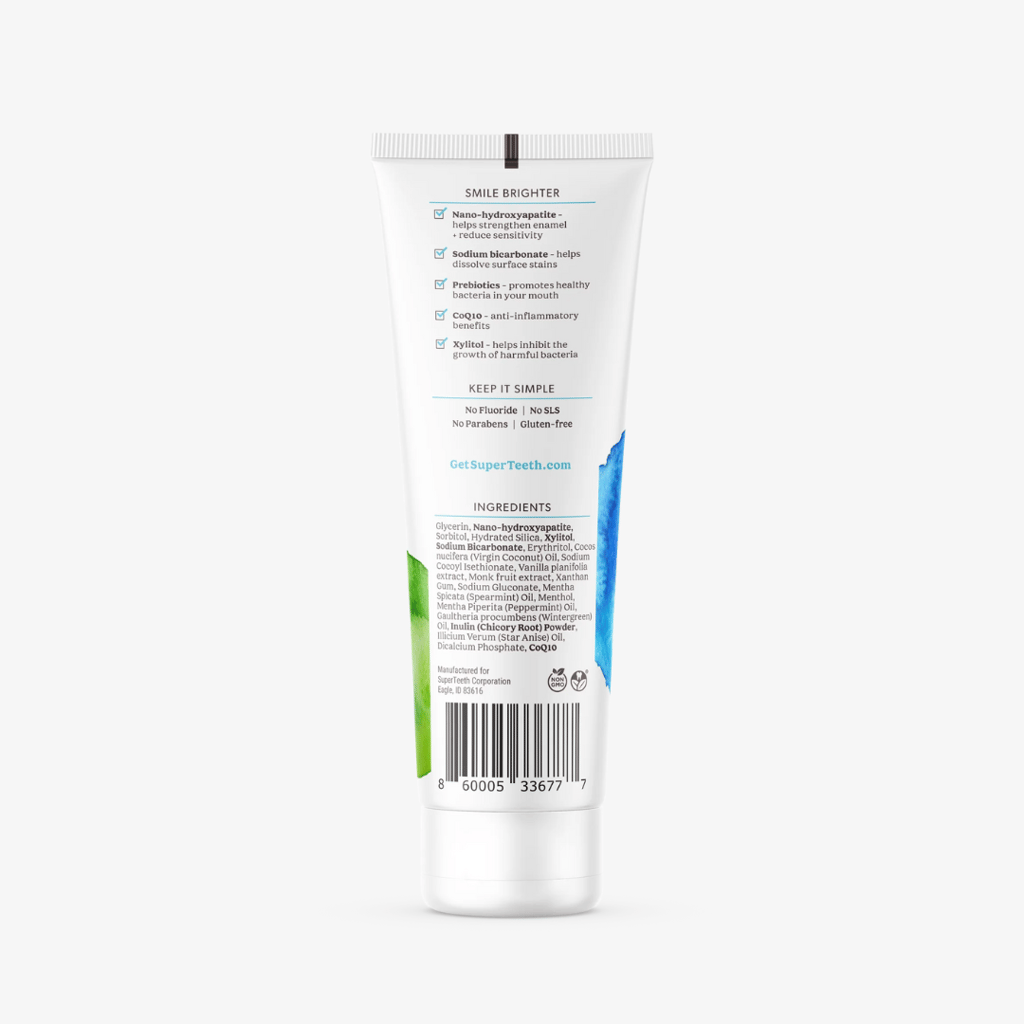
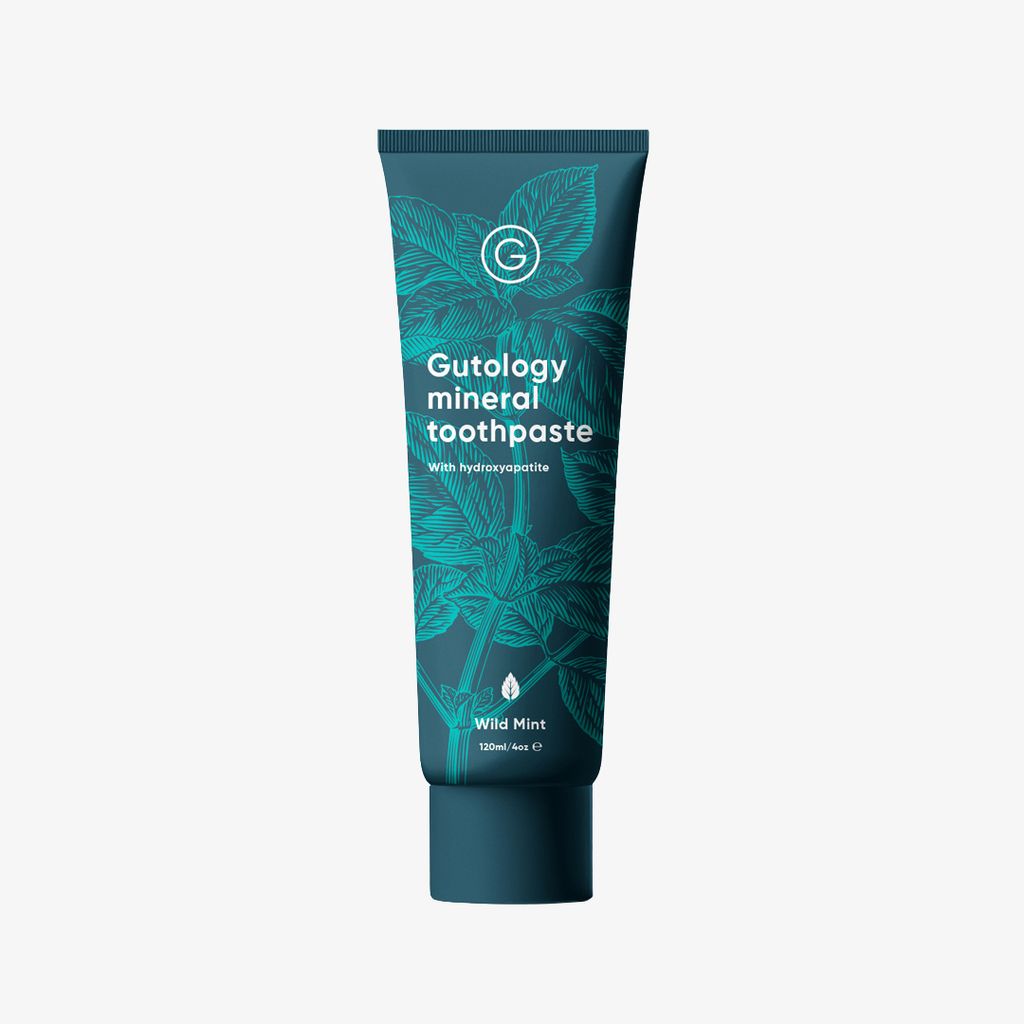
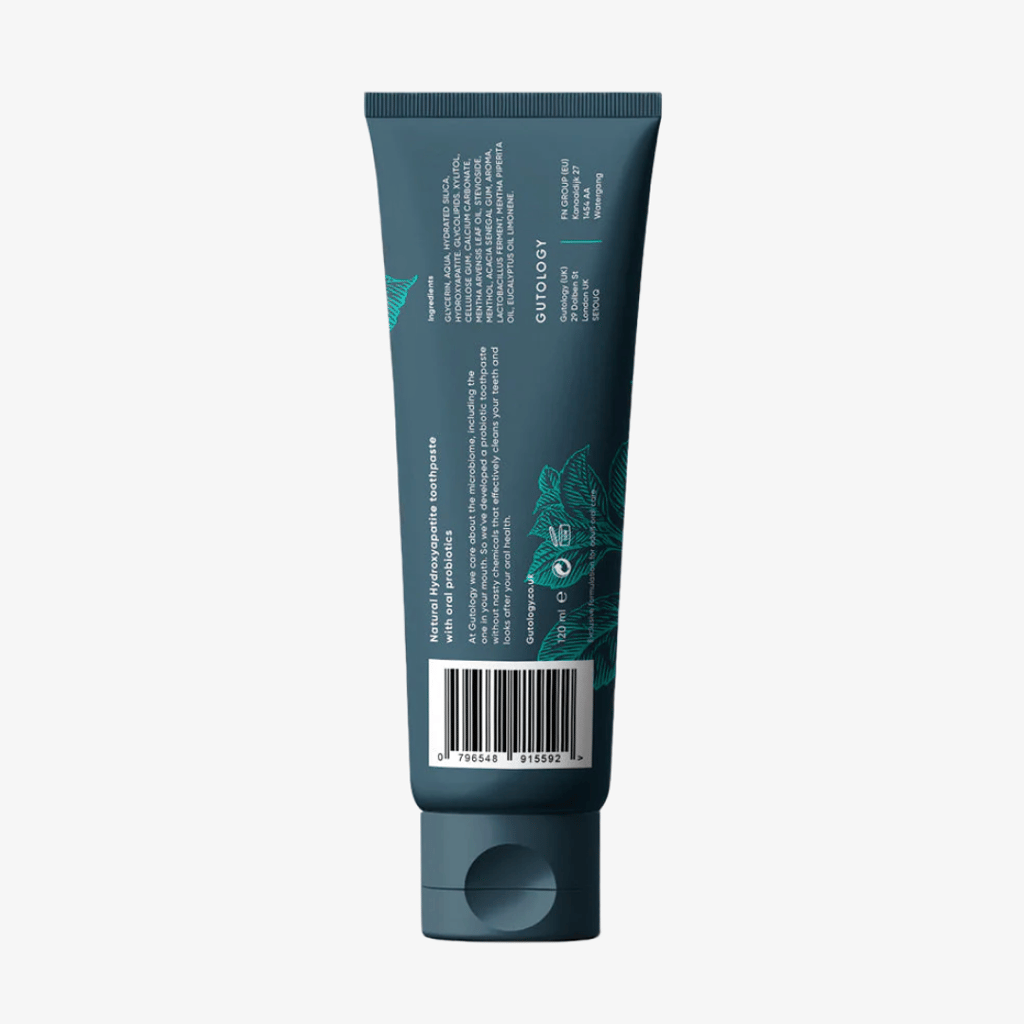

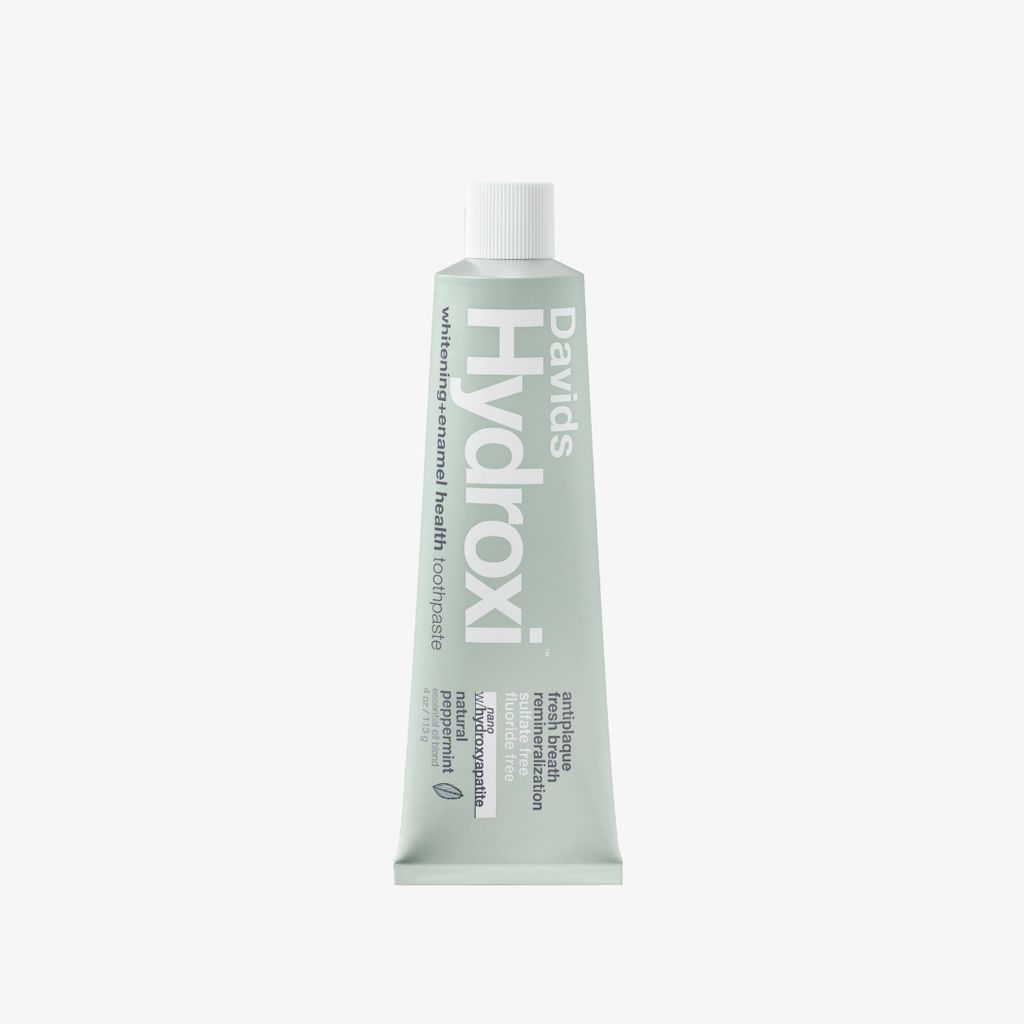
The aim is to keep your mouth calm, hydrated and stable.
What ingredient should I look for in toothpaste?
If there’s one ingredient driving this new wave of oral care, it’s hydroxyapatite. Hydroxyapatite is a bioactive ceramic, and forms your enamel, which is why Dr. Seb sees it as one of the most biologically sensible options for daily toothpaste. Instead of trying to strip, bleach or overpower, hydroxyapatite helps support the structure your teeth are built from. “It works with the body rather than forcing a chemical reaction like the conventional remineralising agent,” he says.
The ingredient is especially popular in people dealing with sensitivity, early enamel wear, or teeth that feel delicate. It’s a more biomimetic way to support remineralisation, meaning it works in a way that aligns with the body rather than fighting it.
Dr. Seb also encourages people to stay ingredient-led rather than brand-led. “I always encourage people to focus on ingredients, formulation and how their mouth actually responds, rather than branding alone.” The best toothpaste isn’t the one with the loudest packaging, it’s the one your teeth and gums actually feel better using.
As always, he comes back to the habit that matters most: Consistency. “This matters far more than intensity,” Dr. Seb says. “A toothpaste you can use daily and comfortably, is far more valuable than something extreme.”
What trendy dental routines actually work?
Natural oral care routines are everywhere right now, and some can be genuinely supportive… as long as they’re used in context and not as a replacement for brushing or interdental cleaning.
Tongue scraping
“Tongue scraping can be helpful for reducing bacterial load on the tongue and supporting breath and taste, as long as it’s gentle,” he says. “I used to do this more when I was trying to balance or when I’m feeling under the weather to reduce the bacterial load.” It’s not essential for everyone, but it can be a useful add-on if you’re dealing with bad breath or coating.
Oil pulling
Oil pulling is an ancient Ayurvedic practice involving swishing oil around in the mouth for 15 to 20 minutes to help reduce bacteria, plaque, and gingivitis, and freshen breath. “Oil pulling is often misunderstood,” he explains. “It can temporarily reduce bacterial load and balance the landscape. It also prevents excessive build up of biofilms on the surfaces of the teeth. It’s not harmful if used daily, but it’s not a replacement for good mechanical daily care,” he says.
Natural doesn’t automatically mean effective
While “natural” routines can be appealing, Dr. Seb provides a simple reminder: “Natural doesn’t automatically mean effective.” The goal is healthier gums, less inflammation and better balance… not just a routine that looks good on social media.
Nasal breathing
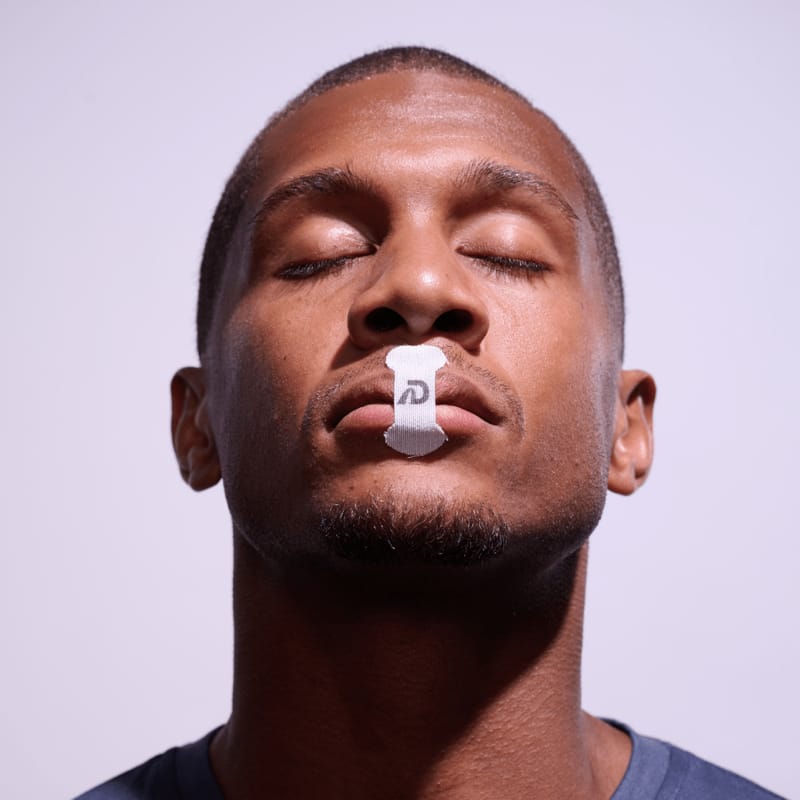
“Mouth breathing quietly drives gum disease, decay, dry mouth and microbiome disruption,” he says. “Nasal breathing, especially at night, is one of the most powerful and overlooked oral health interventions we have, it also helps us regulate our depth of sleep to enter the fully regenerative phase of sleep, this is whole body mastery.”
If you’re breathing through your mouth overnight, you’re essentially spending hours dehydrating the very environment your oral microbiome needs to stay balanced.
The biggest myths in oral health
Some oral health myths stick around because they sound harmless. In reality, they can delay people getting the right support. One big myth is that bleeding gums are normal, per Dr. Seb. It’s not, and bleeding means inflammation. If your gums bleed regularly, it’s a sign something needs attention and is definitely not something to ignore.
Another is that more cleaning equates to better oral health. “Often, it’s the balance that’s needed,” he says. The mouth doesn’t thrive when it’s constantly stripped down. It thrives when it’s supported.
Then there’s the biggest myth of all… that oral health is purely cosmetic. “In reality, it’s deeply connected to sleep, metabolism, cardiovascular health and ageing,” says Dr. Seb. Your teeth are not separate from your body—they’re part of it.
The takeaway
Oral health isn’t a battle against bacteria. It’s about looking after an ecosystem. If Dr. Seb had to simplify everything down to a few principles? “Protect the gums, support saliva, breathe through your nose and aim for balance rather than perfection with as natural products as possible and a clean diet 90% of the time.”
Your most asked oral health questions, answered
Is brushing twice a day always best?
Not necessarily. Brushing frequency matters, but technique matters more. If you’re brushing twice a day but doing it too hard, too fast, or with an irritating formula, it can actually leave gums more inflamed over time. Think gentle, thorough, and consistent (especially around the gumline) rather than more and harder.
Can mouthwash disrupt the oral microbiome?
Yes, especially if it’s a strong antiseptic mouthwash used daily. These products don’t just target bad bacteria, they can also reduce the beneficial bacteria that help keep the mouth balanced. They can contribute to dry mouth, which makes it harder for saliva to do its job.
Are bleeding gums normal?
No. Bleeding gums are usually a sign of irritation or inflammation, not something to brush off. If it’s happening regularly, it’s worth addressing early; whether that’s improving brushing technique, adding interdental cleaning, or getting a professional check-up.
What’s the best toothpaste ingredient for enamel support?
Hydroxyapatite is a standout. It’s a mineral that matches what enamel is naturally made from, which is why it’s become a popular option for people focused on strengthening and supporting teeth without harsh formulas. Many people also find it helpful if they deal with sensitivity or early enamel wear.
Does oil pulling actually do anything?
Oil pulling can be a useful add-on, especially for helping reduce build-up in the mouth and supporting fresher breath. But it’s not a substitute for brushing and interdental cleaning. Think of it as an extra habit, not the foundation of your routine.
Is tongue scraping worth doing?
It can be, particularly if you struggle with morning breath, a coated tongue, or you want to support overall mouth freshness. The key is to keep it gentle. Scraping too aggressively can irritate the tongue rather than help it.
What causes dry mouth and why does it matter?
Dry mouth can be caused by mouth breathing, dehydration, stress, certain medications, alcohol, or overuse of drying oral products. It matters because saliva is one of your mouth’s main protective tools. It helps buffer acids, support the gums and maintain a healthier microbial balance. When saliva is low, irritation and sensitivity tend to rise.
What’s the most overlooked habit for better oral health?
Breathing through your nose - especially at night. Mouth breathing dries the mouth out, which can make it easier for inflammation, irritation and imbalance to build over time. If you’re doing everything right, but still struggling with oral health issues, this is one habit that’s worth paying attention to.


This article is for informational purposes only, even if and regardless of whether it features the advice of physicians and medical practitioners. This article is not, nor is it intended to be, a substitute for professional medical advice, diagnosis, or treatment and should never be relied upon for specific medical advice. The views expressed in this article are the views of the expert and do not necessarily represent the views of Healf
Samantha Nice is a seasoned wellness writer with over a decade of experience crafting content for a diverse range of global brands. A passionate advocate for holistic wellbeing, she brings a particular focus to supplements, women’s health, strength training, and running. Samantha is a proud member of the Healf editorial team, where she merges her love for storytelling with industry insights and science-backed evidence.
An avid WHOOP wearer, keen runner (with a sub 1:30 half marathon) hot yoga enthusiast and regular gym goer, Samantha lives and breathes the wellness lifestyle she writes about. With a solid black book of trusted contacts (including some of the industry’s leading experts) she’s committed to creating accessible, well-informed content that empowers and inspires Healf readers.