















































Rhonda Patrick’s Top Habits That Actually Improve Sleep Quality
From finishing dinner earlier to magnesium at night, we break down the most effective tools and explain the science behind them.

Written by: Samantha Nice
Written on: 15 April 2026
Sleep sits at the centre of almost every wellbeing conversation, and for good reason. Everything from our energy and mood, to our recovery, resilience to stress, and even long-term health markers is closely tied to how well you sleep.
And as we start to pay more attention to our sleep, we have started to lean on trusted, scientific voices, like biomedical scientist Rhonda Patrick, PhD, and neuroscientist Andrew Huberman, to better understand how we can harness our sleep to power our wellbeing. Both thought leaders ground their recommendations in physiology, while making sure they're practical enough to slot into everyday routines. This is why their thinking resonates with so many people.
In Patrick’s recent appearance on the Huberman Lab episode, “The Best Vitality & Health Protocols”, she explains that sleep isn’t something that you can optimise in isolation. Instead, Patrick talks in depth about how she structures her day, from when she eats to how she trains and supports her nervous system to get better rest at the end of the day.
We’ve pulled out the habits that most directly support sleep, and broken down the science behind why they work, so you can focus on what actually makes a difference. From Patrick’s point of view, it’s not about adding more, it’s about getting the basics right and doing them consistently.
Here are the daily habits Rhonda Patrick uses to support better sleep.
1. Get 5–10 minutes of daylight within the first hour of waking
What she says: Patrick explains that cortisol should rise in the morning as part of the cortisol awakening response, helping set your internal clock for the day ahead.
What this means: Sleep starts with how you begin your day. That early signal plays a big role in setting the timing for everything that follows. This is what anchors your circadian rhythm, which then determines when your body naturally feels alert or sleepy. For more on this, check out “Why You Should Spike Your Cortisol Levels In The Morning.”
Why it works: Morning light helps reinforce when cortisol should peak, which in turn influences when melatonin is released later on. Patrick explains that this cortisol-melatonin rhythm is tightly regulated, and when it’s misaligned, sleep quality tends to drop.
How to apply it:
- Get outside within 30–60 minutes of waking
- Aim for 5–10 minutes of daylight
- Keep your wake-up time within a 30–60 minute window, even on weekends
If mornings are busy, even stepping outside briefly or having your coffee outdoors is enough to make a difference.
2. Finish your last meal at least 2 to 3 hours before bed
What she says: Patrick suggests finishing your last meal around three hours before heading off to bed, noting that digestion can take several hours and keeps the body in a more activated state.
What this means: Eating later keeps your body switched on. It will continue actively processing food for several hours after eating, which delays its ability to fully wind down.
Why it works: Digestion raises core body temperature and requires energy, both of which work against your sleep cycle. Patrick also notes that eating close to bed keeps the sympathetic nervous system engaged, which is less compatible with deep rest.
How to apply it:
- Aim to finish eating 2–3 hours before bed
- If you’re in bed at 10:30pm, that usually means eating by 7:30
- Try to skip late snacks after this point, especially anything heavy or high in sugar
If that feels like too much of a shift, start by bringing dinner forward by 30 minutes and build from there.
3. Eat most of your carbohydrates earlier in the day, not late at night
What she says: Patrick explains that carbohydrate timing can influence sleep by helping regulate cortisol levels and supporting serotonin production.
What this means: Carbohydrates can support sleep, but loading up in the evening isn’t always the most effective approach. Timing them earlier helps align energy availability with your body’s natural rhythm across the day.
Why it works: Carbohydrates help increase serotonin, which is later converted into melatonin. Patrick also points out that carbohydrates can help buffer cortisol, making it easier for levels to drop appropriately in the evening.
How to apply it:
- Include carbohydrates at breakfast and lunch
- Keep dinner more balanced, rather than heavily carb-focused
- If you are having carbs in the evening, keep portions moderate and finish eating 2–3 hours before bed
Think: spreading intake across the day, rather than carb-loading solely at dinner.
4. Don’t do high-intensity workouts after 6 or 7pm
What she says: Patrick treats exercise as non-negotiable, but intense, late-evening training can interfere with sleep.
What this means: Movement supports sleep, but the timing of more demanding sessions makes a difference. If you do higher intensity training later in the day, it can leave your body in a more stimulated state for longer, which can make falling asleep harder.
Why it works: Exercise increases sleep pressure and supports circadian rhythm. However, Patrick says that intense training elevates cortisol and body temperature, both of which can delay the transition into sleep.
How to apply it:
- Aim for 3–5 sessions per week
- Schedule higher intensity workouts before 6–7pm
- If you’re training later, switch to lower intensity movement like walking, yoga or mobility work
If evenings are your only option, it’s still worth getting your movement in, just try to adjust the intensity.
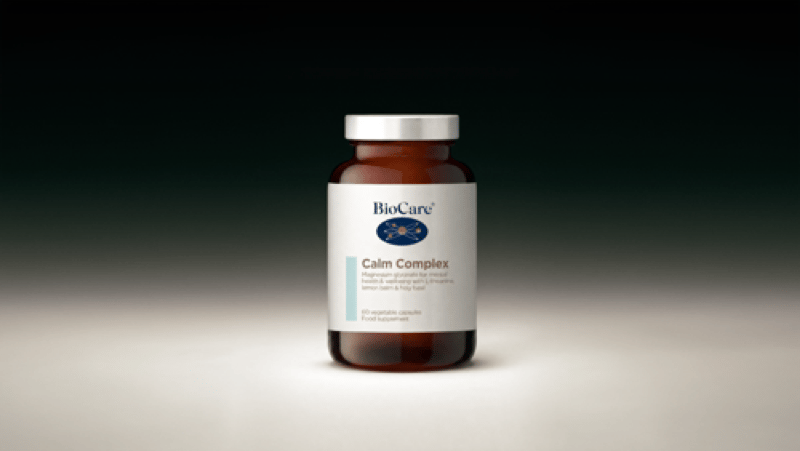
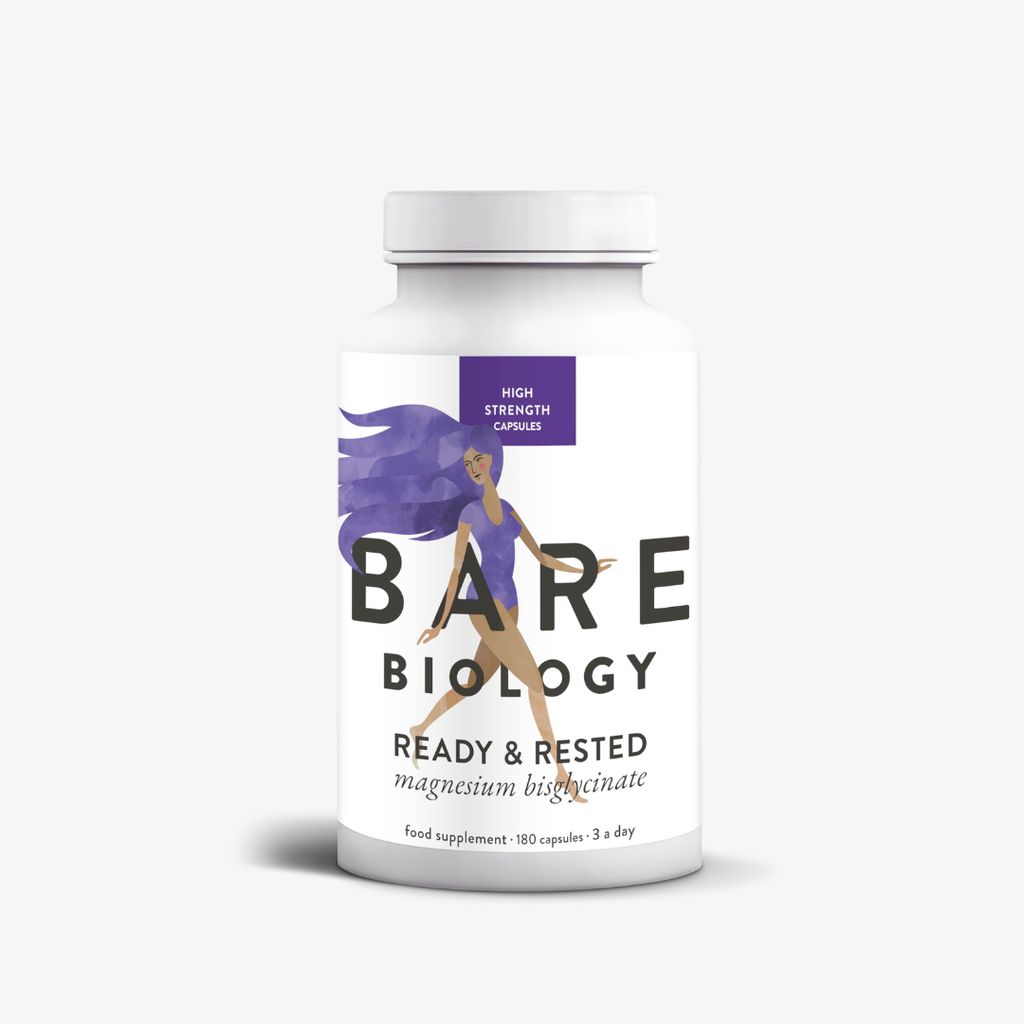
5. Take 200 to 400 mg magnesium bisglycinate 30–60 minutes before bed
What she says: Patrick highlights magnesium bisglycinate as one of the most effective magnesium supplements for supporting relaxation and sleep quality.
What this means: Magnesium bisglycinate is the more precise name for this form, although it’s often labelled simply as magnesium glycinate. They refer to the same compound, and it’s typically preferred for sleep because it’s well absorbed and gentler on digestion.
Why it works: Magnesium supports GABA, a neurotransmitter that helps quiet the brain. Patrick notes that bisglycinate is particularly useful for relaxation, even though it doesn’t cross into the brain as directly as forms like threonate, because its calming effect on the body still supports sleep.
How to apply it:
- Take 200–400mg magnesium bisglycinate (or glycinate)
- Time it 30–60 minutes before bed
- Use it consistently for at least 1–2 weeks
If you’ve tried magnesium before without much effect, the form used can make a noticeable difference.





6. Keep your sleep and wake time within a 30–60 minute window
What she says: Patrick emphasises that sleep reflects multiple inputs across the day, including diet, movement, and stress. She also says that consistency helps reinforce these signals, making sleep onset and wake timing more stable over time.
What this means: Sleep becomes more reliable when your daily patterns are consistent, not perfect. When your timing shifts too much, it becomes harder for your body to predict when to wind down and when to wake.
Why it works: Your circadian rhythm responds to repeated signals. When those signals happen at similar times each day, your body becomes better at anticipating sleep, making it easier to fall asleep and wake up without disruption.
How to apply it:
- Go to bed and wake up within a 30–60 minute window each day
- Try to keep this consistent across weekdays and weekends
- Align meals, movement, and light exposure around similar times where possible
It doesn’t need to be rigid, just consistent enough for your body to recognise the pattern.
The takeaway
All of this really reinforces how much restorative sleep relies on the same few things, done consistently. There’s no single fix or shortcut here. It’s about how you structure your day, how predictable your inputs are, and how well those signals line up over time. Get those right, and sleep becomes something your body naturally moves into, rather than something you have to force.



This article is for informational purposes only, even if and regardless of whether it features the advice of physicians and medical practitioners. This article is not, nor is it intended to be, a substitute for professional medical advice, diagnosis, or treatment and should never be relied upon for specific medical advice. The views expressed in this article are the views of the expert and do not necessarily represent the views of Healf
Samantha Nice is a seasoned wellness writer with over a decade of experience crafting content for a diverse range of global brands. A passionate advocate for holistic wellbeing, she brings a particular focus to supplements, women’s health, strength training, and running. Samantha is a proud member of the Healf editorial team, where she merges her love for storytelling with industry insights and science-backed evidence.
An avid WHOOP wearer, keen runner (with a sub 1:30 half marathon) hot yoga enthusiast and regular gym goer, Samantha lives and breathes the wellness lifestyle she writes about. With a solid black book of trusted contacts (including some of the industry’s leading experts) she’s committed to creating accessible, well-informed content that empowers and inspires Healf readers.