














_2026-10-13_14-11-48.png)


Sauna Blanket Guide: Benefits, Buying Tips, And Top Picks
Curious if slipping into a sauna blanket is worth the hype? From perks and risks, to how long you should actually stay wrapped up, here’s everything you need to know before you sweat it out.

Written by: Jaime Osnato
Written on: 8 September 2025
Medically Reviewed by:Jared Meacham, PhD, RD, CSCS and Patricia Weiser, PharmD
Curious if slipping into a sauna blanket is worth the hype? From perks and risks, to how long you should actually stay wrapped up, here’s everything you need to know before you sweat it out.
Saunas have been a wellbeing staple in places like Finland for centuries, with research showing they can lower blood pressure, support heart health, reduce inflammation, ease pain, and melt away stress.
But let’s be real: most of us don’t have the space (or budget) for an at-home sauna, and weekly spa visits aren’t exactly practical. That’s where the infrared sauna blanket comes in — a portable, budget-friendly way to experience the benefits of sauna therapy right from the comfort of your own home.
Here we’ll break down what sauna blankets can actually do for your body, what to watch out for before buying, and the top Healf-approved picks worth wrapping yourself up in.
What is a sauna blanket?
Think of a sauna blanket as a sauna you zip yourself into. It looks like a thick, padded sleeping bag, but instead of just keeping you cosy, it uses infrared light waves to heat your body from the inside out.
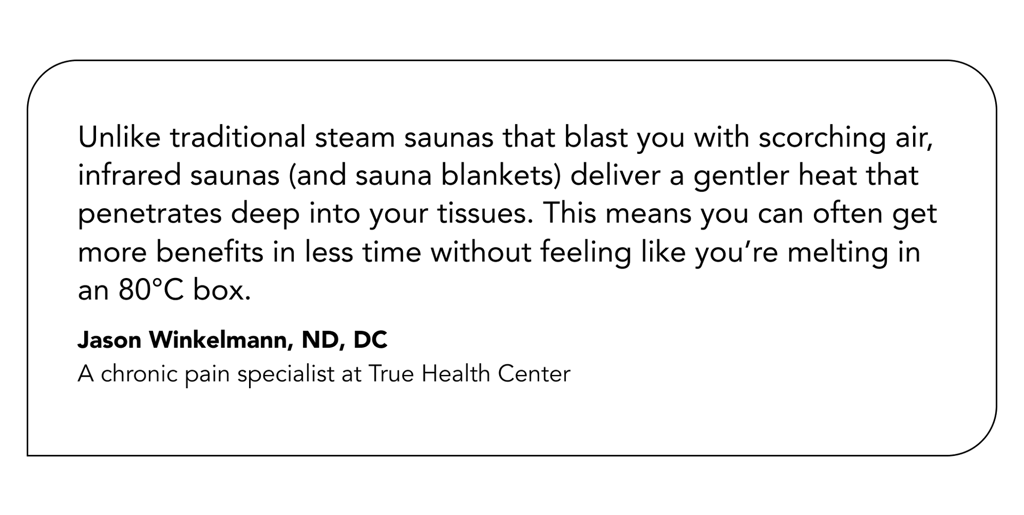
Unlike traditional steam saunas that blast you with scorching air, infrared saunas (and sauna blankets) deliver a gentler heat that penetrates deep into your tissues, says Jason Winkelmann, ND, DC, a chronic pain specialist at True Health Centers. This means you can often get more benefits in less time without feeling like you’re melting in an 80°C box, says Winkelmann.
Not all saunas work the same way. Here are the main kinds you’ll come across:
Traditional steam saunas: Think Finnish saunas: these heat the air by boiling water, creating a super-hot environment (often around 82°C), says Winkelmann. While the heat feels intense, it takes a while to actually reach deep tissues where the real benefits happen, he explains.
Infrared saunas: Instead of heating the air, these use infrared light waves to warm your body directly. The result? A lower-temperature session that still encourages sweating, boosts circulation, and promotes relaxation, says Tom Ingegno, DACM, MSOM, LAC, doctor of acupuncture and Chinese Medicine at Charm City Integrative Health.
Sauna blankets (or sauna bags): Basically a portable infrared sauna. They “wrap your body in a milder, radiant heat” usually maxing out around 60°C, Ingegno says. The “far-infrared (FIR) waves penetrate skin and muscles more deeply” than traditional heat, he adds.
The top benefits of sauna blankets
Real talk: We don’t have enough research yet to say whether sauna blankets deliver on every health claim. Most of what we know comes from studies on traditional and infrared saunas (and even those are limited). Still, early findings suggest some legit sauna blanket benefits worth talking about.
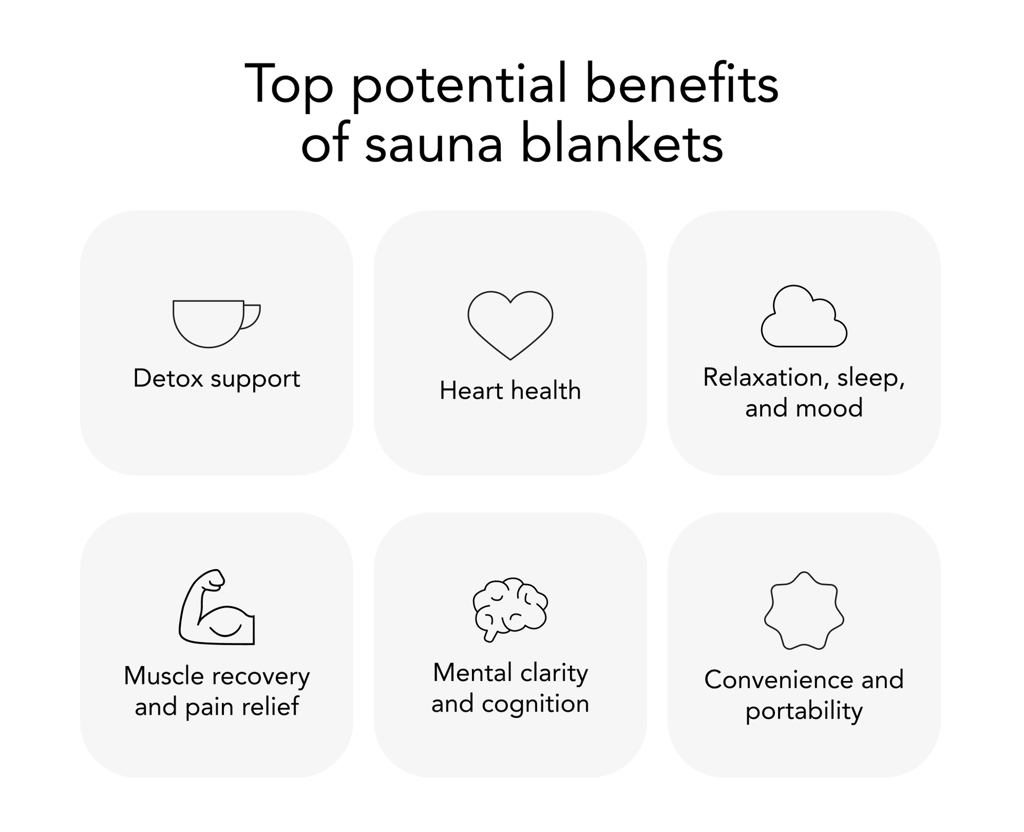
They may support detox
One of the biggest selling points of sauna blankets is detoxification. The idea is simple: far-infrared heat warms your core, boosts circulation, and helps you sweat (and even wee) out unwanted stuff, says Winkelmann. Some studies suggest sweating may help eliminate toxins like heavy metals.
That said, the science is not yet rock-solid when it comes to sauna blankets, specifically. While regular use might mimic some of the perks of traditional saunas, claims around detox are still ahead of the evidence, Ingegno says. In short: sweating feels great and may help, but it’s not a cure-all.
They can help an boost heart health
Heat therapy, including sauna use, has been linked to some impressive cardiovascular benefits.
Early research suggests heat therapy can:
Improve blood flow and circulation
Reduce blood pressure
Boost vascular endothelial function (how well your blood vessels work)
Reduce inflammation and oxidative stress (two big drivers of heart disease)
Positively impact the autonomic nervous system and cardiorespiratory system
Even better, sauna bathing appears to be safe for most people with stable cardiovascular conditions when used sensibly.
But here’s the key: if you have heart issues or high blood pressure, always check with your GP first. While heat can support heart health, it can also strain it in more advanced cases, explains Ingegno. Likewise, there’s not much specific data on sauna blankets, so it’s always best to be safe and get the green light from a health professional before using them.
They can help to improve relaxation, sleep, and mood
One of the biggest perks of sauna blankets? They force you to slow down. You’re literally wrapped up, lying still, and cocooned in soothing heat. But beyond the built-in chill-out factor, research suggests heat and light therapy may directly improve relaxation, mood, and sleep quality.
In one study, those who got near-infrared light therapy on their neck before bed reported better sleep, deeper relaxation, and more energy the next day. Another trial in people with dementia found near-infrared light actually added about an extra hour of sleep each night and even stopped recurring nightmares for some. Caregivers also noticed patients were calmer, less anxious, and more upbeat overall.
It’s not just about sleep — heat therapy itself may also help with mood. One study found that whole-body hyperthermia (raising body temperature in a controlled way) improved symptoms of depression.
And while it’s tough to directly apply this research to sauna blankets, there’s a chance the infrared heat they emit could offer similar benefits.
They may enhance muscle recovery and pain relief
Sauna therapy might even be your new secret weapon for sore muscles or lingering aches.
Hit the gym hard? An infrared sauna session could help you bounce back faster. Research shows it can ease muscle soreness and speed up neuromuscular recovery after resistance training. That’s thanks to two key perks: boosted circulation (bringing oxygen and nutrients to tired muscles) and the relaxing effect heat has on stiffness and tension.
And it’s not just for athletes — sauna therapy may also help those with chronic pain. Studies have found that:
Dry sauna sessions can reduce pain and improve quality of life in people with low back pain
Sauna bathing may ease pain and improve mobility in those with rheumatic conditions and arthritis
Far-infrared saunas combined with aquatic exercise may reduce inflammation and improve quality of life in people with fibromyalgia, a condition that involves chronic pain
While sauna blankets haven’t been studied as thoroughly, there’s a chance they could offer similar benefits thanks to their use of infrared heat.
They may help mental clarity and focus
Want a brain boost with your sweat session? Saunas may do more than relax your body — they could sharpen your mind too.
In one study, Finnish sauna bathing enhanced relaxation in the brain’s neural networks and maximised cognitive efficiency while another study showed it can improve mental clarity and even speed up response times on certain tasks. In short: saunas might leave you clearer and calmer.
And there’s more good news. Near-infrared light, like the kind used in full-spectrum saunas, may also support brain health too. Research shows it works on a cellular level by:
Powering up your cells’ mitochondria to make more energy
Boosting blood flow and oxygen delivery to the brain
Reducing inflammation and oxidative stress
Protecting brain cells from damage and slowing cellular ageing
Encouraging the growth of new neurons and connections through BDNF (a brain-supporting protein)
The research hasn’t been done on sauna blankets specifically. Still, since they emit infrared heat, it’s possible they could deliver some of these brain-boosting benefits too.
They’re convenient and portable
When it comes to ease and flexibility, sauna blankets definitely have the upper hand.Traditional saunas may have the research history on their side, but blankets shine in everyday practicality. They’re compact enough to stash in a cupboard, more budget-friendly and super versatile — you can lie down, sit up, watch TV, or listen to music while you use one.
They’re also portable and lightweight, so you can take them with you or move them around your home without a hassle. And perhaps best of all, they make sauna therapy more accessible. Whether you’re lacking the space, money, or access to a spa or gym, a sauna blanket gives you a simple way to enjoy the benefits of heat therapy at home.
Infrared sauna blankets: how they work
So, what makes an infrared sauna blanket more than just a heated sleeping bag? The secret lies in the light they use — specifically, infrared light.
Infrared light lives just beyond the red light we can see on the spectrum, Ingegno says. We don’t notice it with our eyes, but we feel it as heat, explains Winkelmann. A form of electromagnetic radiation, infrared light interacts with your tissues on a cellular level. When absorbed by special "photoacceptor” molecules in your cells, it sparks a chain reaction — boosting energy (ATP) and influencing everything from oxygen use to cell signalling. In short: your body doesn’t just warm up, it responds.
Not all infrared is the same. It’s divided into three categories based on wavelength, and each acts differently in the body:
Near-infrared (750–2500 nm): The closest to visible red light. Because it doesn’t penetrate very deeply, it’s most often used for skin health, hair growth, and light pain relief, say Winkelmann and Ingegno.
Mid-infrared (2500 nm–25 micrometres): Reaches deeper into soft tissue, but isn’t widely studied, Ingegno says. Not commonly used on its own, you’ll see it more in “full-spectrum” infrared saunas than in blankets, adds Winkelmann.
Far-infrared (25 micrometres–1 mm): The heavy hitter. Its longer wavelength penetrates the deepest, ramping up circulation, metabolism, and intense sweating — similar to a traditional sauna, but at much lower (and more comfortable) temperatures, says Ingegno. This is the type most infrared sauna blankets rely on, according to Winkelmann.
Expert buying tips: what to look for in the best sauna blanket
If you’re using a sauna blanket to help manage chronic symptoms, you may be extra sensitive to things like heat or chemicals, says Ingegno. That makes safety,not just budget,the most important factor when buying. Here’s what to consider to ensure you’re getting a safe, high-quality product:
Consider the heat range and temperature controls
Not everyone can tolerate high heat, and that’s okay — “you just need to sweat, not suffer,” Ingegno says. Look for a blanket with adjustable temperature settings, precise timers, and an auto shut-off. That way, you can start cooler, work your way up, and stay safe if you doze off mid-session.
The material really does matter
Your blanket heats up, which means the material it’s made of matters. Low-quality liners made with PVC, phthalates, or VOCs can release harmful chemicals when warmed, which your skin can easily absorb while sweating, says Winkelman. Instead, opt for non-toxic materials like certified PU (polyurethane) leather that won’t off-gas at high temps, he says. Bonus points if the brand is third-party tested for safety (look for RoHS, SGS, CE marking, or Prop 65 compliance).
Watch the EMFs
Some are sensitive to electromagnetic fields (EMFs), which may cause nonspecific symptoms like headaches or fatigue. If that’s you, choose a blanket with EMF shielding and look for models independently tested to stay below ~2 mG, says Ingegno.
Think comfort and convenience
A sauna blanket should fit your body and your lifestyle. Check size, portability (will it fold away easily?), and features like zips or armholes for comfort, says Ingegno. Since you’ll sweat — a lot — pick a model that’s easy to wipe down or comes with a washable liner to keep things hygienic.
Choose transparent brands
Finally, buy from companies that are upfront about what’s in their products and willing to share safety data, says Winkelmann. The best infrared sauna brands will clearly advertise non-toxic materials and independent testing for both chemical safety and EMF output.
Our Healf-approved picks for infrared sauna blankets
Looking for the best sauna blanket? These top picks ticks every box — premium materials, strict safety certifications, and next-level performance. Heads up: they come with a higher price tag than some sauna blankets, but when it comes to quality and peace of mind, they’re worth every penny.
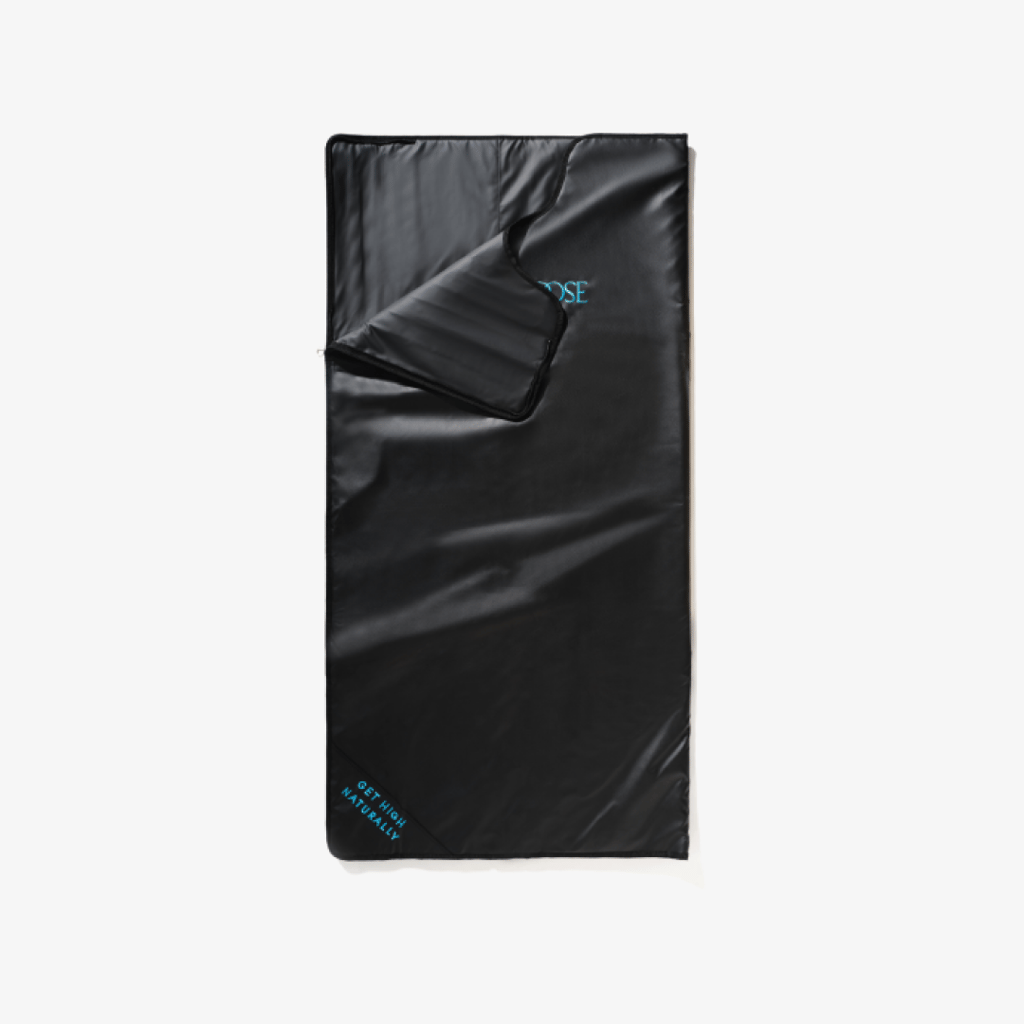
HigherDOSE Infrared Sauna Blanket V4
Level up your sweat sessions with the HigherDOSE Infrared Sauna Blanket V4. Powered by infrared heat plus layers of charcoal, clay, amethyst, and tourmaline, it detoxes, boosts circulation, and leaves you feeling recharged.
Made with waterproof, nontoxic polyurethane leather, the HigherDOSE blanket passes strict safety tests for VOCs and toxins, so you can relax without worrying about hidden chemicals. It’s also ETL certified for North American safety standards, meets CE/UKCA/RoHS compliance in Europe and the UK, and has near-zero EMF levels verified by an independent lab.
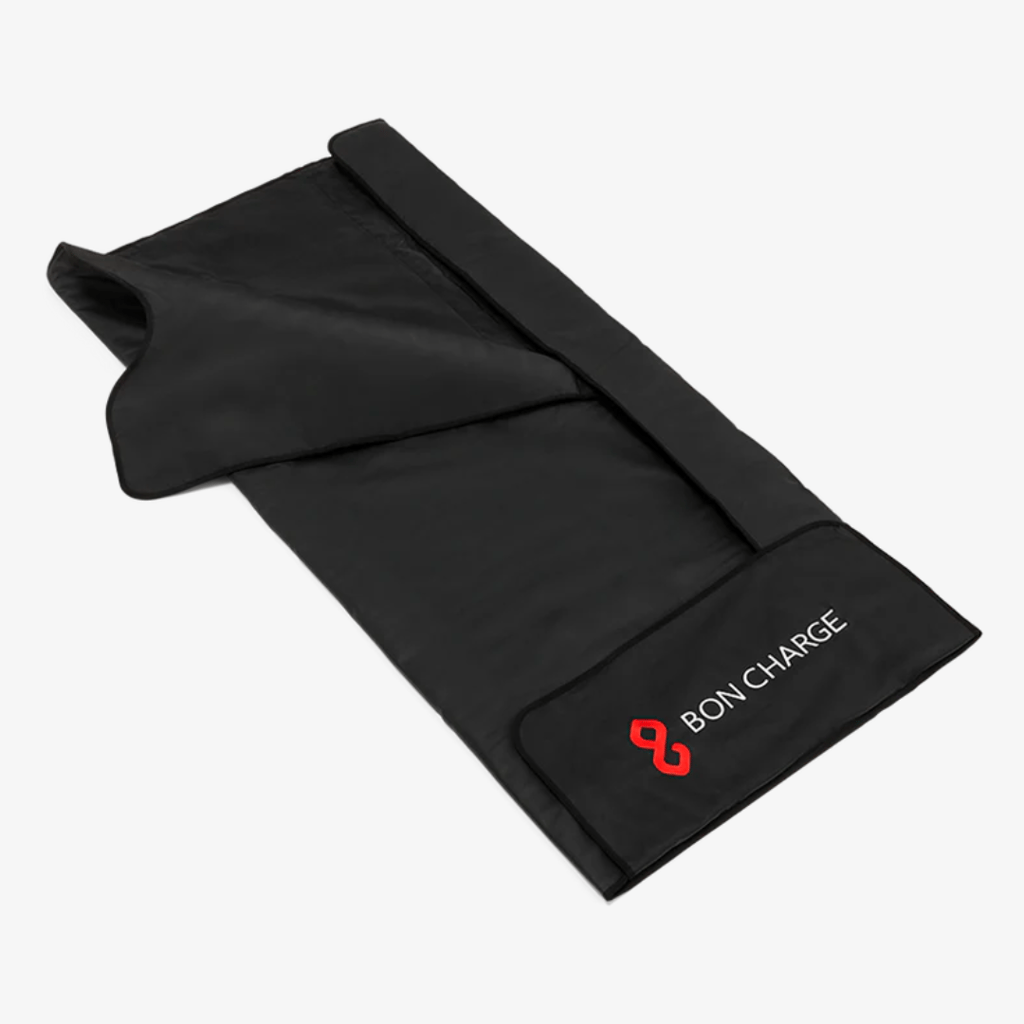
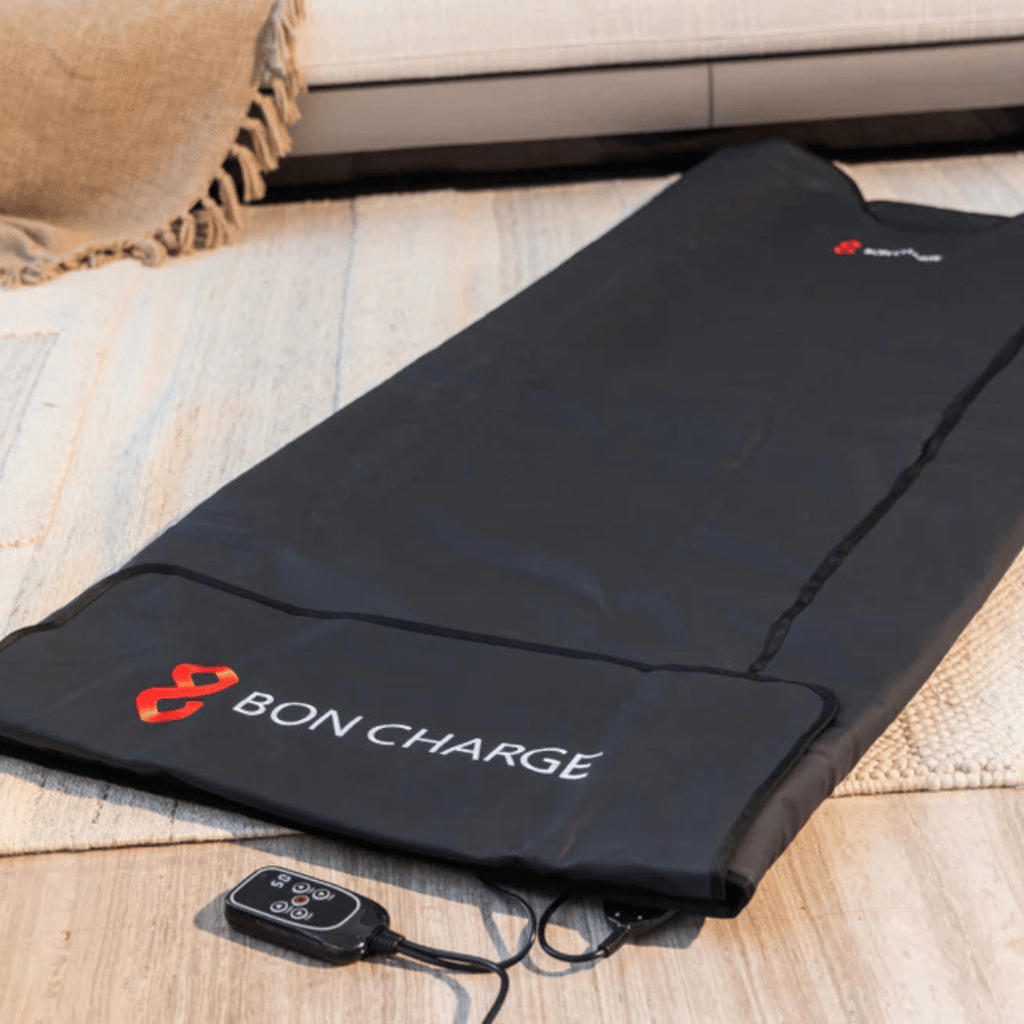
BON CHARGE Infrared Sauna Blanket
With the BON CHARGE Infrared Sauna Blanket, safety is a top priority. The blanket is electrically safe (SAA approved), chemically safe (certified to SGS and RoHS standards), and tested against 197 potentially harmful substances — including formaldehyde — passing with flying colours.
Though it’s not third-party tested for EMF levels, the blanket is designed with shielded tech to minimise EMF exposure (people extra-sensitive to EMFs should still take caution).
With adjustable heat settings, non-toxic PU leather materials, this blanket makes it easy to relax, recover, and recharge.
HigherDOSE V4 Infrared Sauna Blanket Kit
Get the full upgrade with the HigherDOSE V4 Infrared Sauna Blanket Kit — everything you love about the V4 blanket, plus a cosy, skin-friendly insert that takes your sweat sessions to the next level of comfort.
The insert slips right inside your sauna blanket, creating a soft, absorbent layer that keeps you comfortable while making clean-up a breeze. Crafted from 100% certified organic cotton, it’s breathable, durable, and gentle on your skin.

How to safely use a sauna blanket at home
Want all the benefits of a sauna blanket without the risks? Here’s how to make the most of your sessions while keeping safety first.
Check in with a pro
Before zipping yourself into a sauna blanket, talk to your GP (or an expert at the Healf Zone). High heat isn’t safe for everyone — especially if you’re pregnant, have cardiovascular issues, uncontrolled blood pressure, implanted devices (like pacemakers or insulin pumps), or heat-sensitive conditions such as multiple sclerosis, says Winkelmann.
Start low and go slow
Your first session shouldn’t be a marathon. Begin with the lowest temperature setting for about 15 minutes, says Winkelmann. Sauna blankets are intense, and pushing too hard too soon can leave you dizzy, dehydrated, or fainting, he adds. Over time, you can work up to 30-40 minutes, but remember: more heat doesn’t necessarily have more benefit.
The ideal sweat window
Most break a sweat around the 30-minute mark with infrared heat, says Ingegno. That’s usually the sweet spot — 30 to 45 minutes tops. Even though many models have 60-minute timers, research on passive heat therapies shows frequency matters more than going extra long for health benefits, he adds. Plus, overdoing it in a sauna can contribute to burns, dehydration, and other heat-related conditions.
Consistency really is key
With traditional saunas, studies suggest the biggest health perks show up with 3–7 sessions a week, but even 2–3 times weekly can make a big difference, Ingegno says. Think of it like exercise: you’ll get more out of regular, shorter bursts than the occasional long sweat session.
Hydrate, hydrate, hydrate
Sweating is the whole point — but it can also leave you dehydrated. Drink plenty of water before, during, and after your session. Adding electrolytes (we love LMNT) can help replace minerals lost through sweat, says Ingegno. And here’s a tip: if you’re not sweating at all, you may already be dehydrated and should skip the session, adds Winkelmann.
Rinse and reset
Showering after isn’t just about rinsing off sweat — it helps wash away anything your body released during the session, says Ingegno. Don’t forget your blanket, too: wipe it down and let it air out to prevent mildew and odours, he adds.
Sauna blanket vs. traditional sauna: which is right for you?
Not sure whether to invest in a sauna blanket or stick with the classic sauna? Both have their perks, but the best choice really comes down to your lifestyle, budget, and comfort level.
Why sauna blankets win big
Sauna blankets are like the “entry-level” sauna. They’re:
Space-saving: Easy to roll up and stash in a closet — perfect for small flats
Budget-friendly: Around £200-600 versus thousands for a full sauna setup
Convenient: Use it while lying down, watching TV , or listening to music.
Portable: Lightweight enough to travel with or move around your home
Accessible: Ideal if you don’t have a gym, spa, or budget for a traditional sauna but still want the benefits.
Why traditional saunas still rule
Of course, the OG sauna has its strengths:
Room to breathe: More space to move, stretch, and sip water.
Hotter heat: Finnish saunas reach 70–90°C, while blankets and IR saunas max out around 60°C, says Ingegno.
Cleaner experience: Easier to wipe down and less risk of odours or mildew.
More hygienic: You’re not lying in your own sweat, which can feel unpleasant and counteract the “detox” vibe, says Winklemann.
Stronger science: Research on traditional saunas is more robust compared to sauna blankets, especially when it comes to long-term health benefits.
So, which one’s the best? It depends on your own wellbeing needs. If you’re managing a condition that might benefit from sauna use (and you’ve cleared it with your GP), the traditional sauna is usually the safer bet, especially since there’s stronger evidence to back it up. Experts like Winkelmann and Ingegno both lean toward regular saunas for easier cleanup and hygiene reasons too.That said, sauna blankets can still be a solid option particularly if space, money, or access are limiting factors. Just skip them if you’re claustrophobic (being zipped up in one isn’t exactly spacious).
Essentially both can deliver a good sweat session, but if you’ve got access to the real deal, the traditional sauna still wins over the blanket.
Some possible risks and precautions of sauna blankets
Sauna blankets can be cosy and safe, but they’re not completely risk-free.The heat can still cause dehydration, burns, or overheating — “especially if safety features are lacking,” says Ingegno. The biggest risk? Nodding off mid-session while lying down, which makes overheating more likely, he adds.
To keep things safe:
Hydrate before, during (if your blanket has arm holes), and after use.
Stick to the manufacturer’s time limits.
Choose a blanket with an auto shut-off in case you fall asleep.
Even with precautions, sauna blankets aren’t for everyone. Ingegno and Winkelmann warn certain groups should avoid them — or at least check with a health professional first:
Pregnant people (heat raises core body temperature and may harm the foetus)
People with heart, blood pressure, or kidney issues (heat may put too much stress on the body)
Children (they can dehydrate quickly)
Anyone with implanted devices (like pacemakers or insulin pumps)
People with heat-sensitive conditions (such as multiple sclerosis)
If you’ve been drinking alcohol (increases risk of dehydration)
If you take certain medications (that can make you more sensitive to heat or dehydration)
The bottom line
Sauna blankets can be an easy andaccessible way to get some of the benefits of traditional sauna sessions — like relaxation, recovery, and a good sweat — without the hefty price tag or gym membership. Still, they’re not a magic fix, and they do come with risks if you push too hard or have certain health conditions.
Want to know if a sauna blanket is right for you? Connect with an expert at the Healf Zone to get personalised guidance and make sure you’re sweating it out safely.
Key takeaways
Sauna blankets are budget-friendly, space-saving, and easy to use almost anywhere.
They may boost circulation, ease muscle soreness, and mimic some sauna effects, but research is still catching up.
Dehydration, overheating, and burns are possible, especially without safety features or if you fall asleep mid-session.
Pregnant people, kids, and those with health conditions should check with a provider first.
Short sessions at low heat (15–30 minutes) are safest, with 30–45 minutes being the sweet spot for most.
Your most asked questions, answered
Q: Do sauna blankets really work?
A: If your goal is to bring the benefits of an infrared sauna at home without the cost or space of a full setup, sauna blankets might deliver. Sauna therapy is known to:
Boost circulation
Ease muscle soreness and stiffness
Support relaxation and stress relief
Help reduce inflammation and support detoxification
Research on traditional saunas is more robust, but sauna blankets which emit infrared light may have similar effects.
Q: What are the disadvantages of a sauna blanket?
A: Sauna blankets come with perks, but also some disadvantages:
Tight squeeze: Lying zipped up in a heated blanket can feel claustrophobic, says Winkelmann. Your movement is limited, so sipping water, scrolling your phone, or reading a book isn’t easy.
A lot of cleaning required: You’re literally sweating inside it. Skip proper cleaning, and you’re looking at mildew, odours, and bacteria buildup.
Hype vs. science: While benefits may overlap with traditional saunas, bold claims like “detox” or “fat burn” don’t have strong research behind them yet, says Ingegno.
Not risk-free: Dehydration, burns, and overheating are still possible, especially if you fall asleep mid-session or your blanket lacks safety features, says Ingegno.
Messy detox: Because you’re lying in your own sweat, some argue that it’s not the most effective way to “detox,” since the body can reabsorb what it’s trying to eliminate, says Winkelmann.
Q: Do sauna blankets burn fat?
A: Some research suggests saunas may support muscle growth. For example, one study found that just 12 sauna sessions led to improvements in muscle mass (and bone density) in young men.That said, don’t expect dramatic results. Ingegno cautions that most fat-burning claims aren’t backed by solid science yet, and more studies are needed.
Q: How long should I sit in a sauna blanket?
A: Start slow. Winkelmann recommends beginning at the lowest temperature for about 15 minutes to avoid dizziness, dehydration, or fainting. Once your body adjusts, you can work up to 30 minutes — the point when most people really start to sweat with infrared heat, says Ingegno. The sweet spot? Around 30 to 45 minutes, max. Even though some blankets have 60-minute timers, longer isn’t necessarily better, say both Winkelmann and Ingegno.
Q: Is a sauna blanket good for recovery?
A: If you’re looking to bounce back after a tough workout, heat can help. Research shows infrared sauna sessions reduce soreness, improve circulation (bringing oxygen and nutrients to tired muscles), and ease stiffness for faster recovery. While sauna blankets haven’t been studied as deeply, the infrared heat they use suggests they could deliver similar benefits.




This article is for informational purposes only, even if and regardless of whether it features the advice of physicians and medical practitioners. This article is not, nor is it intended to be, a substitute for professional medical advice, diagnosis, or treatment and should never be relied upon for specific medical advice. The views expressed in this article are the views of the expert and do not necessarily represent the views of Healf
Jaime Osnato is a health journalist and licensed social worker based in NYC. With over a decade of experience writing for top digital health and wellness outlets like Well+Good, SELF, Shape, FitPregnancy, [LIVESTRONG.com](https://www.livestrong.com), and more. Jaime brings insight and integrity to every story.
Living with chronic conditions herself, Jaime believes health information should be clear and understandable - no medical degree required. She's fuelled by a mission to transform complex science into clear, usable guidance. Her goal? To arm readers with trustworthy, evidence-backed knowledge, so they can confidently advocate for their own health.