


_2026-10-13_14-11-48.png)


Choosing Your Own Reset: Does Sober October Work? What Does It Look Like For You?

Written by: Pippa Thackeray
Written on: 30 September 2025
Sober October is more than a simple detox. It opens up a space to explore different ways of pausing and resetting as we see out the year. So, do it your way…
Sober October, also known as alcohol-free October, is rapidly becoming a rival to Dry January. But what’s the difference? And why do it? Some say it is part challenge, part experiment. Ultimately, 31 days sober raises a simple question: what really changes when you commit? This article aims to investigate the relevance of this annual reset for our wellbeing.
What Sober October actually is
At its core, Sober October is a choice people make to remove alcohol from their lives for a month.
The idea originally began with a fundraising drive but has since been popularised by social media for becoming, in a more general sense, a wellbeing challenge.
For the many who take part each year, it can look quite different. Some do it for personal reasons, some with strict abstinence, others adapt it to a lighter version (enter the "damp" or "dryish" adaptations).
It could be said the appeal lies in such flexibility. But what, if any, are the documented benefits?
So, does Sober October actually work?
If the goal is to reset habits, sleep better, and feel clearer, the answer is often a simple and straightforward yes.
Within just days it is possible to notice calmer mornings, steadier energy, and sharper focus. It’s a strong draw for quite a number of people otherwise struggling to find balance and productivity amid a busy social calendar.
Who might Sober October not be suitable for?
It is important to be clear, however. This is not a treatment for alcohol dependency.
Anyone who is working through addiction requires professional support.
Sober October is best suited to social or habitual drinkers who want to pause and reflect. For these groups, the changes can be profound, even in just one month.
What happens in your body
The first few days can feel restless. But then, without alcohol, hydration improves and headaches often subside.
What do the studies say about benefits to brain health?
One clinical review notes that after 2 to 4 weeks of abstinence, there were measurable cognitive improvements in patients admitted for alcohol withdrawal.
Participants who abstained for just over a month improved their Montreal Cognitive Assessment scores by an average of 3 points, a shift that researchers described as a large effect on cognition.
Research also shows that the brain starts to recover quickly once alcohol is taken away. Within the first month scientists have seen the brain’s volume increase, while the grooves and fluid spaces that expand when the brain shrinks, begin to reduce.
In the same article, it is said that changes are tied to improvements in the way we think and remember. Executive function, which helps us plan, concentrate and make decisions, becomes stronger.
Verbal episodic memory, which is our ability to recall experiences and details from daily life, also improves.
Put simply, the brain not only looks healthier within weeks of abstinence but begins to work more effectively too.
What are the potential benefits to our physical wellbeing?
There are many ways in which alcohol can disrupt sleep. It is common that people find their sleep is deeper and, consequently, their mornings brighter.
In the weeks following a decision to quit alcohol, blood pressure may fall and digestion can feel easier.
Likewise, it is possible that your concentration sharpens and cravings reduce.
By the end of the month many people describe lighter moods, clearer skin amongst many other individual signs of recovery.
Not everyone experiences the same journey. Lifestyle, diet and stress shape the outcomes in unique circumstances. Yet the repeated anecdotal evidence suggests that, generally speaking, 31 days alcohol-free brings with it a big difference.
What changes in your way of thinking?
Physical improvements are part of the appeal, but more profound shifts may also occur.
Without alcohol as a comfort, you see patterns that were once hidden.
Detaching “Drinking from personality”
@Thesoberscoop on TikTok makes an interesting point about how much we connect drinking to perceived personality traits. She highlights the positive changes a person can see in feeling authentic to themselves, and not their “drunk personalities", after becoming sober.
The evening drink that signalled the end of work, or it could be the wine that eased a bit of social tension. The pint that marked the start of the weekend? Remove these drinking rituals and you may find yourself beginning to ask why they are there in the first place.
This awareness is the deeper reward of Sober October. It reframes alcohol as an option rather than a default.
That reframing has the potential to influence choices long after the month is over.
Feeling the fear and doing it anyway
Fear is not often spoken about, yet it plays a significant part.
Many people feel unsettled at the thought of a month without alcohol. It is not only the absence of the drink but the sense of exposure that follows. Evenings can feel a bit raw, just as emotions can feel that bit more noticeable.
This fear is completely natural. It is the mind and nervous system’s reaction to losing such a familiar comfort.
When drinking stops the brain’s stress circuits, especially in the amygdala, can become overactive. This can lead to what researchers call hyperkatifeia, a state of heightened negative emotion that shows up as anxiety, irritability, low mood and even emotional pain.
It’s personal
Often, people’s relationship to alcohol, and other substances, is deeply personal, with a long back history. You don’t have to be in a state of addiction to recognise such patterns.
If this resonates, find a good friend or trusted family member. Speaking it aloud helps. Saying “I am afraid I will not sleep without wine“ or “I am nervous about my own thoughts”, makes the fear that bit less heavy.
The first days can be rough, mainly because feelings can surface. However, the body and mind have the ability to adapt quickly. By the third week discomfort often eases off.
Embracing the opportunity
In all of this it is worth remembering that in the exposed space lies opportunity. To face yourself without distraction; here is a potential realisation that fear is not a barrier but part of the invitation.
How Sober October differs from Dry January
Dry January follows seasonal indulgence and feels tied to resolution and repair.
October is different. It sits before the festive season and could feel more like preparation. The mood is proactive rather than punitive, as Dry January could be perceived to be. And some prefer Sober October for that very reason.
What benefits can you feel?
As detailed earlier, the list of potential gains is well known:
Enhanced sleep.
Sharper memory.
Steadier moods.
Brighter skin.
Less bloating.
In some cases, gradual weight loss.
There are also practical advantages. Fewer late night bills, less hangover cravings to throw you off-track, and the satisfaction of clear Sunday mornings that feel like they truly belong to you.
8 strategies to make Sober October a bit easier
For those attempting a phase of sobriety for the first time, structure definitely helps.
Start with your intention. Write down the one main reason you want to do this, and keep it close throughout your journey.
Share your plan. Tell a friend or find someone to do it with you.
Notice triggers. Replace the times you usually drink with other activities. If you haven’t already, it might be the perfect opportunity to start a mindfulness practice, or take up a new social activity.
Keep substitutes ready. Alcohol-alternative botanical elixirs, or calming teas can offer the sensation of ritual without the alcohol. Take Three Spirit Social Elixir, for example, with its rich herbal depth and B vitamin content that makes it ideal to bring to social occasions. You can put your alcohol-free cocktail in a fancy glass, too.
Move your body. Exercise is a release for stress and can lift your mood.
Journal. Write down how your energy, cravings and emotions change. It’ll be good to look back on.
Mark milestones. With each alcohol-free weekend or event that passes.
Pay attention to progress. Notice your skin, your sleep and your clarity. However small or big these changes may be, remember to celebrate your successes.
Why some people don’t participate in Sober October
Not everyone embraces Sober October. The reasons vary:
It’s not a cure: Those with alcohol dependency need professional support.
It can disrupt routine: For some drinkers, the loss feels too destabilising. They may need to explore other options.
It seems overwhelming: A full month is too large a hurdle for some. Maybe taking it one weekend at a time is a friendlier option.
It may not resonate culturally: In some contexts alcohol is already absent or not central enough to feel significant.
Alternative approaches may work better: Depending on the person, so-called “damp” or “dryish” resets, therapy or self-improvement strategies are more practical for some.
But, can small amounts of alcohol be good for you?
For years the debate has circled around whether light drinking offers any health benefit at all as new research emerged.
A note on alcohol and cholesterol
Alcohol is processed in the liver by an enzyme called dehydrogenase. When drinking is moderate, this pathway likely functions adequately.
But when drinking is heavy, the enzyme becomes saturated. The body then shifts to a different pathway. That alternative pathway can produce large amounts of free radicals.
Free radicals are unstable molecules. They can oxidise low density lipoprotein, often called bad cholesterol. Once oxidised, this cholesterol sticks more easily to the arteries, raising the risk of blockages.
Moderate drinking tells a different story. It can raise high density lipoprotein, which is known as good cholesterol for its role in helping to protect the heart.
Older studies suggested that one or two glasses of wine a week might reduce cardiovascular risk, especially in men over 40. For women, the potential benefit appeared at any age. Wine was seen to be more likely to have this effect compared to other alcoholic beverages.
But newer research published in 2023 suggests that no level of drinking offers protection against overall risk of death.
Other factors
Beyond cholesterol, researchers have explored other possible effects of light drinking.
Some findings linked small amounts of alcohol with better insulin sensitivity. This means the body could regulate blood sugar more efficiently and potentially lower the risk of type 2 diabetes.
It has also been suggested that alcohol in moderation might reduce blood clotting. Moderate alcohol intake (specifically red wine more so than spirits) in general reduces platelet aggregation, which may help explain lower risk of coronary heart disease and ischaemic stroke in some studies.
There were also observations that moderate intake could support blood vessel function. As with cholesterol and platelet function, wine was often highlighted in this case, with compounds such as resveratrol thought to play a role.
These theories shaped the idea of alcohol as protective. Yet further evidence is still required.
Can it reshape long term habits?
In other words, does Sober October actually work as a seasonal reset?
The answer is, yes it can, but only if you choose to carry the lessons forward. A month can give the brain time to form new pathways and prove sobriety is possible for longer than a month.
Will it change my drinking habits after the fact?
You may have heard that it only takes 21 or 28 days to break a habit. But that is possibly a myth.
The deeper challenge with alcohol, as with many habits, is that we often misunderstand what we are really trying to change.
It is easy to say we want to drink less, but often what we want even more is the comfort, release or belonging that drinking provides. In that sense, it is not alcohol itself we are negotiating with, but the need that sits beneath.
This is why habit change can feel impossible. We tell ourselves to stop the behaviour without asking what purpose it was serving in the first place. If alcohol was a way to relax, to bond socially, or to ease stress, then taking it away without replacing that function is unlikely to last.
Clarity truly comes when you begin to see habits not as weaknesses but as responses. And then tune in further.
Small swaps that support the month
Some people find it easier to keep substitutes at hand.
The ritual of pouring a drink can be replaced with something new. A glass of Ghia Aperitif Original offers citrus and herbal notes without alcohol. It keeps the sense of occasion without the side effects.
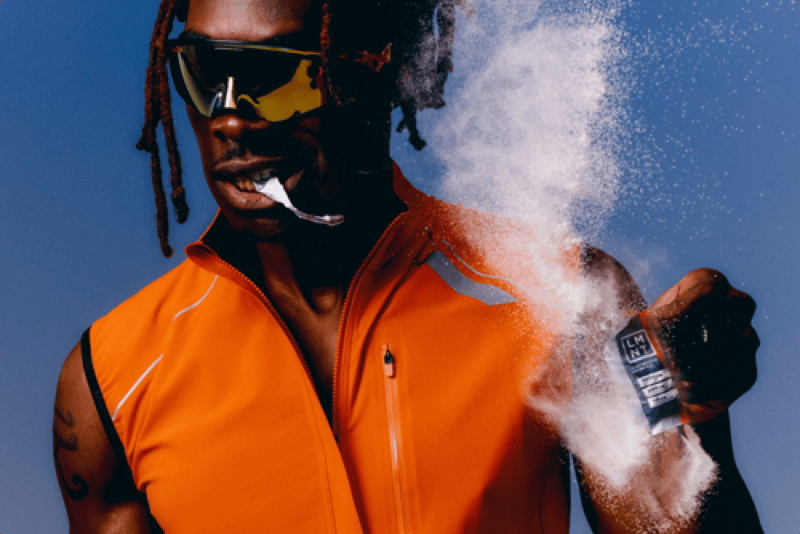
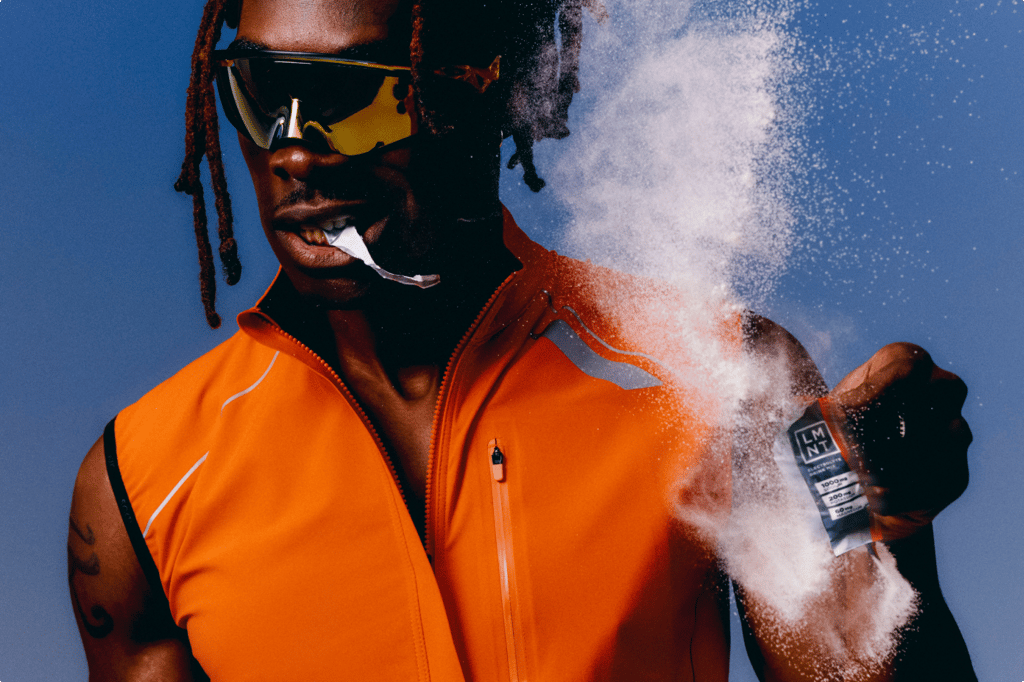
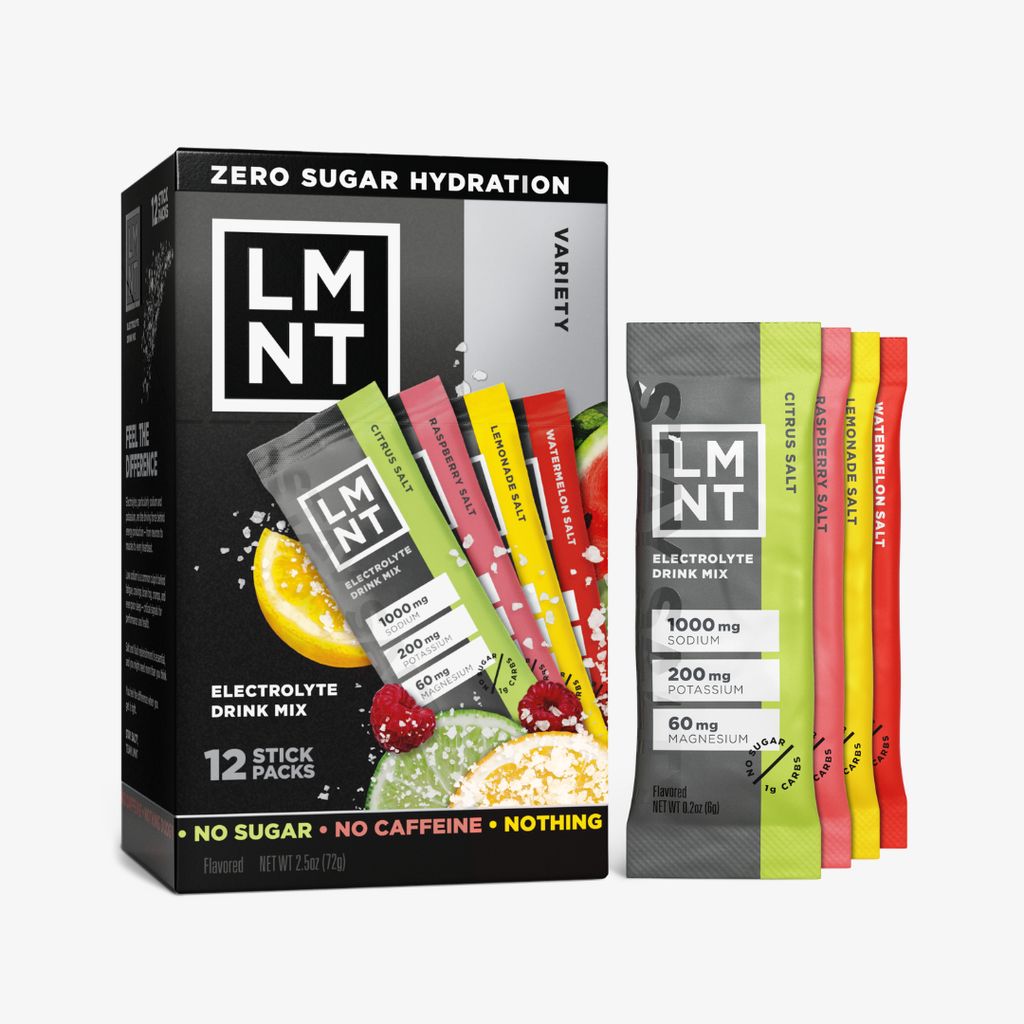
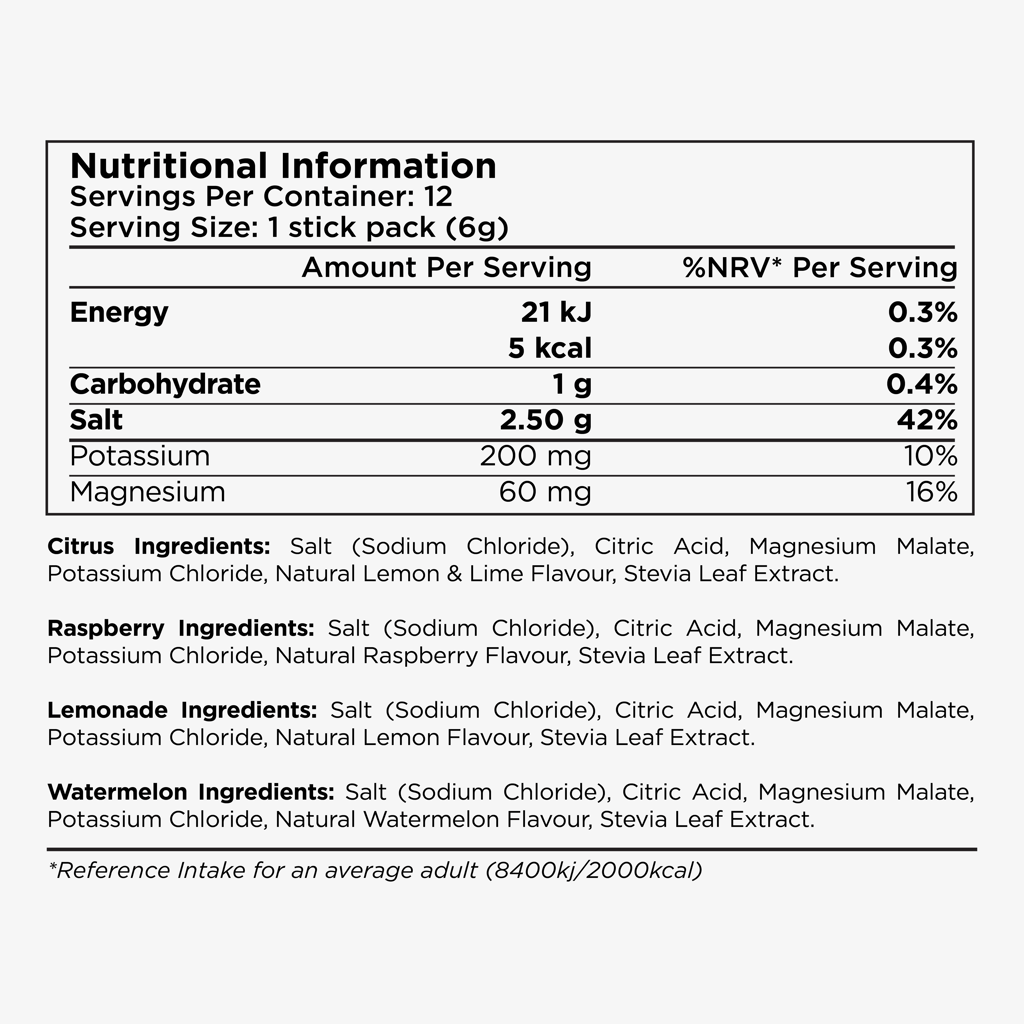
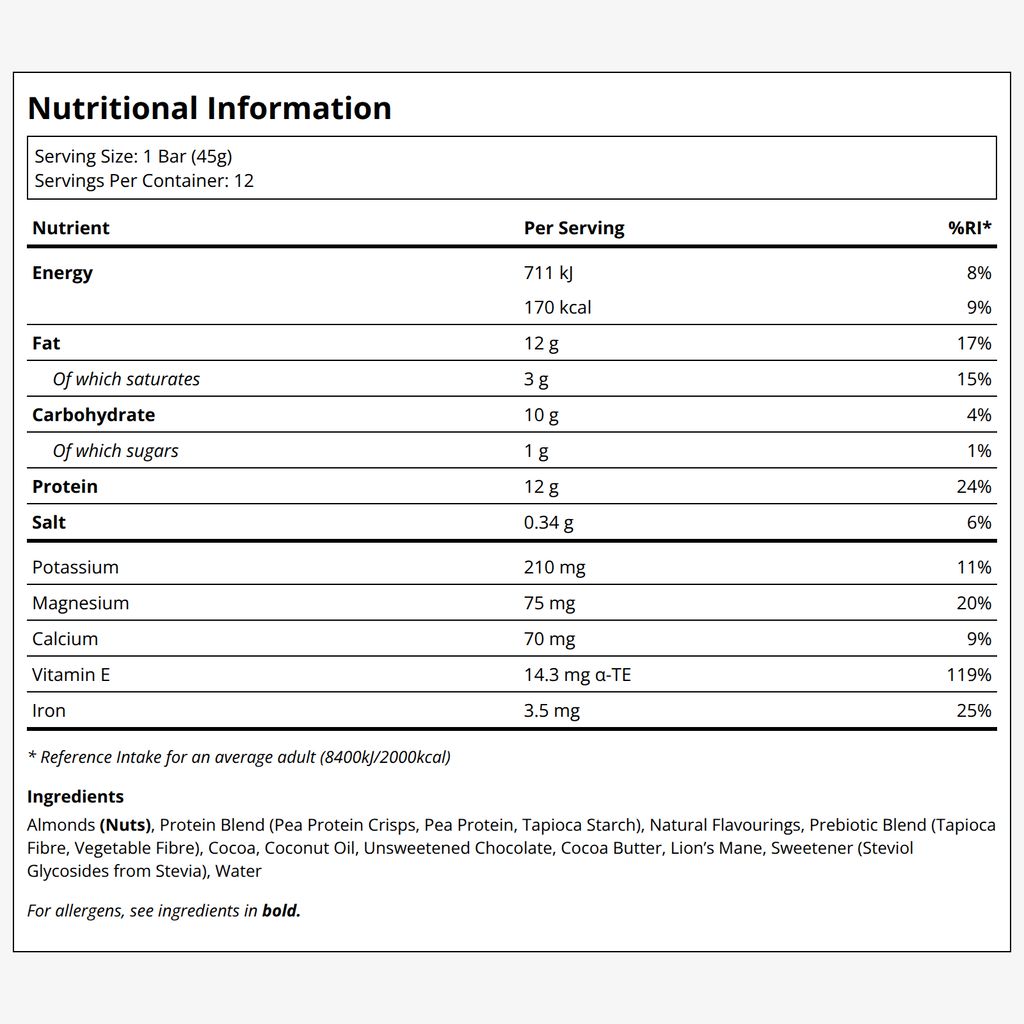
When motivation dips, hydration and nutrition can be of benefit. LMNT Electrolytes support the nervous system while keeping you hydrated, and IQBAR Chocolate Sea Salt bars provide protein and nutrients that steady focus during long days.
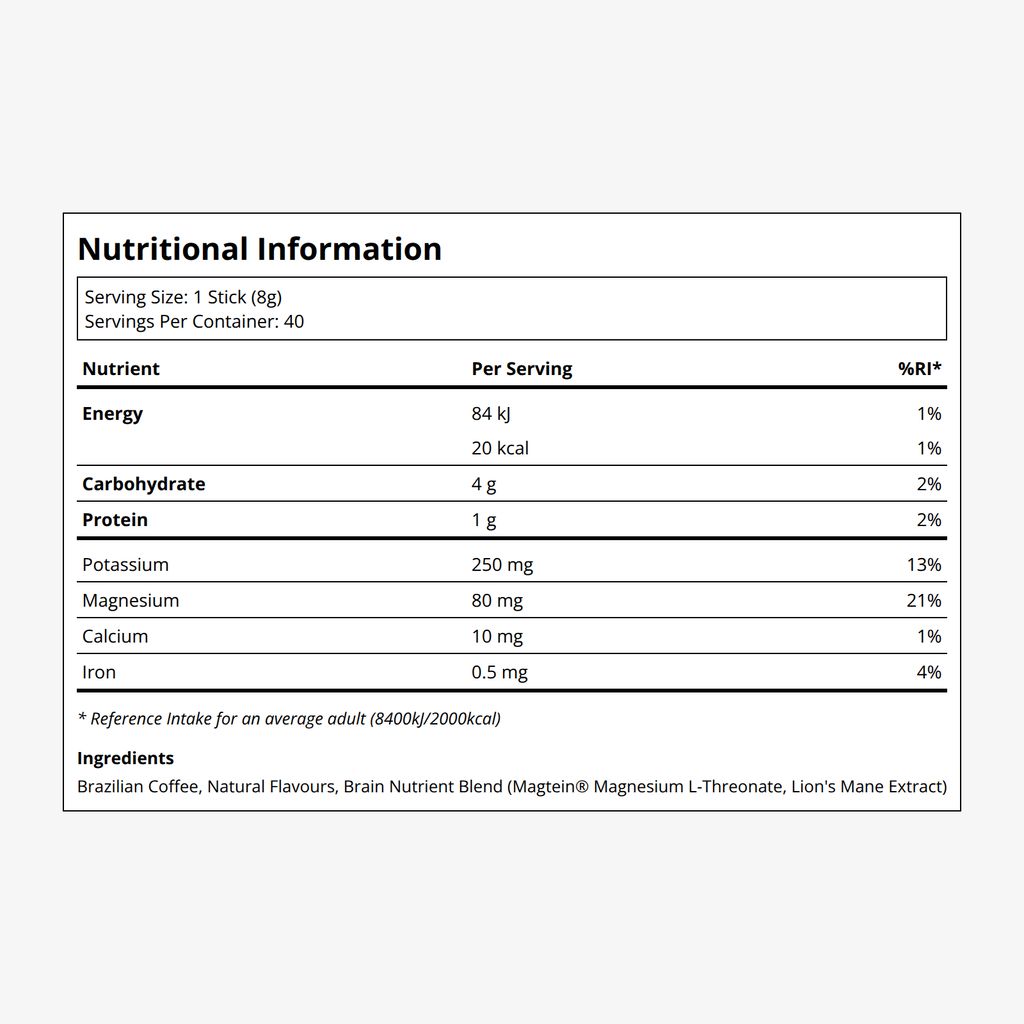
For social evenings, Ghia Le Spritz Ginger brings a warming spice and a sense of ceremony. And for mornings, IQJOE Original Black instant coffee blends combine caffeine with nutrients that support focus and clarity.


The bottom line
Sober October is not a cure and it is not universal, either.
But for many people it acts as an effective pause. A time to notice, to question, to choose differently. The physical and mental benefits can be real, yet the most important gain is awareness.
Once again, this is not about achieving perfection. It is about trying, observing and maybe deciding what comes next.
Shop MIND at Healf and explore thoughtful ways to bring clarity, presence and balance into your everyday routine.



This article is for informational purposes only, even if and regardless of whether it features the advice of physicians and medical practitioners. This article is not, nor is it intended to be, a substitute for professional medical advice, diagnosis, or treatment and should never be relied upon for specific medical advice. The views expressed in this article are the views of the expert and do not necessarily represent the views of Healf
Pippa is a content writer and qualified Nutritional Therapist (DipNT) creating research-based content with a passion for many areas of wellbeing, including hormonal health, mental health and digestive health.
As a contributor to The Healf Source, she regularly attends seminars and programmes on a plethora of contemporary health issues and modern research insights with a drive to never stop learning. In addition, interviewing experts and specialists across The Four Pillars: EAT, MOVE, MIND, SLEEP.
In her spare time, she is an avid swimmer, mindfulness and yoga lover, occasionally bringing a raw, honest approach to the topics she faces. You may also discover some personal accounts of eye-opening wellbeing experiences amidst the reality of a disorientating, and often conflicting, modern wellbeing space.