


































_2026-10-13_14-11-48.png)


The Best UPF-Free Swaps That Actually Taste Good
From snacks and chocolate to sauces and protein powders, these simple UPF-free switches make eating better feel easy, not restrictive.

Written by: Samantha Nice
Written on: 27 January 2026
Everyone’s talking about going UPF-free right now, and honestly, it can sound like another full lifestyle overhaul. New rules, new shopping habits and suddenly your kitchen cupboards, fridge and weekly supermarket shop feel like another big problem. But it really doesn’t have to be that deep.
Most ultra-processed food intake comes from a few repeat buys… the snacks you grab on autopilot, the chocolate you treat yourself to, the sauces you pour on everything and the protein powder you add to smoothies most days.
These are the everyday staples where brands love to sneak in the extras, from flavourings and emulsifiers to sweeteners, gums and stabilisers. The good news? A few smart switches can make a noticeable difference. Here’s our Healf-approved round-up of UPF-free foods that still taste genuinely good, feel easy to keep in rotation and make eating better feel effortless, not restrictive.
Why UPFs add up (and why your everyday staples matter most)
It’s easy to spot UPFs in obvious places. The bigger issue is how often they appear in everyday staples that look like smart choices. In the UK, ultra-processed foods now make up a huge proportion of calorie intake, especially among young people (with UK adolescents getting around two-thirds of their daily calories from UPFs). That’s not because we’re all ordering takeaways at every meal, it’s because UPFs are built into so many of the foods we reach for every day.
The issue isn’t just convenience; it’s nutrient quality. Dietitian and author of How Not to Eat Ultra-Processed, Nichola Ludlam-Raine explains that whole and minimally processed foods tend to be richer in naturally occurring nutrients like fibre, vitamins, minerals and protective plant compounds, many of which are reduced or lost during industrial processing. Fibre, in particular, is something most UK adults fall short of, even though we know it supports gut health, blood sugar balance and general wellbeing.
Importantly, Nichola also highlights that whole foods are often more filling and less energy-dense, which helps with appetite regulation making better eating feel sustainable rather than restrictive. That’s the real benefit of focusing on whole and minimally processed foods.
Research also shows that higher UPF consumption is linked with less favourable dietary patterns overall, meaning people are more likely to eat less of the foods that do provide those nutrients, such as fruits, vegetables and pulses. That combination of losing the good stuff and replacing it with heavily engineered versions, is why replacing everyday staples like snacks and sauces with simpler alternatives can be one of the easiest ways to shift the quality of your diet.
How to read labels like a pro
Reading labels doesn’t need to feel like learning a new language. In fact, the more familiar you are with the common markers of ultra-processing, the faster and easier it becomes. Nichola’s approach is straightforward: prioritise foods where the ingredients are recognisable and aligned with what you would use in your own kitchen. This isn’t about avoiding every processed ingredient, it’s about spotting the ones that signal a product has been engineered more for shelf stability and flavour than nutritional value.
The 10-second label check
Here’s the quick system Nichola recommends to make label reading efficient:
Short lists usually win. The more ingredients, the more likely it’s been engineered.
Recognisable names. If you wouldn’t cook with it at home, it’s probably there to help with processing, not nutrition.
Multiple versions of the same thing. Three sweeteners or a mix of emulsifiers and gums usually means the product has been tweaked for texture and taste.
Flavouring doing the heavy lifting. Terms like “flavouring” or “natural flavouring” can mask what's actually making something taste a certain way.
Texture builders. Gums and stabilisers are common in many UPFs and whilst they’re not inherently bad, they are a reliable processing signal.
This isn’t about perfection; it's just a simple way to spot when a product is more processed than made from real food.
Common UPF signals: A few things to be mindful of
When scanning an ingredients list, the following often show up in ultra-processed foods:
Emulsifiers like polysorbates,CMC (carboxymethyl cellulose) and P80 (polysorbate 80)
Gums and thickeners like xanthan gum, guar gum, carrageenan
Sweeteners like sucralose, acesulfame K, aspartame
Flavourings (often called “flavouring” or “natural flavouring”)
Refined carbohydrate boosters like maltodextrin and glucose syrup
Of course, seeing one of these ingredients doesn’t automatically make a food “bad” or unhealthy, but if they’re showing up again and again in the foods you eat most, it may be a sign the product is built around formulation and shelf life rather than real, whole ingredients.
The best UPF-free swaps that actually taste good
Not all UPF-free swaps are created equal. Some are barely worth the effort, while others can clean up your everyday routine pretty quickly, without changing what you actually eat.
The goal is to upgrade the foods that stack up the most like the things you snack on, pour on meals, blend into smoothies or reach for daily. Start with one category, find one or two options you genuinely love, and suddenly “UPF-free” stops feeling like a challenge and starts feeling like your new normal.
UPF-free snacks
Why it matters: Snacks are where UPFs rack up fast because they’re often eaten on instinct. One in the car, one at your desk, one post-gym. Even the healthy ones can be heavily formulated, especially when they’re engineered to taste intense, stay crunchy forever or hit a specific macro target.
What to look out for: “Flavour dust” ingredients, multiple sweeteners, gums, emulsifiers and long lists. Watch out for snacks marketed as high-protein or low-calorie.
The swaps to make:
Swap protein bars with sweeteners + gums for snacks sweetened with dates or fruit.
Swap crisps with flavour dust for simple salted nuts or minimally processed bites.
Swap high-protein snacks with additives for real-food protein snacks with short ingredient lists.
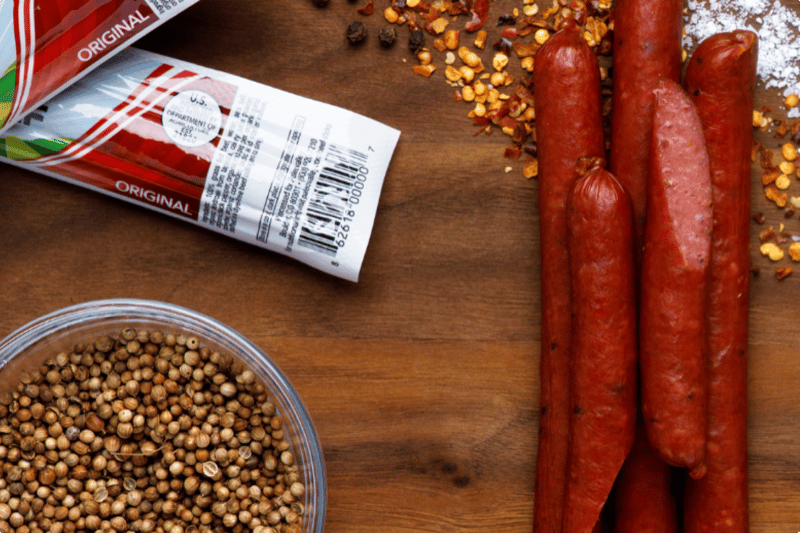
ROAM is for anyone who wants their snack to feel more like fuel. Each grass-fed beef bar delivers a big 20g protein hit, with no preservatives, no added sugar and none of the usual bar fillers. It’s savoury, simple and seriously effective. This is a protein bar done right.
Ingredients (Grass-Fed Beef Bar Original): Grass-fed beef, whey protein concentrate, chicory root fiber, sea salt, porcini mushroom powder, black pepper.
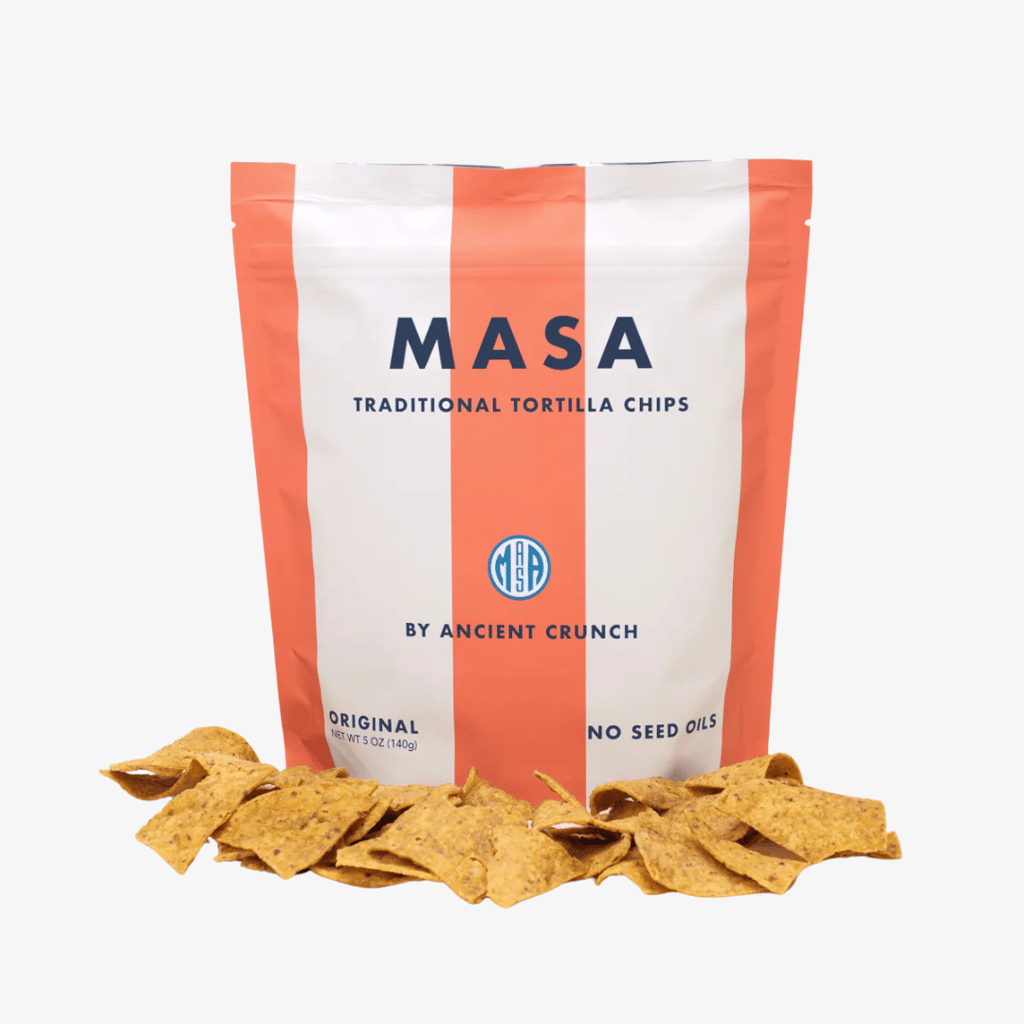
Ancient Crunch does snacks the old-school way with simple ingredients, proper crunch and zero seed oils. MASA tortilla chips are cooked in grass-fed tallow for that golden, savoury bite, with nothing artificial getting in the way. These are a dip-ready staple you’ll keep reaching for.
Ingredients (MASA Tortilla Chips Original): Organic corn, 100% grass-fed beef tallow, sea salt.

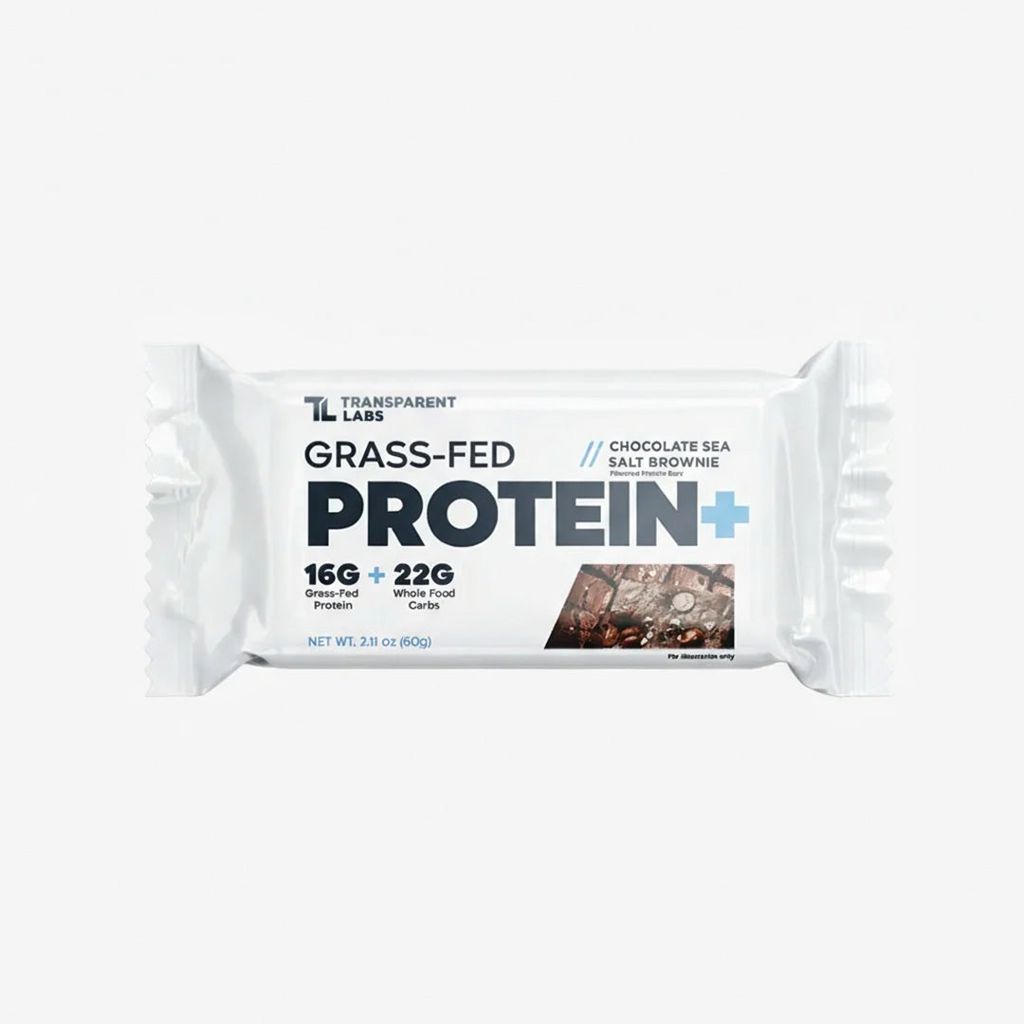
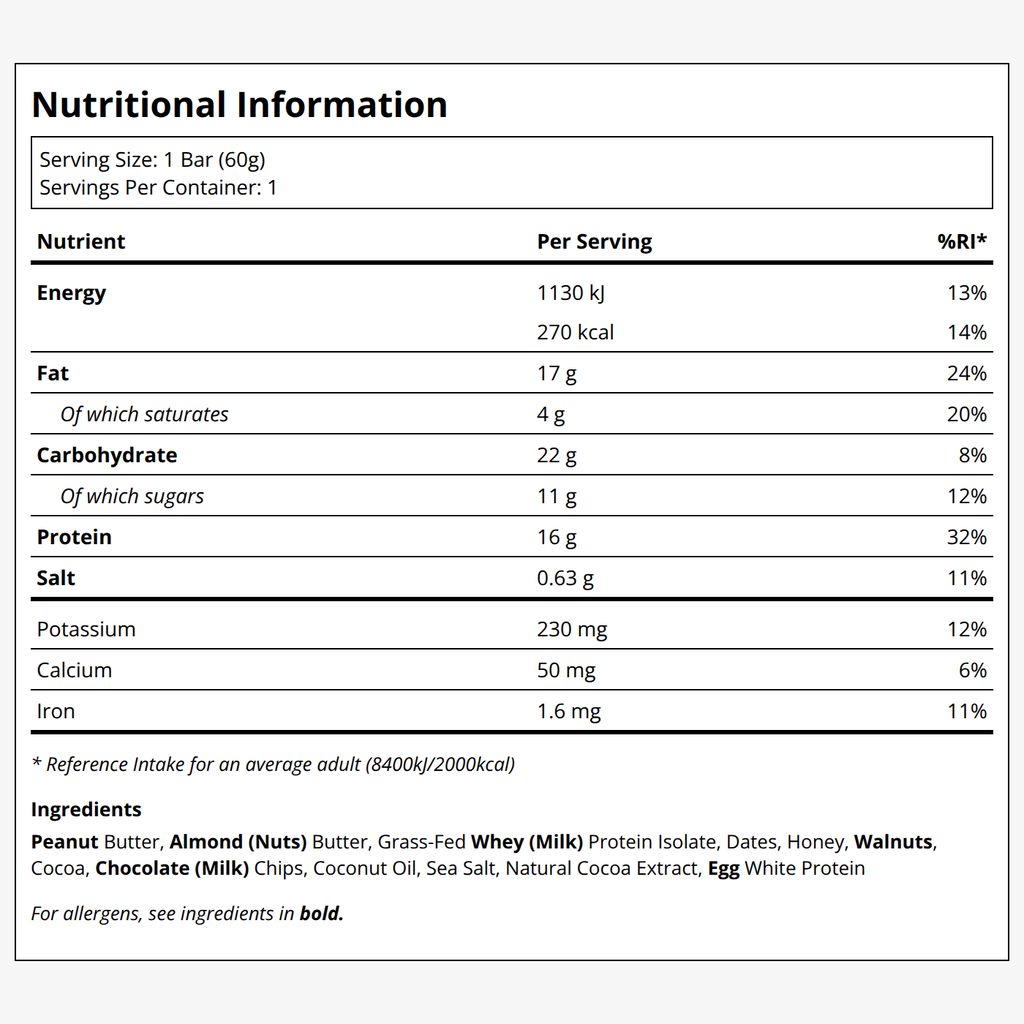
Transparent Labs is built around honest, whole-food performance nutrition. Their Chocolate Sea Salt Brownie bar delivers a balanced mix of grass-fed protein, carbs and fats, using real ingredients and no artificial fillers or hidden blends… just a properly satisfying bar that actually fills you up.
Ingredients (Grass-Fed Protein Bar Chocolate Sea Salt Brownie): Peanut butter, almond butter, grass-fed whey protein, dates, honey, walnuts, cocoa, dairy free chocolate chips, coconut oil, sea salt, natural cocoa extract, egg white protein.
Chocolate (without the UPF extras)
Why it matters: Chocolate is a daily little habit for a lot of us, which is exactly why it’s worth paying attention to. Many mainstream bars don’t just contain cacao and sugar, they’re made with extra ingredients to boost sweetness, stretch texture and keep things ultra-smooth on the shelf.
What to look out for: Long ingredient lists, added syrups, flavourings and processing helpers like emulsifiers.
The swaps to make:
Swap chocolate with additives and flavourings for short, recognisable ingredient lists.
Swap refined sugar and sweeteners for dates or coconut sugar.
Swap milk chocolate for higher-cacao bars that actually satisfy.
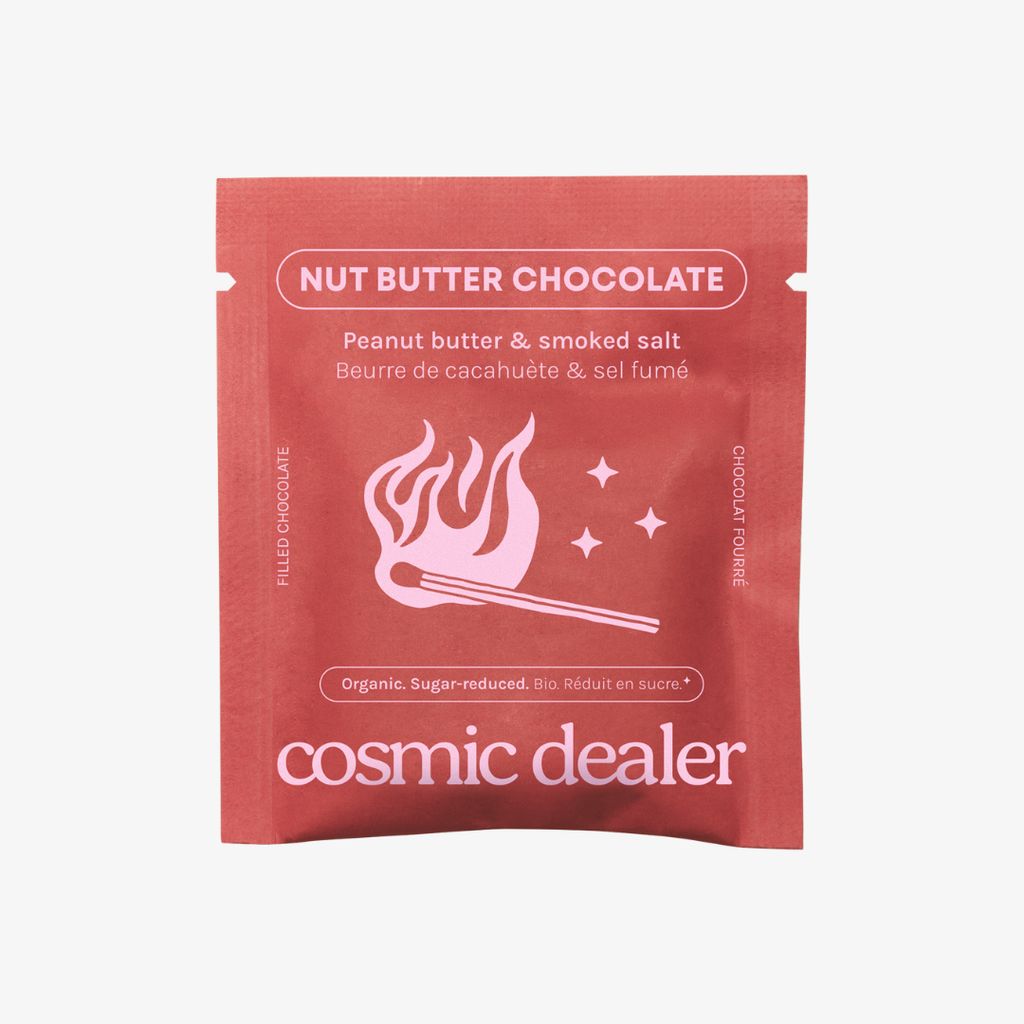
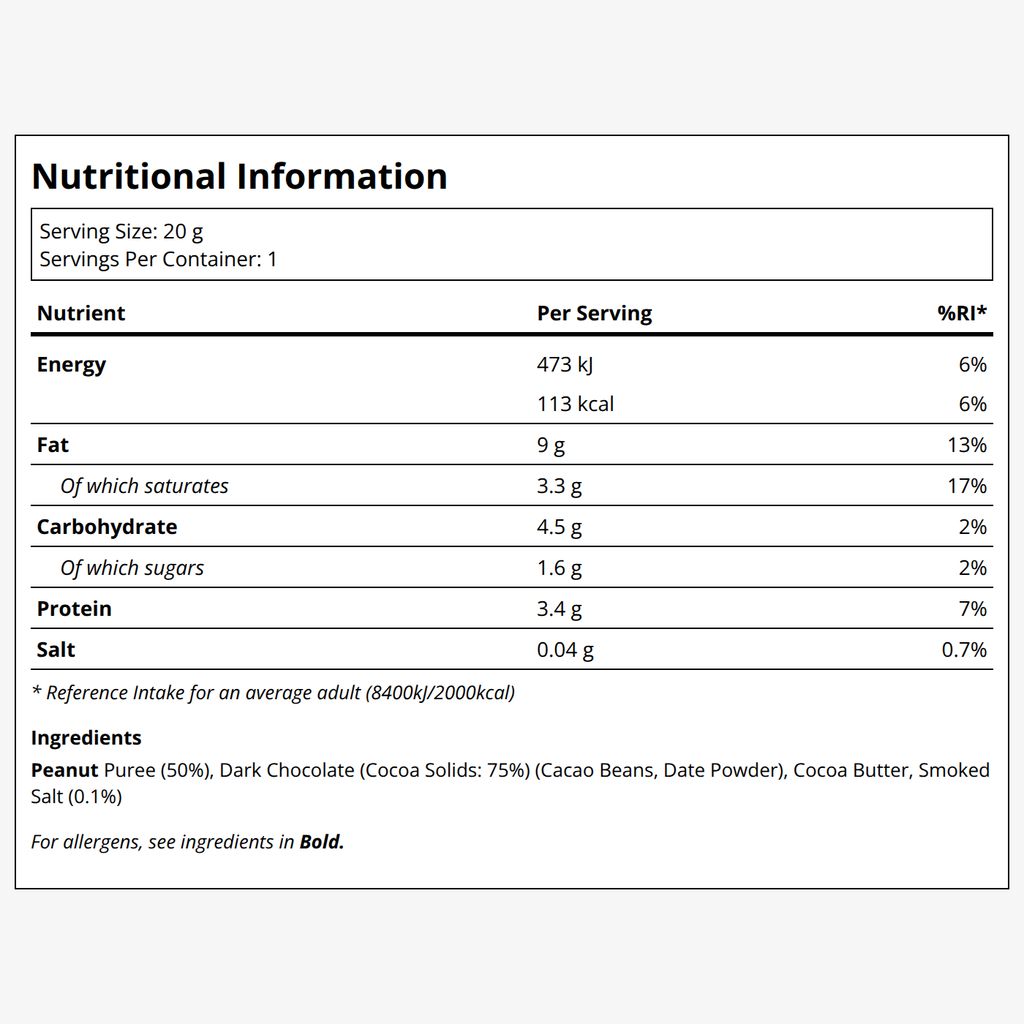
Cosmic Dealer makes chocolate that feels indulgent, but keeps the ingredient list refreshingly tight. It’s botanical-meets-dark-chocolate energy, with a “less sugar, more plants” ethos and flavours that taste as fun as they sound. This is the kind of treat that feels like a smarter daily habit.
Ingredients (Peanut Butter & Smoked Salt): Peanut purée, dark chocolate, cocoa butter, smoked salt.
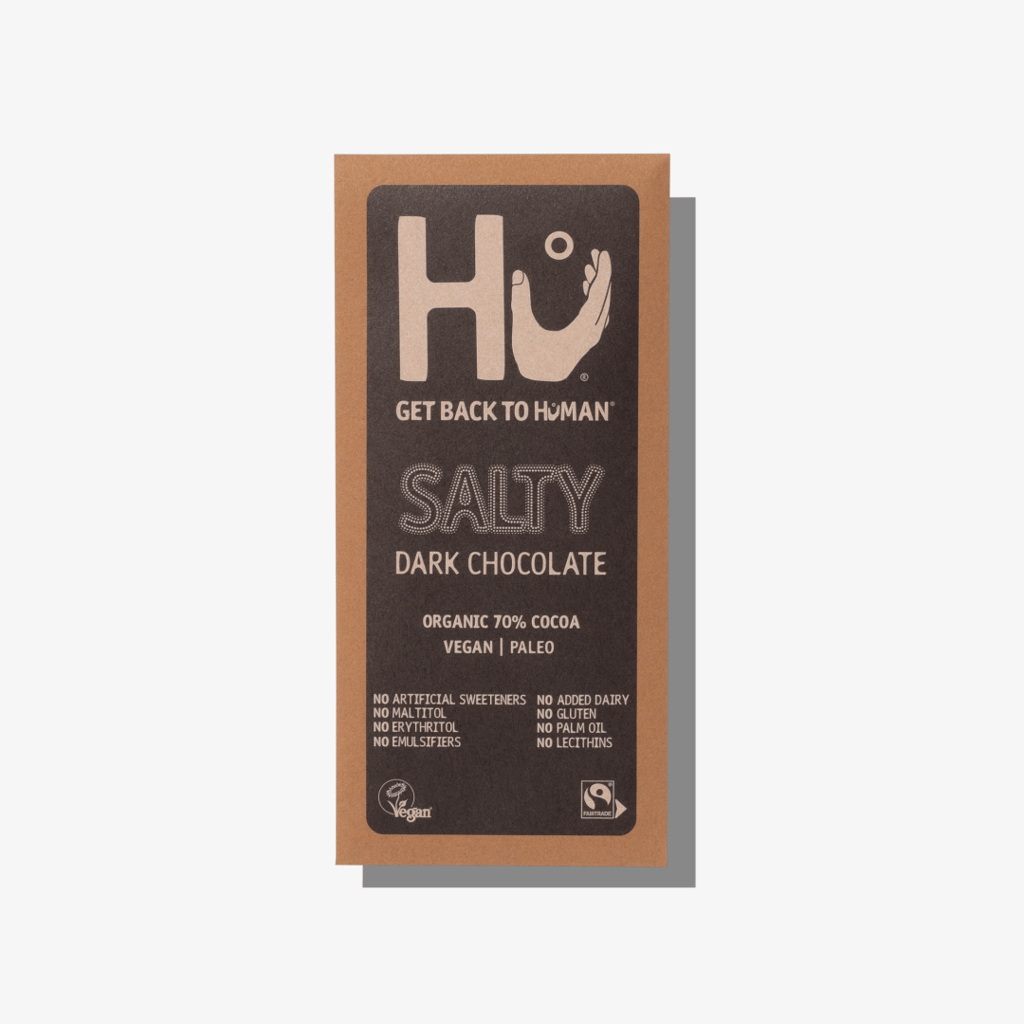
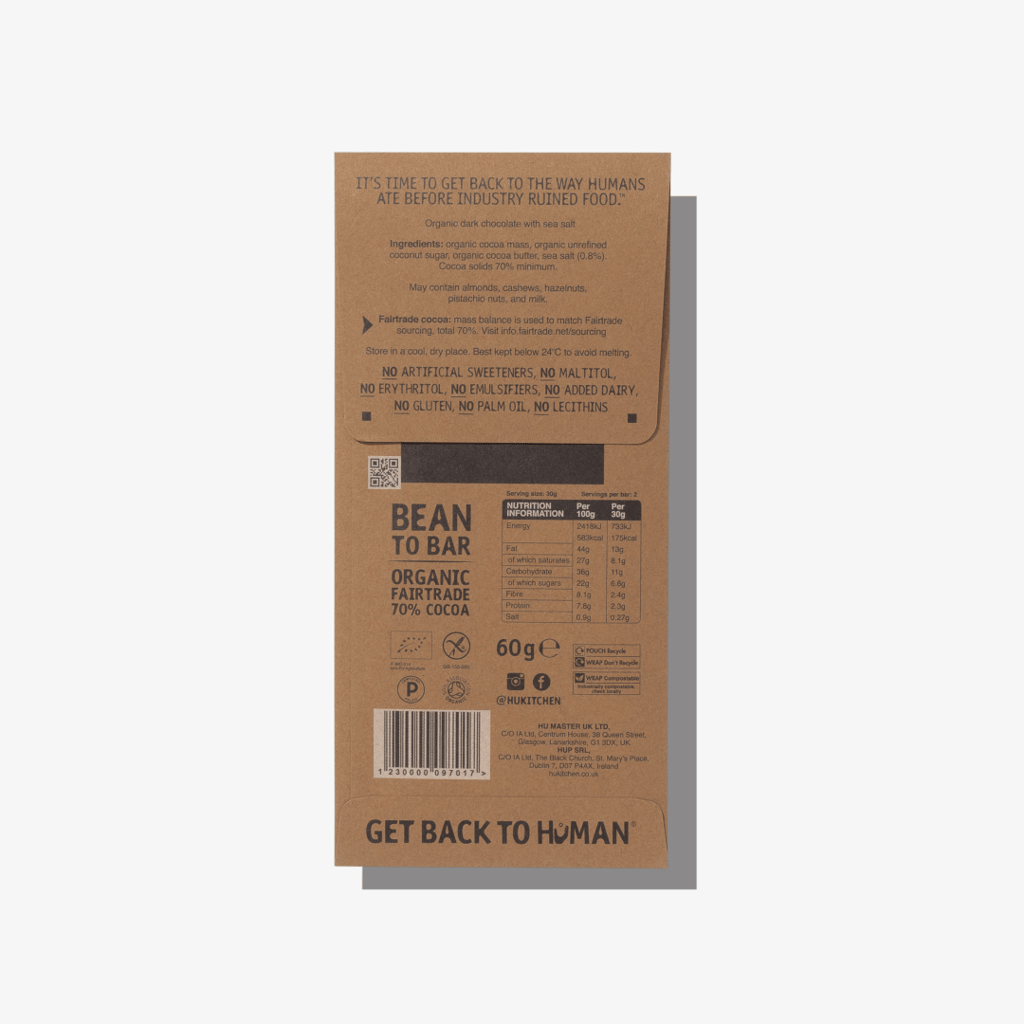
Hu Chocolate is all about stripped-back chocolate but that still tastes like chocolate. The brand keeps things intentionally minimal, using close-to-nature ingredients and skipping the common processed extras that tend to show up in mainstream bars. Clean, rich and genuinely satisfying, this is a staple you’ll want constantly stocked up.
Ingredients (Dark Salty): Organic cocoa mass, organic unrefined coconut sugar, organic cocoa butter, sea salt.
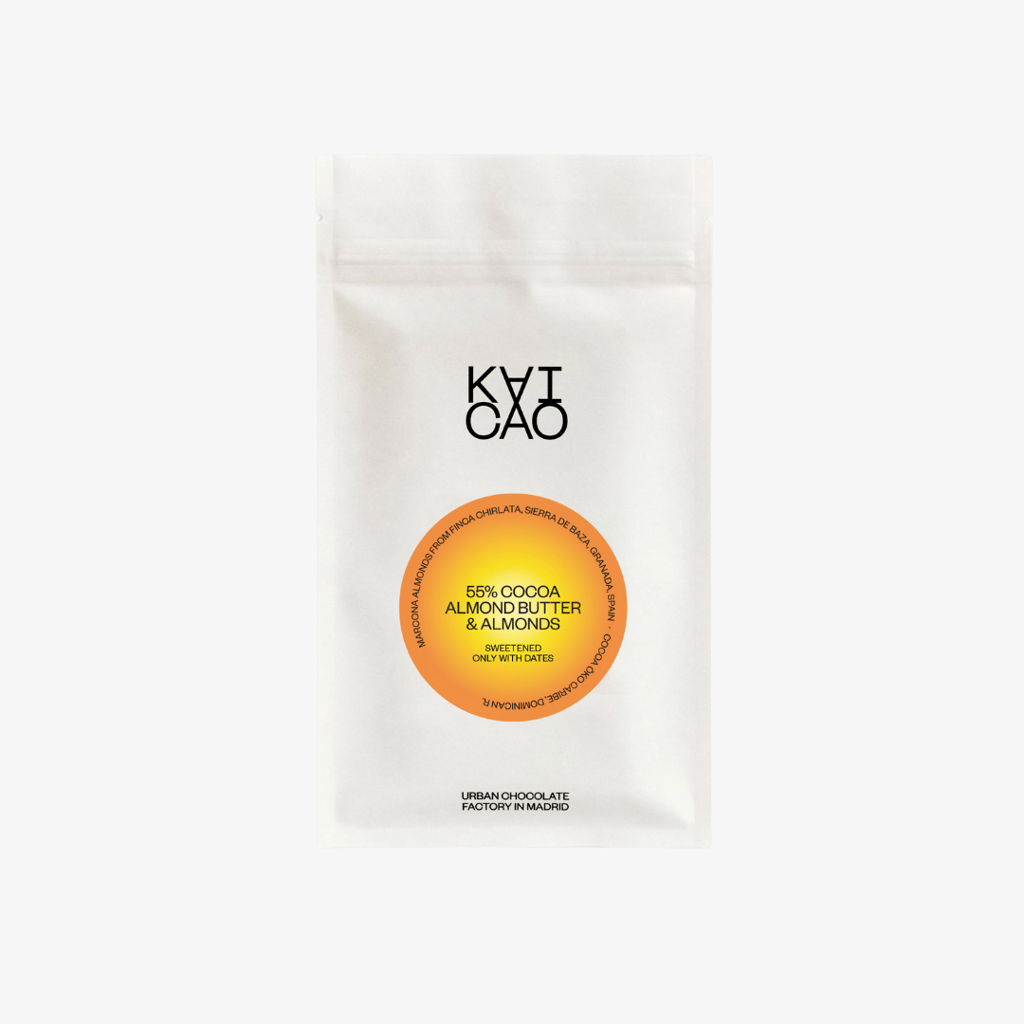
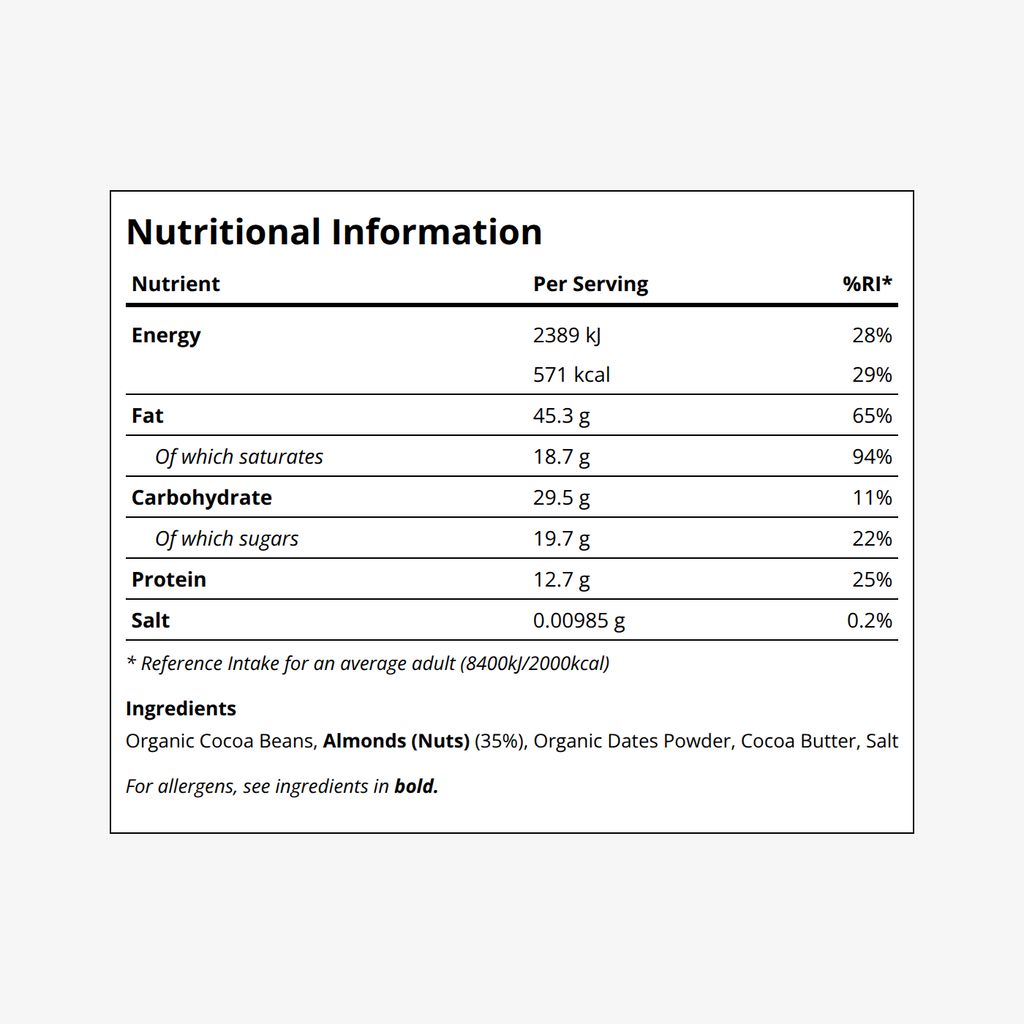
Kaicao is for those who like their chocolate pure and properly made. A bean-to-bar brand that sweetens with dates instead of refined sugar, it’s built around high-quality cacao and a more natural kind of sweetness that lets the flavour do the talking. The result is rich, smooth and feels like a real upgrade.
Ingredients (55% Cacao with Almond Butter & Roasted Almonds): Organic cocoa beans, almonds, organic date powder, cocoa butter, salt.
UPF-free sauces and condiments
Why it matters: Sauces are the fastest way to turn a basic meal into something far more processed without even realising. They’re easy to pour, easy to overdo and many are again made for shelf life and flavour rather than ingredient quality. The result is that your “healthy dinner” can quietly become a UPF dinner. What to look out for: Added sugars, sweeteners, thickening agents, stabilisers and vague terms like “flavouring”.
The swaps to make:
Swap sauces with stabilisers and sweeteners for short-ingredient sauces.
Swap low-fat dressings for olive oil-based blends.
Swap pasta sauces with added sugar and fillers for tomato, olive oil and herb-forward options.
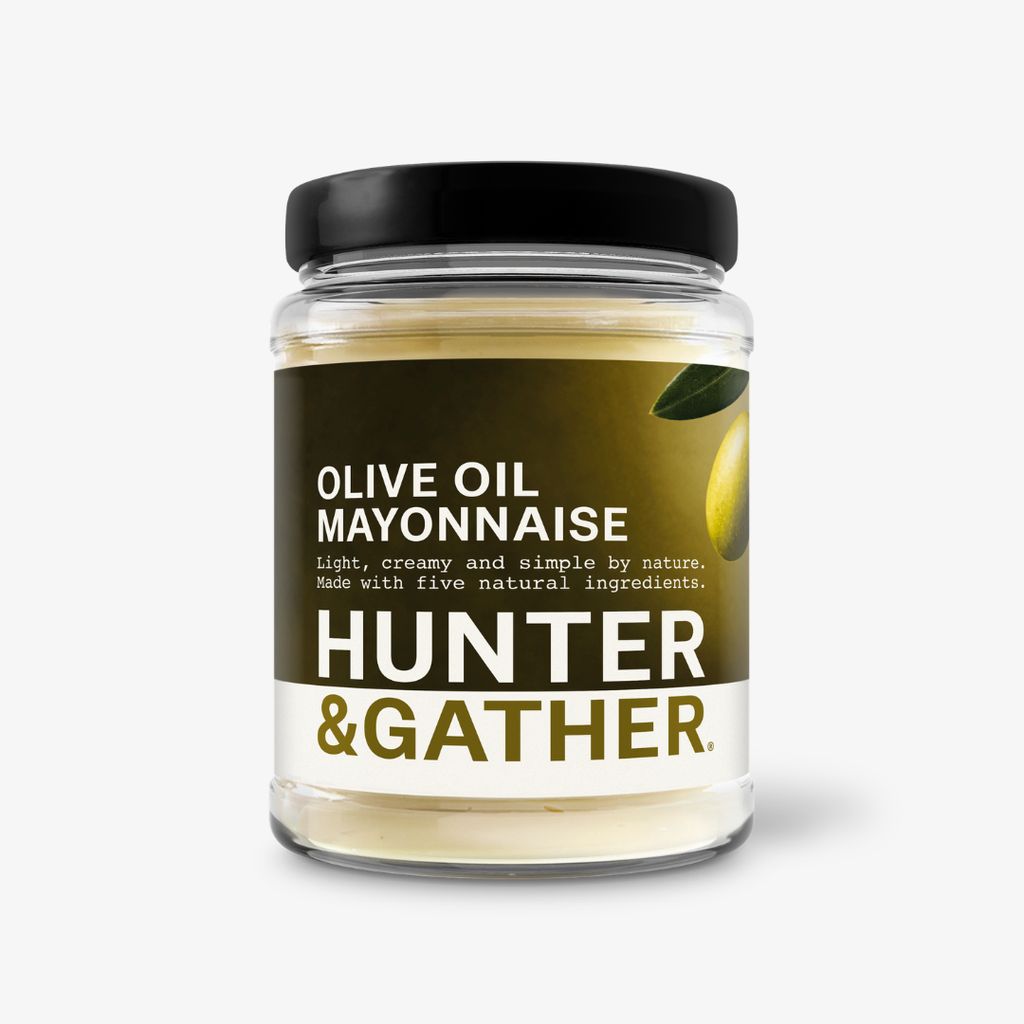
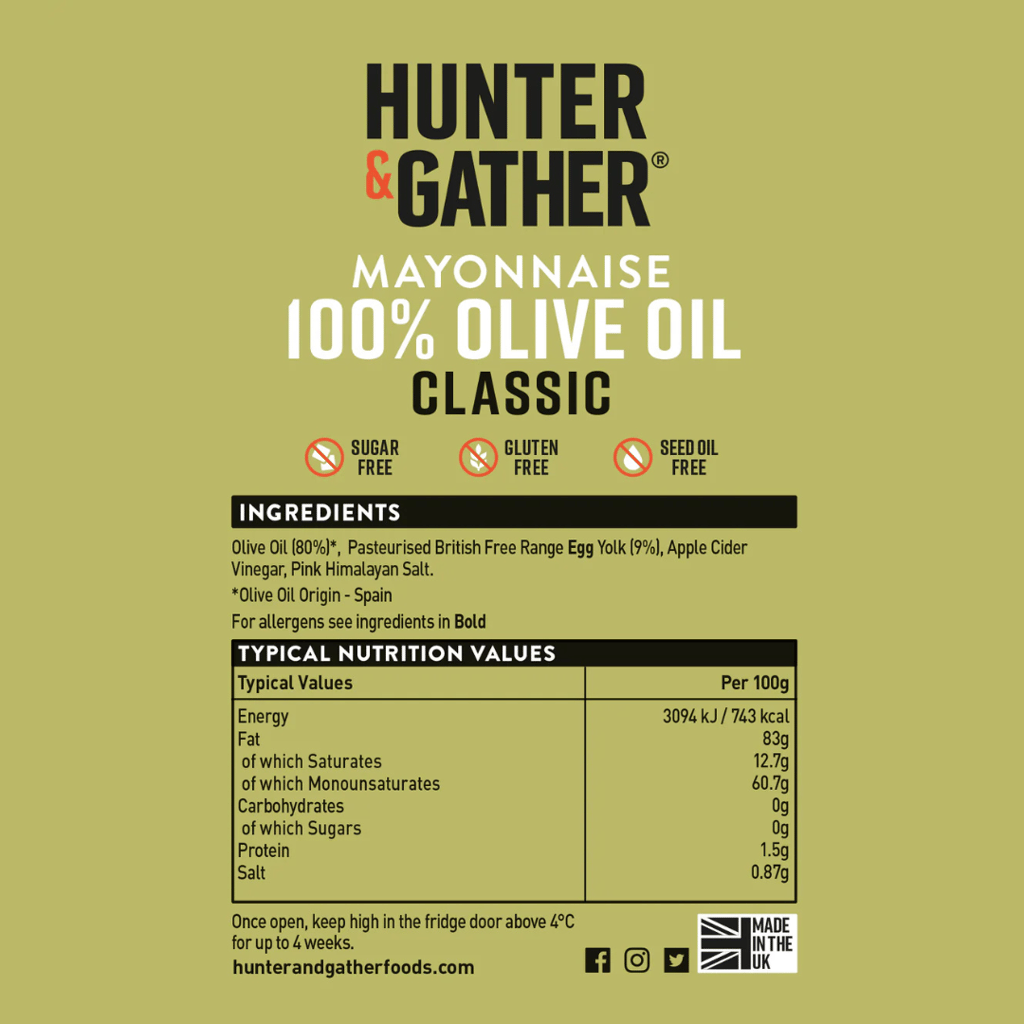
Hunter & Gather is the gold standard for condiments that don’t rely on seed oils or unnecessary fillers to taste good. Their ethos is simple: real ingredients, clean fats, and staples you can actually use daily without your sauce cupboard turning into the most processed part of your meal. This mayo is creamy, sharp and does exactly what it needs to.
Ingredients (Olive Oil Mayonnaise): Olive oil, British free range egg yolk, apple cider vinegar, pink Himalayan salt.
Undivided Food Co brings proper flavour without the usual sauce extras. Their approach is real-food convenience with vibrant, punchy condiments made from ingredients you recognise, designed to lift meals without leaning on artificial additives or refined sugars. This sweet chilli is bold, tangy and super versatile.
Ingredients (GOOD Sauce Sweet Chilli): Water, apple cider vinegar, coconut aminos, garlic, chilli, balsamic vinegar, sea salt, tapioca, monk fruit concentrate, ginger.
Primal Kitchen takes classic staples and cleans them up, without losing the taste that makes them worth buying in the first place. Their formulas are built around real ingredients and smart swaps, so you get the familiar ketchup vibe with none of the added sugar. Consider this a good fridge door essential.
Ingredients (Unsweetened Organic Ketchup): Tomato concentrate, white balsamic vinegar (white wine vinegar, grape must), sea salt, garlic powder, onion powder, spices.
UPF-free protein powders (AKA the sneaky one)
Why it matters: Protein powder is often bought with good intentions, but many formulas are ultra-processed to make them taste like dessert and mix perfectly. For this reason, brands often rely on sweeteners, flavour systems, thickeners and creamer-style add-ons.
What to look out for: Sucralose and other intense sweeteners, gums and stabilisers, “natural flavouring”, and long blend-style ingredient lists.
The swaps to make:
Swap protein powders with sweeteners and gums for minimal-ingredient proteins.
Swap dessert flavour powders for clean vanilla, cacao or unflavoured options.
Swap powders with filler blends for single-source protein where possible.
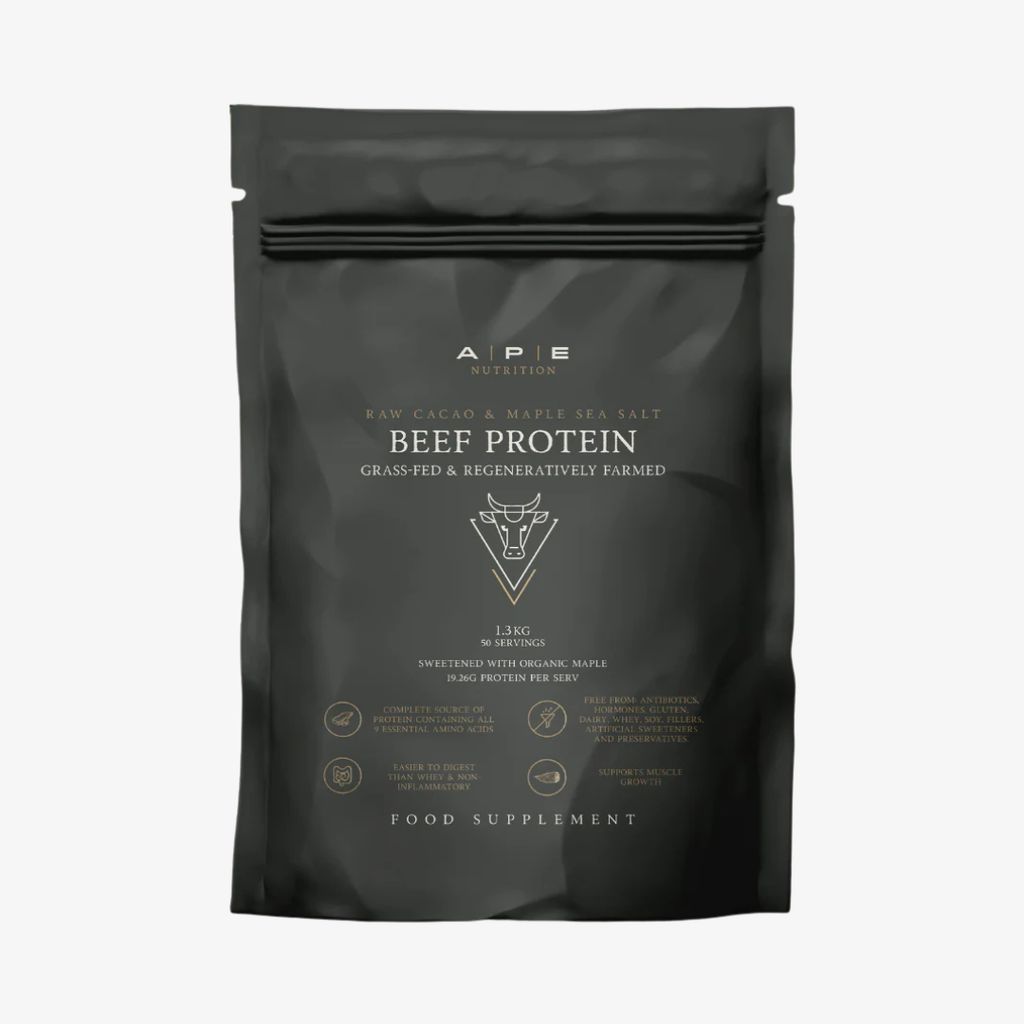
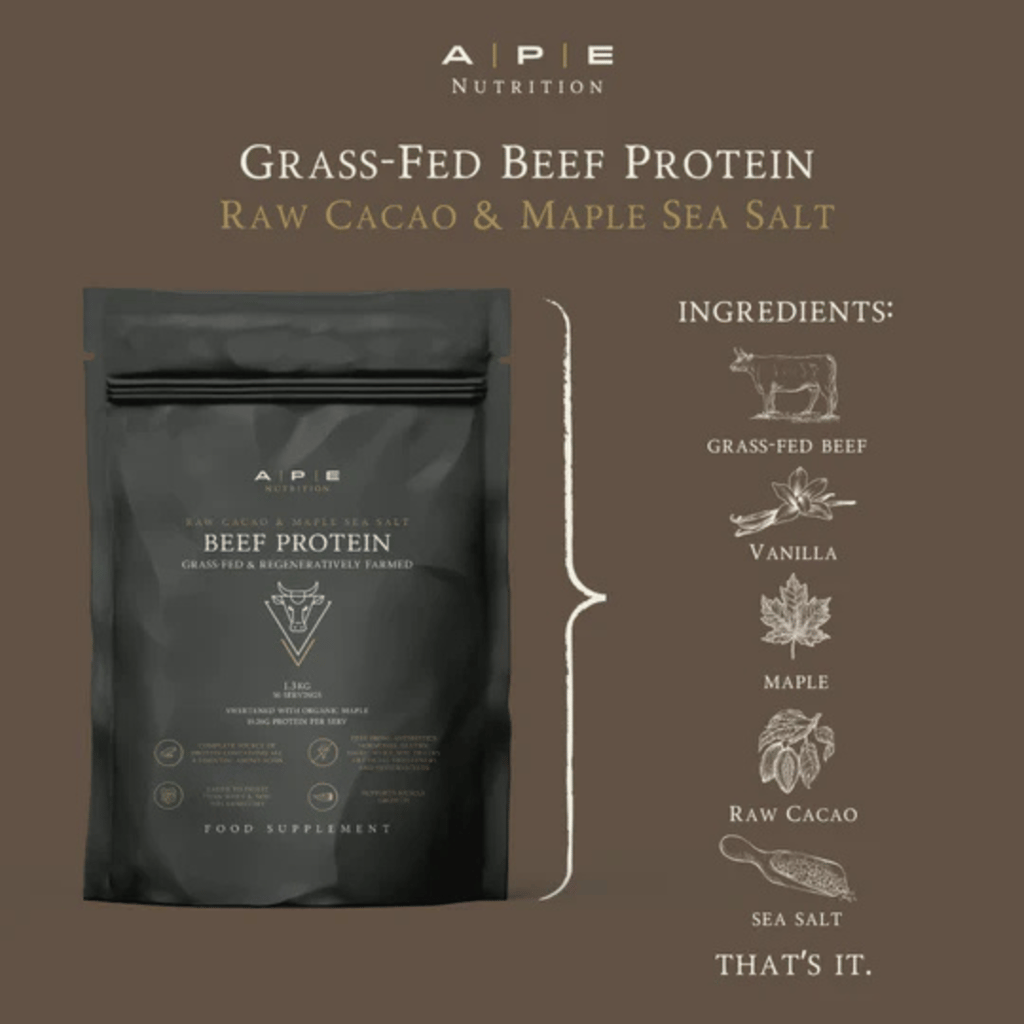
APE Nutrition is rooted in nutrient-dense, real-food performance, with a focus on quality sourcing and formulas that stay clean. Their grass-fed beef protein delivers a complete protein profile with naturally occurring collagen and gelatine, finished with cacao, maple and sea salt for a flavour that feels rich but still minimal.
Ingredients (Grass-Fed Beef Protein Raw Cacao & Maple Sea Salt): Grass-fed beef protein, organic maple sugar, raw cacao powder, Madagascan vanilla, sea salt.
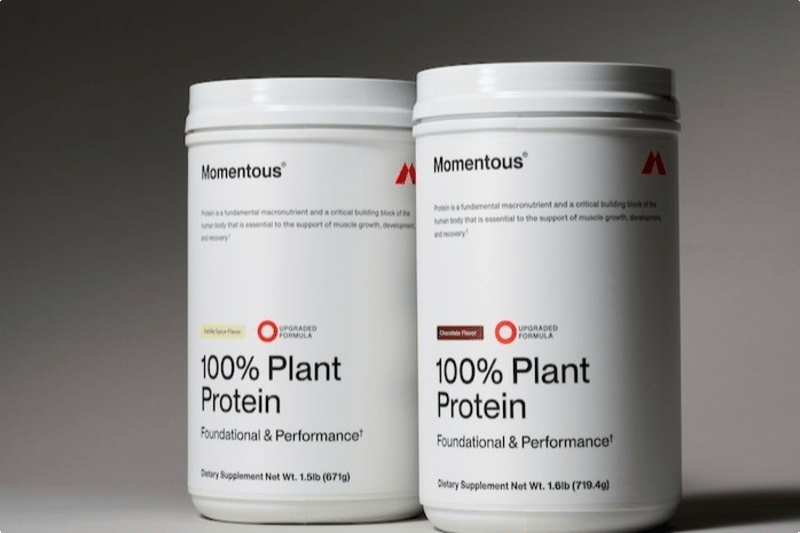
Truvani is built around radical transparency with real ingredients, clear labelling and a standard designed to cut out the stuff people don’t want in their daily routine. Their unflavoured plant protein is as clean as it gets: organic, vegan-friendly and made with just three ingredients. It honestly doesn’t get simpler than this.
Ingredients (Unflavoured Plant Protein Powder): Organic pea protein, organic pumpkin seed, organic chia seed protein.
Promix Nutrition sits in the middle of performance and purity, creating protein powders that feel athlete-grade but ingredient-conscious. Their Barry’s Vegan Protein delivers a big 25g protein hit per serving with a smooth chocolate finish, using cacao and cocoa for flavour and monk fruit for sweetness. It mixes really easily and tastes even better.
Ingredients (Barry’s Protein Vegan Chocolate): Canadian pea protein, raw organic cacao, organic cocoa, monk fruit, Himalayan pink salt.
How to actually go UPF-free without the overwhelm
Going UPF-free doesn’t have to be a complete overhaul of things. The easiest way to do it (and actually stick with it) is to tackle one category at a time, starting with the things you buy most often. Try a simple swap each week. Perhaps the bar you snack on or your favourite sauce. Small changes, repeated daily, add up fast.
Another good tip is to replace as you run out which is not as dramatic as a bin-everything moment. Keep it realistic too. Having one or two convenience staples you genuinely like is part of how this becomes a lifestyle, not a phase. Aim for better most of the time, not perfect all the time.
The takeaway: Small swaps do make a big difference
You don’t need to overhaul your whole diet to cut down on ultra-processed foods. Start with the everyday staples that quietly add up, and upgrade them with options that are simpler, more satisfying and made with ingredients you actually recognise. When your defaults get better, everything gets easier.
Your most asked UPF-free questions, answered
What does UPF-free mean?
UPF-free usually means choosing foods that are minimally processed, made from recognisable ingredients and without the extra additives that are common in ultra-processed foods like flavourings, emulsifiers, sweeteners and stabilisers.
What ingredients make a food ultra-processed?
Common UPF signals include “flavouring”, sweeteners like sucralose, texture builders like xanthan gum, emulsifiers, maltodextrin, glucose syrup and highly refined oils. It’s often not just one ingredient.
Are protein powders ultra-processed?
Some are yes. A lot use sweeteners, gums, thickeners and flavour systems that push them into ultra-processed territory. If you want a cleaner option, look for minimal ingredients and a single-source of protein where you can.
What are the best UPF-free snacks?
The best UPF-free snacks are the ones with short ingredient lists and real-food bases like nuts, dates, cacao, seeds and simple seasonings.
Is dark chocolate UPF-free?
It can be. Dark chocolate is often UPF-free when it’s made with simple ingredients like cocoa mass, cocoa butter, a natural sweetener and salt. Look for ones without flavourings, emulsifiers or syrups.
How do I eat UPF-free on a busy schedule?
Keep a handful of UPF-free staples you actually like on hand so you’re not relying on last-minute options. The easiest wins come from upgrading the foods you buy most often, so the default choice becomes the better one.




This article is for informational purposes only, even if and regardless of whether it features the advice of physicians and medical practitioners. This article is not, nor is it intended to be, a substitute for professional medical advice, diagnosis, or treatment and should never be relied upon for specific medical advice. The views expressed in this article are the views of the expert and do not necessarily represent the views of Healf
Samantha Nice is a seasoned wellness writer with over a decade of experience crafting content for a diverse range of global brands. A passionate advocate for holistic wellbeing, she brings a particular focus to supplements, women’s health, strength training, and running. Samantha is a proud member of the Healf editorial team, where she merges her love for storytelling with industry insights and science-backed evidence.
An avid WHOOP wearer, keen runner (with a sub 1:30 half marathon) hot yoga enthusiast and regular gym goer, Samantha lives and breathes the wellness lifestyle she writes about. With a solid black book of trusted contacts (including some of the industry’s leading experts) she’s committed to creating accessible, well-informed content that empowers and inspires Healf readers.