


































_2026-10-13_14-11-48.png)


The Return Of Bitter Foods For Metabolic Flexibility
Bitter foods are back, praised for boosting GLP-1, balancing blood sugar and supporting metabolic flexibility through natural plant compounds.

Written by: Pippa Thackeray
Written on: 7 January 2026
“In Ayurveda, bitter is considered one of the 6 essential tastes. It’s the taste that helps balance out cravings and stimulates digestion. Bitter foods form the category that people least like to eat, yet are probably the most beneficial for our health.” – Radhi Devlukia, host of A Really Good Cry
In the pursuit of metabolic flexibility, bitter foods are making a return to our plates in 2026.
Why? Naturally occurring bitter compounds such as polyphenols, which act as plant-based antioxidants, and glucosinolates (sulphur-containing molecules found in vegetables like rocket), have been shown to support blood sugar regulation, hormone balance and appetite control.
Among the scientific community, there is now growing interest in how bitter foods can encourage the release of GLP-1, a hormone that helps manage insulin, cravings and fat storage.
Bitterness and your body
We often try to avoid bitter or sour tastes. We’ve been told they are unpleasant and undesirable. But what if these tastes held the key to better metabolic health? What if, by avoiding them, we have taken a wrong turn in our dietary preferences, ignoring vital nutritional factors that are actually needed for the sake of our health?
What is a bitter food?
Put simply, bitterness is one of the five core tastes that we can experience.
Bitter foods are detected not only by the tongue but also by the digestive tract and have far-reaching effects on many important systems in the body.
The troubling rise of metabolic health issues and GLP-1 drug use in the UK
Approximately 1 in 4 adults in the UK are estimated to have metabolic syndrome, a cluster of conditions indicating poor metabolic health like high blood pressure, unhealthy cholesterol levels, and obesity.
It’s not surprising then, that GLP-1 drug use in the UK has surged, with estimates suggesting around 1.5 to 2.5 million users, predominantly via private prescriptions due to NHS access limitations. About 1.6 million adults used them for weight loss in the past year, with high interest from millions more, especially among women and those with moderate obesity.
There are, however, concerns about the long-term use and the potential for misuse of these drugs as detailed by the UK government.
How bitter foods activate key metabolic pathways
Foods such as dandelion greens, cacao, turmeric and bitter melon contain compounds that activate bitter taste receptors known as T2Rs.
These receptors play a central role in stimulating digestive enzymes, triggering bile production and supporting gut motility.
Bitter foods influence appetite regulation, blood sugar control (via GLP-1) and liver detoxification.
Their ability to support nutrient absorption and metabolic function has brought them back into focus within functional nutrition in recent times.
Metabolic benefits of bitter foods
Digestive stimulation and calorie expenditure
One of the first responses to bitter compounds is the stimulation of digestive juices.
Saliva, stomach acid and bile are released in greater quantities, improving the breakdown of food and the absorption of fat-soluble vitamins and minerals. This process supports metabolic efficiency and digestive comfort.
Bitter foods also play a role in thermogenesis, the body’s process of generating heat and burning calories. Certain compounds found in green tea and bitter vegetables are associated with increased energy expenditure and improved fat use.
Blood sugar regulation
Blood sugar regulation is also said to be improved by various mechanisms when we consume bitters. For example, polyphenols such as flavonoids and anthocyanins help improve insulin sensitivity and reduce inflammation. And foods like bitter melon contain compounds such as momordicin that support glucose control and metabolic stability.
Improved liver function
Liver function is closely tied to these effects. Bitter foods including dandelion root, chicory and milk thistle increase bile flow and, in so doing, support the liver’s ability to process fats, hormones and toxins. When liver function improves, energy levels and metabolic balance often follow.
Additional benefits include reduced cravings for sweet and highly processed foods, improved appetite regulation and support for immune defences through antioxidant and anti-inflammatory activity. Herbs like Gymnema sylvestre have become popular for such purposes.
Organic Olivia founder Olivia Amitrano explains the benefits of her product GlucoBitters: "Insulin sensitizing herbs like bitter melon, gymnema, and cinnamon are research-backed herbs that really helped me with spikes and cravings. These are the star herbs in our specialized formula."
What sparked a change in the modern palate
When highly processed foods became popularised, bitterness in our diet largely disappeared. Food production has prioritised flavours that deliver immediate reward, while selective breeding has reduced bitter compounds in fruits and vegetables.
Moreover, traditional preparation methods that balanced bitterness through cooking and pairing have become less common.
Another factor is the repeated exposure to intense sweetness in conventional ultra-processed food products that dulls sensitivity to more complex flavours.
Nutritionists like Lis Grey, a BANT-registered Nutritional Therapist, understand that as bitterness leaves the diet, digestive stimulation can weaken, bile flow reduces, and sugar cravings may become more frequent.
Bitter foods and traditional healing practices
Bitter foods have long been central to Ayurveda and Traditional Chinese Medicine, as well as Western herbal medicine. They are used to stimulate digestion, cleanse the blood, regulate appetite and support liver health.
Indian herbs such as neem, bitter gourd and turmeric are commonly used to manage blood sugar and inflammation. These plants contain antioxidants and phytonutrients that support immune function and hormone metabolism.
Meanwhile, in Chinese medicine, bitterness is a big topic, commonly associated with the heart meridian and linked to emotional steadiness and mental clarity.
Bitters for hormonal health and balance
By supporting digestion, liver detox, and blood sugar regulation, bitters help create the right environment for your hormones to thrive. They trigger digestive secretions and the release of gut hormones such as GLP-1, CCK, and PYY.
These hormones help regulate blood sugar, improve insulin sensitivity, and slow digestion, all of which can support hormonal balance.
Bitter compounds also stimulate bile flow and liver enzyme activity, promoting detoxification and hormone metabolism.
Combined, these effects ultimately create a metabolic environment that allows hormones to function more efficiently rather than being constantly dysregulated by blood sugar swings or a digestive system under stress.
Bitter foods that support metabolic balance
Rich in naturally bitter compounds, the following foods play an active role in digestion, blood sugar control and metabolic balance:
Kale
Rich in fibre and antioxidants. Supports liver detoxification and digestive enzyme activity.
Arugula
Also known as rocket. Supports digestion, gut balance and liver function through compounds such as chlorophyll, glucosinolates and other key phytonutrients.
Dandelion greens
Stimulate bile production and support water balance and liver cleansing.
Bitter melon
Used in Ayurvedic and Asian cuisines. Supports blood sugar control and metabolic regulation.
Radicchio
High in anthocyanins. Supports cardiovascular health, liver function and inflammatory balance.
Chicory root
Contains inulin, a prebiotic fibre that supports the gut microbiome and digestive balance.
Turmeric
Offers anti-inflammatory and antioxidant support and encourages healthy liver enzyme activity.
Lemon peel
The zest and pith contain flavonoids that support detox pathways and immune health.
Green tea
Contains catechins that support fat metabolism and reduce oxidative stress.
Garlic
Naturally bitter when raw. Supports immunity, detoxification and cardiovascular health.
Fenugreek seeds
Traditionally used for digestion and blood sugar balance.
Broccoli
Rich in sulforaphane. Supports liver detoxification and hormone metabolism.
Cacao
Dark chocolate above 70% cacao provides polyphenols and magnesium that support heart health and mood regulation.
Extra virgin olive oil
Nutritional Therapist, Lis Grey, adds: “One of my favourite recommendations for clients is to start both lunch and dinner with a bitter salad starter of rocket drizzled with extra virgin olive oil and lemon juice.
Not only does this provide two extra portions of greens per day and beneficial polyphenols from the olive oil, but it is also an excellent way to promote digestion.
The lemon juice helps boost stomach acid, which is needed for digestion to work effectively, while the bitter compounds in rocket stimulate digestive enzymes and bile, both of which are crucial for proper nutrient absorption.”
Using bitter tinctures
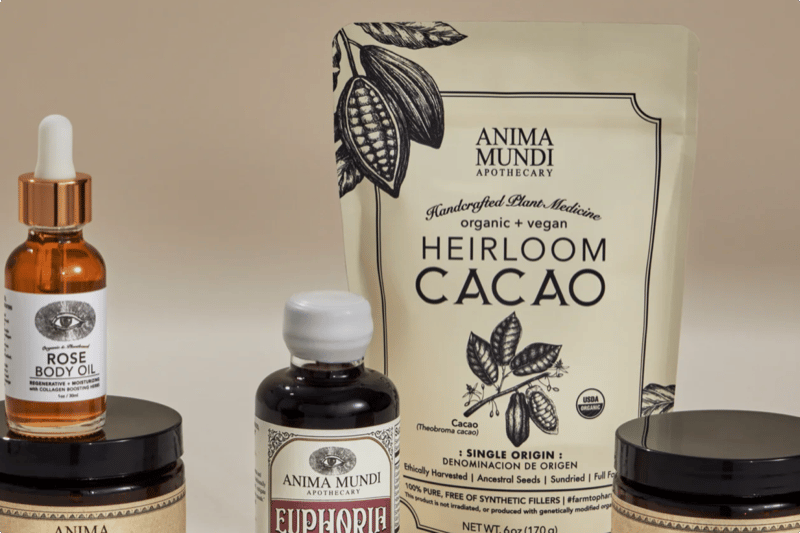
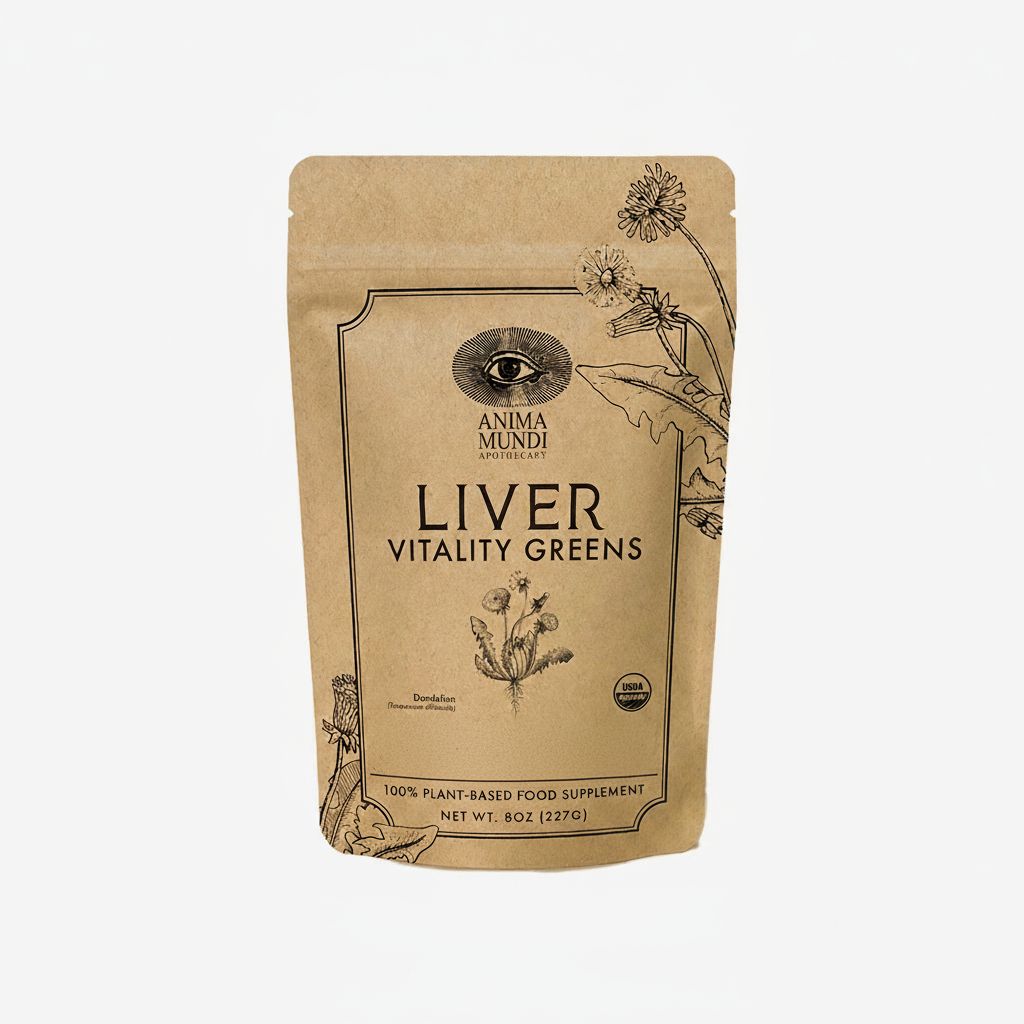
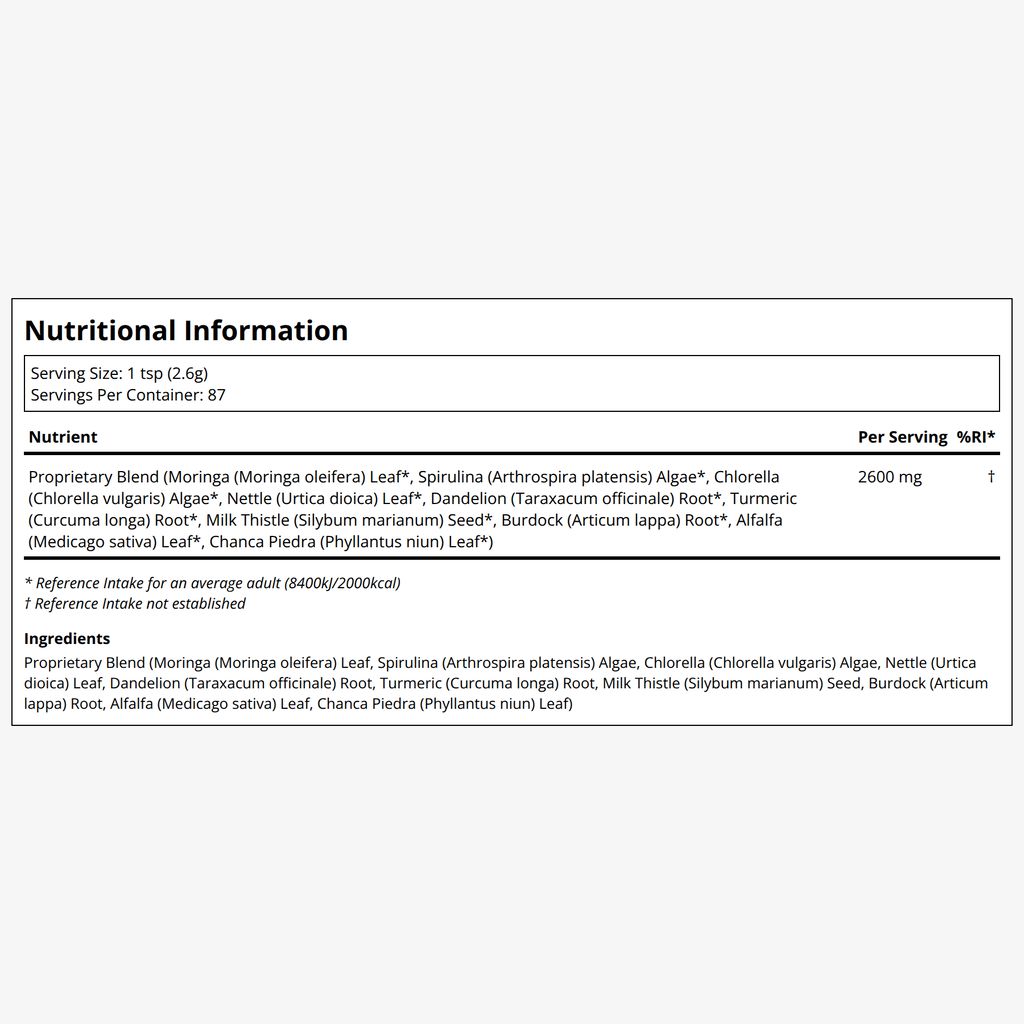
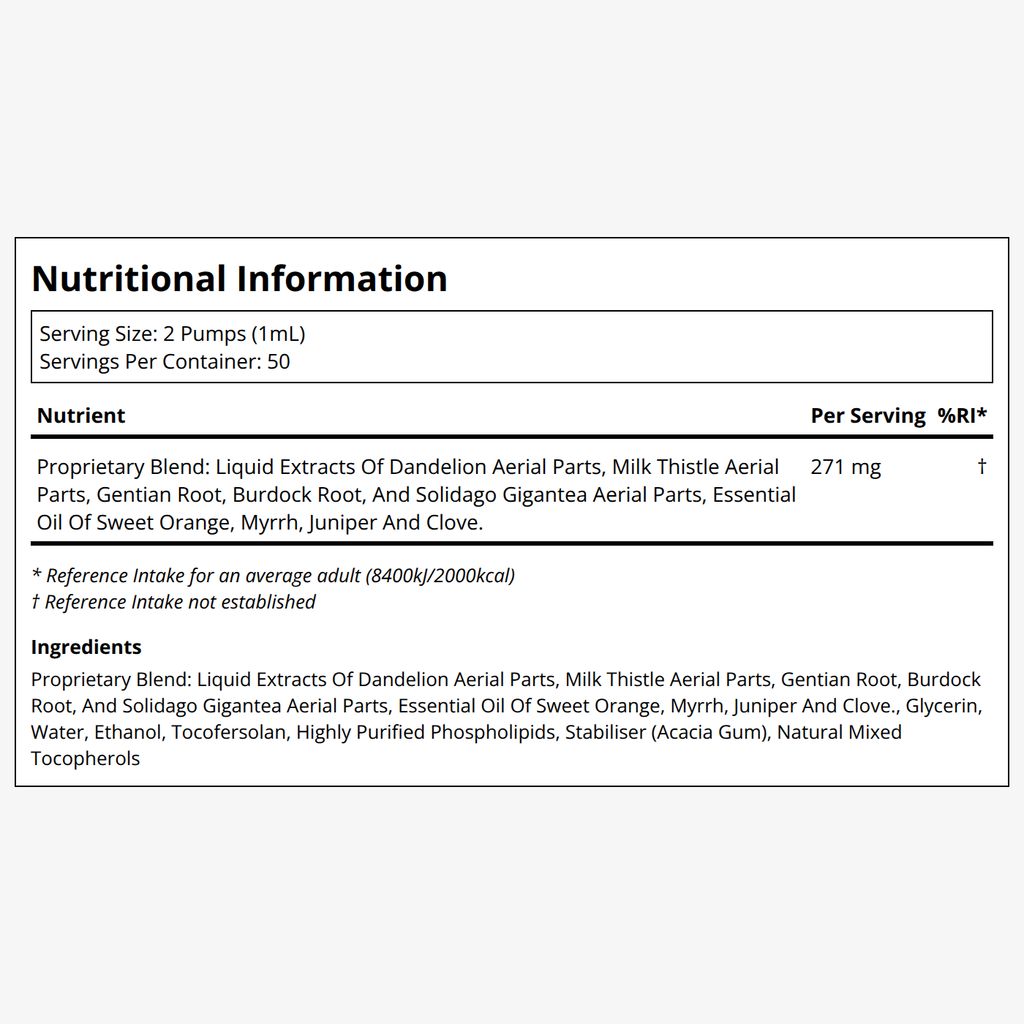
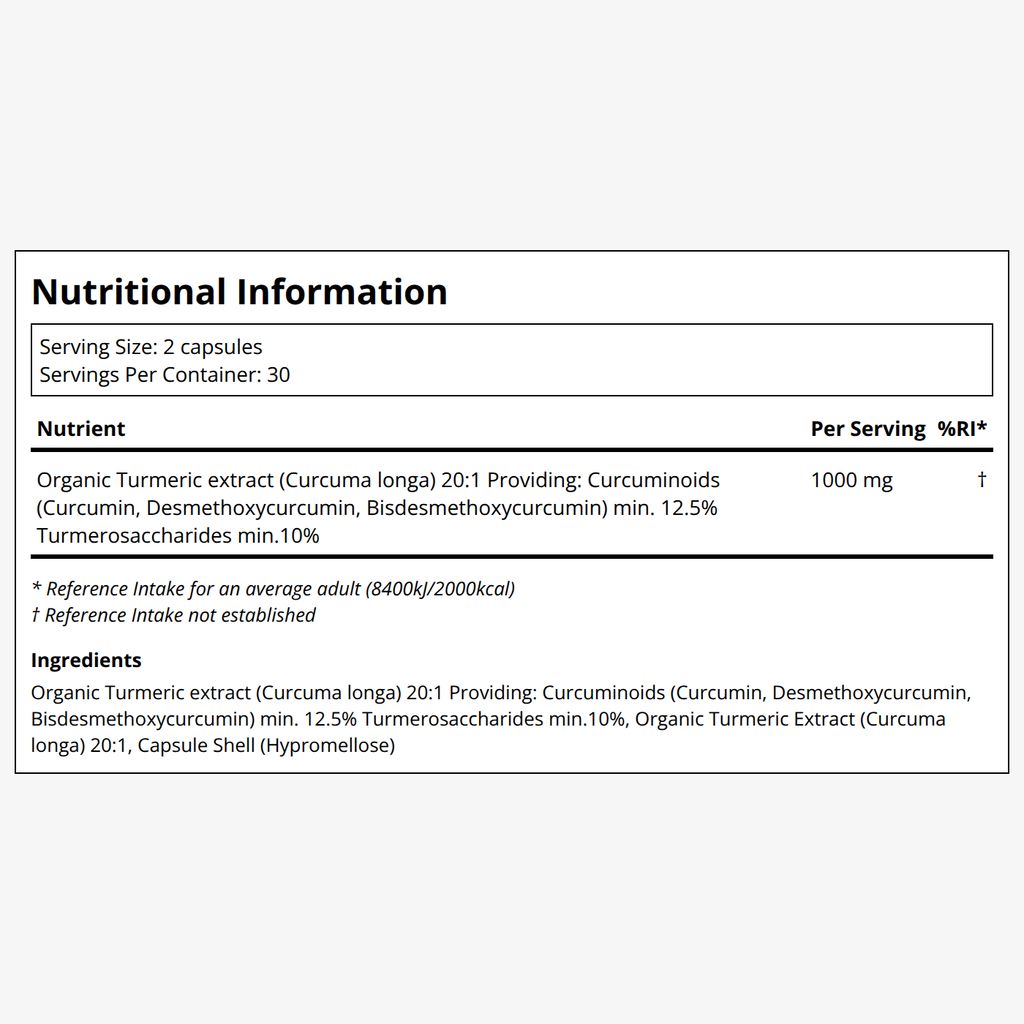
Anima Mundi Liver Vitality, Quicksilver Scientific’s Bitters No. 9 and Wild Nutrition’s Turmaforte™ Turmeric, are favoured by nutritionists because they include these ingredients in highly concentrated and convenient formats.
Consistent use of herbal supplements alongside bitters in the form of whole foods reinforces digestion, metabolism and the body’s natural detox pathways.


Why Italians love bitters
The Italian adjective for bitter, amaro, also gives its name to the herbal liqueur at the heart of Italy’s long-standing love affair with bitter tastes.
Dark and complex, these spirits are defined by their bittersweet, herby taste and have traditionally been enjoyed after dinner as a palate cleanser. But amari (the plural form) are about far more than flavour alone.
They represent an after-dinner ritual designed to soothe the stomach, signal satiety, and gently bring the meal to a close.
It is said that the act of sipping an amaro is to slow down: a moment of pause and reflection, where bitterness becomes a positive sensory experience.
Bitters across Europe
Similarly, in countries such as France, and Greece, it is common to serve a small salad containing bitter greens, or a dish that uses them as a primary ingredient, before or with the main meal.
Swedish Bitters, a herbal tincture rooted in folk tradition, has been used for centuries to support digestion. Developed in the 18th century by physicians Dr. Claus Samst and Dr. Urban Hjärne, the formula blends herbs such as angelica root, gentian root, and rhubarb root, to name a few.
Preparing the palate: Making bitter foods work for you
Cooking methods can change how bitterness is perceived by the palate.
Healthy fats such as olive oil or avocado coat the tongue and reduce bitter intensity, whilst also bringing their own health benefits. Likewise, citrus, sea salt and fermented foods help to create a balanced flavour profile and improve nutrient absorption.
On a practical level, roasting vegetables such as Brussels sprouts or radicchio softens sharp flavours and brings out natural sweetness while preserving much of the nutritional content.
That said, some experts argue that bitters that are served fresh, such as radishes or rocket in bitter salads, are more likely to create the desired stimulatory effect. For example, it is thought that bitter melon is among the most potent in its bitter flavour.
Herbal tinctures are said to be even more potent than bitter foods. This is primarily due to higher concentrations of active herbal bitter compounds achieved through efficient alcohol extraction and enhanced bioavailability.
If you’re not used to bitter tastes, introducing them gradually generates less of a shock. Trying small portions before meals, or blending bitter greens into soups and smoothies, allows the palate to adjust while the preliminary digestion benefits may begin.
What about GLP-1? How bitter foods regulate appetite and reduce inflammation
Bitter foods act across multiple systems.
Studies show that they activate bitter taste receptors throughout the gut, triggering the release of hormones such as GLP-1 that support blood sugar control, digestion, and gut lining integrity.
As these signals stabilise, hunger regulation improves, cravings ease, and gut motility and microbiome diversity are also supported.
Findings also reflect how bitter signalling also reduced inflammation and helped protect the gut barrier.
Why bitter foods belong in your 2026 wellbeing routine
So, it turns out the humble dandelion, sprig of rocket or dash of chicory could hold the answers in an age of uncertainty surrounding metabolic health.
Bitter compounds generate powerful, metabolism-boosting effects on the body by stimulating bile flow, digestive enzymes and stomach acid, allowing for better digestion and more efficient nutrient absorption.
Bitters are ancient knowledge. In traditional systems of medicine, bitter foods have been used for millennia to support the liver, manage appetite and maintain hormonal balance. These same pathways are now being re-examined for their relevance to modern metabolic health.
With regular intake, blood sugar regulation can be improved, due, in part, to GLP-1, the hormone that influences appetite, insulin sensitivity and energy use.
Are bitter foods really a natural GLP-1 booster?
It may seem too simple to be true, but the science says it’s no joke.
Radhi Devlukia of A Really Good Cry says it best: “This isn’t really about cutting foods out. It’s about leaning into the flavours nature gave us to help the body do what it already knows how to do.”
Shop EAT at Healf and rediscover nutrient-dense bitter foods that support blood sugar, digestion and natural detox pathways.
Frequently asked questions
What foods are good for metabolic flexibility?
Foods that support metabolic flexibility include naturally bitter foods such as rocket (arugula), dandelion greens, chicory, kale, bitter melon, radicchio, endive, broccoli, cacao, green tea, grapefruit, turmeric, and extra virgin olive oil. These foods contain plant compounds that support digestion, blood sugar regulation, and metabolic balance.
What are the benefits of eating bitter foods?
Bitter foods stimulate digestive enzymes, bile flow, and stomach acid, supporting digestion and nutrient absorption. They are also linked to improved blood sugar control, appetite regulation, liver function, reduced sugar cravings, and metabolic and hormonal balance.
How do bitter foods support blood sugar balance?
Bitter foods contain compounds such as polyphenols, flavonoids, and momordicin that help improve insulin sensitivity and reduce inflammation, contributing to more stable blood sugar levels and metabolic regulation.
Do bitter foods naturally increase GLP-1?
Bitter compounds can activate bitter taste receptors in the gut, which may encourage the release of gut hormones such as GLP-1 that support appetite regulation, insulin response, and blood sugar control.
Do bitters help with weight management?
Bitter foods may support weight management by improving appetite regulation, reducing cravings, stabilising blood sugar, enhancing digestion, and supporting thermogenesis, all of which contribute to metabolic efficiency.
How do bitter foods affect digestion?
Bitter foods stimulate saliva, stomach acid, and bile production, improving food breakdown, nutrient absorption, and gut motility, which supports overall digestive comfort.
Which supplements provide the benefits of bitters?
Herbal bitter tinctures and targeted supplements can deliver concentrated bitter compounds that stimulate digestion, bile flow, and gut hormone signalling, supporting metabolism and the body’s natural detox pathways. Anima Mundi Liver Vitality, Quicksilver Scientific’s Bitters No. 9 and Wild Nutrition’s Turmaforte™ Turmeric are favoured by nutritionists because they include these ingredients in highly concentrated and convenient formats. Consistent use of herbal supplements alongside bitters in the form of whole foods reinforces digestion, metabolism, and the body’s natural detox pathways.



This article is for informational purposes only, even if and regardless of whether it features the advice of physicians and medical practitioners. This article is not, nor is it intended to be, a substitute for professional medical advice, diagnosis, or treatment and should never be relied upon for specific medical advice. The views expressed in this article are the views of the expert and do not necessarily represent the views of Healf
Pippa is a content writer and qualified Nutritional Therapist (DipNT) creating research-based content with a passion for many areas of wellbeing, including hormonal health, mental health and digestive health.
As a contributor to The Healf Source, she regularly attends seminars and programmes on a plethora of contemporary health issues and modern research insights with a drive to never stop learning. In addition, interviewing experts and specialists across The Four Pillars: EAT, MOVE, MIND, SLEEP.
In her spare time, she is an avid swimmer, mindfulness and yoga lover, occasionally bringing a raw, honest approach to the topics she faces. You may also discover some personal accounts of eye-opening wellbeing experiences amidst the reality of a disorientating, and often conflicting, modern wellbeing space.