













































_2026-10-13_14-11-48.png)


Wholesome And Healthy: What Makes A Japanese Breakfast?
Written by: Pippa Thackeray
Written on: 4 July 2025
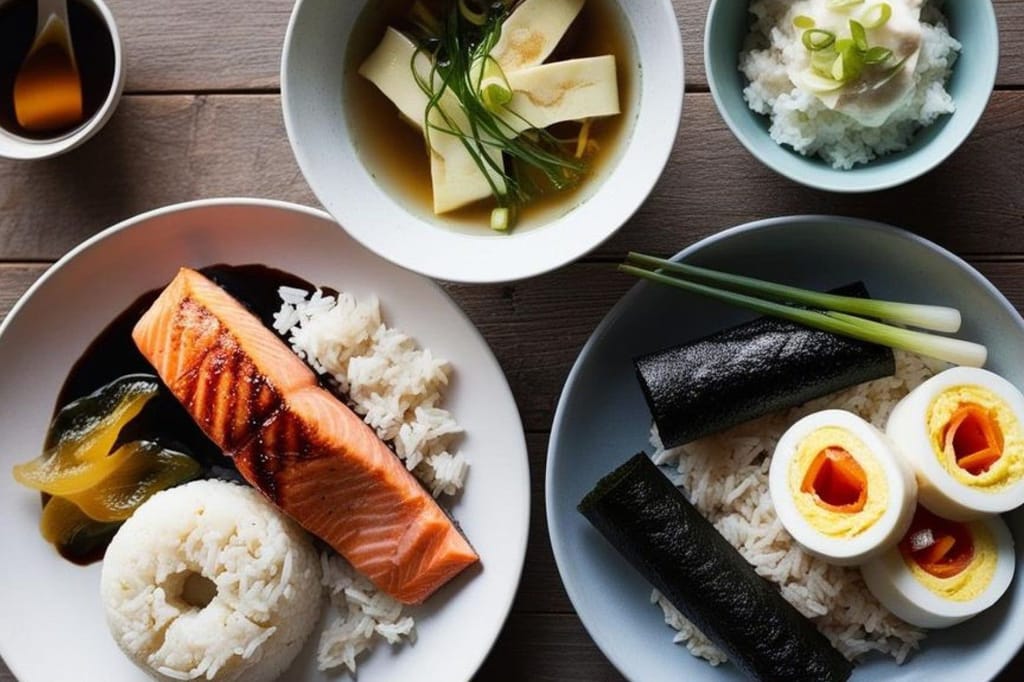
Japanese breakfast recipes centre around steamed rice, miso soup, fish, pickles or natto and can be paired with a refreshing cup of green tea. It’s an umami-rich, nutrient-dense culinary experience that, when executed well, can also have numerous health benefits such as boosted digestion, energy, focus, longevity and a feeling of contentment and wellbeing.
A traditional Japanese breakfast, known as ‘Asagohan,’ is a commonly used term that literally translates to 'morning rice' or 'morning meal.'
Beyond famously being built upon the simple foundation of steamed rice, asagohan is a thoughtfully composed meal built up with miso soup, protein like grilled fish or eggs, and a colourful assortment of side dishes.
One should consider balance, with textures that range from soft rice to crisp pickles in order to create a sensory mix that both awakens the palate and rouses the gut functioning in time for the day’s outset.
It is worth noting here that there is also a formal term given to breakfast, ‘Choushoku,’ used in contexts like menus, hotels, or when otherwise referring to breakfast in an official manner. But ‘Asagohan’ and ‘Choushoku’ essentially both mean breakfast in Japanese.
How to prepare a Japanese Breakfast
In small portions, white rice is the usual base for a Japanese breakfast, served warm. A deep ceramic rice bowl is ideal to use here. It holds heat and keeps portions neat and conservative, while also adding a beautiful presentation.
Alongside the rice, you may find a bowl of miso soup. Far from a side note, this soup is the heart of the breakfast. Using Shiitake Mushroom Oil by Algae Cooking Club alongside your favourite miso paste gives you a quick, fermented stock loaded with natural probiotics and B vitamins. Add tofu, seaweed and a handful of greens if it is to your taste.
Protein portion
Protein usually comes from grilled salmon or mackerel, or from egg dishes like tamagoyaki or Onsen Tamago.
Another traditional dish, Tamago Kake Gohan, consists of raw egg cracked over hot rice with a splash of soy sauce. The heat from the rice often cooks the egg slightly, creating a creamy texture.
Small sides
Then come the small dishes. Tsukemono pickles, salty plums, shaved radish, or cucumber, offer tang and crunch. Natto, the fermented soybean classic, is not for everyone, but packs serious gut benefits. Nori seaweed gives the salty mineral hit. And kobachi, which are tiny plates of cooked greens or simmered veg, add fibre.
A note on cookware
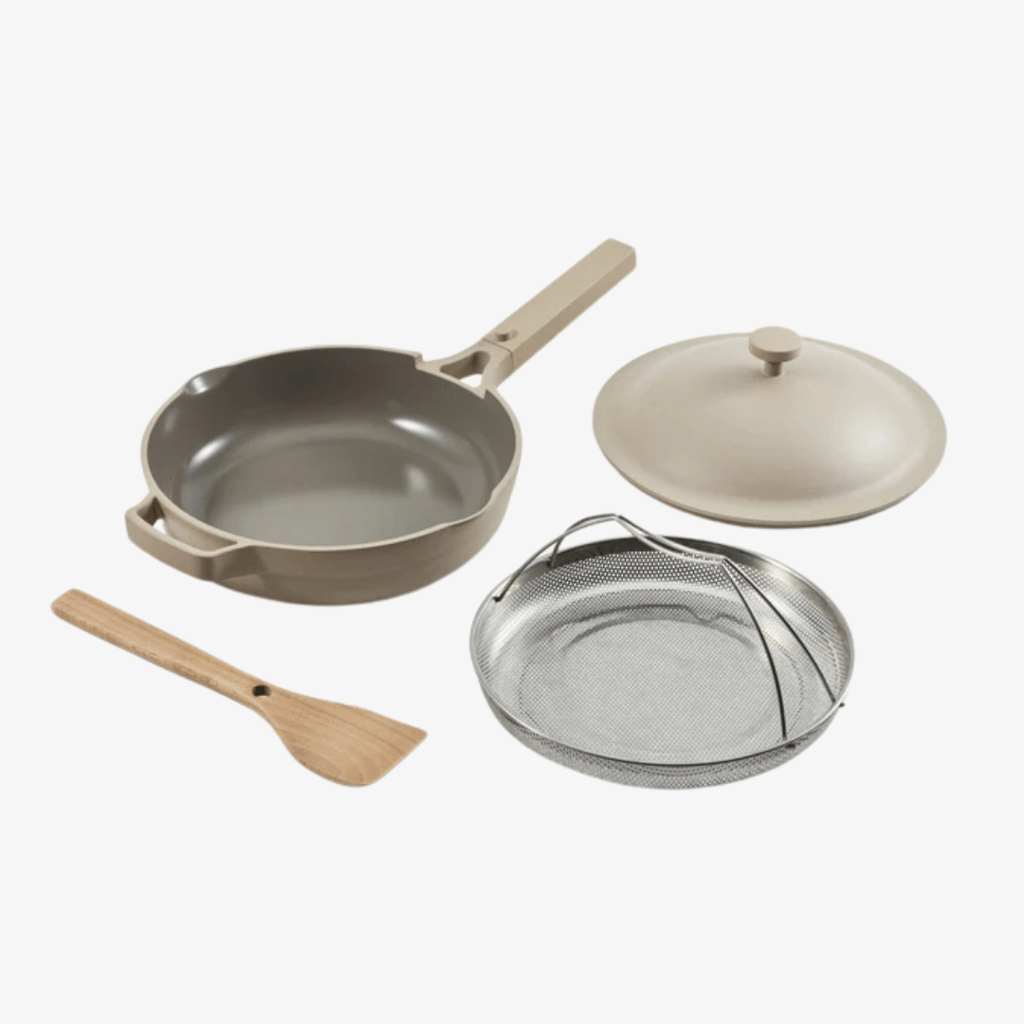
To cook without exposure to toxins, use clean cookware. Steaming is popular in Japanese cooking, and using Cookware Duo - Steam by Our Place is the perfect way to serve up fresh, nutrient-dense portions, without excessively stripping away chlorophyll or minerals in the cooking process.
What’s to drink?
Green tea, traditionally poured last, adds antioxidants and focus. While matcha is indeed central to Japanese tea ceremonies, it is also enjoyed in other ways, including as a special treat and in desserts. Yet, matcha is not so widely recognised as a drink to accompany a breakfast meal as compared to loose leaf green tea (including sencha or bancha tea).
A sweet touch
While less traditional than the savoury component, seasonal fruit, such as sliced banana or persimmon, might finish the meal.
Not every Japanese breakfast includes every component. Some mornings call for simplicity, such as rice with miso soup and one or two sides, while others might feature a fuller, more elaborate selection.


Health benefits you can feel
Improved digestion
The fibre and probiotics in miso, natto, and seaweed feed gut flora and keep digestion moving. A bowl of miso not only sets a savoury tone but supports gut function from the first spoonful.
Blood sugar and controlled energy release
Pairing rice with protein and veg may help to prevent blood sugar spikes. When served in a traditional rice bowl, you naturally stick to smaller, more balanced portions. This supports longer lasting satiety and more consistent energy across the day.
Lower blood pressure
Vegetables and seaweed provide potassium and magnesium, both linked to healthier blood pressure. These ingredients are typical of the Japanese table and do not rely on high sodium and processed foods.
Heart health and anti-inflammation
Oily fish and plant-based extras bring omega 3s and antioxidants into the mix. Add green tea here to offer a clean hit of catechins that support cardiovascular wellbeing.
Chronobiology and wake-up routine
This type of breakfast is high in protein and low in refined sugar, which helps you start the day with real fuel. Research links traditional Japanese breakfasts with earlier wake up times and better long-term meal habits.
Cognitive clarity and longevity
Diets based on the Japanese model are associated with sharper cognition, thanks to omega 3 fatty acids, antioxidants and nutrient variety. This is inclusive of traditional Japanese breakfast meals. And those following this approach also show reduced age-related brain shrinkage.
The science behind the benefits
A study tracking over 4,000 Japanese adults found a clear link between eating traditional breakfast foods and improved nutritional intake, particularly in protein, fibre and essential micronutrients. These individuals also snacked less during the day and reported greater amounts of energy. It was also suggested by the authors of the study that Japanese breakfast food promotes healthy eating habits such as avoiding eating irregularities, less snacking and not drinking sweetened beverages.
Other studies suggest that this style of breakfast aligns better with our circadian rhythm. To quote the conclusion of one study: “Eating at inappropriate times can disrupt the alignment of circadian rhythms in different bodily tissues.”
Furthermore, larger global health studies show that populations with traditional Japanese dietary habits tend to have lower rates of cardiovascular disease and live longer, healthier lives.
Where to go for Japanese Breakfast in London
How to make your own Japanese Breakfast at home
- Cook rice the night before and reheat safely in a covered bowl.
- Make a quick miso broth using miso paste. Stir it into hot dashi (traditional stock) or plain water, add tofu and seaweed, and pour into a small bowl.
- Grill salmon or make Japanese omelette slices.
- Serve with pickles and a spoon of natto if you want more gut support.
- Add a kobachi style veg plate: think spinach with sesame or lightly simmered daikon (raddish).
- Brew Sencha (loose leaf green tea) by Rishi Tea and sip while you eat.
Tips to make it work for you
- Batch prep: If you want to make your breakfast last throughout the week, try storing cooked rice and miso soup in airtight containers to use over several days.
- Be flexible: If you don’t eat fish, focus on eggs or tofu for the protein element. If you are not a fan of natto (it’s an acquired taste), add kimchi or cooked greens for a similar effect.
- Keep it small: You don’t need every single dish component. Choose three or four options and rotate them.
- Make it intentional: Presentation is key to any Japanese meal. Carefully plate up and give the food a delicate and deliberate aesthetic. Remember to give it some charm and use your favourite ceramic pieces.
Final thoughts
A Japanese breakfast is more than just a meal. It’s an act of care for the body and sets you up for the day ahead. Through gentle and subtle balances, it provides slow release energy via protein, steadies your focus and supports the gut and the heart.
Make it yours
Take inspiration from this balanced meal. Feel free to adapt it to your dietary needs and flavour preferences. Make it yours, take your time to present it beautifully for yourself and enjoy the calm that comes from starting the day with a few good things on one simple plate.
Shop EAT at Healf and get everything you need to step up your mornings, naturally.

References:
1. https://www.bbcgoodfood.com/health/nutrition/health-benefits-miso
2. https://www.sciencedirect.com/science/article/abs/pii/S0924224423000821
3. https://www.tokyolocalized.com/post/what-do-the-japanese-eat-for-breakfast
4. https://www.japan-guide.com/e/e2349.html
5. https://pmc.ncbi.nlm.nih.gov/articles/PMC2722699/#:~:text=All% 20cooking%20treatments%2C%20except%20steaming%2C%20caused%
20great%20losses%20of%20chlorophyll,stir%2Dfry/boil%20cooking
6. https://pmc.ncbi.nlm.nih.gov/articles/PMC2748751/
7. https://www.japan-guide.com/e/e2347.html
8. https://pmc.ncbi.nlm.nih.gov/articles/PMC9505718/
9. https://pmc.ncbi.nlm.nih.gov/articles/PMC3489574/
10. https://pmc.ncbi.nlm.nih.gov/articles/PMC7345263/
11. https://pmc.ncbi.nlm.nih.gov/articles/PMC7049091/
12. https://pmc.ncbi.nlm.nih.gov/articles/PMC9455950/
13. https://pmc.ncbi.nlm.nih.gov/articles/PMC9805113/
14. https://pmc.ncbi.nlm.nih.gov/articles/PMC9740526/
This article is for informational purposes only, even if and regardless of whether it features the advice of physicians and medical practitioners. This article is not, nor is it intended to be, a substitute for professional medical advice, diagnosis, or treatment and should never be relied upon for specific medical advice. The views expressed in this article are the views of the expert and do not necessarily represent the views of Healf
Pippa is a content writer and qualified Nutritional Therapist (DipNT) creating research-based content with a passion for many areas of wellbeing, including hormonal health, mental health and digestive health.
As a contributor to The Healf Source, she regularly attends seminars and programmes on a plethora of contemporary health issues and modern research insights with a drive to never stop learning. In addition, interviewing experts and specialists across The Four Pillars: EAT, MOVE, MIND, SLEEP.
In her spare time, she is an avid swimmer, mindfulness and yoga lover, occasionally bringing a raw, honest approach to the topics she faces. You may also discover some personal accounts of eye-opening wellbeing experiences amidst the reality of a disorientating, and often conflicting, modern wellbeing space.