





































How M&S’ Only… Ingredients Range Is Making Us Rethink Food Labels
The minimal-ingredient movement is going mainstream. Here’s what their expanded range gets right and why simpler labels are a big win for the wellbeing world.

Written by: Samantha Nice
Written on: 6 January 2026
If you’ve found yourself paying closer attention to food labels lately, you’re not alone. Ingredient lists are firmly in the spotlight and M&S is very much leading the conversation.
It’s not the first time the brand has explored minimal-ingredient products, but this latest expansion feels particularly well-timed. It taps into a growing shift away from ultra-processed overload and towards food that feels more transparent, familiar and trustworthy. In a world where long ingredient lists have become the norm, simplicity suddenly feels radical.
Last year, M&S launched its Only… Ingredients range with a small edit of products like date bars, corn flakes and a handful of cereals. Now, it’s expanded again to include things like sausages, beef burgers, olive oil mayo and even an eight-ingredient ketchup. Unsurprisingly, it’s all over social feeds.
The idea is refreshingly simple - food made with fewer ingredients, fewer additives and labels you can actually understand. No decoding. No guessing.
But what does “minimal ingredients” really mean from a nutrition point of view? Is fewer always better? And how much does reading labels actually matter for everyday health? To get a clearer picture, we asked registered dietician Nichola Ludlam-Raine and author of How Not to Eat Ultra-Processed to break down what’s behind the hype, why this move makes sense right now and how ranges like Only… Ingredients could change the way we shop for the better.
What does “minimal ingredients” actually mean?
“From a nutrition perspective, ‘minimal ingredients’ generally means a food is made with a small number of recognisable ingredients, often ones you’d reasonably use at home (e.g. flour, eggs, oil, salt),” explains Nichola. In practical terms, this often signals a move closer to how food would be prepared in a domestic kitchen rather than a factory.
“It usually indicates less industrial processing, fewer additives (like colours, flavourings and emulsifiers), and a composition closer to whole or minimally processed foods,” she adds. Importantly, Nichola is clear that this isn’t about eliminating ingredients for the sake of it. “It’s not about being ‘added ingredient-phobic’ but about simplicity and transparency.” The goal is understanding what you’re eating… not chasing perfection.
Why long ingredient lists often raise questions
“Long ingredient lists aren’t automatically unhealthy,” Nichola says, “but they can signal ultra-processing, where foods are heavily engineered rather than just cooked.” These foods are often designed to last longer on shelves and taste consistently appealing.
“They can also indicate higher levels of salt, sugar and refined fats used to enhance taste and shelf life,” she explains, alongside additives such as emulsifiers and sweeteners. Some of these ingredients are now being studied for their potential impact on gut health when eaten frequently and in large amounts.
Another reason long ingredient lists matter is behavioural. “Foods like this are often easier to overeat because they’re designed to be hyper-palatable,” Nichola notes. That said, she stresses the importance of nuance. “Like with everything, context matters and fortified foods or allergy-safe products may need longer lists for good reasons,” she adds.
Why ingredient lists are under the microscope right now
So why does it feel like everyone’s reading labels right now? “There’s growing public awareness around ultra-processed foods (UPFs) and their links with poorer cardiometabolic health, gut health and weight gain when consumed in large amounts at the expense of more nutritious foods,” Nichola explains. This shift has been fuelled by a mix of research, public health messaging and cultural conversation.
“Social media, books and clearer public health messaging have encouraged people to look beyond calories and ask how food is made, not just what it contains nutritionally,” she adds. In that context, ranges like Only… Ingredients feel less like a trend and more like a response to how people already want
to shop.
So, is fewer ingredients always better?
While simplicity can be helpful, Nichola is careful to avoid absolutes. “Fewer ingredients isn’t always ‘better’ by default,” she explains. In some cases, additives play an important role. “Preservatives can improve food safety, stabilising ingredients are often needed in plant-based milks, and fortification (like iodine, iron or vitamin D) can be nutritionally beneficial.”
The key distinction is intent. “Additives used for safety or nutrition are very different from those used purely to mimic texture or intensify flavour to encourage over-consumption,” Nichola says. This is where understanding labels, rather than fearing them becomes empowering.
How to read a food label without overthinking it
For anyone feeling overwhelmed by labels, Nichola’s advice is refreshingly practical. “I advise people to start with the ingredient list, not just the traffic-light label,” she says. Look for ingredients you recognise, listed in a logical order and be mindful of repeated forms of sugar, salt or refined starches.
For fair comparisons between products, she recommends checking nutrition information per 100g and above all, zoom out a little. “Consider the food in the context of your whole diet, not in isolation,” she adds. No single ingredient list tells the full story on its own.
Why simpler ingredients can support gut health and energy
Beyond transparency, there are a few physiological reasons simpler foods tend to work better for many people. “Diets centred on simpler, less processed foods tend to be higher in fibre, polyphenols and micronutrients, which support gut bacteria diversity,” Nichola explains. This diversity is increasingly linked to better digestion, immunity and metabolic health.
Reducing reliance on ultra-processed foods may also help regulate how we feel day to day. “It can help stabilise energy levels, appetite regulation and overall dietary quality, particularly when those foods are replaced with whole or minimally processed options, rather than simply removed.”
Why the M&S Only… Ingredients range works
This is where M&S’s approach really stands out. “The Marks & Spencer Only… Ingredients range removes the guesswork,” Nichola says. Instead of decoding labels aisle by aisle, shoppers get a clear signal upfront. “By clearly signalling foods made with just a few ingredients, it helps shoppers make quicker, more confident choices,” she explains. That simplicity really matters, especially for busy families or anyone trying to reduce ultra-processed foods without completely overhauling how they eat.
Where nuance still matters
Even with a strong concept, Nichola is careful to keep expectations real. “It’s a relatively positive step forward,” she says, “but it’s still important to remind shoppers that ‘minimal ingredients’ doesn’t automatically mean nutritionally better.” Portion size, frequency and balance still count. She also points out that longer ingredient lists aren’t inherently bad. “Some excluded foods with longer ingredient lists can still play a role in a healthy diet (healthier UPFs, for example) and others in moderation.” Clear education alongside ranges like this helps avoid oversimplification.
Is this a sign supermarkets are finally listening?
For Nichola, this launch reflects a broader shift in how food brands are responding to consumers. “It reflects a shift towards transparency, trust and simplicity, rather than just convenience,” she says. Shoppers increasingly want foods that feel closer to real cooking, even when buying ready-to-eat options.
What should come next?
There’s plenty of scope for expansion. “I’d love to see the Only… Ingredients concept expand into bread and wraps, sauces and cooking pastes like curries or stir-fry sauces, and easy, on-the-go, pre-prepped meals,” Nichola says. These are also categories where ingredient lists are often longest and hardest to interpret.
Minimal-ingredient picks we love at Healf
Reading labels is one thing but finding food that actually lives up to them is another. Here are some of our favourite Healf-approved products that keep ingredients short, recognisable and purposeful. These are foods where nothing feels unnecessary and every ingredient earns its place.
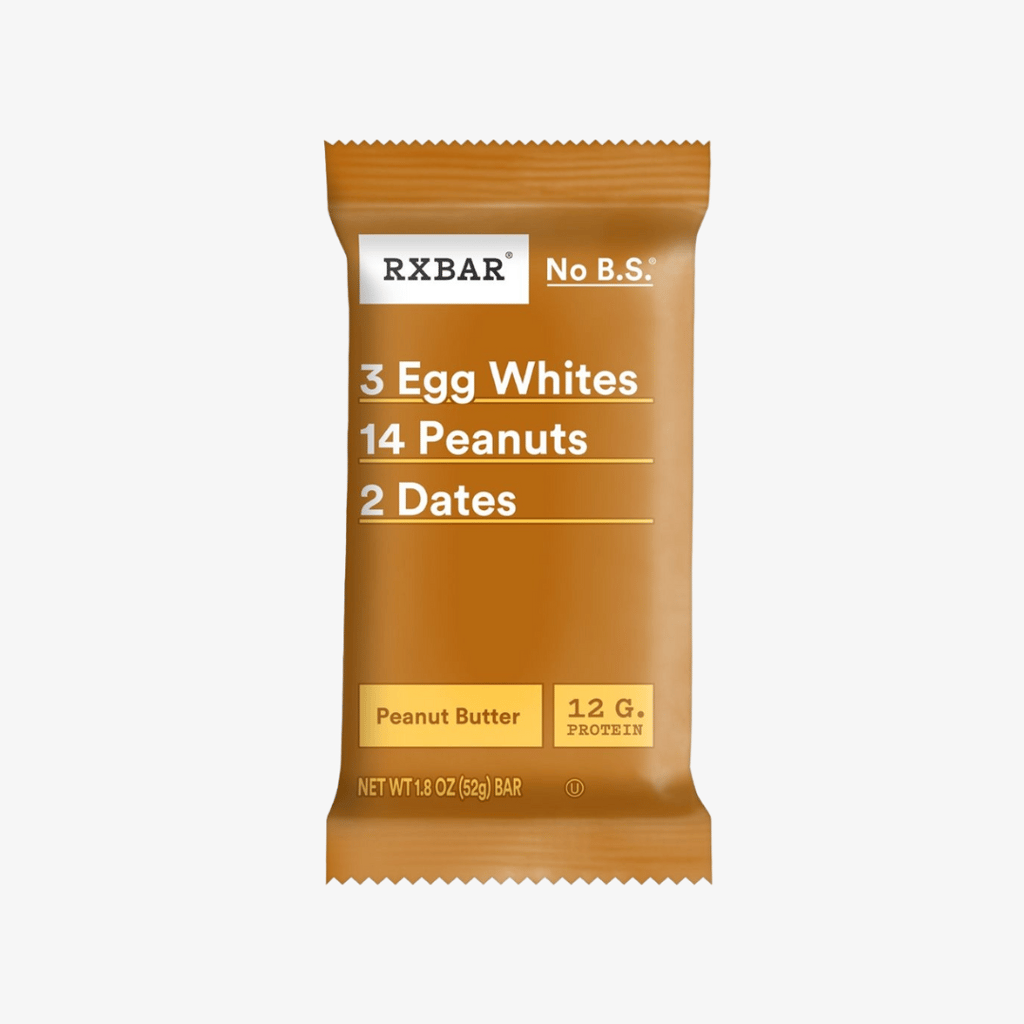
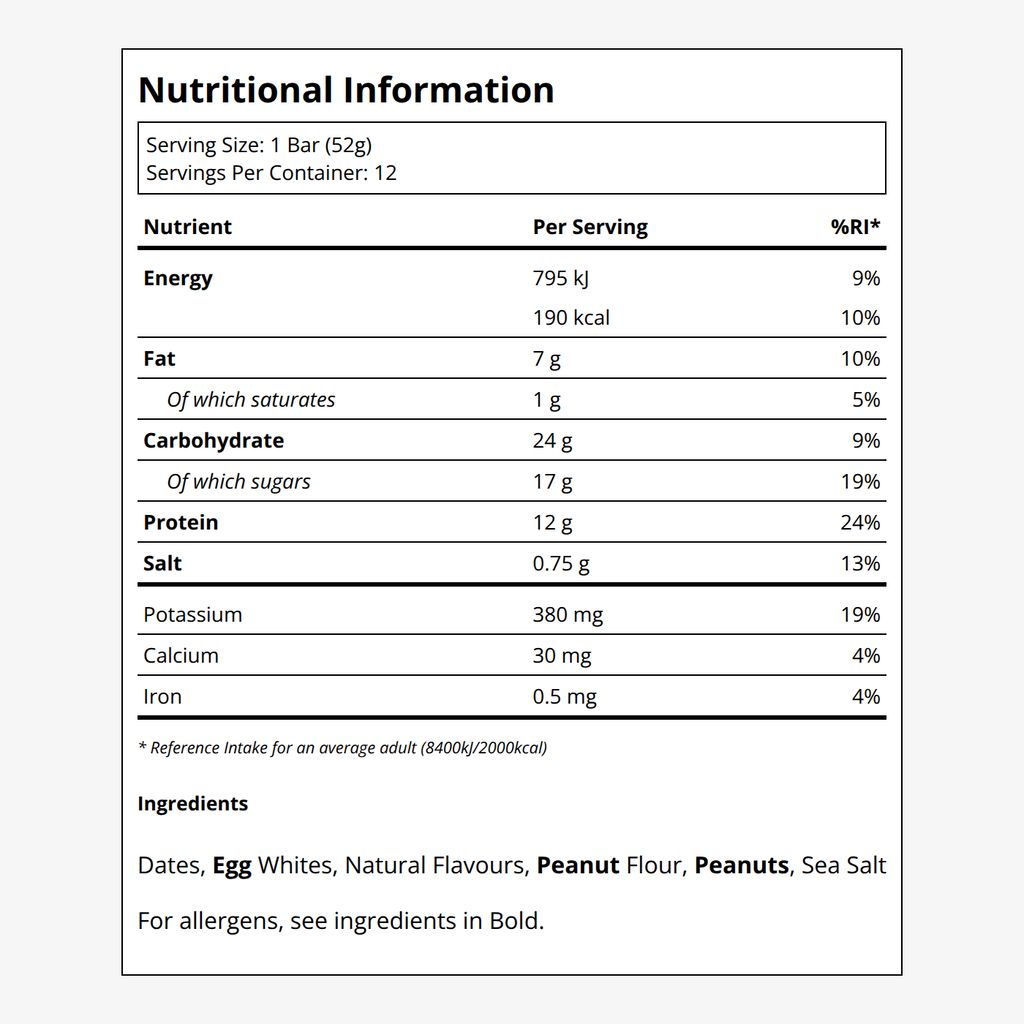
RXBAR Peanut Butter Chocolate Bar
Ingredients: Dates, peanuts, egg whites, chocolate, peanut flour, natural flavours, sea salt, milk, cocoa
RXBAR is often held up as the gold standard for transparent labelling. With dates as the base, egg whites for protein and peanuts for healthy fats, it delivers 12g of protein using ingredients you can actually pronounce.
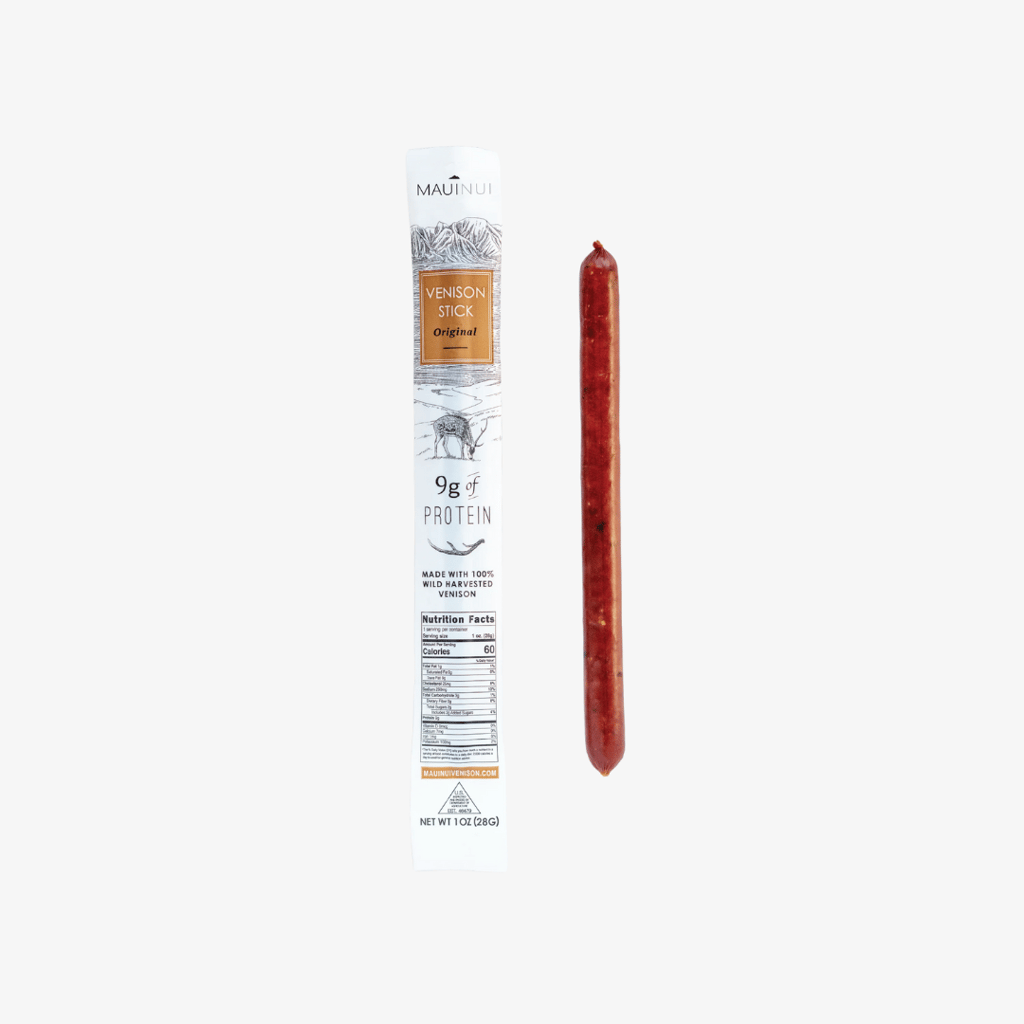
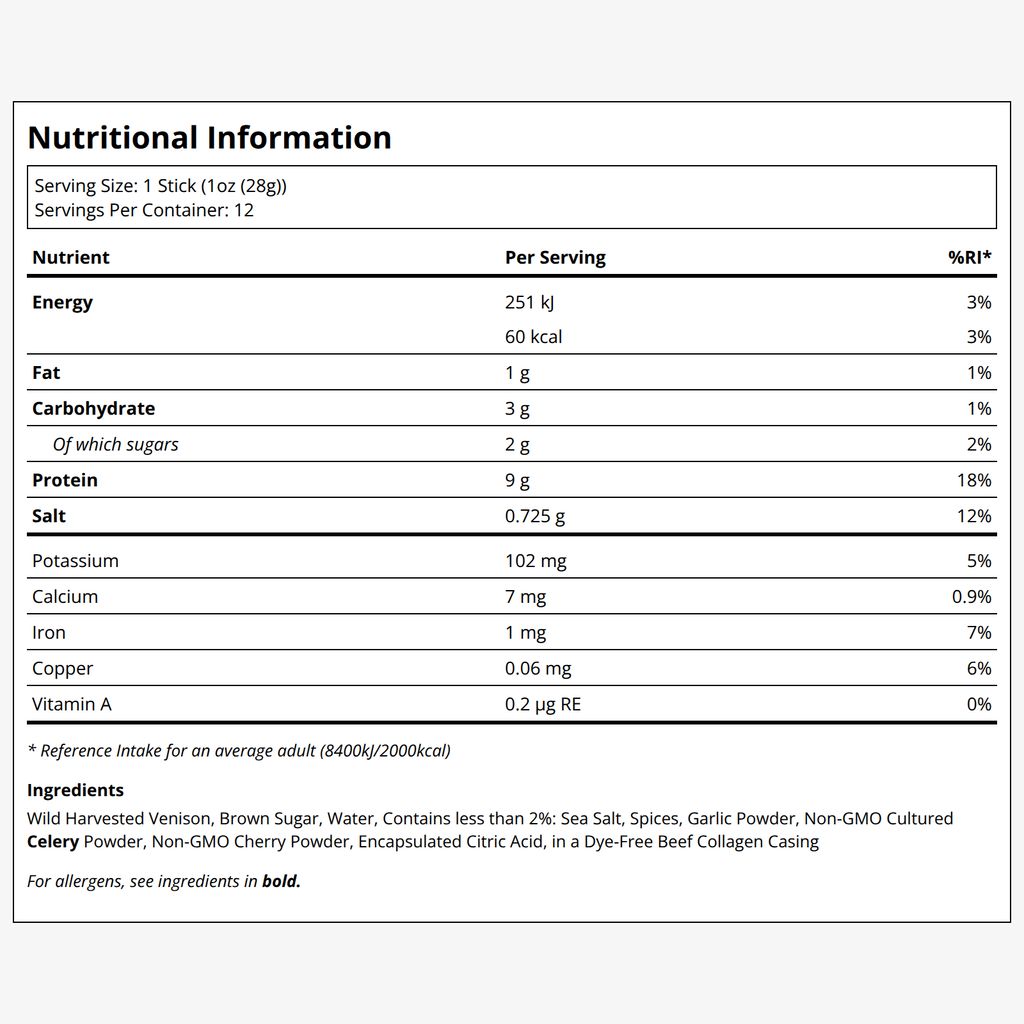
Maui Nui All Natural Venison Jerky
Ingredients: Wild harvested venison, brown sugar, water, sea salt, spices, garlic powder, cultured celery powder, cherry powder, encapsulated citric acid (collagen casing).
Everything here serves a clear purpose. Wild-harvested venison offers a lean, nutrient-dense protein source and natural curing agents replace artificial preservatives. These are a great on-the-go savoury snack that will stop you reaching for a more processed protein hit.
KAICAO 70% Cacao Chocolate Bar with Lion’s Mane
Ingredients: Organic cocoa beans, dates powder, cocoa powder, lion’s mane powder.
This is a functional chocolate bar done properly. KAICAO keeps things super simple, pairing high-quality cacao with dates for sweetness and lion’s mane for a daily cognitive boost.
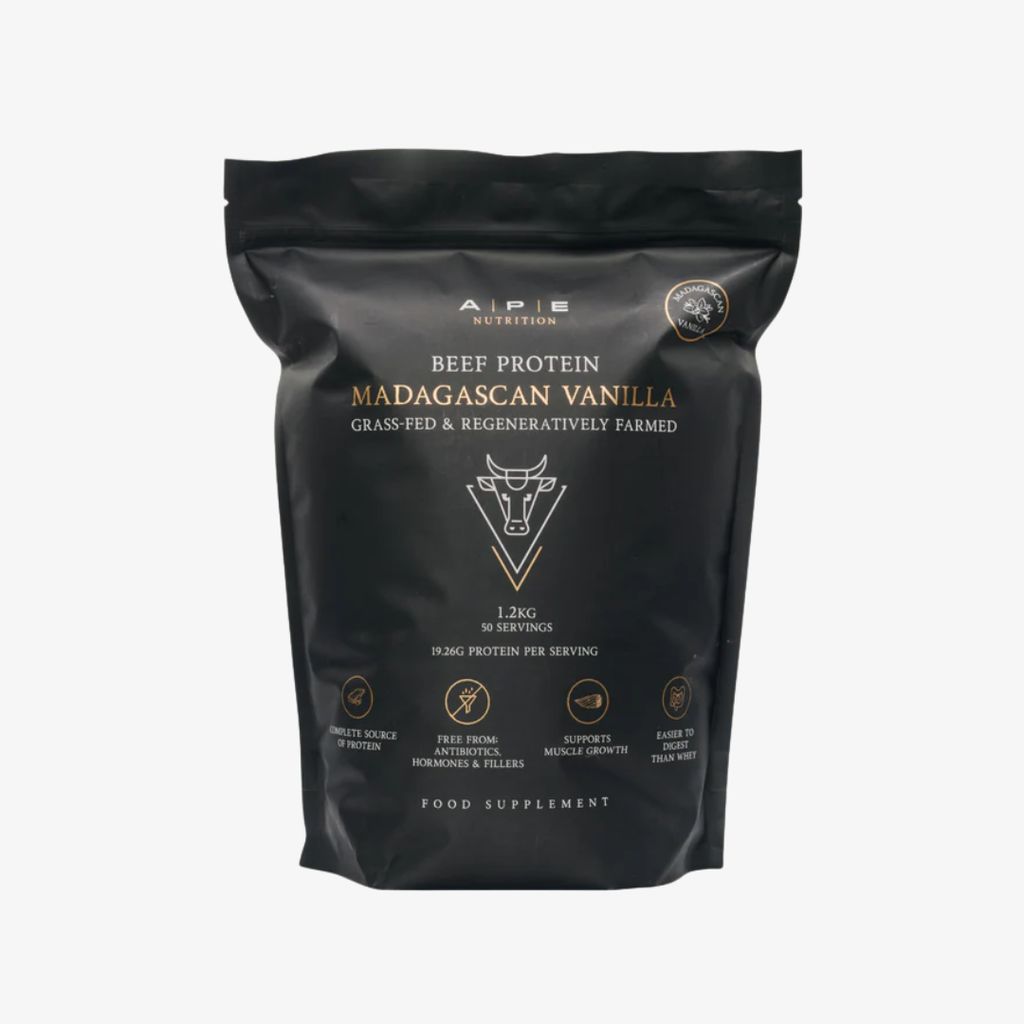
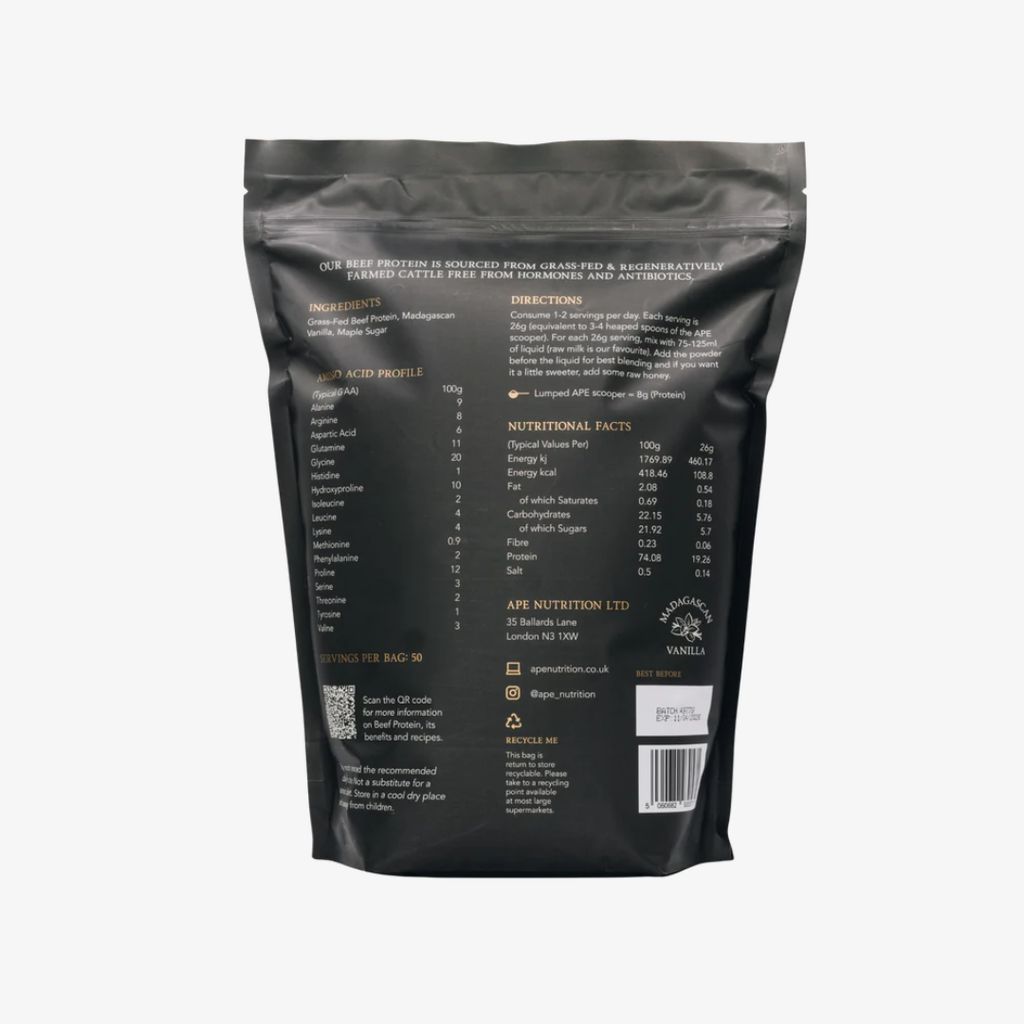
APE Nutrition Grass-Fed Beef Protein (Madagascan Vanilla)
Ingredients: Grass-fed beef protein, Madagascan vanilla, organic maple sugar.
Protein powders are often ingredient-heavy, which is why APE stands out. This one uses grass-fed beef protein as its base, lightly sweetened with organic maple sugar and flavoured with real vanilla… nothing artificial and nothing extra.
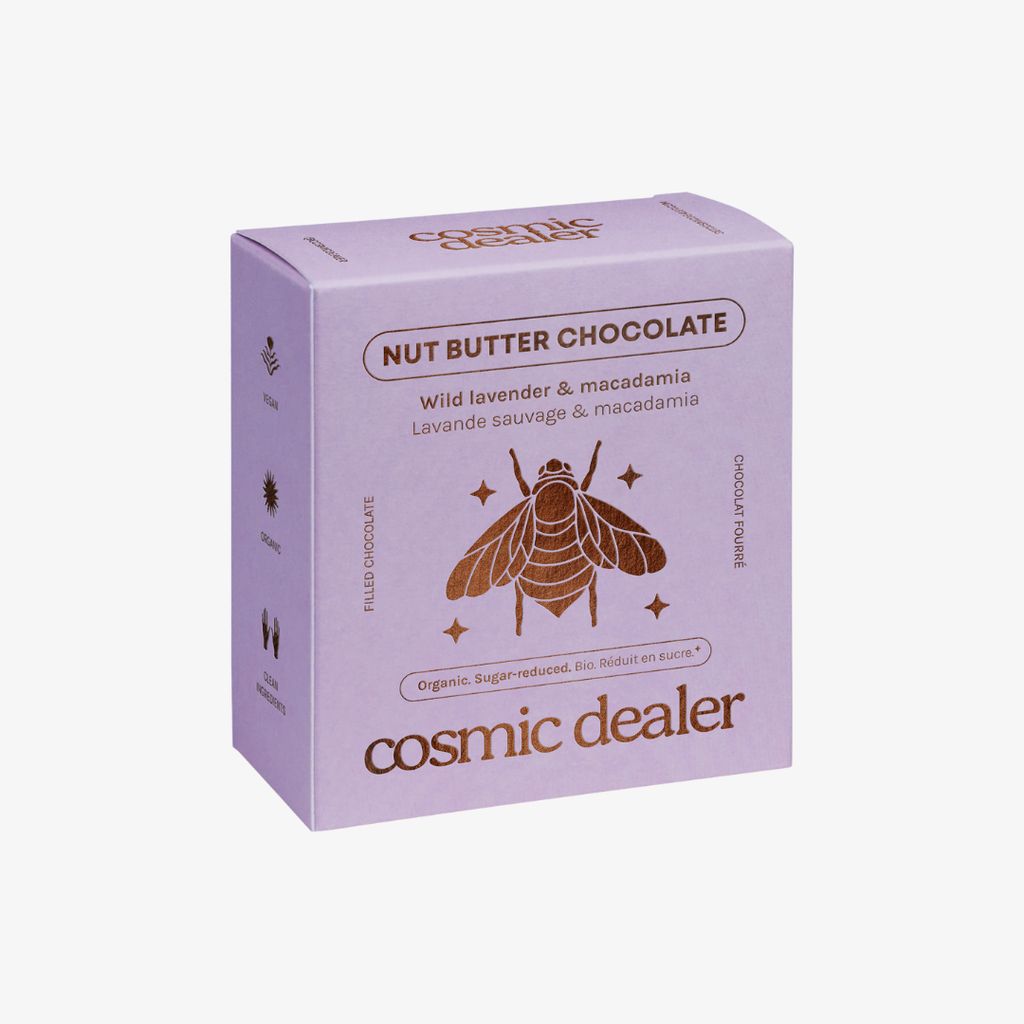
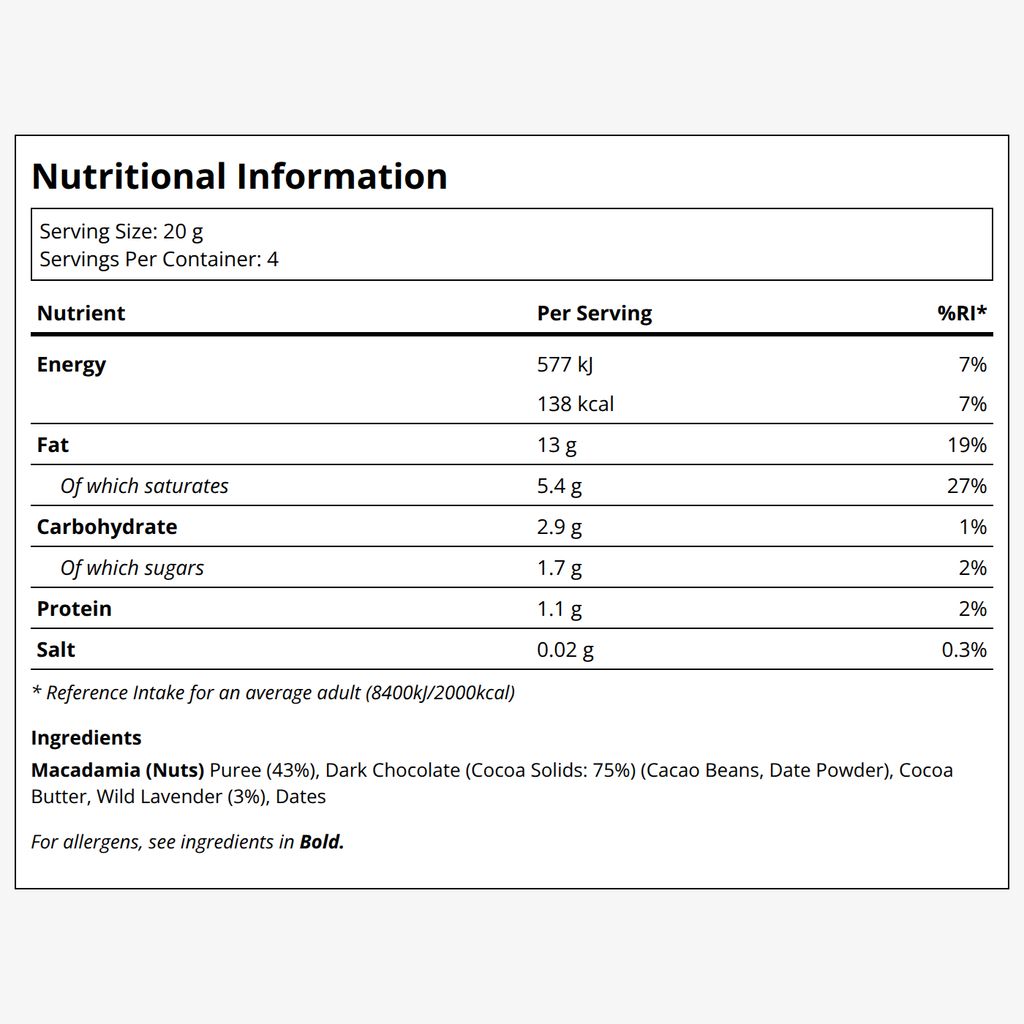
Cosmic Dealer Wild Lavender & Macadamia Chocolate
Ingredients: Macadamia nut purée, dark chocolate (cacao beans, date powder), cocoa butter, wild lavender, dates.
A more indulgent option, but still impressively clean. Creamy macadamias, naturally sweetened chocolate
and a subtle floral note from wild lavender make this feel elevated without relying on long ingredient lists.
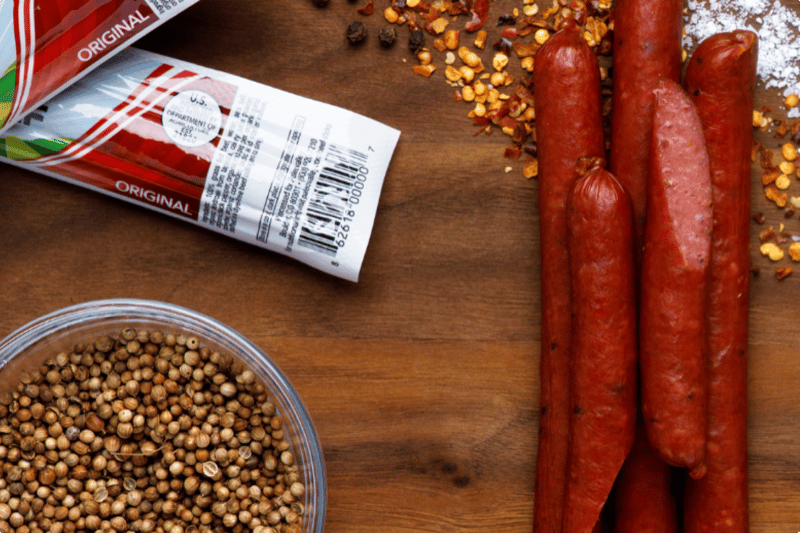
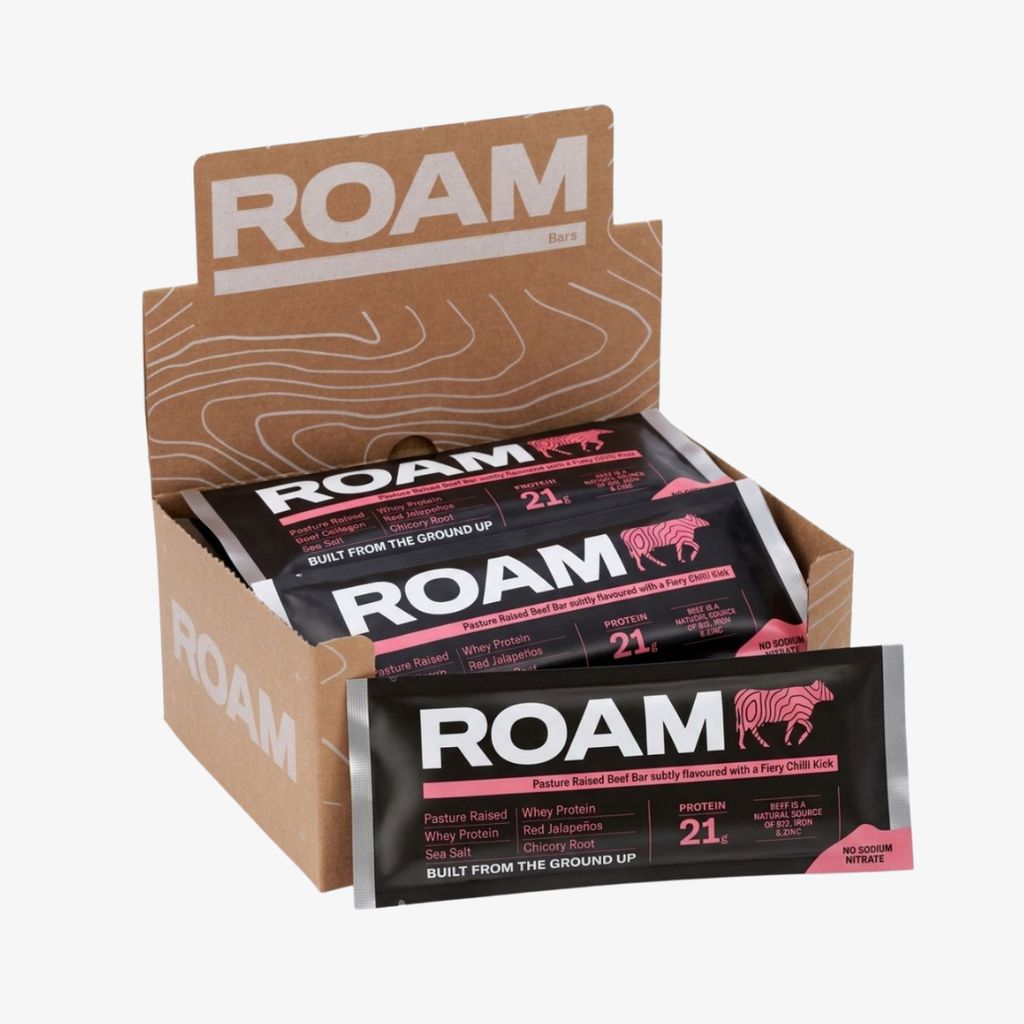
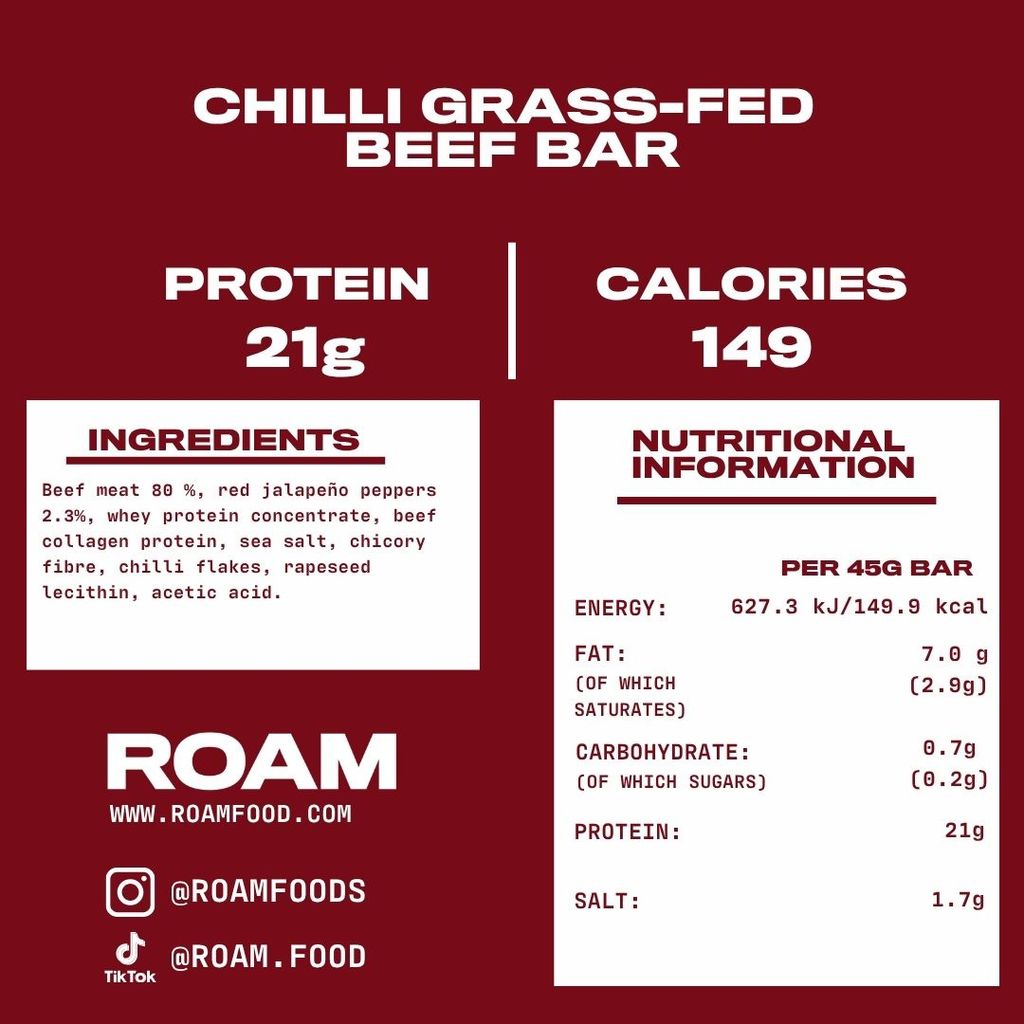
Ingredients: Grass-fed beef, red jalapeños, whey protein concentrate, chicory root fibre, sea salt.
A savoury snack with a short, functional ingredient list. Grass-fed beef provides protein, chicory root fibre adds prebiotic support and jalapeños bring heat… all without preservatives or ultra-processed fillers.
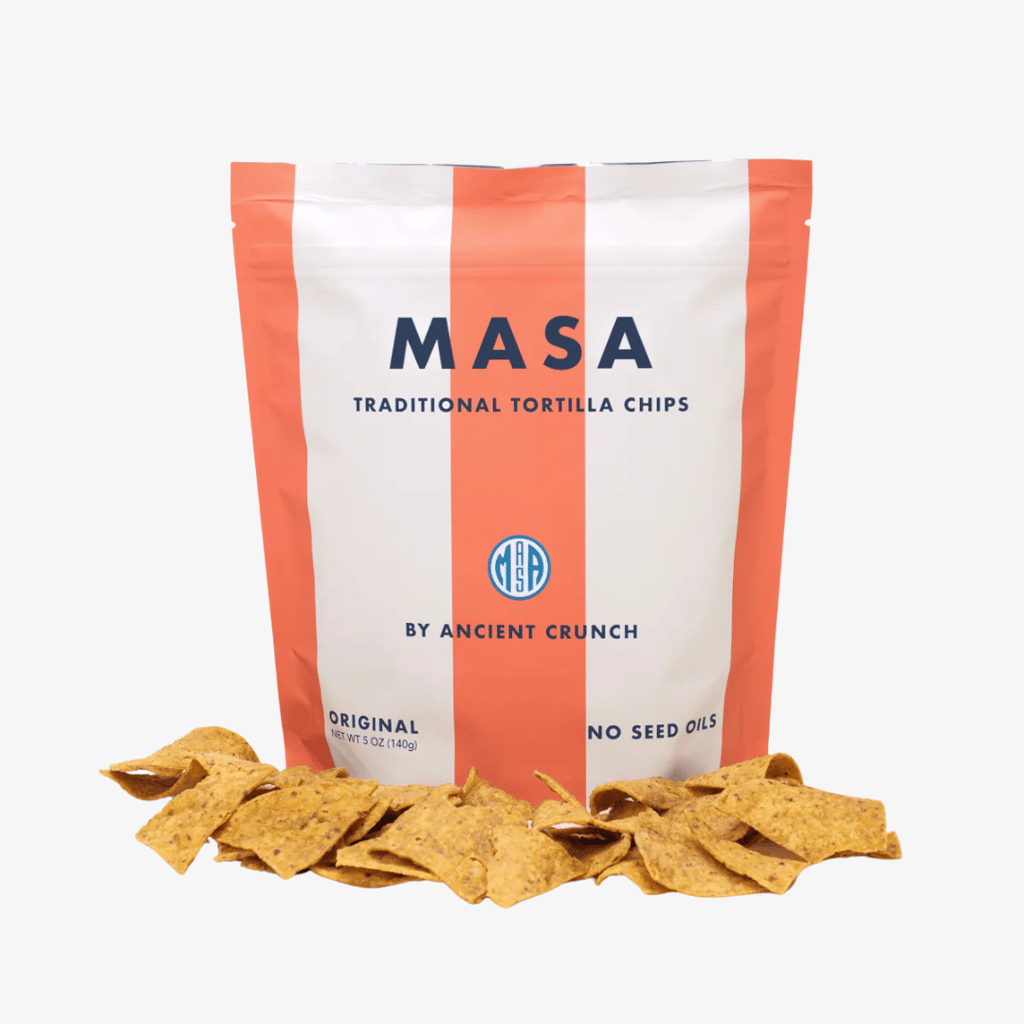
MASA Ancient Crunch Tortilla Chips (Original)
Ingredients: Organic corn, 100% grass-fed beef tallow, sea salt.
These chips are a great example of how simple ingredients can still deliver flavour. Organic corn, traditional beef tallow and salt… that’s it. No seed oils, no stabilisers, no flavour enhancers.

Organic Protein Company Organic Whey Protein (Madagascan Vanilla)
Ingredients: Organic whey protein concentrate, unrefined organic coconut sugar, ground organic Bourbon vanilla pods.
A straightforward whey protein that focuses on quality over complexity. Organic milk-derived protein, lightly sweetened with coconut sugar and flavoured with real vanilla, this is ideal for those wanting a clean, no-frills option.




This article is for informational purposes only, even if and regardless of whether it features the advice of physicians and medical practitioners. This article is not, nor is it intended to be, a substitute for professional medical advice, diagnosis, or treatment and should never be relied upon for specific medical advice. The views expressed in this article are the views of the expert and do not necessarily represent the views of Healf
Samantha Nice is a seasoned wellness writer with over a decade of experience crafting content for a diverse range of global brands. A passionate advocate for holistic wellbeing, she brings a particular focus to supplements, women’s health, strength training, and running. Samantha is a proud member of the Healf editorial team, where she merges her love for storytelling with industry insights and science-backed evidence.
An avid WHOOP wearer, keen runner (with a sub 1:30 half marathon) hot yoga enthusiast and regular gym goer, Samantha lives and breathes the wellness lifestyle she writes about. With a solid black book of trusted contacts (including some of the industry’s leading experts) she’s committed to creating accessible, well-informed content that empowers and inspires Healf readers.
_2026-10-13_14-11-48.png)