







































_2026-10-13_14-11-48.png)


Fibre-Maxxing Is Trending Again, But Is It A Real Thing?

Written by: Pippa Thackeray
Written on: 7 October 2025
Fibre-maxxing is the gut health TikTok trend of the moment, promising smoother digestion and even better focus, but is it legit?
What fibre-maxxing actually means
At its simplest, you double down on foods that deliver fibre in pretty high doses.
Think fruit, vegetables, beans, lentils, whole grains, nuts and seeds. Some influencers like to remind us that potatoes with the skin on count too. Others add powders like psyllium or inulin to close the gap between what they eat and the levels of fibre they want to hit each day.
Why fibre is having a moment
With all the focus seemingly on macronutrients, sometimes fibre gets unfairly pushed aside in its nutritional importance.
According to the UK Government’s Scientific Advisory Committee (SACN), diets higher in fibre are linked with lower risks of heart disease, stroke, type 2 diabetes and colorectal cancer.
The meta-analyses reviewed in the report show roughly a 9% reduction in cardiovascular disease risk for every 7 grams of fibre consumed daily, with the greatest benefits observed at intakes around 30 grams per day.
Fibre and the gut, the full story
Fibre is one of the most important reasons to eat more plants.
It is a type of carbohydrate that the body cannot digest in the small intestine, so it passes into the large intestine where it continues to act.
Here, it ferments to form short chain fatty acids that help maintain the gut lining and reduce inflammation.
It also works as a prebiotic, feeding beneficial gut bacteria that influence digestion, immunity and mood. Fibre helps move waste efficiently through the bowel, supports the body’s natural detoxification processes and relieves constipation.
There are two main types, and both are essential.
- Soluble fibre is found in unpeeled fruit and vegetables, oats, beans and lentils. It swells in water and ferments in your large intestine to form a soft gel that slows digestion, helping you feel full for longer while softening the stool.
- Insoluble fibre is found in whole grains, nuts, seeds, brown rice and potatoes with the skin on. It doesn’t dissolve in water. But it adds bulk, keeping the digestive system moving and easing the elimination of stool.
Fibre, intestinal health and immunity
Fibre plays an essential role in protecting the gut’s natural defences. It fuels beneficial bacteria and helps maintain the mucus layer that shields the colon wall.
When fibre intake falls too low, that delicate balance can change quickly.
Research shows that even short periods on a low fibre diet can disrupt gut health.
Beneficial bacteria decline, the mucus layer thins, and harmful microbes can reach the intestinal lining. Over time, this can increase inflammation and weaken the gut barrier.
Fibre to support blood sugar
What’s more, fibre supports balanced blood sugar levels, especially when it comes from whole, unprocessed sources.
In a clinical trial, adults with type 2 diabetes followed a diet rich in minimally processed wholegrains such as intact oats, brown rice and wholegrain bread.
After two weeks, participants recorded steadier blood glucose levels than those eating refined carbohydrates.
So it can be taken that the closer a food is to its natural form, the slower its carbohydrates are digested. That means fewer spikes and crashes, steadier energy and less strain on the body’s metabolic systems.
Fibre to feel fuller for longer
Foods that need chewing give the brain time to register fullness, which helps prevent overeating.
Also, by slowing the release of sugars, fibre also protects the liver from overload and supports its function, lowering the risk of non-alcoholic fatty liver disease.
Aren’t all plants good for fibre?
Data from the University of Michigan reflects just how much fibre content varies between food. It presents a good case for the fibre-maxxer influencers out there and as a simple reminder that not all plants are made equal when it comes to fibre content:
The fibre intake gap
Public health advice sets the target at 30 grams a day for adults, yet most of us in the UK average closer to 20.
Nutritionists such as Rhiannon Lambert see the 30 figure as a helpful guide rather than a fixed rule. For anyone unused to a high fibre diet, 30 grams can feel ambitious at first, but it is also unhelpful to suggest that 30 grams is a limit. If you can tolerate it, why not go for more?
Rhiannon’s other suggestions are to build gradually, drinking plenty of water and aiming for a wide variety of sources.
Adding in fibre, when to be careful
Some fibres irritate the bowel in people with IBS or IBD because they are highly fermentable, leading to gas and bloating. Different types of fibre have varying effects; for instance, insoluble fibre can be abrasive, while highly fermentable soluble fibres produce gas.
If symptoms persist a while after introducing more fibre, or if you have ongoing digestive symptoms in general, speak with a registered nutritional therapist for tailored guidance and a plan that suits your digestion.
Biodiversity and why variety matters
A variety of fruits, vegetables, pulses and grains feeds a broader mix of gut microbes, strengthening the gut ecosystem that underpins digestion and resilience.
Different plants contain unique nutrients and compounds, each with specific antioxidant and anti-inflammatory effects.
Studies link higher intake of diverse plant foods, such as cruciferous vegetables, berries and leafy greens, with better metabolic health, improved sleep and lower rates of chronic disease.
The benefits of phytonutrients
The same foods that supply it also contain compounds known as phytonutrients. These natural plant nutrients have distinct biological roles that can benefit health.
In short, plants produce them as part of their own defence and communication systems, helping them adapt to stress, recover from damage and protect against pests.
When we eat these plants, those compounds can help protect our cells, calm inflammation and strengthen our natural resilience.
Researchers have studied many of these compounds in depth, and here are a few examples:
Lycopene in tomatoes
Tomatoes and tomato based foods are rich in lycopene, a red pigment from the carotenoid family. It also appears in watermelon, guava and pink grapefruit.
Large analyses involving hundreds of thousands of people show that diets high in tomatoes and tomato sauces are associated with a lower risk of prostate cancer.
Cooking tomatoes increases lycopene availability, so soups and sauces count as much as salads.
Cruciferous vegetables
Broccoli, cauliflower and pak choi contain sulphur compounds known as glucosinolates. When broken down, these form isothiocyanates, which help the body neutralise and remove harmful substances.
Regularly eating cruciferous vegetables supports natural detoxification and is associated with reduced cancer risk. Light steaming helps preserve their beneficial compounds.
Quercetin rich foods
Quercetin is a flavonoid found in apples, onions and berries. Studies indicate it may help maintain healthy blood pressure, reduce arterial plaque formation and limit inflammation.
Including these foods regularly is an easy way to support cardiovascular health and recovery after exercise.
When fibre-maxxing might make you feel worse, not better
Going too quick
Gas, cramping, constipation, diarrhoea and bloating are common when your gut isn’t used to the change. It’s recommended to make changes slowly and to listen intuitively to your gut for when it's time to hold back.
Insufficient hydration
Hydration is non-negotiable. Fibre pulls water into the bowel, so without enough fluid you can feel worse. Keep your bottle close and sip through the day.
4 fibre-maxxing habits to introduce in increments
- Start with a seed-topped breakfast: Switch from low-fibre cereal to oats and add a spoon of seeds. A tablespoon of chia or ground flax brings texture and extra grams. If you want a staple for baking or smoothie bowls, try Flaxseed Meal. It mixes neatly into porridge, smoothies and pancake batter.
- Legumes at lunch: That could be a half tin of chickpeas tossed through salad, lentil soup alongside a sandwich or black beans added into a rice bowl. The aim is an extra 7 to 10 grams from one simple add-on. For days where you’re out and about and on-the-go, grab a hummus pot and a serving of raw veg to dip. Building on the research, one spoon of seeds can add roughly 3 grams, and a quarter of a tin of chickpeas adds about 3.5 grams.
- Use supplements for a boost: Stir a measured serving of psyllium into water or a smoothie and drink before it settles. Go gently if you are new to it and always follow with adequate water. Bring inulin in small amounts. Inulin is a prebiotic fibre that dissolves easily and has a mildly sweet taste.
- Upgrade your sides, not just mains: Don’t forget your sides. As the TikTok trends suggest, you could swap out salad leaves for shredded cabbage or add a crunchy slaw. Serve potatoes with their skins, pile on roasted veg and keep a jar of sauerkraut or kimchi in the fridge.
What you can expect to feel after fibre-maxxing
The first thing you may notice is better satisfaction after meals. Fibre slows digestion, so that mid-morning or late-afternoon hunger might begin to fade.
Next comes improved bowel habits; they could become more regular and with a healthier stool consistency.
In addition, sleep and training often benefit because energy swings are less severe when meals are higher in fibre and protein, and you are less likely to chase quick sugar fixes.
Questions lifters and runners ask about fibre increases
Will I feel heavy during sessions if I eat more fibre?
Sometimes, yes, if you raise intake too rapidly or eat a very high-fibre meal just before training. Keep pre-session meals lower on fibre and strategically plan your higher-fibre meals away from intense sessions. As highlighted earlier, it’s worth remembering that fibre is a source of carbohydrates, which are required for medium to high intensity exercise.
Is a powdered fibre the same as food?
Not quite. Powders can help you meet targets, especially on travel or busy weeks, but different whole foods contain different fibres. Variety is what truly matters for your microbiome. Keep powders to act as a support adjunct to a fibre-rich diet.
What if I follow a lower-carb approach?
You can still ensure a healthy fibre intake via non-starchy veg, nuts, seeds and measured legumes if tolerated. Psyllium and inulin allow measurable increases with minimal impact on overall carb intake.
Supplements to increase fibre intake
These are practical tools for increasing your fibre for gut health.
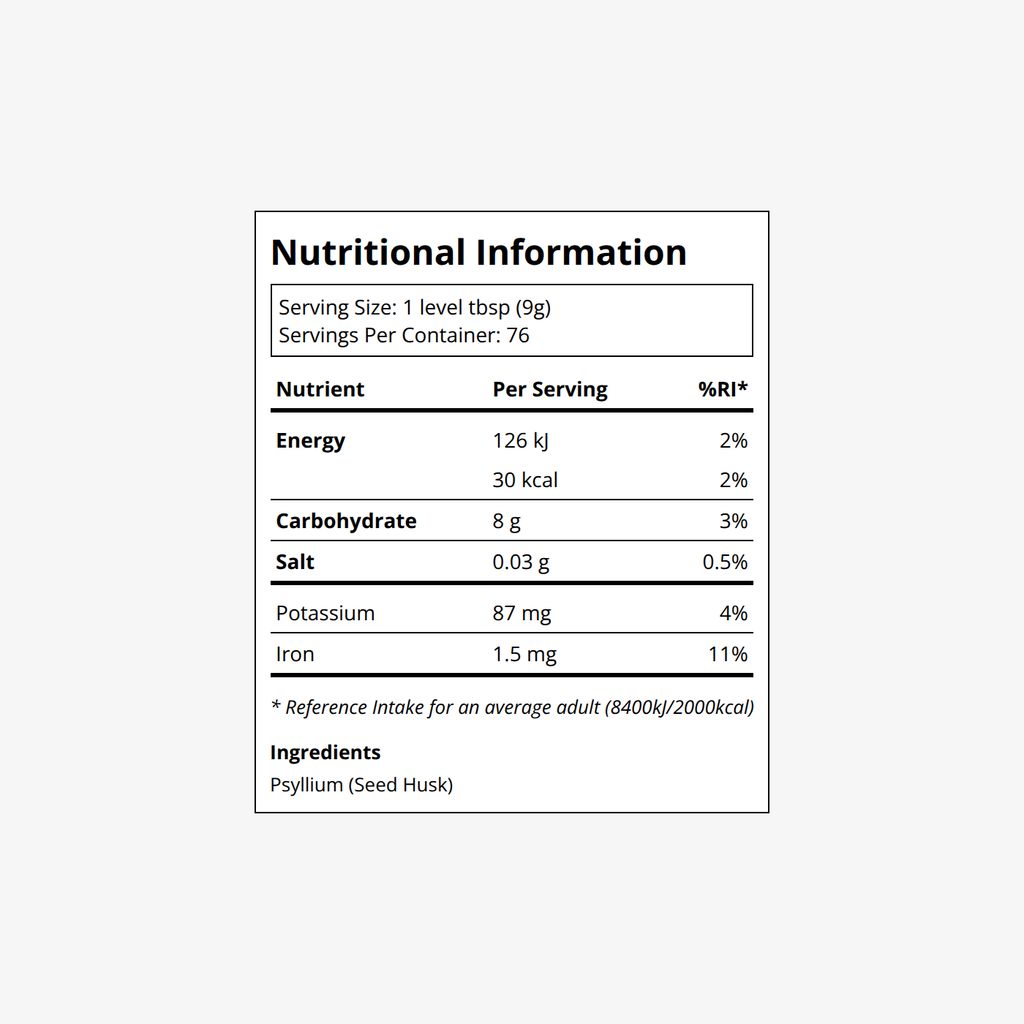
- Psyllium: Psyllium (from Plantago ovata husks) is a soluble fibre that helps to maintain regular bowel movements and has been shown to lower total and LDL cholesterol without affecting HDL levels. It works by absorbing water to form a soft, gel-like texture that adds bulk to stool and supports digestive comfort. Supplement examples include NOW Foods Psyllium Husk Powder or KIKI Health Organic Psyllium Husk Powder.
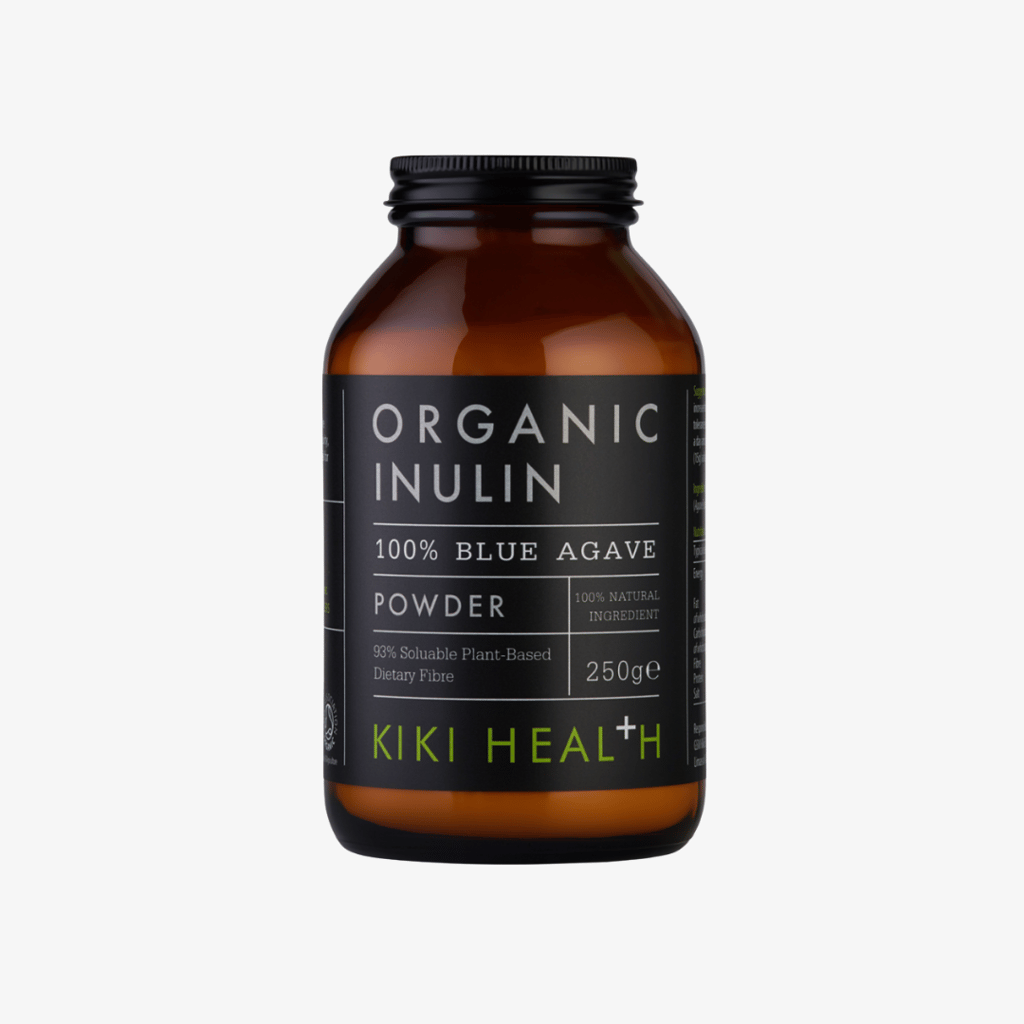
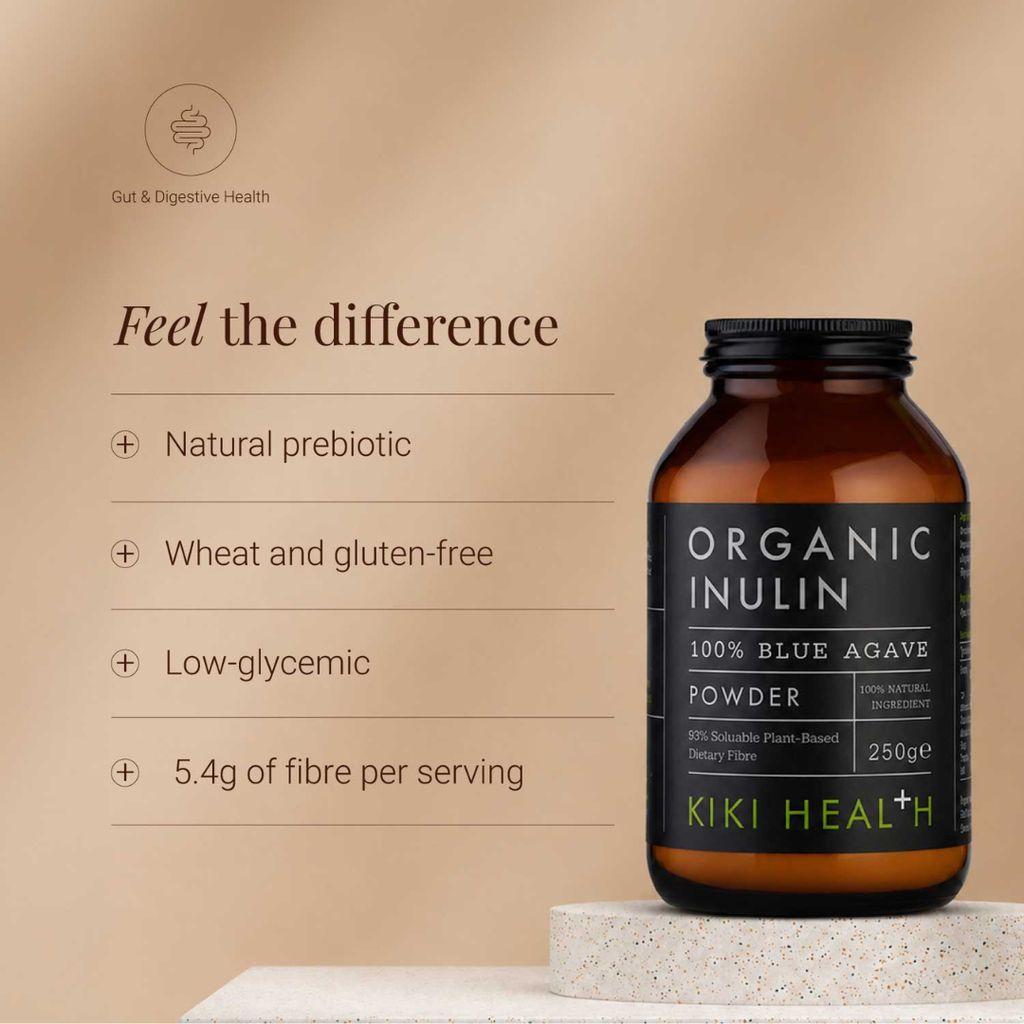
- Inulin: Regular intake supports microbial diversity. Inulin, found naturally in chicory root, Jerusalem artichokes and onions, acts as a prebiotic that feeds beneficial gut bacteria. SACN identifies it as part of the “non-digestible oligosaccharides” group. Start small with KIKI Health Organic Blue Agave Inulin Powder, or try capsules such as Roundway Supplements Akkermansia & Inulin Capsules.
- Seeds and flax:For fibre from whole foods, Bob’s Red Mill Organic Golden Flaxseed Meal mixes easily into breakfast bowls. If you like dressings, rotate Barlean’s Flax Oil, Barlean’s Lignan Flax Oil or Fushi Organic Flaxseed Oil for the added benefits of omega-3 ALA.




The verdict?
So, fibre-maxxing is blowing up, and there are many good reasons for it.
The hashtag is relatively new but the idea is old and well supported. But, with caveats.
If you build up an intake with whole foods first, top up thoughtfully with psyllium or inulin when needed, drink water and move gradually, you are likely to feel better than if you went all in overnight after following a relatively low fibre or low carb diet.
So, listen, adjust and keep the long game in mind.
What to remember
- Fibre-maxxing is simply eating more plants and, if helpful, adding small amounts of psyllium or inulin. Start slow and hydrate.
- Health links are well documented in large cohorts, including lower risk for several chronic conditions and benefits for gut integrity and appetite control.
- Most UK adults fall short of the 30 gram target. Close the gap with legumes, whole grains, seeds and simple swaps.
- Tailor it if you have an existing gut condition or train at high volumes. Go by your own response and adjust the dose.
Shop EAT at Healf and find simple plant-first picks that make fibre habits stick.



This article is for informational purposes only, even if and regardless of whether it features the advice of physicians and medical practitioners. This article is not, nor is it intended to be, a substitute for professional medical advice, diagnosis, or treatment and should never be relied upon for specific medical advice. The views expressed in this article are the views of the expert and do not necessarily represent the views of Healf
Pippa is a content writer and qualified Nutritional Therapist (DipNT) creating research-based content with a passion for many areas of wellbeing, including hormonal health, mental health and digestive health.
As a contributor to The Healf Source, she regularly attends seminars and programmes on a plethora of contemporary health issues and modern research insights with a drive to never stop learning. In addition, interviewing experts and specialists across The Four Pillars: EAT, MOVE, MIND, SLEEP.
In her spare time, she is an avid swimmer, mindfulness and yoga lover, occasionally bringing a raw, honest approach to the topics she faces. You may also discover some personal accounts of eye-opening wellbeing experiences amidst the reality of a disorientating, and often conflicting, modern wellbeing space.