











_2026-10-13_14-11-48.png)


10 Neurochemical Hacks To Instantly Lift Your Mood
Low energy, grey skies, zero motivation? Here’s your quick-hit menu of micro-habits to boost dopamine, serotonin and calm this Blue Monday.

Written by: Samantha Nice
Written on: 13 January 2026
Widely considered one of the most depressing days of the year, Blue Monday tends to land with a bit of a thud… low energy, grey skies, post-Christmas reality and a lingering wave of winter colds that makes everything feel a lot harder. While the label may be more cultural than clinical, the slump many people feel around this time is very real.
Mood isn’t just about mindset. It’s deeply biological. Neurochemicals like dopamine, serotonin, oxytocin and norepinephrine quietly shape how motivated, calm, connected or flat we feel and they’re constantly affected by our environment, habits and behaviour. The good news? You don’t need a full reset, supplement stack or drastic overhaul to influence them. Small, well-timed actions can shift your neurochemistry surprisingly quickly.
We’ve pulled together ten quick, science-backed micro-habits that tap directly into these neurochemical pathways. They’re simple, practical and designed to work with your nervous system, not against it.
1. Do a physiological sigh for 90 seconds
What to do: Take two short nasal inhales (the second stacked on top of the first), followed by one long, slow exhale through the mouth. Repeat for 5 minutes.
Why it works: This breathing pattern rapidly calms the amygdala and lowers stress hormones.
The science: Research from Stanford shows the physiological sigh is one of the fastest ways to reduce acute stress by offloading excess carbon dioxide and activating the parasympathetic nervous system.
2. Complete one ‘easy win’ task first thing
What to do: Make your bed. Reply to one email. Put the kettle on. Check off a task that is deliberately small and easy to accomplish.
Why it works: Dopamine rises with task completion (even minor ones) which helps create momentum rather than overwhelm.
The science: Studies show that dopamine is released not just by big rewards, but by progress. Small wins early in the day improve motivation and follow-through.
3. Try cold-to-warm contrast for 30 seconds
What to do: Rinse your face or hands with cold water for at least 15 seconds, then switch to warm.
Why it works: Cold exposure triggers a short-lived rise in norepinephrine and dopamine, increasing alertness and arousal. Switching to warmth helps shift the body back toward parasympathetic (rest-and-digest) tone, so you get the uplift without staying in a stress response.
The science: Cold exposure can increase dopamine by up to 250%, while contrast therapy appears to reduce stress reactivity and improve mood regulation.
4. Avoid dopamine stacking for the first hour
What to do: Delay phone scrolling, sugary food, caffeine overload and loud stimulation first thing when you wake up.
Why it works: Protects dopamine sensitivity so motivation and focus last throughout the day.
The science: Excessive early dopamine stimulation can blunt reward sensitivity, making later tasks feel harder.
5. Go big on tyrosine-rich foods for your brekkie
What to do: Reach for eggs, Greek yoghurt, seeds, nuts or protein-rich foods.
Why it works: Tyrosine is an amino acid which is a key building block for dopamine production.
The science: Dietary tyrosine has been shown to support cognitive performance and stress resilience under pressure.
6. Watch the sunset (real or simulated)
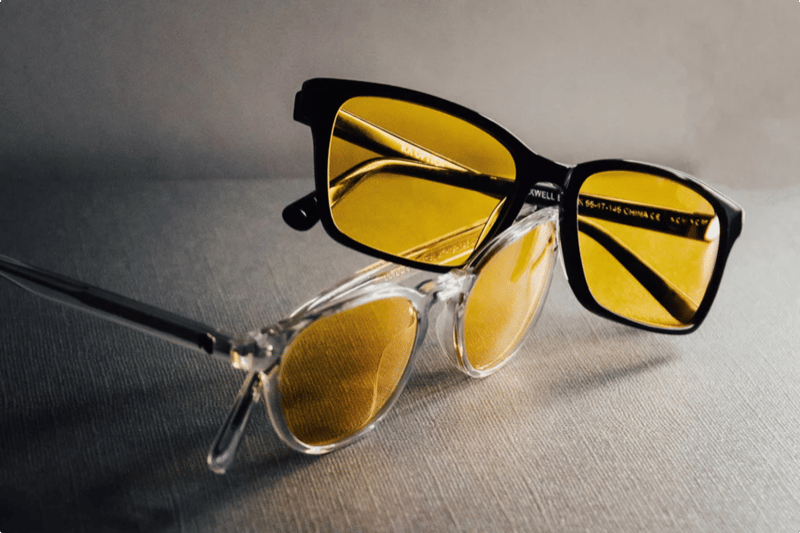
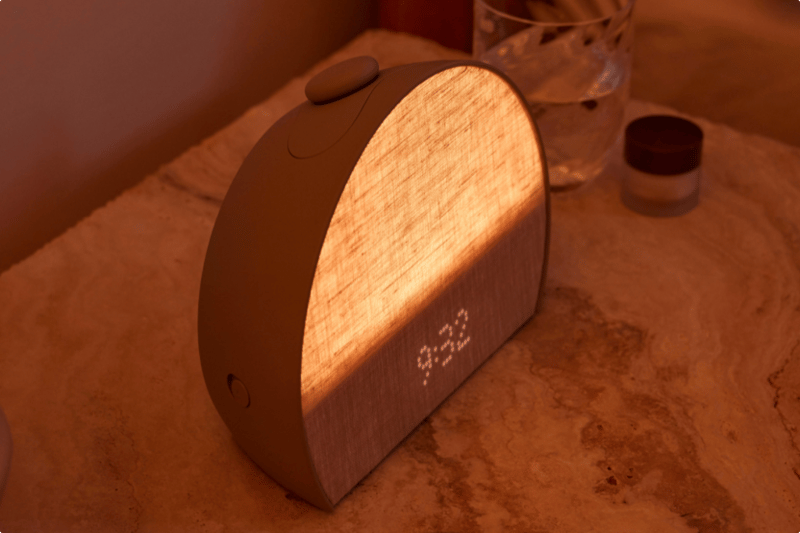
What to do: Spend 5-10 minutes in natural evening light and use warm lighting indoors after dark.
Why it works: Signals the brain to convert serotonin into melatonin, improving not only your mood, but your sleep quality too.
The science: Light exposure timing directly influences serotonin regulation and circadian rhythm alignment.
7. Hold a wall sit or plank for 30-60 seconds
What to do: Complete one short isometric hold for a minute, maximum.
Why it works: Triggers endorphin release without overstimulating the nervous system.
The science: Isometric exercise has been shown to improve mood with minimal stress load.
8. Do a short burst of playful movement
What to do: Skip, dance or shake it out. Even 30-60 seconds counts.
Why it works: Novelty and play stimulate dopamine more effectively than repetitive exercise.
The science: Spontaneous movement like dancing can activate reward pathways and reduce stress markers.
9. Send one low-stakes appreciation message
What to do: A quick “thinking of you” or “thank you” text.
Why it works: Oxytocin rises… even when it’s digital.
The science: Brief social connection increases oxytocin and lowers anxiety, even without physical contact.
10. Pet an animal (or watch an animal video) for 2 minutes
What to do: Embrace a real pet if possible but if not, a short animal video works too.
Why it works: Triggers oxytocin release and reduces stress hormones.
The science: Studies show animal interaction (and even viewing animals) increases oxytocin and lowers cortisol.
The takeaway
Mood isn’t just mindset… it’s chemistry. These neurochemical hacks work because they give your dopamine, serotonin, oxytocin and endorphins a gentle nudge… fast, doable, and without sending your nervous system into overload.



This article is for informational purposes only, even if and regardless of whether it features the advice of physicians and medical practitioners. This article is not, nor is it intended to be, a substitute for professional medical advice, diagnosis, or treatment and should never be relied upon for specific medical advice. The views expressed in this article are the views of the expert and do not necessarily represent the views of Healf
Samantha Nice is a seasoned wellness writer with over a decade of experience crafting content for a diverse range of global brands. A passionate advocate for holistic wellbeing, she brings a particular focus to supplements, women’s health, strength training, and running. Samantha is a proud member of the Healf editorial team, where she merges her love for storytelling with industry insights and science-backed evidence.
An avid WHOOP wearer, keen runner (with a sub 1:30 half marathon) hot yoga enthusiast and regular gym goer, Samantha lives and breathes the wellness lifestyle she writes about. With a solid black book of trusted contacts (including some of the industry’s leading experts) she’s committed to creating accessible, well-informed content that empowers and inspires Healf readers.