






















_2026-10-13_14-11-48.png)


Best NAD Supplement: What To Know Before You Buy
NAD is rapidly gaining popularity as the modern ‘fountain of youth’ supplement, celebrated for its potential to boost energy and slow the ageing process. But what does the science actually say? Read on to discover the research behind NAD supplements and what you should know before making a purchase.

Written by: Dahlia Rimmon
Written on: 29 August 2025
Medically Reviewed by: Jared Meacham, PhD, RD, CSCS and Patricia Weiser, PharmD
NAD is rapidly gaining popularity as the modern ‘fountain of youth’ supplement, celebrated for its potential to boost energy and slow the ageing process. But what does the science actually say? Read on to discover the research behind NAD supplements and what you should know before making a purchase.
NAD, short for nicotinamide adenine dinucleotide, is quickly becoming one of the most talked-about supplements in longevity and biohacking circles. This essential molecule supports healthy ageing, improves cellular function, repairs DNA, and plays a significant role in energy production.
In this article, we’ll dive into the science behind NAD supplements, explore their potential benefits, compare the different forms, and provide you with the insights needed to choose the best option to support your wellbeing goals.
What is an NAD supplement?
NAD is a molecule naturally found in every cell of the body. It’s involved in cellular energy production, DNA repair, and acts as a coenzyme (enzyme helper) in a wide range of essential biological processes. As we age, NAD levels gradually decline (by as much as 10 to 80%) which may contribute to a range of age-related health issues including metabolic disorders, cancer, and neurodegenerative diseases.
You may see NAD supplements as NAD or NAD+, but they refer to the same molecule in different forms. “NAD is the general term, whereas NAD+ is the oxidised form,” says Amy Brownstein MS, RDN. “NAD+ receives electrons during metabolic reactions essential for energy production, DNA repair, and cell signalling.”
This decline is where NAD supplements come into play. Preclinical animal research suggests that NAD supplements can boost cellular NAD levels. In particular, NAD precursors (molecules involved in creating and recycling NAD) are being studied as a potential strategy to restore NAD levels.
NAD precursors
You’ll find that most NAD supplements contain NAD precursors, such as niacin (vitamin B3) and related molecules that can help the body produce more NAD. “[NAD precursors] have all been shown to boost NAD+ levels, which is important because low NAD+ levels are a key marker of physiological decline and many age-related diseases,” says Marita Radloff, MS, RDN, LD.
Three of the most common and well-researched precursors include:
Nicotinamide riboside (NR): Although most clinical trials using NR have relatively small sample sizes, NR could be a more efficient way to boost cellular NAD levels. A randomised, double-blind, placebo-controlled, study showed that participants aged 55 to 79 who took 500 mg of NR twice daily for six weeks experienced a 60% increase in NAD+ levels in certain cells. Radloff explains that NR may also slow Alzheimer’s disease progression, protect the nervous system from stress, and preserve cognition.
Nicotinamide mononucleotide (NMN): NMN is another NAD precursor. Although research on NMN is ongoing, early clinical data suggest limited effectiveness (compared to NR), though additional large-scale and human studies are needed to confirm its benefits.
Dihydronicotinamide riboside (NRH): This newly discovered NAD precursor may be better absorbed and more efficiently utilised by the body. “Recent studies also reveal that [NRH] elevates levels of NR and NMN within cells, meaning it could boost the effectiveness of these as well,” Radloff explains.
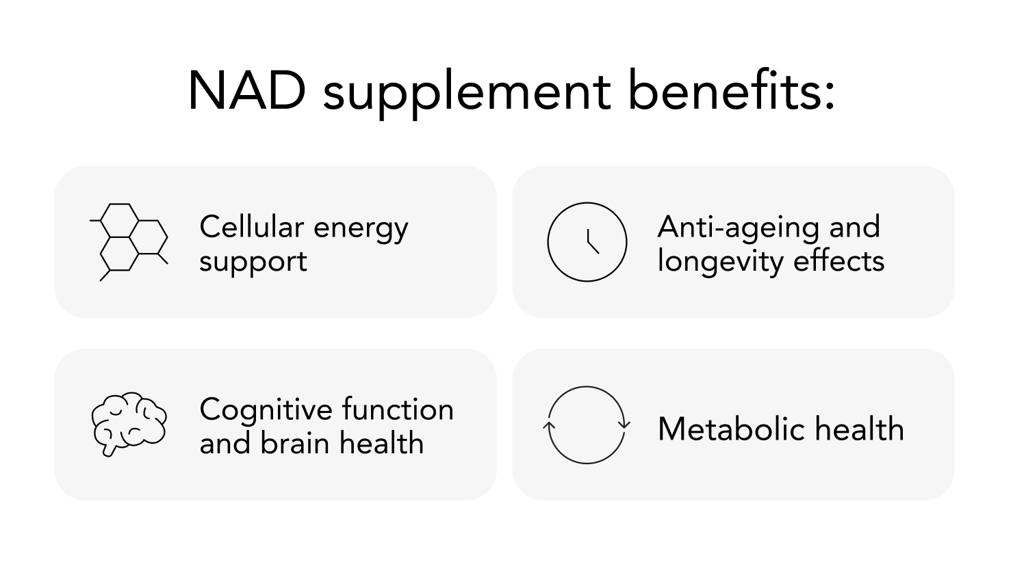
NAD supplement benefits: what does the science say?
Let’s take a closer look at key NAD+ benefits. It’s important to remember that research on NAD supplements is still limited and results have been mixed. Larger, well-designed human clinical trials are needed to fully understand their potential.
Cellular energy support
In our body, NAD converts the food you eat into adenosine triphosphate (ATP), the primary energy source for our cells. Without adequate NAD, cells struggle to produce enough ATP to power essential biological and metabolic functions.
Research suggests that boosting NAD levels may increase ATP production and enhance overall cellular energy output. However, this doesn’t mean that NAD supplements are magical energy boosters, and you shouldn’t rely on them as your primary source of energy. A healthy diet, adequate sleep, and balanced lifestyle habits are still essential for maintaining optimal energy levels.
Potential anti-ageing and longevity effects
NAD supplements are widely recognised for their potential to support healthy ageing. This is largely due to their ability to fuel cellular processes that maintain mitochondrial function, the powerhouse of the cell where ATP is produced. NAD is also an essential coenzyme in many physiological reactions, including those involved in DNA repair and cellular resilience — both of which are vital for healthy ageing.
Since NAD levels naturally decline with age, it can affect DNA repair, cellular resilience, and potentially influence the ageing process. One important group of proteins impacted by this decline are sirtuins, which are involved in regulating the cellular processes of longevity.
“Sirtuins are essential for energy production and metabolism, prevent cellular damage, and assist with DNA repair — activities that support healthy ageing and longevity,” says Brownstein. These proteins rely on sufficient NAD levels to function effectively. “[Therefore] supplementing with NAD may allow sirtuins to accomplish their activities.”
Additionally, research suggests that ageing is a malleable process — one that can be slowed or in some instances, reversed. Declining NAD levels may contribute to age-related changes in cellular metabolism, which has sparked considerable scientific interest in developing strategies to restore NAD levels. By replenishing NAD, it may be possible to enhance cellular repair mechanisms, and ultimately, slow ageing.
Cognitive function and brain health
When NAD levels are low, mitochondria don’t function properly and can produce harmful molecules that trigger neuroinflammation (brain inflammation) and contribute to neurodegenerative diseases, such as Parkinson’s or Alzheimer’s. “Declining levels of NAD+ are one of the first signs of declining cognitive function,” says Radloff.
Early animal studies suggest that NAD supplements can improve cognitive function and reduce neuroinflammation. A 2023 randomised, placebo-controlled, double-blind study in people with Parkinson’s disease found that taking 3,000 mg of NR per day for four weeks safely increased NAD⁺ levels. This study also found that NR supplementation was linked to some symptom improvement, though this may have been influenced by the timing of a prescribed medication..
Other studies indicate that NR may support cognitive function, synaptic plasticity, learning, memory, and motor function in patients with Alzheimer’s disease. Additionally, NMN may improve higher brain functions and gait in individuals with dementia.
Metabolic health support
“Metabolic health is your body’s ability to regulate blood sugar, insulin, and cholesterol levels,” explains Radloff. Research suggests that NAD may provide important benefits for people with metabolic disorders such as obesity and diabetes.
Radloff explains that supplementing with NAD may improve energy expenditure, the total calories (energy) your body uses to perform activities, and may reduce fat mass in overweight individuals. Additionally, for those with cardiovascular disease and dyslipidemia (abnormal levels of fats in the blood), NAD supplementation may improve metabolic markers like triglycerides, cholesterol, low-density lipoprotein (LDL), and high-density lipoprotein (HDL).
Types of NAD supplements
Research is currently ongoing to determine which form of NAD offers the best bioavailability (how well it’s absorbed by the body). Currently, several types of NAD supplements are available, each with its own potential benefits.
NAD tablets or capsules
Encapsulated oral supplements, like NAD tablets or capsules, have been shown to effectively raise NAD levels in the body and are a popular choice due to convenience. You can buy NAD tablets in liposomal or non-liposomal form (more on that below!).
Liposomal NAD supplements
Liposomal supplements encase nutrients in liposomes. Liposome structures are similar to cell membranes and protect the nutrients from the harsh gastrointestinal environment and digestive enzymes, so they may offer superior bioavailability and effectiveness. “A recent study observed significantly higher NAD+ levels in participants given liposomal NMN than those given non-liposomal NMN or placebo,” she says. Radloff agrees, adding, “This type of supplement ensures NAD+ isn’t lost during digestion and is used for its actual purposes.”
NAD sublingual powders
Sublingual powders (placed under the tongue for direct absorption), may also provide better bioavailability. The nutrients in the powder are absorbed in the tongue, therefore bypassing the digestive system and preventing nutrient degradation.
NAD injections
Intravenous (IV) NAD therapy, or NAD injections, delivers NAD directly into the bloodstream and also bypasses the digestive system for rapid absorption. While potentially beneficial, IV NAD therapy is expensive and less practical for regular use. For most individuals, capsules (both liposomal and non-liposomal) and sublingual supplements are the most accessible and sustainable way to support cellular NAD levels.
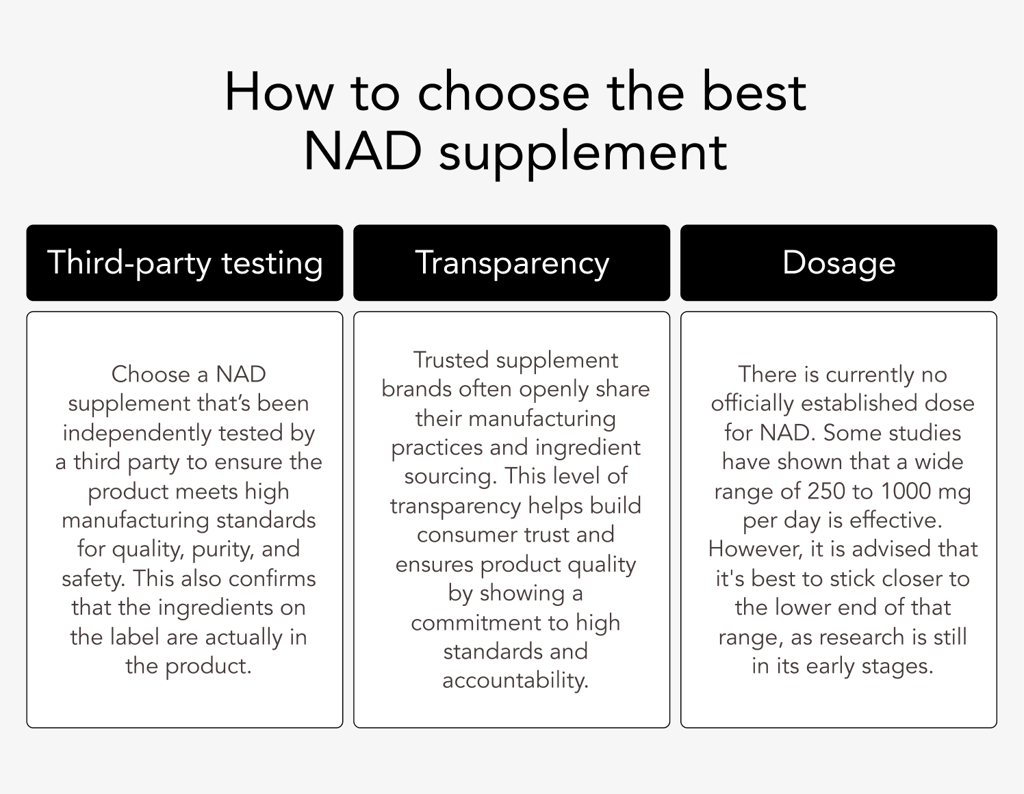
How to choose the best NAD supplement
With so many NAD supplements on the market, choosing the right one can feel overwhelming. To ensure you're choosing a safe, effective, and high-quality product, keep the following factors in mind.
Third-party testing: Choose a NAD supplement that’s been independently tested by a third party to ensure the product meets high manufacturing standards for quality, purity, and safety. This also confirms that the ingredients on the label are actually in the product.
Transparency: Trusted supplement brands often openly share their manufacturing practices and ingredient sourcing. This level of transparency helps build consumer trust and ensures product quality by showing a commitment to high standards and accountability.
Dosage: There is currently no officially established dose for NAD. Amounts used in research vary widely depending on the condition studied. Clinical studies have used doses ranging from 5 mg to over 1,000 mg per day, given in different dosage forms (such as oral or intravenous). Since long-term safety is unclear, it’s best to stick with the labelled directions on the product and check with a healthcare professional before exceeding them.
Best NAD supplements to consider
At Healf, we’ve got plenty of high-quality NAD supplements to choose from. Here are our top recommendations:
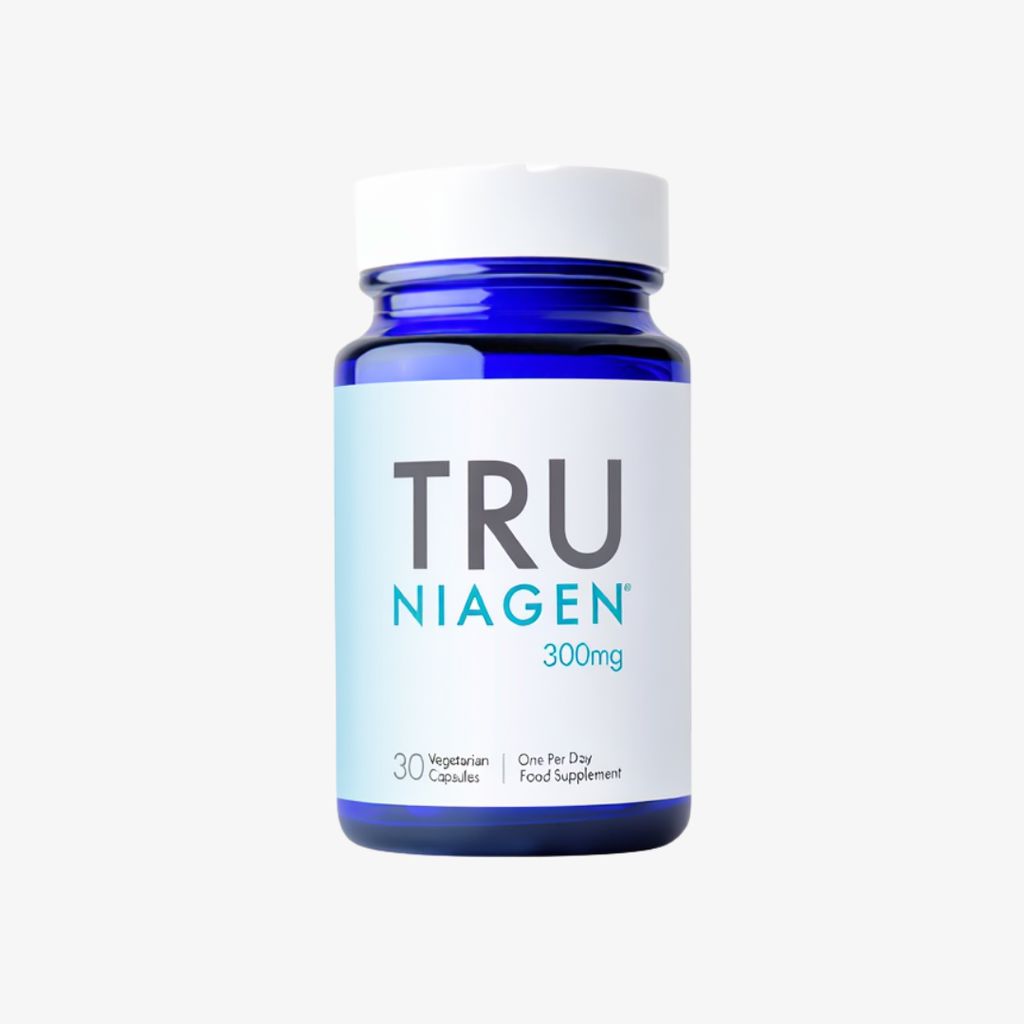
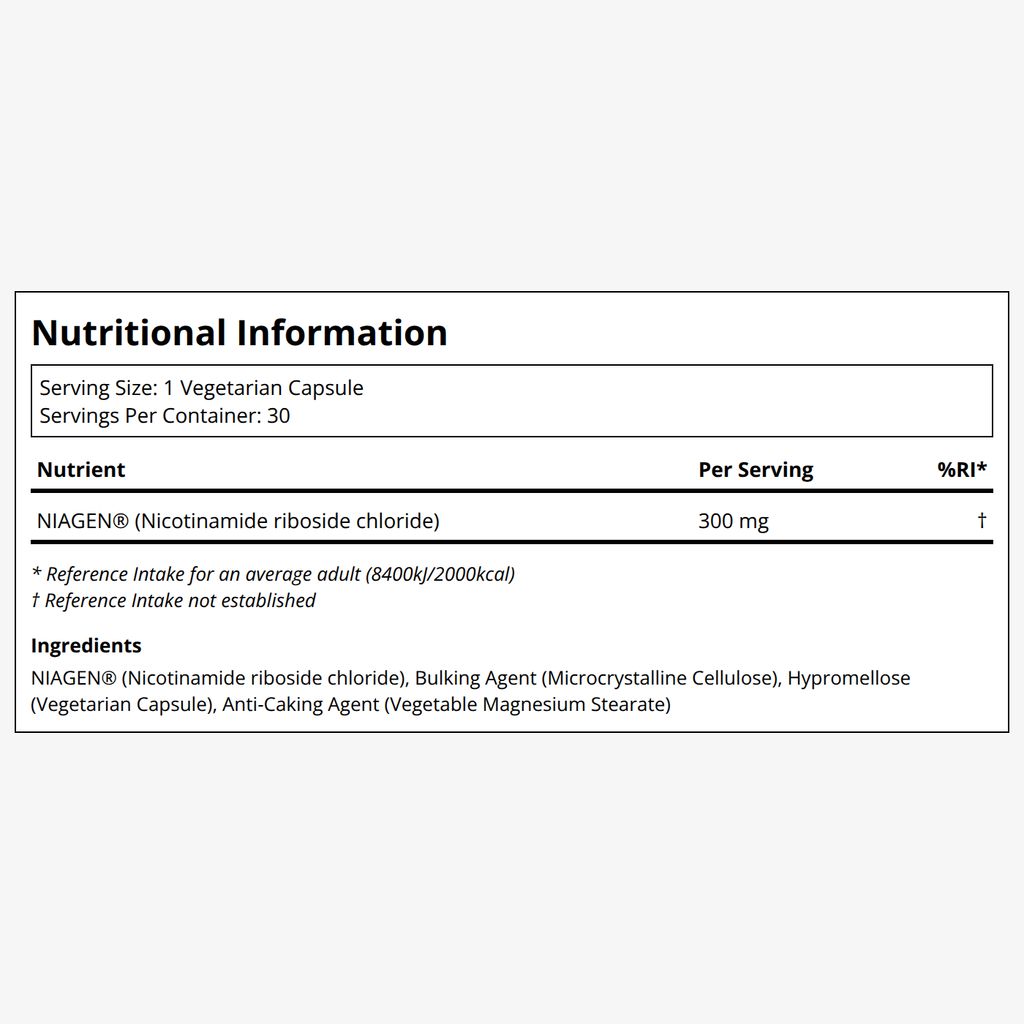
For NAD capsules, try Tru Niagen.
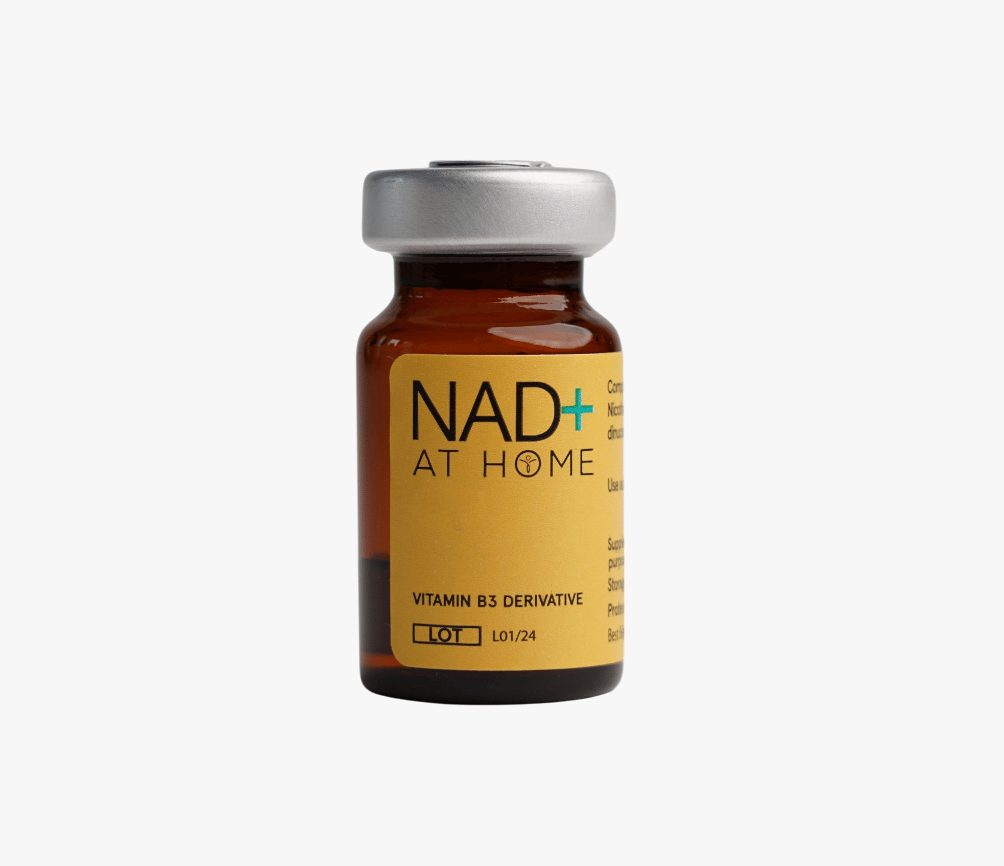
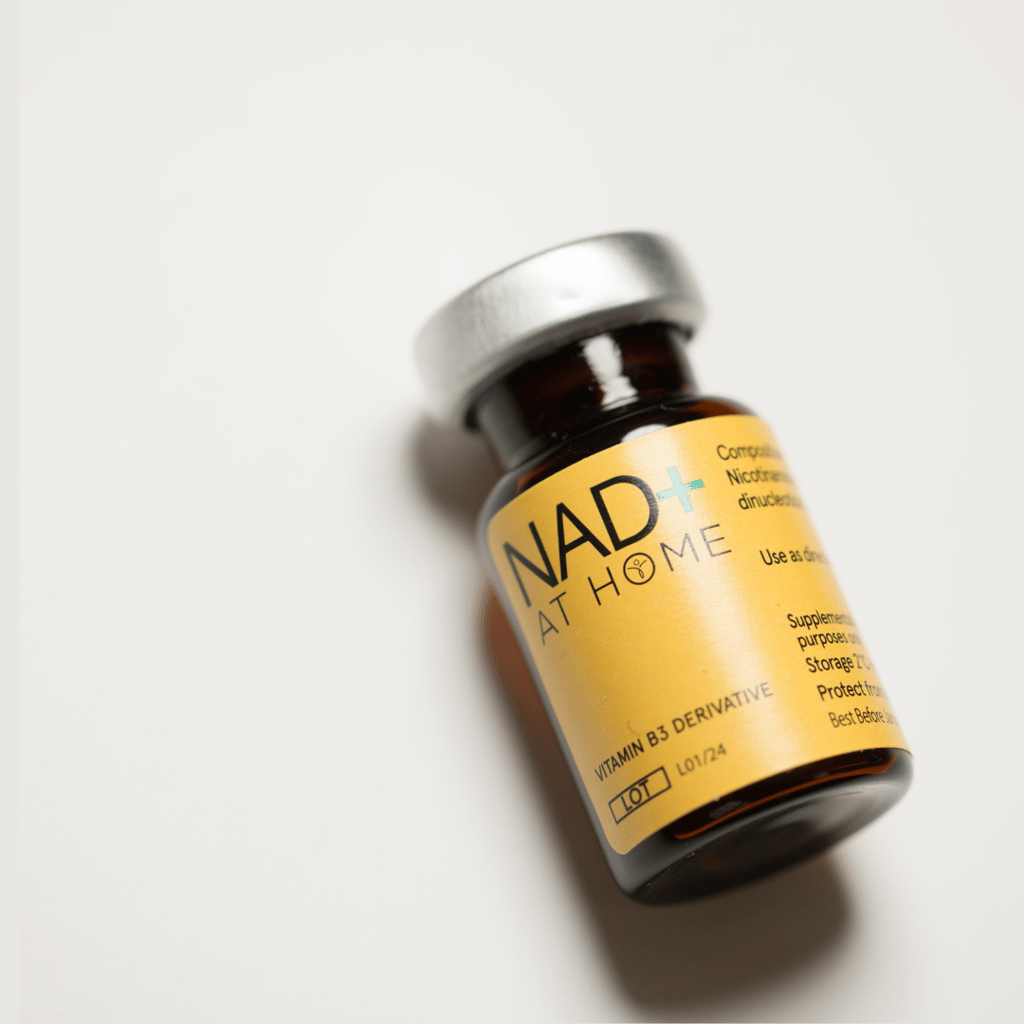
For NAD IV injections, try NAD+ At Home Subcutaneous NAD+ At Home Kit.
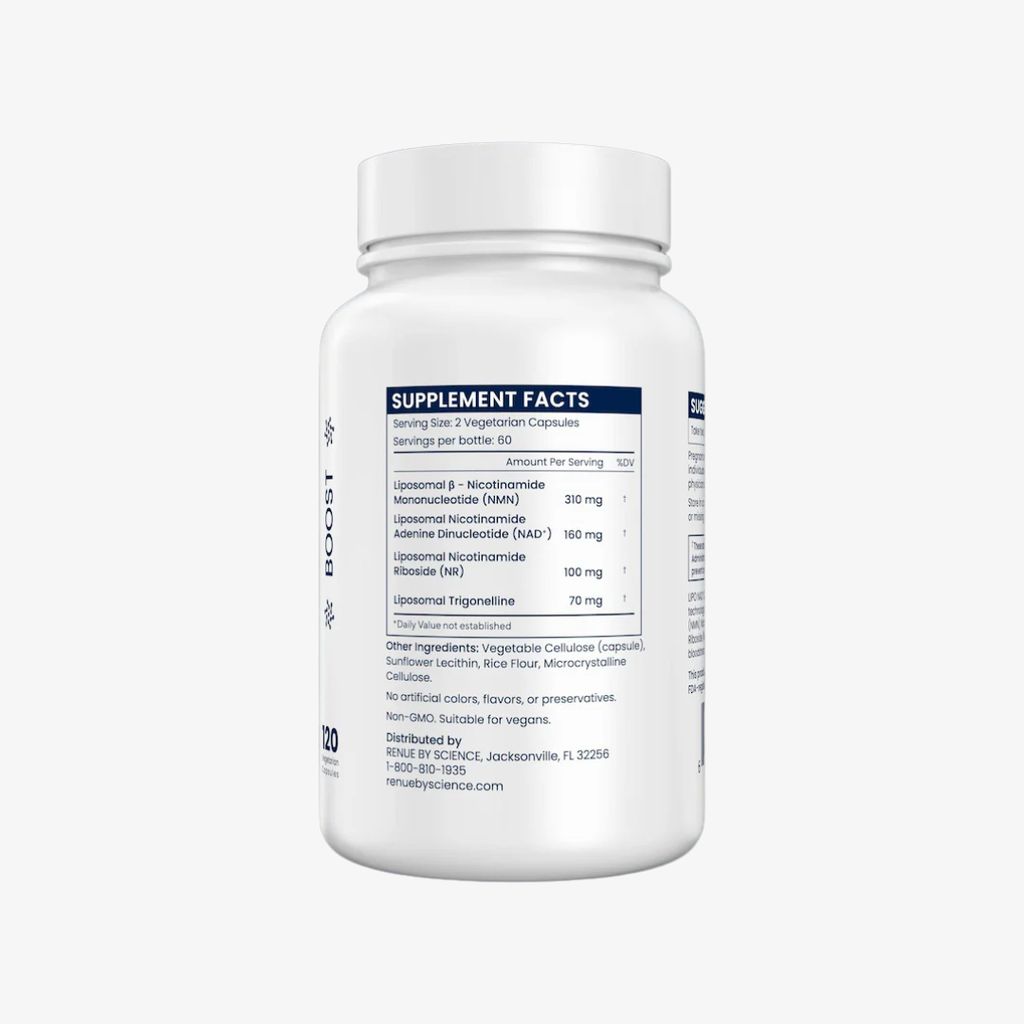
For liposomal NAD, try Renue By Science LIPO NAD+ Complete.
Need help choosing the right NAD supplements? Just ask — we’re here to help (say hi to Helix, our new AI assistant, at your service).

NAD supplement side effects
NAD supplements are generally well-tolerated. There have been a few reported cases of mild side effects such as:
Diarrhea
Nausea
Rashes
Skin flushing and skin issues
Calf cramps
Thrombocytopenia (low levels of platelets in the blood)
Fatigue
Abdominal discomfort
Headache
Additionally, NAD supplements may interact with certain medications, including insulin therapies, antidepressants, and other supplements like CoQ10. If you're pregnant, breastfeeding, or regularly take prescription medications, consult with your healthcare provider before adding an NAD supplement to your routine.
At Healf Zone, members gain exclusive access to clinical-grade at-home blood testing. We help you translate your body’s data into a personalised health plan — all guided by expert insights tailored to your unique needs. Our consultations remove the guesswork by identifying what truly works for your wellbeing. We guide you toward the right products, habits, and rituals that best support your body, including the right form of NAD for your individual needs.
Who should consider taking a NAD supplement?
Since NAD levels decline with age and may contribute to various age-related conditions, Brownstein recommends that older adults consider NAD supplements as a potential way to support healthy ageing. Biohackers and wellbeing enthusiasts (particularly those focused on longevity and performance), may also want to consider NAD supplements to support energy metabolism, cellular repair, and overall healthy ageing.
The bottom line
Research on NAD supplements is still in its early stages with limited clinical trials in humans. That said, the results are promising — especially when it comes to supporting energy levels, energy metabolism, and healthy ageing. More high-quality human studies are needed to understand their benefits and how to use them effectively. No supplement can replace the benefits of a healthy diet, regular exercise, good sleep, and stress management.
Key takeaways
NAD is a molecule found in every cell of the body that supports healthy ageing, DNA repair, and energy production.
NAD precursors, like NR, are most studied for their ability to raise NAD levels.
While research is promising, studies on NAD supplements are limited with mixed results.
For best results, NAD supplements should be used alongside a healthy diet and lifestyle.
Frequently asked questions (FAQs)
What is the most effective NAD supplement?
While no research has definitively identified a single NAD supplement as the most effective, NAD precursors, particularly NR, have been studied as an effective form to improve NAD levels in the body.
Do NAD+ supplements actually work?
Overall, there is limited research confirming that NAD supplements significantly improve NAD or energy levels. However, research is ongoing and shows promising results. The best way to optimise cellular NAD is to pair them with a nutritious diet, regular exercise, and healthy lifestyle.
Which is better, NMN or NAD?
Compared to NR, NMN is less efficient at raising NAD levels. “Another popular precursor of NAD, NMN must first be converted into NR before the body can use it to produce NAD, rendering it slightly less effective than NR,” explains Brownstein.
What are the best sources of NAD?
NAD precursors are molecules involved in creating and recycling NAD, and may better improve NAD levels. NAD can also be found in foods like avocado, broccoli, edamame, cabbage, cucumber, tomato, and cow’s milk. However, according to Radloff, food sources only contain small amounts of NAD.
What is the most absorbable form of NAD+?
There is no single form of NAD proven to be the most absorbable. However, encapsulated capsules or tablets, sublingual, and liposomal forms, particularly those with NR, may be an effective (and cost-effective) way to support cellular NAD levels.

This article is for informational purposes only, even if and regardless of whether it features the advice of physicians and medical practitioners. This article is not, nor is it intended to be, a substitute for professional medical advice, diagnosis, or treatment and should never be relied upon for specific medical advice. The views expressed in this article are the views of the expert and do not necessarily represent the views of Healf
Dahlia Rimmon is a freelance health writer and registered dietitian. She writes for a variety of publications and wellness brands, specialising in translating complex medical and nutrition information into clear, engaging content. Through her work, Dahlia aims to empower readers to make informed choices about nutrition, embrace a healthy lifestyle, and confidently navigate their overall health journey. She lives with her family in the Midwest.