








































_2026-10-13_14-11-48.png)

.jpg)
Exactly How To Do A Cortisol 'Detox', According To Experts
On social media, they promise to flush stress hormones and give your nervous system a total reset. Here's what really happens.
%20(1)-2.jpg)
Written by: Chanelle Ho
Written on: 21 April 2026
'Cortisol detoxes' have spawned TikTok routines, supplement stacks, and morning rituals, with each promising to flush stress hormones and give your nervous system a total reset. And if you've fallen down that rabbit hole, chances are you've encountered at least one (or five) wellbeing influencers telling you that your stress levels are giving you 'cortisol face', making you bloated, and sabotaging everything from sleep to athletic performance. Sound familiar?
Here's the thing: cortisol isn't the monster social media would have you believe. “I’m seeing more patients expressing concern about high cortisol, when in actual fact, they just need to rebalance the daily rhythm of it,” says Dr. Sabine Donnai, general physician and founder of VIAVI, a London-based health longevity clinic. “Cortisol is a survival hormone and absolutely essential – we wouldn’t function without it.”
If you want to actually balance your cortisol levels, feel calmer, sleep better, and stop running on fumes, investing in a supplement stack or an extensive morning routine can help, but the first step is actually understanding exactly what cortisol is, what’s driving a cortisol imbalance, and making small changes to bring it back to baseline. Here, Healf speaks to the experts to find out exactly how to start this kind of 'detox' and reset your rhythms.
What is cortisol?
Cortisol is a hormone that humans produce in the adrenal glands, says Dr. Donnai. It helps regulate our energy, blood sugar, inflammation, and our response to stress. Think of it as your body's first responder. When you’re in a high-stakes situation — whether you’ve got an important meeting at work or big race coming up — cortisol surges to sharpen your focus, mobilise glucose for energy, and temporarily suppress non-essential functions like your immune system and digestion.
It's also essential for everyday body functions, mobilising energy, supporting blood sugar balance and inflammation pathways. Typically, it follows a regular pattern during the day, peaking in the morning to help you move from sleep to a wakeful state. “It should be highest in the morning shortly after waking, then gradually taper down through the day, reaching its lowest point at night to allow sleep,” says Dr. Donnai.
Getting the correct curve is key, but what happens when those levels don’t come down or are just out of whack?
What does high cortisol do to the body?
While we need cortisol for our bodies to function properly, according to Dr. Shirin Lakhani, a GP specialising in hormone health, “if levels are consistently too high, which can happen if you go through chronic stress, your body is in constant fight or flight, which makes it prioritise cortisol over other hormones.” This is known as ‘the cortisol steal’, which is when your body uses cholesterol to create cortisol rather than sex hormones like oestrogen, progesterone, and testosterone. The result? “Men might experience lowered libido, energy, and muscle mass, while women — who might see symptoms sooner — can experience irregular periods, poor sleep, anxiety, fertility issues, weight gain, and mood swings,” says Dr. Lakhani.
Is it possible to detox from cortisol?
You can’t completely detox your body from an essential, naturally produced hormone, and your body can't literally “flush” cortisol. “It’s not about detoxing cortisol,” says Dr. Donnai. “What you can do is reset the signalling and the rhythm, so that your body produces and regulates it appropriately again.”
Short spikes of cortisol throughout the day are perfectly normal, according to Dr. Donnai. It starts to become a problem when cortisol stays elevated or completely flattens out, making people feel wired but tired. Consistently high cortisol can result in all kinds of negative health effects like high blood pressure, a lowered immune system, depression, weight gain, and more. Those most at risk of unregulated or elevated cortisol are people who sleep poorly, skip meals, overtrain, experience chronic stress, or work high-pressure jobs.
So, while you can’t completely detox from cortisol, you can reset behaviours to rewire brain pathways and help your cortisol follow more regulated peaks and troughs.
What are the best ways to regulate cortisol levels?
Revamp your bedtime routine and rituals
Cortisol levels should naturally peak as you wake up in the morning and fall before you go to sleep. “This is what keeps our circadian rhythm, and therefore our sleep pattern, regulated,” says Dr. Lakhani. “If you feel constant fatigue despite getting a full eight hours of wink, or you wake up during the night or have trouble falling asleep, it could be down to high cortisol.”
The best way to combat this is by setting a nighttime routine, keeping phone exposure to a minimum an hour before going to bed, and sleeping in a cooler room. As for more immediate fixes to reducing stress, prioritise rituals that help relax your body and mind, whether that means by taking a warm bath, reading, or journaling.





Stay regular with your mealtimes
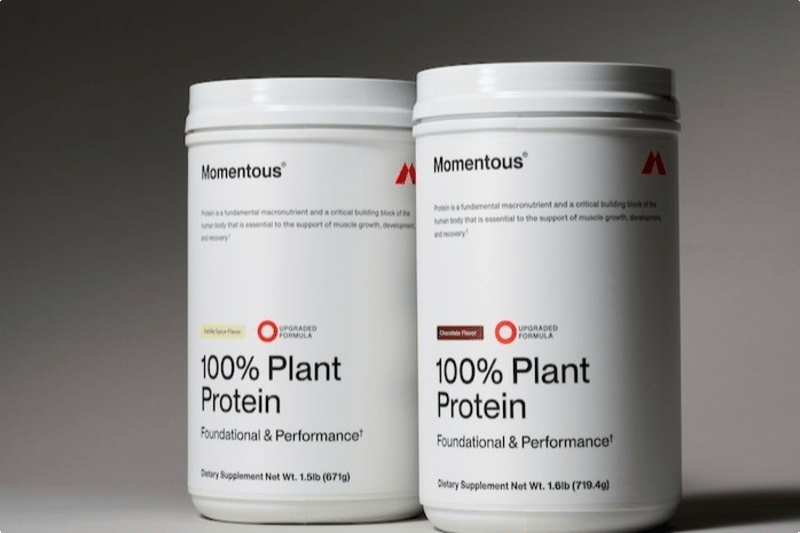
Blood sugar stability is one of the most under-appreciated factors in cortisol regulation. Every time blood sugar crashes, your brain releases cortisol to raise it again. This results in erratic eating patterns, skipping meals, or a diet high in refined carbohydrates. “Regular meals are key,” says Dr. Donnai, who suggests eating protein with every meal – even in the morning – as it helps to anchor cortisol.
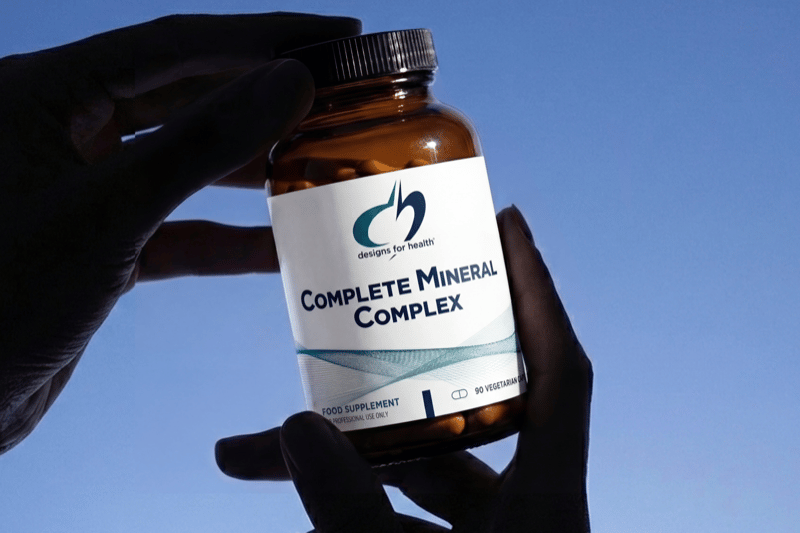
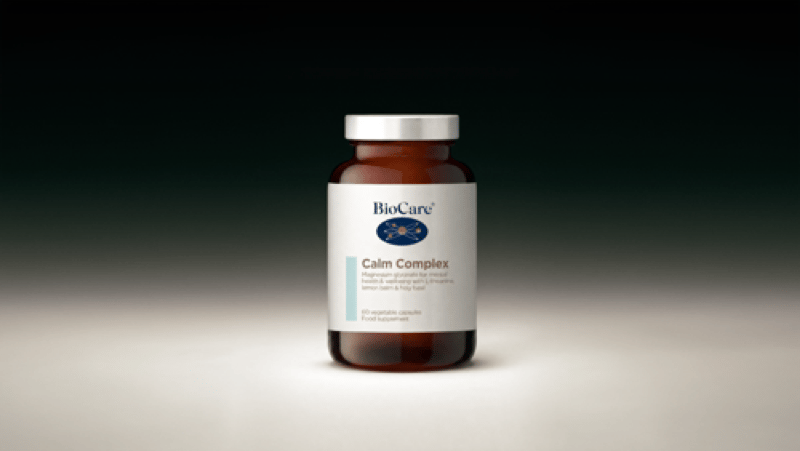
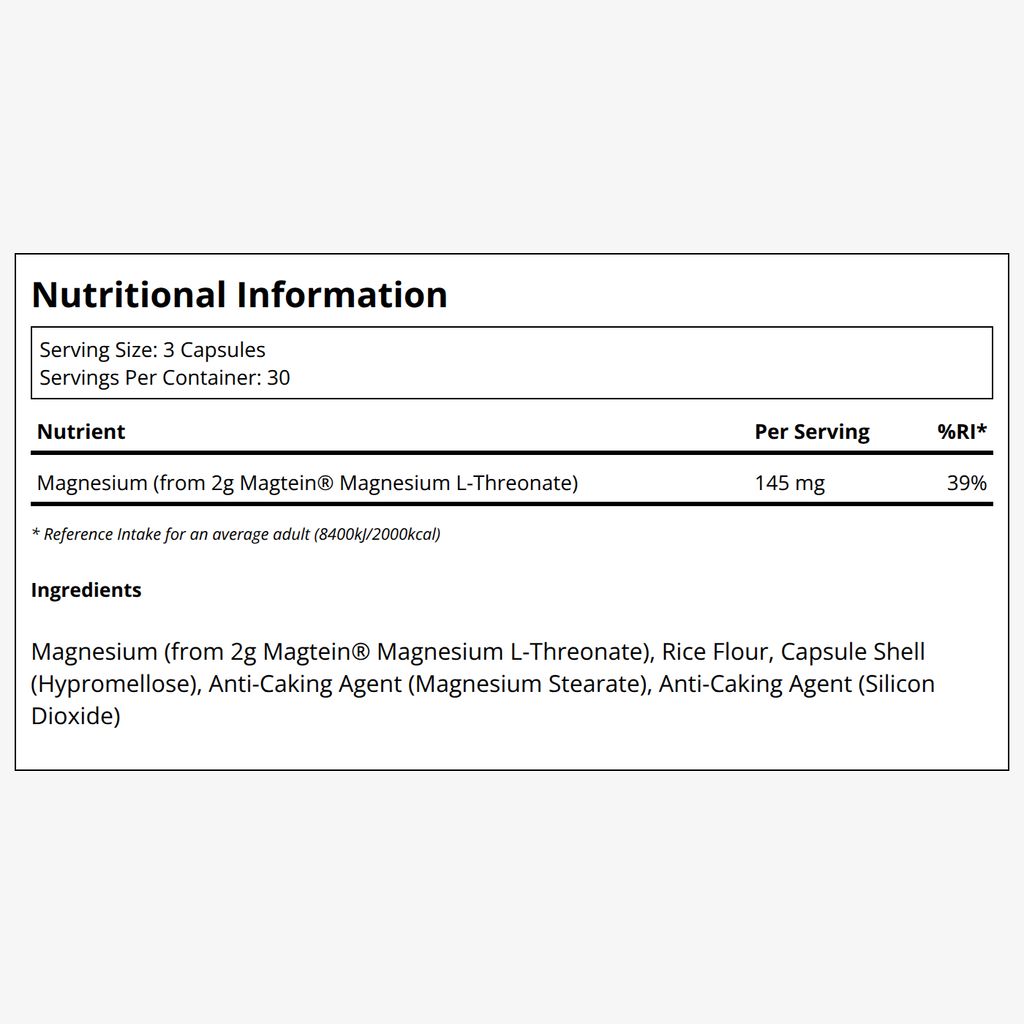
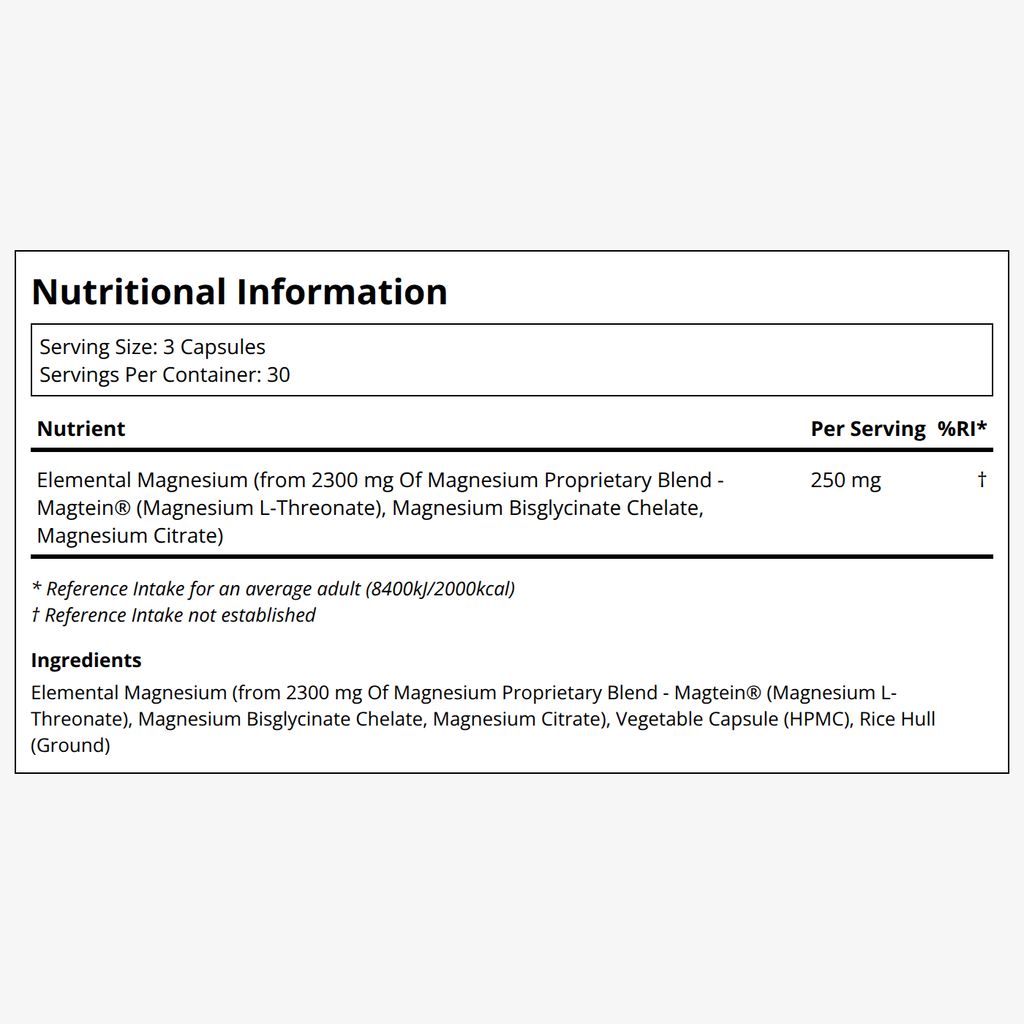
You should also avoid excess sugar, alcohol, and caffeine, says Dr. Donnai, as all of these can worsen spikes. When it comes to supplements that promise to “detox cortisol levels”, Dr. Lakhani warns they are likely a marketing ploy. Instead, she suggests looking out for ones that specifically call out the nervous system. Ones that promote calm, such as ashwagandha, or those help with sleep, like magnesium or L-threonate, tend to be good picks here too.


Add in some helpful micro-habits
Of course, big life stressors aren’t altogether avoidable, and there will be periods where you’ll just naturally feel more stressed than others. But Dr. Donnai says that small, manageable habits can actually make a big difference in regulating your daily cortisol levels. “Constant low-level stress like emails, your phone endlessly pinging, and lack of downtime are the things that keep cortisol elevated as the nervous system never truly switches off to allow recovery,” she says.
Add in some micro-habits to help reduce those constant spikes. That might look like putting your phone on Do Not Disturb mode, going for a ten-minute walk after every meal, or lighting a candle and putting on your favourite playlist.
Be intentional with your movement
If your first stop is your running shoes or the gym when you’re feeling stressed, it might actually be doing more harm than good. While moving your body is important, intense or prolonged exercise (think: a two-hour run or an intense HIIT session) actually spikes cortisol and, if done without recovery, can contribute to chronically-elevated levels. “The balance is about getting regular movement, some strength training, but not pushing an already-stressed system harder,” says Dr. Donnai.
If you’re close to burn-out, mix in some low-intensity workouts instead, like walking, pilates, or yoga.
A 7-day cortisol detox guide for resetting your cortisol rhythms
With the right habits and regimen, you can start to see improvements from resetting your cortisol levels in as little as a week, experts say. (However, those with true adrenal fatigue can take three months to see recovery.) Not sure where to start? We’ve got you covered.
Days 1-3: Focus on routine and stabilising your cortisol levels through diet, exercise, and lifestyle choices. “Try to eat a breakfast consisting of protein, fibre, carbs, and fats in the first two-hour window of waking,” says Dr. Lakhani. “Reducing caffeine and walking outside for 20 minutes will also help.”
Days 4-5: “Implement strength training, increase your carbs, and introduce more structure to your morning and bedtime routines,” she continues. In the evenings, reduce stimulation by dimming lights, avoiding screens before bedtime, and take hot baths with epsom salts and lavender oil to rest your mind.
Days 6-7: The last few days should be based on how you feel. Indeed, Dr. Lakhani recommends listening to your body and injecting stress-relieving habits into your routine like breathwork, yoga, meditation, or nature walks. “Most importantly, throughout the whole week, the non-negotiables I’d recommend for every day are to set a consistent wake and sleep time, getting around ten minutes of sunlight every morning when you wake up, eating within two hours of waking, and getting around seven to nine hours of sleep a night.”
Making these easy, simple changes to your routines can work wonders for resetting your hormones, and 'detoxing' from unregulated or elevated cortisol in your body.



This article is for informational purposes only, even if and regardless of whether it features the advice of physicians and medical practitioners. This article is not, nor is it intended to be, a substitute for professional medical advice, diagnosis, or treatment and should never be relied upon for specific medical advice. The views expressed in this article are the views of the expert and do not necessarily represent the views of Healf
Chanelle Ho is a beauty and wellness journalist with ten years of experience writing for titles including The Sunday Times Style, Grazia, Women’s Health, and Glamour. Drawing on a decade of conversations with the likes of leading dermatologists, aestheticians, and brand founders, she brings expert insights to every story and has a knack for translating complex skincare science, demystifying ingredient lists, and analysing which trends are truly worth the hype.
When away from her laptop, you’ll find Chanelle brushing up on her culinary skills, hiking somewhere in the countryside, filming content for social media, or volunteering with dogs.