















_2026-10-13_14-11-48.png)


Is 5g Of Creatine Really Enough?
New research suggests this maintenance or standard dose may not be enough to cover brain, recovery and sleep benefits. So, how much creatine should you be taking?

Written by: Samantha Nice
Written on: 10 March 2026
For years, 5 grams of creatine a day has been the gold-standard dose and the magic number we’re all told to take. But as new research emerges, experts are starting to ask if that’s really enough.
Originally designed around muscle saturation in young male athletes, the 5g rule was never meant to be one-size-fits-all. Now, new studies and sports nutritionists are suggesting that many of us (especially women, older adults, and those on plant-based diets) might be underdosing. The latest science points to potential benefits of higher intake (up to 10 g daily) not just for muscle, but for brain function, mood, recovery and even sleep quality.
From trending TikToks about “double dosing” to experts like Darren Candow discussing updated creatine research with Dr. Rhonda Patrick on her channel FoundMyFitness, the conversation is shifting fast. So, could your daily scoop be falling short of its full potential? And what does the science actually say about taking more?
Why 5g became the ‘gold standard’
The 5g benchmark originated from decades of sports nutrition research focused on muscle performance, not brain function. Initial studies showed that after a short "loading phase" of 20g per day, 5g was sufficient to maintain muscle creatine saturation.
“The 5g maintenance dose works well for muscular energy,” explains nutritionist April Morgan, “but when it comes to cognitive benefits, mood or sleep, the brain’s uptake is slower and more variable. That’s why some research and practitioners are exploring slightly higher doses.”
Creatine and the brain: More than just muscle fuel
“Most people know creatine as a gym supplement for muscle and performance, but your brain needs it too,” says Morgan. “Creatine acts almost like a cellular battery pack, recycling ATP, the brain’s main energy currency. When energy runs low, phosphocreatine donates a phosphate group to quickly recharge ATP, keeping brain cells running smoothly during stress or intense activity.”
Low brain energy is a feature of depression and cognitive fatigue. Creatine’s ability to support mitochondrial function and maintain ATP supply may explain why researchers are now testing its effects on mood and cognition.
“There’s growing evidence that creatine can boost mood, memory, and cognitive performance, especially in people dealing with stress, sleep deprivation or a higher risk of depression,” explains Morgan. “While long-term, high-dose supplementation (around 20g per day for several weeks) can raise brain creatine levels, the brain doesn’t absorb creatine as easily as muscle does. The effects depend on dose, duration and individual differences.”
Observational research also supports this: population studies show people with higher dietary creatine intake (usually from meat and fish) report lower rates of depression, reinforcing the “meat molecule” narrative.
Upping the dose: 8g? 10g? Or more?
So, should you go beyond 5g? “There’s growing talk of increasing creatine doses to 8 to 10g daily, especially for mental health benefits,” says Morgan. “The brain doesn’t absorb creatine as easily as muscle, so higher doses may be needed to see meaningful effects on mood, cognition and fatigue.”
“Some people are experimenting with slightly higher doses to support brain energy and mood,” she says. A single large dose (about 24g for a 70kg person) has been shown in sleep-deprived participants to sustain mental performance, suggesting creatine helps during periods of metabolic stress, Morgan adds. That said, higher doses in the 15 to 20g range are typically only used in short-term, clinical studies, and aren’t necessary for everyday maintenance.”
The key takeaway here? More isn’t always better, but slight adjustments above the traditional 5g may be helpful for targeted cognitive or mood support, especially in those at risk of low mood or seasonal fatigue.
The connection between creatine and sleep
Beyond cognition and mood, creatine may even play a role in how rested you feel. “Creatine’s connection to sleep and feelings of restfulness mostly comes down to how it supports brain energy metabolism, especially when you’re sleep-deprived,” says Morgan. Research shows that creatine can help offset the cognitive downsides of lost sleep and may slightly improve how rested you feel, she points out. "By boosting phosphocreatine levels in the brain, creatine helps neurons maintain energy when sleep is limited.”
Single high doses have been shown to reverse deficits in memory, attention and executive function after poor sleep. This has led some experts (including Dr. Rhonda Patrick) to suggest that larger "rescue doses" of around 20 to 25g may temporarily support mental clarity and cognitive resilience after a night of poor sleep. It’s not something you should do daily, but rather an occasional, functional strategy when recovery is compromised.
However, under normal conditions, creatine doesn’t appear to significantly alter sleep quality, duration or latency. This is much more about feeling sharper and more energised when you’re tired.
The warm water theory and timing tips
The claim that dissolving creatine in warm water improves absorption or reduces bloating has also been floating around online, but is there any truth in it?
“Dissolving creatine in warm water can help solubilise the powder and may reduce bloating for some users, but clinical studies do not currently show that water temperature significantly changes creatine absorption or bioavailability,” Morgan says. “The main benefit is comfort as warm water dissolves creatine more fully, reducing stomach discomfort or sediment, but doesn’t meaningfully affect uptake.” On the topic of bloating, Morgan says this is often misunderstood. “Bloating side effects usually come from poor quality creatine that contain byproducts and contaminants or from high loading doses,” she says. “Always look for pure, well-formulated forms, like micronized creatine, as these tend to be much gentler and easier to tolerate. Choosing quality over quantity makes a significant difference in how your body responds."
Timing, on the other hand, can be much more flexible. “Current research doesn’t show major differences between taking creatine in the morning or evening for mood or recovery. Because creatine works by gradually increasing muscle and brain energy stores, consistency matters far more than the exact timing,” she explains.
How creatine can support your body after a poor night’s sleep… as well as four other tools to help:
A bad night’s sleep doesn’t just make you feel groggy. It directly reduces your brain’s ability to produce energy. When we’re well-rested, the brain stores phosphocreatine, a compound that helps rapidly regenerate ATP, the fuel behind every thought, movement, and decision. When sleep is restricted, those stores fall, and cognitive performance drops with them. This is where creatine becomes unexpectedly useful.
Research shows that when people are sleep-deprived or sleeping fewer hours than usual, creatine can help maintain mental clarity, reaction time, and mood by supporting ATP recycling. While a standard daily dose of 3 to 5 g is ideal for long-term health and performance, short-term research suggests that higher doses (10 to 20 g/day split into smaller servings) may help buffer the cognitive impact of acute sleep loss. It won’t replace sleep, but it can make the day after a rough night more manageable. For a full-body reset when you’re low on sleep, here are a few other tools to try:
Bright natural light within the first hour of waking is one of the most effective ways to counteract morning grogginess. It helps reset your circadian rhythm, lifts cortisol to healthy daytime levels, and increases alertness.
Aim for 100–200 mg of caffeine once or twice in the morning and avoid it after 2 p.m. to protect the next night’s sleep. Sleep loss makes caffeine feel more potent and easier to overdo. The goal is to increase alertness without creating a jittery crash later.
Prioritising protein-rich meals can reduce the impact of energy crashes on top of fatigue. Poor sleep disrupts hunger hormones and makes blood sugar more volatile, which is why cravings spike and energy fluctuates.
Short, intentional recovery practices like a 20-minute nap, 10 minutes of NSDR, or short bursts of simple movement can all help reset your system. This is essential, because when you’re tired, the brain becomes less efficient at regulating stress and attention.
Ultimately, you can’t out-hack poor sleep. Thankfully, tools like creatine can support your body when it happens.
Some Healf-approved takeaways
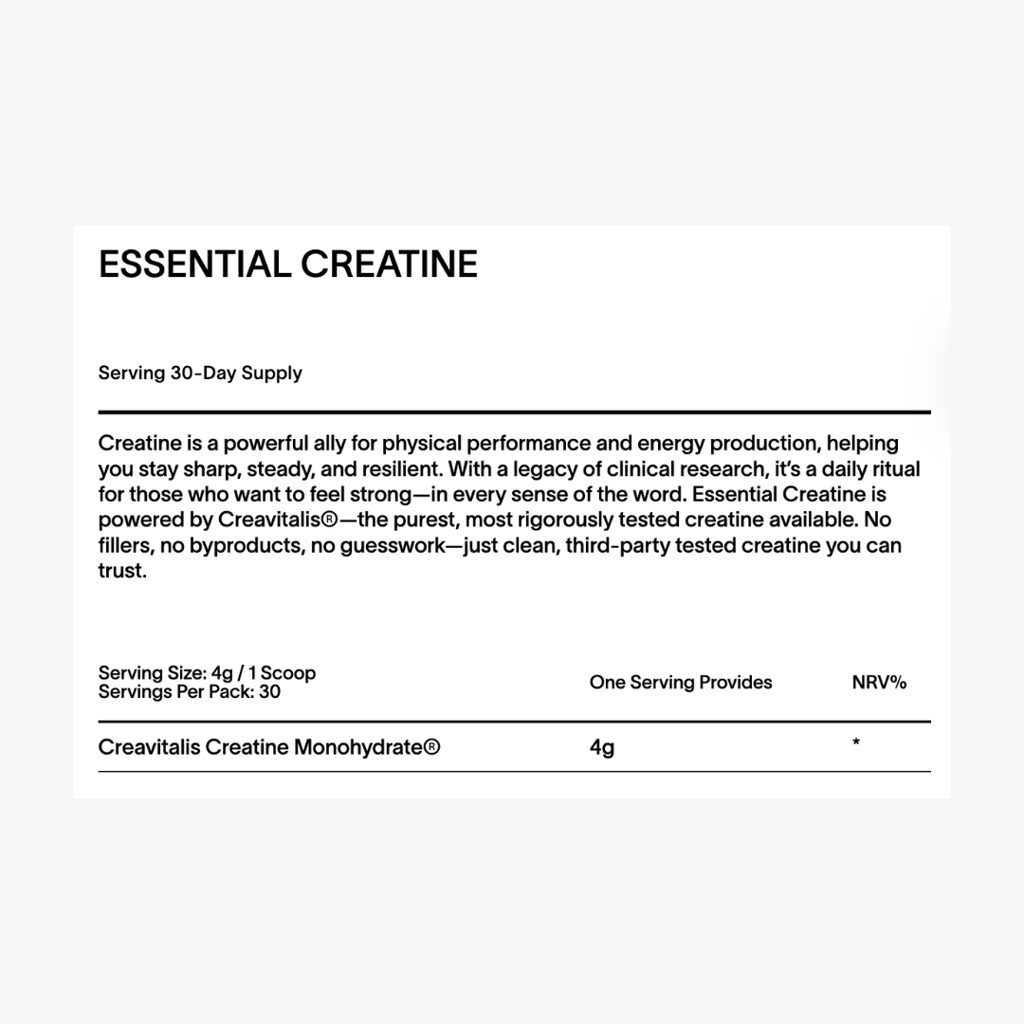
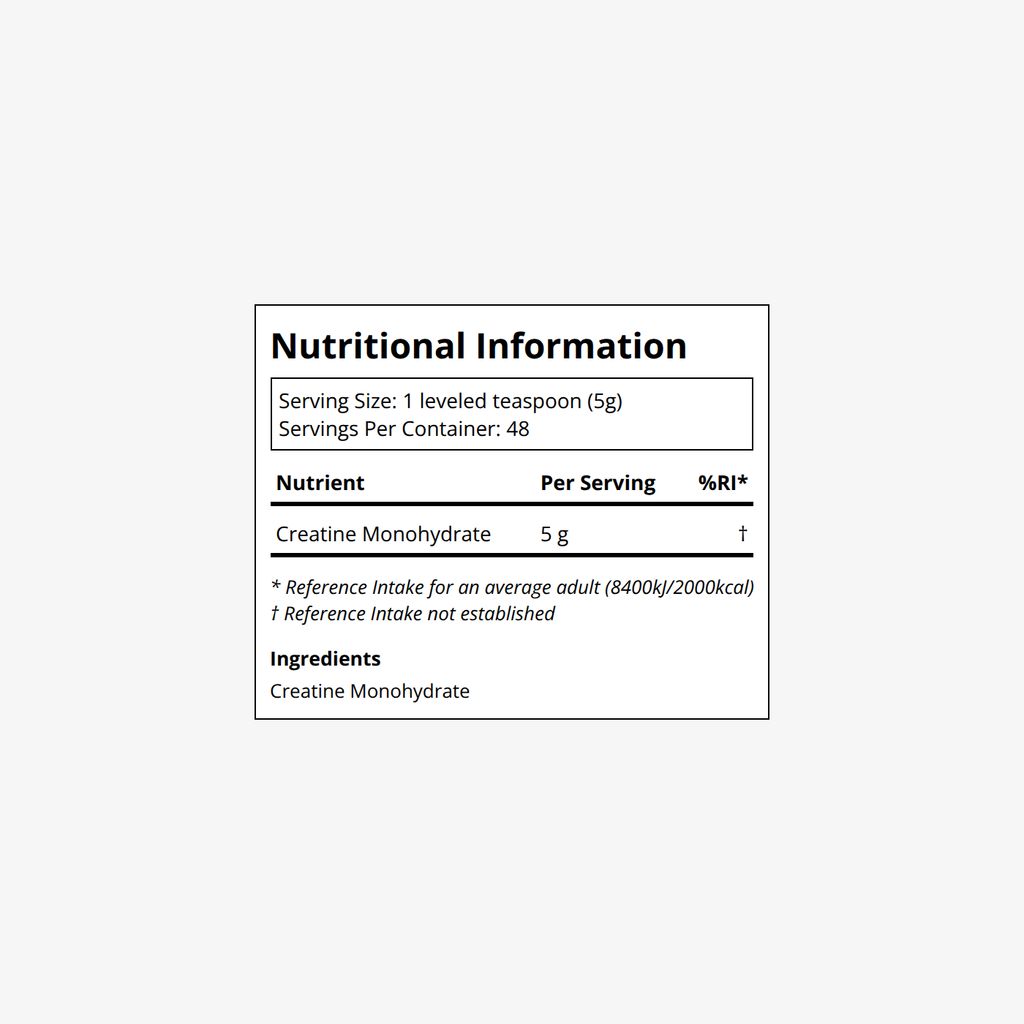
- Start with 5g a day for general cognitive support and mental health maintenance.
- Consider 8-10g for a bigger brain boost: If you’re stressed, sleep-deprived or feeling a bit low, you may benefit from upping it a bit. Skip the mega-doses unless you’ve been supervised: 15-20g a day should be reserved for short-term clinical studies… not daily use.
- Use warm water if you prefer, as it may improve mixability and reduce some bloating.
- Go big on consistency, not timing: Regular daily intake matters more than whether you’re taking it in the morning or evening.
Creatine may not replace therapy, medication or other interventions for low mood or poor sleep, but it could become a wise addition to your supplement stack as a simple way to keep your brain’s energy levels topped up.




This article is for informational purposes only, even if and regardless of whether it features the advice of physicians and medical practitioners. This article is not, nor is it intended to be, a substitute for professional medical advice, diagnosis, or treatment and should never be relied upon for specific medical advice. The views expressed in this article are the views of the expert and do not necessarily represent the views of Healf
Samantha Nice is a seasoned wellness writer with over a decade of experience crafting content for a diverse range of global brands. A passionate advocate for holistic wellbeing, she brings a particular focus to supplements, women’s health, strength training, and running. Samantha is a proud member of the Healf editorial team, where she merges her love for storytelling with industry insights and science-backed evidence.
An avid WHOOP wearer, keen runner (with a sub 1:30 half marathon) hot yoga enthusiast and regular gym goer, Samantha lives and breathes the wellness lifestyle she writes about. With a solid black book of trusted contacts (including some of the industry’s leading experts) she’s committed to creating accessible, well-informed content that empowers and inspires Healf readers.