














_2026-10-13_14-11-48.png)

.jpg)
Immunity Hacks Experts Actually Swear By
Feeling run-down, low on energy or constantly under the weather? These science-backed tips will help keep your defences strong.

Written by: Samantha Nice
Written on: 16 September 2025
Your immune system works 24/7, but stress, lack of sleep, nutrient gaps, busy schedules and a change in weather can all leave it under pressure. The result? You feel drained, pick up bugs more easily and struggle to bounce back.
The good news is the strongest defence comes from the small daily habits that actually support your body’s immune response. We asked some of the industry’s experts which evidence-backed strategies they swear by and how you can easily build them into your routine. From nutrition tweaks to smarter sleep and stress-proofing rituals, here’s how to seriously strengthen and bolster your immunity.
Stick to a consistent sleep schedule
“Going to bed and waking up at the same time every day doesn’t just help you feel more rested, it also strengthens your circadian rhythm and stress response, both of which are tightly linked to immune function,” explains nutritionist, Megan Hallett.
Studies show that when circadian rhythms are disrupted, the immune system’s ability to fight off infections is weakened. In fact, research finds that night-shift workers, whose body clocks are chronically misaligned, experience significantly higher rates of infection. Keeping your sleep routine consistent helps align your internal clock, reduce stress hormone spikes, and prime your body’s defences.
Hack: try setting (and committing to) a regular bedtime and wake time - even on weekends to keep your circadian rhythm synced and your immunity strong.
Hum to boost your body’s natural antiviral defence
“One of my favourite immunity hacks is humming… yes, literally humming,” says longevity lifestyle doctor, Dr Alka Patel. Research shows that humming increases nitric oxide levels in the nasal passages by up to 15 times compared to normal breathing. Nitric oxide isn’t just a blood vessel dilator; it’s also a natural antiviral and antibacterial gas. It can block viral replication and improve airflow and local defences in the nose, the exact entry point for most infections.
Hack: try humming your favourite tune in the shower for two minutes a day to supercharge your first line of defence.”
Get outside in the morning daylight to reset your immune rhythm
Another easy one we can all do, is simply stepping outside first thing. “Natural light in the first hour after waking helps reset your circadian rhythms, which controls immune cell activity,” adds Dr Alka. Disrupted rhythms are linked to weaker antiviral responses, while synchronised rhythms prime your body to fight infection.
Hack: try just one minute of morning sunlight, paired with ten seconds of gratitude (what Dr Alka calls the “1:10 Sunshine Sync”) is enough to set your body clock and strengthen your immune shield for the day ahead.
Eat more polyphenols
“Polyphenols are plant compounds that play a key role in regulating immune pathways,” explains Megan. “Found in foods like berries, green tea, pomegranate, rosemary and dark chocolate, polyphenols help modulate inflammation and support antiviral defences,” she adds.
One standout example is EGCG, the main polyphenol in green tea, which research (like this and this) suggests may enhance T-cell function and help lower infection risk. Incorporating polyphenol-rich foods into your daily routine can give your immune system an extra edge without relying on supplements.
Hack: try sipping on a daily cup of green tea or snack on berries or dark chocolate to load up on these immune-supporting polyphenols.
Take a good quality vitamin D3 and K2 supplement
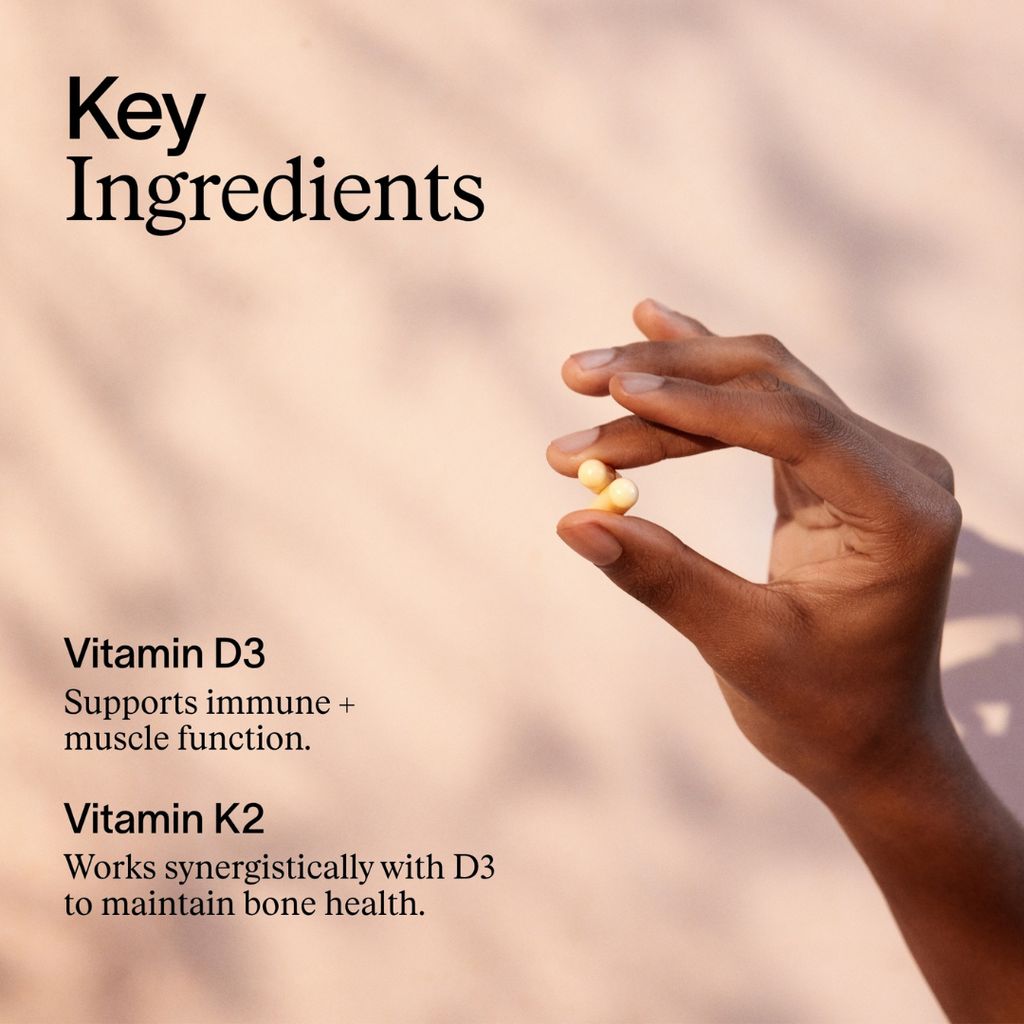
“If you aren’t already, start taking vitamin D3/K2 now,” advises nutritionist and founder of ARTAH, Rhian Stephenson. “Vitamin D is essential for immunity and whilst the official guidance is to take it from Autumn to Spring, many of us stop getting sunlight as soon as holidays are over.” Not only does it help activate immune cells and regulate inflammation, it also helps strengthen your body’s defences against infections. Even small shifts in routine (like spending more time indoors) can leave levels suboptimal.
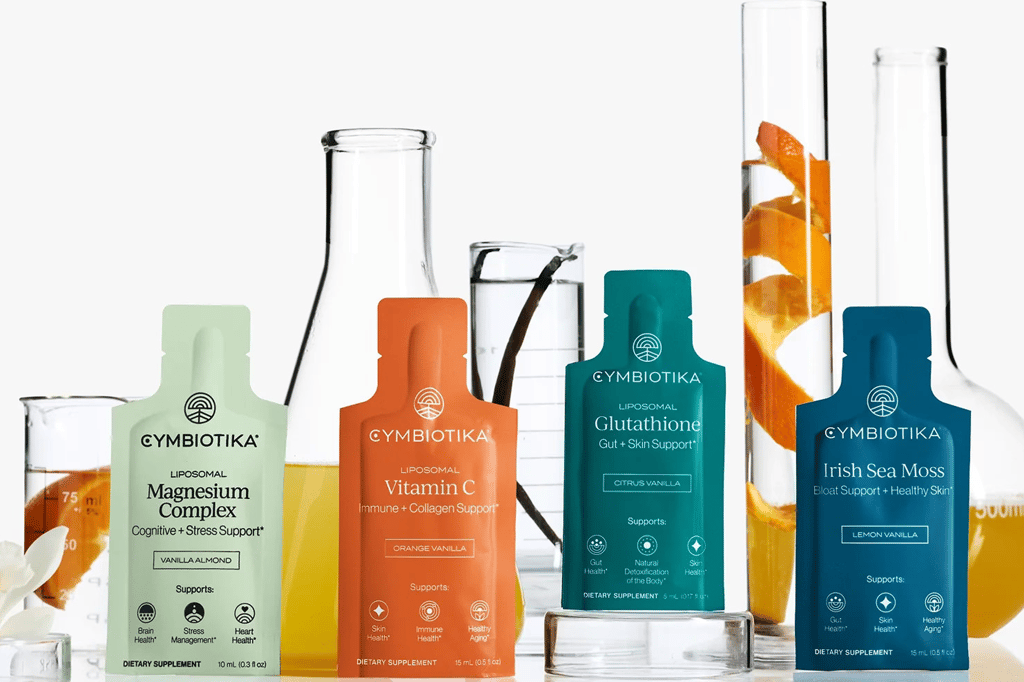
Hack: Take a daily D3/K2 supplement (like this one) with a meal containing fat for better absorption. Pair it with foods like fatty fish, eggs or fortified plant-based milks.
Make time for contrast therapy with sauna sessions and cold water exposure
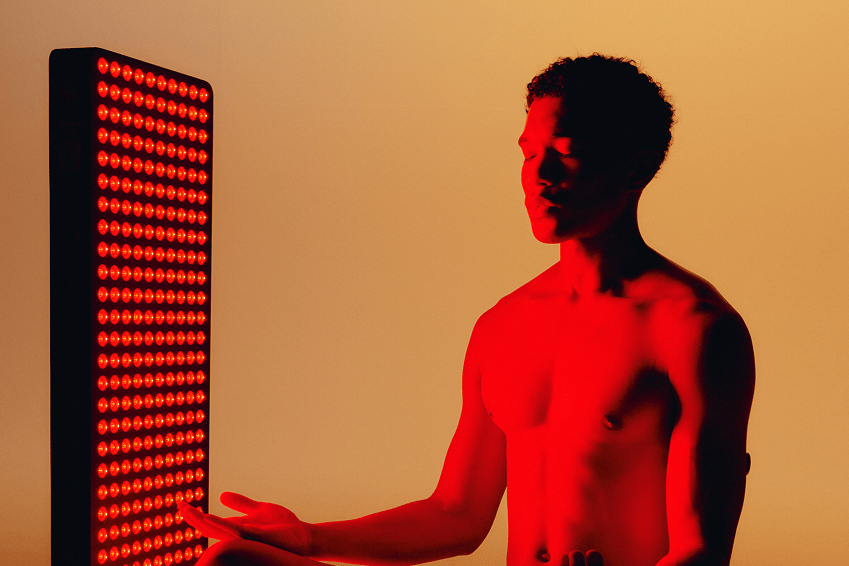
“This is undeniably one of my favourite wellness hacks for strengthening your immunity,” says Alanna Kit, psychedelic neuroscientist and co-founder at ARC. “Saunas mimic a natural fever response, which hinders viral and bacterial growth while increasing white blood cell production which is essentially training your immune system to react faster,” she adds.
“Alternating heat and cold (contrast therapy) adds another layer by creating a vascular pump that improves circulation, lymphatic flow and removal of cellular waste, while reducing inflammatory markers. On a cellular level, both sauna and cold exposure activate heat shock proteins (HSPs), which repair damaged proteins and enhance stress resilience, helping protect against chronic disease,” adds Alanna.
If you’re already feeling under the weather or fighting a cold or flu, stick to the sauna and skip the cold plunge until symptoms subside.
Hack: aim for at least two sauna or contrast therapy sessions per week to really reap the rewards.
Load up on mushrooms
“Mushrooms (like lion’s mane, chaga and reishi) have been used for centuries to support health, and modern research shows they’re powerful modulators of the immune system,” explains Megan. “Medicinal mushrooms contain bioactive compounds that help regulate immune responses, supporting your body’s ability to fight infection and reduce inflammation,” she adds. The best part? They’re easy to add to your daily routine. Powders can be blended into smoothies, stirred into yoghurt bowls, mixed into hot drinks or taken as capsules or tinctures.
Hack: add a mushroom powder to your morning smoothie or hot drink, or try a capsule if you prefer.
Prioritise quality sleep and a solid nightly routine
“Sleep is one of the most important tools we have to boost our immune system,” says sleep expert and founder of The Insomnia Clinic, Kathryn Pinkham. “It’s the quality of sleep that matters more than just the hours you spend in bed. Deep, consolidated sleep is when your body repairs and rejuvenates, so long nights with fragmented sleep or quick ‘hacks’ that try to force rest can actually backfire and leave you feeling worse,” she adds. The key is a consistent routine that promotes restorative sleep. Techniques from CBT for insomnia (CBT-I) are particularly effective for creating a healthy sleep pattern, helping your body naturally get the deep rest it needs to support immune function.
Hack: try limiting screen time before bed and finding a wind-down routine that works for you. This may look like reading, having a bath or listening to a calming meditation.
Keep your iron levels in check… especially women
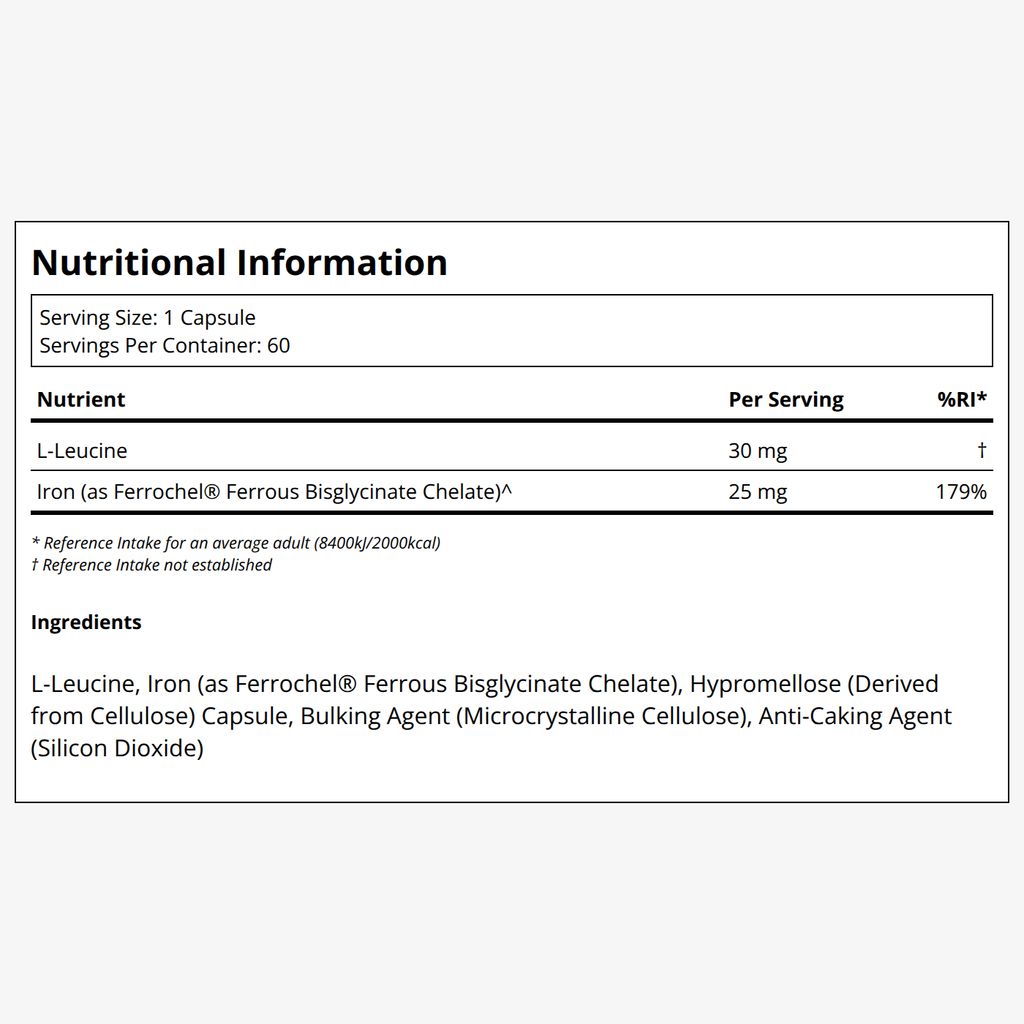
“Iron plays a crucial role in regulating the immune system, particularly in T-cell proliferation and differentiation,” explains Megan. “Iron deficiencies can alter cytokine responses, reducing your body’s ability to fight infections,” she adds. “Women with heavy periods are often at higher risk of suboptimal iron levels so I’m a big advocate of getting your iron levels checked and supplementing under professional guidance, if needed.”
Hack: add iron-rich foods into your diet. Think steak, liver, beans and leafy greens. If levels are low, look for a high quality iron supplement.
Feed your gut properly
“Did you know that around 70% of immune cells live in the gut?" asks gut health nutritionist, Eli Brecher. “Within this in mind, maintaining a diverse microbiome is key for strong immune defences. Eating fermented foods daily can increase gut microbiome diversity and reduce inflammatory markers, helping your body respond more effectively to infections,” she adds.
Hack: include one serving of fermented foods like kefir, sauerkraut, kimchi or other probiotic-rich options every day to nourish your gut and strengthen immunity naturally.
Give forest bathing a go
Spending time in a forest (known in Japan as Shinrin-yoku or “forest bathing”) does more than just calm your mind. In fact, research shows it can measurably strengthen your immune system. “Just one or two days in the woods has been shown to boost the activity of natural killer (NK) cells - your body’s frontline defenders against viruses and even some cancer cells - by around 50%,” explains immunologist and author, Jenna Macciochi. “Not only do NK cells increase in number, but their function improves and levels of anti-cancer proteins rise too.” Even better? The immune boost isn’t fleeting. Studies show it can last for over a week, sometimes even a month, after a single forest trip. One reason is phytoncides (antimicrobial compounds released by trees) which you inhale as you walk, triggering the body’s defences to ramp up.
Hack: aim to swap one city walk for a forest or woodland stroll, even just once a month. The calming effect lowers stress while giving your immune system a natural upgrade. Win, win.




This article is for informational purposes only, even if and regardless of whether it features the advice of physicians and medical practitioners. This article is not, nor is it intended to be, a substitute for professional medical advice, diagnosis, or treatment and should never be relied upon for specific medical advice. The views expressed in this article are the views of the expert and do not necessarily represent the views of Healf
Samantha Nice is a seasoned wellness writer with over a decade of experience crafting content for a diverse range of global brands. A passionate advocate for holistic wellbeing, she brings a particular focus to supplements, women’s health, strength training, and running. Samantha is a proud member of the Healf editorial team, where she merges her love for storytelling with industry insights and science-backed evidence.
An avid WHOOP wearer, keen runner (with a sub 1:30 half marathon) hot yoga enthusiast and regular gym goer, Samantha lives and breathes the wellness lifestyle she writes about. With a solid black book of trusted contacts (including some of the industry’s leading experts) she’s committed to creating accessible, well-informed content that empowers and inspires Healf readers.