






































_2026-10-13_14-11-48.png)


Is Shilajit Nature’s Viagra?

Written by: Pippa Thackeray
Written on: 10 November 2025
A recent UK survey found that 74.6% of men between 25 and 34 reported experiencing erectile dysfunction (ED), and 40% said it occurred more than half the time. So, as interest grows in natural ways to manage erectile dysfunction and boost energy, many are turning to shilajit for its traditional use in supporting testosterone and stamina for sexual health.
What is shilajit?
Shilajit is a dark, tar-like resin that comes from rocks high in the Himalayas. Formed slowly over centuries as plants and minerals break down under pressure, and used as a renowned folk medicine in regions like India, Tibet, and Central Asia, it’s well established in Ayurvedic medicine as a tonic for both strength and endurance. On a nutritional level, thanks to the 84 minerals and other beneficial nutrients it contains, it’s thought to act as an antioxidant, support memory and immune function, reduce inflammation, boost energy, and even help flush out excess fluid as a natural diuretic.
Shilajit: An ancient and natural force from the mountains
Rich in fulvic and humic acids and trace minerals such as iron, copper, zinc, magnesium, manganese and selenium, shilajit is believed to help restore energy and balance. These natural compounds are thought to support stamina and mental clarity, as well as male reproductive health.
Going back to its roots, the use of shilajit traces back over 4,000 years, appearing in numerous ancient medical traditions. More specifically, in Ayurveda, shilajit is considered a "rasayana," meaning a rejuvenator that enhances life quality, and is referenced in ancient texts like the Charaka Samhita and Sushruta Samhita.
Moreover, written records mention its use by ancient figures like Aristotle, Razi, and Ibn Sina. The Sanskrit meaning of shilajit is "Conqueror of mountain and destroyer of weakness".
That’s a lofty title to live up to, but nowadays it would appear that interest in this ancient substance has resurfaced as people look for natural ways to maintain energy and sexual wellbeing, away from pharmaceutical applications.
The question is whether Shilajit’s gradual effects can be compared to fast-acting sexual enhancement drugs, like Viagra.
What is erectile dysfunction and what are the possible causes?
Common causes include cardiovascular issues, diabetes, high blood pressure, low testosterone, stress, depression, and certain medications. Lifestyle habits like smoking, inactivity, or heavy alcohol use can also contribute.
Conventional treatment typically starts with medications (such as Viagra) which increase blood flow to the penis. Importantly, in the medical community, erectile dysfunction is now often seen as an early warning sign to be taken seriously. Men with unexplained ED may be advised to undergo examination options such as cardiovascular screening, even if no other symptoms are present.
Viagra is a modern solution
Viagra, the brand name for sildenafil citrate, is a prescription medication developed to treat erectile dysfunction. In short, it works by increasing blood flow to the genital area, helping men achieve and maintain an erection.
What is the history of Viagra?
Viagra's history began in the 1990s when Pfizer scientists were testing the compound sildenafil to treat high blood pressure and angina. During clinical trials, male volunteers experienced an unexpected side effect: increased erections.
On realising this, Pfizer created another focus for the drug. Patented sildenafil in 1996, it was approved by the FDA in 1998 as the first oral treatment for erectile dysfunction.
Because Viagra acts directly on circulation, it is always used under medical supervision. It can cause side effects depending on an individual’s health profile and conjunctively used with other medications. For many men, it remains an effective, short-term solution to sexual problems caused by erectile dysfunction.
Viagra and shilajit: What’s the difference?
Viagra works by targeting blood flow to the genital area, creating an immediate and short-term physical effect.
Shilajit, by contrast, acts more broadly on many health parameters. Plus, it has added benefits such as supporting the body’s internal systems including hormones, circulation, energy and resilience. In some cases, the diuretic effect can help manage overall cardiovascular health, which is essential for proper erectile function.
All of this helps to create lasting balance when shilajit is taken regularly, rather than simply resulting in an instant response, as is the case with medications like Viagra.
What does the research say?
Recent medical findings suggest that this difference reflects their underlying mechanisms. Viagra’s pharmaceutical compounds work on a single enzyme to increase blood flow, producing a direct but brief result.
Shilajit works through a combination of natural processes. Its antioxidants and anti-inflammatory compounds protect against the oxidative stress that contributes to erectile difficulties. Meanwhile, its adaptogenic qualities help the body cope with physical and emotional strain that can affect performance.
How shilajit supports general wellbeing and sexual wellbeing
Traditional uses of shilajit primarily focus not only on diabetes and diseases of the urinary tract, but also on oedema, tumours, and muscle wasting. But, in particular, Ayurvedic medicine has long described shilajit as a restorative that strengthens the body from within and modern understanding adds detail to that perspective.
Does shilajit increase testosterone in men?
Results from studies indicate that treatment with shilajit for consecutive 90 days revealed that it has significantly increased total testosterone, free testosterone and dehydroepiandrosterone (DHEAS) compared with placebo.
Does it support pelvic blood flow in the same way Viagra does?
Research also highlights its ability to support blood flow, particularly to the pelvic region, which may gradually improve erectile function. In studies, shilajit helped relax erectile tissue in rats and seemed to amplify the body’s natural signals involved in getting an erection. That might help explain why it’s been used for centuries as an aphrodisiac.
The researchers concluded that, before anyone outright crowns it nature’s Viagra, it’s worth noting that this blood flow enhancing effect in particular hasn’t yet been thoroughly tested in humans. As such, it’s not a confirmed treatment for erectile dysfunction, and we don’t yet know how it performs in direct comparison to standard medications approved for this purpose.
Shilajit offers a holistic approach to sexual wellbeing
But the positives are similar to many plant medicines, because rather than focusing on a single system, shilajit nurtures several at once. It supports energy metabolism, hormone balance, circulation and cognitive focus. And it is this holistic approach that will most likely result in lasting sexual wellbeing, through the action of supporting many vital body systems simultaneously.
Add to that, its fulvic acid content protects cells from oxidative stress and supports nutrient absorption. These actions together help reduce fatigue while maintaining hormonal stability.
Taking time and whole-body wellbeing over quick fixes
Viagra commonly works within an hour, while shilajit on the other hand typically requires several weeks before results become noticeable.
In comparison to Viagra, this is a slower process, but it could be said that it allows the body to rebuild stamina and balance in a way that lasts.
Key benefits of taking shilajit – at a glance
Modern research is beginning to reveal the reasons behind the long-held beliefs surrounding shilajit, suggesting it may:
Support male health: Via potential improvement of factors such as sperm quality, libido and erectile function. Men taking 250 milligrams of shilajit daily had significant increases in testosterone and DHEA (both necessary for muscle growth and sexual performance) after 90 days.
Provide rich nutrients: Shilajit contains fulvic and humic acids and minerals such as iron, copper, zinc, magnesium, manganese and selenium that support daily energy.
Offer antioxidant protection: The antioxidant potential of shilajit helps to neutralise free radicals and limit oxidative stress.
Support energy levels: may enhance stamina and endurance with consistent use.
Aid cognitive function: Supplementing with shilajit may help with focus, alertness and mental clarity.
Soothe inflammation: Several compounds contained in shilajit reduce mild inflammation and support joint comfort.
Ultimately, can shilajit and Viagra be compared?
They are difficult to compare directly. Although both are linked to sexual performance, they differ on many levels, such as their origin, action and physiological outcomes.
Shilajit is a natural resin that supports the body’s internal systems, nourishing energy, testosterone and overall vitality through steady use. While, on the other hand, Viagra is a prescription medicine that increases blood flow and offers rapid assistance when required.
Both applications can be valuable, depending on what is required most. After all, it is worth remembering that Viagra helps manage isolated symptoms of erectile dysfunction, and that shilajit supports long-term wellbeing, with both sexual and whole-body benefits.
Can shilajit enhance libido in women?
While most discussions around Shilajit focus on male vitality, emerging research shows the relevance of shilajit for enhanced sexual function may be applicable to women too.
A 2023 triple-blind randomised clinical trial tested whether Shilajit helps improve women’s sexual function and satisfaction. After about two months, women taking shilajit showed better scores in sexual desire, arousal, orgasm, and satisfaction, while the placebo group didn’t change much.
Other studies examine the possible mechanisms of action. Shilajit as a substance appears to support hormonal balance by helping to regulate oestrogen and progesterone levels, which in turn can influence libido, vaginal lubrication and many other factors relating to female sexual wellness.
Moreover, because shilajit is rich in fulvic acid, trace minerals and anti-inflammatory compounds, its impact may extend beyond direct sexual function. By reducing fatigue, improving energy levels and supporting general hormonal equilibrium, it may indirectly support sexual desire and comfort, regardless of whether a person is male or female.
That said, the evidence remains limited and early. Some reviewers caution that long-term trials in women are still needed. Women who are pregnant, breastfeeding or managing hormonal conditions should approach supplementation with caution and always consult a healthcare professional before starting.
Combining shilajit with drug use safely
Some people claim to use shilajit alongside prescription drugs like Viagra. But, because Viagra directly affects blood flow, it should only ever be used under medical supervision and anyone considering taking both must speak to a healthcare professional first.
Purity matters most
Because Shilajit is a natural substance collected from mountainous rock, it can sometimes contain impurities if not properly processed. Always choose lab-tested, purified products from reputable suppliers.
A realistic expectation
Shilajit is not necessarily a direct replacement for Viagra. Viagra is a prescription medicine designed for specific use, while Shilajit is a natural supplement that supports wellbeing in a broader sense, and within that, it is possible for sexual function to be enhanced.
The effects of shilajit are said to be gradual and cumulative in comparison to Viagra.
Those who take shilajit consistently may have a sense of feeling more resilient and balanced rather than experiencing a single dramatic change (demonstrated with Viagra).
Are there any side effects?
Viagra is a prescription medication that may cause headache, flushing, indigestion, nasal congestion, or changes in vision. In uncommon cases, it can lead to more serious issues such as a prolonged and painful erection, chest pain, or sudden loss of vision or hearing, which require immediate medical attention.
Shilajit, a natural supplement, may cause headache, dizziness, or digestive discomfort. Less commonly, it may trigger allergic reactions or affect blood pressure. Risks are higher with unpurified or low-quality products, which may contain heavy metals or lead to iron overload.
Both substances can interact with other medications, making it important to speak with a healthcare provider before starting either, especially if you have underlying health conditions.
Navigating quick fixes for the broader picture of your sexual wellbeing
Calling shilajit nature’s Viagra simplifies something that is perhaps a little more nuanced.
And in the context of a world full to the brim of ‘quick fixes’, it invites a return to viewing the body and its many functions holistically. In so doing, sexual wellbeing can be seen as just one part of a much bigger picture, usually involving hormonal and cardiovascular function, among many other vital factors.
The shilajit to Viagra comparison popular in the headlines at the moment therefore serves as a gentle reminder that establishing true sexual wellbeing and longevity takes a lot more than isolating a singular symptom.
Shop Shilajit at Healf
KIKI Health Himalayan Shilajit: Pure Himalayan resin known for its high concentration of trace minerals. KIKI Health’s Shilajit supports daily energy and balance, offering a simple way to include this traditional compound in your routine.
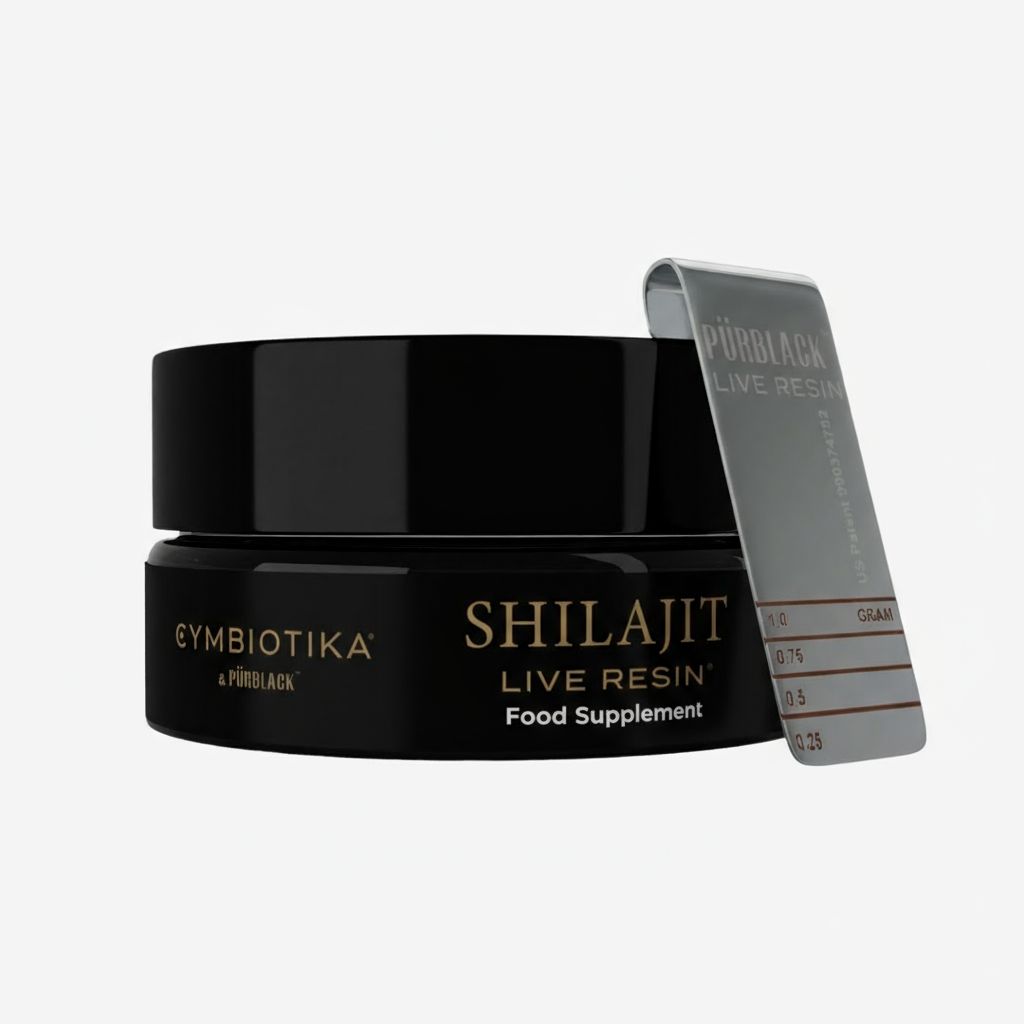
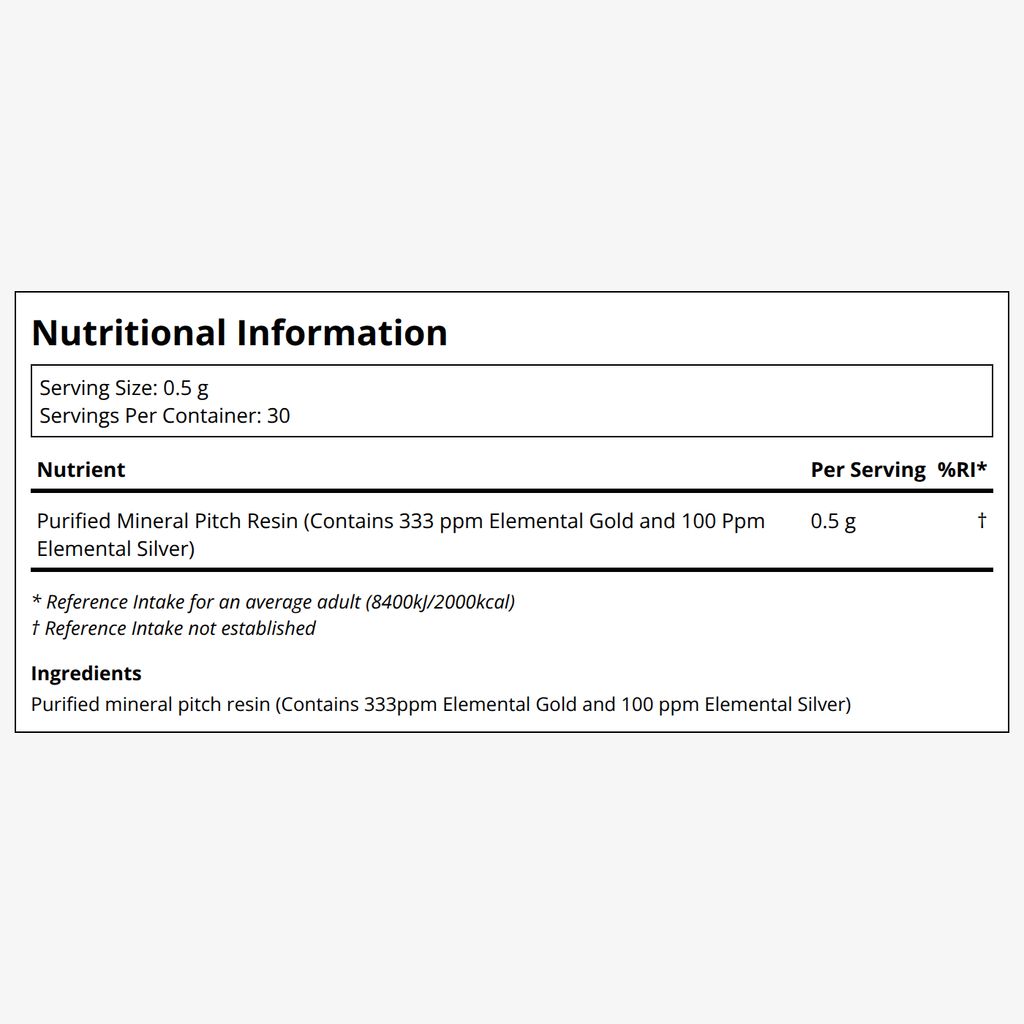
Cymbiotika Mineral Shilajit Resin: A potent mineral-rich live resin crafted for modern use. Cymbiotika’s formula draws on natural fulvic acid and trace elements to help support vitality and resilience as part of a daily wellbeing ritual.
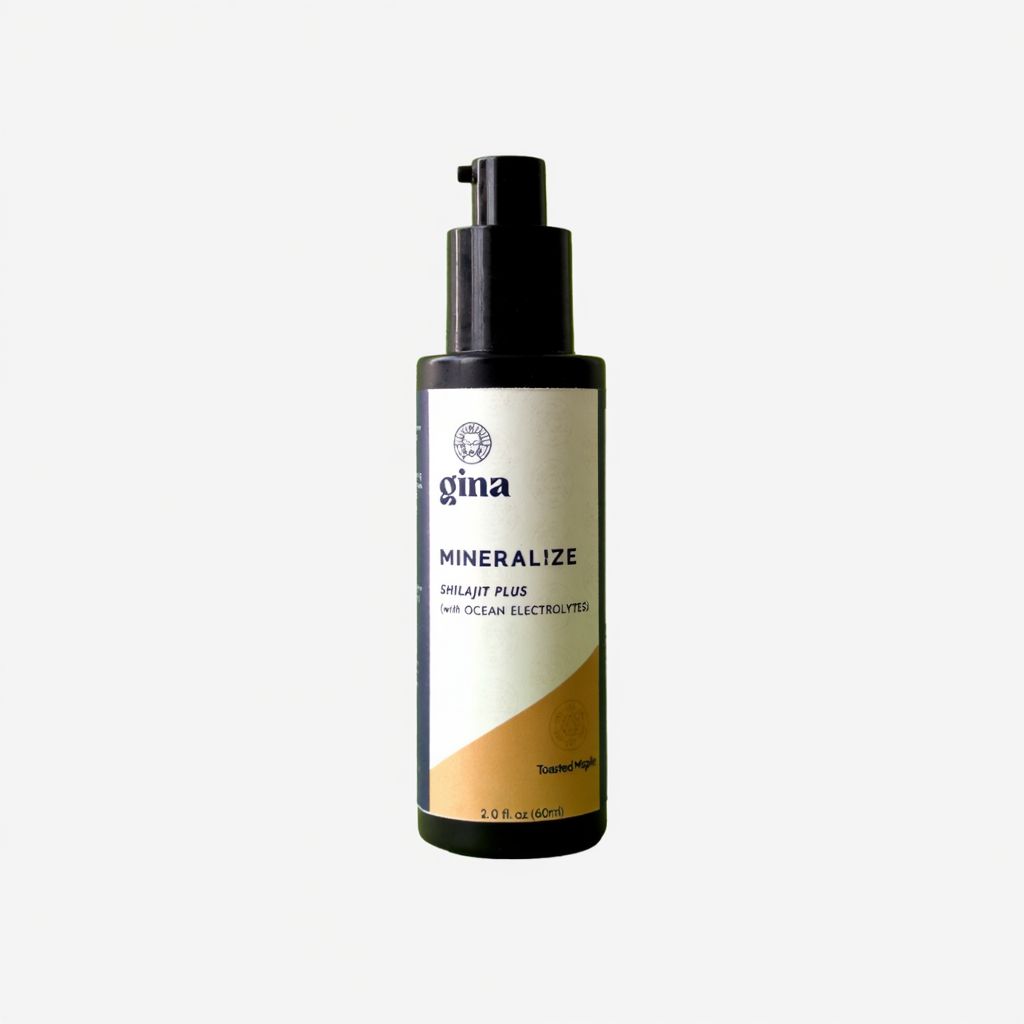
Erewhon Shilajit: Pure Himalayan Shilajit resin designed to promote balance and sustained energy. Erewhon’s formulation offers a refined approach to this traditional supplement, ideal for those who value natural daily restoration. Gina Health MINERALIZE Shilajit Vitality: A modern mineral blend combining shilajit fulvic minerals with deep-sea ocean plasma. Gina Health’s formula offers fast-absorbing, full-spectrum mineral support which is ideal for anyone seeking daily energy, hydration and balance in a clean, convenient format.
Shop EAT at Healf to explore natural supplements that support stamina, energy and inner balance, helping you feel restored from the inside out.




FAQs
Can Shilajit help with erectile dysfunction (ED)?
Some studies suggest that Shilajit may support sexual health and function by encouraging testosterone production and energy levels. It’s believed to naturally promote stamina and libido, though results can vary. Traditionally, Shilajit is said to aid circulation and hormonal health while contributing to overall vitality. Unlike Viagra, its benefits build gradually through ongoing use.
Does Shilajit make you last longer?
It may help extend endurance and support energy balance, which can influence physical performance, including intimacy. That said, individual effects do differ. Ultimately, consistency of supplementation and quality of the supplement matter most for the best chance of gaining benefit.
Can I take Shilajit and Viagra together?
This should always be discussed with your prescriber. While some people consider using both, potential interactions can occur, so professional advice ensures safety and suitability.
Can women take Shilajit to enhance libido?
Yes, women may take Shilajit and there is early evidence to suggest it may support aspects of sexual health such as hormonal balance, lubrication and energy (factors that contribute to libido). Recent research points toward improvements in sexual function when using Shilajit. Still, because research remains limited, it should not be viewed as a guaranteed solution. Women who are pregnant, breastfeeding or managing underlying health conditions should seek medical advice before use.
What are the common side effects of Viagra?
Common side effects of Viagra include headache, flushing, indigestion, nasal congestion, and changes in vision. In rare cases, it may cause serious effects such as chest pain, a prolonged erection, or sudden loss of vision or hearing. These require immediate medical attention.
What are the common side effects of shilajit?
Shilajit may cause headache, dizziness, or digestive discomfort. It can occasionally trigger allergic reactions or affect blood pressure, particularly in sensitive individuals.
Is shilajit safe?
Shilajit’s safety depends heavily on its purity. Unpurified or low-quality products may contain heavy metals. Always purchase from reputable brands and from trusted retailers.



This article is for informational purposes only, even if and regardless of whether it features the advice of physicians and medical practitioners. This article is not, nor is it intended to be, a substitute for professional medical advice, diagnosis, or treatment and should never be relied upon for specific medical advice. The views expressed in this article are the views of the expert and do not necessarily represent the views of Healf
Pippa is a content writer and qualified Nutritional Therapist (DipNT) creating research-based content with a passion for many areas of wellbeing, including hormonal health, mental health and digestive health.
As a contributor to The Healf Source, she regularly attends seminars and programmes on a plethora of contemporary health issues and modern research insights with a drive to never stop learning. In addition, interviewing experts and specialists across The Four Pillars: EAT, MOVE, MIND, SLEEP.
In her spare time, she is an avid swimmer, mindfulness and yoga lover, occasionally bringing a raw, honest approach to the topics she faces. You may also discover some personal accounts of eye-opening wellbeing experiences amidst the reality of a disorientating, and often conflicting, modern wellbeing space.