











_2026-10-13_14-11-48.png)


The Testosterone Connection: Habits That Really Move The Needle

Written by: Pippa Thackeray
Written on: 31 August 2025
Testosterone shapes energy, focus, recovery and mood. Consistent habits, including food, sleep, light exposure and other daily choices may help sustain balance and build steadier momentum for both training and work, as well as wellbeing.
Why testosterone matters more than you think
Symptoms of low testosterone include unexplained weight gain, thinning hair, low energy, low libido and low muscle mass. But it doesn’t always show up this pronounced. It may be subtle and hard to detect without testing. It may also begin in your thirties.
So, stereotypes aside, low testosterone isn't just something concerning the ageing male population. Neither is it only about muscle or libido.
This hormone takes on a lot in the body, often changing the way we think. Huberman explains that it changes how the brain handles threat by acting on the amygdala, lowering the threshold for stress and making effort feel more rewarding.
This can show up as greater motivation, a willingness to take on more challenges, or a higher tolerance for competition. And, vice versa, Huberman also says competition is good for testosterone. Therefore, it affects how you approach work and relationships as much as your time spent building physicality and strength.
What is considered low testosterone?
In the UK, testosterone is assessed through blood tests and reported in nanomoles per litre (nmol/L).
The NHS states that, for men, adult levels are generally considered normal from around 6-27 nmol/L, while a typical total testosterone level ranges from 12 to 29 nmol/L, according to the British Society for Sexual Medicine.
The ‘male menopause’
Levels rise sharply at puberty and then fall slowly, around 1% each year past the age of 30. It’s something referred to as the ‘male menopause’. However, that decline isn’t necessarily fixed to negatively affect your health.
What can I do to maintain my testosterone levels?
Light exposure, sleep depth, training and stress all play their part. Plus, it’s said some healthy competition can raise testosterone, an effect tied to dopamine and the pituitary hormones that regulate production.
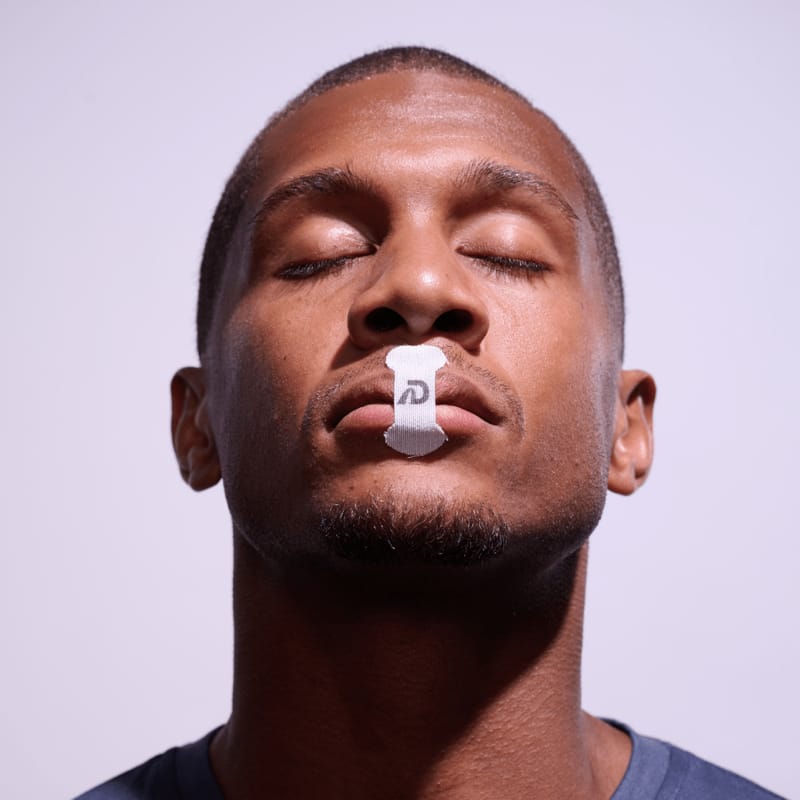
Sleep is a key player. Apnoea and fragmented nights reduce levels, while nasal breathing helps support deeper sleep and better hormonal rhythms.
Stress management is relevant to testosterone maintenance as chronic stress also diverts the cholesterol building block towards cortisol instead of testosterone or oestrogen. But the list doesn’t end there.
Testosterone, in context
Context is important for testosterone. Interestingly, and as mentioned on Huberman, expectant and new fathers often experience a significant drop in testosterone, something thought to encourage care and presence with their child.
Illness and inflammation also tend to lower desire and suppress sex steroid production in both men and women.
What’s more, testosterone and oestrogen work together in men to support libido, which indicates that balance rather than extremes matter most when it comes to our hormonal health.
Here’s how to support your testosterone through seven consistent actions:
1. Lift heavy weights three times per week
Huberman advocates for resistance training, particularly with heavy compound exercises like squats, deadlifts, and chin-ups, to stimulate testosterone production. He suggests workouts with 6 sets of 10 repetitions with 2-minute rest periods, focusing on both intensity and volume.
Heavy resistance work creates a strong hormonal signal, particularly when using loads in the one to six or up to eight repetition range. The increase in testosterone associated with exercise usually lasts around a day, sometimes more.
Placing weight training before long cardio in the same session produces a better hormonal picture than doing endurance first, according to Huberman.
Interval training also supports hormones, whereas long steady endurance past an hour often tilts the body towards cortisol instead.
Other exercise forms
Studies show that sprint exercise promotes a general rise in testosterone, and helps maintain performance. People with naturally higher starting testosterone levels tend to show a smaller boost in response, while those with lower baselines often respond more strongly. Therefore, both the type of training chosen and individual predisposition matter when aiming to influence testosterone through exercise.
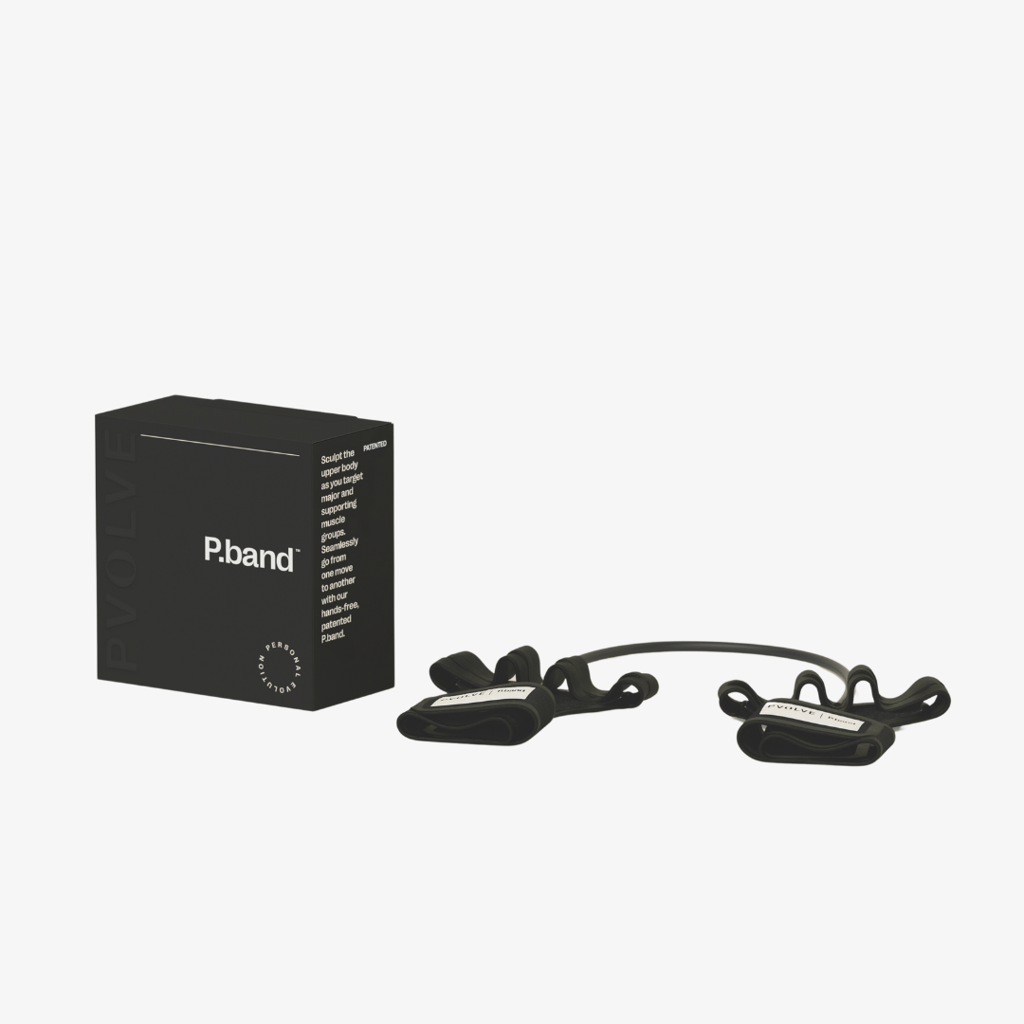
In terms of resistance and weights, three sessions each week is a practical aim. Big compound lifts form the base, with accessories added as needed. On days when training at home, a simple tool such as the Pvolve P.band keeps pressing and pulling patterns available to you, with little kit required.
2. Eat red and organ meats
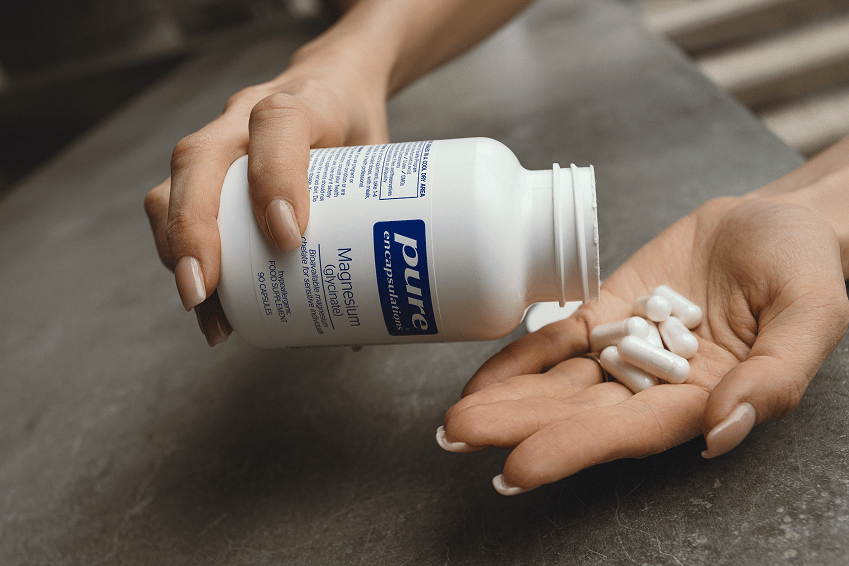
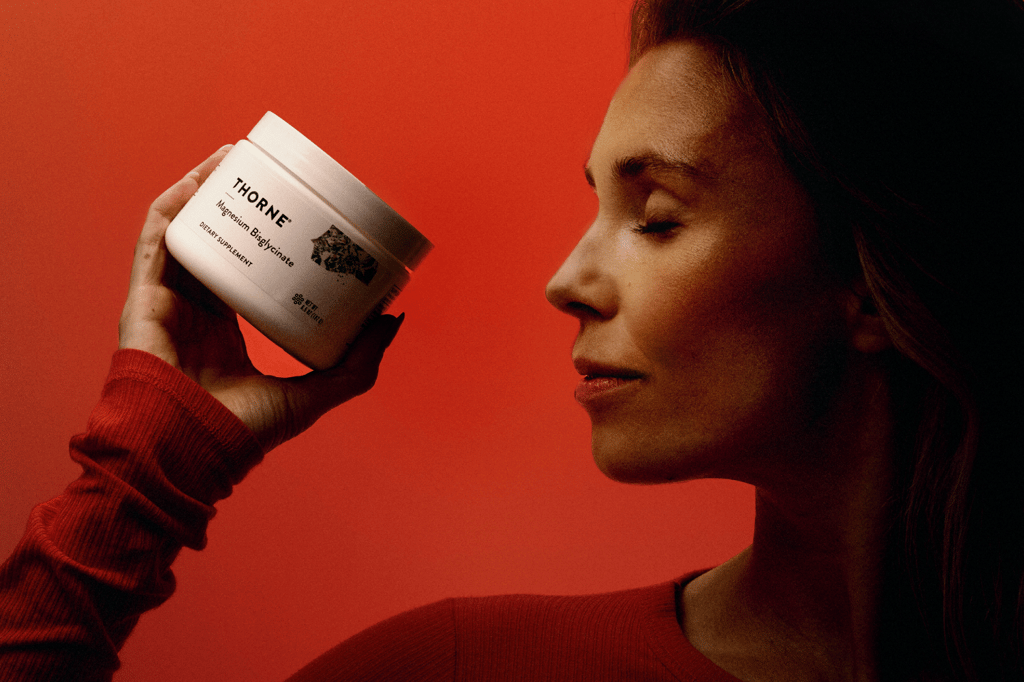
Huberman also reminds us that vitamin D, zinc and magnesium are common gaps to form testosterone overall.
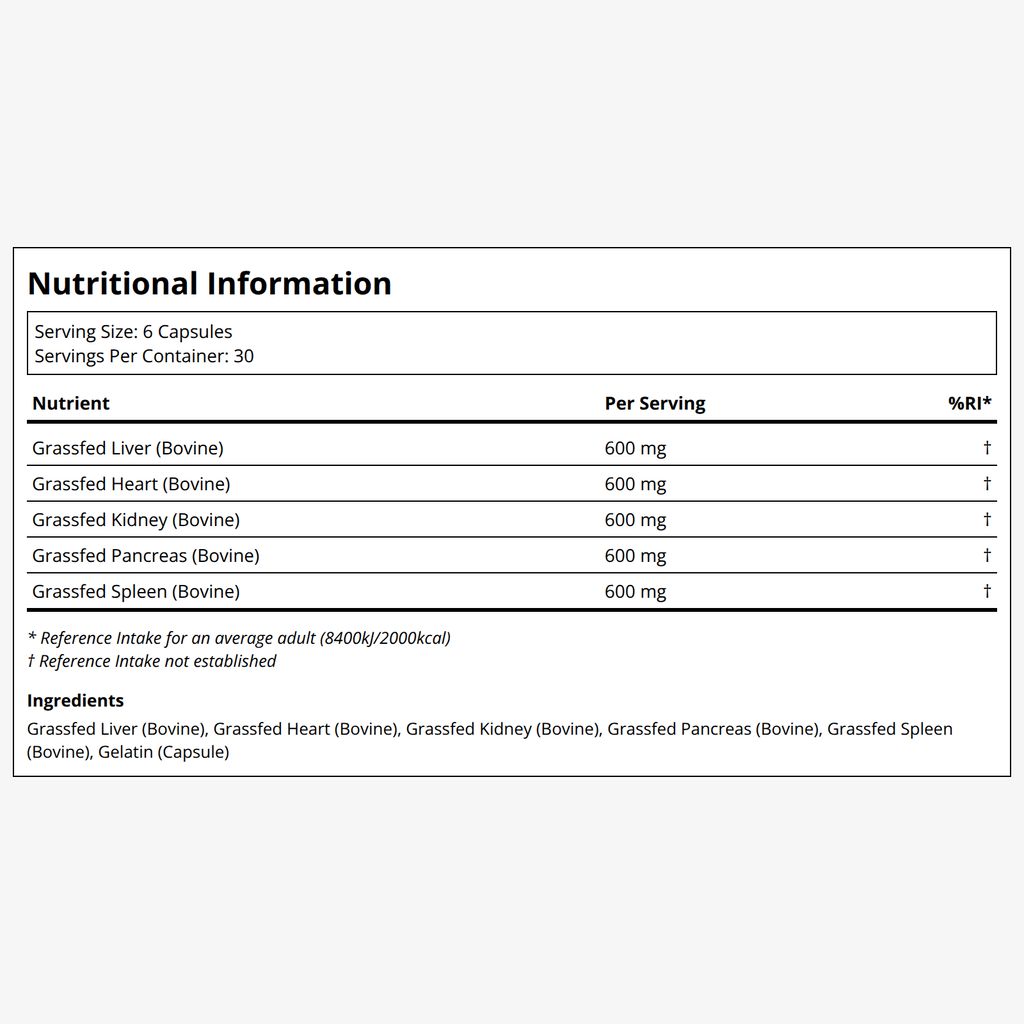
Red and organ meats bring iron, B vitamins and zinc, all of which support testosterone. Even a mild lack of zinc can lower levels, while restoring it brings them back.
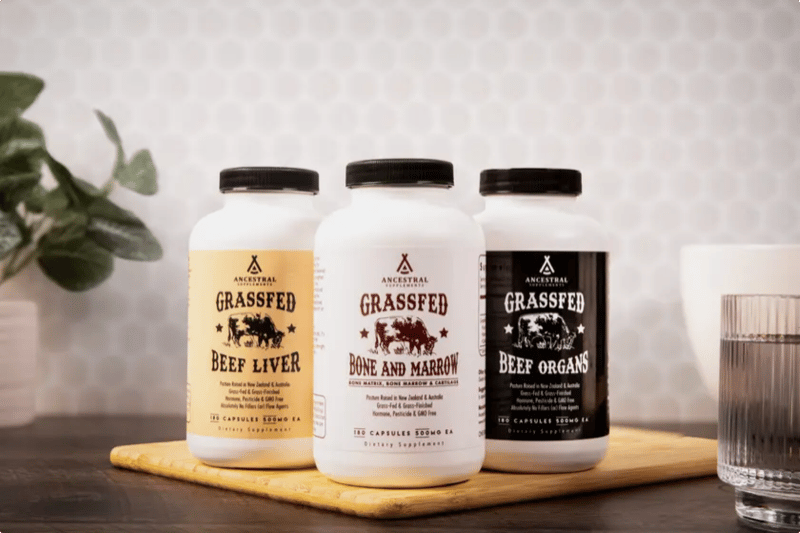
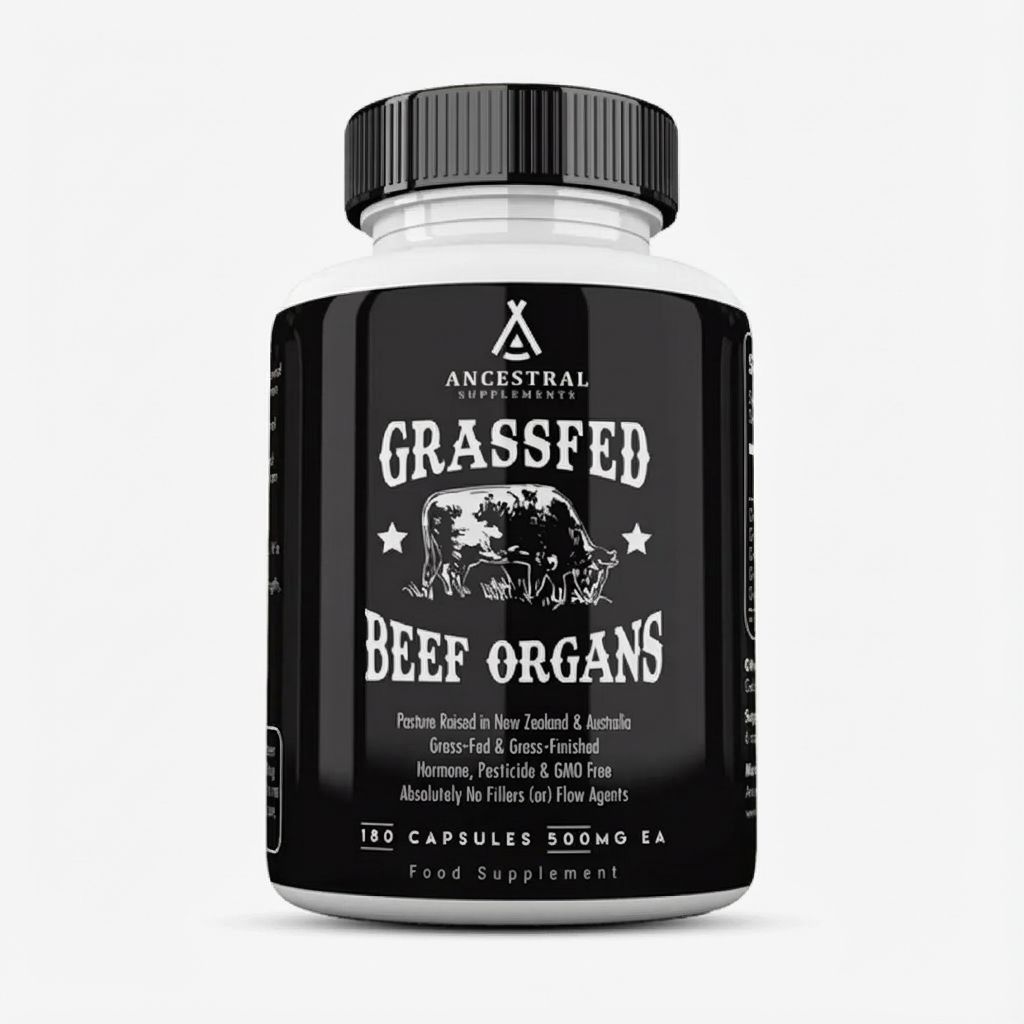
When preparation is harder, Ancestral Supplements Grass Fed Beef Organs offer these nutrients in capsule form, giving a whole food option that works on busy days.
What about other red foods?
Some other red-coloured foods have been linked with testosterone support. In one study, two weeks of pomegranate intake increased testosterone by around 24%, while also improving mood and vitality.
So the image of a pomegranate as a symbol of fertility may hold more truth than legend. Additionally, other red-coloured fruits, such as berries and cherries, bring flavonoid antioxidants that help protect the cells responsible for testosterone production. This supports the body’s ability to maintain hormone balance. Even red onion is thought to have a similar antioxidant effect.
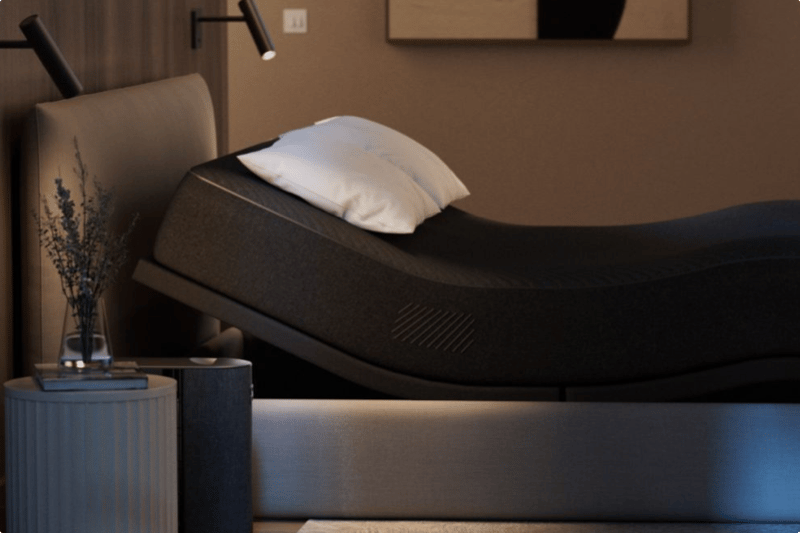
3. Sleep 7 to 9 hours in complete darkness
Most testosterone production occurs during deep sleep. As seen in studies, just one poor week of rest can create a measurable decline. A dark, cool room and a regular sleep window are the foundations.
Huberman emphasises that bright light during the night suppresses dopamine and disrupts the signalling that supports testosterone and oestrogen.
Daytime behaviour also matters. Nearly half the brain is influenced by light compared with just a fraction by food, which reinforces why early sunlight is so important for circadian rhythm, energy and hormone balance.
That said, eating in line with daylight does help to regulate circadian rhythm, and late-night eating can disturb hormonal cues tied to sleep and recovery. This is an area of research commonly referred to as Chrononutrition.
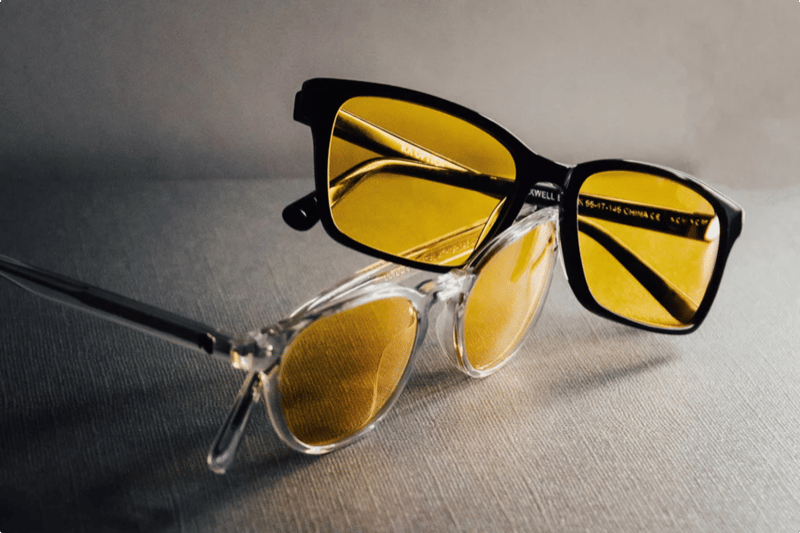
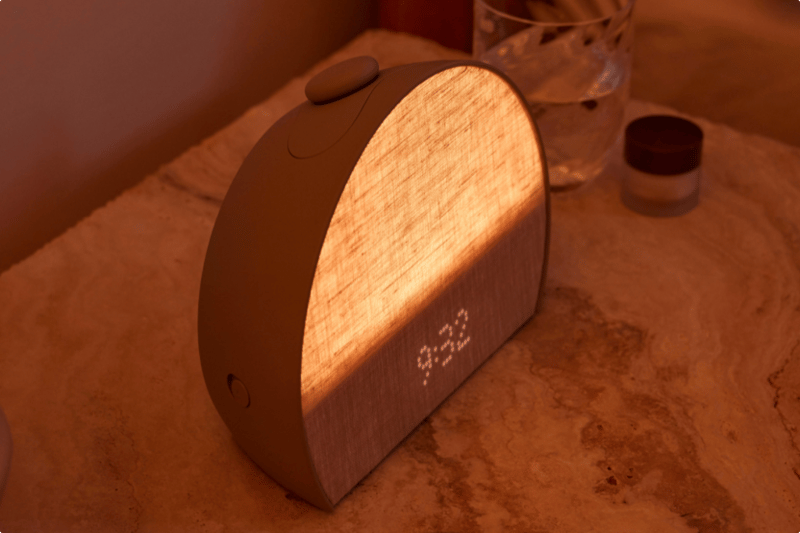
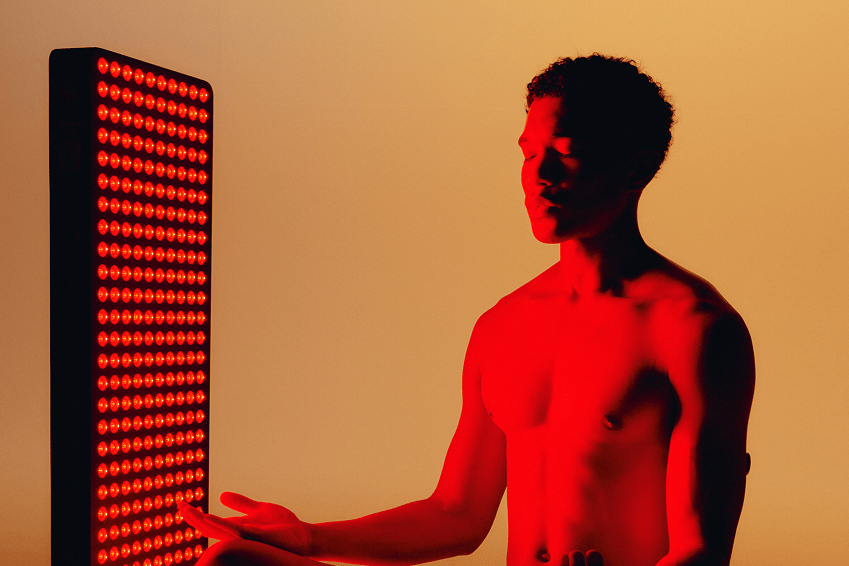
Artificial light at night creates another challenge, since blue and green light block melatonin and raise cortisol. Switching to warmer, amber light in the evening reduces this disruption and allows sleep hormones to rise naturally.
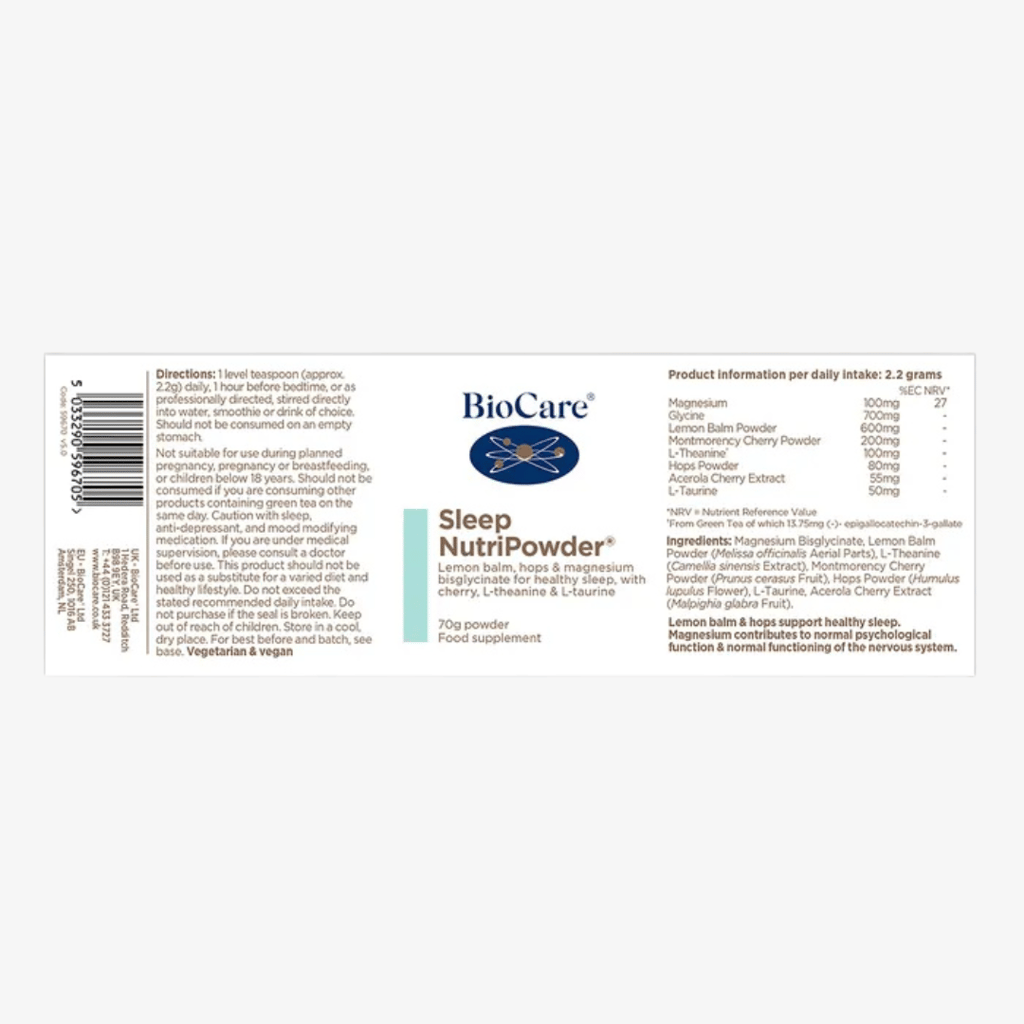
When winding down feels difficult, BioCare Sleep NutriPowder can be incorporated into an evening routine alongside low light reading or gentle stretching.
4. Get direct sunlight on your skin each morning
Morning light in the first hour after waking creates a rise in cortisol at the right time of day. This sets up sharper focus, steadier metabolism and more reliable sleep that night.
Clear mornings call for five to ten minutes outdoors, while cloudier skies require closer to twenty. The effect only occurs outside since glass and other window materials filter the relevant wavelengths.
Huberman stresses not to use sunglasses at this time, as the eyes need to register the light for the effect to occur. He also refers to a study, whereby it was found that “skin exposure to afternoon sunlight for about 30 minutes (such as by wearing shorts and short-sleeved t-shirts) increased testosterone, oestrogen, mood and libido in both men and women.”
Step outside in the afternoon to catch the warmer yellows and oranges of natural light
Aim for 20 to 30 minutes of sunlight on your skin, a few times each week
This exposure supports testosterone, oestrogen, mood and libido
Try to avoid sunburn by keeping exposure comfortable and consistent
5. Avoid plastics and seed oils
The concern with plastics goes beyond convenience. Bisphenol-A (BPA), a chemical widely used in many plastic products, binds to hormone receptors in the body.
Research shows that it disrupts testosterone and luteinising hormone, increases follicle stimulating hormone, and damages the mitochondria in testicular cells, which are essential for energy and hormone production. Over time, these changes impair sperm quality, reduce fertility and disturb the balance of male hormones.
The mitochondria are especially vulnerable since they power testosterone synthesis in Leydig cells. BPA exposure has been shown to damage this machinery, creating oxidative stress and cell death pathways within the testes. Even though this research was done at higher doses than everyday human exposure, it underlines why avoiding plastics is wise when hormone health is a priority.
Seed oils, high in omega-6 fatty acids, bring a different problem. Excessive omega-6 is linked to inflammation, which can counteract the anabolic environment testosterone helps create.
Not all seed oils are necessarily bad, however, as some may be getting a reputation unfairly. And you might not need to completely overhaul your kitchen cupboards.
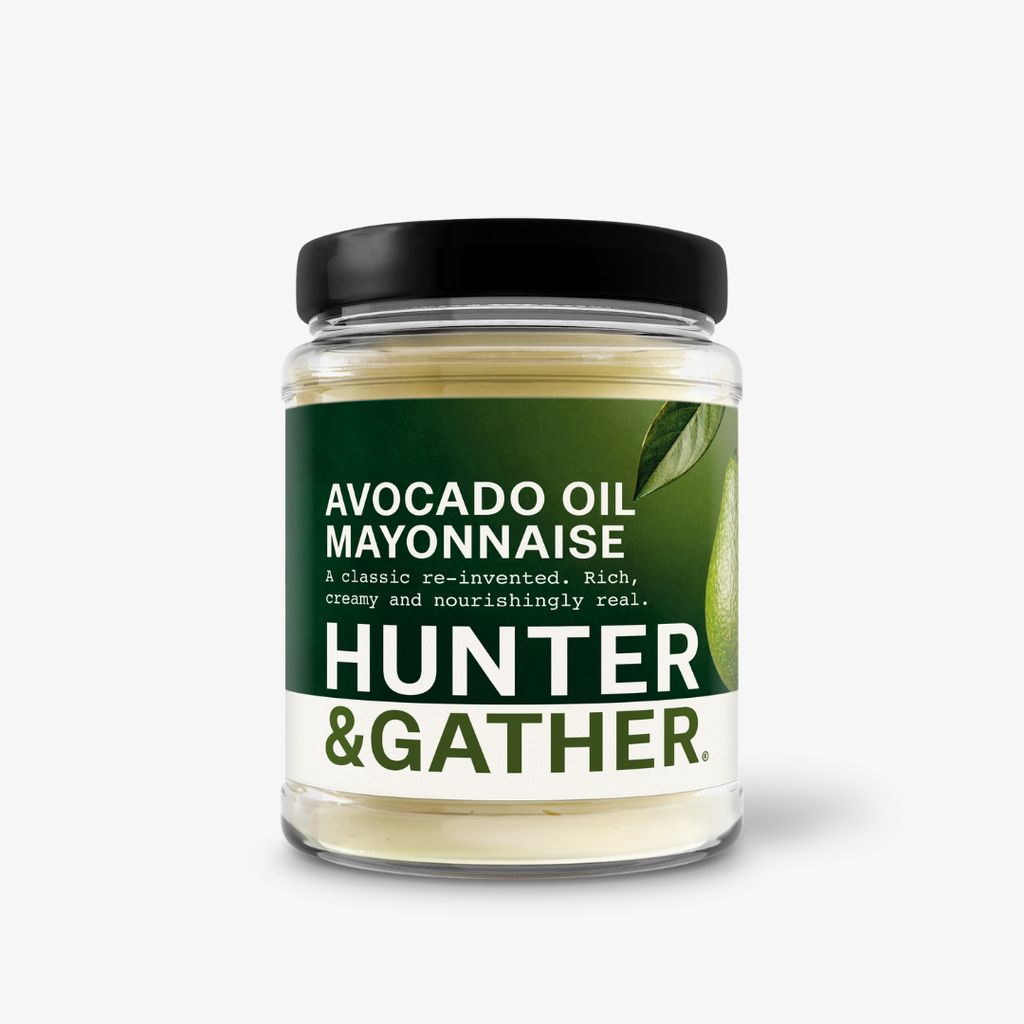
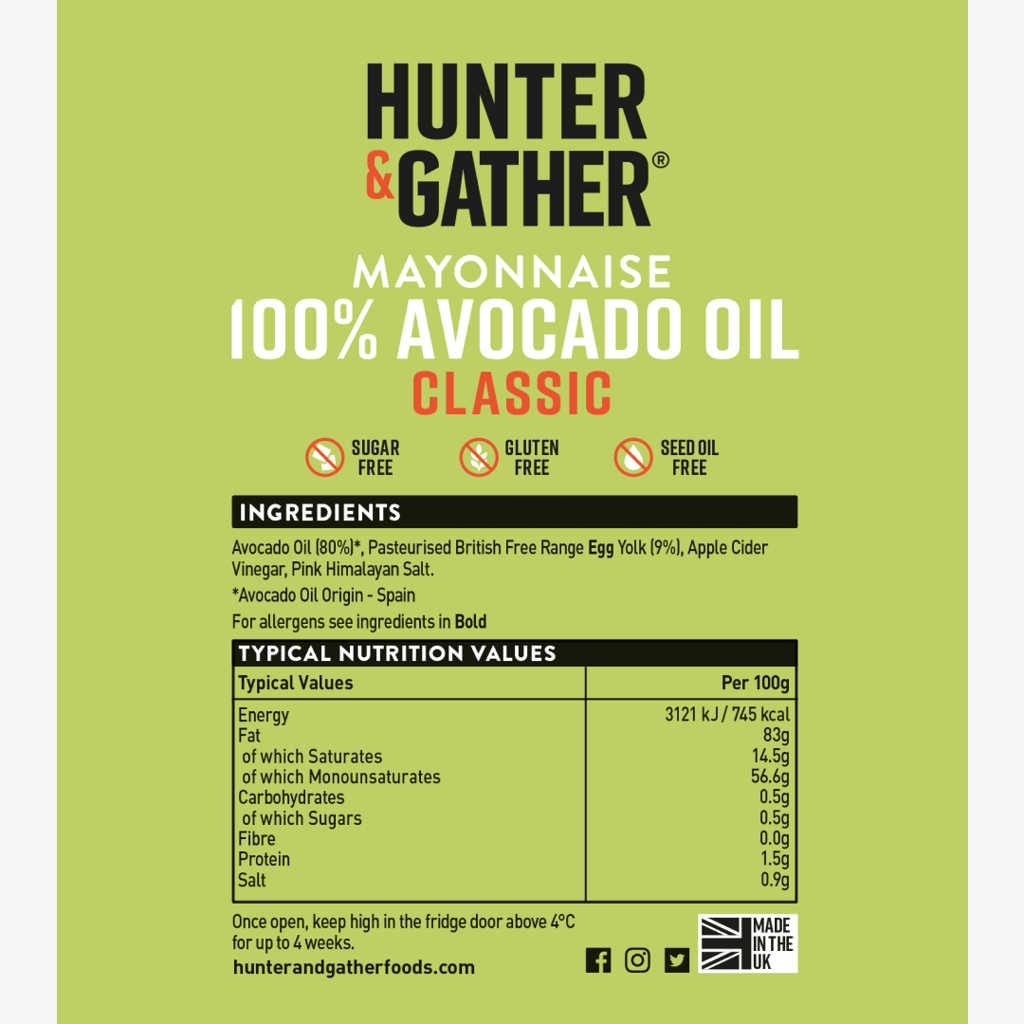
Therefore, simple adjustments like regularly choosing olive or avocado oil in Hunter & Gather products in place of common seed oils, and carrying a plastic-free Water Bottle makes this switch achievable, if practised day after day.
6. Practice regular physical intimacy
Huberman points out: “Testosterone enhances competitive behaviors. Males in various species, including elephants and rams, demonstrate elevated testosterone levels, which correlate with greater reproductive success and access to mates.”
What’s more, touch, closeness and intimacy influence hormones directly. Huberman notes that in men, both testosterone and oestrogen contribute to libido. Too little oestrogen can reduce desire and even blunt mental sharpness, which shows that balance matters more than high levels of one hormone alone.
Regular intimacy also feeds back into hormone health. Conversely, cardiovascular fitness and stress levels strongly shape erectile function and drive, meaning that habits supporting the heart and lowering anxiety naturally extend into sexual wellbeing.
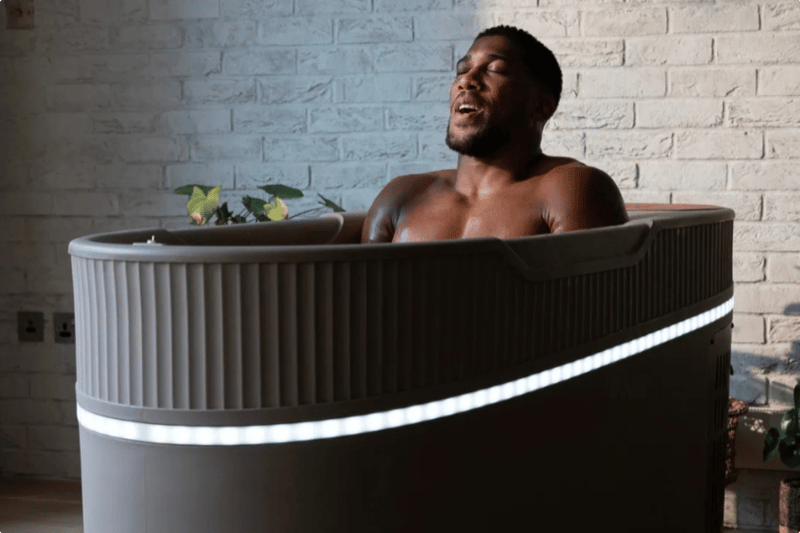
7. Take cold showers or ice baths
Cold water therapy is gaining interest for recovery and mental clarity, and research has begun to test its influence on hormones. A study in American football players examined the effects of short-term recovery after intense exercise. At 24 hours, testosterone was significantly elevated in the 25- and 35-minute cold-water immersion groups compared to the one-hour measurement, and in the 35-minute cold-water immersion condition, it remained above baseline at 48 hours.
To sum up according to Huberman Lab, the value of cold exposure comes from its ability to trigger lasting increases in dopamine and norepinephrine, sharpening focus, raising energy, and improving mood. Regular practice also strengthens resilience by training the mind to stay calm under stress.
In relation to exercise, cold immersion can reduce soreness and enhance recovery when applied at the right time, though immediate use after training may dampen strength or hypertrophy gains.
Taking a holistic view
The effect is strongest when habits work together. Strength training, nutrient-rich foods like red or organ meat, steady sleep, natural light, reduced plastic use, regular intimacy and brief cold dips all help to stabilise testosterone.
Balance comes less from a single intervention than from the cumulative impact of consistent, manageable choices.
Seven key testosterone habits to remember
Lift heavy weights three times per week
Eat red and organ meats (and consider red foods like pomegranate)
Sleep 7 to 9 hours in complete darkness
Get direct sunlight on your skin each morning
Avoid plastics and seed oils
Practice regular physical intimacy
Take cold showers or ice baths
Shop Men’s Health to discover essentials that make lifting, eating well, sleeping deeper and recovering smarter, easier.



FAQs on testosterone and everyday habits
1. What are the early signs of low testosterone?
They can be subtle, such as low energy, reduced motivation, poor sleep, or gradual weight gain. More obvious signs include low libido, hair thinning, and muscle loss. Blood testing is the only reliable way to confirm.
2. Can lifestyle and nutrition really change testosterone levels?
Yes. Factors like strength training, diet quality, sleep depth, light exposure, and stress management all influence testosterone production and balance. Small, consistent habits matter more than one-off interventions.
3. Does testosterone only affect muscle and sex drive?
No. It also shapes motivation, focus, stress response, and recovery. This means it can influence how you perform at work, approach challenges, and even show up in relationships.
4. How much sleep do I need for healthy testosterone?
Most production happens during deep sleep. Aim for 7 to 9 hours in a dark, cool room. Even a single week of poor rest can lower levels in a measurable way.
5. Is testosterone decline with age inevitable?
Levels naturally drop by about 1 % per year after 30, but lifestyle can slow the decline. Training, good nutrition, steady sleep, natural light, and stress reduction all help maintain balance as you age.




This article is for informational purposes only, even if and regardless of whether it features the advice of physicians and medical practitioners. This article is not, nor is it intended to be, a substitute for professional medical advice, diagnosis, or treatment and should never be relied upon for specific medical advice. The views expressed in this article are the views of the expert and do not necessarily represent the views of Healf
Pippa is a content writer and qualified Nutritional Therapist (DipNT) creating research-based content with a passion for many areas of wellbeing, including hormonal health, mental health and digestive health.
As a contributor to The Healf Source, she regularly attends seminars and programmes on a plethora of contemporary health issues and modern research insights with a drive to never stop learning. In addition, interviewing experts and specialists across The Four Pillars: EAT, MOVE, MIND, SLEEP.
In her spare time, she is an avid swimmer, mindfulness and yoga lover, occasionally bringing a raw, honest approach to the topics she faces. You may also discover some personal accounts of eye-opening wellbeing experiences amidst the reality of a disorientating, and often conflicting, modern wellbeing space.