



























_2026-10-13_14-11-48.png)

Why You Should Sleep With Socks On According To An Acupuncturist
The surprisingly simple trick of warming your feed before bed can help you fall asleep faster and stay that way.
Written by: Samantha Nice
Written on: 24 November 2025
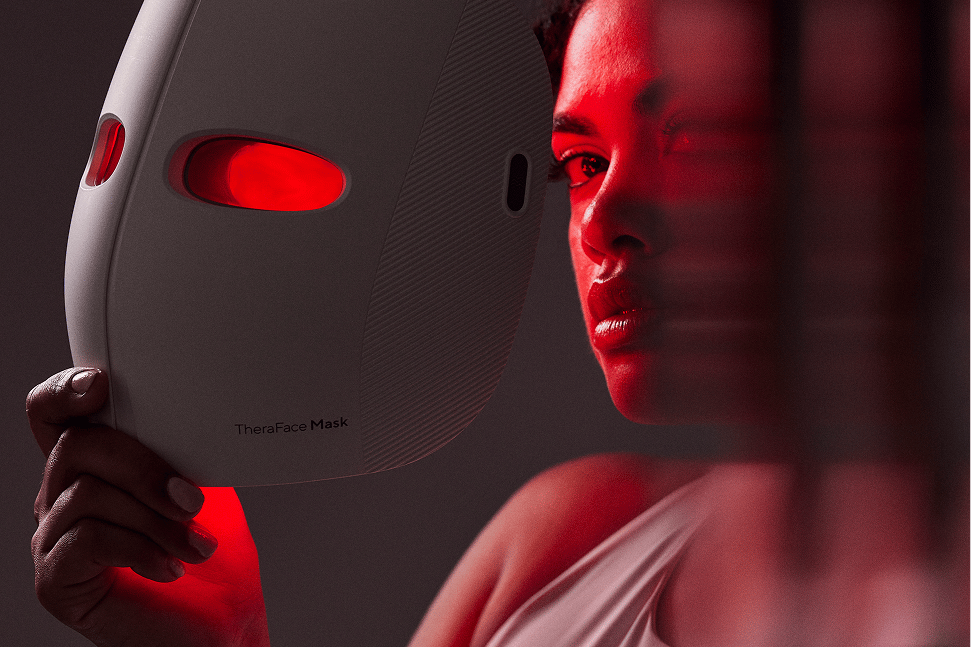
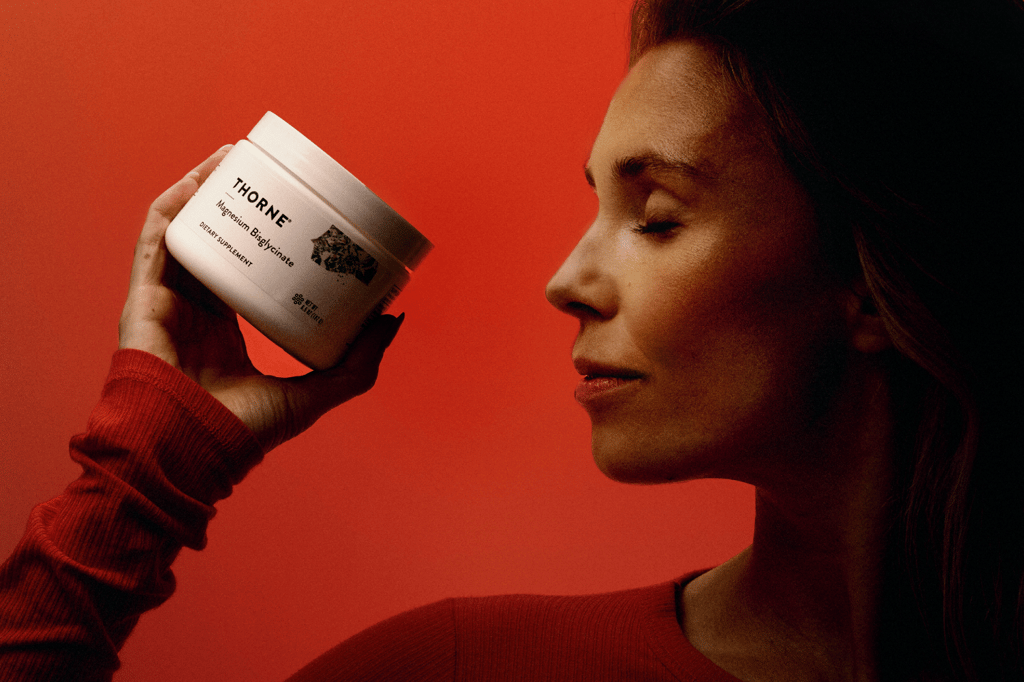
Sleep is the wellness world’s ultimate obsession. From magnesium sprays and supplements to weighted blankets and red light therapy, we’re constantly chasing that perfect, restorative night. But there’s one surprisingly simple hack trending again… sleeping with socks on.
Often thought of as a comfort-only habit or for when it’s super cold, new research (and some very old wisdom) suggest warming your feet before bed might actually help you fall asleep faster and sleep more deeply. And according to Five Element acupuncturist Johnny Childs, it’s far more than just a cosy ritual. “Warm feet aren’t just cosy - they tell us that circulation is grounded and the system is willing to drop into yin - the quiet, restorative state where deep rest happens,” says Johnny.
With recovery, hormonal balance and brain health all hinging on quality rest, it might be time to rethink kicking your socks off before bed. Here Johnny unpacks the ancient wisdom and modern science behind why sleeping with socks on could be the easiest sleep hack and the one we should all be giving a go.
Why warm feet matter more than you think
In acupuncture, the temperature of your feet says a lot about your overall energy and circadian rhythm. “Warm feet are a sign that your internal ‘pilot light’ (what we call the Gate of Life) is alive and doing what it should,” explains Johnny.
That pilot light, he says, fuels everything from circulation and digestion to libido and our ability to settle at night. “Your body is like a house. The boiler sits in the centre, but life only feels comfortable when heat travels all the way to the furthest rooms. If the radiators at the edge never warm, the whole household feels unsettled. Cold feet tell us the same story… that the warmth isn’t reaching the foundations,” he adds.
In Five-Element theory, this internal warmth follows a rhythm known as the Law Of Midday-Midnight which is a natural 24-hour flow of energy around the body. “By night, that rhythm guides energy inward, away from the surface and into the deeper organs so they can repair and replenish,” says Johnny. “Warm feet show that this transition is underway. Cold feet suggest the system is still stuck in ‘daytime mode’... quietly alert, as if something hasn’t been resolved.”
So when your feet are warm, it’s not just comfort - it’s confirmation that your body is ready to rest.
The physiology: Why foot temperature affects sleep
From both an energetic and physiological perspective, warm feet are sleep’s green light. “Falling asleep isn’t just ‘getting tired’, it’s a genuine change of state,” Johnny explains. “We move from yang (outward and active) into yin (inward and restorative). If warmth reaches the feet, the whole ‘house’ can settle. If they’re cold, the body behaves as if something isn’t safe so it stays subtly alert.”
This has scientific backing too. Studies show that when blood vessels in the feet dilate, heat disperses from the body’s core (a process called distal vasodilation) which helps lower core body temperature, one of the main cues for sleep onset. “Physiologically, this also helps the nervous system relax,” Johnny says. “When the feet stay cold, the body holds heat centrally - like running the boiler but never opening the radiators. You hover in a half-awake state.”
This study found that participants who wore warm socks to bed fell asleep faster, slept longer, and woke less often compared to those who didn’t. It’s a small but fascinating example of how something as simple as foot temperature can influence how quickly the body switches into rest mode.
What happens when your feet are cold at night
Cold feet can be more than an annoyance… they’re often the reason you can’t fall asleep or why you may be waking up during the night not knowing why. “Cold feet tell the body it’s not quite safe enough to let go,” says Johnny. “Sleep depends on the foundations being warm both literally and metaphorically. If warmth never reaches the feet, the body behaves as though the day isn’t finished. It stays on alert, even if quietly.”
Some people drift off fine but wake up later as their feet cool down. “That shift can bring them up to the surface,” he adds. “The body interprets cold feet as a draught in the foundation and instinctively checks the environment.” The fix? Not forcing sleep but completing the cycle. “Supporting warmth at the feet helps complete that descent and keeps the ‘house’ settled through the night.”
The science and the acupuncture perspective align
When you take a step back, the traditional and modern views really do line up. As Johnny explains, when the feet are warm, blood vessels open and heat moves outward, helping the body transition toward sleep. From an acupuncture standpoint, this mirrors the Law of Midday-Midnight: “As night approaches, energy naturally draws inward to nourish and repair the deeper organs. The Three Heater (what we call the body’s quiet climate-keeper) adjusts temperature and circulation so the ‘house’ can settle,” he says.
Modern sleep science backs up this principle too. By promoting peripheral heat loss, warming the feet supports the body’s thermoregulation process which shortens sleep onset and improves overall rest quality, as noted by the Sleep Foundation. “Warmth at the feet signals grounding; without it, the nervous system hovers in standby mode,” Johnny adds.
It’s a rare moment where ancient philosophy and modern sleep research are saying exactly the same thing.
The best socks to sleep in (and what to avoid)
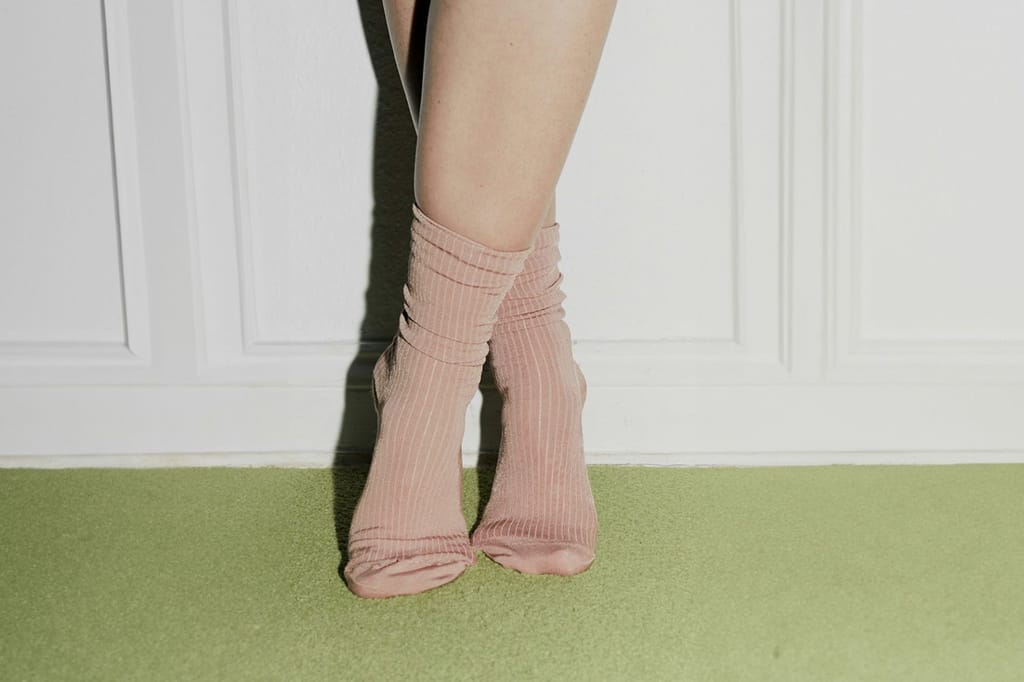
So if you too are sold on the idea, what kind of socks should you actually wear? “Choose socks the way you’d choose bedding - natural, breathable and comfortable,” says Johnny. “Merino, bamboo and soft cotton help hold warmth without suffocating the skin. A gentle cuff is also key. It should feel like a soft hand… not a tourniquet. Tight socks interrupt the very circulation we’re trying to support.”
Another top tip? “Red-tipped socks, or even a flash of red near the toes, can symbolically encourage warmth toward the roots. In Five-Element thinking, red speaks to fire, to circulation and to life. Sometimes the smallest symbolic nudge helps the body remember what to do.”
When it comes to what to avoid, Johnny says to stay clear of synthetic materials. “These trap moisture, cool down too quickly and can leave the feet feeling clammy rather than warm. A damp foot is a cold foot. The point isn’t to ‘heat’ the feet aggressively. It’s about creating gentle, consistent warmth - like quietly turning on the radiators rather than blasting them.”
Beyond sleep: How warm feet support mood, energy and hormones
The benefits of sleeping with socks on actually goes further than just a better night’s sleep. Since warm feet help the system settle, the body receives a clear message that you feel grounded and can soften.
“Anxiety is upward-moving. It collects in the chest, throat and mind. Warm feet gently draw energy downward, giving that excess a place to land. The nervous system stops hovering and begins to exhale,” he adds. Similarly, for those with low energy or burnout, he likens warm feet to stoking a weak flame. “Low energy often reflects a pilot light struggling to reach the edges of the body. Supporting warmth at the feet is like helping that flame complete its journey… it reassures the system that the foundations are tended.”
It can also have a positive impact on hormonal balance. “Hormones work best when the body rests deeply,” Johnny explains. “As mentioned, deep rest requires the shift from yang to yin and from outward to inward so the organs can do their nightly repair work. Warm feet smooth that transition, creating the conditions needed for recalibration.” While socks can’t replace medical or hormonal therapy, Johnny notes that “in Five-Element practice, the smallest physical cues often have profound effects. Warm feet are a cue the body understands instinctively.”
Are there acupuncture points linked to better sleep?
“In Five-Element acupuncture, I’m not simply trying to ‘switch off’ tension or force sleep,” he says. “My first job is to understand why the system can’t settle. I read the pulse - not BPM, but its strength, rhythm and distribution to understand how energy is moving internally.”
“Someone with cold feet may receive points on the wrist or back because we’re supporting the whole system… not just turning up the heat in one room.” This is why the goal isn’t simply to warm the feet, but to restore circulation and inner balance so warmth flows naturally. “Ideally, that warmth should come from within to show that the body’s circulation and energy are flowing freely. But if that isn’t happening yet, gently warming the feet from the outside is still helpful.”
As Johnny perfectly summarises, “we build the fire at the centre, but until it’s strong, there’s no shame in putting a log on from the outside.”
Are there any downsides to sleeping with socks on?
In short, not really. The main caution is circulation. “If socks are too tight, they can restrict blood flow, which defeats the purpose,” says Johnny, who also notes that some people simply run hot at night. “If the feet overheat then cool suddenly, it can cause restlessness. That usually just means you need a lighter material.”
From an energetic viewpoint though, there’s no downside. “Warm roots are generally seen as a positive sign. Socks support warmth, but they don’t replace tending to the source. If the fire within is struggling, socks help - but deeper imbalance may still need attention,” he adds.
The takeaway? This simple sleep hack is worth giving a go
Between acupuncture theory and modern sleep science, the verdict is the same. Warm feet can mean better sleep. If you often find yourself wide-awake at midnight, it might not be your mind that’s the problem… it might be your cold feet. So before you reach for another supplement or scroll through sleep-tracking hacks, try popping on a pair of breathable socks and let your body’s built-in rhythms do the rest.
Sometimes it’s the smallest rituals (like a cup of herbal tea, a few deep breaths and a pair of warm socks) that work the best since these all remind the body that it’s safe to rest.




This article is for informational purposes only, even if and regardless of whether it features the advice of physicians and medical practitioners. This article is not, nor is it intended to be, a substitute for professional medical advice, diagnosis, or treatment and should never be relied upon for specific medical advice. The views expressed in this article are the views of the expert and do not necessarily represent the views of Healf
Samantha Nice is a seasoned wellness writer with over a decade of experience crafting content for a diverse range of global brands. A passionate advocate for holistic wellbeing, she brings a particular focus to supplements, women’s health, strength training, and running. Samantha is a proud member of the Healf editorial team, where she merges her love for storytelling with industry insights and science-backed evidence.
An avid WHOOP wearer, keen runner (with a sub 1:30 half marathon) hot yoga enthusiast and regular gym goer, Samantha lives and breathes the wellness lifestyle she writes about. With a solid black book of trusted contacts (including some of the industry’s leading experts) she’s committed to creating accessible, well-informed content that empowers and inspires Healf readers.