







_2026-10-13_14-11-48.png)


Sleep Masks: Benefits, How To Choose, And Top Picks

Written by: Stephanie Anderson Witmer
Written on: 31 October 2025
Medically reviewed by: Jared Meacham, PhD, RD, CSCS and Nesochi Okeke-Igbokwe, MD, MS
Sometimes the simplest solution can thankfully be the best one. Blocking out light is a big part of winning the sleep battle — and a sleep eye mask could be your secret weapon.
A cool, dark room is one of the best ways to tell your body it’s time to sleep. Darkness is crucial for maintaining normal levels of the sleep hormone melatonin. But sometimes — like if we’re travelling on an overnight flight or happen to live in a place that’s bright at night — it can be tricky to make it as dark enough to get as much sleep as we need.

“Cells in the eyes still recognise light, even when the eyes are closed,” says Anna Joyce, BSc, MSc, CPsychol, AFBPsS, a chartered psychologist and sleep therapist in London. “Even low levels of light during the night, such as streetlights, digital clocks, or standby lights on electronics can interfere with sleep quality.”
Sure, blackout curtains can be a wise investment for some, but if you’re away from home or have light-producing devices in your room, curtains won’t do much good. One simple alternative is a sleep mask. It could be just the ticket to getting better shut-eye.
“A sleep mask is a great, low-cost solution, and is portable, so it can be used when travelling,” Joyce says.
Looking for a sleep mask? Of course we’ve got you covered. Here’s everything you need to know about choosing a sleep mask — plus a roundup of some of our tried and tested favorites.
How sleep masks actually work
The mechanics of a sleeping eye mask are pretty straightforward and low-tech: a strap or tie holds a light, soft mask over your eyes to prevent light from reaching your eyes.
But a lot more happens inside the body after light is blocked from the outside. Exposure to light suppresses the synthesis of melatonin, a crucial hormone needed for sleep. As part of our 24-hour circadian rhythm, which regulates when we sleep and wake, melatonin levels rise at night. In the morning, melatonin levels drop so we can be awake throughout the day.
Melatonin is synthesised by photoreceptors in our retinas. Sleeping in a dark environment helps to keep melatonin levels normal and steady, which can decrease the time it takes to fall asleep and prevent us from waking up a bunch during the night.
Eye masks for sleeping are portable and lightweight, which make them perfect to use at home and packable when you’re away from home (unlike those blackout curtains). Here are a few situations in which eye masks for sleep could help you catch more zzz’s:
For sleeping in places away from home where it’s hard to control how dark the room can get
For your own bedroom if it has too much light, either from outside or from your devices
For shift work, which may mean you need to sleep in the day
While research into sleep eye masks is somewhat limited compared to other sleep aids, what’s been studied is pretty promising. “There’s plenty of evidence to suggest that wearing a sleep mask can support improved sleep quality,” Joyce says.
Three studies of hospital inpatients, conducted in 2012, 2023, and 2015, showed “wearing a sleep mask offered an uncomplicated, economical solution to improve sleep quality,” Joyce says. “That may be preferred as an alternative to medication.”
Another 2023 study of adults in the general population (not in a hospital) found wearing an eye mask at night improved the participants’ sleep by blocking ambient light. “Wearing a sleep mask was associated with increased deep sleep, and improved alertness and learning,” Joyce says.
She also knows this from experience: “I used to work night shifts, so a sleep mask was a must for sleeping in the day,” Joyce says. “I’ve tested many and finally settled on a soft black silk mask.”
Some sleep masks may also provide other benefits beyond just sleep:
Cooling eye masks may reduce puffiness and dark undereye circles.
Cooling masks may also improve headaches or migraines.
With a clinician’s recommendation, heated eye masks may improve dry eyes.
Some of the possible drawbacks and a few watch outs
Eye masks are easy to use and inexpensive, but they do come with a few cautions about care, comfort, and fit.
Masks that are too loose can let in light or fall off, especially if you’re a restless sleeper. But ones that are too tight can cause discomfort, skin irritation, or even headaches.
Also be sure to choose a mask that can be washed, as dirt, oil, sweat, and cosmetic or skincare products can build up on the mask. This could cause acne or even an eye infection. “Dirty masks harbour bacteria, which can cause styes and lid infection, particularly with night eye cream,” Knobel says. And don’t forget to wash it regularly. Knobel recommends washing your mask every week.
Extra care should be taken if you wear lash extensions, as the wrong mask could cause friction or damage the lashes. If you have an eye disorder, like dry eye, glaucoma, or ocular surface disease, check with your clinician first to make sure wearing a sleep mask is a safe option.
The many types of sleep masks
The type of sleep mask you choose is of course based on personal preference. “In terms of improved sleep quality, it doesn’t really matter which option people choose, as long as light getting to the eye is blocked, even when eyes are closed,” Joyce says. Here’s what to consider:

Contoured or 3D: Masks with moulded eye cups are good for lash clearance and have minimal pressure around the eyes. The nose bridge should be flexible so light doesn’t sneak in, Knobel says.
Silk: Mulberry silk or silk with higher momme (mm) weight is breathable and also skin- and hair-friendly. It might require gentle handwashing rather than machine-washing.
Cotton or bamboo :Masks made with natural fibres are washable, budget-friendly, and breathable. Cotton can get scratchy over time, though. Ones that are dyed could stain bedding, Joyce says.
Memory foam or blackout: These provide an excellent light seal, but they may feel warm and uncomfortable for people who get hot when they sleep.
Weighted: They’ll feel heavier on the eyes, which can feel relaxing to some sleepers but uncomfortable for others. Try out different weights, if you can.
Cooling gel or freezer packs: These eye masks may be able to de-puff the eye area and provide headache relief, but they might not be comfortable for all-night sleep. They also won’t stay cold for very long.
Heated: These masks can feel relaxing and provide dry-eye relief (though only when advised by a clinician that they’re safe to use). Follow instructions and don’t heat them for longer than the appropriate time.
Wraparound/headband-style: These are the best blackout option for side sleepers, but be sure to check the strap comfort along the ear and temple.
An expert buyer’s guide to sleep masks
First up, you’ll want to make sure your eye mask is a good fit — literally. It should block light, be comfortable, and also not fall off during the night. Here’s what to look for to get the best sleep mask:
Light seal: The main goal is of course to keep light out. The mask should comfortably seal around the eye area. Choose a mask with sculpted nose bridge, wraparound wings, with minimal light leaking from underneath.
Fit and adjustability: “Find customizable pieces that do not compress into the bridge of the nose,” Knobel says. Opt for one that has sliding or adjustable straps.
Material and feel: Masks are made from a variety of materials, including silk, cotton, bamboo, and foam. “Natural fibres are best for breathability and to avoid irritating the skin,” Joyce says. Mulberry silk has similar pH to human skin and has more breathability than synthetic fabrics, Knobel adds.
Eye contours: Masks that are too heavy or too tight can inhibit natural eye movement in REM sleep, Knobel says. If you wear lash extensions or dislike the feeling of something tight on your eyes, pick a mask with contoured 3-D cups to avoid friction and pressure. “The contours provide eye space but would not damage the lashes or cause a build up of pressure around the orbital bones,” she says.
Weight and bulk: Some sleepers might want to try a weighted eye mask, which delivers pressure that can feel calming and relaxing, like a weighted blanket for the eyes. Others might not like how it feels or want a lighter one for travel.
Care and durability: Be sure your eye mask is washable. “Sleep masks should be washed regularly, as oil, sweat, and skincare products can build up and irritate the skin,” Joyce says. It should also be sturdy enough to withstand regular washing. Consider washing it in a mesh delicate bag if it doesn’t come with its own.
Extras: Travellers may want a sleep mask that comes with a travel pouch or spare strap. If you use headphones, earplugs, or a CPAP machine during sleep, check if the mask is compatible with them.
Fit tips according to your sleep style
Not everyone sleeps the same way, and not every mask is interchangeable. Choose a mask that will best work with your sleeping position.
Side sleepers: Because you’ll be putting pressure on the side of your face all night, make sure the strap isn’t too bulky and the bridge is flexible. “Side sleepers require flat temples on straps and elastic materials that will not form pressure points on pillows,” Knobel says. You also want one with a wraparound silhouette to keep light out from the upfacing side.
Back sleepers: Broader, weighted options are okay for back sleepers, as they won’t have any added pressure on them from the face or pillow.
Hot sleepers: Choose a breathable silk or bamboo fabric. Thick foam masks will trap heat. “Omit synthetic materials in case you sleep hot or [have] sensitive skin,” Knobel says.
How to use a sleep mask
You’ve found your perfect mask. The next step is making sure you wear it properly. Here’s how:
Test for light leaks: Test your mask during the day to see just how good it is at blocking light (do this before you commit to buying it, if possible). Then, try it again at night in your bedroom by lying down in your usual sleeping position. Move around and look toward any light that you can typically see at night without the mask.
Time your nighttime skincare routine: Make sure you allow plenty of time for products to absorb before you slip on your mask . This will prevent stains and irritation. Plus, it will keep those creams and serums where you want them: on your skin, not on your mask.
Adjust your mask: You want a full seal around the mask with no light peeking through. But you also want it without too much pressure. Adjust the strap and the mask until you’re light-free and also comfortable.
Pair with earplugs or white noise: Don’t neglect your ears, if you need to tune out noise or want to create deeper sensory reduction.
Add an extra for travel: So you don’t forget your mask on your next trip, keep a dedicated clean mask and pouch in your carry-on. Travel crisis averted.
Take care of your mask: Follow the cleaning instructions that come with your mask. Wash your mask at least once a week (or more if you’re acne-prone). Silk masks likely need to be hand-washed or machine-washed in the gentle cycle. Lay masks flat to air-dry. Replace straps when they start to stretch to maintain that tight seal.
The very best Healf-approved sleep masks:
Here are just a few of our go-tos:
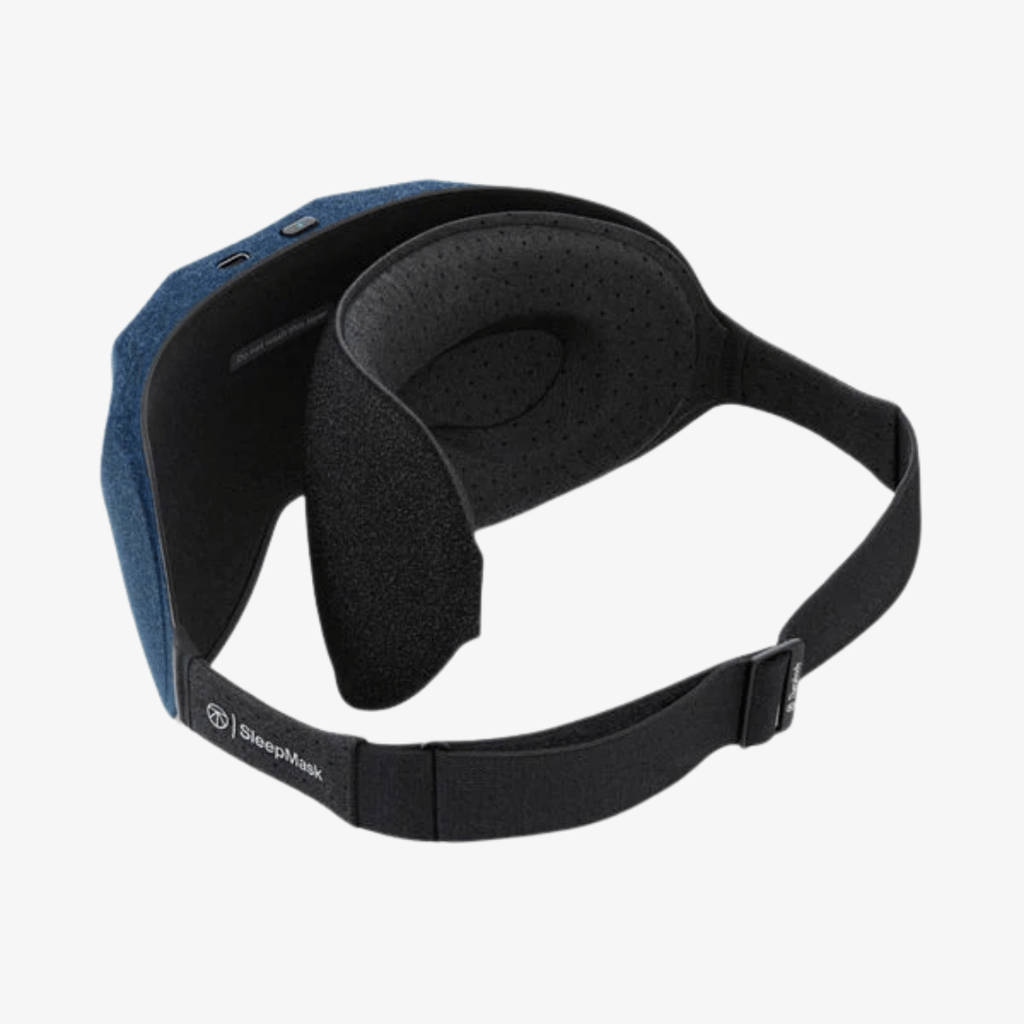
Best overall blackout sleep mask: Looking for pitch-black? Try the Therabody Sleep Mask (£89.00), which blocks out 100% of light. Not only that, but it has three vibration settings that send gentle, rhythmic pulses to help you fall asleep faster and sleep better. Made from memory foam, the Therabody mask comfortably contours to any face. It’s machine-washable but has to be disassembled first.
Best for side sleepers: The Manta PRO Sleep Mask (£78.99) was specially designed for side sleepers. It’s a wraparound mask, so there are no straps to dig into your temples or ears. The C-shaped eye cups that can be made cool or warm to soothe and send you off to dreamland. It also comes with earplugs and a pouch — and it’s machine-washable.
Best silk sleep mask: The Blissy 100% mulberry silk mask (£27.99) feels like you’re swathing your eyes in pure luxury. Made with proprietary 6A, 22-Momme silk fibre, it’s incredibly soft. The silk will protect your hair and skin — and keep out the light — while you sleep. Plus, it’s coated in a protein that repels dust mites, bacteria, mould, and fungus. The mask is machine-washable in the gentle cycle.
Best contoured/3D mask: This mask is made for beauty sleep. The Slip Contour Sleep Mask (£66.00) has recessed eye cups meant to protect lashes. Made from mulberry silk, the mask is super-smooth and reduces friction on the skin.
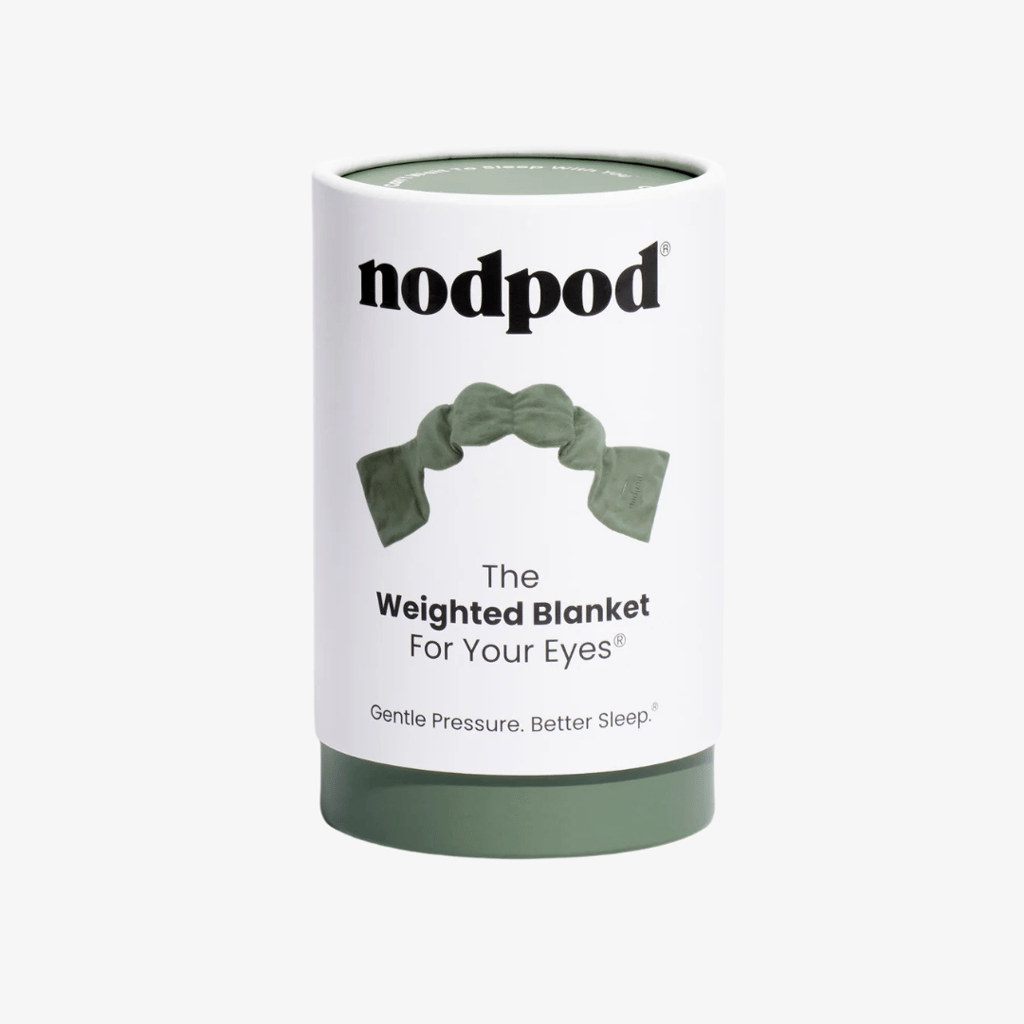
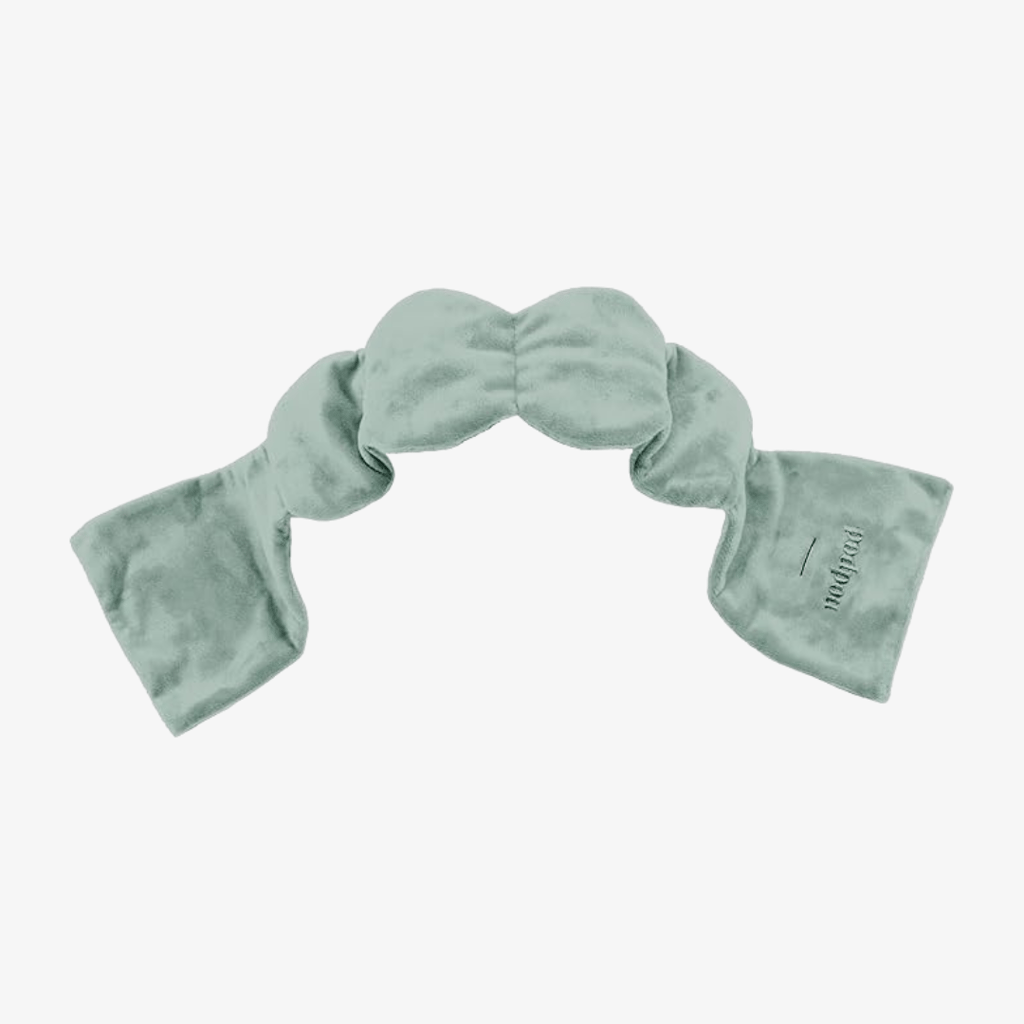
Best weighted mask: The NodPod weighted sleep mask (£27.99) doesn’t have any straps and is longer and heavier than typical masks, so it stays moulded over your eyes and provides light calming pressure no matter how you sleep. Plus, one side is cooling cotton and the other is warming microfleece. The NodPod is machine-washable.
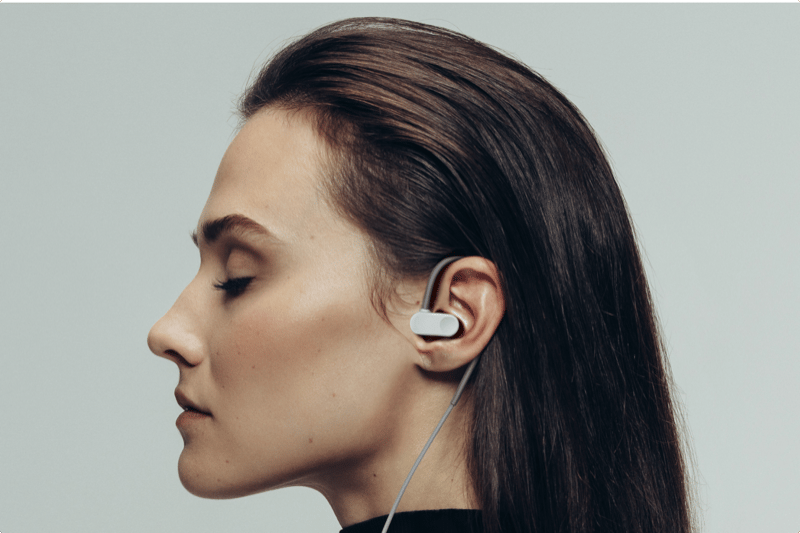
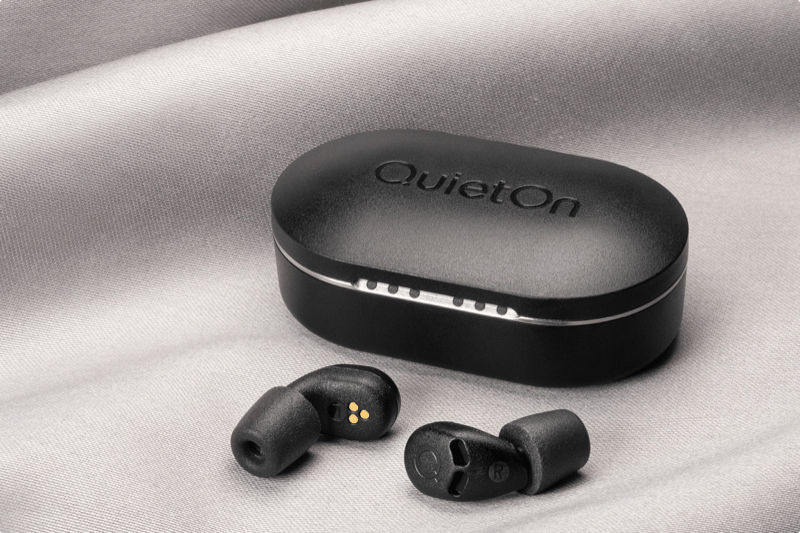
Best travel sleep mask:The QuietOn sleep mask (£21.99) is lightweight and portable, but still blocks out 100% of light. The mask is adjustable and is contoured for a perfect fit. It’s also affordable, so you can stash an extra in your carry-on.
Comparison Table (Spec for Design Team)


The bottom line
Light-blocking is important for getting quality sleep. Sleep masks are an effective, low-tech, low-cost way to block light. Plus, they’re portable, making them great for travel. Not all sleep masks are the same. Sleep masks come in different designs and have different features, so you’ll be able to find one that’s best for your needs.
Key takeaways
Even when our eyes are closed, light exposure can negatively affect melatonin production and mess with our sleep.
Sleep masks are affordable, portable, and effective products for blocking light at night.
When choosing a mask, consider your sleeping position, as well as the mask’s fit, fabric, and features.
Wash your sleep masks regularly to prevent oil, sweat, and skincare products from building up and causing acne or skin irritation.
Frequently asked questions (FAQ’s)
Is it good to sleep with a sleep mask?
Yes. Sleep masks can effectively block out light, which can improve sleep quality.
What is the best sleep mask in the UK?
What’s best for you depends on the mask’s material, comfort, price point, and other factors. We’ve got plenty of options, so you can rest assured you’ll find one that’s best for you.
What is the best eye mask to sleep with?
This depends on your sleeping position, whether you prefer a cooler or warmer mask, and how well the mask fits you. It should be comfortable and effective at blocking light.
When to use a sleeping mask?
Use a sleeping mask whenever you need to block out light from outside your window, in the cabin of a plane, or in a room where light emanates from electronics, like digital clocks.
Is it okay to wear a sleep mask every night?
Yes! Just be sure to wash it regularly to prevent the build-up of dirt, oil, sweat, or skincare products, which could cause irritation, acne, or even an infection around your eyes. If you have any eye problems, be sure to check with your GP or other clinician to make sure a mask is safe to wear.
What are the disadvantages of sleeping masks?
Some people find masks to be uncomfortable, but it could be that they haven’t found one that’s the right fit for their sleeping position. Depending on the mask’s fabric, it could feel hot or too heavy on your face.

This article is for informational purposes only, even if and regardless of whether it features the advice of physicians and medical practitioners. This article is not, nor is it intended to be, a substitute for professional medical advice, diagnosis, or treatment and should never be relied upon for specific medical advice. The views expressed in this article are the views of the expert and do not necessarily represent the views of Healf
Stephanie Anderson Witmer is a freelance health journalist and content writer with nearly 30 years of experience. Her work has been published in top magazines and digital publications, including Prevention, Good Housekeeping, Health, Women's Health, USA Today, Yoga Journal, Parade, and Today's Parent. She's created content for brands, including Hone Health, GoodRx, Weight Watchers, WebMD, CVS Health, UPMC, and others.