










_2026-10-13_14-11-48.png)

What Is Neuroaesthetics? The Science Behind How Art Affects Your Brain
Can beauty rewire the brain? We spoke to Dr Tara, a leading voice in neuroaesthetics, to explore how art, nature, and design impact our mood, stress levels, and even cognitive health - and how to bring more brain-soothing beauty into your life.

Written by: Eleanor Hoath
Written on: 8 June 2025
In today’s increasingly data-driven wellbeing world, conversations about brain health often centre on supplements, routines, and biohacking. But Dr Tara Swart opened our eyes to a quiet revolution unfolding, one that taps into something ancient, instinctual, and profoundly human: our innate response to beauty and creativity. This emerging science is called neuroaesthetics, and few speak about it with more clarity, wisdom, and heart than Dr Tara Swart.
A neuroscientist, medical doctor, and bestselling author, Dr Tara is known for bringing cutting-edge brain science into the wellbeing space with a uniquely holistic and personal approach. When I sat down to speak with her, it became clear that neuroaesthetics is not just a research interest, it's a passion. One she embodies through her own rituals and mindset, which encouraged me to research the topic in more depth and encourage me to pick up the paints (more on that to follow).
Understanding Neuroaesthetics
“Neuroaesthetics is about the importance of art, beauty and creativity for your mental and physical health - and even your longevity,” Dr Tara explains.
This isn’t a vague or poetic notion. It’s rooted in evidence. She cites a study that found individuals who engage in the arts - even as infrequently as once or twice a year, have a 14% lower risk of mortality. Those who participate more regularly (such as going to the theatre or visiting galleries every few months) benefit from a 31% reduced risk of death. “Isn’t that mind-blowing?” she says.
It is. And it forces us to reframe what constitutes ‘health-promoting behaviour.’ It’s not just about your blood work or the macros on your plate, it's also about how often you expose yourself to beauty, how deeply you feel joy, and how regularly you allow your mind to wander through art, music, and movement.
Awe as a form of medicine
Dr Tara takes this further by linking neuroaesthetics with gratitude and awe, two powerful emotional states that she believes help push the brain into an “oxytocin state.” This is the feel-good chemical cocktail of love, trust, joy, and safety. When we’re in that state, stress and cortisol naturally take a back seat.
“I’ve extended my gratitude practice to include awe from beauty,” she shares. “In the autumn, I was obsessed with red leaves. In the spring, it was the blossoms. And I really listen out for birdsong. When birds are singing, it signals safety to our ancient brains - birds wouldn’t be chirping if predators were around. So your cortisol levels drop, your blood pressure lowers. It’s remarkable.”
This deeply resonated with me. Growing up immersed in the world of theatre, dance, and art, I’ve long felt the magnetic pull of creative expression - but it wasn’t until my conversation with Dr Tara that I began to truly understand why. The joy, the release, the emotional safety I feel when attending a ballet or picking up a paintbrush isn’t just nostalgia or escapism, it’s neuroaesthetics at work and something that I have now re-implemented into my routine. These moments make me feel younger, more alive, and more grounded. It’s become clear to me that creativity isn’t just something I enjoy, it’s something I need for my overall wellbeing in order to perform at my best too.
The personal science of beauty
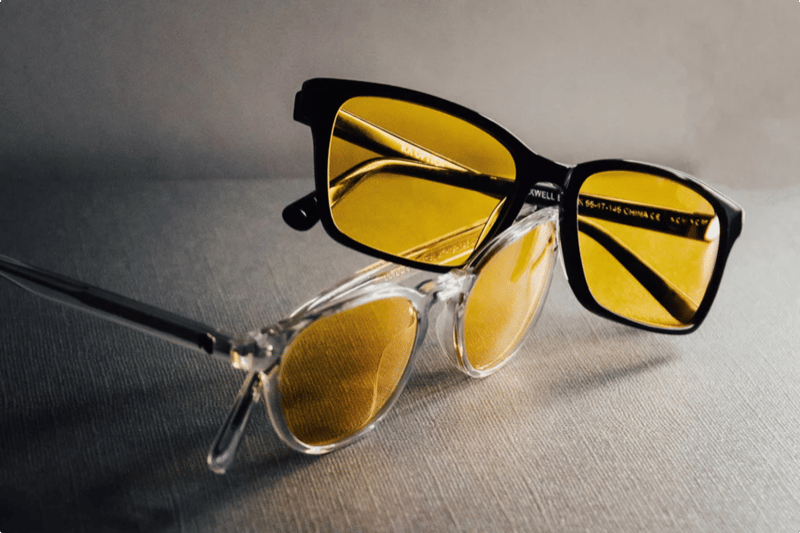
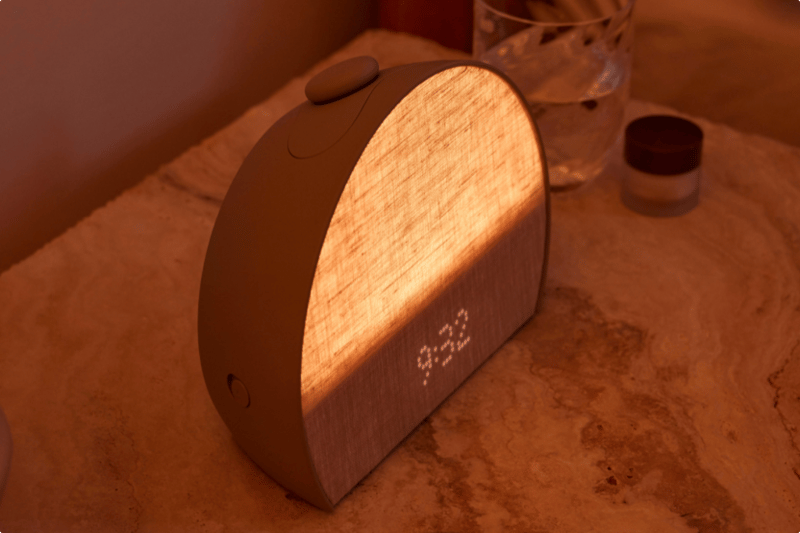
What’s compelling about Dr Tara’s work is how she blends rigorous neuroscience with deeply intuitive wisdom. Her rituals aren’t just based on research papers - they’re grounded in lived experience. From magnesium baths and circadian lighting to a daily spoonful of Symprove and tongue scraping, her routine is a symphony of mind-body connectivity.
But neuroaesthetics, she explains, is more than an aesthetic pursuit, it’s a daily commitment to connecting with the world in a way that keeps your brain alive. “Your brain doesn’t fully mature until 25,” she says. “But if you stop learning after that - stop challenging yourself- it plateaus. The key is intentional effort.”
Dr Tara sets herself a neuroplasticity challenge every year. She’s taught herself to play the piano, taken up tennis, and even committed to shifting her mindset. “Learning something new doesn’t just give you that skill, it boosts your executive functions. Things like emotional regulation, cognitive flexibility, and creativity. There are global benefits to the brain.”
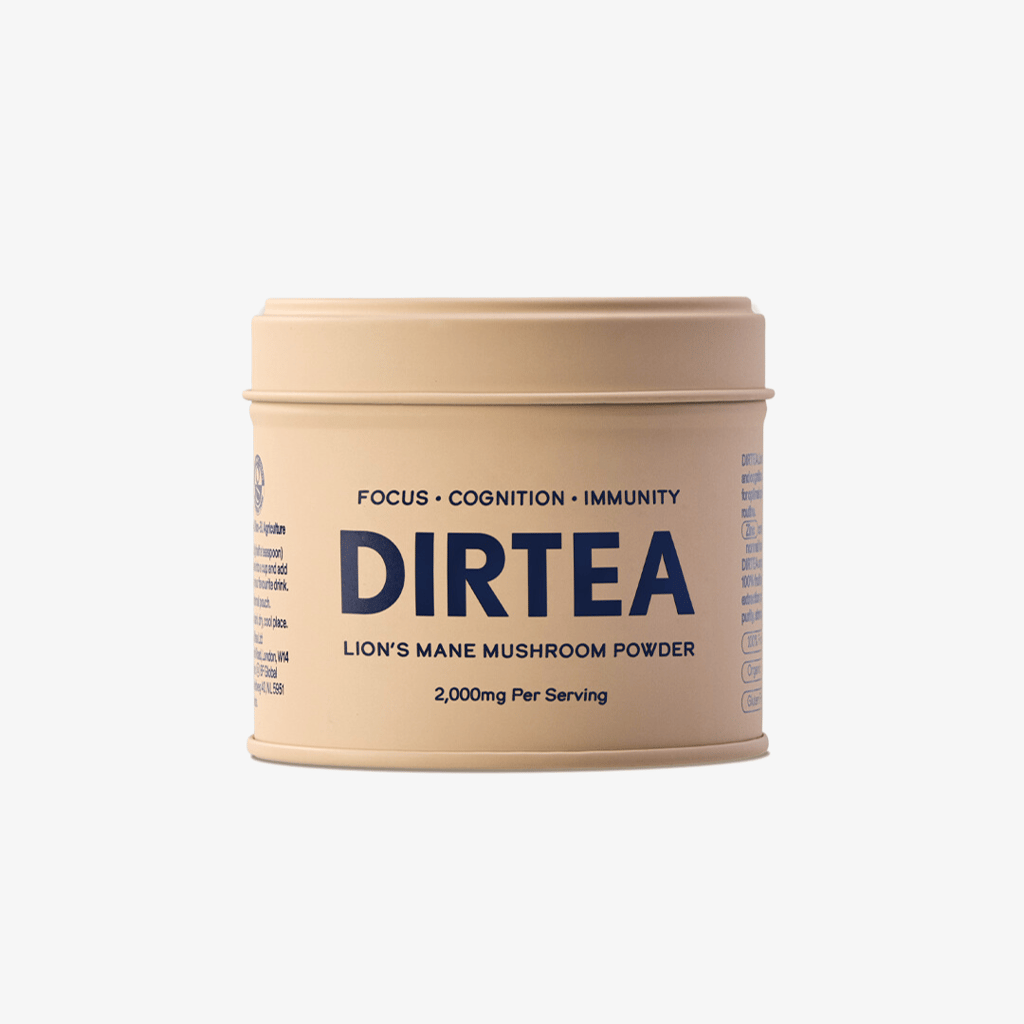
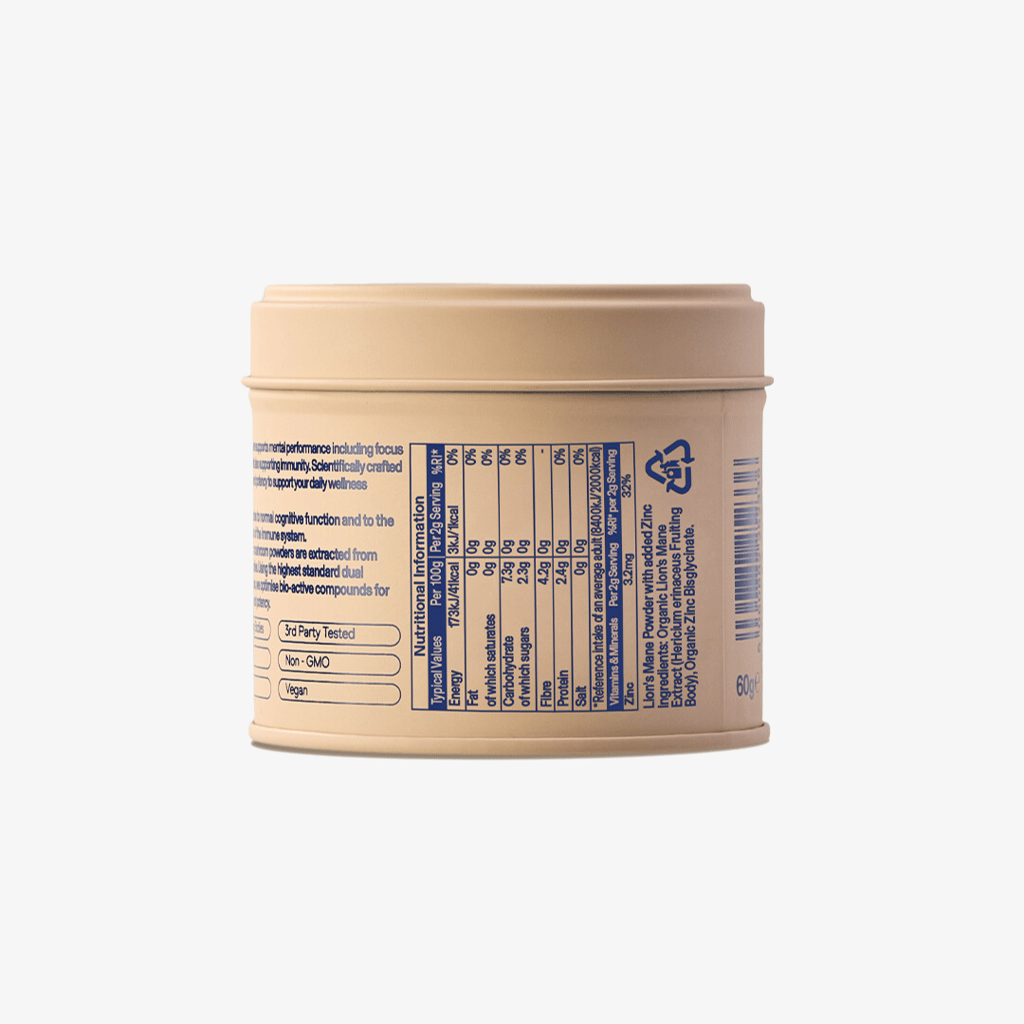
Explore Dr Tara Swart's Collection



Neuroplasticity and the modern mind
She’s honest about how the modern world is eroding our attention spans and connection to creativity. When writing her latest book, she struggled to focus for more than 20 minutes. “All we do is scroll,” she laughs. “But over time, I retrained my brain to write in six-hour blocks. It was fascinating to watch that unfold in real time.”
We both agree that modern life has made us passive. Technology does the thinking. Algorithms offer answers. Art, beauty, creativity however, these are the spaces where we reclaim our agency.
For Dr Tara, ballet is one such space. “I cry when I go to the ballet. It’s so beautiful. It’s overwhelming, in the best way.” There’s a vulnerability in her voice when she talks about the arts, which makes the science behind it even more powerful. “I tell myself now: this is making me younger.”
"THIS IS MAKING ME YOUNGER"
Dr Tara Swart
The emotional body
Beauty as belonging
Perhaps the most powerful idea Dr Tara shares is that beauty and creativity are not frivolous, they’re fundamental. “Is biohacking more important than belonging?” she muses, recalling a recent event where she challenged the audience to prioritise community over creatine. “No, our tribe is fundamental to our wellbeing and we all really need to reconnect to this.”
Belonging, awe, beauty, creativity aren't separate from science. They are the science of living well.
A final word
Neuroaesthetics reminds us that healing isn’t always linear, nor is it always about fixing. Sometimes, it’s about finding the feeling. About sitting in a theatre and letting the music stir something in you. About getting goosebumps at a painting. About stepping outside and noticing the blossom.
As Dr Tara says, “I’m going to start saying: I wasn’t procrastinating by going to the art gallery rather than writing - I was just making myself younger and sparking my creativity.”
It’s a sentiment I think we could all carry into our own lives. Because in a world that moves fast, neuroaesthetics invites us to slow down. To look. To feel. And to remember that beauty doesn’t just please the eye, it heals the brain.


This article is for informational purposes only, even if and regardless of whether it features the advice of physicians and medical practitioners. This article is not, nor is it intended to be, a substitute for professional medical advice, diagnosis, or treatment and should never be relied upon for specific medical advice. The views expressed in this article are the views of the expert and do not necessarily represent the views of Healf
Eleanor Hoath is a Registered Nutritional Therapist (DipNT, mANP, mBANT) specialising in gut, skin and women’s health. She is the Editor of The Healf Source and founder of Well Nourished Nutrition Ltd.
Passionate about holistic wellbeing and balanced living, Eleanor combines evidence-based nutrition with a practical, approachable style to help people feel their best through content.
Based in London, she is dedicated to empowering individuals to nurture their health and understand the root cause of their symptoms from the inside out.