




















_2026-10-13_14-11-48.png)

When Should I Start Thinking About Anti-histamines?
Written by: Pippa Thackeray
Written on: 20 March 2025
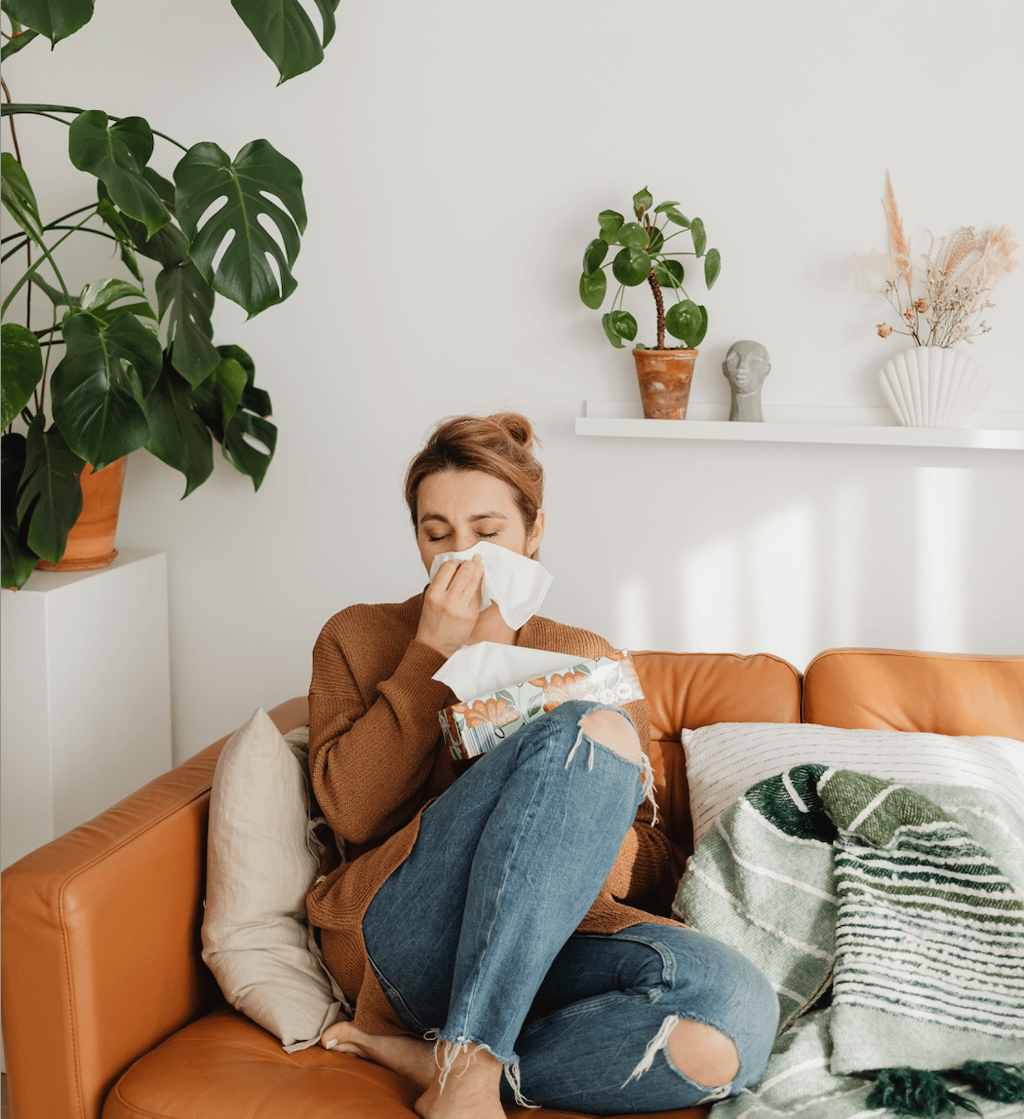
Springtime dawns and allergy season awaits us, dripping noses, itchy eyes, congestion, and a great deal of general discomfort. While antihistamines are common, there are alternatives that also offer relief.
The long awaited arrival of spring brings back the warmth of the sun's rays, but, for many millions of people struggling with allergies — it spells big trouble, too. These allergies can often be put down to a surge in histamine levels, for which the conventional treatment is, of course, antihistamine medication. In this article, we offer a brief run-through of the alternatives available and what you need to know to get through allergy season unscathed.
Before you reach for the anti-histamines…
Before we get into the potential remedies and treatment options, let’s define what prompts allergy season into being.
Firstly, let’s unpick histamine, a very important chemical naturally produced in the body and involved in immune responses, digestion, and neurotransmission. However, problems arise when there becomes too much of it in the system, triggering headaches, congestion, itchy skin, digestive discomfort, and even anxiety.
Hay fever versus histamine intolerance: the difference
Hay fever, also known as allergic rhinitis, occurs when the immune system identifies harmless airborne substances, such as pollen, as threats. This triggers the release of immunoglobulin E (IgE) antibodies, which signal immune cells to release histamine into the bloodstream.
The sudden release of histamine leads to symptoms like sneezing, itching, and nasal congestion. In this way, hay fever is primarily caused by environmental allergens, which lead to histamine release rather than an accumulation due to enzyme deficiencies (known as histamine intolerance).
Popular solutions to manage histamine
All is not lost for those with high histamine. Certain foods, supplements, and lifestyle adjustments can help stabilise histamine levels.
- Quercetin: Is a plant flavonoid found in onions, apples, and berries — a natural antihistamine that stabilises immune cells to prevent histamine release.
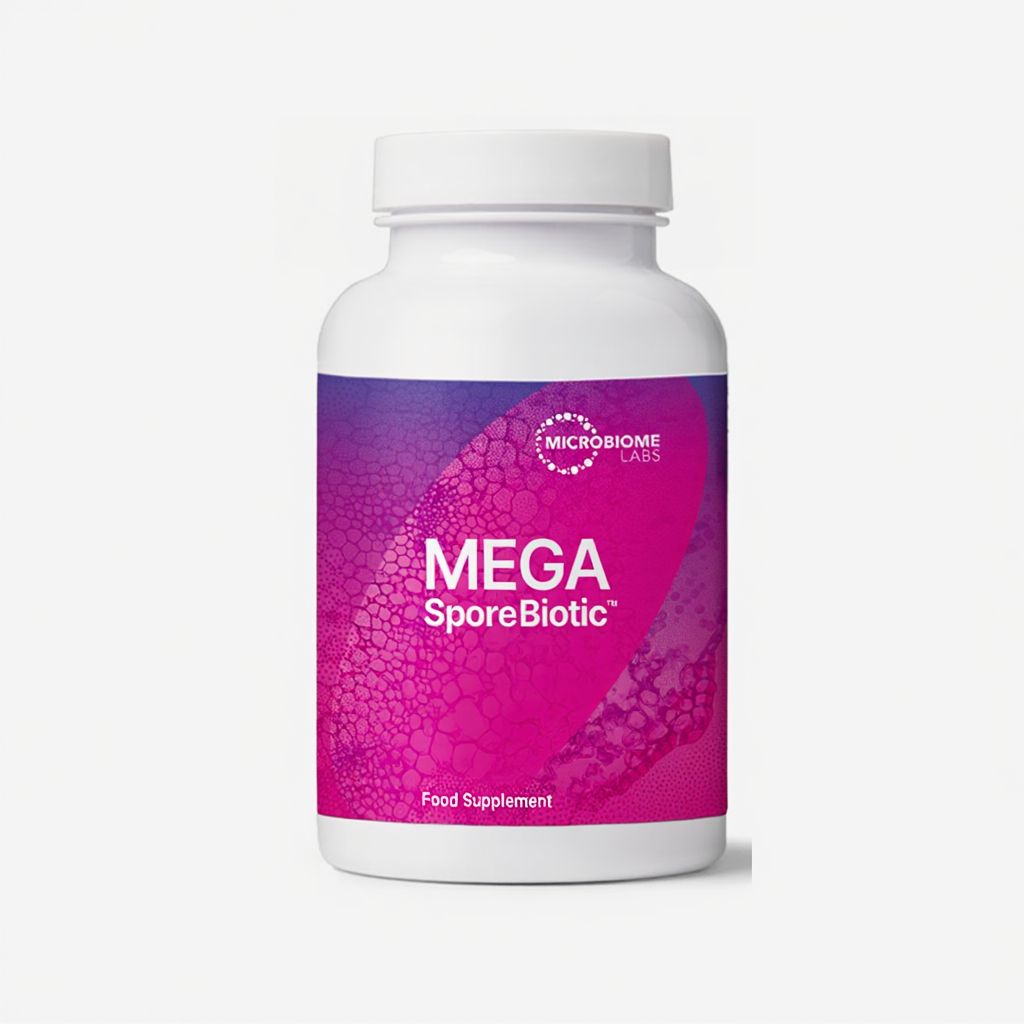
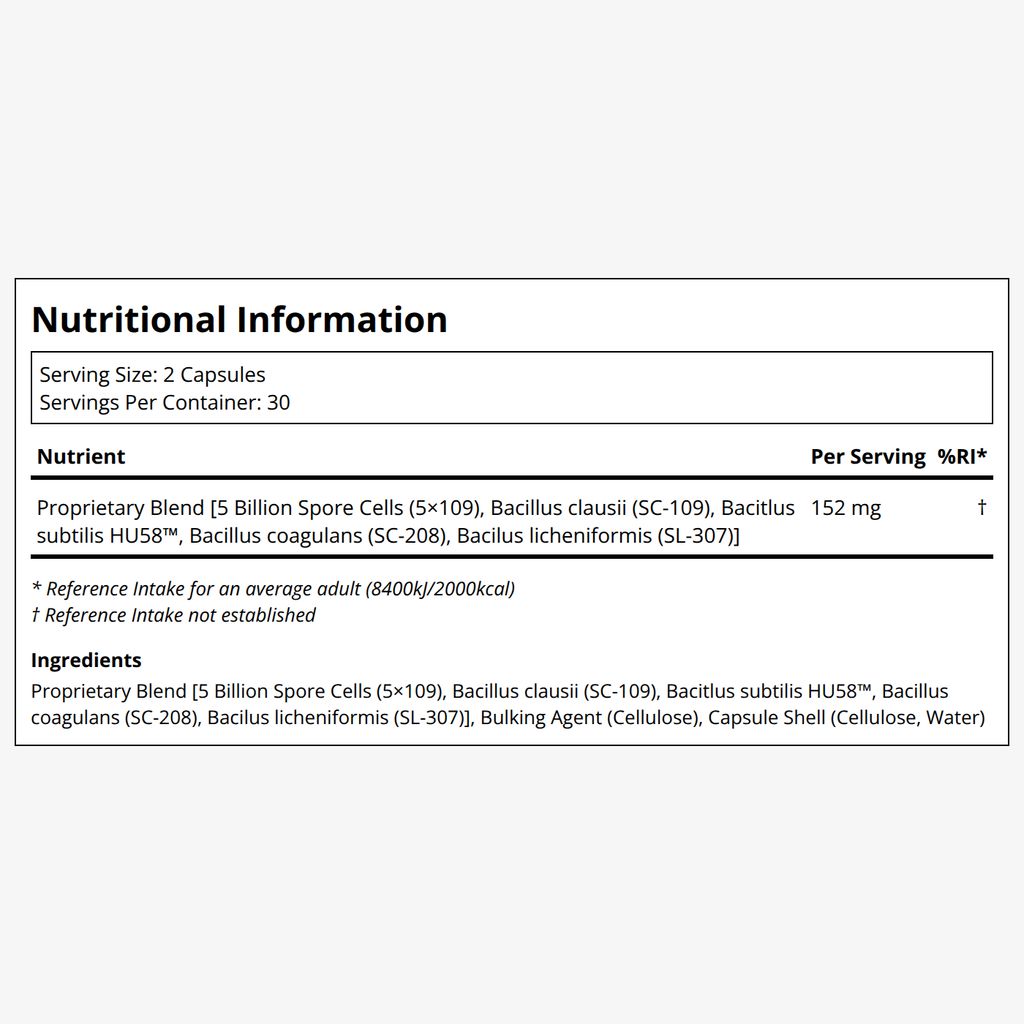
- Probiotics: The gut plays a huge role in histamine regulation. While some probiotic strains actually produce histamine, others, like Lactobacillus rhamnosus and Bifidobacterium infantis, can help break it down in the body.
- Honey: Evidence from small scale studies supports the use of locally sourced honey to help desensitise the immune system to pollen, therefore potentially reducing allergic reactions over time.
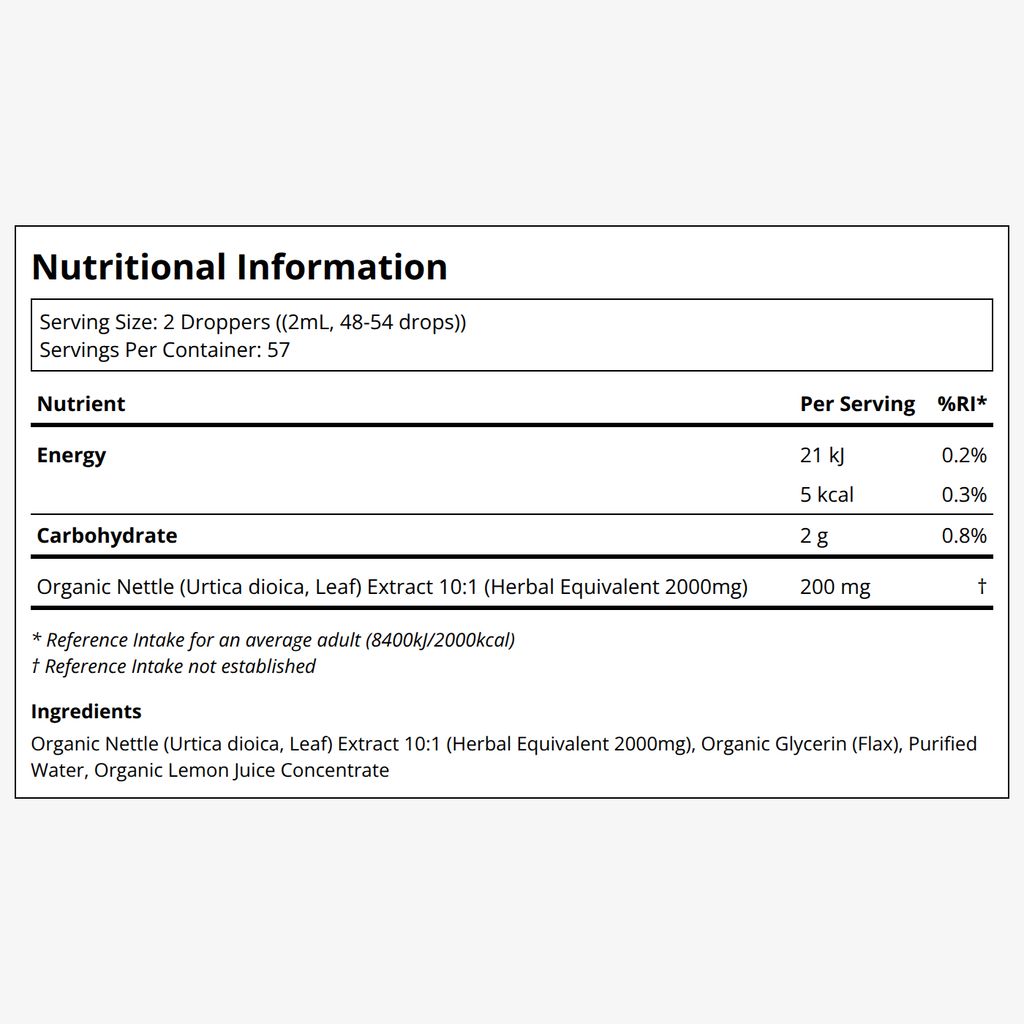
- Stinging nettle: This wonderful herb has been used for centuries as a natural remedy for allergies. It inhibits the production of inflammatory chemicals that trigger histamine reactions.
- Acupuncture: Evidence to support the use of acupuncture for high histamine is based on the modulating immune responses, with a capacity to reduce inflammation and offer relief from allergy-induced histamine surges.
- Nasal irrigation: The process of physically flushing out allergens and irritants with a saline rinse can prevent histamine-triggering substances from lingering in the nasal passages, and eases congestion.
Explaining liver congestion and histamine release
The liver is a big topic of conversation in wellbeing-dominated spaces, largely due to being such a fundamental structure for our health. Addressing it under the topic of allergy season involves the understanding of how this mighty organ metabolises histamine, breaks down hormones, processes toxins, and regulates immune function.
A nice analogy is to compare it to a fridge, packed with perishable food items. If the shelves are neatly arranged and cleared regularly of ‘things on the turn’, the fridge remains fresh and a safe space. But if overloaded and in parts, neglected, this system goes awry. Things start rotting at the back, and the picture is a bit nasty.
Go back to the liver, and it's clear to see that when the liver is burdened with excess toxins, heavy metals, or stress, it struggles to filter histamine efficiently. Research suggests that an overworked liver often has higher mast cell activity, leading to greater histamine release. Elevated liver enzymes and cholesterol levels can be signs that your liver needs support.
Signs of liver congestion include:
- Poor nutrient absorption
- Waking between 1-3 am
- Skin issues like acne or eczema
- Increased susceptibility to food intolerances and allergies, and seasonal allergies
- Brain fog and general difficulty concentrating
- Emotional imbalances, such as irritability or low mood
Supporting liver function is what is required for reducing histamine build-up and keeping those unnecessary inflammatory responses to a minimum.

Tackling histamine — what are the options?
When histamine builds up unannounced, foods that were previously harmless become triggers, initiating bloating or skin issues. So, it’s not always the food itself — it’s the body’s inability to process histamine efficiently. Reducing processed foods, alcohol, and environmental toxins lightens the liver’s workload.
Low-histamine diet: is it for me?
On the histamine diet ‘No’ list:
- Aged cheeses, dry-fermented meat, wine, beer, and fermented vegetables like sauerkraut
- Tomatoes, spinach, aubergine, citrus fruits, and bananas
- Nuts, particularly walnuts and cashews
The list goes on. Then, over time, careful reintroduction helps identify individual triggers without unnecessary long-term elimination. However, since this diet is highly restrictive in food types, it’s best undertaken with the guidance of a healthcare professional and practised for a limited amount of time to avoid low nutrient intake.
Diet and hay fever
Essentially, a low-histamine diet limits foods that either contain histamine or block its breakdown. Low-histamine diets are typically advised for those who suspect they have histamine intolerance (a condition where the body accumulates excess histamine due to insufficient breakdown), and less so for individuals dealing with allergies involving IgE, like hay fever.
Moreover, it does come under scrutiny from time to time, mainly for being far too restrictive to be sustainable long term. Instead, it comes recommended to incorporate foods with natural antihistamine and anti-inflammatory properties could help manage histamine levels and alleviate allergy symptoms.
How to control histamine through diet without excessive restrictions:
- Cook meals from scratch using fresh ingredients.
- Store food in the fridge as appropriate to prevent histamine buildup.
- Reduce exposure to environmental toxins by choosing organic foods and using natural household products. We recommend Homethings.
- Incorporate liver-supporting foods like dandelion greens and bitter greens, which stimulate bile production and boost processes of detoxification.
- Consider adding in supplements like DAO enzyme, vitamin B6, vitamin C, copper, and zinc to support the histamine breakdown.
Consider natural histamines in foods such as garlic, ginger, and turmeric (where tolerated).
What to remember
Regaining control over your allergy season — it’s possible. With the help of natural antihistamines and taking the pressure off your stressed out liver — small, consistent and intentional steps can make a big difference in how you feel. So you’re free to enjoy all that springtime has to offer.
Healf recommends — to stay resistant to hay fever:
- Beekeepers Propolis Spray: Known for their anti-inflammatory properties, these can help regulate histamine responses naturally.
- Hilma Daily Prebiotic: Formulated to help lower histamine while supporting good gut health.
- Seeking Health Histamine Nutrients: Containing DAO enzyme (specifically DAO2TM, a patented enzyme derived from pigs) to aid histamine breakdown and prevent excessive accumulation.
- Organic Olivia Liver Juice: This liver support supplement includes milk thistle and dandelion root to assist the liver in processing histamine more efficiently.


References:
- https://www.ncbi.nlm.nih.gov/books/NBK557790/
- https://pmc.ncbi.nlm.nih.gov/articles/PMC6129797/
- https://www.aaaai.org/conditions-treatments/allergies/hay-fever-rhinitis
- https://pubmed.ncbi.nlm.nih.gov/27187333/
- https://pmc.ncbi.nlm.nih.gov/articles/PMC3042653/
- https://pubmed.ncbi.nlm.nih.gov/18544899/
- https://pmc.ncbi.nlm.nih.gov/articles/PMC3586443/
- https://pmc.ncbi.nlm.nih.gov/articles/PMC6074882/
- https://pmc.ncbi.nlm.nih.gov/articles/PMC9253158/
- https://pmc.ncbi.nlm.nih.gov/articles/PMC6513421/
- https://pmc.ncbi.nlm.nih.gov/articles/PMC9747758/
- https://yosan.edu/understanding-the-tcm-body-clock-why-you-keep-waking-up-at-4-am/
- https://pubmed.ncbi.nlm.nih.gov/25088670/
- https://pmc.ncbi.nlm.nih.gov/articles/PMC7122599/
- https://pmc.ncbi.nlm.nih.gov/articles/PMC3586165/
- https://www.bda.uk.com/resource/histamine-intolerance-and-the-low-histamine-diet.html
- https://www.jandonline.org/article/S2212-2672(14)01454-3/fulltext
- https://pubmed.ncbi.nlm.nih.gov/33919293/
- https://pmc.ncbi.nlm.nih.gov/articles/PMC5705351/
- https://pmc.ncbi.nlm.nih.gov/articles/PMC8264448/
- https://pmc.ncbi.nlm.nih.gov/articles/PMC10343869/
- https://pubmed.ncbi.nlm.nih.gov/36931880/
- https://pubmed.ncbi.nlm.nih.gov/94242/
- https://pubmed.ncbi.nlm.nih.gov/23666445/
- https://pubmed.ncbi.nlm.nih.gov/35807806/
- https://pubmed.ncbi.nlm.nih.gov/3448919/
- https://pmc.ncbi.nlm.nih.gov/articles/PMC4417560/
- https://pmc.ncbi.nlm.nih.gov/articles/PMC7171779/
- https://pubmed.ncbi.nlm.nih.gov/18398870/
This article is for informational purposes only, even if and regardless of whether it features the advice of physicians and medical practitioners. This article is not, nor is it intended to be, a substitute for professional medical advice, diagnosis, or treatment and should never be relied upon for specific medical advice. The views expressed in this article are the views of the expert and do not necessarily represent the views of Healf
Pippa is a content writer and qualified Nutritional Therapist (DipNT) creating research-based content with a passion for many areas of wellbeing, including hormonal health, mental health and digestive health.
As a contributor to The Healf Source, she regularly attends seminars and programmes on a plethora of contemporary health issues and modern research insights with a drive to never stop learning. In addition, interviewing experts and specialists across The Four Pillars: EAT, MOVE, MIND, SLEEP.
In her spare time, she is an avid swimmer, mindfulness and yoga lover, occasionally bringing a raw, honest approach to the topics she faces. You may also discover some personal accounts of eye-opening wellbeing experiences amidst the reality of a disorientating, and often conflicting, modern wellbeing space.