



























_2026-10-13_14-11-48.png)

An Iced Tea Recipe To Tackle Hay Fever
This delicious herbal blend is packed with natural antihistamines, anti-inflammatory compounds, and immune-supporting herbs.

Written by: Eleanor Hoath
Written on: 20 May 2025
Sip your way to seasonal relief
Hay fever season can turn a sunny spring day into a sneezing, sniffling nightmare. Also known as seasonal allergic rhinitis, hay fever affects millions of people every year — causing itchy eyes, a runny nose, and that tell-tale tickle in the throat. But what if relief could be found not in a tablet, but in your teacup?
Introducing: Hay Fever and Histamine Iced Tea — a refreshing, science-backed iced tea recipe designed to help your body combat allergens naturally. This delicious herbal blend is packed with natural antihistamines, anti-inflammatory compounds, and immune-supporting herbs to support you through pollen season.
Let us dive into the science behind hay fever and histamine sensitivity and how you can naturally beat the symptoms.
Hay fever season can turn a sunny spring day into a sneezing, sniffling nightmare. Also known as seasonal allergic rhinitis, hay fever affects millions of people every year - causing itchy eyes, a runny nose, and that tell-tale tickle in the throat. But what if relief could be found not in a tablet, but in your teacup?
Introducing: Hay Fever and Histamine Iced Tea - a refreshing, science-backed iced tea recipe designed to help your body combat allergens naturally. This delicious herbal blend is packed with natural antihistamines, anti-inflammatory compounds, and immune-supporting herbs to support you through pollen season.
What is hay fever?
Hay fever is an allergic response to airborne allergens, most commonly pollen from trees, grass, and weeds. It typically peaks during the spring and summer months, depending on your local environment and sensitivities.
When your body encounters pollen, it mistakenly sees it as a threat. Your immune system releases histamine, a chemical that triggers symptoms such as:
- Sneezing
- Runny or blocked nose
- Itchy, watery eyes
- Headaches
- Fatigue
- Postnasal drip
- Brain fog
While antihistamine medication can help, many people are looking for natural ways to manage hay fever symptoms without the drowsiness or side effects of pharmaceuticals
The link between histamine and diet
Histamine is not just something your body produces during an allergic response — it’s also found in foods. People with histamine intolerance may experience worsening hay fever symptoms due to histamine-rich meals or poor histamine breakdown in the body.
Common high-histamine foods include:
- Aged cheese
- Fermented foods (sauerkraut, kimchi, kombucha)
- Alcohol (especially wine and beer)
- Cured meats
- Vinegar and pickles
- Tomatoes
- Spinach
- Avocados
Supporting your body's ability to metabolise and clear histamine — while avoiding foods that trigger its release — can significantly reduce allergic reactions.
The power of herbal teas in allergy support
Herbal teas have been used for centuries to soothe inflammation, calm the immune system, and support detoxification. Many herbs naturally inhibit histamine release, making them an ideal addition to your hay fever toolkit.
What’s more, iced tea offers a cool, hydrating option during warmer weather when pollen counts peak.
Here are some of the key benefits of herbs used in this recipe:
- Nettle Leaf: A natural antihistamine and anti-inflammatory. Supports respiratory health and helps reduce sneezing and congestion as well as supporting the liver to metabolise and detoxify excess histamine.
- Peppermint: Acts as a natural decongestant with cooling properties. Also supports digestion, which is key to histamine clearance.
- Chamomile: Gentle and calming, it has anti-inflammatory properties and supports the breakdown of histamine.
- Ginger: A powerful antioxidant and anti-inflammatory root that supports immune function and helps reduce sinus inflammation.
- Lemon Balm: Antiviral and calming, it helps reduce histamine release and soothes nervous system stress linked to allergic reactions.
- Rooibos: Caffeine-free and rich in quercetin, a natural antihistamine that stabilises mast cells and prevents histamine release.
- Turmeric: A potent anti-inflammatory that supports liver detoxification, helping your body process and eliminate histamine more efficiently.
Hay fever and histamine iced tea recipe
Ingredients (Makes 1 Litre)
- 1 tbsp dried nettle leaf
- 1 tbsp dried chamomile flowers
- 1 tbsp dried lemon balm
- 1 tbsp rooibos tea
- 1 tsp dried peppermint or a fresh sprig
- 1 thumb-sized piece of fresh ginger, sliced
- 1 tsp turmeric powder or a small piece of fresh turmeric
- Juice of ½ lemon
- Optional: 1 tsp raw honey (for extra allergy protection)
- Optional: Ice and fresh mint to serve
Equipment
- Heat-proof jug or teapot
- Fine mesh strainer or tea infuser
- Large jug or bottle for chilling
- Reusable bottle if on-the-go
Method
- Boil 1 litre of water and let it cool for a minute (ideal temp: around 90°C to avoid damaging sensitive herbs).
- In a large heat-proof jug or teapot, combine all the dried herbs, ginger, and turmeric.
- Pour hot water over the herbs and let steep for 15–20 minutes.
- Strain the tea into a large jug and add lemon juice and optional honey while still warm.
- Let it cool at room temperature, then refrigerate for at least 2 hours or overnight.
- Serve over ice with a sprig of fresh mint or lemon slices.
Storage
- Keeps in the fridge for up to 3 days
- Shake or stir before drinking, especially if turmeric settles
Why these ingredients work: the science behind the sip
Nettle Leaf: Nature’s Antihistamine
Studies have shown that nettle (Urtica dioica) contains compounds that inhibit the release of histamine and prostaglandins. It’s been used traditionally for hay fever and sinus congestion.
Rooibos: A Quercetin-Rich Tea
Rooibos is high in quercetin, a flavonoid that stabilises mast cells and reduces the release of histamine in allergic reactions. It’s also caffeine-free and rich in antioxidants.
Chamomile and Lemon Balm: Calming Allies
Chamomile and lemon balm are gentle nervines that calm both the nervous system and immune system - helping reduce the severity of allergic responses.
Peppermint and Ginger: Open Airways
Peppermint is a natural decongestant and ginger helps reduce inflammation, soothe digestion, and support immune function — a key player in allergic regulation.
Lemon and Turmeric: Detox and Defend
Lemon provides vitamin C (another natural antihistamine), while turmeric supports the liver — which plays a vital role in histamine clearance from the body.
Editor's Histamine Favourite
Additional tips for managing histamine and hay fever naturally
1. Eat a Low-Histamine Diet
Reduce intake of aged, fermented, or histamine-rich foods. Focus on fresh, whole foods like leafy greens, berries, and organic meats.
2. Support Gut Health
Histamine is broken down in the gut by an enzyme called DAO (diamine oxidase). A healthy microbiome and gut lining are essential for optimal histamine breakdown.
3. Hydrate and Detox
Water helps flush out histamine and other inflammatory compounds. Herbal teas like this iced version also support lymphatic drainage and detoxification.
4. Use a HEPA Air Filter
Reduce indoor exposure to pollen and allergens by using a HEPA air purifier, especially in your bedroom.
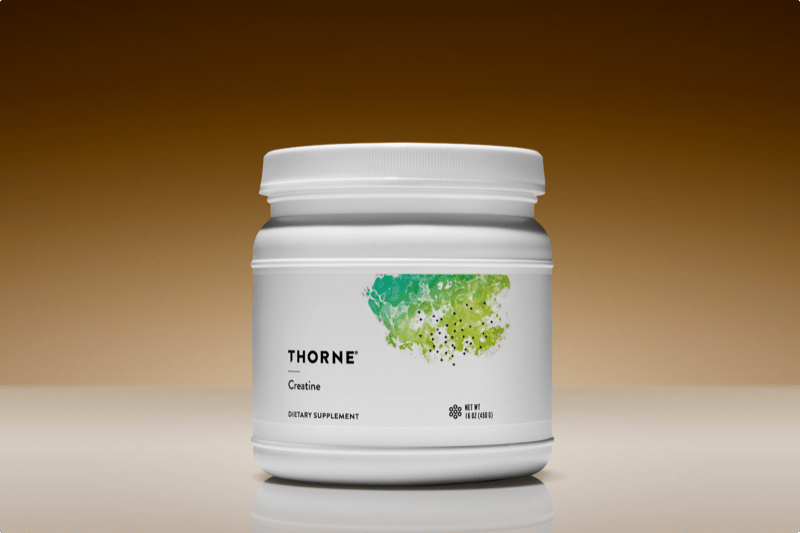
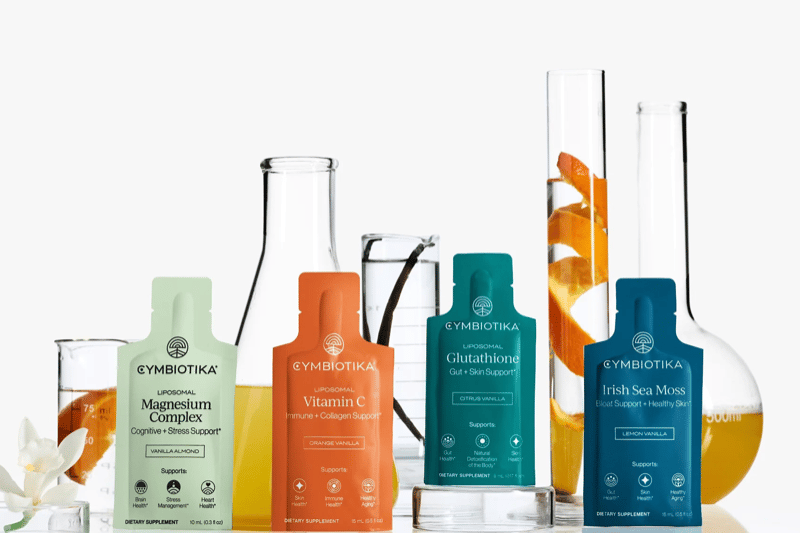
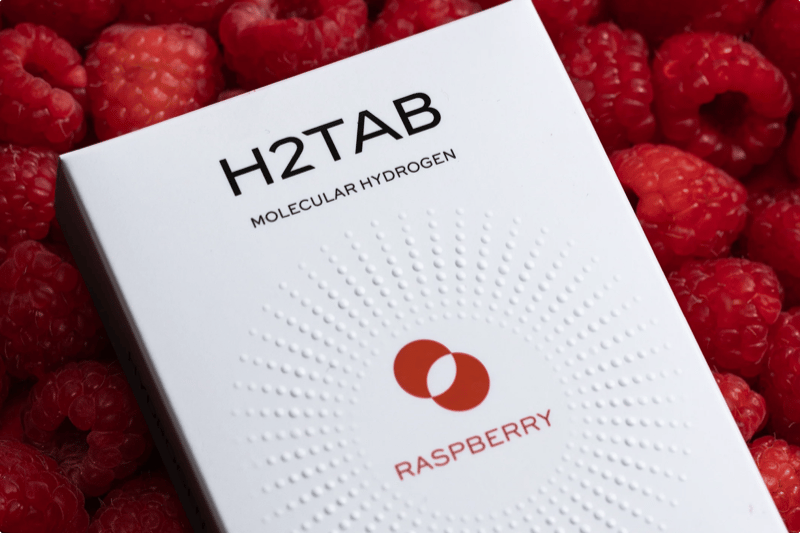
5. Try Supplements Wisely
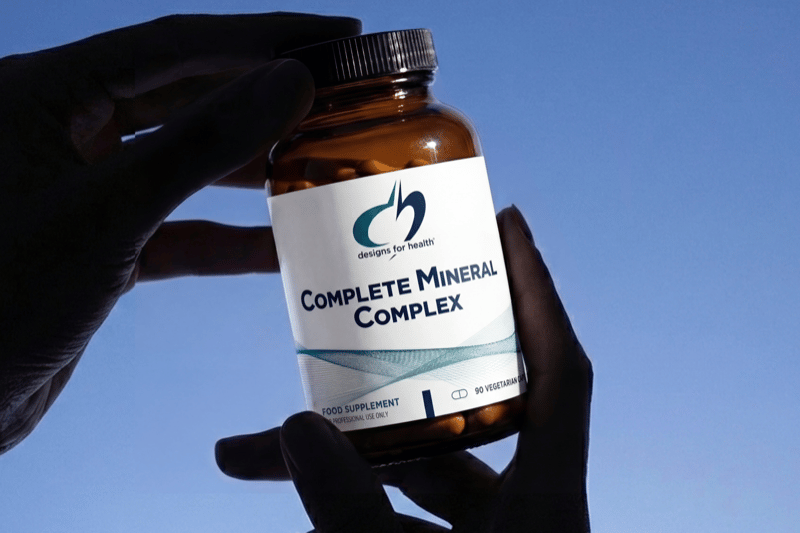
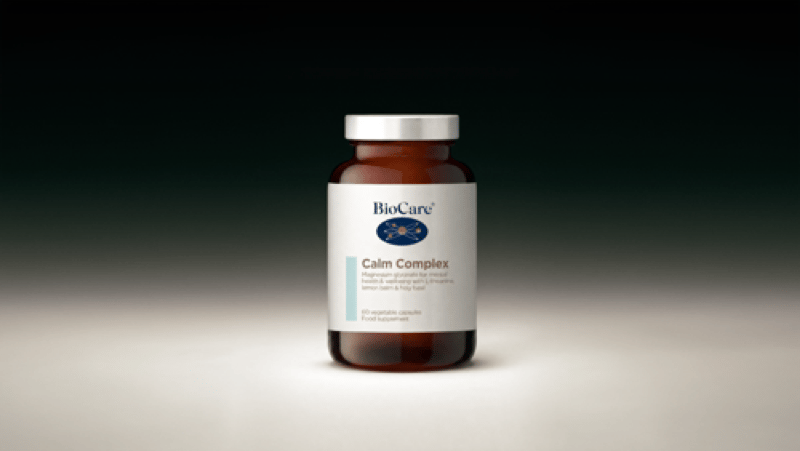
Natural antihistamine supplements include:
Always consult a healthcare provider before starting supplements, especially if you’re taking medication.
This Hay Fever and Histamine Iced Tea isn’t just a delicious, cooling drink for summer — it’s a gentle, natural way to support your body in the face of seasonal allergies. With the power of herbal medicine, this recipe works to reduce inflammation, inhibit histamine release, and promote a more balanced immune response.
Whether you’re navigating springtime sniffles, grass pollen allergies, or simply want to reduce your overall histamine load, this tea is a powerful ally — and one that fits beautifully into a holistic, wellbeing routine.
So the next time you feel that pollen tingle in your nose or your eyes start to itch, head to the kitchen and brew a batch of this cooling herbal infusion. Your sinuses will thank you.


This article is for informational purposes only, even if and regardless of whether it features the advice of physicians and medical practitioners. This article is not, nor is it intended to be, a substitute for professional medical advice, diagnosis, or treatment and should never be relied upon for specific medical advice. The views expressed in this article are the views of the expert and do not necessarily represent the views of Healf
Eleanor Hoath is a Registered Nutritional Therapist (DipNT, mANP, mBANT) specialising in gut, skin and women’s health. She is the Editor of The Healf Source and founder of Well Nourished Nutrition Ltd.
Passionate about holistic wellbeing and balanced living, Eleanor combines evidence-based nutrition with a practical, approachable style to help people feel their best through content.
Based in London, she is dedicated to empowering individuals to nurture their health and understand the root cause of their symptoms from the inside out.