Loading...
The Healf Source
Can You Really Swerve Jet Lag? These Top Tips Say So
A 25-hour flight, ten time zones and a plan. Here’s what actually helped.

Written by: Samantha Nice
Written on: April 6, 2026
Last month, I was lucky enough to travel to Sydney for some friends’ wedding in the Hunter Valley. It felt like the perfect reason to take a 25-hour journey to visit the other side of the world. The trip itself was split into two legs: a 6-hour 50-minute flight from London to Dubai (departing at 9 am), followed by a quick 1-hour 15-minute layover, then a 13-hour 50-minute flight to Sydney, landing at 8 pm local time.
I’m not a good flyer at the best of times. Even a short European trip makes me restless, and I rarely, if ever, manage to properly sleep on a plane. Stretching that across an entire day, while shifting ten time zones, wasn’t something I wanted to leave to chance.
Thankfully, I’m fortunate enough to be surrounded by people who think about this kind of thing in detail. Between the Healf team and a few well-informed friends, I got some pretty useful intel as to what might actually help with dreaded jet lag. My plan wasn’t too extreme, but it did provide a more considered and structured approach to that difficult adjustment, so I could actually enjoy the trip.
The thinking was simple: jet lag isn’t random. It follows a pattern. And if it follows a pattern, it’s something you can anticipate and work with, or at least be proactive about. So I treated the trip as a bit of a test. Some things made a noticeable difference, some didn’t. But I landed feeling far more switched on than I expected, given the distance, the time shift, and the lack of real sleep.
Here are the things I’d actually recommend.
The game plan, in short
I tried my best to keep things simple and realistic. My husband did laugh at the fact I had a written out “flight strategy” in my phone notes, but I’m a sucker for a plan.
Since jet lag is pretty much solely driven by your circadian rhythm, I focused my pre-flight efforts and attention on food timing, movement, light exposure, and sleep before — which happen to be perfectly aligned with our EAT, MOVE, MIND and SLEEP pillars at Healf.
When you take a long haul flight, all of those biological signals get out of whack. You’re exposed to light at the wrong times, you eat meals out of habit rather than need, you sit for hours on end and attempt to sleep with no real structure. So, instead of waiting to readjust my circadian rhythm on arrival, I started shifting those signals before boarding, continued at the airport, and stayed consistent throughout the flight to stay one step ahead of the jet lag.
This entailed light exposure when it was “morning” in Sydney, even if it didn’t feel natural, and eating at the right times, even if I wasn’t hungry. I built in movement to keep my body alert and circulation going, rather than slipping into that sluggish, in-between state. And I approached by sleep with intention, planning in blocks that aligned to the destination time zone, rather than sleeping at random times when I was exhausted. Essentially, it was all about timing.
EAT: The food and drink habits that helped reset my body clock
Eat according to your destination time
Plane meals are scheduled for convenience, not your body clock, and I really noticed this. I politely declined the in-flight meals and instead ate based on Sydney time. That meant having something that felt like breakfast when it was morning there, even if my body thought it was the middle of the night.
Why this works: Food timing is a strong circadian signal. Eating at the “wrong” times can keep your body anchored to your home time zone, while aligning meals with your destination helps shift your internal clock faster.
Skip the plane food and pack your own
Plane food tends to be high in salt, low in fibre, and harder to digest at altitude which usually leads to bloating and that groggy, heavy feeling on arrival. I brought simple, easy-to-digest snacks I know already sit well with me, like Palleovalley beef sticks and RX bars. I also packed some overnight oats and a basic chicken, rice and veggies meal in my Black+Blum tins, which felt far lighter and easier on my system. I grabbed a Pret salad at the airport too, just in case. Another little tip: if you are going to eat plane food, I’d always recommend switching to the vegan option as these typically tend to be less processed.
Why this works: Digestion slows down in-flight due to air pressure and inactivity. Heavier, processed meals increase bloating and fatigue, making it harder for your body to regulate energy and sleep.
Stay hydrated and add electrolytes
Cabin air is extremely dry, and it’s super easy to become dehydrated without even realising. I took a large water bottle, asked the cabin crew to refill it regularly, and aimed to drink consistently throughout the flight. I also added electrolytes rather than relying on water alone, and had around 500ml every waking hour. Needing the toilet frequently was also a good reminder to get up and move.
Why this works: Even mild dehydration can increase fatigue, headaches, and brain fog. Electrolytes help maintain fluid balance and support energy levels more effectively than water alone.
Skip alcohol and caffeine
Whilst it’s tempting to have a cocktail to celebrate a trip or a coffee to keep you going, I avoided these two completely. This made it much easier to fall asleep when I needed to. I didn’t want to consume anything that would mess with my ability to drop off.
Why this works: Alcohol disrupts sleep quality and increases dehydration, while caffeine can delay melatonin production and make it harder to sleep at the right time.
MOVE: The small movement habits that kept my energy up
Get up and move every 60–90 minutes
Sitting for long stretches is enough to make anyone feel sluggish, so I set a loose rule to get up regularly. I walked the aisle and stretched every hour I was awake. I wasn’t the only one either. At one point someone was doing a full yoga flow mid-flight. Since I was also awake while every other passenger and the entire crew were resting, I had a clear run of the aisle and ended up clocking 3,000 steps. I’d also give calf raises in your seat a go.
Why this works: Movement improves circulation, reduces stiffness, and acts as a ‘wake’ signal to your brain, helping prevent that heavy, low-energy feeling.
Wear compression socks
Not the most glamorous addition, but definitely one of the most effective. I wore Ostrichpillow's compression socks for the entire flight and noticed a clear difference when I landed. My legs felt lighter, less puffy, and far less fatigued.
Why this works: Compression supports blood flow and reduces fluid pooling in the lower legs, which helps prevent that heavy, sluggish post-flight feeling.
Get outside and walk as soon as you land
As soon as I landed, I made a point of getting some fresh air. It was 8pm Sydney time, so we went for a short 20-minute walk, had a light dinner, and then went straight to bed.
Why this works: Movement combined with natural light is one of the fastest ways to anchor your body clock to a new time zone.
MIND: The mental cues that kept everything on track
Change your clock before you board
This was one of the simplest things I did, but probably the most effective. I switched my phone to Sydney time before boarding, and from that point on checking the time became part of the plan. I do think this was arguably one of the things which helped most. You feel disoriented anyway, so this gave me something consistent to anchor to.
Why this works: Your brain relies on context as well as biology. Having a clear reference point reduces decision fatigue and keeps your behaviour aligned with the new time zone.
Be deliberate with light exposure
I paid a lot more attention to light exposure than I normally would. When it was “morning” in Sydney, I kept the window open and stayed exposed to light. When it was “night”, I dimmed everything, used an eye mask and reduced stimulation.
Why this works: Light is the strongest regulator of your circadian rhythm. It directly influences melatonin and cortisol, which control sleep and wake cycles.
Limit screens as you move into “evening”
Instead of defaulting to movie marathons, I made a conscious effort to keep screen time low. Instead of watching things, I read or listened to a podcast.
Why this works: Screens expose you to blue light and constant stimulation, both of which delay melatonin production and keep your brain alert.
Wear blue light blockers
I used blue light blocking glasses during my “evening” phase on the flight. They made me noticeably sleepier and helped signal to my body that it was time to wind down. Top tip? Get some funky looking ones you’ll actually like wearing. I loved these ones from Ra Optics and have since been wearing them more at home in the evenings too.
Why this works: Blocking blue light reduces melatonin suppression, making it easier for your body to transition into sleep mode.
SLEEP: The sleep strategy that made the biggest difference
Create one main sleep window
Instead of drifting in and out of sleep and having on and off naps, I aimed for one main sleep block aligned with nighttime in Sydney. It wasn’t perfect, but I still managed to bank around seven hours, which felt like a win.
Why this works: Fragmented sleep confuses your circadian rhythm. A single, longer sleep window gives your body a clearer signal.
Build a simple pre-sleep routine
Before trying to sleep, I kept things consistent as if I were getting ready for bed at home. I had a herbal tea and then brushed my teeth.
Why this works: Repeating the same actions creates a clear, powerful signal for your brain that it is time to wind down, even in an unfamiliar environment. It may seem simple, but it actually works.
Use simple tools to support sleep
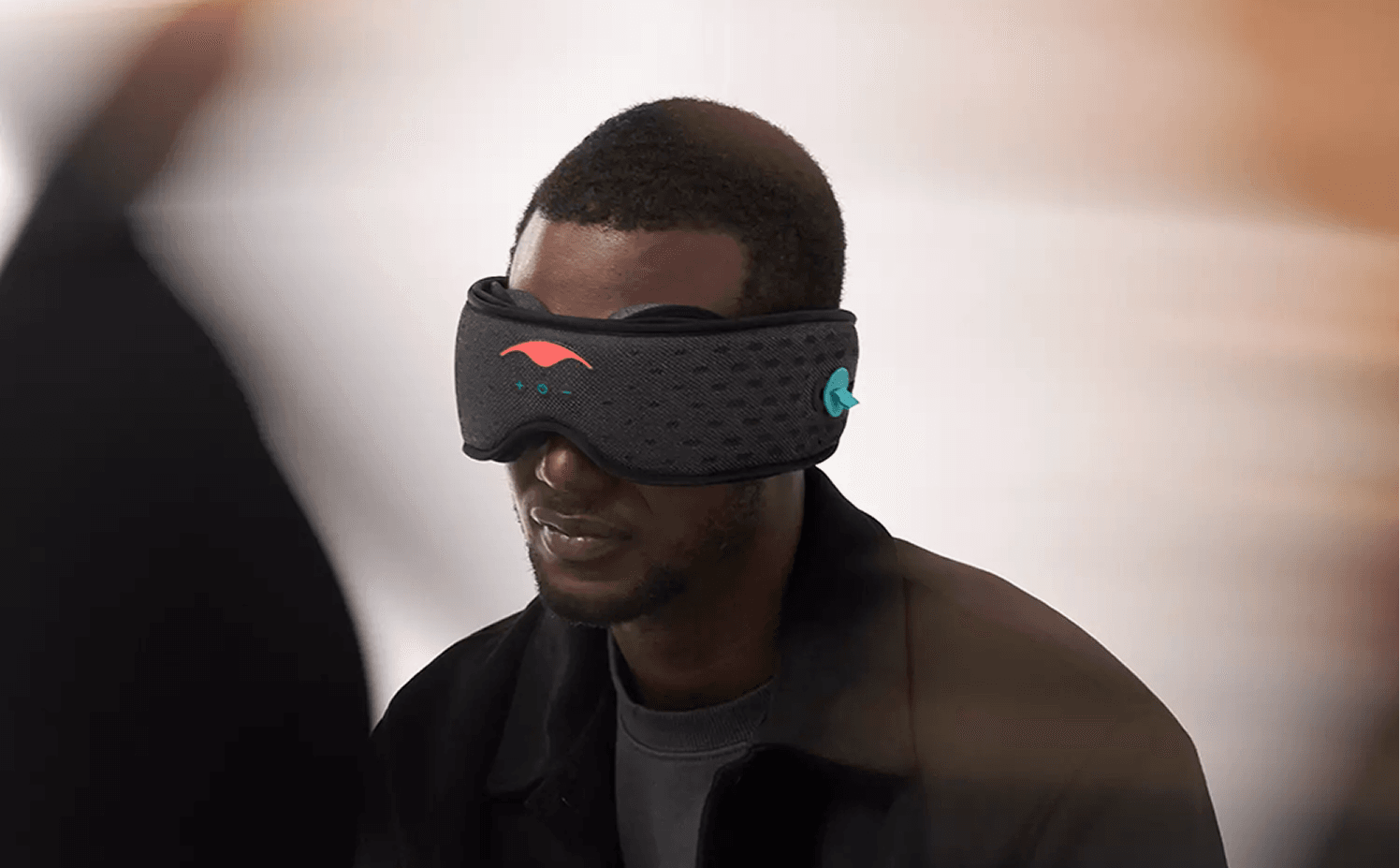
The quality of sleep I got on a plane was never going to be great, but I did what I could. I took magnesium to help me relax, used the eye mask to block out light, a neck pillow to get comfy, and ear plugs to minimise cabin noise.
Why this works: You cannot control the plane environment, but you can control your immediate surroundings. Reducing light, noise and discomfort makes it much easier to fall asleep when you need to.
What about the journey home?
When travelling back from Sydney to London, the return flight can sometimes be even harder on your body, largely because you’re flying west to east, which forces a phase advance of your circadian rhythm. Essentially, your body has to shift into an earlier time zone, which means going to sleep and waking up sooner than it naturally wants to. (Humans are actually much better at doing the opposite, which is why moving to earlier time zones tends to feel harder.) I will admit, it did feel harder for me, but only slightly. We left Sydney at 9 pm and landed in the UK at 1 pm, and followed a very similar approach to my pre-flight rituals: aligning meals, light exposure, and sleep with UK time as early as possible.
It wasn’t perfect, but it worked well enough. I stayed awake until around 8 pm that evening, went straight to bed, and woke up at 6am the next morning feeling pretty normal. Travel will always take something out of you, but compared to past trips, this felt like a much smoother adjustment. I’d say that's jet lag mostly swerved.
What actually worked
No single tip fixed everything, but together these things all made a noticeable difference. By the time I landed, I wasn’t wired, wiped, or completely all over the place. I felt far more adjusted than I expected to and aside from feeling pretty sleepy most evenings around 9 pm, meant we were really able to enjoy our trip.
Jet lag might be inevitable. But feeling completely wrecked doesn’t have to be.


This article is for informational purposes only, even if and regardless of whether it features the advice of physicians and medical practitioners. This article is not, nor is it intended to be, a substitute for professional medical advice, diagnosis, or treatment and should never be relied upon for specific medical advice. The views expressed in this article are the views of the expert and do not necessarily represent the views of Healf
Samantha Nice is a seasoned wellness writer with over a decade of experience crafting content for a diverse range of global brands. A passionate advocate for holistic wellbeing, she brings a particular focus to supplements, women’s health, strength training, and running. Samantha is a proud member of the Healf editorial team, where she merges her love for storytelling with industry insights and science-backed evidence.
An avid WHOOP wearer, keen runner (with a sub 1:30 half marathon) hot yoga enthusiast and regular gym goer, Samantha lives and breathes the wellness lifestyle she writes about. With a solid black book of trusted contacts (including some of the industry’s leading experts) she’s committed to creating accessible, well-informed content that empowers and inspires Healf readers.
- 1. The game plan, in short
- 2. EAT: The food and drink habits that helped reset my body clock
- 3. MOVE: The small movement habits that kept my energy up
- 4. MIND: The mental cues that kept everything on track
- 5. SLEEP: The sleep strategy that made the biggest difference
- 6. Use simple tools to support sleep
- 7. What about the journey home?
- 8. What actually worked
.jpeg&w=3840&q=75)