










_2026-10-13_14-11-48.png)


Is Clean Beauty Messing With Your Mind?
The truth behind ‘non-toxic’ marketing, why fear sells and what this expert wants you to know.

Written by: Samantha Nice
Written on: 5 December 2025
Clean beauty has become a minefield. What started as a movement for transparency is now a blur of non-toxic labels, ingredient blacklists and marketing that makes half your bathroom shelf feel like a health hazard. Between the fear-based messaging, conflicting advice and never-ending lists of banned ingredients which seems to be changing almost weekly, most of us are left scanning labels without really knowing what we’re supposed to be avoiding, or why.
But is clean beauty genuinely better for you or, like so much in the wellbeing world, simply better at selling the story? To get a clear, evidence-led perspective in true Healf style, we spoke with aesthetic doctor at Dr Hans Clinics, Dr Hansel Misquitta to separate fact from fear, science from storytelling and real safety concerns from clever branding. Here’s what’s actually worth knowing before you decide what stays, and what goes from your skincare routine.
Firstly, what does “clean beauty” even mean?
For a term that dominates the industry, “clean beauty” actually has no scientific or regulatory definition. None. “Medically, it means nothing. There is no legal definition of clean in the UK, EU or US. Every retailer builds its own rule book, which is why one brand bans an ingredient while another sells it proudly,” says Dr Hansel.
In other words: clean beauty isn’t chemistry, it’s branding. As Dr Hansel explains, “in science, safety is decided by toxicology: the ingredient, the concentration, the exposure, and the area of application. A so-called clean product can still irritate your skin, and a formula packed with complicated chemical names can be perfectly safe. The word "clean” is just marketing.” Clean beauty may sound reassuring, but it is not a scientific category, just a commercial one.
Why the clean beauty movement feels so emotional
Fear is powerful and in the beauty (and wellbeing) world, it sells. “Fear spreads faster than facts. The moment someone says an ingredient might disrupt hormones or trigger cancer, the emotional brain takes over, even if the real-world risk at cosmetic doses is tiny,” says Dr Hansel.
This is amplified by social media, where the most dramatic, alarming claims get the most clicks. “Social media rewards dramatic claims. Nobody shares a calm risk assessment, but millions share a video that screams toxic. So fear-based language shapes how people shop, even if the science behind the claims is flimsy.” The result? A generation of skincare users who are more anxious, more confused and more suspicious of ingredients than ever before.
The “toxic” ingredients clean beauty tells you to avoid (that science says are safe)
The irony is that many of the ingredients dubbed bad news by clean beauty are some of the safest and most well-studied. “Parabens are a perfect example,” says Dr Hansel. “They have been reviewed many times and remain approved at tightly controlled levels. Phenoxyethanol is allowed up to one percent in the EU after safety evaluation. Silicones are inert and widely used in medical devices and dressings and cosmetic grade mineral oil is a dermatology staple.”
These ingredients aren’t perfect, but the narrative that they are dangerous is not supported by the scientific evidence. “These ingredients are not saints, but at regulated concentrations they are far safer than the internet makes them sound,” she adds. If anything, removing well-studied preservatives often increases risk, not decreases it. Why? Because under-preserved products can develop microbial contamination that does harm skin.
The ingredients you should actually be cautious of
Clean beauty often fixates on the wrong villains. Parabens, silicones and mineral oils may dominate “toxic” lists, but they’re rarely the real problem. When we asked Dr Hansel which ingredients actually warrant caution, she said the biggest risks aren’t the ones trending on TikTok.
“Fragrance compounds and essential oils are major causes of contact allergy, yet they’re often sold as natural and pure. Older formaldehyde-releasing preservatives can trigger reactions in sensitive individuals, while high-strength acids and retinoids bought online and used incorrectly are a real and rising problem, especially in darker skin types. And unregulated bleaching creams and topical steroids remain a genuine danger — not a hypothetical one,” she adds.
It’s an important distinction… clean beauty often demonises safe, regulated cosmetic ingredients while ignoring the true culprits behind irritation and damage like unregulated products, misused actives and heavily fragranced “natural” formulas. In reality, your skin is far more at risk from a DIY peel than from a well-formulated moisturiser.
How skincare safety is actually regulated
Clean beauty often paints the cosmetics world as chaotic and unsafe… a space where anything goes unless a brand positions itself as “non-toxic.” The reality is far more grounded. “In the UK and EU, cosmetic ingredients are assessed for safety long before they hit shelves,” says Dr Hansel. “There are limits on concentrations, banned lists, mandatory labelling rules and toxicology reviews. The system is far from flawless, but it is far more structured than the clean beauty story suggests. A product cannot legally be sold without a safety assessment on file.”
So while online conversation can make skincare sound risky, the industry is already tightly regulated and updates to those regulations happen in response to scientific evidence, not marketing. Clean beauty isn’t correcting a broken system, it’s often overlooking the fact that one already exists.
The “natural = safer” myth
Natural beauty is marketed as purer, cleaner and kinder, but nature isn’t always gentle. “Natural does not guarantee safer or better,” adds Dr Hansel. “Some botanical extracts do have therapeutic value, but synthetic ingredients are often more stable, more predictable and easier to formulate at effective concentrations. Natural is simply a description of origin. It has nothing to do with performance or safety.”
Some of the most irritating ingredients in skincare (like essential oils, fragrant plant extracts, citrus oils) are 100% natural. Some of the most effective, gentle and stable ingredients (like ceramides, peptides and hyaluronic acid) are synthesised in labs. Natural is not a quality or safety metric, it’s just a sourcing claim.
How clean beauty is fuelling skincare anxiety
Perhaps the most concerning part of the clean beauty boom isn’t the marketing, it’s the mindset it’s creating. “A lot of my patients feel guilty for using the wrong moisturiser,” says Dr Hansel. “They bring TikTok screenshots as if it is medical literature. They avoid well-studied ingredients while slathering fragrance on already irritated skin. Clean beauty has created a generation of anxious shoppers who overthink simple routines and second-guess every label.”
Things that should feel simple (like cleansing your face, choosing a new moisturiser, applying sunscreen) now feels like navigating a moral puzzle. Fear-based messaging has convinced many of us that a single “wrong” ingredient could harm us, turning everyday skincare into a source of guilt, confusion and low-grade panic. But skincare shouldn’t feel like that. It should be empowering, intuitive and rooted in what actually works for your own skin… not what a marketing trend tells you to fear.
The myth that frustrates dermatologists the most
For Dr Hansel, it’s the idea that a formula is either pure or poisonous. “Every ingredient has a dose at which it is safe and a dose at which it is harmful,” she says. “Water can kill you if you drink too much. Retinoids are irritating until used correctly. Preservatives look scary until you realise the alternative is microbial growth in your cream. The pure versus toxic framing is useless and misleading.” This black-and-white thinking is one of clean beauty’s biggest drawbacks. It doesn’t help you make better choices… it just replaces nuance with fear.
How to shop smarter without falling for fear marketing
The solution isn’t to reject clean beauty entirely though. It’s to evaluate products more intelligently. Dr Hansel’s advice is to keep it simple. “One, look for proven actives like retinoids, vitamin C, niacinamide and ceramides. Two, do not fear preservatives. A safe preservative system protects your skin far more than it harms it and three, listen to your own skin. The most natural formula in the world means nothing if it burns, stings or breaks you out.” In other words, go for evidence over aesthetics and tolerance over trends.
The one evidence-based rule to remember
When we asked Dr Hansel for her single biggest piece of advice, it was to focus on concentration and formulation. “A formula with the right percentage of a well-studied active will always outperform a clean-labelled product built around marketing and fear-mongering,” she says. The ingredient list is not the whole story. What matters is the formulation, stability, concentration and delivery system… none of which are captured by the word “clean.”
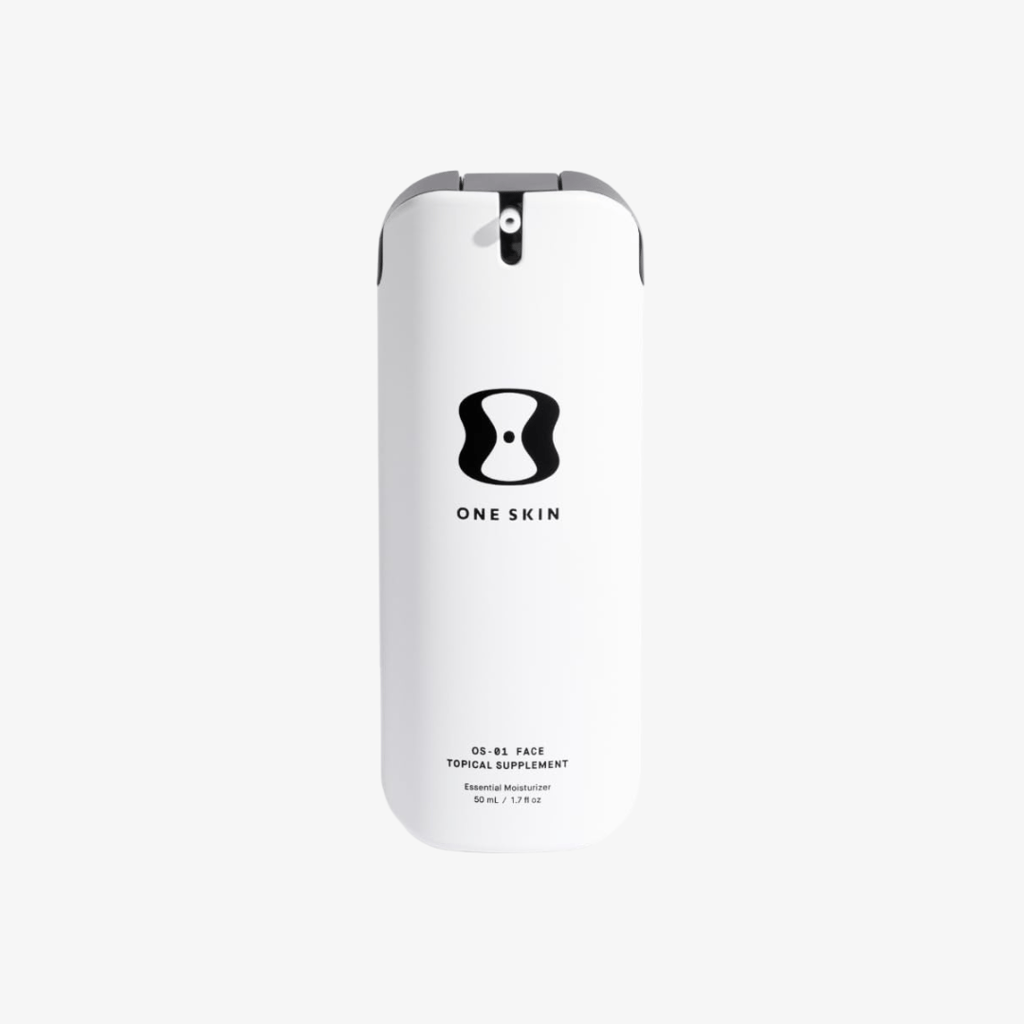
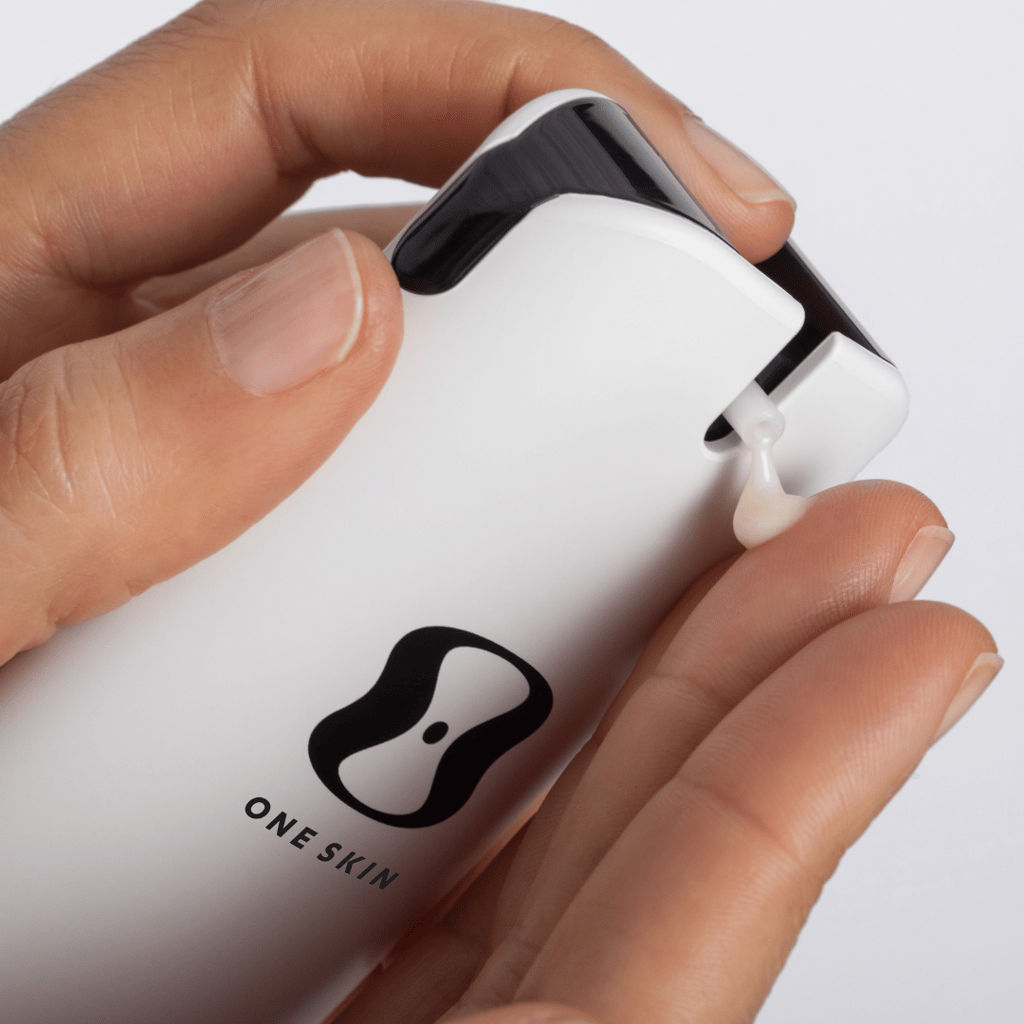


The Power Serum
The takeaway: clean beauty isn’t always cleaner, safer or better
Clean beauty isn’t inherently bad. It’s just not the scientific safety standard it’s often portrayed to be. It’s a marketing category built on emotion. Whilst there’s no denying it’s sparked necessary conversations around transparency and sustainability, it has also fuelled unnecessary fear, confusion and overcorrection.
The truth is that not all synthetics are dangerous, not all natural ingredients are gentle, preservatives exist to protect you and safety depends on dose, formulation and regulation - not the presence or absence of a trending blacklist. Clean beauty doesn’t need to be cancelled. It just needs to be contextualised.
With the right information, you can shop confidently, calmly and without second-guessing every label. And as Dr Hansel reminds us, good skincare isn’t about perfection; it’s about evidence, balance and what your skin actually needs.

This article is for informational purposes only, even if and regardless of whether it features the advice of physicians and medical practitioners. This article is not, nor is it intended to be, a substitute for professional medical advice, diagnosis, or treatment and should never be relied upon for specific medical advice. The views expressed in this article are the views of the expert and do not necessarily represent the views of Healf
Samantha Nice is a seasoned wellness writer with over a decade of experience crafting content for a diverse range of global brands. A passionate advocate for holistic wellbeing, she brings a particular focus to supplements, women’s health, strength training, and running. Samantha is a proud member of the Healf editorial team, where she merges her love for storytelling with industry insights and science-backed evidence.
An avid WHOOP wearer, keen runner (with a sub 1:30 half marathon) hot yoga enthusiast and regular gym goer, Samantha lives and breathes the wellness lifestyle she writes about. With a solid black book of trusted contacts (including some of the industry’s leading experts) she’s committed to creating accessible, well-informed content that empowers and inspires Healf readers.