






















_2026-10-13_14-11-48.png)


What Exactly Is The Coconut Cortisol Cocktail, And Does It Work?
Written by: Pippa Thackeray
Written on: 9 September 2025
The coconut cortisol cocktail is TikTok’s new viral so-called “stress-busting” drink made with coconut water, salt and a host of other ingredients designed to give you a boost. It’s famed for its ability to balance hormones and energy, yet experts remain cautious about the reality.
Stress: The constant companion
Many believe that stress is inescapable. And so it's no wonder that this new recipe is causing a degree of obsession. It’s bright, citrusy, salty. The primary ingredients of orange juice, coconut water, magnesium and salt have been celebrated together as a powerful mix to calm cravings and restore balance to hormonal chaos.
A quick look on social media reveals how it is being touted as some sort of magical antidote to burnout mornings and sluggish afternoons. It all sounds highly appealing, but does the science back it up? And is the cortisol cocktail really that clever or just another fleeting trend?
Clarifying cortisol
Think of cortisol as your body’s built-in alarm system. Made by the adrenal glands, it helps you wake up in the morning, keeps up energy between meals and gives you a surge of ‘get up and go’ when life places its demands.
It also has a hand in metabolism, inflammation and your sleep cycle. But the catch comes when cortisol runs too high for too long. Instead of helping you bounce back, it keeps your body on constant alert.
The effects are prolonged. Plus, skipped sleep, long-term stress or a diet that misses the mark, can all make for a more difficult recovery.
Sleep deprivation elevates cortisol
One study found that even partial sleep loss delayed the usual evening decline in cortisol, raising levels by 37% with partial deprivation and 45% with total deprivation between 6 pm and 11 pm, while also pushing back the hormone’s natural lower phase by at least an hour.
Additionally, sleep deprivation increases baseline cortisol and amplifies the HPA (hypothalamic‑pituitary‑adrenal) axis response to stress.
Chronic stress disrupts cortisol regulation
Prolonged or exaggerated stress responses can lead to cortisol dysfunction, fueling systemic inflammation and pain.
How? While short-term stress initially triggers cortisol release to reduce inflammation and provide energy, chronic stress disrupts this process, leading to a state of unmodulated inflammation and increased pain sensitivity. This can contribute to chronic pain conditions and perpetuate a cycle of inflammation and pain.
Chronic activation of the stress system also taxes the body, a concept researchers call allostatic load, which harms cardiovascular, immune, and neuroendocrine systems over time.
The term ‘Allostatic Load’ describes the cumulative "wear and tear" on the body from chronic stress. Coined by Bruce McEwen and Eliot Stellar in 1993, the concept explains how the body's repeated or prolonged responses to stressors, driven by the excessive secretion of hormones, can result in progressive dysregulation and long-term health problems.
Diet and calorie restriction can raise cortisol
Restrictive eating or low-calorie diets may increase psychological stress and cortisol production. Skipping meals or fasting too long is also widely recognised as a stressor that triggers cortisol release, even when we don’t realise it.
How to make it
The cortisol cocktail recipe:
120 ml of coconut water
½ squeezed lemon
50 ml of orange juice
1 teaspoon of magnesium powder
¼ teaspoon fine salt
Sparkling water to taste
To make a cortisol cocktail, simply stir together half a cup of orange juice, half a cup of coconut water, sparkling water and a pinch of sea salt until combined.
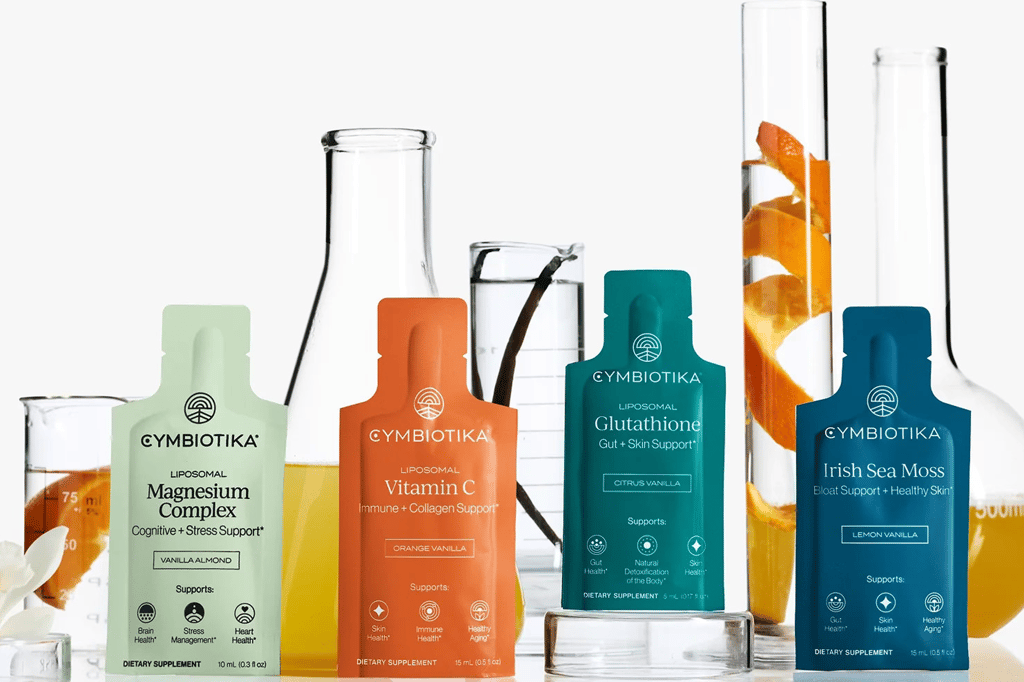
Optional extras like magnesium, cream of tartar, or even coconut cream can be added for health benefits or for a richer texture.
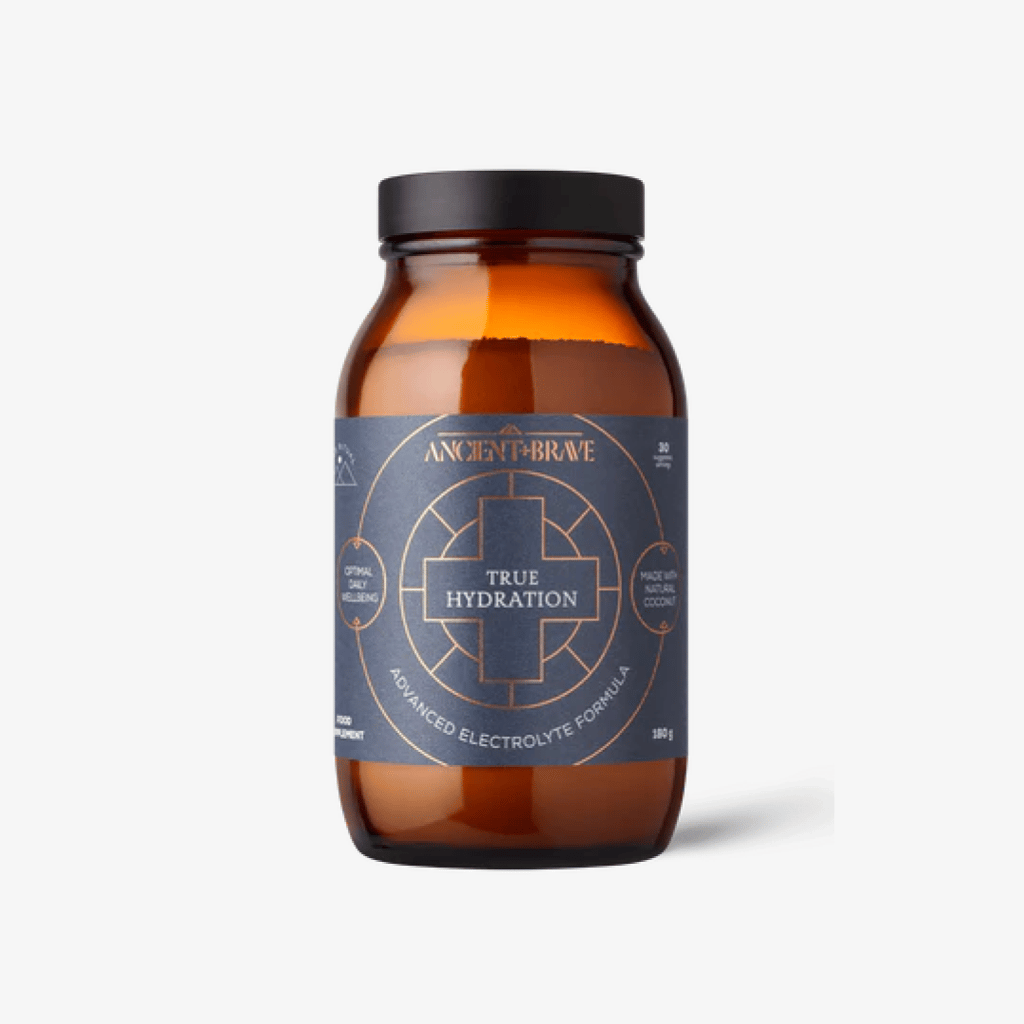
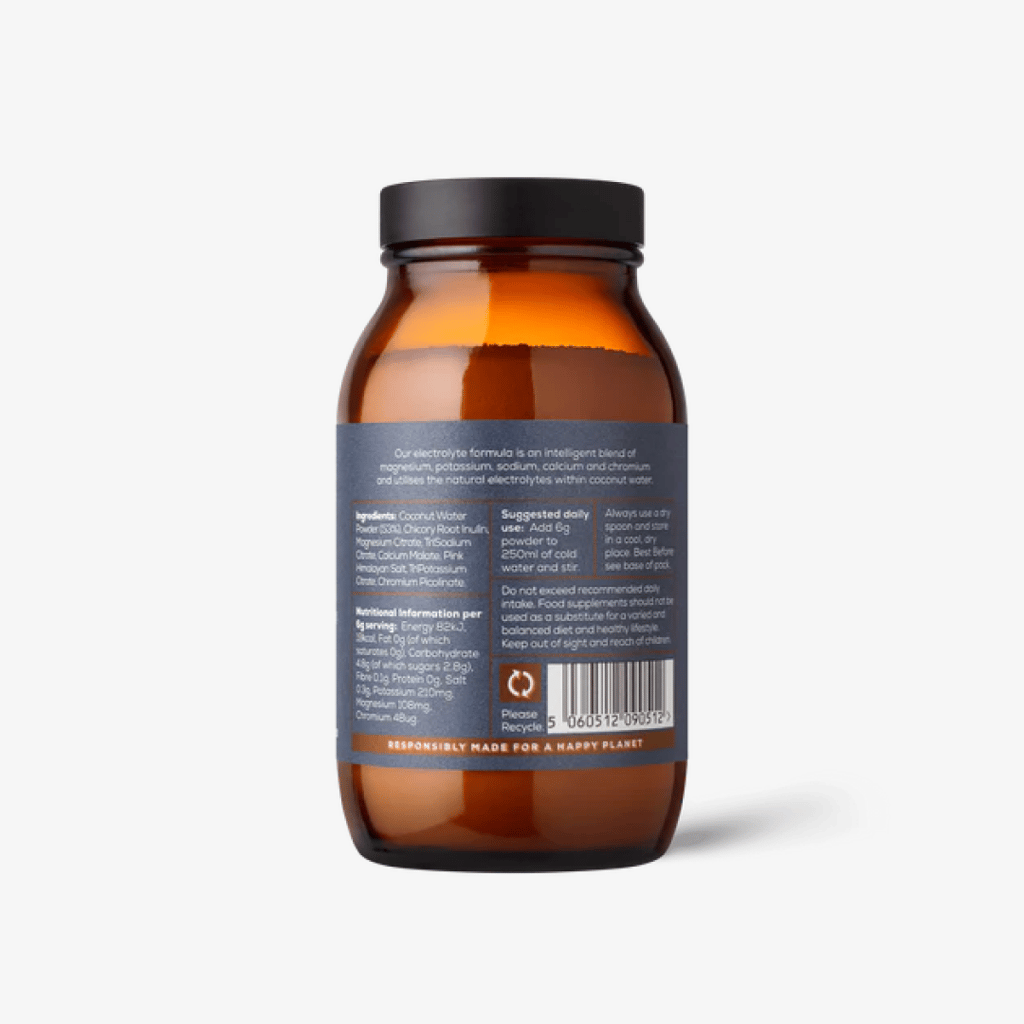
Some people like to add electrolytes.
How this simple mix supports the body
The cortisol cocktail blends salt, magnesium, citrus, and coconut water into a drink designed to replenish and rehydrate.
Each ingredient brings something different: sodium and potassium support fluid balance, natural fruit sugars give a quick lift, and magnesium aids muscle function.
Coconut water ties it all together, adding electrolytes and a subtle flavour that makes the mix both effective and easy to enjoy.
Here’s how the individual components help to give you an adrenal kick:
Salt:
Jo Woodhurst, head of nutrition at Ancient + Brave, notes how electrolyte drinks have surged in popularity as awareness grows around dehydration. Low fluid balance can sap energy, trigger headaches, and worsen inflammation.
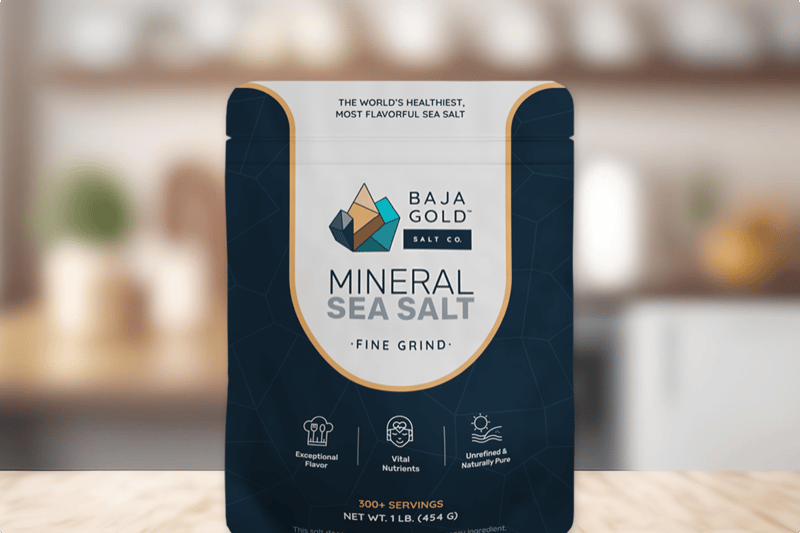
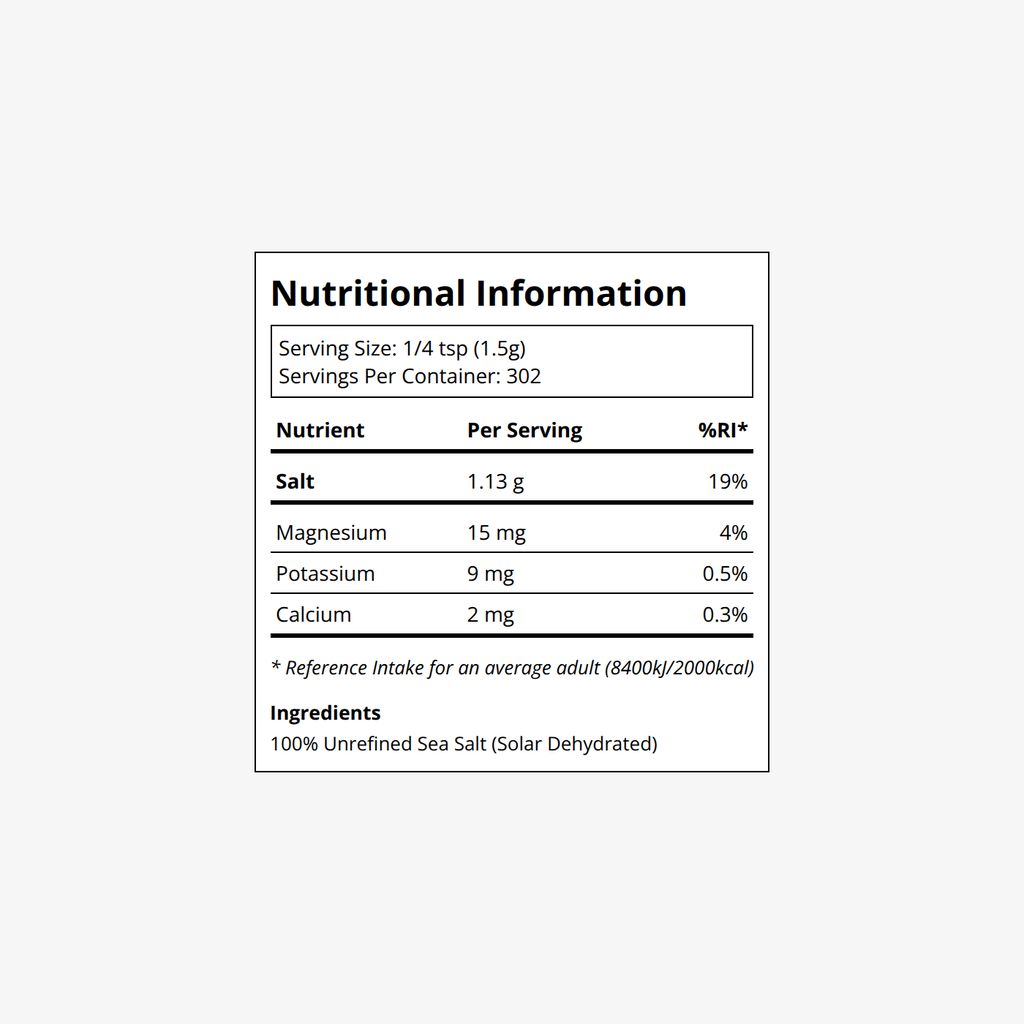
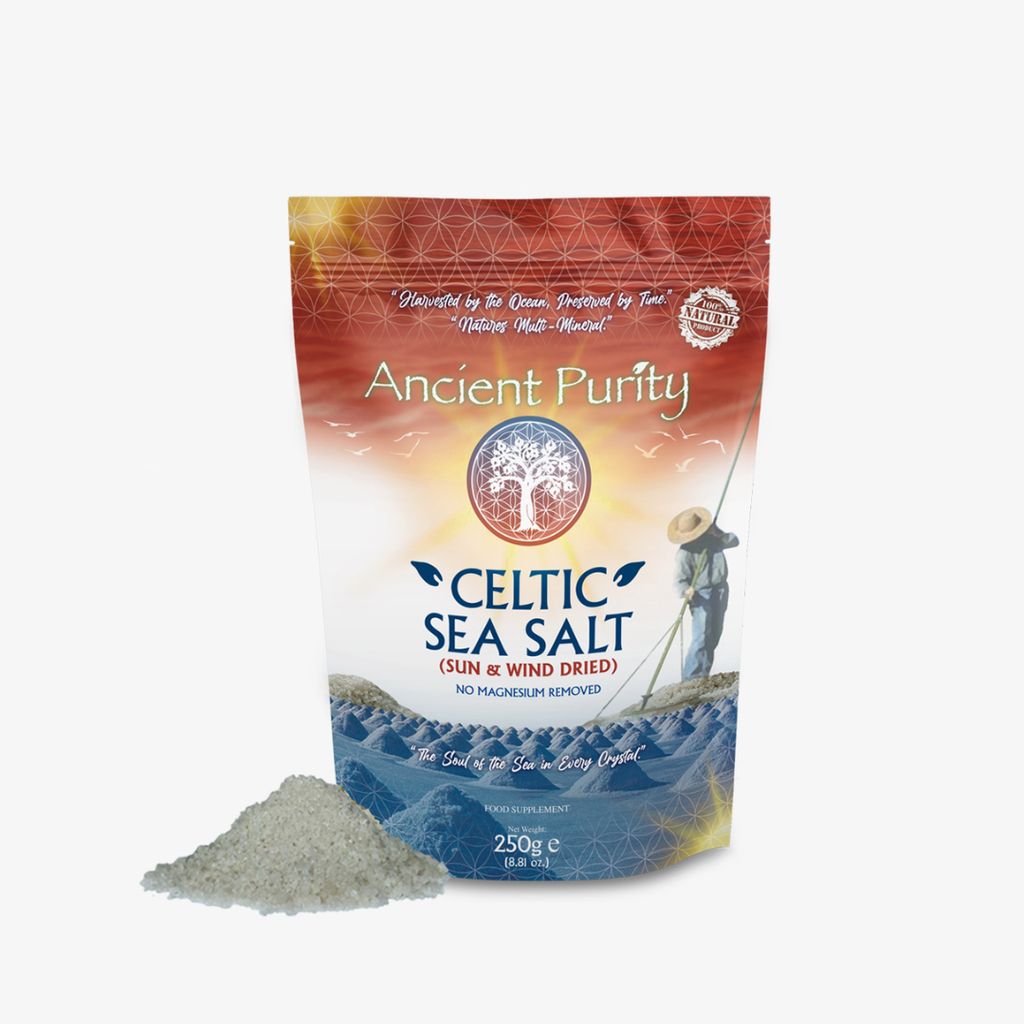
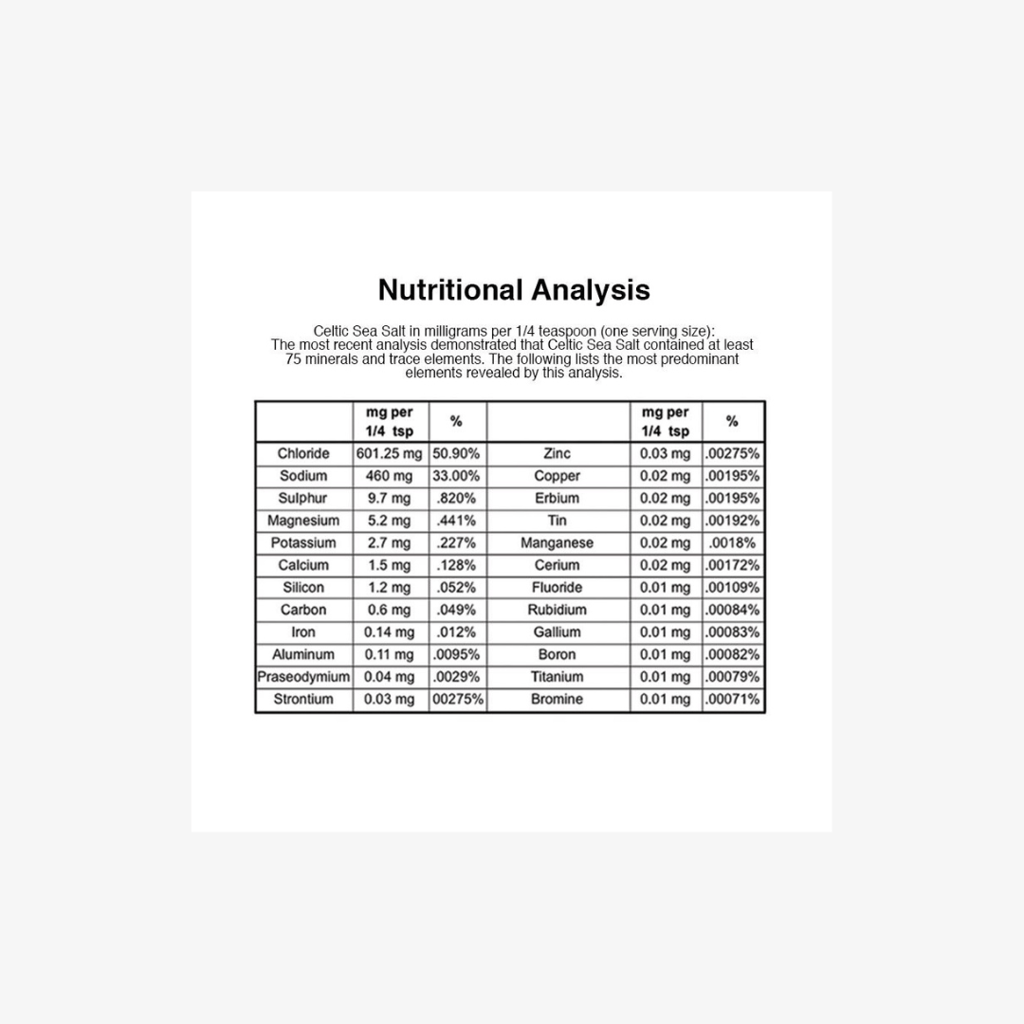
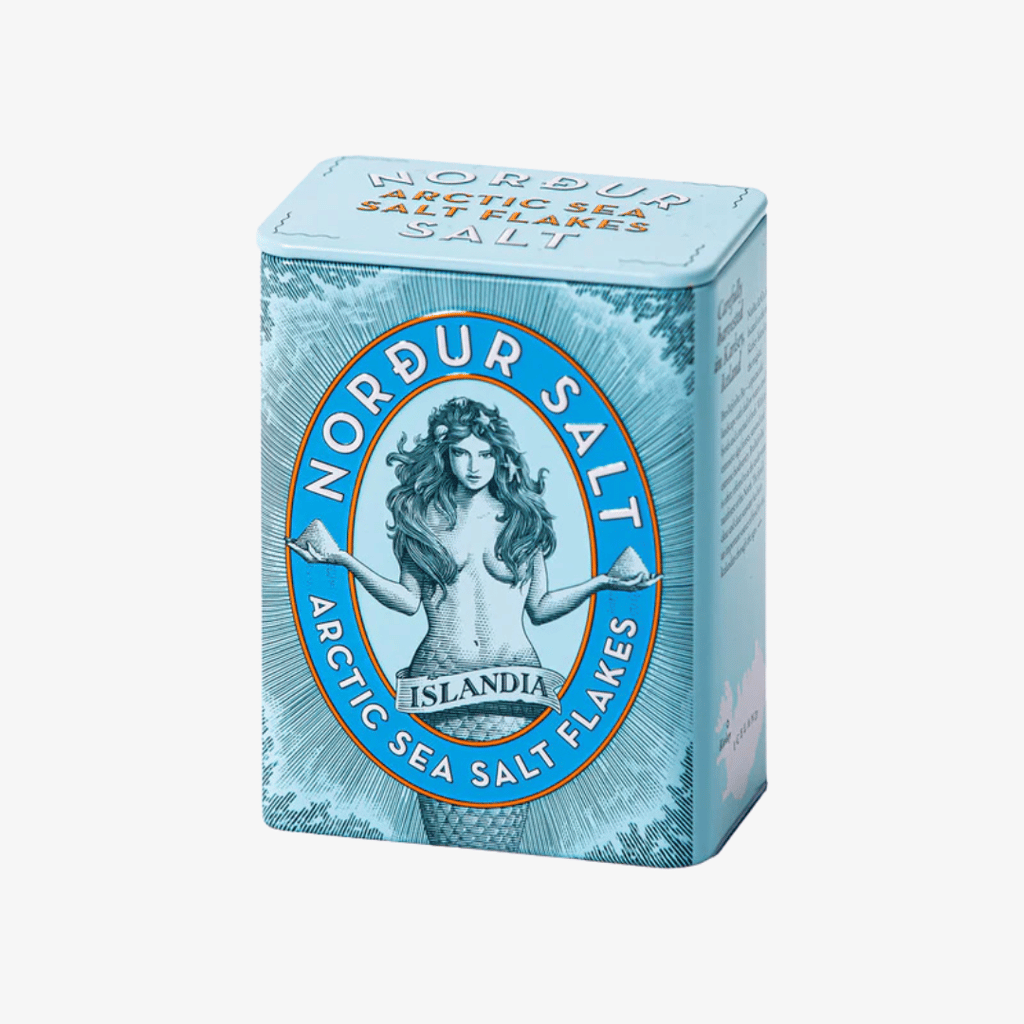
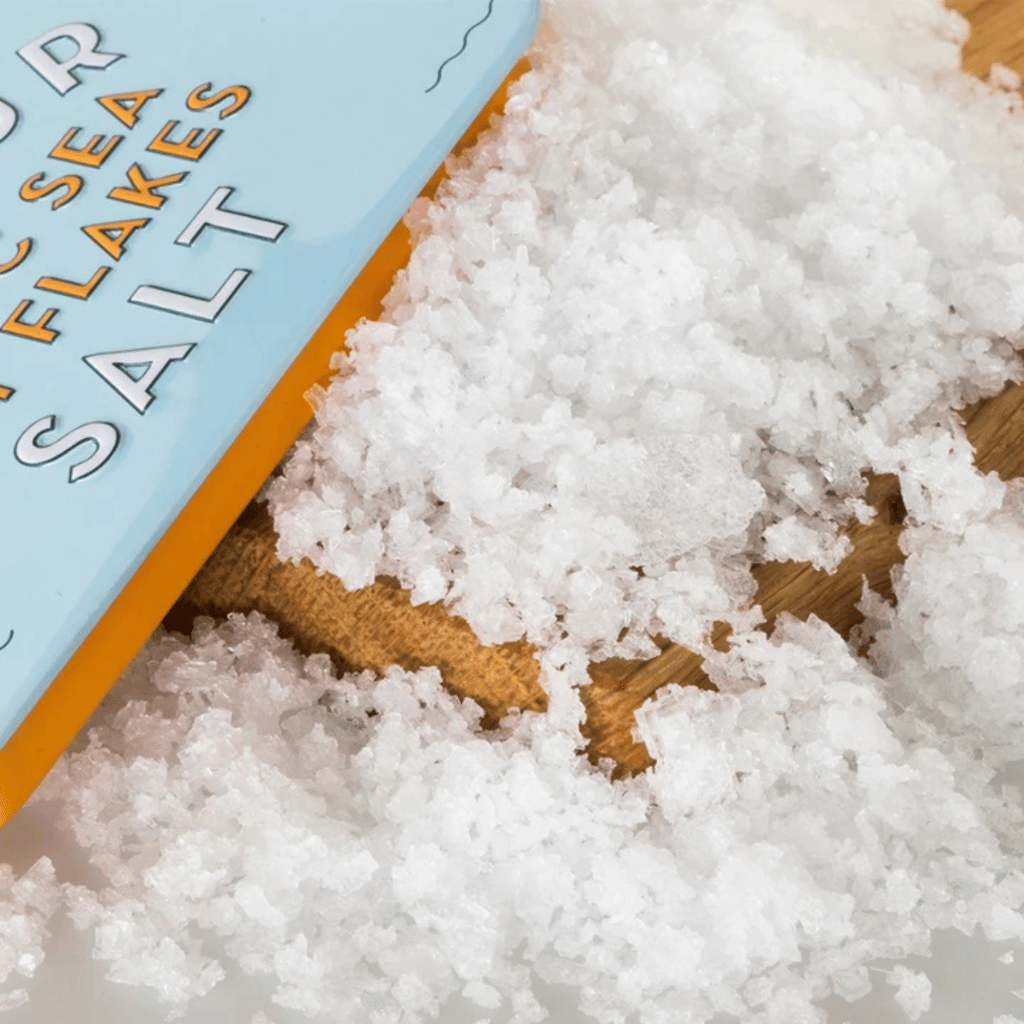
When it comes to such seasoning, Himalayan salt is a strong option, with alternatives such as Baja Gold, Ancient Purity Celtic Sea Salt, or Nordur Salt also offering a more nutrient-rich profile than basic table salt.
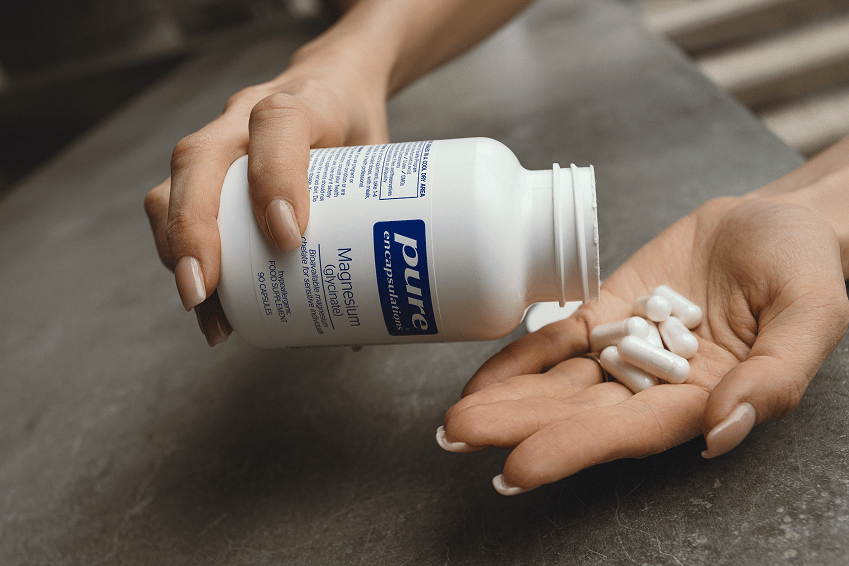
Magnesium:
Studies suggest that magnesium deficiency can worsen anxiety, tension and poor sleep, while chronic stress itself can further deplete the body’s stores.
Magnesium supports the production of calming neurotransmitters such as GABA, serotonin and melatonin, which help to regulate mood and relaxation. It also plays a role in maintaining stable blood sugar, another factor in managing stress.
Population studies indicate that many people may not meet their daily magnesium needs, which could partly explain the mineral’s growing reputation for easing stress and supporting better sleep.
Oranges and lemons:
In the cortisol cocktail, the orange and lemon juice is more than flavour. It brings a hit of vitamin C, a nutrient the adrenal glands rely on when producing cortisol.
Vitamin C also works as an antioxidant, helping to reduce oxidative stress that often builds up under pressure. This combination makes orange juice a useful addition to the mix, supporting both hormone balance and cellular protection when the body is under strain.

A note on electrolyte hydration
Even mild dehydration can up cortisol, cloud focus, and make stress feel worse, so electrolyte balance isn’t just for athletes.
As naturopathic nutritionist Rhian Stephenson notes, low hydration can impair brain energy, mood, and sleep, and even small drops in hydration levels may raise cortisol.
Hydration and electrolyte mix:
Coconut water naturally offers sodium, potassium, magnesium, and calcium. These are key minerals the body loses through sweat and stress. Studies report that coconut water rehydrates about as effectively as standard sports drinks.
Electrolyte-rich vs. overly processed:
Coconut water is lower in added sugars and more nutrient-rich than conventional sport drinks, making it preferential when you’re thirsty or overloaded from caffeine or stress.
The catch with cortisol cocktails?
It’s not for everyone. A typical glass contains around 16 grams of sugar and over 1,000 milligrams of sodium. Some warn that for anyone with high blood pressure, heart concerns or blood sugar sensitivity, it could be a red flag rather than a stress solution.
Cortisol’s natural rhythm
The cortisol cocktail is often promoted as a way to balance stress hormones, but it does not directly change how cortisol is produced.
Cortisol naturally peaks in the morning to help us wake up and then gradually tapers off through the day, reaching its lowest point at night. This daily rhythm is part of how the body manages energy and sleep cycles when we are healthy.
But it may help if cortisol levels are already too high.
When it might have an effect
Although the drink does not reset this rhythm, it may feel useful when cortisol levels are running higher than usual. Stress, poor sleep and overwork can all keep cortisol elevated for longer than the body needs.
By providing hydration and quick-access nutrients, the cocktail could ease some of the secondary effects of stress, like fatigue or cravings, even if it is not lowering cortisol directly.
Nutrients that should be prioritised daily
At its core, the drink provides electrolytes and much needed hydration.
Sodium from the salt, potassium from the coconut water and vitamin C from the orange juice all play a role in supporting the body’s stress response. But these nutrients are not unique to the cocktail. Whole foods such as fresh oranges, nuts, seeds and leafy greens supply the same benefits without added sugar or excess salt, making them equally effective.
Arguably, it is preferable to get the benefits directly from the fruit itself, such as eating an orange as an alternative to drinking orange juice. This way, a sugar spike can be avoided, or at least slowed, thanks to the natural fibre in the fruit.
The takeaways
The real benefit may be the growing awareness of wellbeing issues, such as the impact of stress on the body, alongside the recognition of food and nutrition as tools for managing it, instead of turning to caffeine or other less healthy highs. That feels like progress.
Shop EAT at Healf and explore smart, nutrient-led options that work in synergy to support sustained energy and everyday balance.



This article is for informational purposes only, even if and regardless of whether it features the advice of physicians and medical practitioners. This article is not, nor is it intended to be, a substitute for professional medical advice, diagnosis, or treatment and should never be relied upon for specific medical advice. The views expressed in this article are the views of the expert and do not necessarily represent the views of Healf
Pippa is a content writer and qualified Nutritional Therapist (DipNT) creating research-based content with a passion for many areas of wellbeing, including hormonal health, mental health and digestive health.
As a contributor to The Healf Source, she regularly attends seminars and programmes on a plethora of contemporary health issues and modern research insights with a drive to never stop learning. In addition, interviewing experts and specialists across The Four Pillars: EAT, MOVE, MIND, SLEEP.
In her spare time, she is an avid swimmer, mindfulness and yoga lover, occasionally bringing a raw, honest approach to the topics she faces. You may also discover some personal accounts of eye-opening wellbeing experiences amidst the reality of a disorientating, and often conflicting, modern wellbeing space.