



































_2026-10-13_14-11-48.png)


How To Replace Electrolytes: Best Sources And Signs You Need More
Written by: Samantha Nice
Written on: 5 August 2025
Ever wondered what electrolytes are or how to replace electrolytes after a tough workout or long day? If you’ve been feeling completely wiped out (even though you’re staying hydrated), it might not just be dehydration. Electrolytes play a crucial role in keeping you hydrated as well as a whole host of other things. If you're particularly active, you could be losing up to 11% of your body’s electrolytes through sweat, which can leave you feeling pretty drained and off your game.
Electrolytes have become a major buzzword in the supplement space recently with more people than ever looking to optimise performance and recovery, but with so many options, it’s easy to feel unsure about whether you actually need them and which ones are worth taking. If that’s you, you’re in the right place.
What are electrolytes and what do they do?
Electrolytes are essential minerals that help regulate various different bodily functions and are found in your blood, urine and other bodily fluids such as sweat. The most common are sodium, potassium, magnesium, calcium, chloride, phosphate and bicarbonate. “As their name suggests, they have an electrical charge which allows them to activate signals involved in energy production, contracting muscles (like those of the heart), transmitting messages via nerves as well as regulating fluid balance and keeping us hydrated,” explains medical doctor, Dr Frankie Jackson-Spence.
“Our bodies work to keep electrolytes in a very fine balance,” says Dr Frankie. “If the level of electrolytes becomes too high or too low, it can disrupt certain functions.” When you sweat, exercise or lose fluids due to illness, the balance of electrolytes can be disrupted, which can lead to fatigue, muscle cramps, dizziness and sometimes other more serious concerns. Whilst you can replenish your electrolytes through certain foods and drinks, supplementing with electrolytes can be a really beneficial way to boost hydration and keep your body functioning at its best.
What happens when your body is low on electrolytes?
There are a few tell-tale signs you may have an electrolyte imbalance and could do with an extra boost. These include muscle weakness and cramping, fatigue, dizziness, dehydration, headaches, confusion or brain fog, irregular heartbeat or feeling sick. “If you have undergone strenuous exercise (especially if longer than an hour) or have sweated a lot due to it being a hot day or a humid environment, then it’s important to replace some of the electrolytes (such as sodium) that have been lost,” Dr Frankie adds. If you’re recovering from illness particularly vomiting, diarrhea or other infections, this too can cause dehydration so electrolytes can help to quickly replenish you.
Take the test: do you need electrolytes?
If you’re still unsure on whether your levels need a top up, take this super quick test and find out…
1. Do you feel thirsty even after drinking plenty of water?
Electrolytes help your body keep water in. If you’re constantly thirsty, even after drinking lots of water, it could be a sign that your electrolytes are out of balance.
2. Do you experience frequent muscle cramps or twitches?
Cramps are often a sign of a potassium, magnesium or calcium shortage. These minerals are essential for muscle contraction, so if you're cramping, you might need more electrolytes.
3. Do you exercise more than three times a week?
If you're working out a lot, especially in hot conditions, you’re likely losing a lot of electrolytes in your sweat. Replenishing them after a workout is key to recovery and keeping your performance up.
4. Do you sweat a lot or use a sauna regularly?
Sweating (whether from exercise or sauna sessions) can lead to a loss of electrolytes. Keep your balance in check to avoid fatigue and dehydration.
5. Do you use a water filter?
Water filters are great for cleaning out impurities, but they also remove essential minerals like calcium and magnesium. If you filter your water, consider adding electrolytes to make up for that loss.
6. Do you drink alcohol?
We all know alcohol dehydrates your body but it’s also stripping away electrolytes, especially potassium and magnesium. If you drink often, it’s a good idea to replenish your electrolytes to stay balanced.
How to get electrolytes: sources and supplements
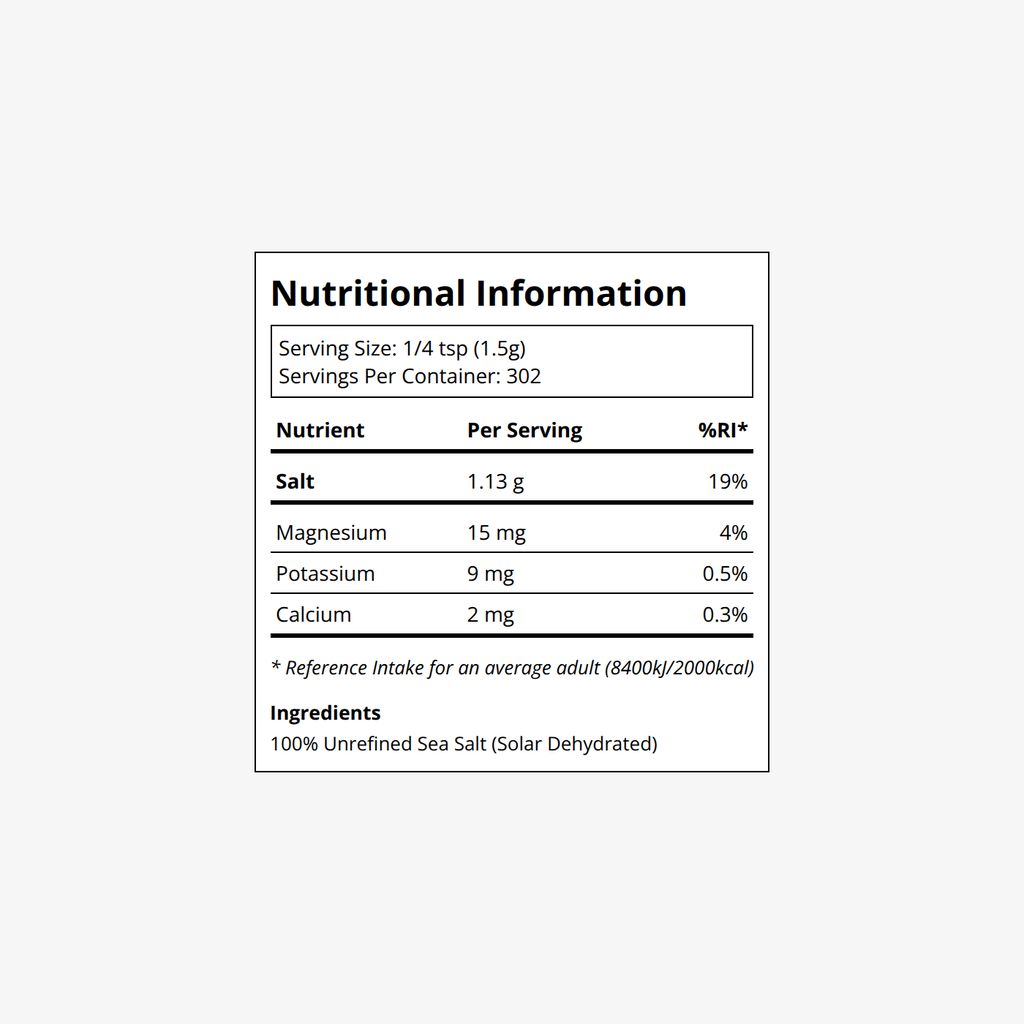
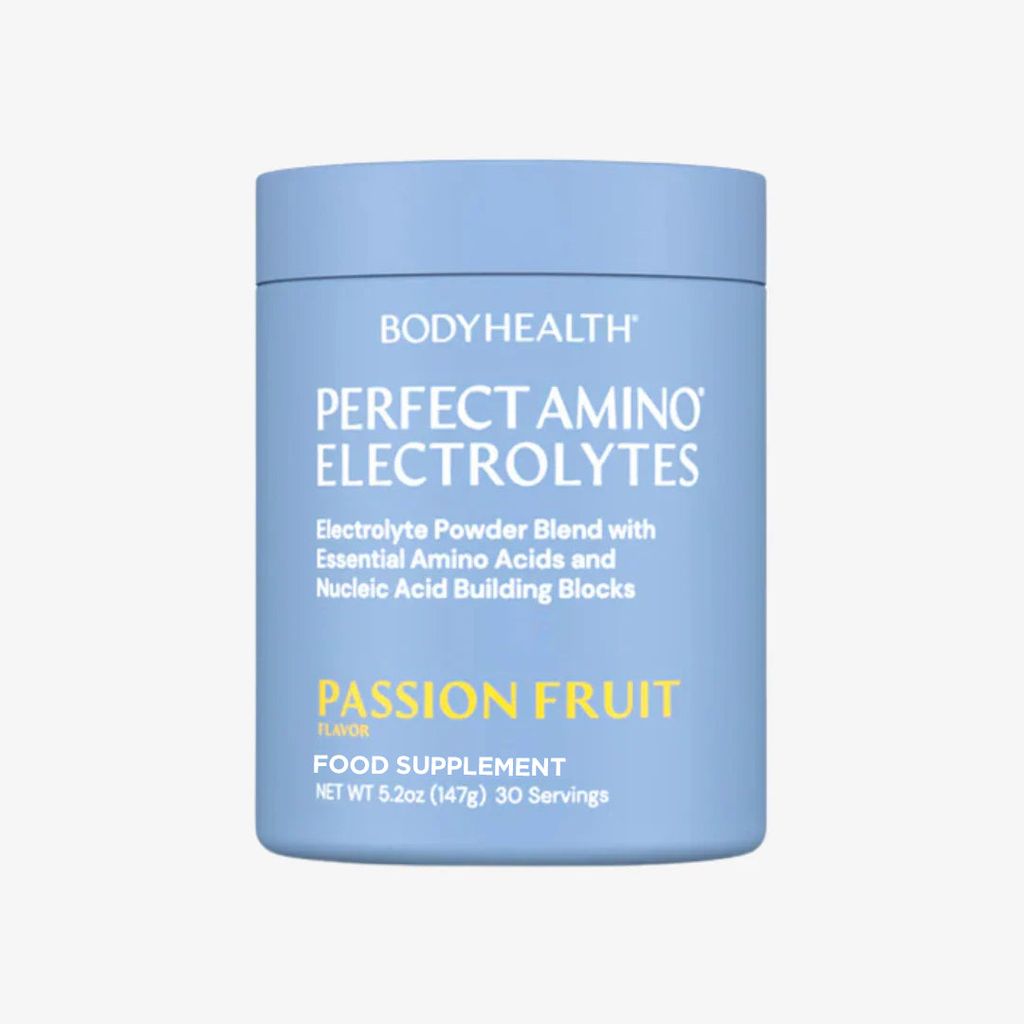
Wondering how to get electrolytes? Whilst you can find them in foods like bananas, spinach, and almonds (which are packed with potassium, magnesium and calcium), more often than not, supplementation through electrolyte powders, electrolyte drinks and electrolyte tablets can be really beneficial. It’s also worth mentioning that if you use a water filter, you might be missing out on key minerals like calcium and magnesium, so adding electrolytes could help you plug that gap too.


What should you look for when choosing an electrolyte?
Like with any supplement, it’s a good idea to consider why you’re wanting to take it in the first place and the best ingredients to help you achieve this. Here are a few things to consider:
Identify Your Purpose
Whether you’re looking to rehydrate after a killer workout, boost recovery during intense training periods, have been sunning it up on holiday or are wanting or help to replenish your body following a bout of illness, tune in to your reasoning. Your activity and hydration levels are always a good starting point at helping you to decide - as are your own personal symptoms.
Opt For A Balanced Combination of Minerals
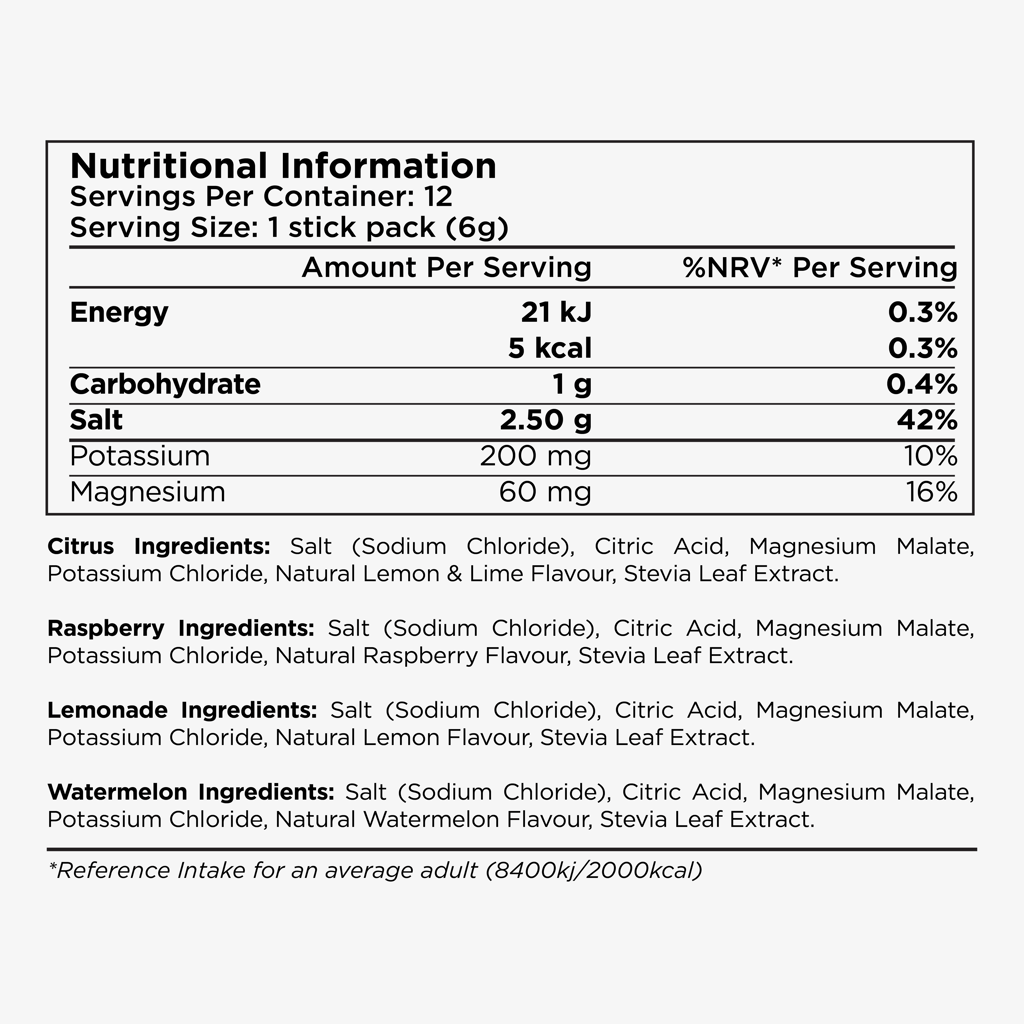
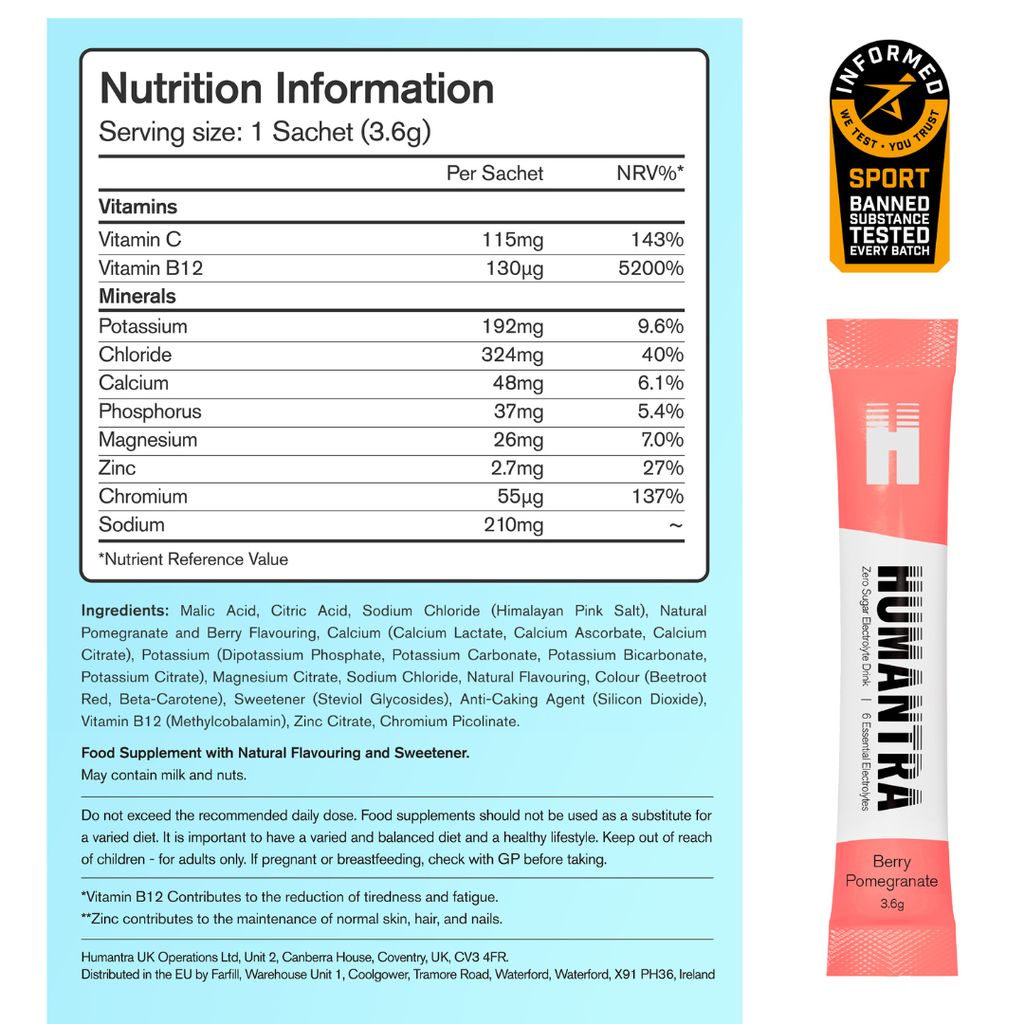
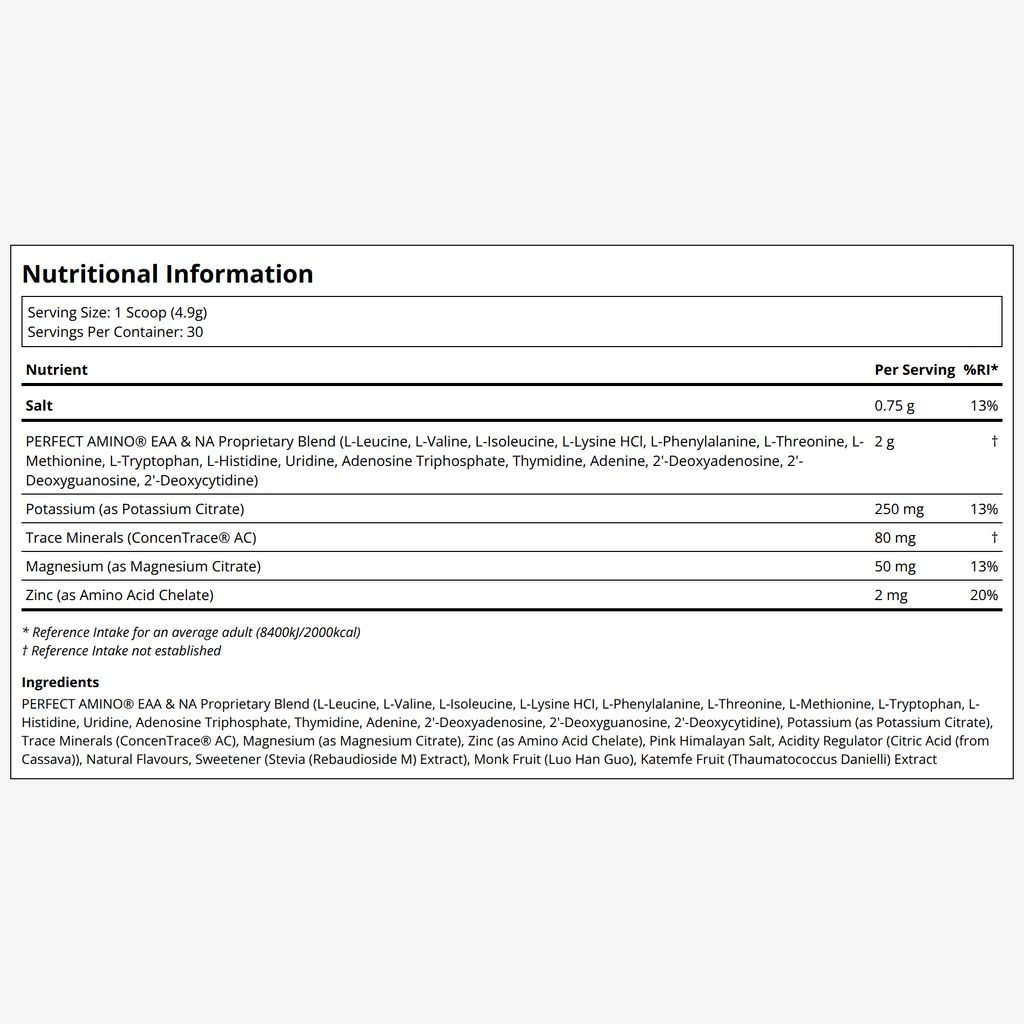
Since they all bring slightly different benefits, look for electrolytes which have a good mix of the most beneficial (and essential) minerals like sodium, potassium and magnesium. Anything extra is likely included to give an additional boost for other specific concerns. If you’re prone to muscle cramps, look for ones with a high magnesium content or if it’s following a sweaty session, sodium is a must.
Consider The Sodium-Potassium Ratio
As Dr Frankie touched upon earlier, there is a careful interplay between sodium and potassium that regulates fluid balance and water retention, meaning the right balance is crucial for effective (and balanced) hydration. For general use, it’s recommended a 1:2 ratio of sodium to potassium meaning for every 1000mg of sodium, you’d want to be aiming for around 2000mg of potassium. For athletes or those looking to restore after high intensity exercise or a period of being poorly, a 1:1 ratio is better suited since sweating accelerates the loss of sodium.
Look For Clean Formulas
“If possible, try to look for those without artificial sweeteners or sugar alcohols (like Xylitol) as these can cause GI upset and diarrhea which we would all want to avoid,” says Dr Frankie. “Depending on your need, sugar can sometimes be useful for those wanting an energy boost mid exercise but otherwise, sugar-free options are a wise choice.
Best electrolyte supplements: choosing the right one
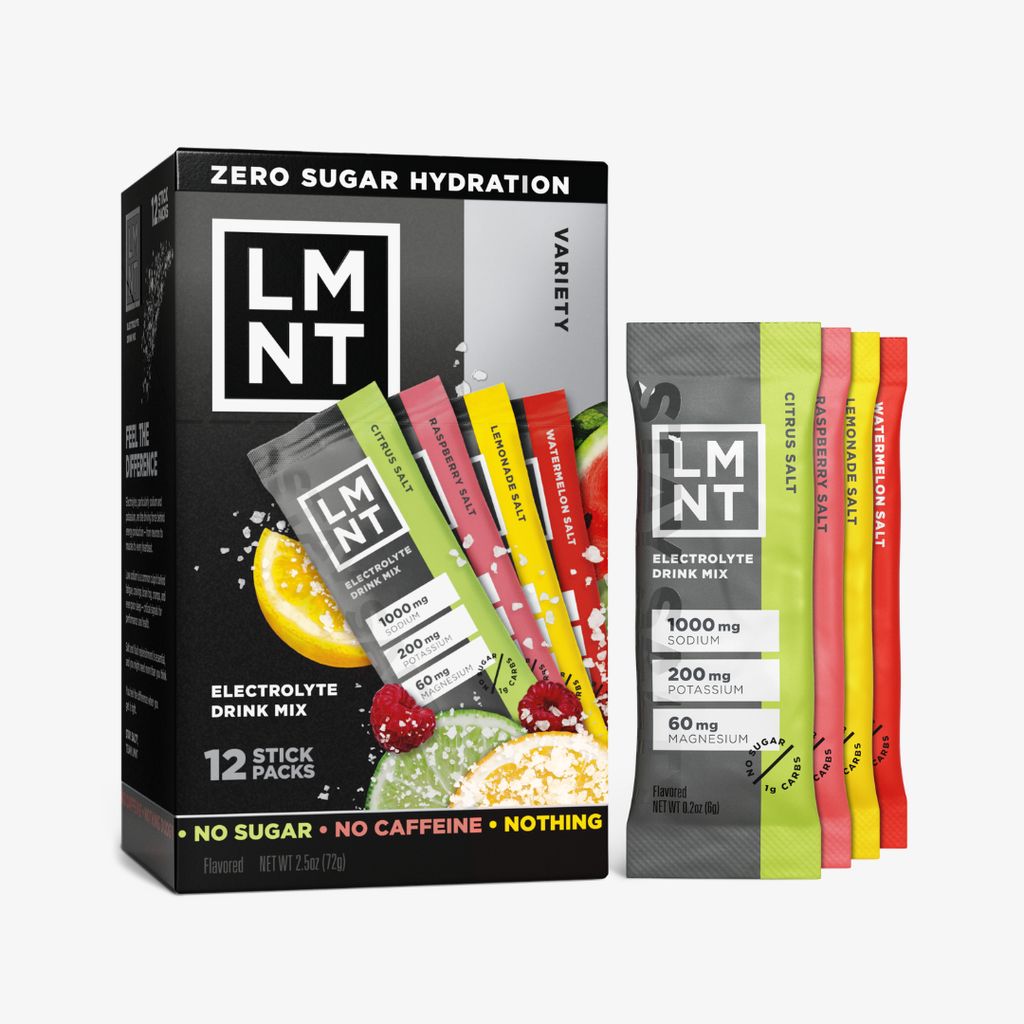
When choosing you want a balanced mix of sodium, potassium and magnesium. Ones like LMNT electrolytes are great for quick absorption, especially if you're super active and need to replenish minerals fast. Whether you’re intensely working out, living in (or visiting) a hot climate or just someone who gets dehydrated easily, the right electrolyte supplement can make a big difference. For a more in depth guide and our expert round up, check out - The Very Best Electrolyte Powders For Optimal Hydration



This article is for informational purposes only, even if and regardless of whether it features the advice of physicians and medical practitioners. This article is not, nor is it intended to be, a substitute for professional medical advice, diagnosis, or treatment and should never be relied upon for specific medical advice. The views expressed in this article are the views of the expert and do not necessarily represent the views of Healf
Samantha Nice is a seasoned wellness writer with over a decade of experience crafting content for a diverse range of global brands. A passionate advocate for holistic wellbeing, she brings a particular focus to supplements, women’s health, strength training, and running. Samantha is a proud member of the Healf editorial team, where she merges her love for storytelling with industry insights and science-backed evidence.
An avid WHOOP wearer, keen runner (with a sub 1:30 half marathon) hot yoga enthusiast and regular gym goer, Samantha lives and breathes the wellness lifestyle she writes about. With a solid black book of trusted contacts (including some of the industry’s leading experts) she’s committed to creating accessible, well-informed content that empowers and inspires Healf readers.