















Floatation Tank Therapy: Tapping Into Deep Relaxation And Recovery
Written by: Eleanor Hoath
Written on: 3 April 2025
In a world that constantly demands our attention, where stress and overstimulation have become the norm, finding a true moment of stillness can feel impossible. Floatation tank therapy offers a revolutionary solution — one that allows the body and mind to fully switch off, entering a state of deep relaxation unlike anything else. This practice, often referred to as sensory deprivation or isolation therapy, is gaining momentum for its profound mental and physical benefits. But what exactly is floatation therapy, and why should you try it?
What is floatation therapy?
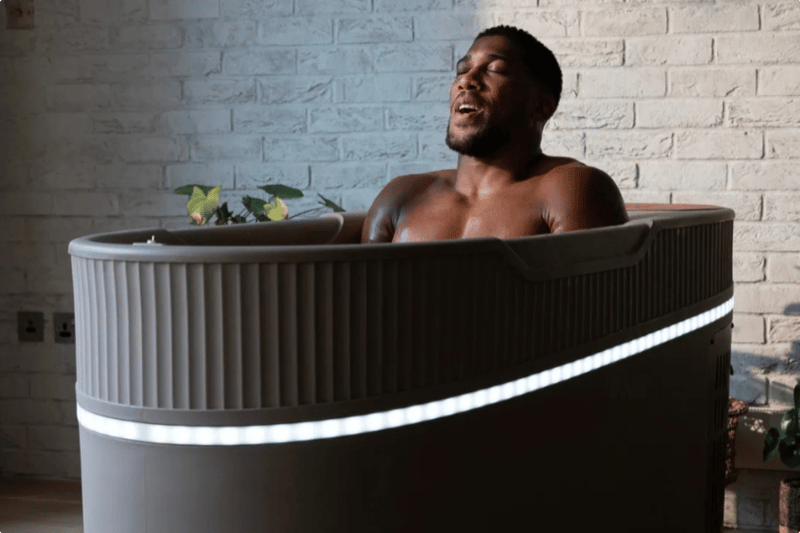
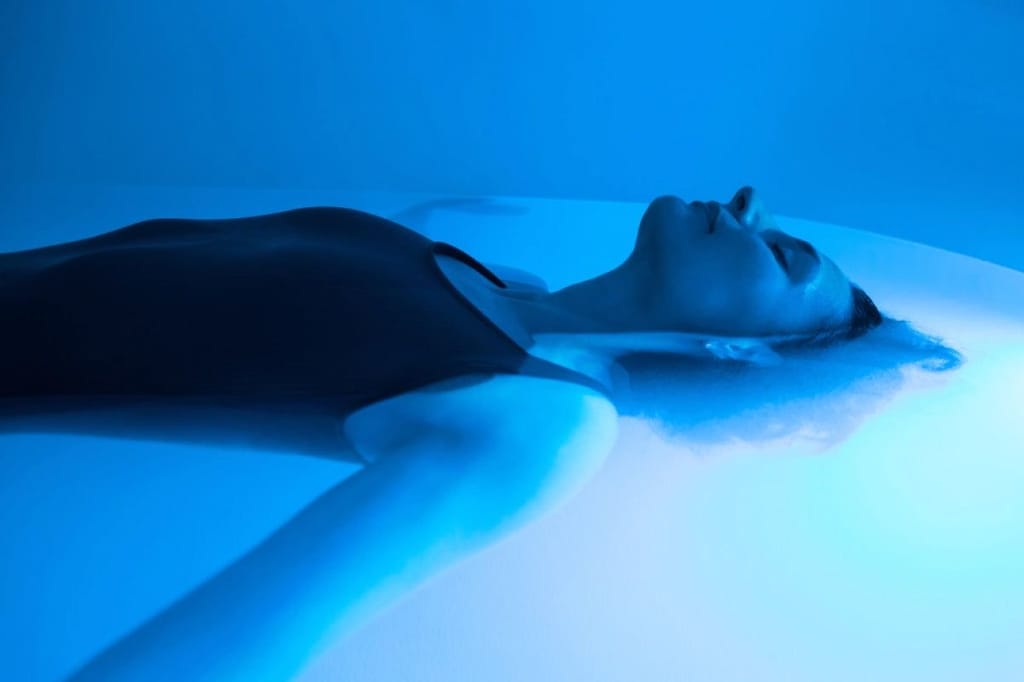
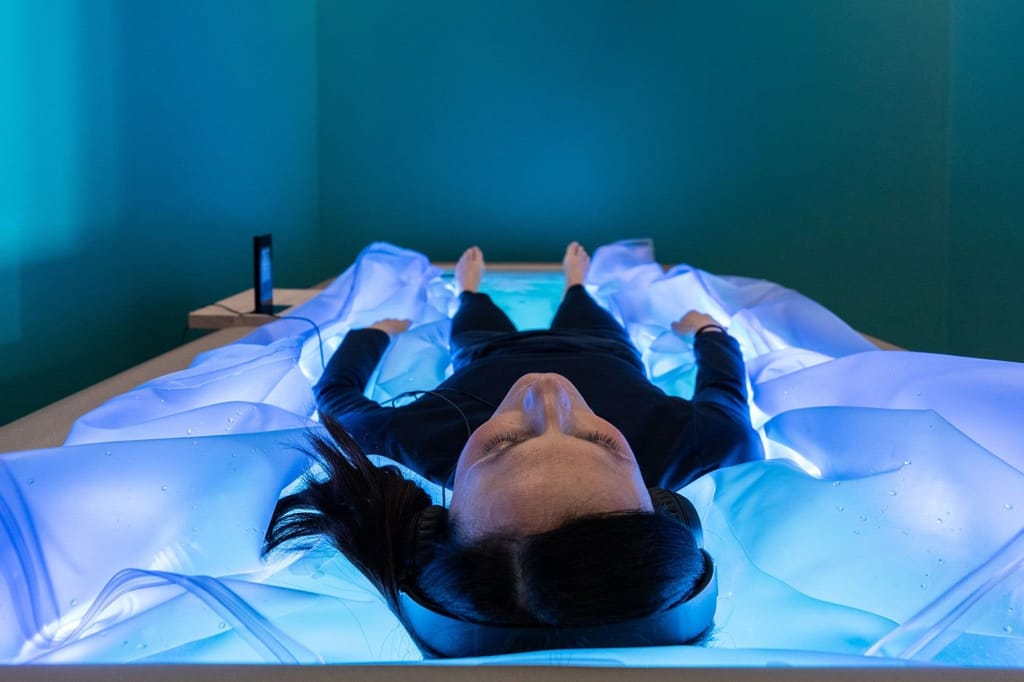
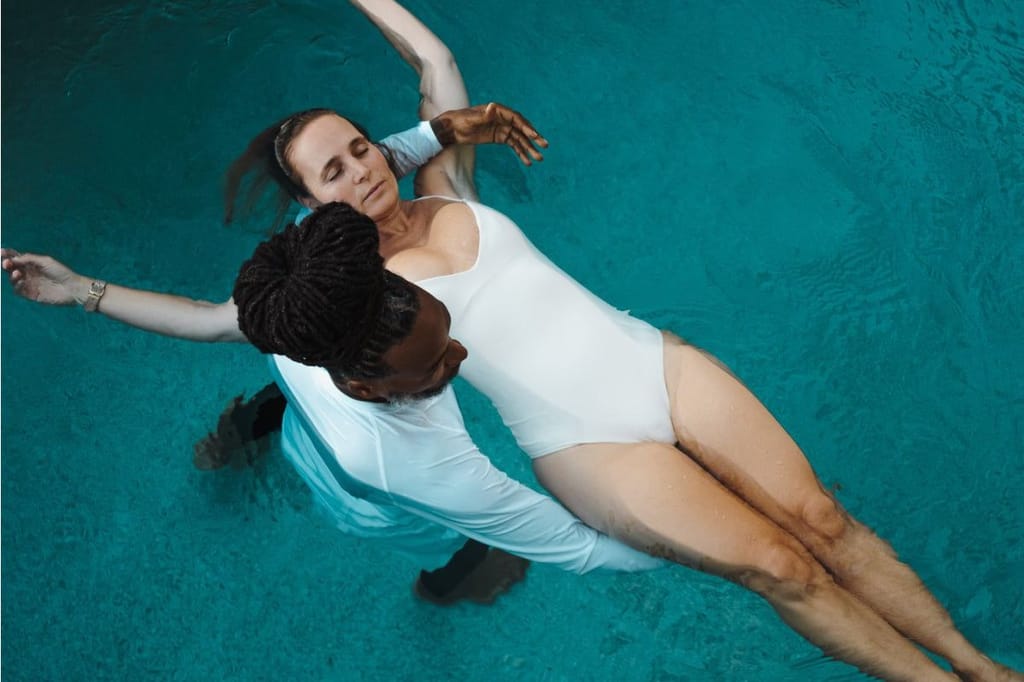
Floatation therapy involves lying in a specially designed pod or tank filled with warm water saturated with Epsom salts. The high concentration of magnesium sulphate creates buoyancy, allowing the body to float effortlessly on the surface. The environment is entirely controlled - there is minimal light and sound, and the water is kept at skin temperature, creating an experience of weightlessness that mimics the sensation of floating in space.
With external stimuli removed, the nervous system shifts from a heightened state of alertness to deep relaxation. For an hour or more, the body and mind are given the rare opportunity to rest, reset, and restore.
The science behind floatation therapy
The benefits of floatation therapy are backed by science. Research suggests that time spent in a float tank significantly reduces cortisol levels (the stress hormone), promoting a profound sense of calm. The experience also triggers the production of endorphins - our body’s natural pain relievers and mood enhancers - making it an excellent tool for those struggling with anxiety, depression, or chronic pain.
Additionally, the magnesium in the Epsom salts is absorbed through the skin, replenishing levels that are often depleted due to stress and modern diets. Magnesium plays a crucial role in muscle recovery, nervous system regulation, and sleep quality. Many athletes and individuals with high-intensity lifestyles use floatation therapy to accelerate muscle repair, reduce inflammation, and enhance overall physical performance.
Furthermore, studies have shown that time spent in a float tank can lead to heightened creativity, problem-solving abilities, and improved focus. By entering a theta brainwave state - similar to deep meditation - the mind can access new levels of clarity and insight, making it a powerful tool for those in creative fields or high-pressure environments.
How your body switches off
One of the most remarkable aspects of floatation therapy is how it encourages the body to switch off in ways that are difficult to achieve elsewhere. The weightlessness created by the saltwater relieves pressure on joints, muscles, and the spine, allowing the entire musculoskeletal system to relax. The absence of external stimulation enables the autonomic nervous system to transition from the sympathetic (fight-or-flight) mode to the parasympathetic (rest-and-digest) state. This shift is essential for deep healing and recovery.
Many people experience a sensation of timelessness within the tank, as the usual markers of time - light, sound, and gravity - are no longer present. This detachment from the external world allows the body’s internal systems to recalibrate, reducing stress, lowering blood pressure, and improving overall wellbeing.
How to experience floatation therapy
If you’re looking to experience the benefits of floatation therapy for yourself, one of the best places to do so is at Yue Float, a premium floatation and wellness centre designed to provide the ultimate relaxation experience. Yue Float offers state-of-the-art floatation tanks in a tranquil environment, ensuring that each session is tailored to your needs.
To prepare for your first float, consider the following tips:
- Avoid caffeine beforehand: Stimulants can make it harder to relax fully in the tank.
- Eat a light meal: Floating on an empty stomach can be distracting, but a heavy meal may cause discomfort.
- Remove contact lenses and avoid shaving: The saltwater can irritate freshly shaved skin or sensitive eyes.
- Allow time to unwind: Arrive a little early to settle in and ease into the experience without feeling rushed.
During your float, try different positions to find what feels most comfortable. Some people keep their arms by their sides, while others place them behind their head. The key is to let go and trust the water to support you.
Who can benefit from floatation therapy?
The beauty of floatation therapy is that it benefits a wide range of individuals. Whether you’re an athlete looking for muscle recovery, a busy professional seeking stress relief, or someone struggling with anxiety or sleep issues, floating offers a natural and effective solution.
- Athletes and fitness enthusiasts: Reduce muscle soreness, speed up recovery, and enhance performance.
- Individuals with chronic pain: Floatation therapy can help alleviate symptoms of conditions such as fibromyalgia, arthritis, and migraines.
- Those with anxiety or depression: The deep relaxation state helps regulate emotions and promote mental wellbeing.
- People struggling with sleep disorders: Regular floating has been shown to improve sleep quality by encouraging the body’s natural sleep rhythms.
- Creatives and professionals: Enhance cognitive function, boost creativity, and improve problem-solving skills.
The future of floatation therapy
As the understanding of holistic wellbeing continues to grow, floatation therapy is emerging as a powerful tool for optimising health and performance. More people are recognising its potential, and the demand for high-quality floatation centres is rising. With facilities like Yue Float offering exceptional experiences, the practice is becoming more accessible to those seeking an effective way to relax, recharge, and reset.
Whether you’re looking for stress relief, enhanced recovery, or a deeper connection with your own mind, floatation therapy offers an unparalleled opportunity to truly switch off. In a world that never stops, perhaps the greatest gift you can give yourself is the chance to float away from it all.
This article is for informational purposes only, even if and regardless of whether it features the advice of physicians and medical practitioners. This article is not, nor is it intended to be, a substitute for professional medical advice, diagnosis, or treatment and should never be relied upon for specific medical advice. The views expressed in this article are the views of the expert and do not necessarily represent the views of Healf
Eleanor Hoath is a Registered Nutritional Therapist (DipNT, mANP, mBANT) specialising in gut, skin and women’s health. She is the Editor of The Healf Source and founder of Well Nourished Nutrition Ltd.
Passionate about holistic wellbeing and balanced living, Eleanor combines evidence-based nutrition with a practical, approachable style to help people feel their best through content.
Based in London, she is dedicated to empowering individuals to nurture their health and understand the root cause of their symptoms from the inside out.