
























_Madeline_Spanier_Photos_ID7424.jpg)
Want To Flush A UTI Naturally? Here's Your Playbook
Sixty percent of women and 10% men will have at least one UTI during their lifetime. Consider this your playbook for flushing it out, fast.

Written by: Ed Cooper
Written on: 7 July 2026
Last month, searches for ‘UTI’ and ‘UTI symptoms’, an acronym for urinary tract infection, were the highest they’ve ever been. This surge makes sense: as temperatures rise during the summer, researchers have documented a correlating upward trend in infections, especially in women. Often, hotter weather can lead to dehydration, which in turn makes us urinate less frequently, allowing bacteria to grow and cause an infection.
Chances are, you may experience one yourself at some point, since 60% of women and 10% of men will have at least one UTI during their lifetime.
Thankfully, there are a few ways you can mitigate the risk of developing these symptoms and, crucially, avoid a visit to the pharmacy. Dr. Adam Staten, a GP at One Day Tests, talked us through some of the fundamental causes of a UTI, the drinks that could help flush it faster and the most effective methods of avoiding it entirely.
What is a UTI?
Typically, a UTI presents as a strong, persistent urge to urinate, a burning sensation during urination or passing frequent, small amounts of urine. Additionally, it could cause urine to appear cloudy, red, pink, or dark and often has a strong odour.
“UTIs are really common and occur when bacteria get into the urinary tract. Often the bacteria that causes it has come from the gut," says Dr. Staten. They tend to be more common in women because they have a shorter urethra, allowing bacteria to more easily reach the bladder.
Its technical definition is "any infection along the urinary tract which runs from the kidneys to the bladder and through the urethra,” explains Dr. Staten. Most commonly, the infection is in the bladder and causes symptoms like burning pain when you pass urine, needing to rush to the loo, and feeling the need to pass urine very frequently, he adds. If the UTI affects your kidneys, patients usually experience high fevers and pain around the back, and should be quickly addressed by a medical doctor. “Kidney infections should be treated promptly as they can be dangerous,” says Dr. Staten.
Best drinks for a UTI
The urinary tract plays an important role in your biological systems. It’s the body’s own, unique drainage system, vital for removing liquid waste, excess fluids, and toxins. It even helps to maintain the body’s chemical balance and regulates blood pressure. Because of this, one of the most logical treatments for a UTI could be to ‘flush’ it out by increasing fluid intake and, therefore, increasing urination. More often than not, people point to cranberry juice — thanks to its high levels of quinic acid, malic acid, and citric acid — to help alleviate a UTI.
However, as Dr. Staten explains, there’s little benefit to mainlining cranberry juice instead of water, especially when treating a UTI. “Traditionally, people have talked about cranberry juice to help with UTIs, but there isn’t much evidence that it is effective in treating it.” That said, “there is some evidence that it helps prevent UTIs in people who are prone to have them quite often; generally, the key is to keep well hydrated, and water is good for this.”
The best drink for flushing a UTI? Plain water. Nothing fancy, nothing complex. Just give your body the most natural substance on earth.
You should also stick to non-caffeinated options like non-caffeinated herbal teas. If it's hot out and you're sweating a lot, a low-sugar electrolyte can also help boost your fluid balance.
Worst drinks for a UTI
While trying to flush a UTI, definitely try to avoid caffeinated drinks, like coffee, and diuretics like alcohol. Sugary drinks and sodas will also work against your biology, feeding the bacteria your body is fighting. And it's also probably a good idea to stay away from highly acidic citrus drinks, as these can further disrupt your urine pH and irritate your bladder.
How much water should I drink?
While nobody's run the perfect study to prove this, it’s well-known that drinking enough water to keep urinating regularly helps to ‘flush’ bacteria out before they get a foothold. That's why it's standard advice for both preventing UTIs and helping treat one alongside antibiotics, which is not so much cutting-edge research, you’ll agree, but more common sense that's held up over time. So how much water should you be aiming for?
“Around two litres a day is enough to keep hydrated,” says Dr. Staten, “but this needs to be increased if the weather is hot or you are exercising.”
Are there any supplements or vitamins that can help with a UTI?
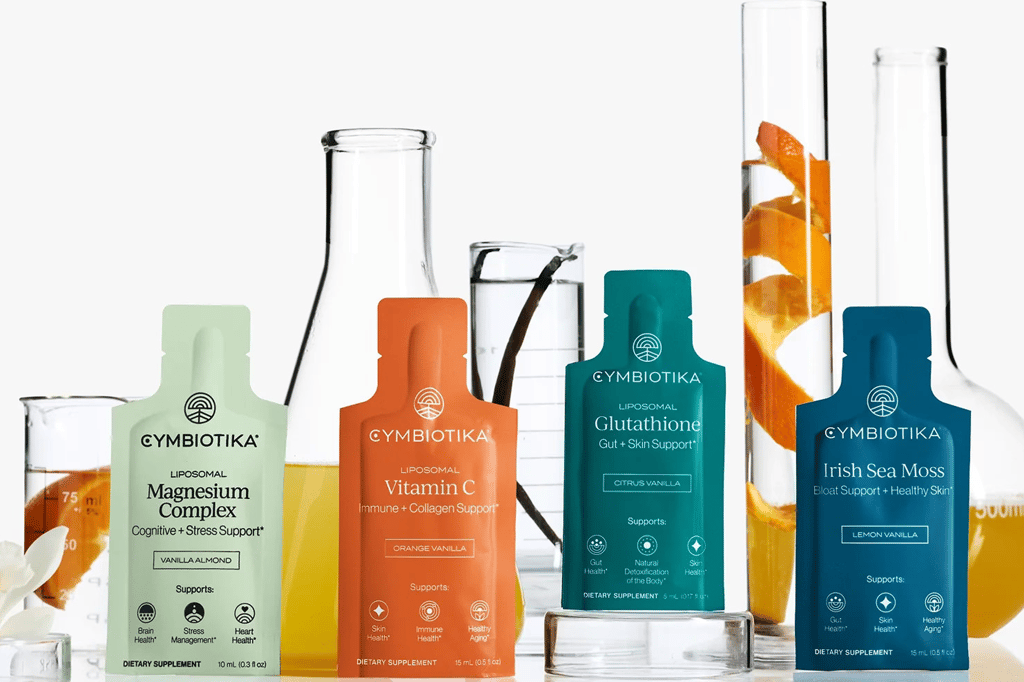
Vitamin C gets a lot of credit as an immune booster, but when it comes to UTIs specifically, the evidence just isn't there yet. Some research has looked into it, and the results are mixed at best — not enough solid studies exist to say with any confidence that vitamin C actually helps treat a UTI. “There are no supplements that will make much of a difference to a UTI, but supplements based on cranberry and D-Mannose have evidence to suggest they reduce the chance of getting UTIs,” says Dr. Staten.
What lifestyle changes can I make?
Thankfully, to avoid any visits to the doctor, you can make a handful of simple lifestyle adjustments to avoid getting a UTI.
“Keeping hydrated and maintaining a healthy, high-fibre diet to keep the bowels moving are the main things to do,” Dr. Staten says.
Post menopausal women may find that using local oestrogen creams can reduce the chance of UTIs, he adds. And it's a good idea to try to pee after sex, as this can reduce the chance of a getting a UTI.



This article is for informational purposes only, even if and regardless of whether it features the advice of physicians and medical practitioners. This article is not, nor is it intended to be, a substitute for professional medical advice, diagnosis, or treatment and should never be relied upon for specific medical advice. The views expressed in this article are the views of the expert and do not necessarily represent the views of Healf
Ed is a freelance journalist and former Men’s Health digital editor, with bylines in Red Bull, BBC StoryWorks, Guardian Labs, Third Space, Natural Fitness Food and Form Nutrition, among others. Having run marathons, conducted sleep experiments on himself and worked with some of the world’s most in-demand experts — from sleep scientists and strength athletes to high-performance trainers and elite-level nutritionists — one thing remains clear for The Healf Source contributor: fitness trends come and go, but as long as you keep turning up for yourself, consistency will win every time.