






























_Madeline_Spanier_Photos_ID7424.jpg)

Waking In The Night To Pee: Advice That Really Works

Written by: Pippa Thackeray
Written on: 20 September 2025
Nighttime urination is one of those disruptive habits. It feels trivial, yet it can steal the deep rest your body relies on. Fortunately, paying attention to some simple daily practices and personal biological insights can help you sleep through.
The hidden cost of broken nights
At first, waking up at night to urinate can seem harmless. You stumble to the bathroom, climb back into bed and eventually fall asleep again. But when it starts happening night after night, or multiple times a night, you really start to notice it.
Each interruption chips away at restorative sleep cycles, the stages that help balance hormones, repair muscles and consolidate memory. Miss out on those and you are foggy the next morning, drained during workouts and less sharp at work.
Fragmented sleep may also trigger blood sugar swings, complicate weight control and has been associated with dementia risk.
So, what feels like a small inconvenience can slowly weaken both body and mind.
What is nocturia?
Waking up at night to urinate is medically referred to with the term 'nocturia'.
Clinically, it is defined as more than one trip per night, though plenty of people notice even a single disruption can leave them feeling low on energy the next day.
Plus, it is not just something that happens in older age. While more than 50% of adults over 65 report it, studies suggest up to 44% of men under 40 also deal with it.
Women encounter changes in bladder function too, with pregnancy, in menopause (or perimenopause), and in some instances, when the luteal phase or menstrual phase of the menstrual cycle begins.
Why nocturia happens
A few obvious culprits are drinking too much fluid close to bedtime or relying on stimulants like caffeine in the late afternoon or evening.
Research shows there is a lot of variation in how quickly people metabolise caffeine, primarily influenced by the CYP1A2 gene. For some that process is very slow, lasting up to 10 hours.
A diet with high salt content, specifically sodium, may lead to fluid retention during the day and more urine at night. Stress, including high cortisol or other hormonal changes may make the bladder more sensitive, so you wake up even when it is not very full.
Some expert advice?
On Instagram, The Functional Nutritionist, Lulwa Alarmali explains: “Urine production is designed to slow at night, but only if you enter deep restorative sleep. That stage is when repair, regeneration and even brain detox happen. If blood sugar dips around 2 or 3am, the body releases cortisol to free up stored sugar. Cortisol also makes you more alert and restless, which can jolt you awake and leave you feeling like you need the bathroom. So, what feels like a bladder problem can sometimes be the chemistry of disrupted sleep.”
She recommends grabbing a very light (healthy) snack if you experience low blood sugar before bed. In the long-term, she recognises that blood sugar should be controlled in more sustainable ways. Perhaps by making particular diet and lifestyle tweaks for the person in question.
Medical conditions to be aware of
Diabetes can increase urine output by raising blood sugar. High blood pressure and some medications may affect fluid balance.
Kidney problems may make it harder to concentrate urine at night. Men may also experience prostate changes that affect passing urine.
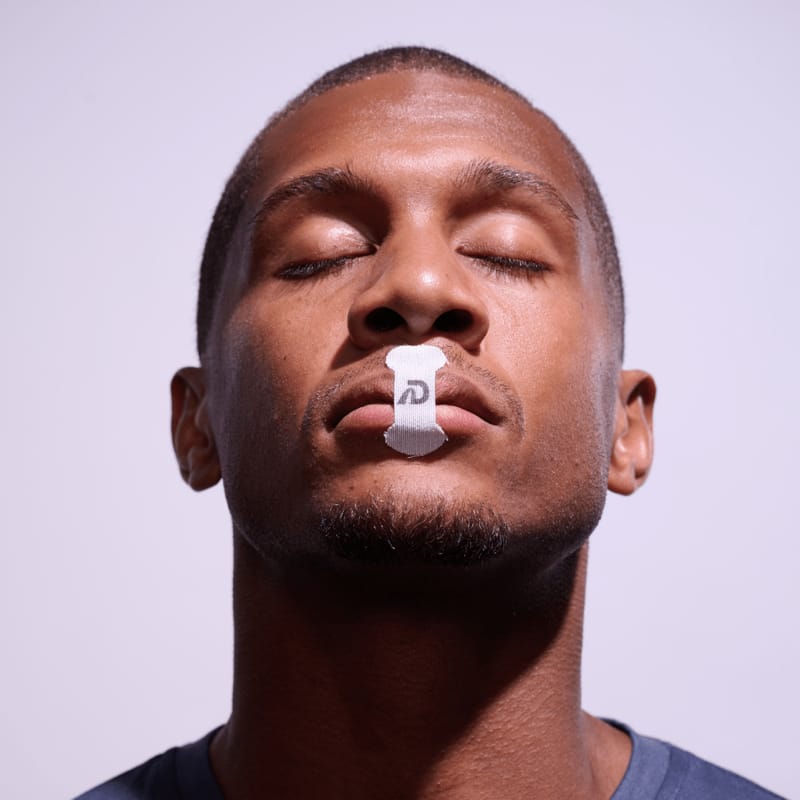
Sleep apnoea, a condition where breathing repeatedly stops and starts during sleep, is also a factor. It often fragments rest, and there is a chance that it could increase nighttime urination. The relationship between sleep apnoea and nocturia is being explored as an involvement of several interrelated mechanisms, particularly through the effects of sleep-disordered breathing on the body. Some people find support with Hostage Mouth Tape, which encourages nasal breathing during sleep.
Hydration and timing
Many people drink too little during the day and too much in the evening. That can fill the bladder just when the body is winding down.
The power of electrolytes
On the topic of hydration, electrolytes help the body balance fluid levels by supporting how water moves into and out of cells.
They also play a role in muscle and nerve function, which is why evening hydration without electrolytes may be more likely to pass straight through, while electrolyte rich drinks are absorbed more effectively.
Proper hydration is therefore essential to maintain control over your bladder.
Salt and balance
To counteract the negative effects of sodium, eating more fruits and vegetables has been recommended.
Research has linked this with fewer nocturia episodes, possibly because of the natural potassium content and water balance benefits, which help regulate kidney function and fluid excretion.
Lifestyle and the body clock
The price of inactivity
With little movement the body allows fluid to pool in the legs. When you lie flat that fluid returns into circulation and increases urinary urgency.
Elevating your legs in the evening and using compression tools like pneumatic systems from Therabody and Hyperice, including leg boots and calf wraps, can help circulation, ease soreness and speed up muscle recovery.
You could also try tools such as the Electromagnetic Chair for Pelvic Muscle Strength, which may help strengthen pelvic muscles in a non-invasive way.
How your internal body clock gets involved
The circadian rhythm is your internal clock that regulates sleep wake cycles, hormone release and many bodily functions over 24 hours. Keeping routines stable helps this system stay in sync.
Minimising screen time before bed may support circadian health. Managing stress may also help regulate hormonal activity and reduce the chance of unnecessary awakenings.
The practical toolkit to more restful nights
Adjust your hydration
Time your fluids: Concentrate most drinking earlier on, reducing fluid intake two to four hours before bed.
Trace electrolytes: For extra support you could try LMNT Recharge Electrolytes – Variety Pack. You will also find more options in the full Hydration collection.
Limit irritants: For some, caffeine, spicy food, acidic fruit or carbonated drinks may contribute to bladder sensitivity.
Refine your diet
Lower salt: Cutting back on sodium in processed or packaged foods may help limit fluid retention. Try a low sodium seasoning alternative like Redmond Life Salt.
Pre alcohol probiotic: If evening drinks are part of your routine, trying ZBiotics Pre Alcohol Probiotic Drink may ease aftereffects, such as dehydration, and support sleep.
Improve muscle control
Pelvic floor exercises: Especially for women, regular pelvic floor work can support bladder control.
Pelvic floor tools: Including the Electromagnetic Chair for Pelvic Muscle Strength which may help strengthen pelvic muscles in a non-invasive way.
Reset your evenings with good sleep hygiene
• ZenBiome Sleep: This supplement includes botanical calming agents for winding down.
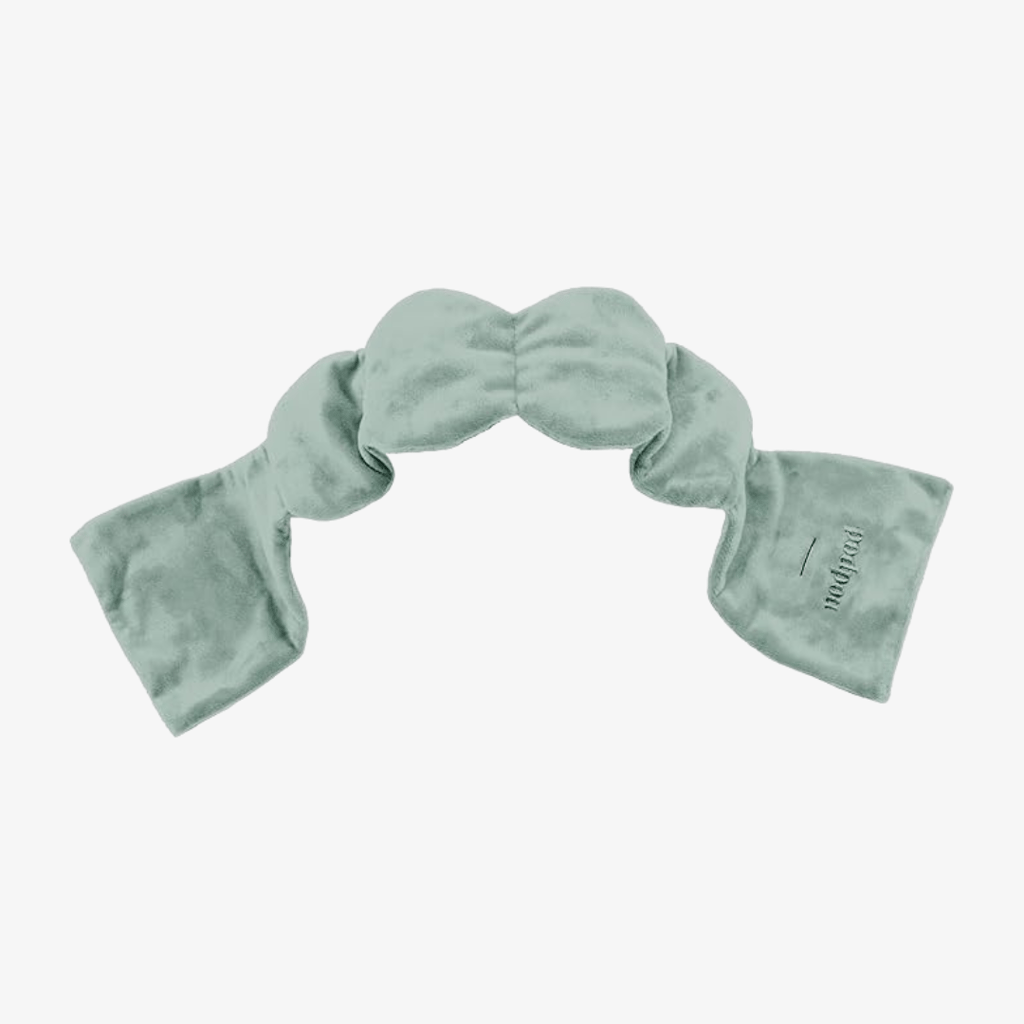
• NodPod Sleep Mask: It’s a light blocking weighted mask that applies soothing pressure.
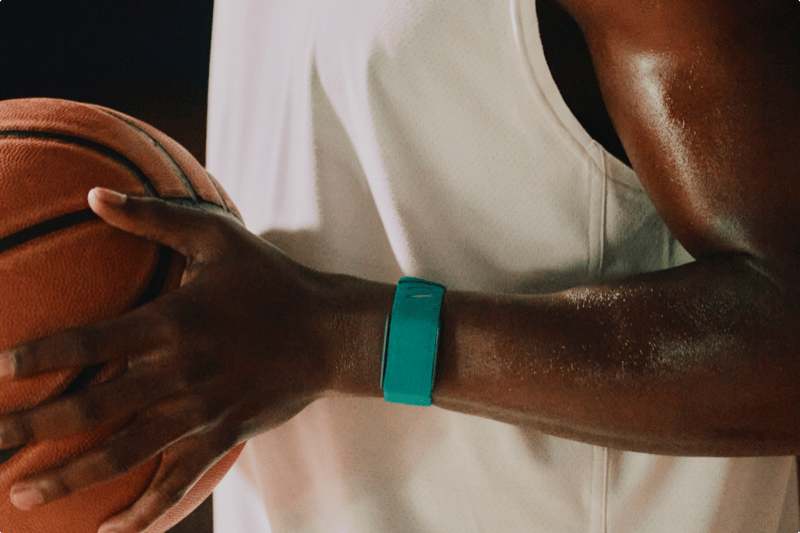
• WHOOP: A wearable for tracking recovery, strain and sleep performance.
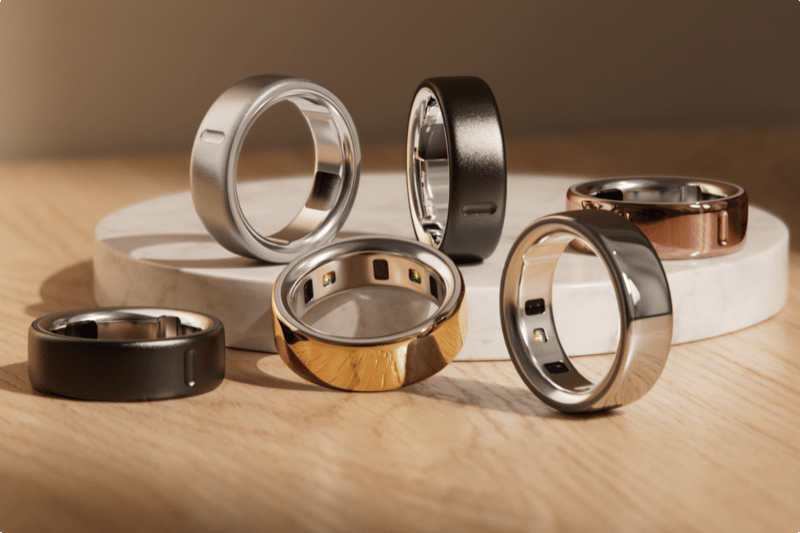
• Oura Ring: The discreet smart ring that monitors sleep cycles and overall health.



When to seek medical help
Seek help if the urge increases suddenly or if you notice symptoms like pain, fever, blood in urine or unquenchable thirst.
Keeping a bladder diary noting when you drink, when you wake and how much urine passed gives useful information.
Frequent nighttime urination may point to diabetes, kidney disease or other conditions so professional assessment is important. Acting early may help restore better rest and fewer disruptions.
Final thoughts
Small choices carry real weight. Hydrate earlier, fine tune your electrolytes, protect your circadian rhythm and build a calmer night routine.
Supporting circulation and pelvic strength can give the bladder more stability when you need it most in the hours of deep rest.
Not every night will be perfect. The fewer times you cross the bedroom floor, the more likely you are to wake restored, ready to use your energy where it matters.
Shop SLEEP essentials at Healf
Sleep with minimal disruptions. Discover sleep supplements, advanced performance tech and proven essentials designed to help you settle faster, stay asleep longer and wake up restored.
Why do people wake up to pee at night?
Reasons include drinking too late, dietary irritants, inactivity, stress, hormonal change or interrupted rest. Medical issues like sleep apnoea or high blood sugar may contribute.
Is waking up at night to urinate normal or a sign of a problem?
Occasional trips are common. Persisting patterns or worsening frequency suggest behaviour or health factors need checking.
What medical conditions can cause nocturia?
High blood sugar, high blood pressure, kidney issues, prostate changes, pregnancy, the luteal phase of the menstrual cycle or menopause, obesity or sleep apnoea are often linked.
How can you reduce nighttime urination?
Front loading hydration, reducing irritants, lowering salt, elevating legs, pelvic floor exercises and trying supportive products like LMNT Electrolytes and ZBiotics help.
When should you see a doctor about waking up to pee?
See your GP if symptoms change, or you have warning signs like blood, pain or thirst.
Are there lifestyle changes that help prevent waking up to urinate?
Yes. Hydration timing, dietary changes, leg elevation, probiotic or electrolyte support, pelvic floor work and good sleep hygiene all reduce risk.


This article is for informational purposes only, even if and regardless of whether it features the advice of physicians and medical practitioners. This article is not, nor is it intended to be, a substitute for professional medical advice, diagnosis, or treatment and should never be relied upon for specific medical advice. The views expressed in this article are the views of the expert and do not necessarily represent the views of Healf
Pippa is a content writer and qualified Nutritional Therapist (DipNT) creating research-based content with a passion for many areas of wellbeing, including hormonal health, mental health and digestive health.
As a contributor to The Healf Source, she regularly attends seminars and programmes on a plethora of contemporary health issues and modern research insights with a drive to never stop learning. In addition, interviewing experts and specialists across The Four Pillars: EAT, MOVE, MIND, SLEEP.
In her spare time, she is an avid swimmer, mindfulness and yoga lover, occasionally bringing a raw, honest approach to the topics she faces. You may also discover some personal accounts of eye-opening wellbeing experiences amidst the reality of a disorientating, and often conflicting, modern wellbeing space.