




























_Madeline_Spanier_Photos_ID7424.jpg)

Should I Be Taking Liposomal Creatine?
Does wrapping your supplement in a lipid layer pack more of a punch?

Written by: Tom Ward
Written on: 12 May 2026
If your standard creatine shake doesn’t agree with you, you aren’t alone. For many, the gritty taste can be unpleasant, and the risk of gastric bloating can be understandably off-putting. If that’s you, there’s a new trend in town which might help. It’s called ‘liposomal delivery’ and it promises to revolutionise how you take your supplements.
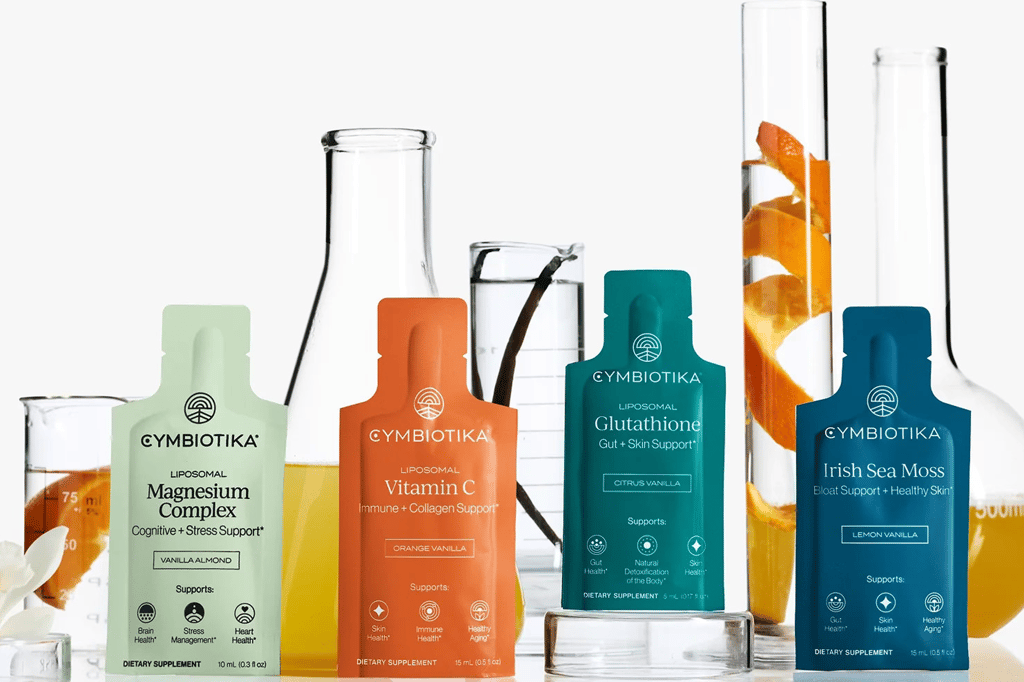
The first thing you need to know is that liposomal products come cocooned in a layer of protective fats, which helps the body better absorb the good stuff inside without irritation. The method has been called “the future of supplements”, with studies showing it can aid absorption of vitamin C, NAD+, and Coenzyme Q10, a powerful antioxidant essential for energy production.
So, is it time to swap out your standard creatine monohydrate for a more easily-digestible alternative? Or are you fine sticking to your usual shake? Our experts measure out the evidence.
How creatine monohydrate is absorbed — and how well it actually works
For many creatine users, liposomal delivery might be just what they’ve been waiting for. ‘Creatine bloat’, which can happen right when you start taking creatine, is real. You’ve probably experienced it yourself. Rather than making you feel strong and lean, it can hold onto water in the body, causing temporary swelling and stomach discomfort. It’s really not what we’re here for.
But, the bloat is usually temporary, and a lot of creatine users find they don’t experience this at all. This is because, for some people, creatine monohydrate is already absorbed fantastically well via the gut as it is. “It’s very efficient,” explains Rachael Ajmera, a registered dietitian with extensive experience covering supplements at wellness education resource Nutrimental. In fact, research in the journal Nutrients shows that creatine monohydrate is not broken down in the digestive tract, and most is either taken up by the muscles or excreted in the urine as creatinine once your body has used what it needs.
“Most of it makes it into your bloodstream and then gets transported into your muscle cells via specific creatine transporters,” adds Ajmera. From there, creatine helps increase phosphocreatine stores in your muscles, which support short bursts of energy used for strength, power, and high-intensity exercise.
In short, if you don’t currently have discomfort when using creatine, you’re probably fine to carry on as you are.
What exactly is liposomal technology?
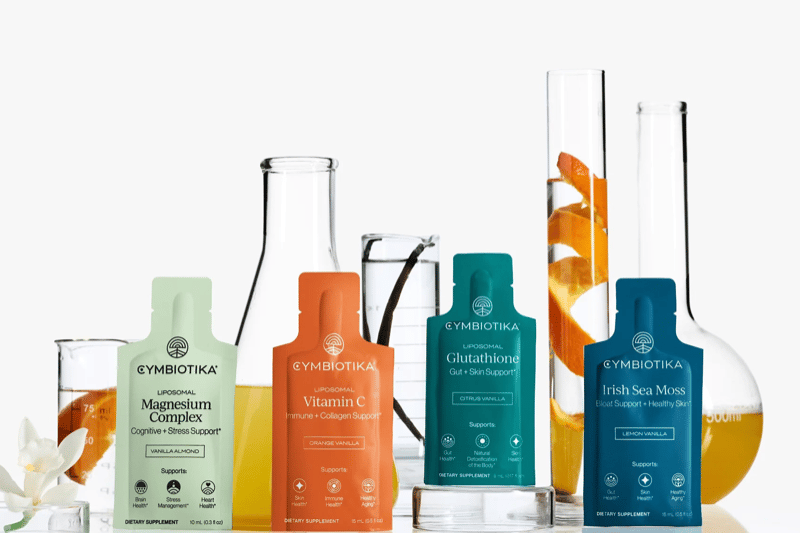
Liposomal technology is a type of drug delivery system that wraps active ingredients in tiny, fat-like spheres called liposomes. Liposomes are designed to protect compounds against stomach acid and other harsh digestive conditions to help your body absorb and use them more easily. “Liposomal technology is essentially a high-tech delivery system,” says Dr. Dave Weinstein, a GP and men's health expert at Sussex Wellman Clinic. “Think of it like a protective biological wrapper that shields the supplement from being broken down prematurely by stomach acid.”
This allows the nutrient to travel through the digestive system largely intact, ensuring that more of the 'good stuff' reaches its final destination.
What is liposomal creatine and how is it different from regular creatine?
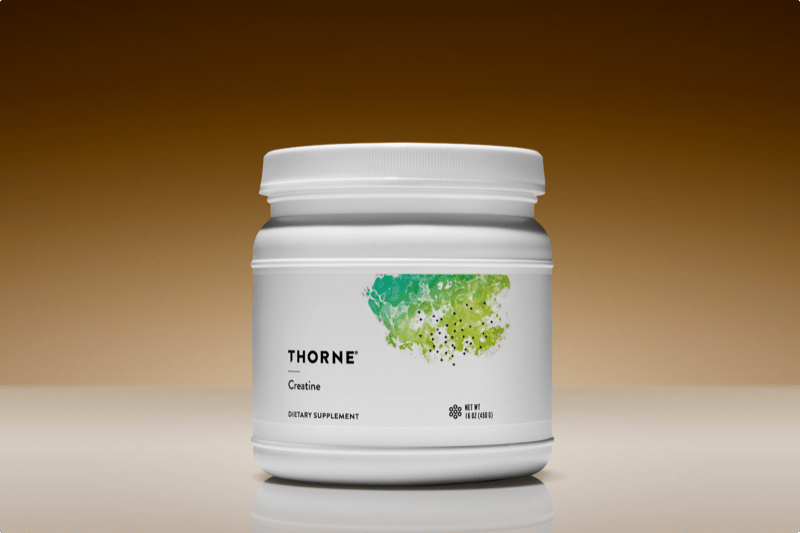
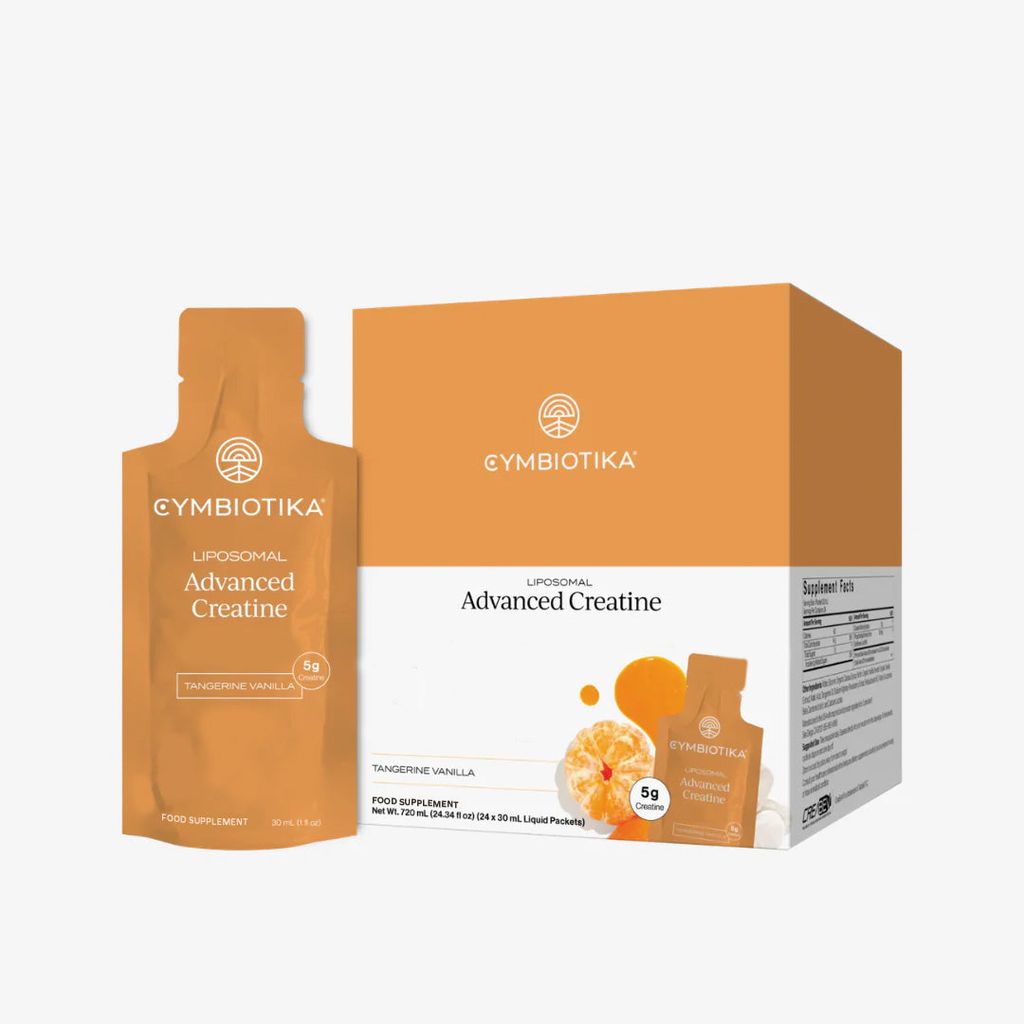
The main draw of liposomal delivery systems is that they can be easier on the gut, and especially so in the case of creatine. If you have trouble with excessive gastric acid, it may be for you.“Liposomal creatine can reduce bloating, often caused by standard creatine monohydrate, and improves muscle absorption,” says Juliana Vocca, who provides bespoke nutritional education to women as the founder of Prime Women Nutrition.
But, Vocca also adds, going the liposomal route may be unnecessary, standard creatine monohydrate is already 100% bioavailable to most people. “Liposomal creatine isn’t always cost-effective, especially when traditional creatine monohydrate is already easily absorbed,” Vocca explains. In other words, if there’s a noticeable price differential between standard creatine powder and the liposomal version and you don’t experience discomfort taking the regular kind, you may want to stick to the most wallet-friendly option.
Where liposomal delivery does stand out is with nutrients that are notoriously difficult to absorb, like vitamin C. There is evidence that liposomal delivery can enhance bioavailability in more complex supplements, including berberine, a plant compound known to help with Type 2 diabetes.
A 2026 pilot study in the journal Nutrition ands Dietary Supplements found liposomal delivery can add berberine absorption, at least in healthy males. With more data emerging, we may well see liposomal options for many common supps on the horizon.

Is liposomal creatine worth the extra cost?
GQ Jordan, a nutritionist who has appeared in Vogue, Forbes, and Women’s Health, says that shelling out on liposomal options is ultimately a personal choice. “Even if absorption were modestly improved, you would still need to ask whether that change leads to a better result that you can feel, measure, or benefit from,” she says.
It’s worth noting that liposomal products tend to have smoother, less gritty textures thanks to their coating, which may help if you’re picky about taste or mouthfeel. And let’s face it, creatine isn’t known for being a taste sensation. If you’re taking it every day, opting for a liposomal pill may be the easiest way to help the medicine go down.
Jordan does explain that while it won’t harm you, going liposomal doesn’t necessarily offer benefits for everyone, though. Because liposomal products tend to cost more, users often find themselves paying a premium for a mechanism that may not be necessary to reach their wellness goals, especially in creatine’s case. “We’ve seen this before with creatine,” Jordan says. “New forms come along, they’re positioned as cleaner, smarter, more advanced, more bioavailable, but once proper comparisons are done, standard monohydrate usually comes out looking absolutely fine.”
Ultimately, it’s your choice. If you want to look after your stomach (and your tastebuds) liposomal may well be the way to go. If you’re happy taking creatine powder the old fashioned way, stick with it.
How to read a creatine supplement label without getting misled
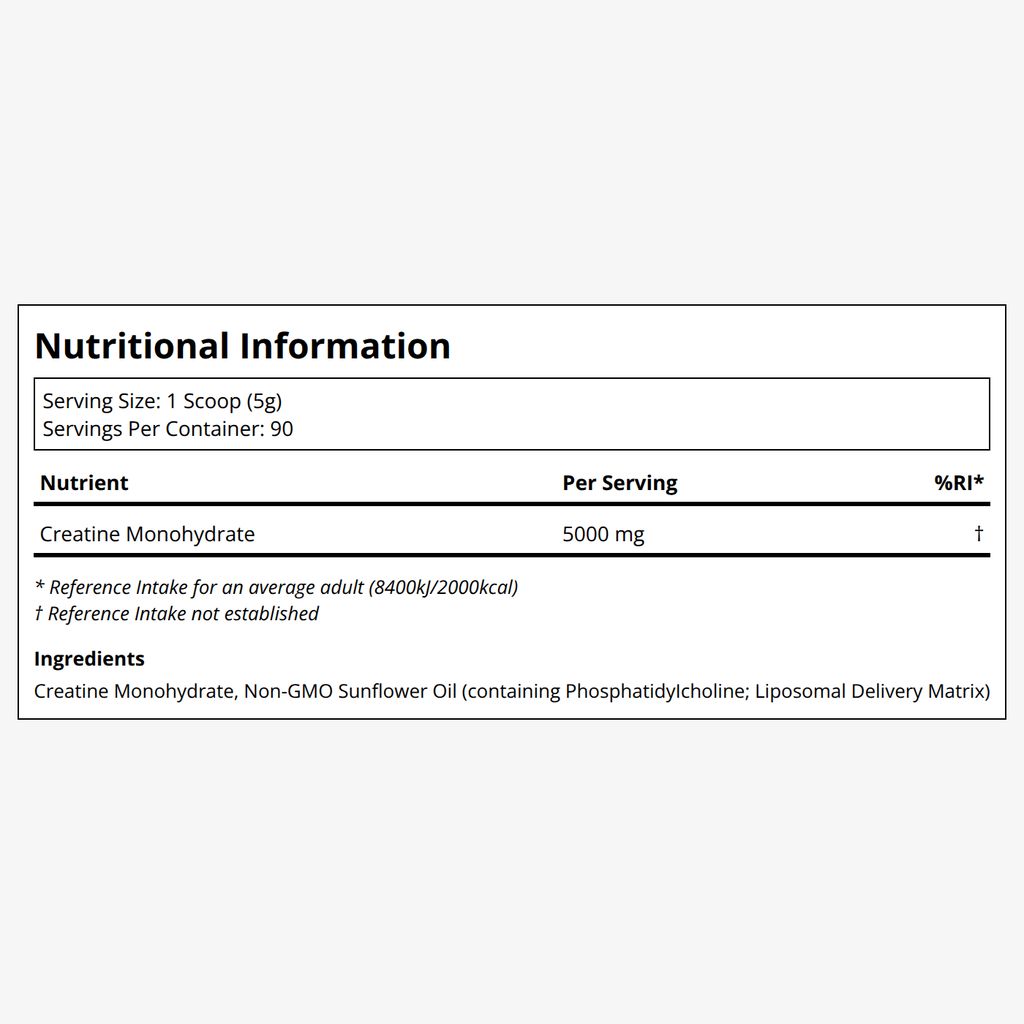
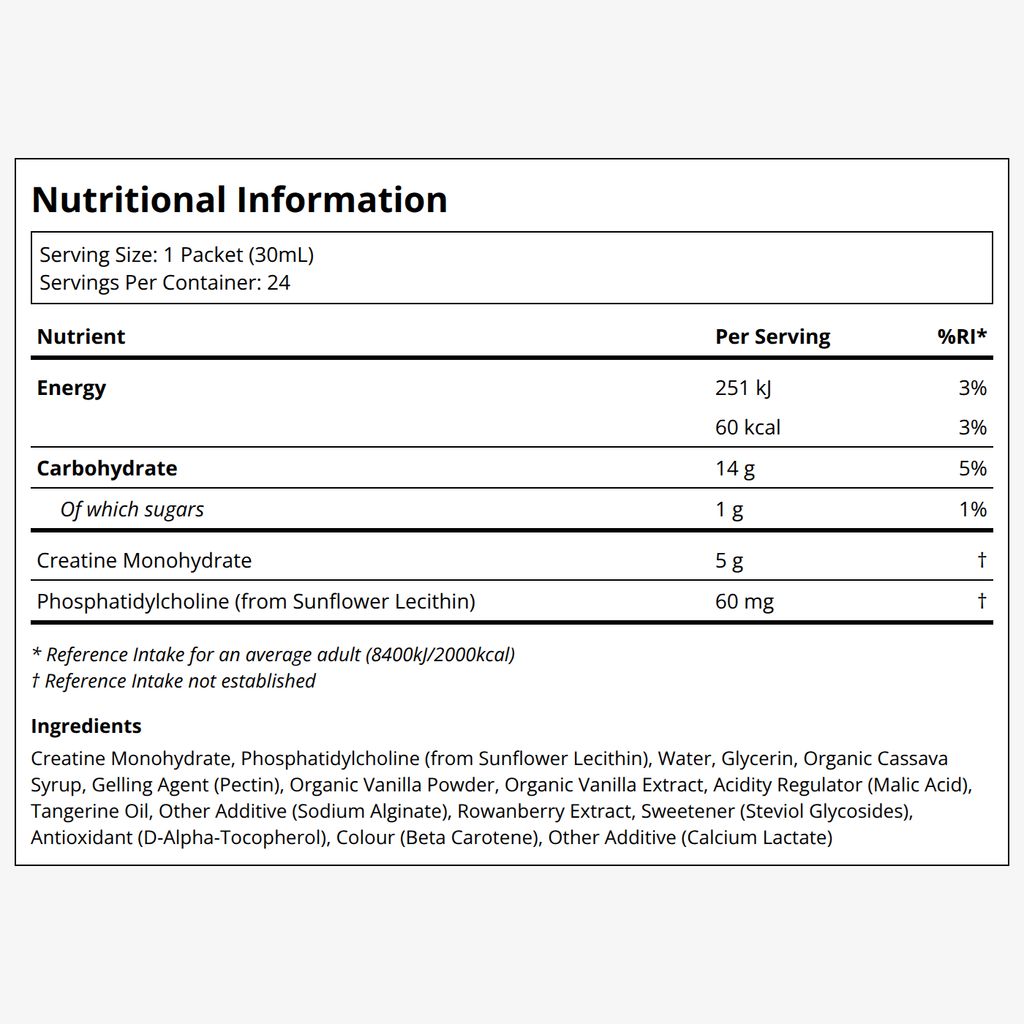
With so many types of creatine out there, knowing what actually works, and what works for you, can be confusing. Ajmera recommends focusing on the actual form and dose of creatine a given product contains. Ideally, the ingredient list should clearly state “creatine monohydrate” as the primary ingredient, with a simple, transparent serving size (typically 3 to 5 g per dose). “Be cautious of formulations that use proprietary blends without the amount clearly listed, or supplements that include small amounts of creatine alongside added ingredients that don’t have strong evidence to back up their benefits,” she says.
For Weinstein, the key is to seek out standard creatine monohydrate rather than “fancy-sounding” derivatives like HCl or Ethyl Ester, which often lack the same body of evidence. “Check the label for independent third-party testing,” he advises. “Finally, a supplement should be transparent about the exact milligrams per serving without hiding behind marketing jargon.”


This article is for informational purposes only, even if and regardless of whether it features the advice of physicians and medical practitioners. This article is not, nor is it intended to be, a substitute for professional medical advice, diagnosis, or treatment and should never be relied upon for specific medical advice. The views expressed in this article are the views of the expert and do not necessarily represent the views of Healf
Tom Ward is a former Men's Health features editor, and writes regularly on sports, fitness and adventure for the Red Bulletin, Outside, and the Sunday Times. He is the author of the novels The Lion and The Unicorn, and TIN CAT.