








_2026-10-13_14-11-48.png)

How To Avoid 'Creatine Bloat', According To Experts
A doctor, dietitian, and nutritionist explain how to burst the bloat bubble with some smart dietary swaps and tips.

Written by: Tom Ward
Written on: 9 March 2026
It feels like creatine is everywhere right now. Neuroscientists are talking about its cognitive benefits, orthopaedists tout its sarcopenia-busting abilities, and everyone wants in. Nowadays, the supplement isn’t just something the ultra-swole gym bros take before a heavy lift. Take a quick glance at FitTok and you’ll come across a whole range of women reaping the total-body benefits, with videos with titles like ‘Why Creatine is so important for women’, ‘Creatine levelled up my gym gains’, and ‘Girl, if you’re not taking creatine… what are we doing??’
By boosting energy during tough workouts, increasing muscle size and strength, and stream-lining your recovery, creatine — a natural compound produced in the body and available in supplement form — can provide a vital leg-up in hitting your athletic goals in record time.
The only downside? The pesky 'creatine bloat', a temporary side-effect that some people notice when they first start taking creatine. If you’re curious about the supplement but worry about the physical impacts, we spoke with health experts and dietitians to spell out the science so that you can begin your creatine journey with confidence.
Why does creatine cause bloating in the first place?
For decades, a sense of mild 'bloating' has been a pretty common side effect when people first start taking creatine. There are a few reasons why creatine might cause this, explains Veronika Larisova, a nutritionist and co-founder of Chief Nutrition. “At its core, creatine is designed to increase phosphocreatine stores in our muscle cells, thereby helping regenerate our energy stores. Water is also drawn into the cells during this process, leading to a ‘pumped’ feeling that can feel like bloating in sensitive individuals.”
Essentially, you’re talking about water retention versus real bloat. Larisova says this temporary water retention can actually increase our body mass by up to 2%, but the total amount of water individual bodies store in its cells depends on factors like total lean muscle mass and hydration status. The good news is that this puffiness isn’t permanent, with water weight usually going away and stabilising within one to three weeks.
Water retention vs. “real” bloat: Know the difference
Water retention and bloating can feel very similar, but they actually aren’t the same. Knowing the difference can not only stop you panicking, but let you know what the best course of action might be.
“Water retention happens when your body’s hydration level isn’t balanced, meaning that your body holds on to the water,” explains women's health and wellness expert, Shirin Lakhani, MBBS, MRCGP, DRCOG. “This makes your muscles look fuller, but can also lead to swelling in your face, legs, ankles, hands, or feet. It’s usually not uncomfortable, whereas actual bloating tends to be more focused on the GI tract and digestion. In this instance, your belly might feel hard or distended, and you may feel more pressure or cramping in your stomach.”
This is where dosage makes a big difference. “Creatine is ‘osmotically active,’” says Larisova, “meaning a large dose taken on an empty stomach can cause short-term distention and painful cramping in the small intestine, plus loose stool.” That bowel discomfort is probably the last thing you need during a tough workout.
The loading phase: Do you really need it?
In supplement lingo, the ‘loading phase’ refers to a five to seven day period of taking around 20g of creatine per day in order to saturate muscle stores and acclimatise your body to the new nutrient. But, if you’re feeling the bloat, can you skip it?
Jennifer O’Donnell-Giles, a registered dietitian, and owner of performance resource Eat4Sport, says yes. “The loading phase is a bit old school and no longer really relevant,” she says. “Starting with 5g per day is sufficient to saturate muscles, but it does take time. Stay patient, stay consistent, lift weights, hydrate well, and eat right and you will see muscle and strength gains.”
So, how much creatine is ideal?
To avoid bloating, Lakhani recommends keeping your intake at 5g per day at first and avoiding sugar as this can worsen gastrointestinal distress. This is also sometimes called a ‘maintenance’ dose. If that still feels like too much for your body to handle, you can try splitting that 5g dose into two smaller doses of 2.5g twice daily.
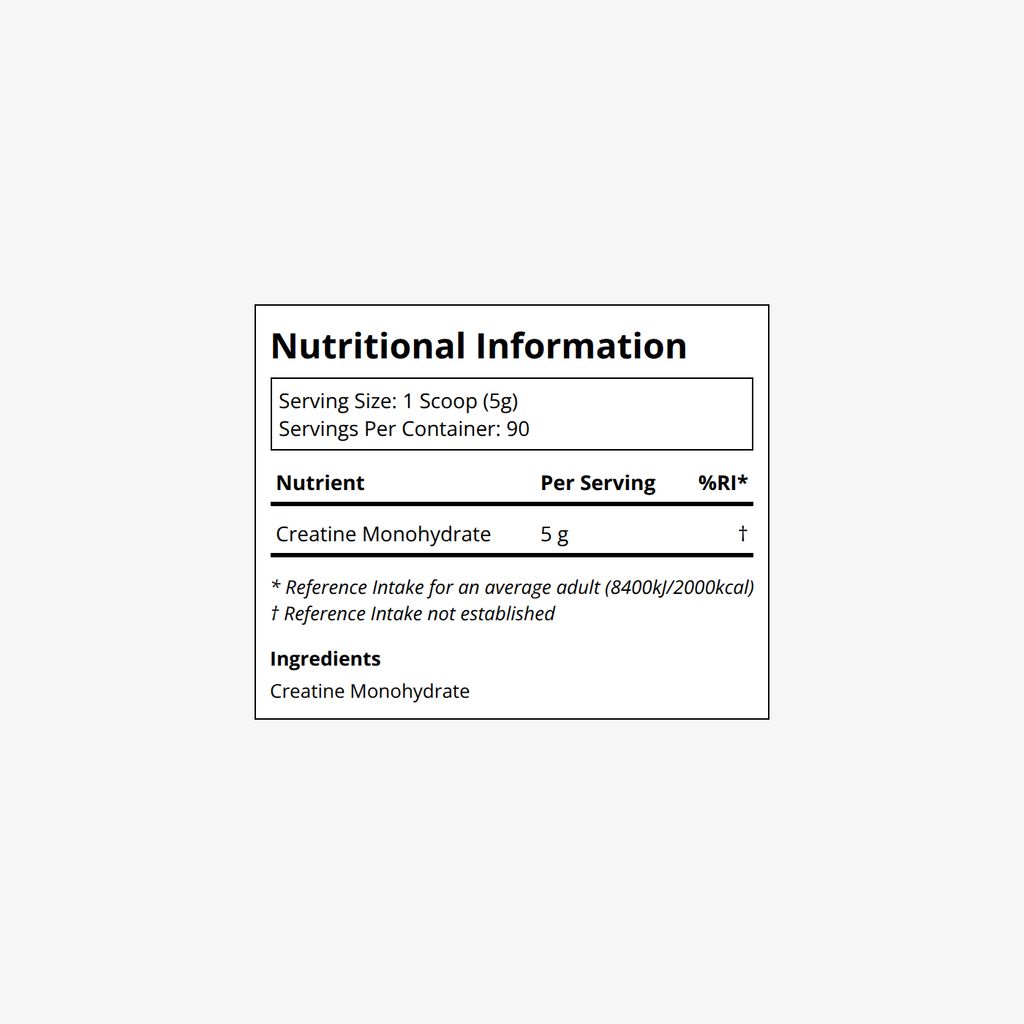
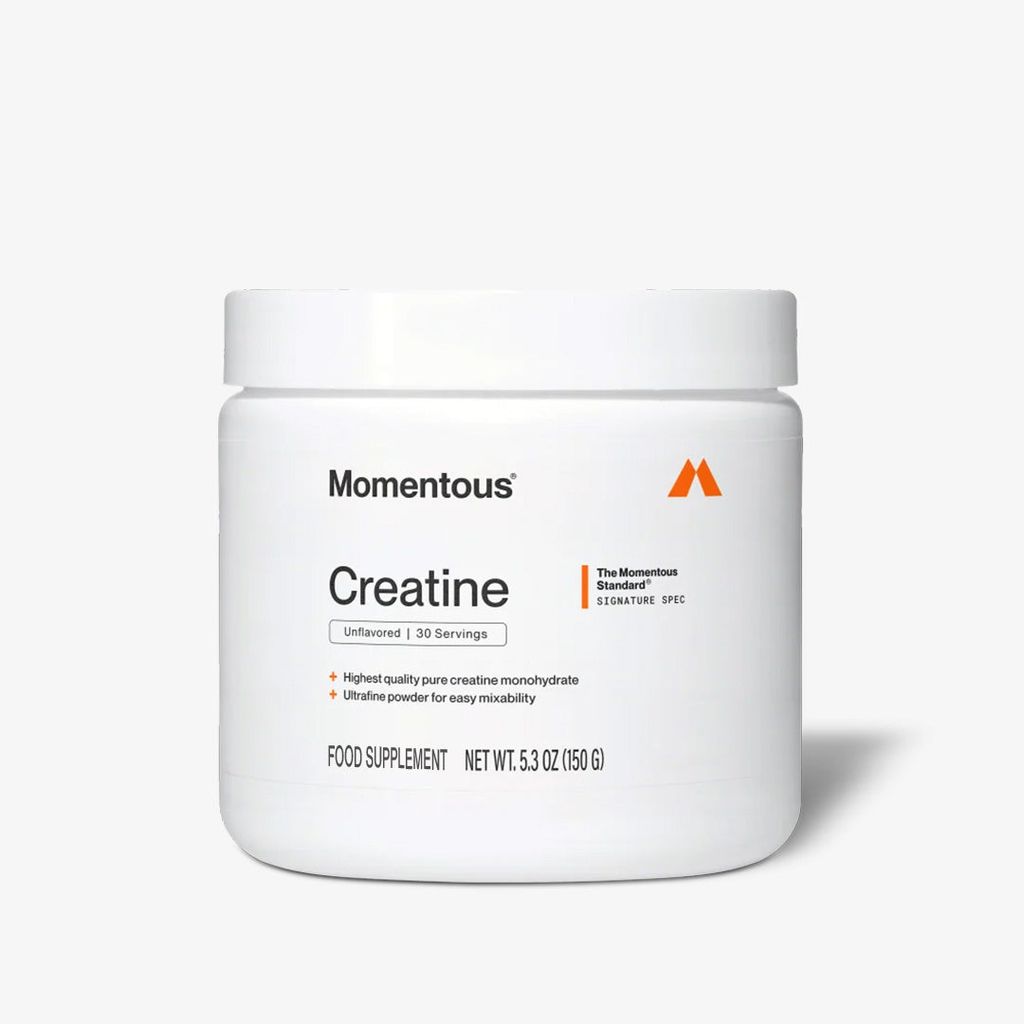
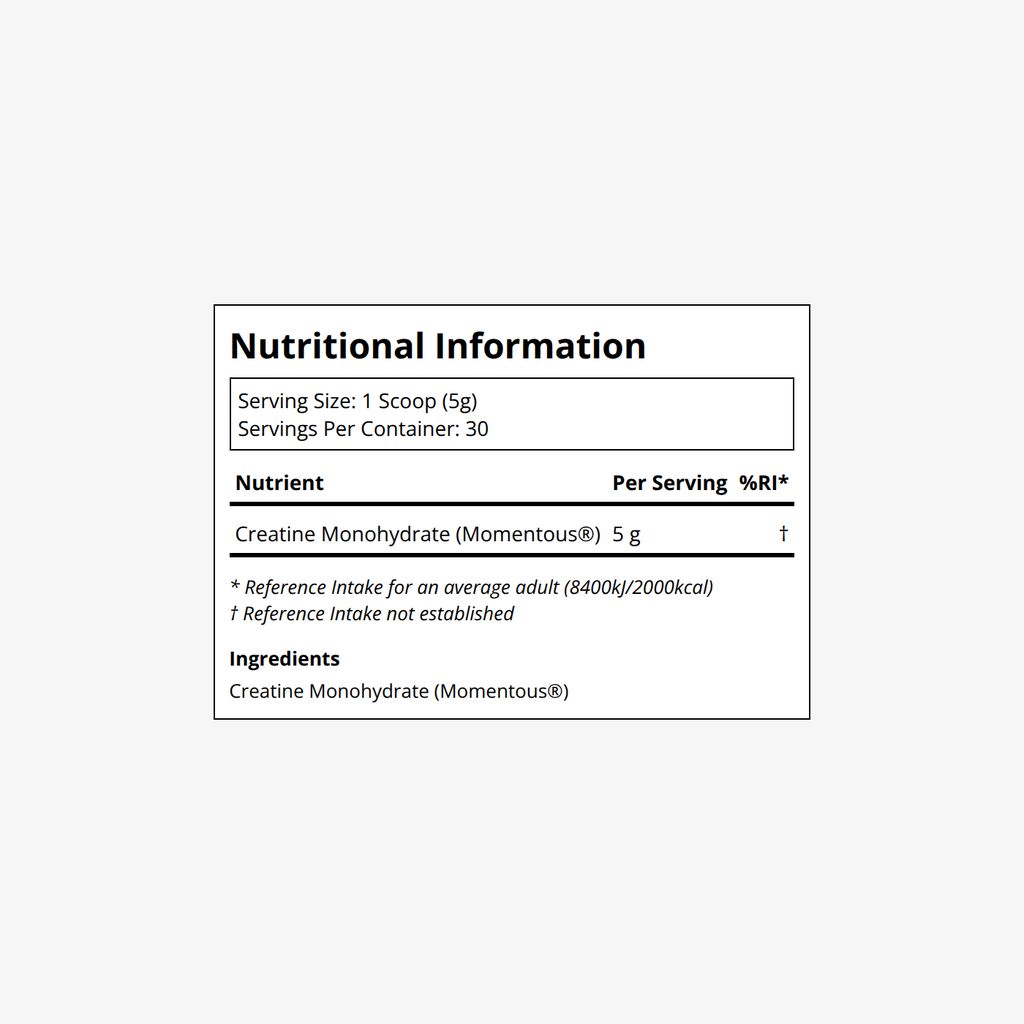
You can also opt for micronised creatine monohydrate, which generally mixes into water and shakes better, is shown to have 100% absorption in the body, and shouldn’t cause as many digestive issues.
How do men and women's bodies respond differently?
You’ve probably seen men at the gym shovelling down creatine like there’s no tomorrow. Of course, men and women both experience creatine ‘bloat.’ But there’s actually a biological reason why their bodies might react slightly differently to creatine, and it has to do with how our hormones work. “Female hormones oestrogen and progesterone modulate creatine synthesis, while the menstrual cycle, pregnancy, and menopause alter creatine levels in the body,” explains Amy Brownstein, RD, a nutrition consultant and owner of Nutrition Digested.
Brownstein says that these hormonal factors can actually impact how responsive women’s bodies are to creatine, and that women actually tend to see less rapid water gain than men. What’s more, Brownstein says creatine is useful to women throughout their lives, helping to maintain muscle and bone density in post-menopausal women, while also supporting mood and cognition with aging. In younger women, creatine can safely be taken at any stage of the menstrual cycle, with experts recommending consistency above all.
What to take creatine with (and what to avoid)
Like most supplements, creatine is best absorbed by the body when consumed alongside other food. Lakhani recommends downing yours with a meal that’s rich in protein and carbs, as carbs increase insulin levels which helps creatine absorption into the muscles. It can also minimise the risk of nausea. “Creatine is great for aiding workouts by giving a boost of energy, whereas protein is best for muscle recovery,” adds Lakhani. “I recommend a significant intake daily of each for the best results.”
Gut-friendly strategies to minimise discomfort
If you’re new to creatine, our experts recommend you start off slowly, working your way up from 3g to 5g daily. You can skip the loading phase and should make sure you stay hydrated throughout the day to ensure the creatine is properly dissolved and absorbed in your system.
If you’ve tried this and are still experiencing some discomfort, Larisova recommends you try these adjustments:
- Split your dose, taking half in the morning, half in the afternoon.
- Choose pure micronised creatine monohydrate with no flavours, fillers and other additives that may cause discomfort.
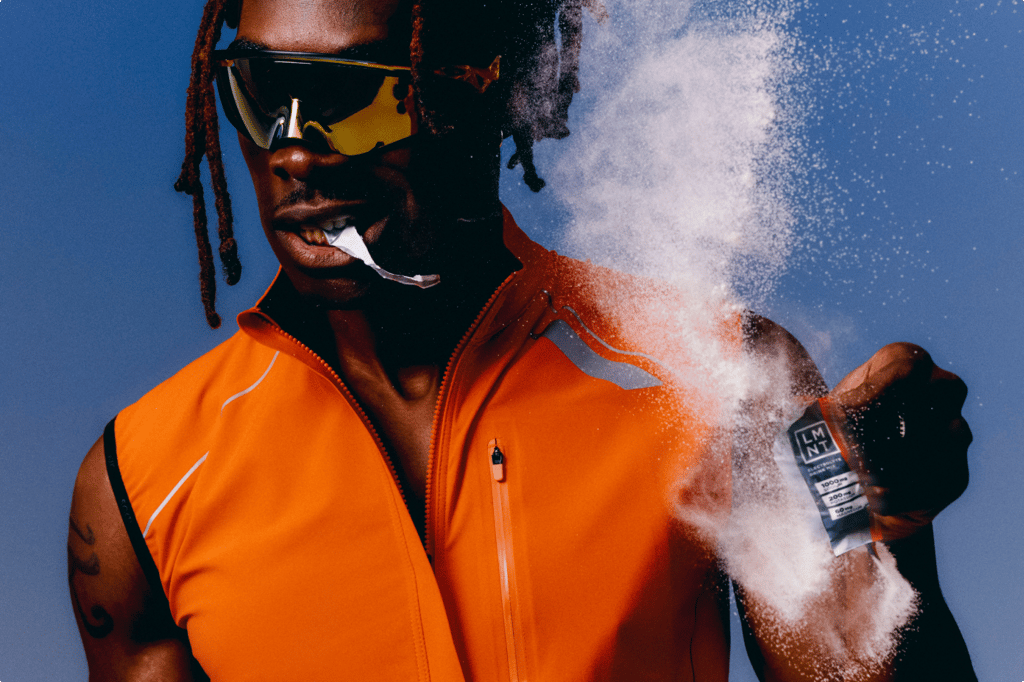
- Maintain your electrolyte balance, adding a sugar-free electrolyte with a good sodium-to-potassium ratio to your water if you start to feel dehydrated.
- Avoid stacking creatine with any new supplements.
- Support digestion with adequate protein, micro nutrients, and potassium from minimally-processed foods.
- Adopt a low-carb diet on the days you take creatine to minimise GI discomfort and general bloating.
Just remember, if you experience bloating, it should go away within a week or so. But you can support your body during that time with the right dietary swaps and tips.



This article is for informational purposes only, even if and regardless of whether it features the advice of physicians and medical practitioners. This article is not, nor is it intended to be, a substitute for professional medical advice, diagnosis, or treatment and should never be relied upon for specific medical advice. The views expressed in this article are the views of the expert and do not necessarily represent the views of Healf
Tom Ward is a former Men's Health features editor, and writes regularly on sports, fitness and adventure for the Red Bulletin, Outside, and the Sunday Times. He is the author of the novels The Lion and The Unicorn, and TIN CAT.