











































No-Cost Wellbeing Rituals: 4 Free Ways To Upgrade Your Health
Healthy habits are free. Don’t let your pockets hold you back from your goals this January.

Written by: Pippa Thackeray
Written on: 22 January 2026
If you had lofty intentions for 2026, but somehow can't make any of them stick, give these four evidence-based rituals a go. They’re built upon expert knowledge of vital biological mechanisms to support digestion, mobility, mental regulation and sleep.
Each Healf pillar is addressed: EAT, MOVE, MIND, SLEEP to help you develop methods that are accessible without added cost or equipment and designed to align fundamentally with how your body functions.
“There is no greater gratitude than taking care of yourself” – Steven Bartlett, The Diary of a CEO
Yes, we get it. The weather is a bit drab, the nights are dark, and it can be all too easy to make your daily habit look like retreating under a blanket until the storm passes.
In the post-festive-period-slump, you may even be convinced that the contents of your wallet have the power to dictate your wellbeing this month. And while rest is equally important to proactivity, getting in a rut need not derail your health goals.
Luckily for you, this piece provides some uplifting reminders, courtesy of top wellbeing experts, to debunk all your January myths, and live a life of wellbeing in abundance.
1. EAT: Diaphragmatic breathing for better digestion
The first step in supporting digestion isn’t always with food or nutritional supplements, but how you breathe.
Shallow breathing occurs when we’re under pressure or focused on a particular task. Yet, chronically it can keep the body in a sympathetic (fight or flight) state. It redirects blood flow away from the gut and suppresses digestive secretions.
Diaphragmatic breathing is thought to improve digestion via stimulation of the vagus nerve.
Vagus nerve stimulation (VNS) activates the parasympathetic nervous system, shifting the body into a state that supports the digestive process, including the secretion of digestive enzymes to support nutrient absorption.
The vagus nerve also promotes coordinated intestinal contractions and enhances blood flow to the gastrointestinal organs so that nutrients can be properly assimilated.
The movement of the diaphragm supports the mechanical functioning of digestion. As the diaphragm contracts and releases, it applies a rhythmic pressure to the stomach and intestines, which helps in what’s known as the peristaltic movement of the gut. If it's functioning well, many people find that their digestive symptoms will often subside. That's because peristalsis helps move food efficiently through the digestive tract and supports the release of trapped gas.
How to implement deep breathing:
Lie on your back or sit upright. Relax the shoulders and neck. Place one hand on the chest and one on the abdomen. Inhale slowly through the nose, allowing the belly to rise.
An effective pattern for diaphragmatic breathing involves inhaling for 4 to 5 seconds, followed by a longer exhale of 6 to 7 seconds, repeated continuously for around 3 minutes.
Extending the exhalation slightly beyond the inhalation is a typical feature when the goal is relaxation.
2. MOVE: The simplicity of mobility from Dr Starrett
Try these longevity promoting daily movement practices to protect joint health
In an interview published in December 2024, Dr Kelly Starrett and Dr Andrew Huberman discussed how structured movement can preserve range, prevent tissue breakdown and reduce the risk of injury.
The focus of their discussion is on embedding movement into daily life rather than isolating it within prescribed exercise sessions.
Starrett expressed that a “movement-rich environment” is one where the body is regularly required to perform a varied range of positions, involving loading tissues, and accessing underused ranges. This is especially important for those working long hours at a desk or spending extended periods in static postures.
One of the key tools for this is what he calls “floor time”. Introduced in Built to Move, it refers to spending cumulative time each day seated or resting on the floor in different positions. These include being cross-legged, kneeling and squatting.
Transitioning between them helps restore control through the hips, knees and ankles, while avoiding the passive loading patterns that come with standard chairs. The physical effort involved in simply maintaining these shapes is enough to stimulate joint stabilisers and reinforce postural alignment, working to improve range over time.
Starrett also points to the importance of expanding mid-range movement, the zones between full extension (straightening) and full flexion (bending), as a way of preserving healthy joint motion.
Pelvic floor activation and neck stability are also related. The pelvic floor works in coordination with the diaphragm and responds well to breath-led training. It also plays a role in load management and pressure control through the trunk.
“The research shows that consistency beats duration and intensity when it comes to increasing flexibility.” – Dr Andrew Huberman, Huberman Lab, Episode 67
Huberman’s personal research also outlines that even microstretching, that’s low-load, sub-maximal static stretching, is a great way to improve flexibility.
Effective results are achieved with just 30 seconds per stretch, repeated 5 times per week. This totals 5 minutes per muscle group per week.
He also highlights the role of muscle spindle fibres and Golgi tendon organs, which monitor stretch and load. These systems trigger protective contraction responses if ranges or intensities become excessive. Therefore, he concludes that low-load static holds help the nervous system expand the “safe” movement range without causing resistance or recoil.
How to implement some “floor time”:
Spend time on the floor in varied positions each day.
Alternate strength movements between push and pull to balance muscle groups. Add neck work to support alignment.
These patterns can be completed in short sessions and, conveniently, don’t require a gym environment.
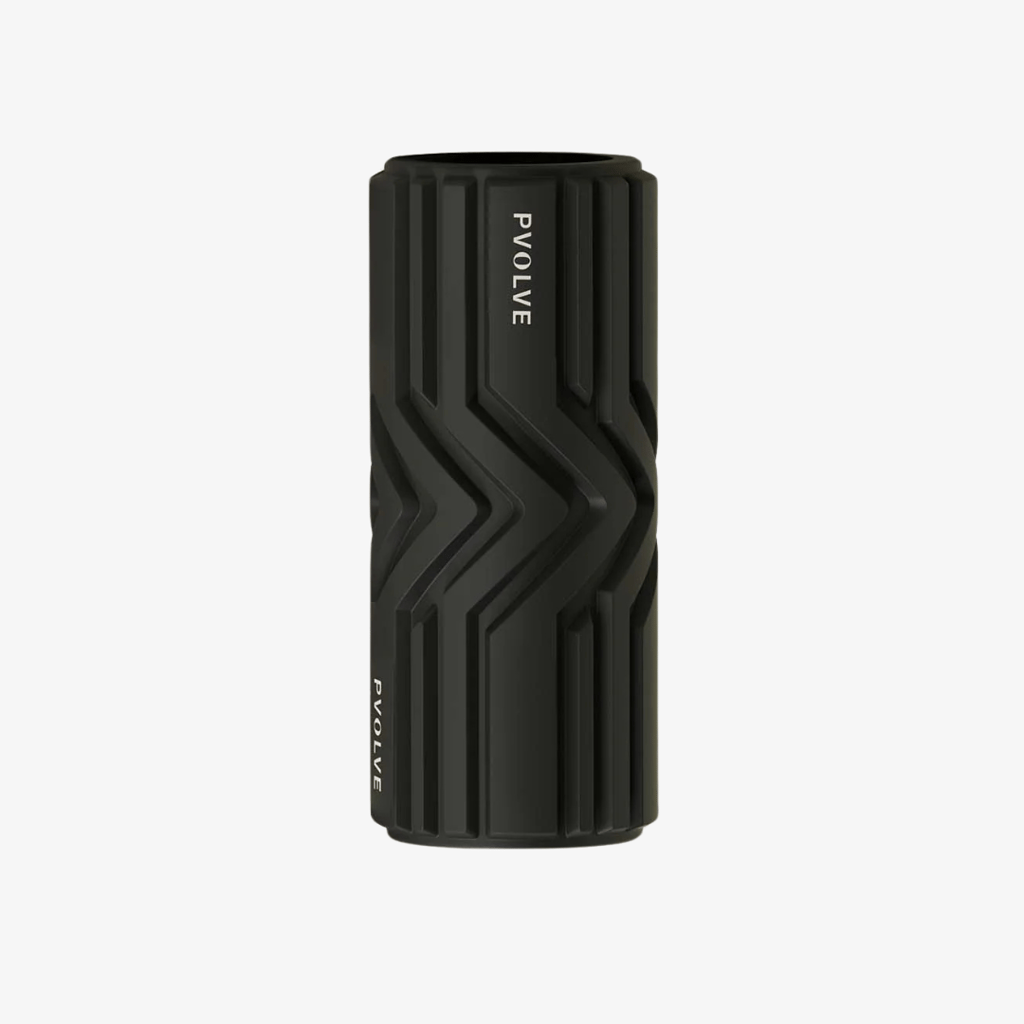
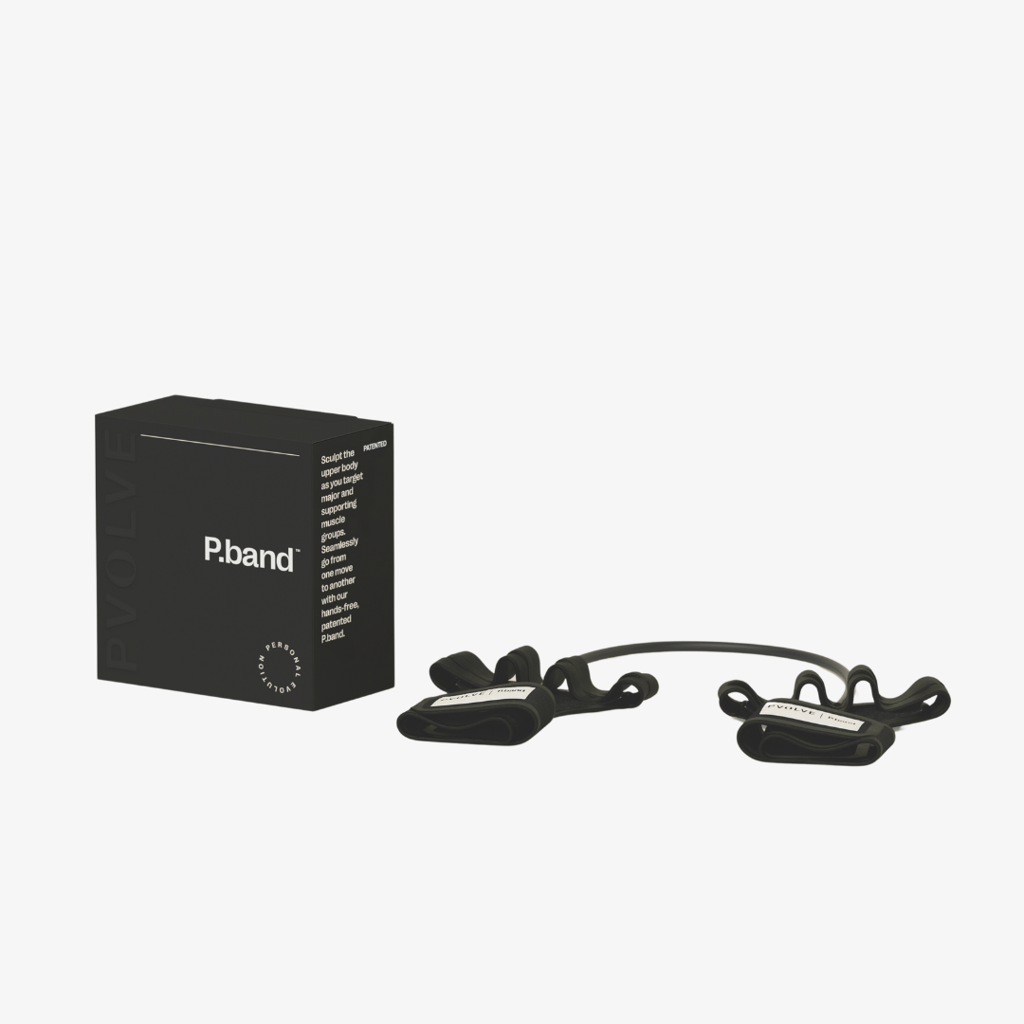
Optional kit involves resistance bands for shoulder and hip mobility and foam rollers to release fascial tension and restore gliding between layers of tissue.


3. MIND: Realign the spine to reduce stress
The surprising effect of posture on hormone balance and energy regulation
It’s not really a secret that postural misalignment leads to muscular strain and chronic tension. The neck, shoulders and lower back bear excess load when the spine is unsupported. A lot of us are probably pretty used to that fact.
But posture is important for reasons beyond physical ailments, as it influences not just musculoskeletal factors, but also our mood and brain health.
“Changes in posture can alter cerebral blood flow, which affects how efficiently oxygen and nutrients are delivered to the brain.”– Dr Craig Bentham, Chiropractic Practitioner
The diaphragm plays a role here, in that it requires space to contract. In other words, when posture collapses, the lungs cannot fully expand. This limits oxygen flow to the brain and alters respiratory rhythm. Hence, restricted breathing may often contribute to fatigue, low mood and reduced cognitive function.
According to Dr Craig Bentham, Chiropractic Practitioner: “Research shows that prolonged sitting and slouched postures have been associated with reductions in cerebral perfusion, which may negatively influence focus, attention, and cognitive performance over time”.
A slumped posture may even lead to elevated cortisol and neuromuscular issues.
Research demonstrates how emotional, cognitive, and physiological stress responses may be actively shaped by posture, rather than posture merely being a reflection of our emotional state.
One study found that, compared with a slumped seated posture, maintaining an upright seated posture during a psychological stress task was associated with higher self-esteem, greater arousal, a more positive mood and less negative and self-focused emotional language during speech.
How to get great posture:
When standing, keep the spine aligned with shoulders over hips.
When sitting, try to raise your screen to eye level and reduce ‘head drop’ during phone use. If at a desk, it's good practice to sit with both feet flat, and with knees just below hip height. Remember that breathing becomes more efficient when the thoracic cavity is not compressed.
Periodically scan your body for tension, like a tight jaw or raised shoulders and consciously attempt to release it.
Use back and shoulder exercises like shoulder blade squeezes, and wall angels to strengthen upper back muscles and counteract rounded shoulders. For the same reasons, and for pelvic alignment, lightly engage your core when in upright positions.
Consistent habits reap rewards. And practising upright alignment trains neuromuscular feedback loops that ultimately reduce physical fatigue.
4. SLEEP: Get more REM with MEM
What are MEM (micro eye movements)?
An important distinction to make is that micro eye movements (MEM), also known as microsaccades or ocular microtremor, are minuscule, high-frequency, involuntary eye movements that occur even when a person is awake and trying to fixate on a point. They are not the same as the eye movements in REM sleep.
REM (rapid eye movement) sleep features bursts of rapid, high-velocity, coordinated eye movements. These differences reflect two fundamentally distinct brain states.
What’s oculomotor fatigue?
Oculomotor fatigue is associated with changes in micro eye movements. It refers to a decline in the accuracy of eye movements, or saccades, which occur during repetitive eye movement tasks.
This reduced performance is not caused by muscle fatigue or changes in the physical properties of the eye muscles themselves. Instead, it is linked to internal neurological factors such as drowsiness, attentional modulation, or neuronal fatigue.
If you suffer from dry eyes or occasional blurred vision after staring at a screen, consider taking regular breaks. Follow the 20-20-20 rule: every 20 minutes, look at an object at least 20 feet away for at least 20 seconds to relax your eye muscles. And adjust your screen settings to avoid eye strain.
Oculomotor fatigue also occurs due to general fatigue, particularly from sleep deprivation. Therefore, improved sleep helps significantly in recovering from and preventing oculomotor fatigue.
Micro eye movement for effective sleep re-entry
This method appears consistent with the observed benefits of bilateral eye movement in reducing sympathetic activity.
The motion can be performed in bed without a need for devices and is arguably best suited for those who struggle to re-enter sleep cycles after waking.
Dr Katelyn, a surgeon who regularly works night shifts, shared her use of MEM as a method for returning to sleep during interruptions:
“As a surgeon who takes calls overnight, I’m woken up frequently in the middle of the night. It often takes me hours to get back to sleep. I was sceptical about this eye movement trick but after trying it several times, it works.” – Dr Katelyn Tondo-Steele, Gynecologic Oncologist Surgeon
In clinical settings, Eye Movement Desensitisation and Reprocessing (EMDR) helps people heal from trauma and distressing life events by reprocessing stuck memories, using guided eye movements while focusing on the memory trigger, which lessens its emotional impact, allowing the brain to integrate it adaptively, reducing PTSD symptoms, anxiety and other issues.
How to try micro eye movement:
Lie in a comfortable position. Keep your eyes closed for all movements.
Look up for 2 seconds, then look down for 2 seconds. Next, look to the left for 2 seconds and then to the right for 2 seconds. Slowly move your eyes in a clockwise circle for 2–3 seconds, followed by a counterclockwise circle for 2–3 seconds.
Finally, (with eyes still shut) look toward your nose as if crossing your eyes for 3 seconds. You may complete this sequence 3 times.
Wellbeing foundations that cost nothing at all
None of the above techniques require devices, flashy kit or subscriptions. Their benefits simply come from regular practice and welcome releases.
Each ritual targets a distinct system, but many of their effects are complementary.
Breath supports digestion, while posture reinforces regulation. Both improve oxygen flow and neuromuscular feedback.
Movement preserves joint function, which in turn supports better sleep by reducing discomfort and calming the nervous system. Conversely, physical rest and minimal overstimulation generate growth.
It all comes full circle.
No strings…
In the constant emergence of impressive bio-hacking supplement formulas, or mind-blowingly innovative wellbeing technology, it is easy to forget what is totally free.
So, here’s your timely reminder that some wellbeing foundations cost nothing at all; they ask only for your presence and devotion.
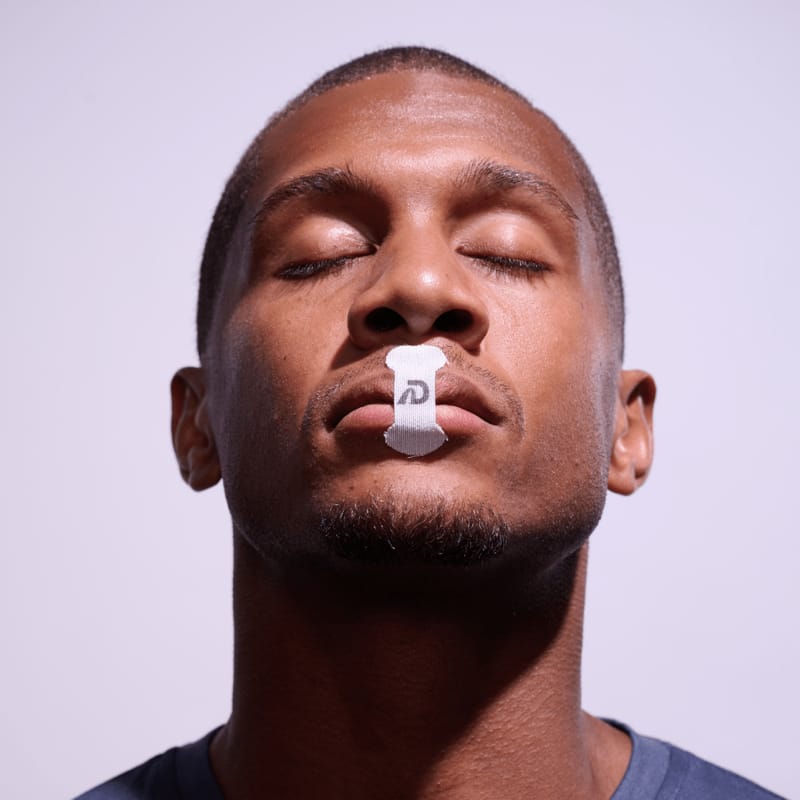
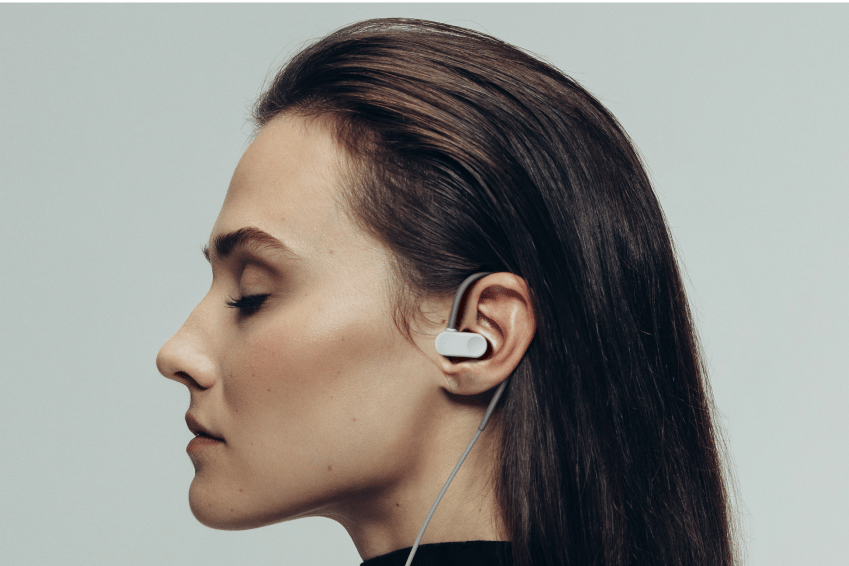
Shop the four Healf pillars: EAT, MOVE, MIND, SLEEP with intuitive tools that continue what the no-cost rituals begin, supporting vagus-driven digestion, joint stability through daily movement, mental balance through posture, and sleep shaped by your brain’s own neurological rhythm.




This article is for informational purposes only, even if and regardless of whether it features the advice of physicians and medical practitioners. This article is not, nor is it intended to be, a substitute for professional medical advice, diagnosis, or treatment and should never be relied upon for specific medical advice. The views expressed in this article are the views of the expert and do not necessarily represent the views of Healf
Pippa is a content writer and qualified Nutritional Therapist (DipNT) creating research-based content with a passion for many areas of wellbeing, including hormonal health, mental health and digestive health.
As a contributor to The Healf Source, she regularly attends seminars and programmes on a plethora of contemporary health issues and modern research insights with a drive to never stop learning. In addition, interviewing experts and specialists across The Four Pillars: EAT, MOVE, MIND, SLEEP.
In her spare time, she is an avid swimmer, mindfulness and yoga lover, occasionally bringing a raw, honest approach to the topics she faces. You may also discover some personal accounts of eye-opening wellbeing experiences amidst the reality of a disorientating, and often conflicting, modern wellbeing space.