












_2026-10-13_14-11-48.png)


Can Your Breathing Pattern Help Predict Your Future?
From stress to sleep and even early signs of illness, your breath might reveal more than you think…
Written by: Samantha Nice
Written on: 3 August 2025
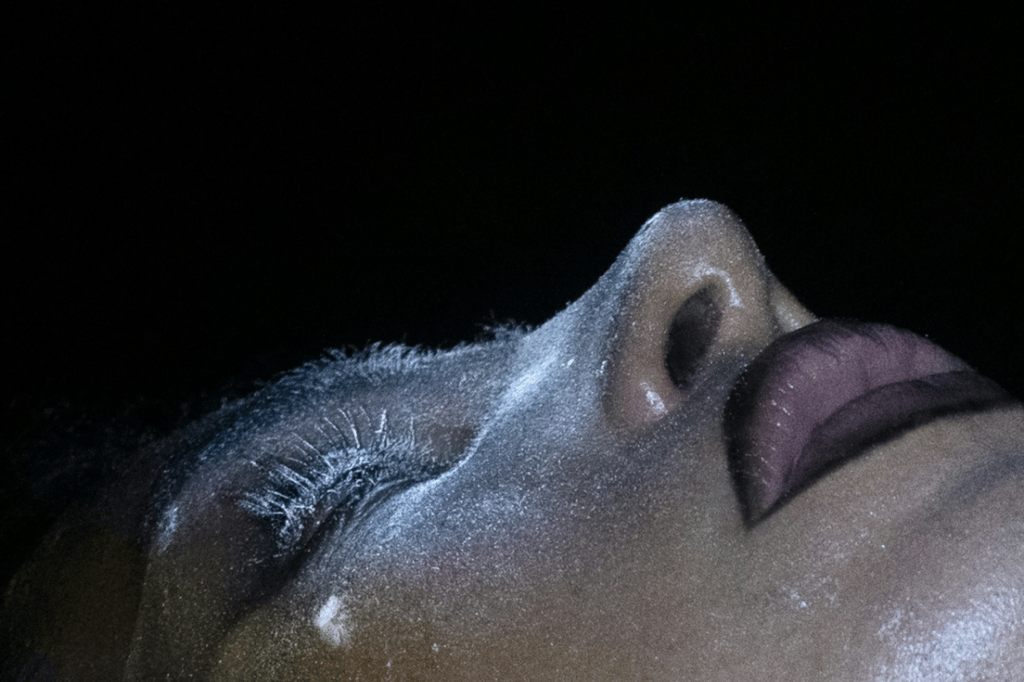
Let’s be honest, breathing is something we often take for granted. It’s so automatic, it can feel invisible and as though it’s just a background process keeping us alive and kicking. But recent research suggests that our breath is much more than a simple life support system. The subtle ways you breathe (the speed, depth and rhythm) do in fact carry detailed information about your emotional wellbeing, physical health and even your longer term health risks.
We often associate breathwork with intentional practices or as a tool to calm the mind, encourage better sleep, or anchor a yoga session. But beyond these conscious breathing exercises, your body is constantly sending signals through your natural breathing patterns… signals that scientists are now beginning to decode.
New research suggests that your breath may actually function like a biometric fingerprint. It reveals your current emotional and physiological state and could even offer early insights into your long-term health. Subtle shifts in breathing patterns are even being linked to changes in mood, cognition and inflammation, often long before symptoms or tests pick them up.
This emerging data and insight blends neuroscience, biology and AI to look at how the way we breathe could offer vital clues about our wellbeing. The ultimate goal? To transform everyday breathing patterns into powerful, non-invasive tools for tracking health and potentially spotting problems early.
To dive deeper into this fascinating connection, we spoke with breath and mindset expert Richie Norton, who sheds light on how understanding our breath better might change the way we think about our health and emotional wellbeing.
The real power of your breath and what this means
Our breath is a constantly changing reflection of how we’re feeling and should not be underestimated. “It’s true what many are saying right now, your breath really is as unique as your fingerprint,” says Richie. “It’s a reflection of your emotional and physical state so if you're stressed for example, your breathing will be fast and shallow. If you’re relaxed, it’ll be deeper and more controlled. Your breath is a direct window into what’s going on in your body and mind,” he adds.
Unlike fingerprints, which remain static, our breathing adapts to our circumstances, providing real-time insight into our wellbeing. Understanding and being aware of this means we can begin to read subtle cues about our stress levels, energy and mood that might otherwise go unnoticed.
How your breath both reflects (and shapes) your emotions
Not only does our breath mirror how we feel, but it can also influence our mental state. Richie explains this dynamic clearly. “It’s a chicken and egg situation, but your breath shapes your mood and your mood influences your breath,” he says. “The cool thing is that by controlling your breath, you can influence your mood. If you want to chill out or get more focused, controlling your breathing is one of the fastest ways to do it. It really is one of the simplest but most effective hacks for shifting your state.” This means breathwork is far more than relaxation or meditation and instead a powerful (and accessible) tool for regulating anxiety, boosting focus and shifting your emotional state quickly and naturally.
Identifying and changing your breathing patterns
Many of us go through the day stuck in stress mode without even realising it and our breathing often gives it away. According to Richie, one of the first things people notice when they begin breathwork is just how off their natural rhythm has become. “When people start breathwork, they’re often in a bad habit of shallow, quick breaths and it's like they’re in fight-or-flight mode all the time,” he says.
This kind of high-alert breathing keeps the nervous system locked in a cycle of tension, making it harder to stay calm, focused or emotionally balanced. The good news is that your breath is something we can retrain and small changes can bring big results. “The change is dramatic when you go from frantic to controlled and you’ll typically notice it straight away,” he adds. As you start breathing more slowly and deeply, your whole system begins to chill out and suddenly your breath isn’t feeding stress anymore, it’s actually helping to calm you down.
Simple breathwork techniques to try
When it comes to calming the nervous system, Richie is a big advocate for simple, effective methods that anyone can grasp quickly. “For stress, I stick with the basics. Box breathing is a go-to - inhale for 4 seconds, hold for 4, exhale for 4, hold for 4,” he says.
Other tried and tested techniques he recommends include diaphragmatic breathing, which encourages deep belly breaths to trigger the body’s relaxation response, and the 4-7-8 method which is known for its soothing effects. “To do this, (inhale for 4 seconds, hold for 7 and exhale for 8. It’s a real game-changer for relaxing,” he says. These no-fuss techniques are practical for everyday moments of anxiety, before sleep or anytime you need a little reset.
Tailoring your breath to get what you need
Breathwork, like anything wellness-related, isn’t a one-size-fits-all. Different goals require different approaches and Richie stresses the importance of context here. “Trauma healing is about safety and grounding. Slow, steady breaths, nothing too aggressive, so you feel in control. Resonant breathing (5-6 breaths per minute) helps regulate your nervous system, bringing you into a calm state.”
“For focus or performance, it’s all about energising the body and mind. I’d go for techniques like pursed-lip breathing to stimulate energy or active breathwork to sharpen focus and clarity,” he says. This adaptability is what makes breathwork a very versatile tool which you can use in different ways.
Tuning into your own data
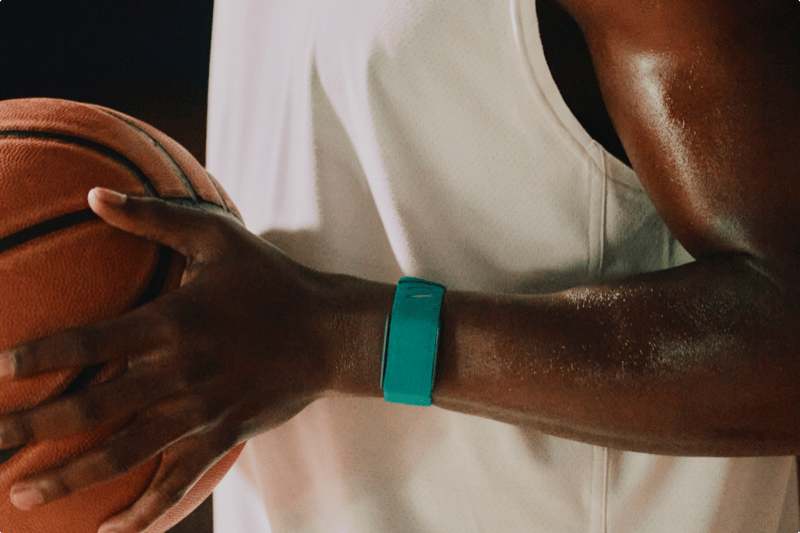
Emerging tech is bringing breath analysis into the world of health tracking and Richie is optimistic about the potential. “Breath data from wearables could give you real-time insights into how you’re feeling - both physically and mentally. It could help you track stress, recovery and even your energy levels.” By understanding how breath changes with our state, devices can provide instant feedback to help us optimise health and performance before problems escalate.
On the idea of breath as a biometric ID, Richie does advise a bit of caution. “It’s an interesting concept, but I’m not sold just yet. While breath patterns are unique, you’ve got to remember that health conditions like asthma or respiratory issues can change your breathing. Sure, it’s a possible layer of biometric security, but I’d want to see more data before fully trusting it as a primary form of identification. I’d say it’s more of a backup option right now,” he explains.
The future of breathwork
Looking forward, breathwork is set to become an even bigger foundational practice and Richie predicts widespread adoption. “Breathwork is definitely predicted to continue to boom. In the next 5–10 years, I reckon everyone will be using it, not just for health, but for performance, mental health and even trauma recovery. Wearables and biohacking will help us track our breath in real time, giving us instant feedback. It’ll be personalised, adaptable and more accessible than ever,” he adds. This shift could make breath awareness as routine as tracking steps or sleep, integrating seamlessly with modern health tech.
Tapping into your most accessible wellness tool
At its core, breath is a simple but powerful gateway to better health and emotional balance. “Tech and health pros need to get their heads around the fact that breath is an insanely powerful tool. It’s not just something you do to stay alive but instead your gateway to controlling stress, improving focus, and optimising performance. If you're using breathwork for recovery, mental health, or anything else, understand that breath is a performance tool - one that works. It’s simple but it packs a punch when used properly.” Tuning into your breath and learning to shape it can be one of the most effective strategies for managing stress, improving sleep, enhancing focus and supporting overall wellbeing.



This article is for informational purposes only, even if and regardless of whether it features the advice of physicians and medical practitioners. This article is not, nor is it intended to be, a substitute for professional medical advice, diagnosis, or treatment and should never be relied upon for specific medical advice. The views expressed in this article are the views of the expert and do not necessarily represent the views of Healf
Samantha Nice is a seasoned wellness writer with over a decade of experience crafting content for a diverse range of global brands. A passionate advocate for holistic wellbeing, she brings a particular focus to supplements, women’s health, strength training, and running. Samantha is a proud member of the Healf editorial team, where she merges her love for storytelling with industry insights and science-backed evidence.
An avid WHOOP wearer, keen runner (with a sub 1:30 half marathon) hot yoga enthusiast and regular gym goer, Samantha lives and breathes the wellness lifestyle she writes about. With a solid black book of trusted contacts (including some of the industry’s leading experts) she’s committed to creating accessible, well-informed content that empowers and inspires Healf readers.