






















How To Stimulate Your Vagus Nerve Through The Four Pillars: EAT, MOVE, MIND, SLEEP
Vagus nerve stimulation is a powerful way to reset the nervous system. Here’s how to regulate inflammation, digestion, mood, and recovery through strong vagal tone.

Written by: Pippa Thackeray
Written on: 12 January 2026
Welcome to the body’s superhighway: The vagus nerve
“Your vagal system knows things before your conscious brain catches up… Having high vagal tone shifts our behaviour from a body-to-brain approach, driving the subconscious messages first and foremost.” – Dr Carrie Rigoni, Vagus Nerve Chiropractor & Coach
In 2025, the vagus nerve emerged in wellbeing trends as a primary target for “brain hacking” and as a foundational element of nervous system regulation.
The vagus nerve and the brain-body connection
Increasing vagal tone has been shown to help regulate heart rate, breathing, digestion and immune function. Now, researchers and influential health practitioners are exploring the many ways we can use this nerve to transform our physical and mental health.
The 10th and longest cranial nerve
A very popular topic among neurologists, psychiatrists, somatic therapists and beyond, the vagus nerve is the 10th and longest cranial nerve, extending all the way from the medulla oblongata in the brainstem down through the neck, thorax and abdomen.
Due to its extensive reach through the body, the name ‘vagus nerve’ originates from the Latin word for “wandering” or “vagrant”. Its stimulation is promoted for wellbeing benefits because of its crucial role as the primary component of the parasympathetic nervous system (the rest and digest system) and its central function as an ‘information superhighway’ that links the brain to nearly every major organ, including the heart, lungs, and gut.
Here’s a practical guide on how to practise vagal stimulation using the four Healf pillars: EAT, MOVE, MIND, SLEEP.
How the vagus nerve regulates the body’s stress response
Perhaps the most important thing to understand about the vagus nerve is that it's a core component of the parasympathetic nervous system, often referred to as the “rest and digest” branch.
This system is key for true wellbeing as it helps the body recover from stress.
Activating the parasympathetic system
Getting into the science of the matter, it can be helpful to visualise this: Around 80% of the fibres in the vagus nerve are afferent, meaning they carry sensory signals from the organs to the brain. The remaining 20% are efferent fibres, which send instructions from the brain to regulate heart rate, digestion, respiratory rhythm and immune activity.
This ratio explains how techniques like deep breathing or meditation work; they stimulate the sensory fibres, signalling to the brain that the body is safe, which then triggers motor fibres to induce relaxation.
The vagus nerve and gut
Moreover, because 80% of the signals are travelling to the brain, the physical state of your organs, such as your gut microbiome or heart rate, directly influences your emotional state and decision making. And this is precisely why, in some cases, gut issues can contribute to feelings of anxiety or depression.
Nutritional and gut health experts commonly use the term gut-brain axis to describe this.
What is vagal tone?
Vagal tone describes the responsiveness and strength of the vagus nerve’s activity.
How vagal tone is measured and why it matters
It is measured using physiological markers such as heart rate variability (HRV).
Higher vagal tone is typically associated with faster recovery from stress, better emotional regulation, improved digestion and more stable energy. Whilst lower tone is associated with a longer-lasting stress response, increased inflammation, digestive disruption and mood instability.
Clinical evidence has also linked low vagal tone to Crohn’s disease, rheumatoid arthritis and certain cardiovascular conditions.
Vagus nerve stimulation: Medical and natural methods
The vagus nerve can be stimulated both medically and with natural practices away from clinical settings. It’s what’s referred to as vagus nerve stimulation, or VNS.
Clinically, this approach is often used to manage epilepsy, treatment-resistant depression, or chronic inflammation. It works by applying controlled electrical impulses to specific points along the vagus nerve.
This stimulation adjusts the nervous system’s balance, increases vagal tone and may reduce levels of circulating inflammatory cytokines.
There are also accessible, non-invasive ways to engage the vagus nerve. These include practices that affect breath, pressure, sound, light, temperature and movement.
These methods are especially effective when integrated consistently across the four pillars, as follows:
EAT
As previously mentioned, the vagus nerve plays a central role in the gut–brain axis, the bidirectional communication pathway between the digestive system and the brain.
From this, it can be understood that signals from the gut microbiome, intestinal walls and immune cells travel through the vagus nerve and influence mood, inflammation and behaviour.
To stimulate vagus function through nutrition:
Use fermented foods such as kefir, sauerkraut, yoghurt and miso. They support gut microbial diversity and increase the production of short-chain fatty acids. These metabolites improve gut barrier integrity and modulate vagal signalling. A supplement like Symprove delivers live bacterial strains in a water-based medium that reaches the lower gut intact.
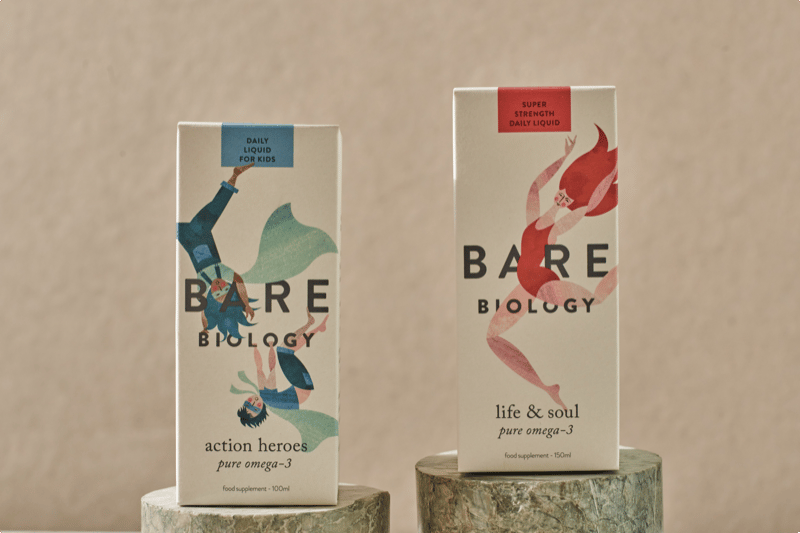
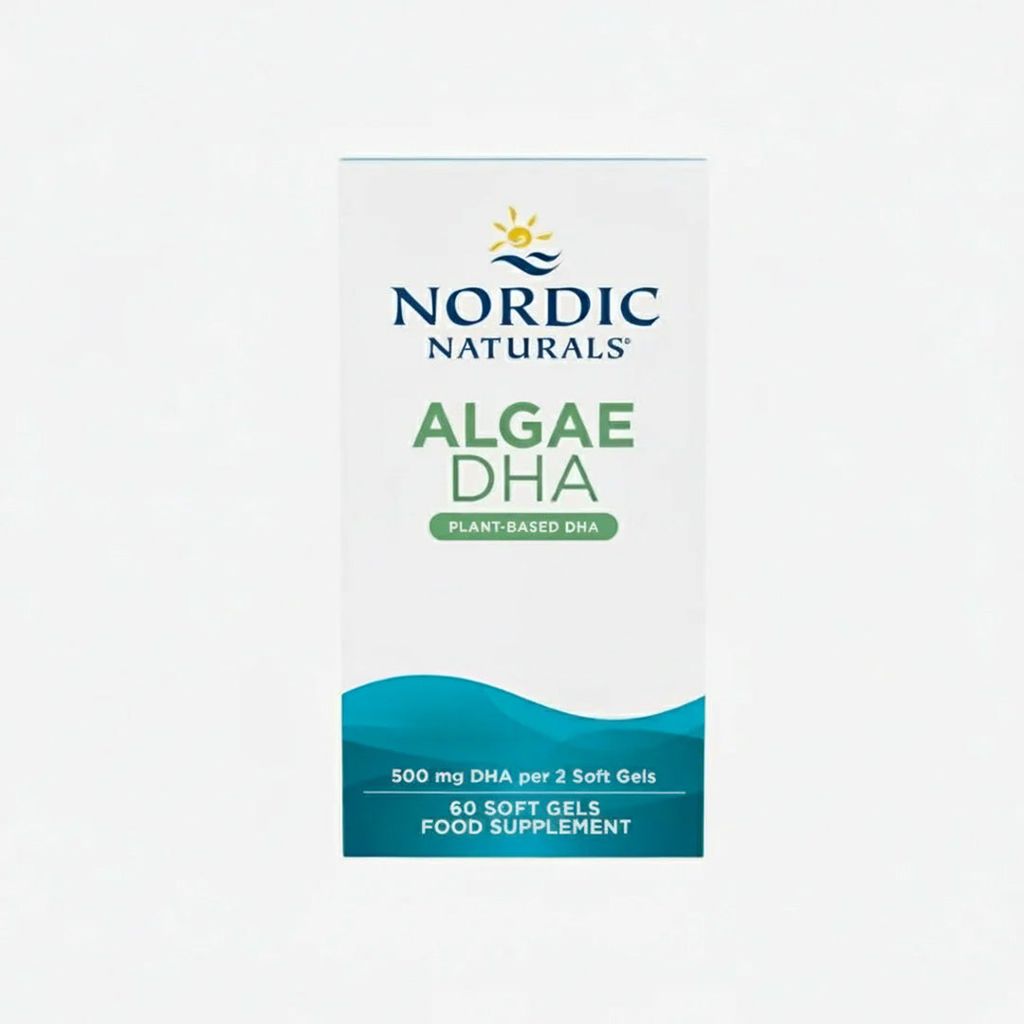
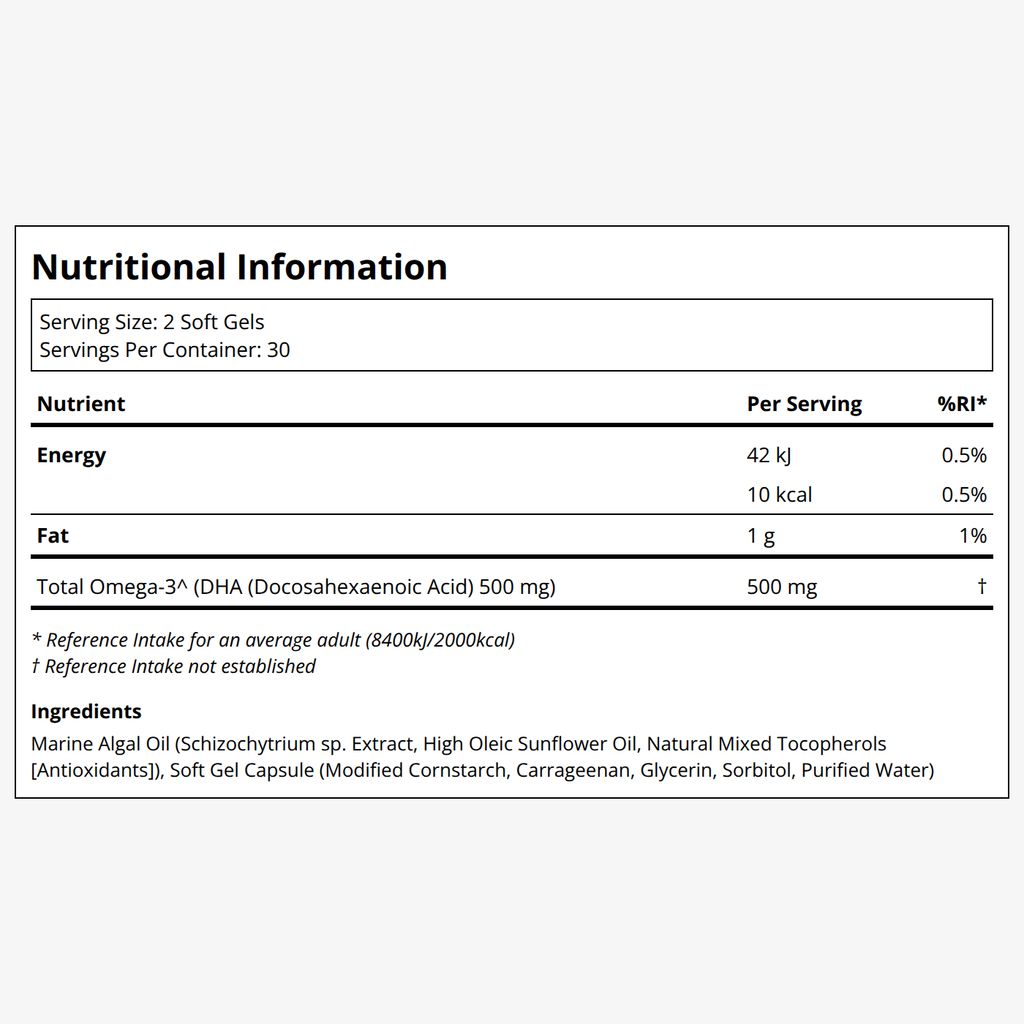
Increase dietary omega-3 fatty acids, EPA and DHA, from sources such as oily fish or algae oil, such as Nordic Naturals Algae DHA. These fats support neuronal membrane fluidity, reduce inflammation and are associated with improved heart rate variability.
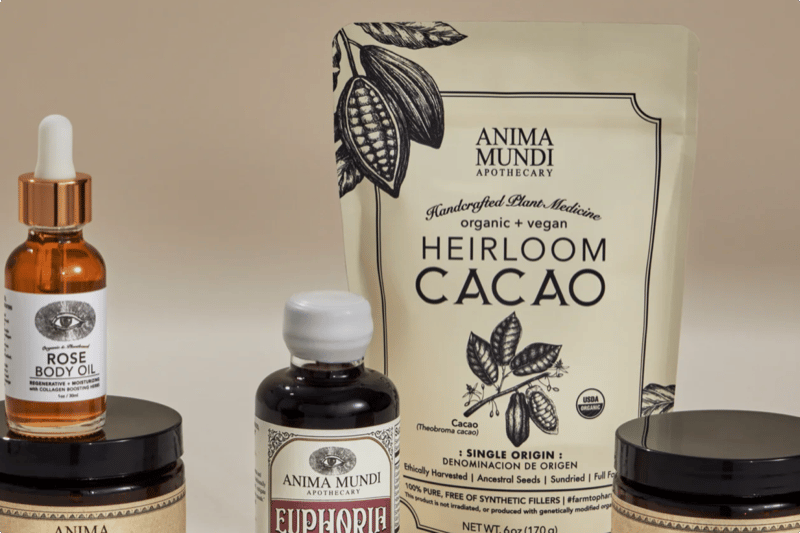
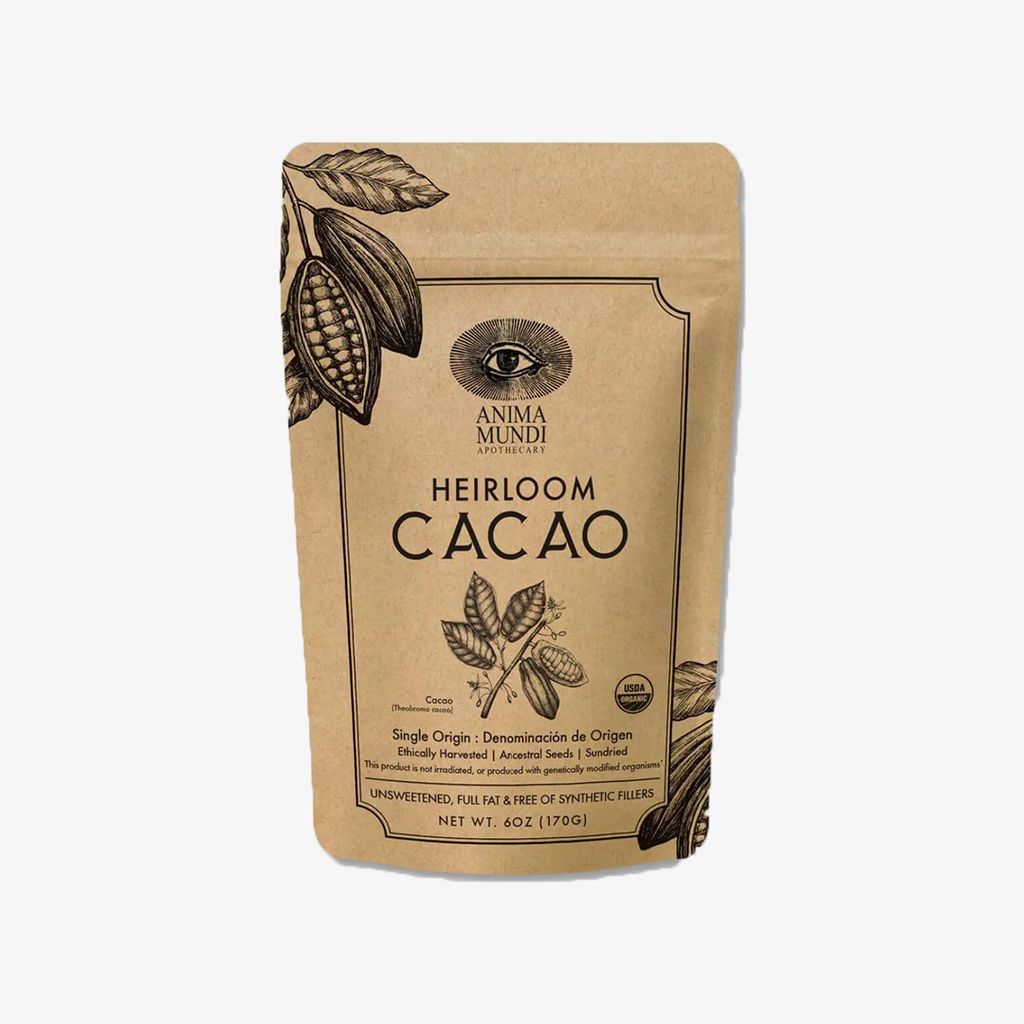
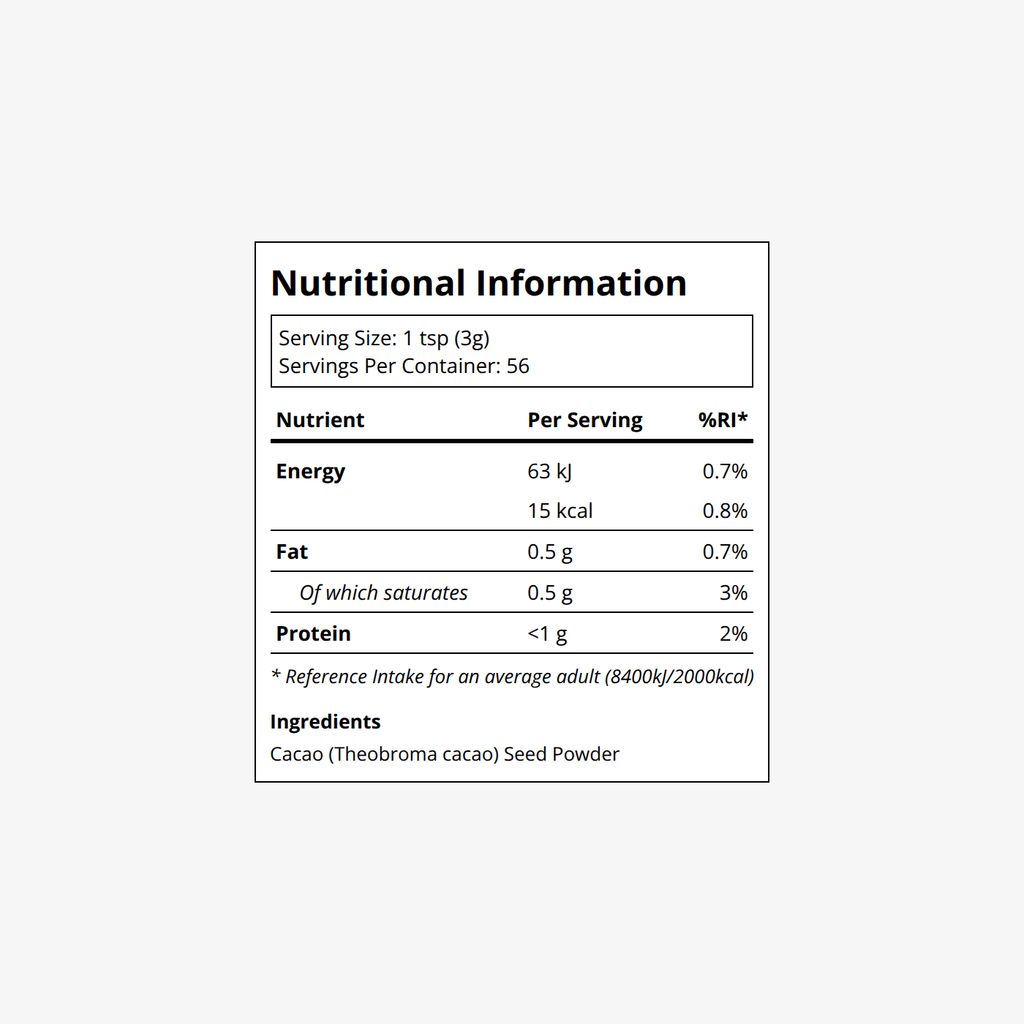
Include polyphenol-rich ingredients such as berries, Graza extra virgin olive oil, Anima Mundi’s Heirloom Cacao and green teas rich in EGCG, such as Green Tea Matcha. These compounds reduce oxidative stress and support the regulatory functions of the vagus nerve via gut–immune interactions.
Apply time-restricted eating, for example, where food is consumed within a 10 to 12 hour window. This helps regulate circadian rhythm and supports overnight vagal tone recovery. Plus, it may also help to avoid meals in the 2 to 3 hours before sleep to minimise digestive strain.
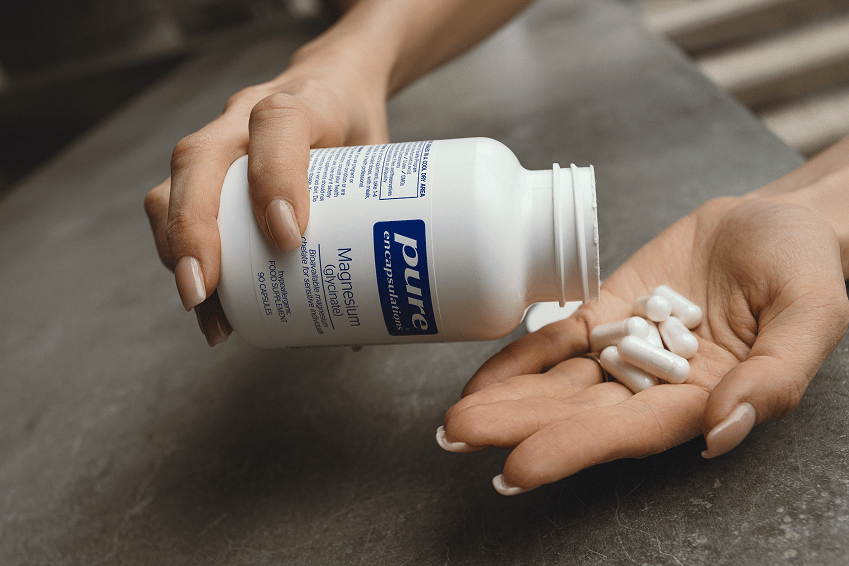
Include sources of magnesium. Magnesium plays a key role in supporting vagus nerve function by calming the nervous system, lowering inflammation, and aiding the production of calming neurotransmitters like GABA. You can introduce magnesium supplementally, or increase intake through foods such as spinach, pumpkin seeds, legumes, avocado, and dark chocolate, alongside supporting nutrients like omega-3s, choline and B vitamins.
2. MOVE
The rhythm of your breath, cardiac output, the pressure on your spine and mechanical feedback from the diaphragm all influence vagal inputs and work to strengthen parasympathetic pathways.
To support vagus nerve signalling through physical activity:
Practise certain yoga sequences that include spinal twists, forward folds, and deep exhalation. These poses apply pressure to areas innervated by the vagus nerve and stimulate parasympathetic reflexes.
Enhance vagal tone with “voga”, such as humming or chanting during slow movement flow. You may have heard of the Ohm chant. This ancient practice is a great example of how using the vocal cords targets the vagus through the recurrent laryngeal and auricular branches, increasing parasympathetic activity through vibrational input.
Walk, swim or cycle using nasal breathing to regulate respiratory rhythm. Repetitive, low-intensity movement with controlled breath activates baroreceptors, which are sensitive to changes in pressure. One study on a popular yogic nasal breathing practice found that alternating nostril breathing increased heart rate variability and slowed breathing, both signs of greater parasympathetic (rest and recover) activation.
Use short cold exposure sessions such as a 60-second cold shower after warmth. Such activity constitutes hormetic stress; a biological state that occurs when one is exposed to low levels of stressors that stimulate an adaptive, positive response within the body improving resilience and performance. Direct forms of cold exposure, such as cold water facial immersion with breath-holding specifically activates the dive reflex, increases vagal tone and switches the nervous system towards parasympathetic dominance. If using cold showers or ice baths, experts recommend maintaining slow nasal exhalation during exposure, to minimise the chances of gasping.
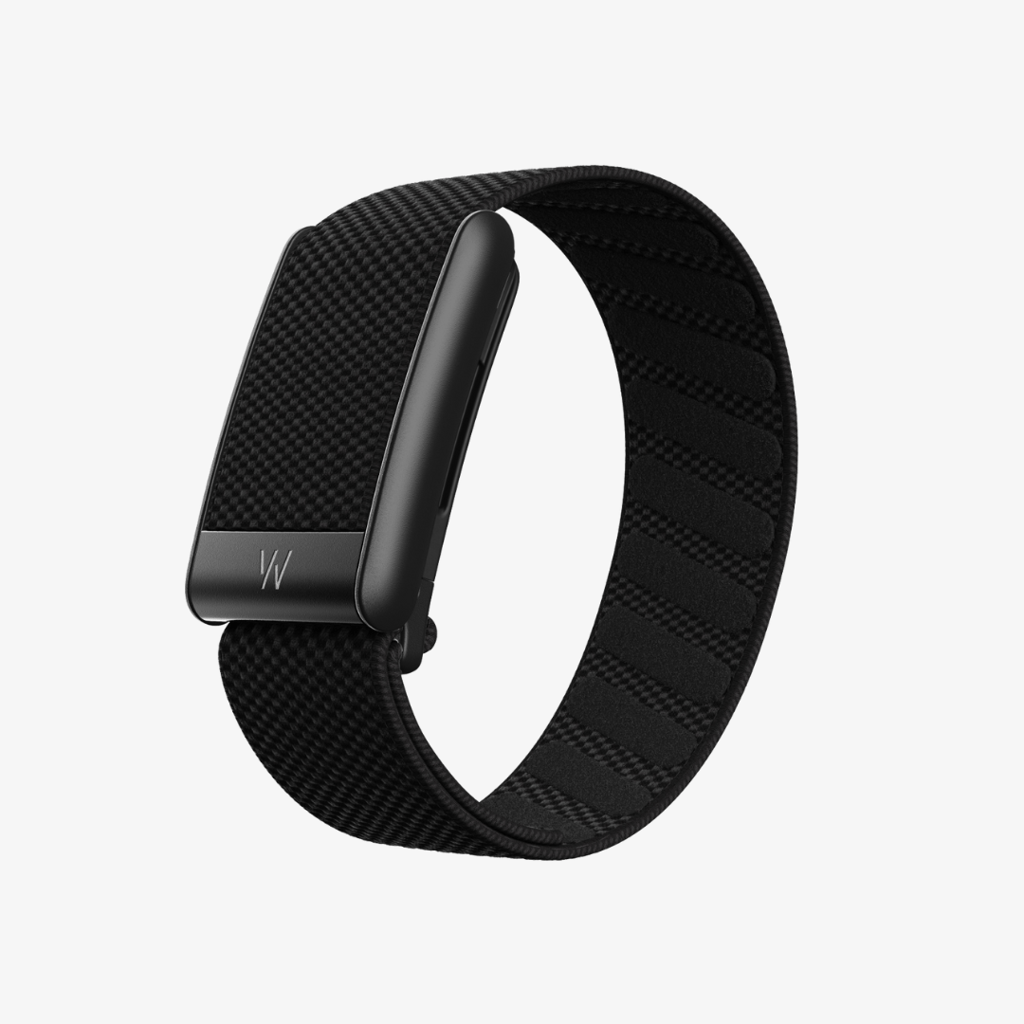
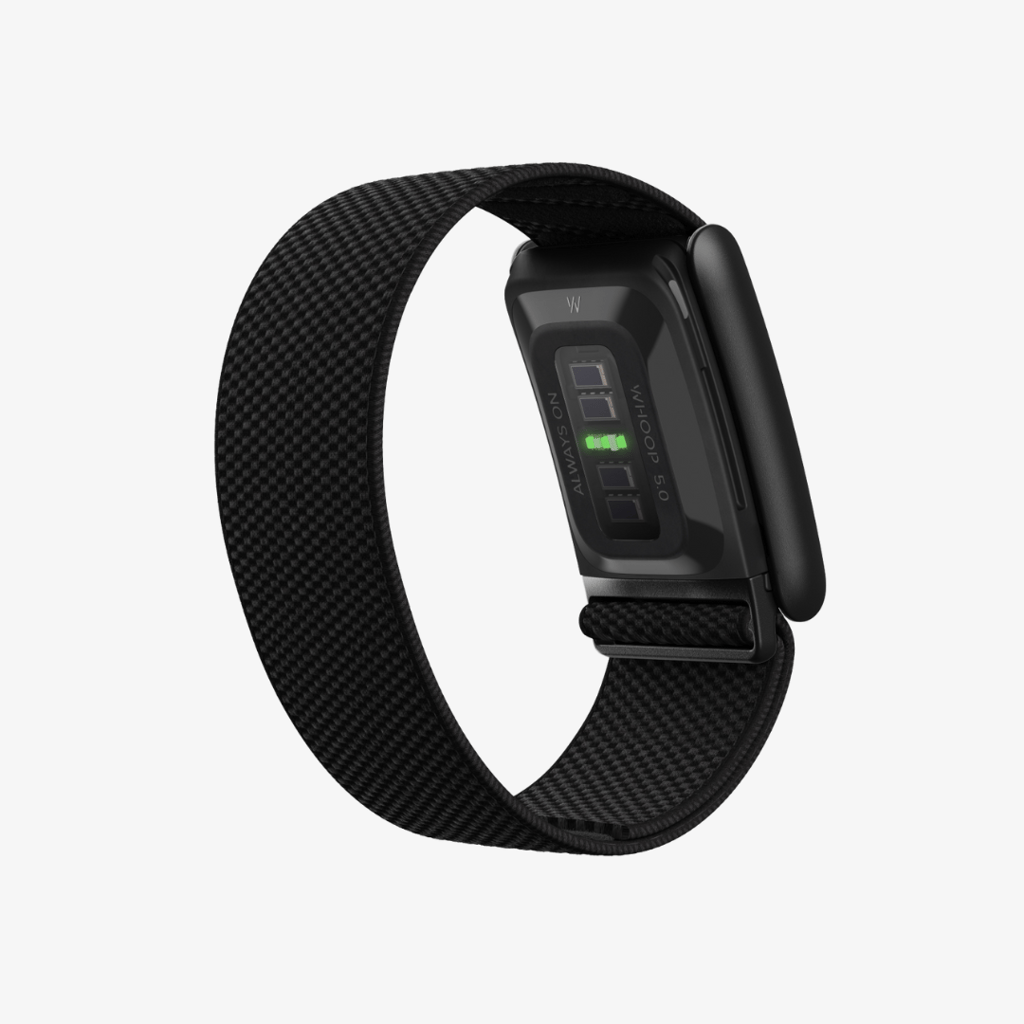
HRV tracking with WHOOP. Last, but not least, try wearables to measure responses to movement, breathing or cold exposure and refine practices based on your data.
3. MIND
The vagus nerve is also a major contributor to social engagement, according to the widely recognised Polyvagal Theory proposed by Dr. Stephen Porges. The theory explains that if a perceived threat continues or feels overwhelming, the nervous system can shut down into a freeze or immobilised state. These responses are guided by the vagus nerve and help explain how the body reacts to trauma. Our brains also constantly scan for danger or safety without us realising.
For this reason, the vagus nerve is also heavily involved in stress regulation and sensory processing. It influences mood through both neurological and immunological mechanisms.
As covered previously, breath, vibration and focused attention can increase vagal tone through cortical and subcortical pathways.
To stimulate the vagus through mental and sensory inputs:
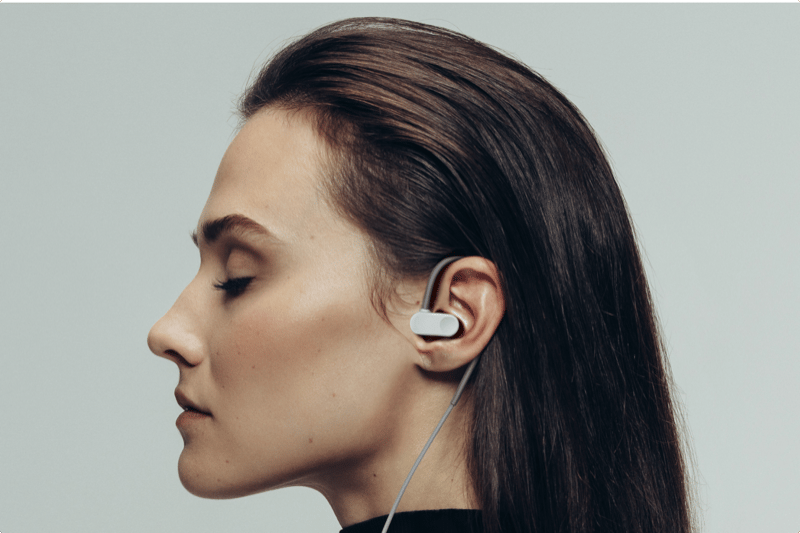
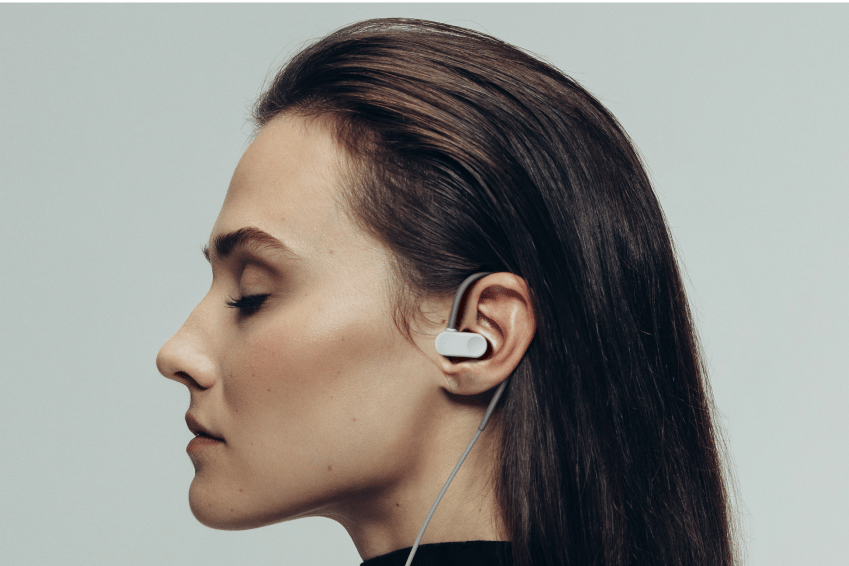
Consider neuromodulation tools such as Nurosym, a clinically validated, wearable medical device that uses non-invasive electrical signals to stimulate the vagus nerve via the outer ear, aiming to calm the nervous system, reduce stress, inflammation, and improve conditions like fatigue, brain fog, and anxiety by activating the body's natural relaxation (parasympathetic) response.
Practise 6 bpm breathing, by breathing in through your nose for 5 seconds, then out for 5 seconds. Continue this calm, even rhythm for several minutes. This is known as 6 breaths per minute; it’s also called coherent or resonant breathing. A controlled trial involving 40 physically active participants found that breathing at 6 bpm (five-second inhale, five-second exhale) after high-intensity interval training was linked to lower heart rates and reduced perceived exertion. The researchers also noted that it promoted cardiorespiratory recovery without delaying return to baseline, making it a reliable breathing technique for supporting nervous system regulation post-exercise.
Use mindful meditation and diaphragmatic breath. Research reflects how slow, deep breathing and breath holds naturally stimulate the vagus nerve, helping to lower heart rate and promote calm in the body. When you inhale, your brain temporarily reduces signals from the vagus nerve, allowing the “fight or flight” system to take the lead, which makes your heart beat a little faster. An example of diaphragmatic breathing includes inhaling for 4 to 5 seconds, exhaling for 6 to 7 seconds, and repeating for 3 minutes. An exhalation longer than the inhalation is a common component of diaphragmatic breathing for relaxation. Pair your practice with The Nue Co for concentration support.
Apply gentle massage to the head, neck and upper back once or twice daily. This stimulates cervical vagus branches and supports calm-state dominance in the autonomic system. This is said to have a similar effect to transcutaneous vagus nerve stimulation devices, like Nurosym, which use low‑voltage electrical currents to stimulate the cervical branch of the vagus nerve. Avoid deep tissue pressure, which can trigger sympathetic responses.
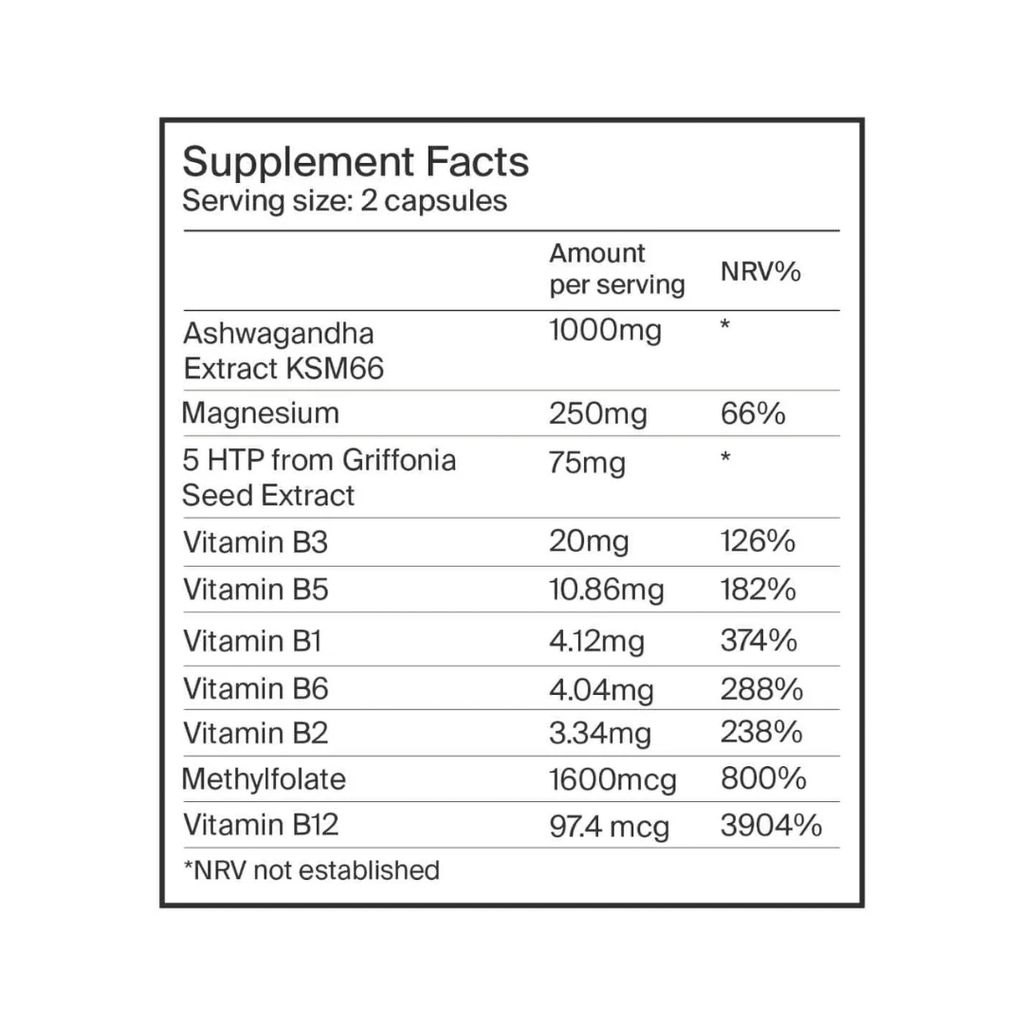
Use supportive nootropic blends like ARTAH Enhanced Nootropics, a comprehensive daily blend including Ashwagandha, designed to sustain clarity and reduce fatigue. Nootropics work to support vagus nerve activity by helping regulate stress hormones, balancing calming neurotransmitters, and activating the gut-brain axis. Ingredients like L-Theanine, targeted mushroom extracts, specific probiotics, and methylated B vitamins promote parasympathetic tone, aiding digestion, mood, and recovery through enhanced vagal signalling.

4. SLEEP
Studies show that vagal tone naturally increases during deep non-REM sleep. This stage is marked by greater parasympathetic dominance and higher heart rate variability.
Researchers found that increased cardiopulmonary coupling occurred during deep sleep. This means the heart and lungs were working in closer sync, which is a sign of stronger parasympathetic (rest-and-digest) activity.
This finding also indicates that the autonomic nervous system was regulating bodily functions more efficiently, supporting recovery, immune function and overall restoration during deep sleep.
Balancing vagal function before bedtime can also step-up sleep efficacy and next-day energy levels.
To support vagus function through sleep routines:
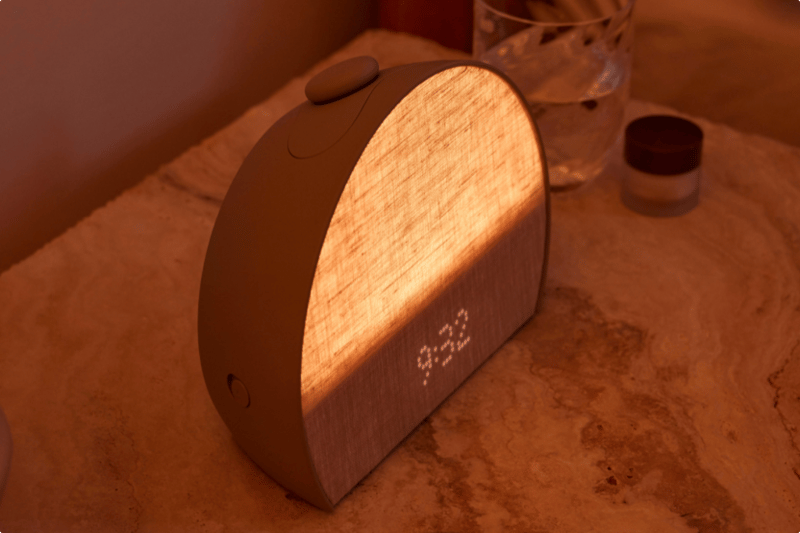
Maintain a consistent sleep routine for your bedtime and wake time, even on weekends. Circadian alignment supports vagal and hormonal rhythms.
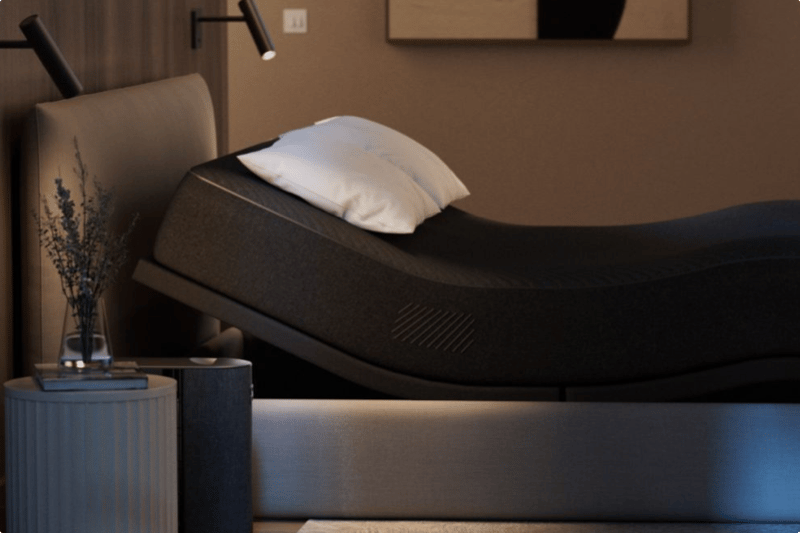
Sleep on your side, particularly the right. This position supports cardiac vagal modulation and is associated with more stable heart rate variability.
Use a weighted blanket such as the Bearaby Cotton Weighted Blanket. Deep pressure stimulation activates vagus-sensitive afferents and may reduce cortisol secretion.
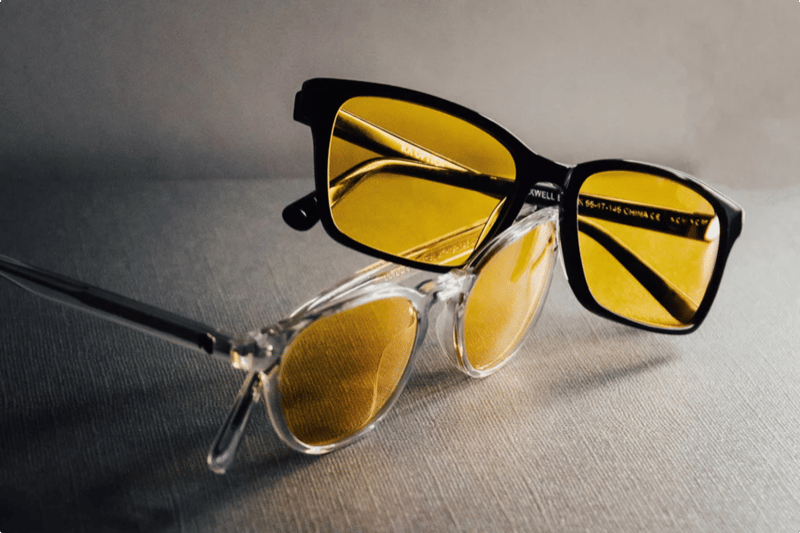
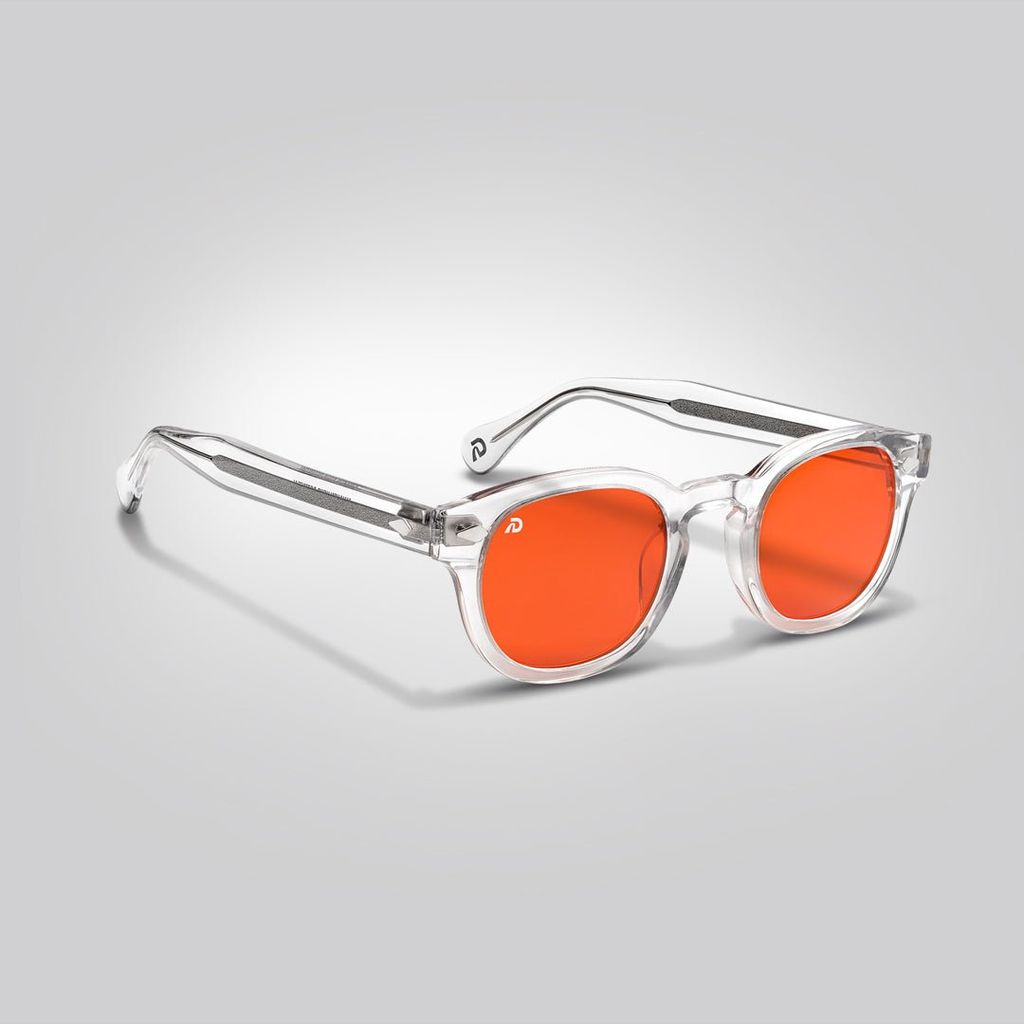
Minimise light disruption before bed. Light exposure, particularly to artificial blue light, can hinder the production of the hormone melatonin, which in turn impacts the body's parasympathetic nervous system (PNS) tone. Use blue-light filters such as Blue Light Glasses - Atlas Night to preserve melatonin output.
Expose your skin to early morning sunlight within 10 minutes of waking. This helps regulate melanocyte-stimulating hormone and circadian feedback loops.
Gargle when you brush your teeth. Gargling with water for 30–60 seconds activates muscles in the back of the throat connected to the vagus nerve. The vibration stimulates parasympathetic activity, helping to reduce stress and increase heart rate variability (HRV), a marker of good vagal tone and overall resilience.
Practise NSDR (Non-Sleep Deep Rest). Also known as yoga nidra, this guided practice uses slow breathing, gentle eye movements, body scans, and techniques like soft belly breathing or humming to stimulate the vagus nerve. It promotes parasympathetic activation, lowers heart rate, reduces stress, and helps recalibrate the nervous system before sleep.

How to build vagus nerve support into your routine
In clinical settings, vagus nerve stimulation (VNS) has been used for more than 30 years. It was first approved medically for epilepsy, then treatment-resistant depression and inflammatory diseases.
More recent studies have explored its role in PTSD, irritable bowel syndrome, rheumatoid arthritis and migraine. Many of these effects develop gradually over time through repeated stimulation.
At-home methods work on similar pathways to medical stimulation and work best with a consistent approach. That’s because the vagus nerve responds well to repetition and routine.
To keep a routine dedicated to keeping your vagus nerve happy, these inputs can be distributed across the day:
Morning: Symprove, cold exposure, vocal humming or chanting
Afternoon: Diaphragmatic breathing, light movement, Nurosym session
Evening: Weighted blanket, low-light environment, side sleeping
Building autonomic strength through VNS
What’s striking about vagus nerve stimulation is its wide-ranging impact as a “pacemaker for the brain” and the multisystem potential that it represents.
Over time, vagal stimulation practices help improve parasympathetic tone and reduce inflammatory signalling.
These changes depend on repeated exposure to movement, nutrients, breath patterns and temperature, knowledge we have held onto for millennia through yogic practices, herbal medicine and beyond.
Most importantly, these stimulation exercises can be seen as a gradual adaptation of autonomic response through targeted sensory input.
Vagal stimulation presents an antidote to the constant input of modern living
In a world that constantly asks more and more of us, these practices help establish the foundations of wellbeing such as the internal conditions for better digestion, recovery and mental clarity.
Shop the four pillars: EAT, MOVE, MIND, SLEEP at Healf and build a routine that supports stress recovery, mood balance and long-term resilience.
FAQs
What is the vagus nerve and why is it important?
The vagus nerve is the main communication highway between the brain and major organs. It helps regulate digestion, mood, inflammation, heart rate and recovery.
What does vagal tone mean?
Vagal tone describes how actively and effectively the vagus nerve functions. Higher tone is linked to better stress recovery, calm, digestion and emotional regulation. Vagal tone is measured using physiological markers such as heart rate variability (HRV). So, you can also participate in HRV tracking with WHOOP, to measure responses and progress.
How can I stimulate my vagus nerve?
Breathwork, cold exposure, singing or humming, side sleeping, gentle yoga and NSDR are all simple ways to support the vagus nerve at home. Add to that, a Nurosym session.
Which foods help support vagus nerve health?
Fermented foods, magnesium-rich greens, dark chocolate, oily fish, nuts and seeds all support the vagus nerve through the gut and nervous system. Supporting the microbiome with probiotic formulas such as Symprove also helps to create a stable gut environment.
Does breathing really help regulate the nervous system?
Yes. Breathing at a steady rhythm of 6 breaths per minute can lower stress, support heart rate variability and activate the body’s relaxation response.
How does sleep affect the vagus nerve?
Deep sleep strengthens vagal tone. Consistent routines, side sleeping and NSDR help the body stay in a parasympathetic state for overnight recovery. Use Blue Light Glasses - Atlas Night to block blue light at bedtime.



This article is for informational purposes only, even if and regardless of whether it features the advice of physicians and medical practitioners. This article is not, nor is it intended to be, a substitute for professional medical advice, diagnosis, or treatment and should never be relied upon for specific medical advice. The views expressed in this article are the views of the expert and do not necessarily represent the views of Healf
Pippa is a content writer and qualified Nutritional Therapist (DipNT) creating research-based content with a passion for many areas of wellbeing, including hormonal health, mental health and digestive health.
As a contributor to The Healf Source, she regularly attends seminars and programmes on a plethora of contemporary health issues and modern research insights with a drive to never stop learning. In addition, interviewing experts and specialists across The Four Pillars: EAT, MOVE, MIND, SLEEP.
In her spare time, she is an avid swimmer, mindfulness and yoga lover, occasionally bringing a raw, honest approach to the topics she faces. You may also discover some personal accounts of eye-opening wellbeing experiences amidst the reality of a disorientating, and often conflicting, modern wellbeing space.