
























_Madeline_Spanier_Photos_ID7424.jpg)
Natural Headache Relief: What Actually Works, According To Experts
From dehydration and migraines to muscle tension and caffeine withdrawal, a GP and nutritionist explain what different headaches feel like, why they happen, and the evidence-backed ways to relieve them without popping painkillers.
-3.jpg)
Written by: Samantha Nice
Written on: 29 July 2026
A headache usually ends with a painkiller. You wait for it to kick in and get on with your day. The problem is that headaches aren’t all the same. A migraine after a poor night's sleep, a tension headache after hours at your desk, and a headache caused by dehydration may feel similar, but they're driven by very different things.
"The vast majority of headaches I see are primary headaches, mainly tension-type headaches and migraines," says ‘The Irish GP’ Dr. Gareth Patterson, MRCGP, MRCPCH, DCH. "Tension headaches are often linked to stress, poor posture, and muscle tightness. Migraines are more neurological, often with triggers like hormonal changes, sleep disruption, or certain foods. I also see headaches related to dehydration, caffeine withdrawal, and medication overuse."
What you've eaten and drunk throughout the day can be just as telling. Nutritionist Jenna Hope, RNutr, MSc, says dehydration, fluctuating blood sugar, alcohol, and changes in caffeine intake are among the most common dietary causes. Some people also notice they get headaches after eating foods that contain monosodium glutamate (MSG), artificial sweeteners, citrus fruits, or dark chocolate.
The best way to get rid of your headache, outside of popping a painkiller, is to truly understand what’s causing it. Once you know what's driving it, you can choose the right natural remedy that will not only address the pain but prevent it from coming back hours later.
What kind of headache do you have?
Where the pain is, how it feels, and what happened beforehand can all offer clues about what's causing it. Although headaches aren't always easy to categorise, recognising patterns can point you in the right direction.
Tension headache
What it feels like:
"Tension headaches tend to feel like a dull, tight band around the head. They're usually mild to moderate and not usually disabling," says Dr. Patterson. Unlike migraines, tension headaches don't usually cause nausea or sensitivity to light and sound.
Common causes:
- Stress
- Tight muscles in the neck and shoulders
- Poor posture
- Long periods sitting at a desk
- Extended screen time
Migraine
What it feels like:
"Migraines are typically one-sided, throbbing, and more severe. They're often accompanied by nausea, and sensitivity to light or sound, and can last hours to days. If someone needs to lie down in a dark room, that's more suggestive of a migraine," says Dr. Patterson. They can last anywhere from four hours to several days.
Common causes:
- Hormonal changes
- Poor or disrupted sleep
- Stress
- Dehydration
- Individual food triggers
- Changes in routine
Dehydration headache
What it feels like:
A general aching headache that develops after prolonged exercise, hot weather, drinking alcohol, or just not drinking enough. You may also feel thirsty, notice a dry mouth or find your urine is darker than usual. "Even mild fluid loss can lead to headaches, likely due to changes in blood volume and brain signalling," says Dr. Patterson.
Common causes:
- Not drinking enough fluids
- Sweating heavily
- Hot weather
- Alcohol
- Endurance exercise
Low blood sugar headache
What it feels like:
A headache that develops after going several hours without eating. It may be accompanied by nausea, irritability, difficulty concentrating, or a shaky feeling. Hope explains that skipping meals doesn't just leave you feeling hungry. "It can cause blood glucose levels to fall and this in turn can contribute to headaches and feelings of nausea."
Common causes:
- Skipping meals
- Long gaps between meals
- Large swings in blood sugar
- Intense exercise without enough fuel
Caffeine withdrawal headache
What it feels like:
A gradually developing headache that appears after delaying or reducing your usual intake of coffee, tea, or energy drinks. It typically starts within 12 to 24 hours of your last dose of caffeine.
Common causes:
- Missing your usual morning coffee
- Cutting back on caffeine too quickly
- Large day-to-day changes in caffeine intake
Hope says caffeine can work both ways. "Caffeine withdrawals can contribute to headaches and for some people too much caffeine can make headaches worse too. It often depends on how well an individual metabolises caffeine as to whether or not it's helpful or a hindrance."
Although recognising different headache types is useful, the cause isn't always clear-cut. Several factors can build over the course of a day, making a headache much more likely.
"Irregular sleep, high stress, skipping meals, dehydration and excess caffeine are big ones," says Dr. Patterson. "Alcohol, especially red wine, is a likely trigger for some. Screen time and poor posture can also induce tension headaches."
That's where natural remedies become much more effective. Matching the treatment to the likely cause gives you a much better chance of finding relief.
The natural headache remedies with the strongest evidence
Not every natural headache remedy works for every type of headache. Drinking more water won't relieve a caffeine withdrawal headache, while another coffee is unlikely to help if you're developing a migraine. The best place to start is with the most likely cause.
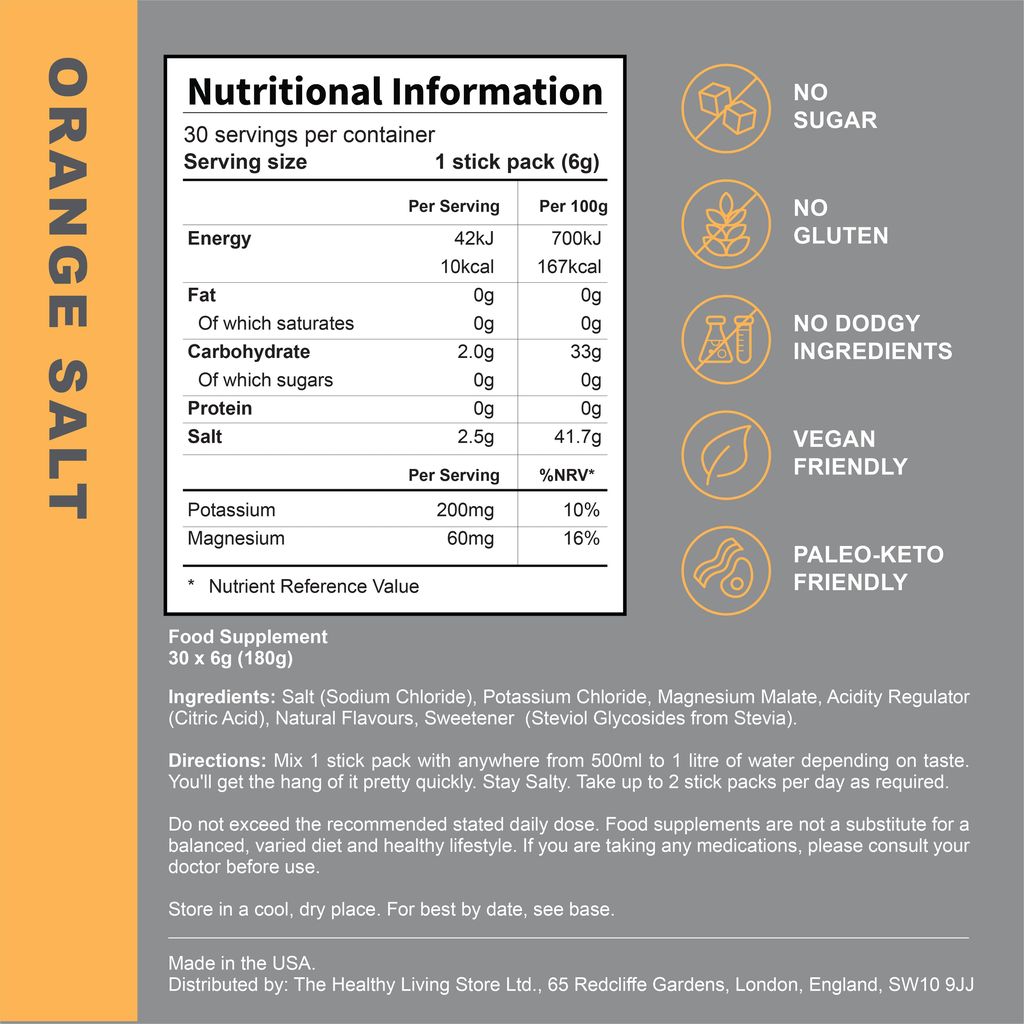
Rehydrate if dehydration is the cause
You don’t have to be severely dehydrated to develop a headache. Even relatively small fluid losses can affect blood flow to the brain and disrupt electrolyte balance, making headaches more likely. Hope explains that several changes happen at once. "Staying hydrated helps the brain to function optimally and dehydration causes increased blood pressure, reduced blood flow to the brain and can alter electrolyte balance, all of which can bring on headaches."
This is why headaches often creep up after a long run, a hot day, a flight, or a night of drinking, especially if you've not replaced the fluids you've lost.
Try this:
- Drink 500–750ml of water over the next hour.
- Add electrolytes after exercise, heat, or alcohol.
- Skip alcohol until the headache has eased.
If you’re feeling better within a couple of hours after doing this, dehydration was probably the culprit.

Eat regularly to keep blood sugar stable
Your brain relies on a steady supply of glucose for energy. Going long periods without eating, or swinging between very high and very low blood sugar levels, can reduce that supply and cause headaches in some people. "Skipping meals can cause blood glucose levels to fall and this in turn can result in headaches and feelings of nausea," says Hope.
She adds that fluctuations can be just as problematic as low blood sugar itself. "When blood sugar levels fluctuate too much, this can change the glucose supply to the brain and in turn alter brain function. One of the symptoms of this can be headaches."
Try this:
- Eat protein before reaching for sugar.
- Pair carbohydrates with protein or healthy fats.
- Don't go longer than four to five hours without eating.
- Fuel properly before long workouts.
If headaches regularly develop late morning or mid-afternoon, avoid leaving more than four to five hours between meals.
Release muscle tension in the neck and shoulders
Tension headaches don't usually start in the head. They often start with tight muscles in the neck, shoulders, and upper back, especially after hours spent sitting at a desk or looking down at a phone. As those muscles tighten, they can irritate pain-sensitive nerves around the scalp and neck, creating the familiar feeling of pressure across the head. Dr. Patterson says stress, poor posture, and muscle tightness are among the most common causes of tension headaches.
Try this:
- Apply heat for 10 to 15 minutes.
- Stand up and move every hour.
- Stretch your neck and shoulders.
- Raise your screen to eye level.
Stick to a consistent sleep schedule
Sleep and headaches have a two-way relationship. Poor sleep increases the chances of headaches, while headaches themselves can make it harder to sleep. According to Dr. Patterson, sleep disruption is one of the most common migraine triggers he sees in clinical practice.
Research also shows that keeping a consistent sleep schedule appears more effective than trying to catch up on the weekend. Large swings in sleep timing can disrupt your body clock and trigger migraines in those who are prone to them.
Try this:
- Wake up at the same time every day, even on the weekend.
- Aim for seven to nine hours of sleep.
- Skip alcohol close to bedtime.
- Track your sleep if headaches keep returning.
Use caffeine strategically
Caffeine can be both a remedy and a cause of headaches. Small amounts can help some headaches by narrowing blood vessels and improving the effectiveness of certain painkillers. Suddenly stopping caffeine, however, can lead to withdrawal headaches as blood vessels widen again.
"Caffeine withdrawals can contribute to headaches and for some people too much caffeine can make headaches worse too," says Hope. "It often depends on how well an individual metabolises caffeine as to whether or not it's helpful or a hindrance."
Try this:
- Keep your caffeine routine consistent.
- Cut back gradually, not overnight.
- Don't use coffee to mask poor sleep.
Cool a migraine with cold therapy
Cold therapy is one of the quickest non-medical approaches for migraine relief. Applying something cold to the head or neck causes blood vessels near the skin to narrow and slows pain signals travelling through nearby nerves. It won't stop every migraine, but research suggests it can reduce pain intensity for some people, particularly when used early.
While cold therapy has been studied primarily in migraines, it isn't thought to be as effective for tension headaches, where muscle tightness is usually the main driver.
Try this:
- Apply a cold pack for 10 to 15 minutes.
- Rest somewhere dark and quiet.
- Speak to your GP if migraines become more frequent.
Reduce stress before it becomes a headache
Stress doesn't just affect how you feel mentally. It can increase muscle tension around the neck and shoulders, alter pain perception and make migraines more likely.
Dr Patterson says stress is another big headache inducer that he sees a lot in practice and highlights relaxation techniques, mindfulness and cognitive behavioural therapy (CBT)-based approaches as some of the natural treatments with the strongest evidence. Research suggests these techniques are most effective when practised regularly rather than waiting until a headache has already started.
Try this:
- Build five minutes of breathing or mindfulness into your day.
- Walk after stressful periods.
- Consider CBT if stress is a regular cause.
- Make recovery part of your routine.
Instead of trying to cut stress altogether, focus on giving your body regular opportunities to switch out of stress mode.
Which supplements are worth considering?
Supplements aren't the first place to look for headache relief. If dehydration, poor sleep, irregular meals, or excess caffeine are driving your headaches, addressing those habits is likely to have a much bigger impact. For recurrent migraines, however, there are a handful with better evidence than the rest.
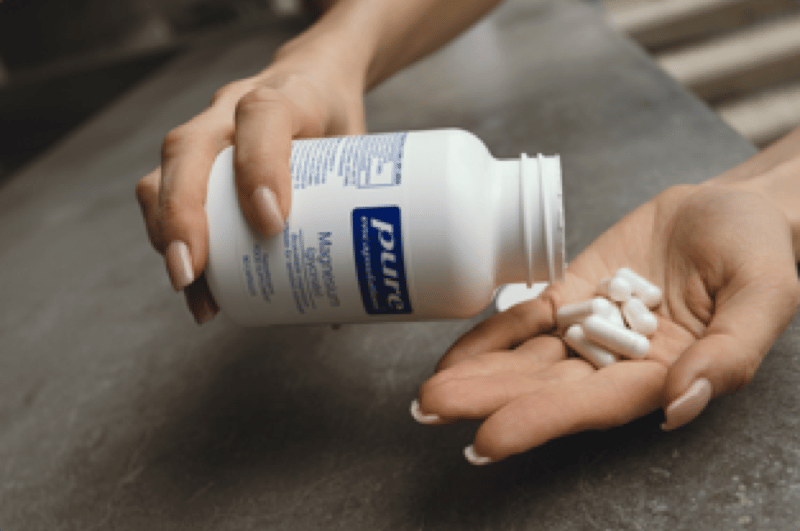
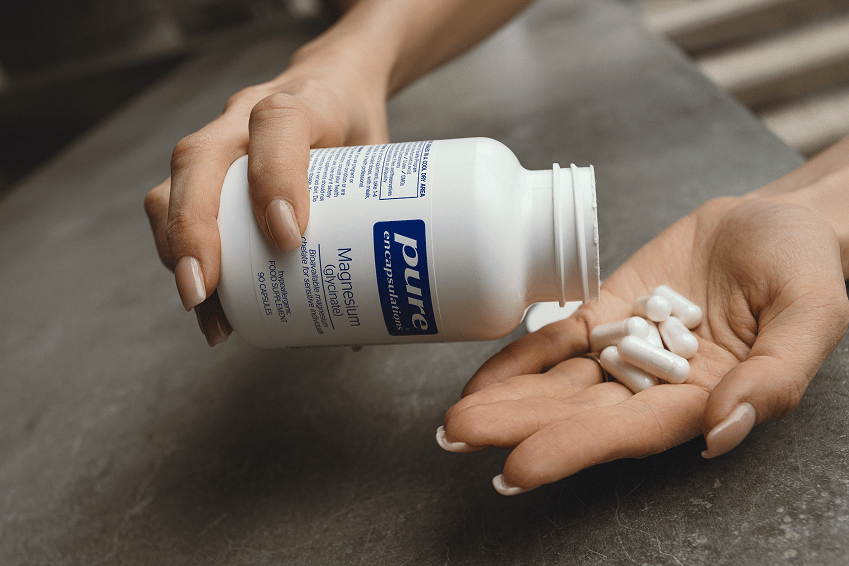
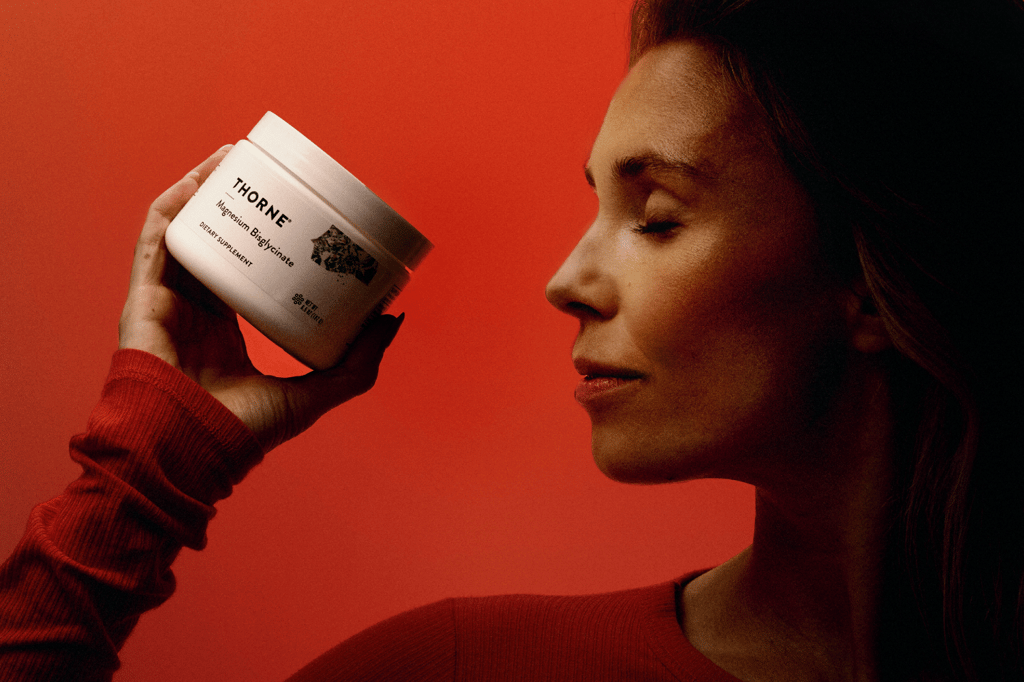
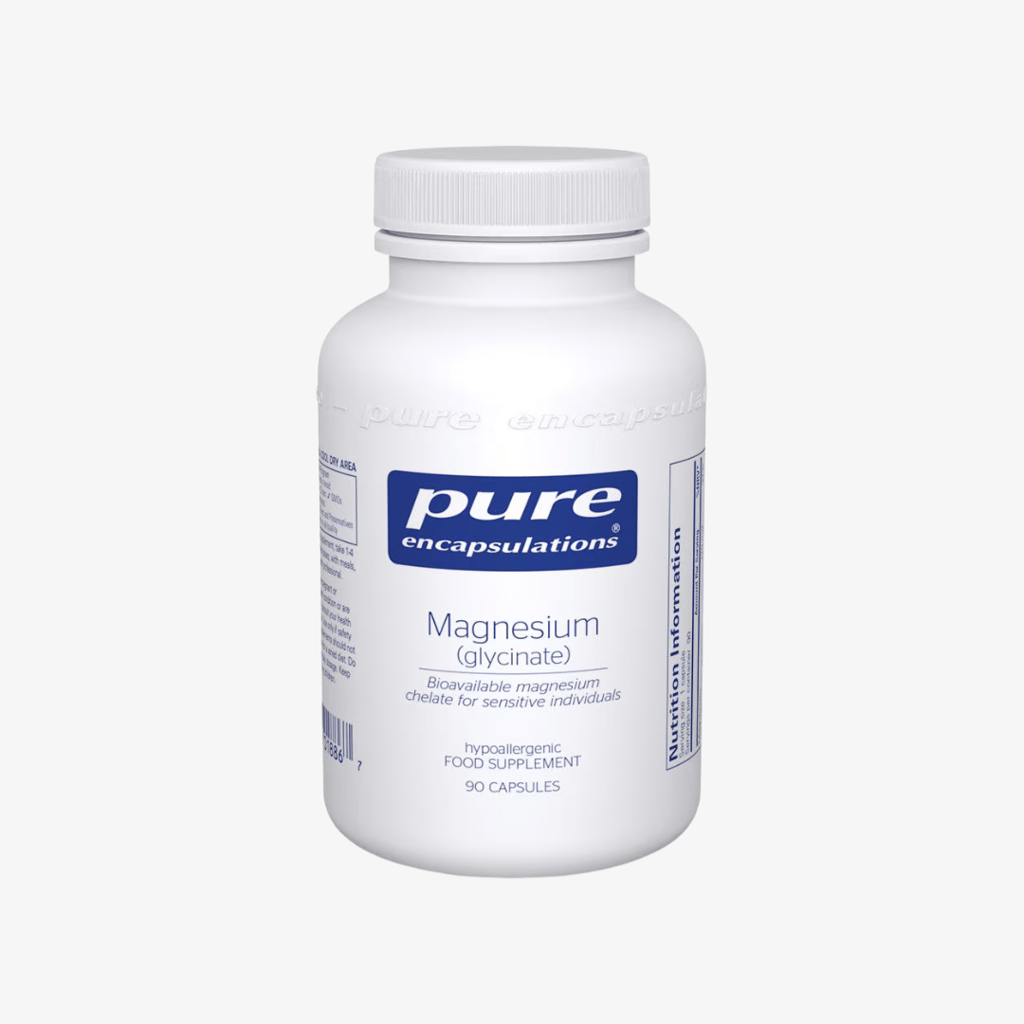
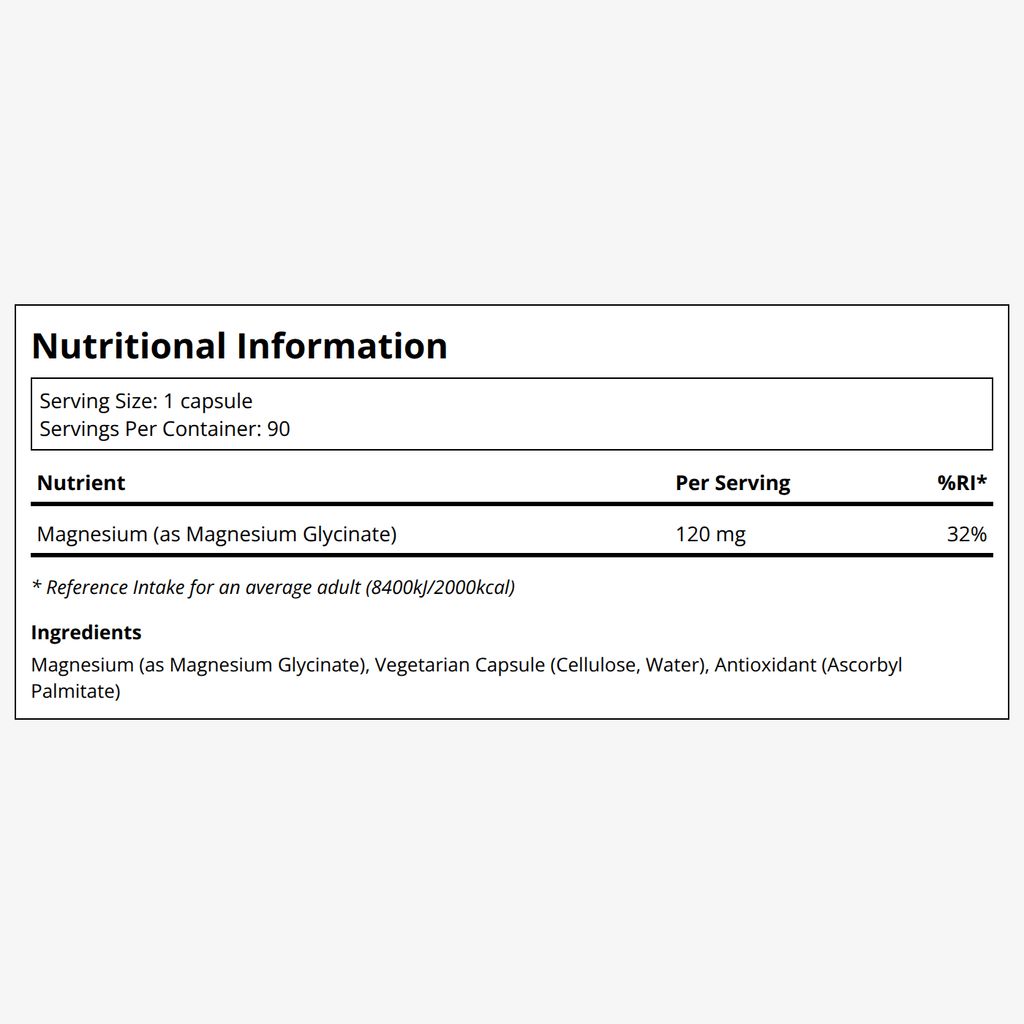
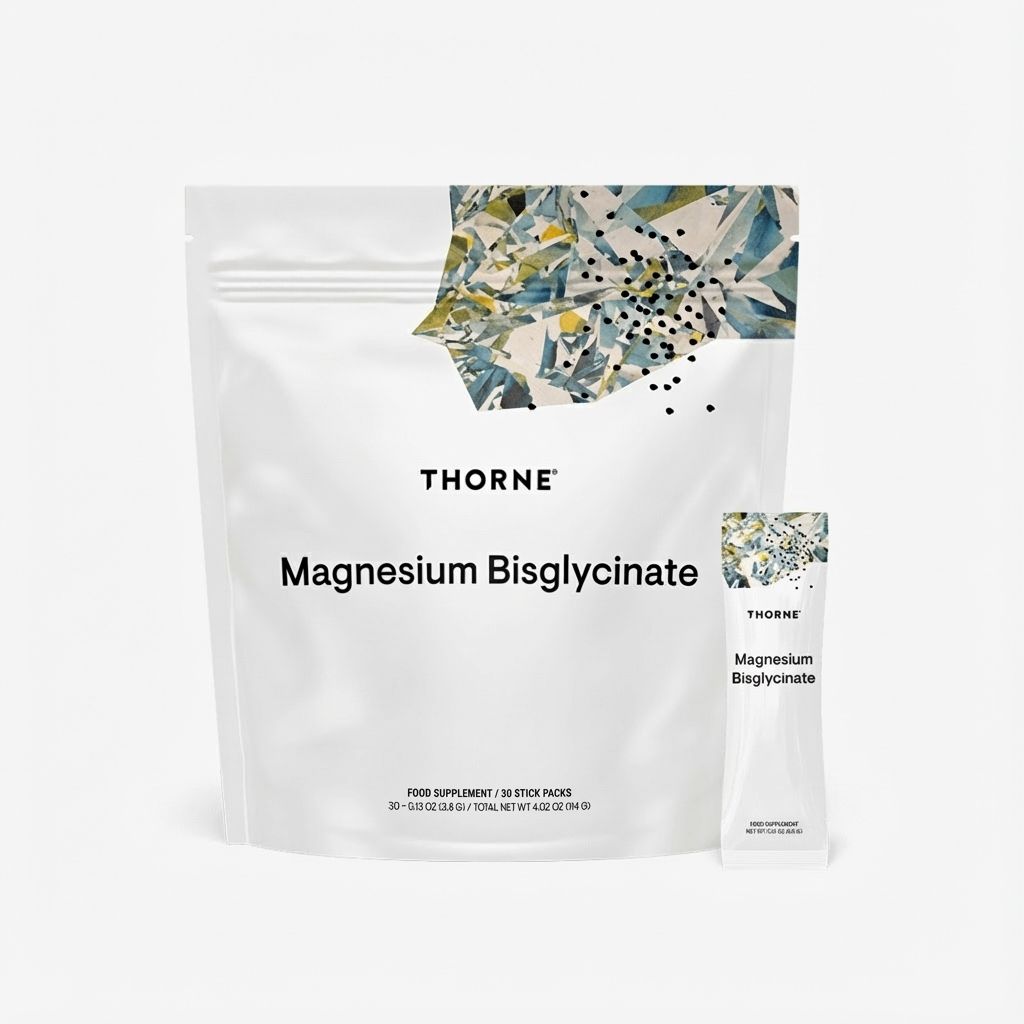
If you're considering one supplement, make it magnesium. It's the first recommendation from both experts and has the strongest evidence for supporting migraine prevention, per Dr. Patterson, while Hope explains that magnesium helps regulate nerve signalling, inflammation, and blood vessel function, all of which are involved in migraines. If you choose to supplement, magnesium bisglycinate is generally well absorbed and well tolerated.
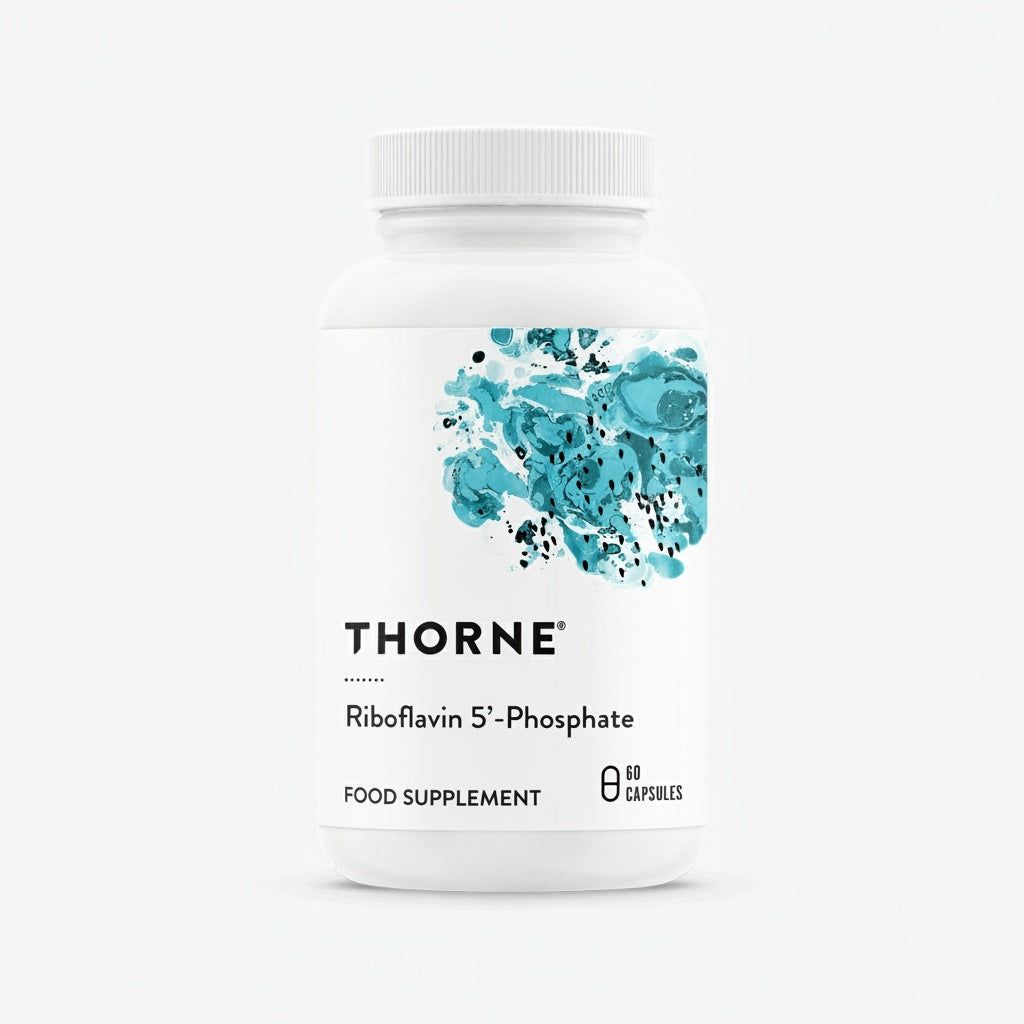
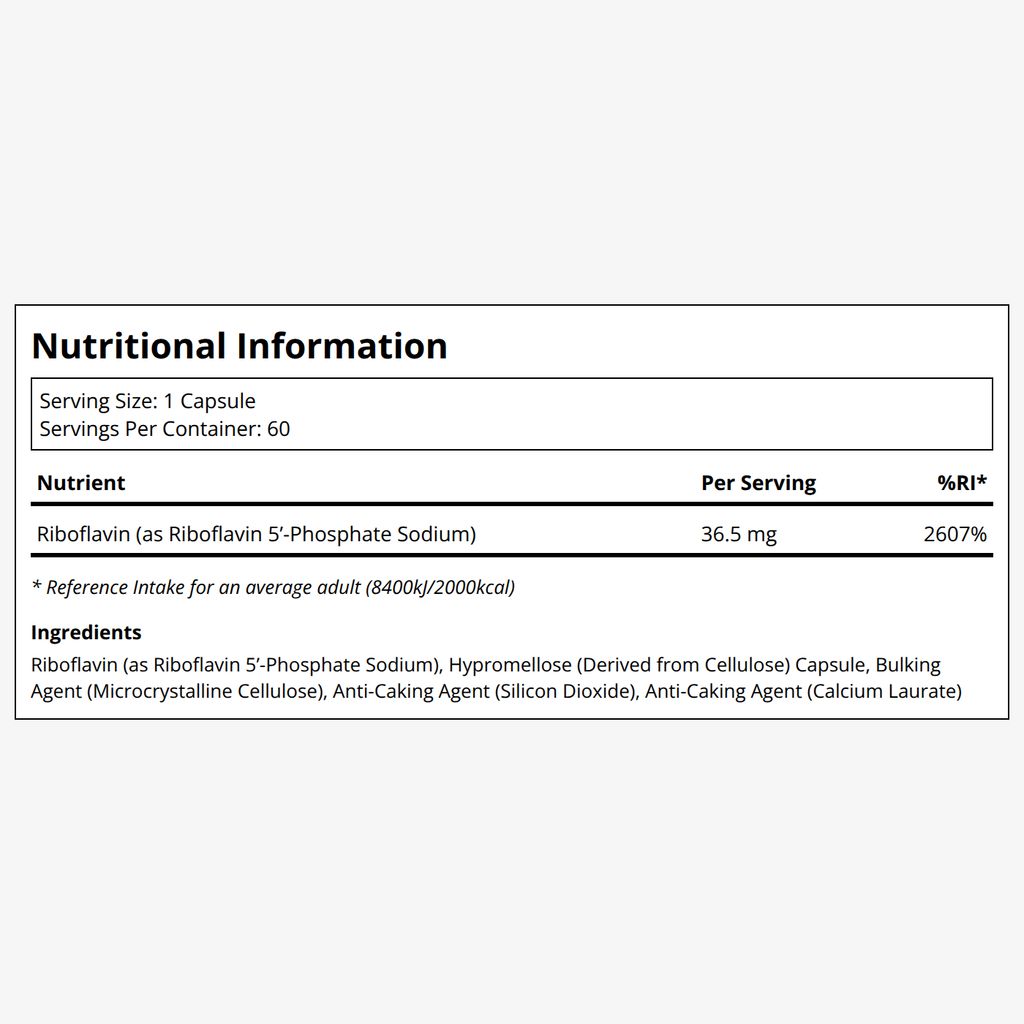
Riboflavin (vitamin B2) also has good evidence. In fact, NICE advises that 400mg daily may help reduce the frequency and intensity of migraines for some.
The evidence for CoQ10 and omega-3 is less consistent, although some studies suggest they may reduce migraine frequency in certain people. Hope recommends prioritising dietary sources of omega-3 before considering supplements.

When should you see your GP about a headache?
Most headaches should improve with hydration, rest, food, or pain relievers. Some, however, shouldn't be managed at home. Dr. Patterson recommends booking in with your GP if your headaches are new, becoming more frequent, changing in pattern, or no longer responding to your usual treatment. If you're needing painkillers several times a week, it's also worth reviewing what's causing the headaches, as frequent use can sometimes make them worse.
Seek urgent medical attention if a headache:
- Comes on suddenly and reaches maximum intensity within seconds
- Follows a head injury
- Is accompanied by confusion, weakness, difficulty speaking, or changes in vision
- Develops alongside a fever, stiff neck, or rash
- Is triggered by coughing, sneezing, or exercise and feels unusually severe
- Wakes you from sleep or is noticeably different from headaches you've experienced before
While these situations are uncommon, they're not headaches you should try to self-treat.
Your headache questions, answered
What is the fastest natural headache relief?
That depends on what's causing the headache. If dehydration is the cause, drinking fluids may help within a couple of hours. If you've skipped a meal, eating a balanced meal or snack is likely to be more effective. Tension headaches may ease with heat, stretching, and movement, while migraines often respond best to rest in a dark room, cold therapy, and identifying personal triggers.
Can dehydration cause headaches?
Yes. Even mild dehydration can cause headaches by reducing blood volume, altering blood flow to the brain, and disrupting electrolyte balance. Headaches that develop after exercise, hot weather or alcohol are particularly likely to improve once fluids are replaced.
Does magnesium help headaches?
Magnesium has the strongest evidence of any supplement for helping prevent recurrent migraines. It isn't designed to stop a headache once it has started, but it may reduce how often migraines occur in people with low magnesium intake or recurrent migraine.
Which foods can trigger headaches?
This varies a lot, but alcohol, caffeine withdrawal, foods containing monosodium glutamate (MSG), artificial sweeteners and, for some people, citrus fruits or dark chocolate may contribute. Skipping meals and large swings in blood sugar are also frequent culprits.
Can stress cause headaches?
Yes. Stress is one of the most common causes for tension headaches because it increases muscle tension around the neck and shoulders. It can also cause migraines in susceptible people, which is why relaxation techniques such as mindfulness and cognitive behavioural therapy (CBT) are recommended by Dr. Patterson as part of long-term headache management.
Why do I keep waking up with a headache?
Morning headaches can have several causes, including poor sleep, dehydration, excess alcohol, caffeine withdrawal, teeth grinding, or sleep disorders such as obstructive sleep apnoea. If they're happening regularly or becoming more severe, it's worth speaking to your GP.
How long should a headache last?
It depends on the type. Tension headaches can last from 30 minutes to several hours, while migraines commonly last between four and 72 hours. If headaches become more frequent, more severe, or change noticeably, seek medical advice rather than continuing to self-treat.


This article is for informational purposes only, even if and regardless of whether it features the advice of physicians and medical practitioners. This article is not, nor is it intended to be, a substitute for professional medical advice, diagnosis, or treatment and should never be relied upon for specific medical advice. The views expressed in this article are the views of the expert and do not necessarily represent the views of Healf
Samantha Nice is a seasoned wellness writer with over a decade of experience crafting content for a diverse range of global brands. A passionate advocate for holistic wellbeing, she brings a particular focus to supplements, women’s health, strength training, and running. Samantha is a proud member of the Healf editorial team, where she merges her love for storytelling with industry insights and science-backed evidence.
An avid WHOOP wearer, keen runner (with a sub 1:30 half marathon) hot yoga enthusiast and regular gym goer, Samantha lives and breathes the wellness lifestyle she writes about. With a solid black book of trusted contacts (including some of the industry’s leading experts) she’s committed to creating accessible, well-informed content that empowers and inspires Healf readers.