



























Can Vagus Nerve Stimulation Help You Achieve A PB?
A calmer nervous system might be the most underrated performance hack. Here’s how Nurosym could help you run faster.

Written by: Samantha Nice
Written on: 21 January 2026
If you’re a runner, you already know the truth: PBs aren’t just built on mileage. They’re built on recovery, on sleep and on how quickly your nervous system can downshift after a hard session. They’re also shaped by what you’ve eaten, how hydrated you are, how stressed you’ve been all week and sometimes, whether it’s simply your day or not.
That’s why vagus nerve stimulation has suddenly become a hot topic in performance circles. Once mostly associated with stress and sleep, it’s now being explored by runners chasing PBs and performance goals for its potential to support HRV, resilience, recovery and focus - all the stuff that quietly decides whether your training actually translates into speed.
Enter Nurosym… a science-backed, non-invasive vagus nerve stimulation device, it uses gentle electrical impulses via the vagus nerve to help regulate the nervous system. With 50+ clinical studies, it’s the most studied in the space, and unsurprisingly, it’s gaining quite a bit of attention with runners looking for an edge that isn’t more caffeine, more energy gels or simply pushing harder.
So, what does vagus nerve stimulation actually do and can it genuinely help you perform better? Here’s the science, the practical takeaways and how one of our very own Healf team members used Nurosym alongside his own training.
What is vagus nerve stimulation and why are runners talking about it?
The vagus nerve is best thought of as your body’s main “calm and recover” communication line. It runs from the brain down into the chest and abdomen, helping regulate things like your heart rate, breathing, digestion, inflammation and stress response.
For runners, that matters more than most realise. Because training isn’t just about pushing harder, it’s about how efficiently your nervous system can downshift after stress, so your body can actually recover, adapt and get fitter.
This is where vagus nerve stimulation (VNS) comes in. It’s a technique designed to gently activate the vagus nerve, helping your body shift toward a more parasympathetic (rest and digest) state. Put simply, it’s a way of nudging your system out of fight-or-flight and into recovery mode.
And while VNS has been discussed for years in clinical and medical settings, it’s now getting a lot more attention because runners are realising that HRV, sleep quality, resilience and recovery capacity can make or break progress just as much as mileage.
If you want to go deeper into why the vagus nerve is being talked about so much right now, Tim Ferriss has been ahead of the curve on this one. In an interview with neurosurgeon Kevin J Tracey, they looked at how the vagus nerve may influence inflammation and why therapies and daily practices that support vagal tone could be a powerful lever for long-term resilience. Read more about this here - What Does Tim Ferriss Say About Vagus Nerve Stimulation? You can also read our full in-depth breakdown here - Vagus Nerve Stimulation: The Ultimate Guide
Nervous system load: The performance bottleneck most runners miss
A lot of runners assume that if their training isn’t working, they need to train harder with more mileage, more sessions and more grit. But the truth is, most runners don’t have a training problem… they have a recovery capacity problem.
Because your body doesn’t separate stress, it doesn’t care whether the stress is from a brutal interval session, a late night, a work deadline, under-fuelling or scrolling until midnight. It’s all just bucketed as stress. When your nervous system is carrying too much of it, performance tends to stall.
That’s why you can be technically fit, but still not feel good. You can be hitting your paces, but feeling flat. You can be doing all the right things, but never really bouncing back. A few classic signs you might be under-recovered include things like:
Persistent heavy legs even if you’ve not been strength training
Poor sleep or waking up feeling unrefreshed even if you have slept well
Low motivation or mental resistance to training
Feeling unusually anxious before sessions or races
More niggles, tightness or recurring soreness
HRV stats trending downwards while resting heart rate is on the up
If any of these sound familiar, poor recovery could very well be the missing piece.
How vagus nerve stimulation may support your running performance
When runners talk about vagus nerve stimulation for running performance, they’re not usually expecting a magical speed switch. The more realistic idea is that it may support the systems that help you train consistently, recover well and stay mentally steady under pressure.
Essentially it’s not about running harder, it’s about making the work you’re already doing better. Here are a few of the runner-relevant benefits that vagus nerve stimulation may help you with:
Supporting your recovery mode (parasympathetic activation)
Hard training pushes you into sympathetic mode. That’s both normal and necessary. The issue is when your body struggles to leave that state. If you stay wired, tense or overstimulated for hours (or even days) recovery gets weaker and fatigue builds. Vagus nerve stimulation may help support the shift back towards a calmer baseline which is a big win.
HRV support (the metric runners track for a reason)
HRV (heart rate variability) is often used as a great measure for recovery and nervous system balance. A higher HRV is generally associated with better resilience and recovery readiness. Because the vagus nerve plays such a central part in parasympathetic function, stimulating it may support HRV improvements… especially for those whose HRV is suppressed by stress, poor sleep or high strain. In fact, Nurosym’s clinical data reports a >50% increase in high-frequency HRV within just five minutes of stimulation.
Better sleep
A cliché because it’s true, you really don’t get fitter during training, you get fitter during recovery. Sleep is one of the biggest levers for that. If vagus nerve stimulation helps you switch off more effectively at night, it can have a positive impact on your ability to fall asleep quicker and get better quality sleep too. This will undeniably feed into better training quality.
Improved stress resilience and steadier performance
Running is as much nervous system management as it is fitness. If you’re constantly stressed, your perceived effort rises, your tolerance drops and training feels annoyingly harder than it should. Supporting nervous system regulation may help you feel more emotionally steady through harder blocks and that can be a huge help for staying consistent.
Feeling calmer on race day
PBs aren’t only about fitness; they’re about how well you execute on the day. Staying calm, pacing well and resisting the urge to panic when discomfort kicks in. A steadier nervous system helps you race with control and match the training you’ve put in.
Nurosym explained: What it is and how it works
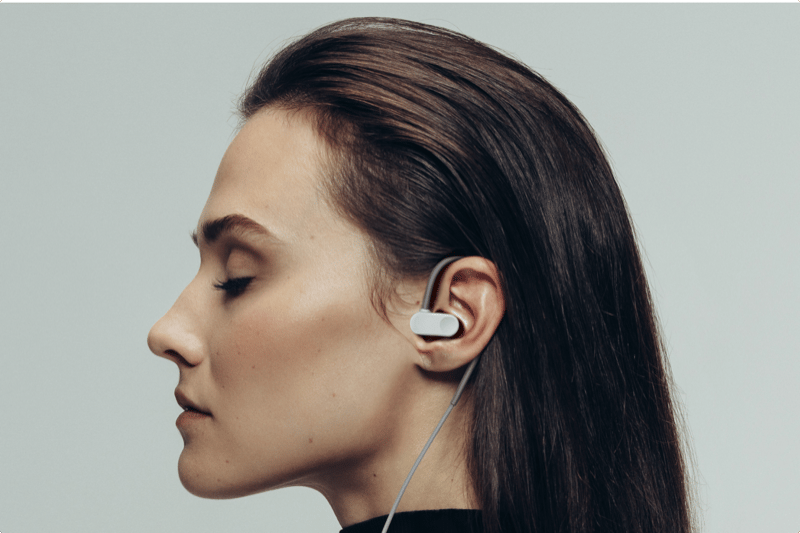
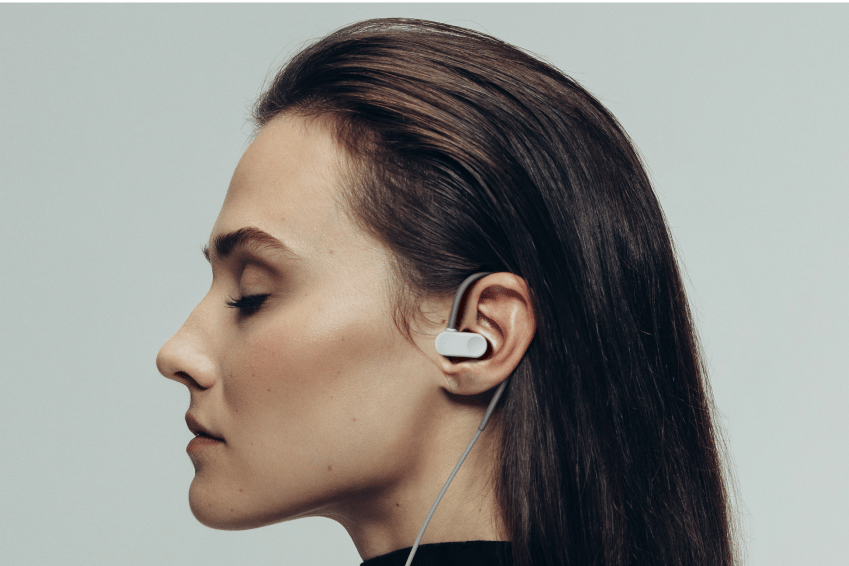
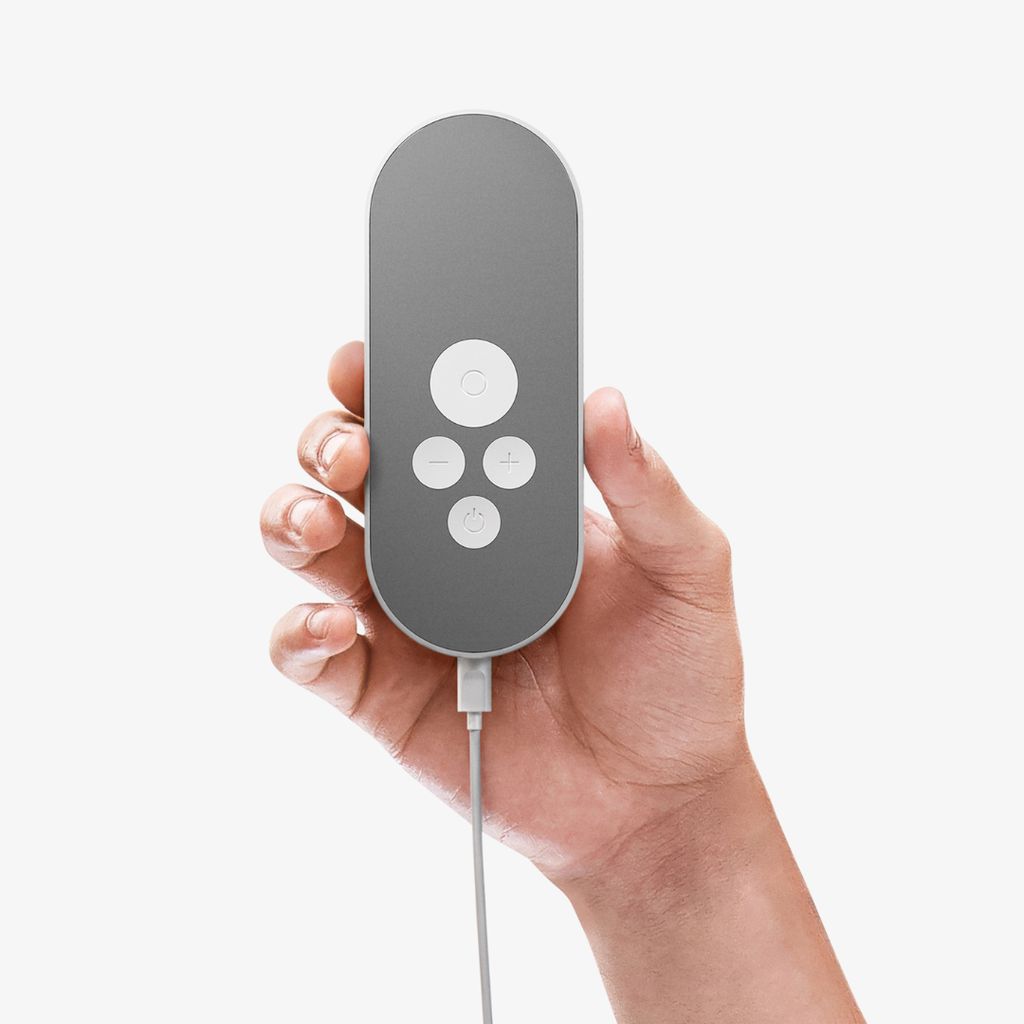
Sold on the idea? We thought you may be. Here’s where Nurosym comes in. A non-invasive, precision vagus nerve stimulation device, it delivers gentle electrical impulses via the ear to target vagus nerve pathways. Dubbed the most studied, non-invasive vagal neuromodulation system in the world, it’s backed by an impressive amount (50+) of clinical studies. Nurosym was designed to support an impressive amount of things linked to nervous system regulation, including:
Activating the relaxation side of the nervous system
Enhancing recovery and self-repair mechanisms
Building stress resilience and emotional balance
Supporting cardiovascular health (including HRV)
Improving sleep, focus and cognitive function
Supporting digestion through the gut-brain axis
Helping reduce inflammation and discomfort linked to dysregulation
For runners, the appeal is pretty simple since it targets the nervous system layer that often determines whether training feels smooth and sustainable, or like you’re constantly forcing it.

What this could look like in a runner’s week (simple, realistic ways to use it)
In terms of how runners can actually use Nurosym, it fits nicely into a few different spots:
After hard sessions (like intervals, hills or tempo work): this is when your nervous system is naturally most revved up. Using Nurosym post-run can help your body down-regulate faster, so you’re not carrying that wired-but-tired feeling into the rest of the day or into your next session.
In the evening, when you want to properly switch off: plenty of runners struggle with sleep not because they’re not tired, but because their nervous system is still firing. Nurosym can again be a useful tool here, especially if you’re the type to finish work late, train after hours or feel like your brain is still running splits at midnight.
On rest days (or low-intensity days): recovery isn’t passive; it’s active repair. A calmer nervous system supports better digestion, hormone signalling, immune function and muscle recovery, all of which ultimately feeds back into performance.
Race week (when you want calm vibes not chaos): the goal isn’t to feel sleepy, it’s to feel steady and ready For runners who get pre-race jitters, poor sleep or that slightly frantic feeling, VNS can support a more grounded baseline, without needing to hype yourself up or rely on extra stimulants.
Basically Nurosym fits best around the edges of your training… the moments where your body needs to recover, regulate and reset, so that when it’s time to go again, you’re actually ready.
PB potential: What can improving your recovery actually change?
This is where it gets exciting and honestly, where most runners miss the biggest opportunity. The biggest gains don’t come from one great session. They come from stacking consistent weeks where your body can handle the work and actually adapt. Better recovery can mean more good sessions in a row, better sleep before big runs, less emotions around training, less fatigue between runs and fewer mystery weeks where you feel flat for no real reason. Over time, that compounds. And compounding is how PBs happen.
So who is this actually for (and when is it probably not necessary)
Nurosym may be especially relevant if you’re training hard but feeling constantly tired, struggling with sleep, seeing consistently low HRV or carrying fatigue between sessions. It may also be a good idea if you’re dealing with high stress alongside training or if you’re coming back from illness and your nervous system feels stuck in overdrive.
On the flip side, if you’re new to running and still building your foundations, you’ll probably get bigger gains from the basics first. This looks like prioritising getting enough sleep, eating enough food and a sensible plan with easy runs slotted in.
It’s also worth saying pretty clearly here that no device can replace under-fuelling, sleep deprivation or a training plan that’s too much too soon. But if your foundations are decent and your nervous system is the limiting factor, that’s where VNS becomes genuinely interesting.
A Healf-team member’s experience: How Nurosym fitted into his training for some real-world proof
To make this more even tangible, one of our very own Healf team members, Conor can really vouch for how Nurosym changed his training. For him, the appeal wasn’t about eliminating stress completely. It was about improving his tolerance to it.
“I am acutely aware of the physical and mental toll of stress, but I find the majority of conversation is around changing lifestyle factors to reduce stress, rather than strategies which allow me to mitigate it through increased tolerance,” explains Conor.
In terms of how he used it, he kept it simple and consistent. “In the evening, as soon as I get in from work I’ll start using it until I sleep,” he says. “On weekends, I’ll use it in the morning too.” The first thing he noticed was improvements with his sleep. “The speed at which I fall asleep has noticeably increased,” he says. “I have memorable dreams a lot more often than I used to too.”
But the biggest difference showed up where runners care most… training consistency and recovery. “Most importantly, I find I am not carrying fatigue between training sessions in the same way.” And performance-wise, Conor noticed his running times were 11% faster which speaks volumes.
The takeaway: A calm runner is a fast runner
If you want to run faster, you obviously need to train hard, but you also need a nervous system that can recover hard. That’s why vagus nerve stimulation for running performance is having such a moment. It’s not a shortcut. It’s a support layer for the part of performance most runners overlook until they hit a wall - recovery and resilience.
Parasym (the company behind Nurosym) pioneered the science in this space and Nurosym is the most credible tool in the space, backed by clinical research and designed to actually help regulate the nervous system which can all support better sleep, steadier HRV, improved recovery signals and calmer focus.
PBs don’t just come from effort, they come from what happens after the effort too.
Your most asked vagus nerve stimulation and running performance questions, answered
What is vagus nerve stimulation (VNS)?
Vagus nerve stimulation is a technique that sends gentle signals to the vagus nerve to help regulate the autonomic nervous system. The goal is to support a shift toward a calmer, recovery-ready state, which can influence sleep, stress resilience and overall performance readiness.
How could vagus nerve stimulation help runners specifically?
Running performance isn’t just fitness… it’s how well you recover, how resilient you are under load and how consistently you can train. VNS may support this by helping regulate stress responses, supporting better sleep quality and improving recovery signals that influence training consistency.
Can vagus nerve stimulation improve HRV?
Potentially, yes. HRV is often used as a marker of nervous system balance and recovery. Because the vagus nerve plays a key role in parasympathetic activity, stimulating it may support HRV improvements over time, especially when paired with good sleep, nutrition and sensible training.
Is Nurosym the same as breathwork or meditation?
Not exactly. Breathwork and meditation can support vagal tone naturally, but Nurosym is a device-based approach designed to deliver targeted stimulation through auricular vagal neuromodulation (via the ear). It’s best seen as another tool in the nervous system toolkit, not a replacement for foundational habits.
When should runners use Nurosym?
Many runners explore it after hard sessions, in the evening to support sleep and recovery, during high-stress training blocks, or in race week to support calm focus. The key is using it consistently alongside a structured training plan, not instead of one.
Will it make you faster overnight?
No, and that’s a good thing. Vagus nerve stimulation isn’t a “hack” that replaces training. It’s more like a support layer: if it helps you sleep better, recover better and train more consistently, your performance can improve over time.
Is vagus nerve stimulation safe?
Nurosym is a non-invasive, CE-marked device and is positioned as a science-backed nervous system support tool. As always, if you have a medical condition, use an implanted device, or are under clinical care, it’s smart to check suitability and follow brand guidance.
Does this only apply to elite runners?
Not at all. Recreational runners balancing training with work stress, poor sleep and inconsistent recovery may actually benefit most. This is less about marginal gains and more about building resilience so you can train well, stay consistent and avoid burnout.
What’s the difference between being fit and being recovered?
You can be aerobically fit but still under-recovered, and that’s often where performance stalls. Recovery is where adaptation happens. Supporting the nervous system can help you absorb training rather than constantly running on stress hormones and willpower.
What else should I do alongside Nurosym to support PBs?
The basics still win: prioritise sleep consistency, eat enough protein and carbs to recover, strength train a couple of times per week, keep easy runs truly easy, and manage overall stress load (because life counts too). Nurosym can be the extra layer that helps all of the above land better.



This article is for informational purposes only, even if and regardless of whether it features the advice of physicians and medical practitioners. This article is not, nor is it intended to be, a substitute for professional medical advice, diagnosis, or treatment and should never be relied upon for specific medical advice. The views expressed in this article are the views of the expert and do not necessarily represent the views of Healf
Samantha Nice is a seasoned wellness writer with over a decade of experience crafting content for a diverse range of global brands. A passionate advocate for holistic wellbeing, she brings a particular focus to supplements, women’s health, strength training, and running. Samantha is a proud member of the Healf editorial team, where she merges her love for storytelling with industry insights and science-backed evidence.
An avid WHOOP wearer, keen runner (with a sub 1:30 half marathon) hot yoga enthusiast and regular gym goer, Samantha lives and breathes the wellness lifestyle she writes about. With a solid black book of trusted contacts (including some of the industry’s leading experts) she’s committed to creating accessible, well-informed content that empowers and inspires Healf readers.