



















_Madeline_Spanier_Photos_ID7424.jpg)

The Predicted Wellbeing Trends For 2026
From how we EAT and MOVE, to how we calm the MIND and protect our SLEEP, these are the rituals shaping a more resilient year ahead.

Written by: Samantha Nice
Written on: 4 January 2026
There's nothing like a new year to shake things up and encourage us to rethink. Wellbeing in 2026 won’t be about doing more; it will be about doing what actually works for you.
After years of optimisation overload with tracking everything, stacking supplements and cycling through ever-changing protocols, the next chapter of wellbeing feels calmer, more selective and far more personal. Instead of rigid routines and one-size-fits-all advice, we’re moving towards practices that respect bio-individuality, support nervous system regulation and prioritise long-term resilience over short-term results.
This shift isn’t about chasing trends… it’s the opposite. The rituals gaining traction are quieter, more sensory-aware and grounded in how your body actually functions day to day. What we eat is being viewed as nervous-system input, not just fuel. Movement is less about intensity and more about tissue health and recovery and rest is becoming intentional rather than incidental.
What’s emerging is a more sustainable model of wellbeing and one that asks better questions. Does this calm my nervous system? Does this support how my body responds? Can I realistically maintain this long term? From personalised nutrition and low-stimulation living, to fascia-focused movement, contrast therapy as emotional regulation and a growing interest in preventative health data, these shifts are practical responses to modern overload. They’re designed to help us feel steadier, clearer and more resilient.
Far from quick fixes or wellness fads, these are realistic, evidence-led practices that support wellbeing where it actually matters. Here are the trends we believe will define 2026 and why they’re worth paying attention to.
Texture-based eating and food as nervous-system regulation
Eating well is becoming less about macros and more about how food feels. Texture-based eating looks at crunch, chew, temperature and viscosity as forms of sensory input that can influence satiety and emotional regulation. Nutritional science shows that foods requiring more chewing (like crunchy vegetables or wholegrains) can increase feelings of fullness by slowing eating speed and influencing hunger hormones like ghrelin. Warm, soft foods, on the other hand, tend to activate the parasympathetic nervous system, supporting relaxation and digestion.
Rather than just looking at what we eat, this approach encourages us to consider how food interacts with your nervous system. In a high-stress, fast-paced world, texture becomes an effective tool for regulating your energy, mood and appetite.
Bio-individual nutrition instead of blanket approaches
Talking of food, the idea of a universally “healthy” diet is starting to lose its grip and for good reason too. Bio-individual nutrition recognises that metabolism, genetics, gut health and lifestyle all shape how we respond to food. What stabilises blood sugar or supports digestion for one person may do very little for another.
Now, eating well looks far more personal and more informed. Rather than following rigid, generic plans or trending diets, people are using cues from their own bodies (like energy levels, digestion, sleep and mood) alongside insights from gut testing or bloodwork to guide their choices. The result is a more flexible, responsive approach to food that prioritises nourishment over perfection.
Biomarkers and preventative health become more mainstream
Bio-individual nutrition naturally leads to a bigger question… how do we actually understand what our body needs? Biomarkers are becoming part of everyday wellbeing, not just something reserved for medical issues. Bloodwork, metabolic markers and even advanced body scans are increasingly used as preventative tools helping people spot imbalances before symptoms appear.
Rather than chasing perfection, this data-driven approach supports smarter, more personalised decisions around food, movement and supplementation. Preventative health memberships are growing because they offer context, not quick answers and they turn numbers into insight and insight into sustainable action. It’s less about optimisation and more about clarity and confidence.
That’s where our very own Healf Zone tests come in. Through quick, needle-free at-home blood testing, Healf Zone translates your body’s biomarkers into clear, actionable insight, helping you understand which supplements actually support your wellbeing. Combined with our Curation Process, recommendations are personalised to your needs and supported by one-to-one guidance from one of our expert Practitioners.
Is fascia training the new core strength?
Strength training is expanding beyond just your muscles alone. Fascia, the connective tissue network that wraps, supports and links everything in the body, is stepping into the spotlight. Unlike traditional workouts that focus on isolated muscle groups, fascia training uses slow resistance, elastic loading and myofascial release to improve how the body moves as a whole.
Targeting this tissue can enhance mobility, posture and everyday resilience, while also supporting faster recovery and reducing injury risk. Think controlled, spring-like movements, longer holds and intentional release rather than max effort. As more people prioritise movement that supports longevity, fascia-focused training is becoming less of a niche practice and more of a foundation for moving (and feeling) well long term.
5. Contrast therapy as emotional regulation
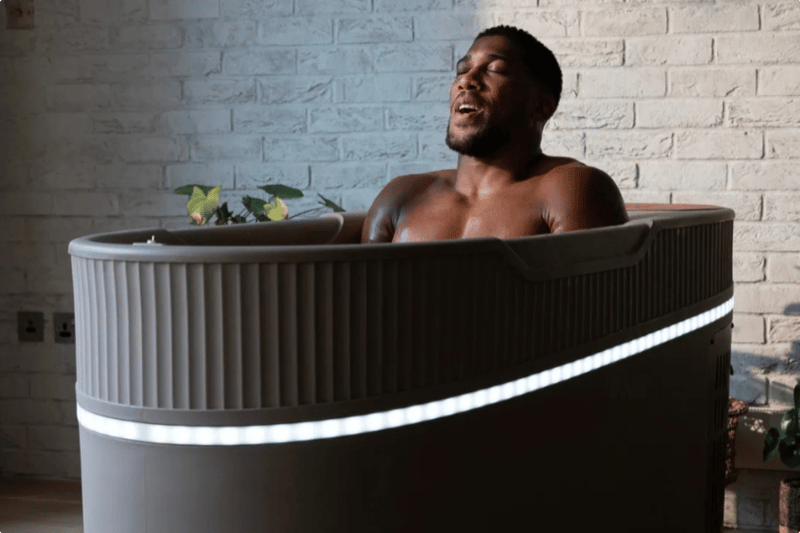
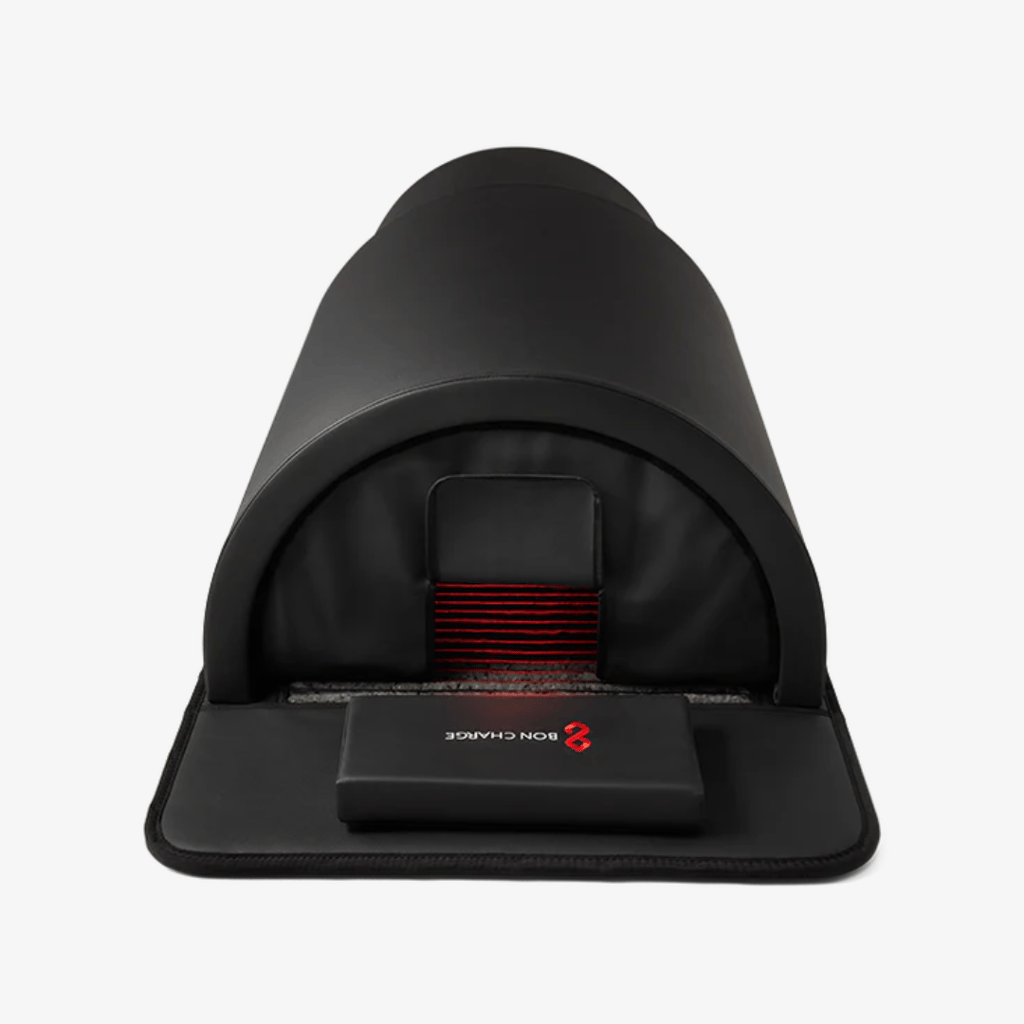
Contrast therapy is shedding its reputation as a recovery tool reserved just for athletes. In 2026, alternating heat and cold is being reframed as a way to support emotional regulation and nervous system balance, not just physical performance. Exposure to cold can stimulate the sympathetic nervous system, sharpening focus and boosting alertness, while heat encourages parasympathetic activation, promoting relaxation and calm.
When used intentionally, moving between the two helps train the nervous system to adapt more efficiently to stress. Rather than chasing extremes, this approach is about timing, duration and awareness, using temperature as a signal to reset mood, steady energy and build resilience to everyday stressors, both physical and emotional. Sign us up.
6. It’s time to embrace low-stim living
As a response to constant digital noise and dopamine overload, low-stim living is on the rise. Rapid, high-stimulation activities (like endless scrolling or multitasking) can hijack the brain’s reward pathways, making everyday moments feel less satisfying and subtly raising baseline stress.
This year, mental wellbeing is going to see a shift towards intentional reduction rather than constant input. This might look like simplifying digital environments, protecting your focus with fewer notifications or choosing slower, lower-stimulation activities that allow dopamine to reset. The goal isn’t deprivation, but preservation. It’s about protecting your mental energy, improving concentration and creating space for calm. By lowering the background noise, your nervous system has more capacity to respond, recover and feel genuinely engaged again.
7. Doing a spot of “Memory gardening” before bed
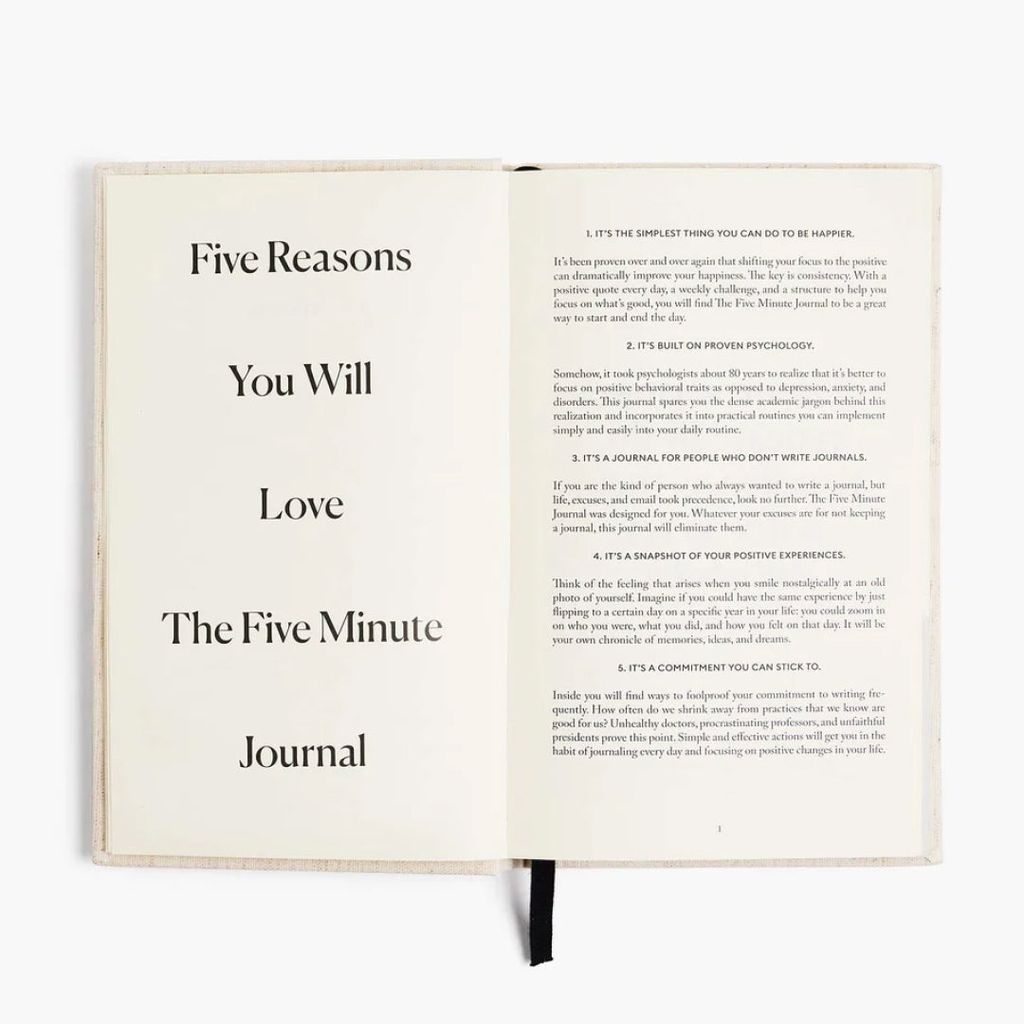
We all know just how important sleep is so it’s no surprise this is set to be an area of specific focus. “Memory gardening” refers to gentle pre-sleep practices that help the brain organise emotional and cognitive input at the end of your day. During NREM and REM sleep, your brain actively prunes and consolidates memories which strengthens learning while reducing emotional charge. When the mind is overloaded, this process can feel less restorative.
This year, sleep rituals are expected to include things like light journalling, intention setting and brief reflections. These cues help signal safety and closure to the nervous system, allowing deeper emotional processing overnight. The result isn’t just better sleep, but waking with more clarity, resilience and mental ease which is proof that how we prepare for rest matters just as much as sleep itself.

8. Sleepmaxxing and focusing on intentional rest
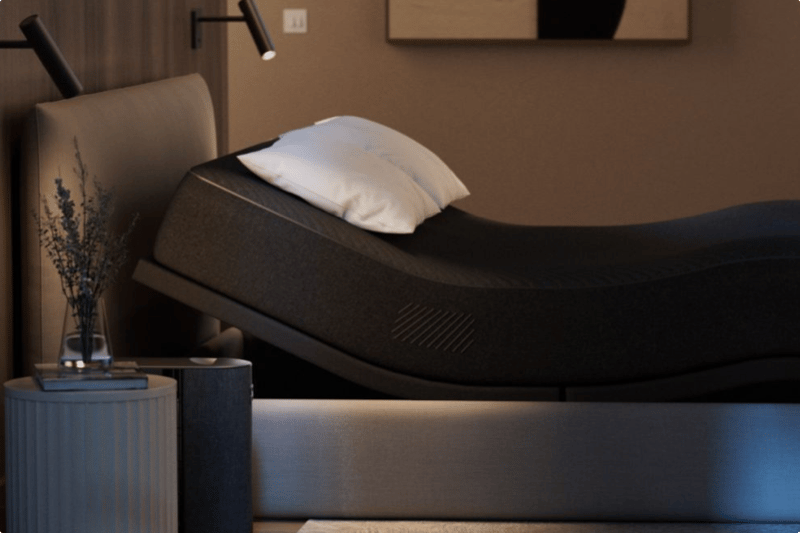
Alongside memory gardening, sleep in general is going to become more deliberate. “Sleepmaxxing” moves beyond basic hygiene to optimising the sleep environment itself. From mattress ergonomics and temperature regulation to zero-gravity sleeping positions that reduce pressure and improve circulation, get ready for some big advances. Systems like Eight Sleep use AI-powered temperature regulation and no-wearable sleep tracking to adapt to your body in real time, supporting deeper sleep without adding another device to manage.
But this trend isn’t about chasing perfect sleep scores. It’s about intention. Creating conditions that allow the nervous system to fully switch off, recover and reset. When sleep is treated as an active pillar of wellbeing and not an afterthought, everything from your mood to your metabolism benefits.

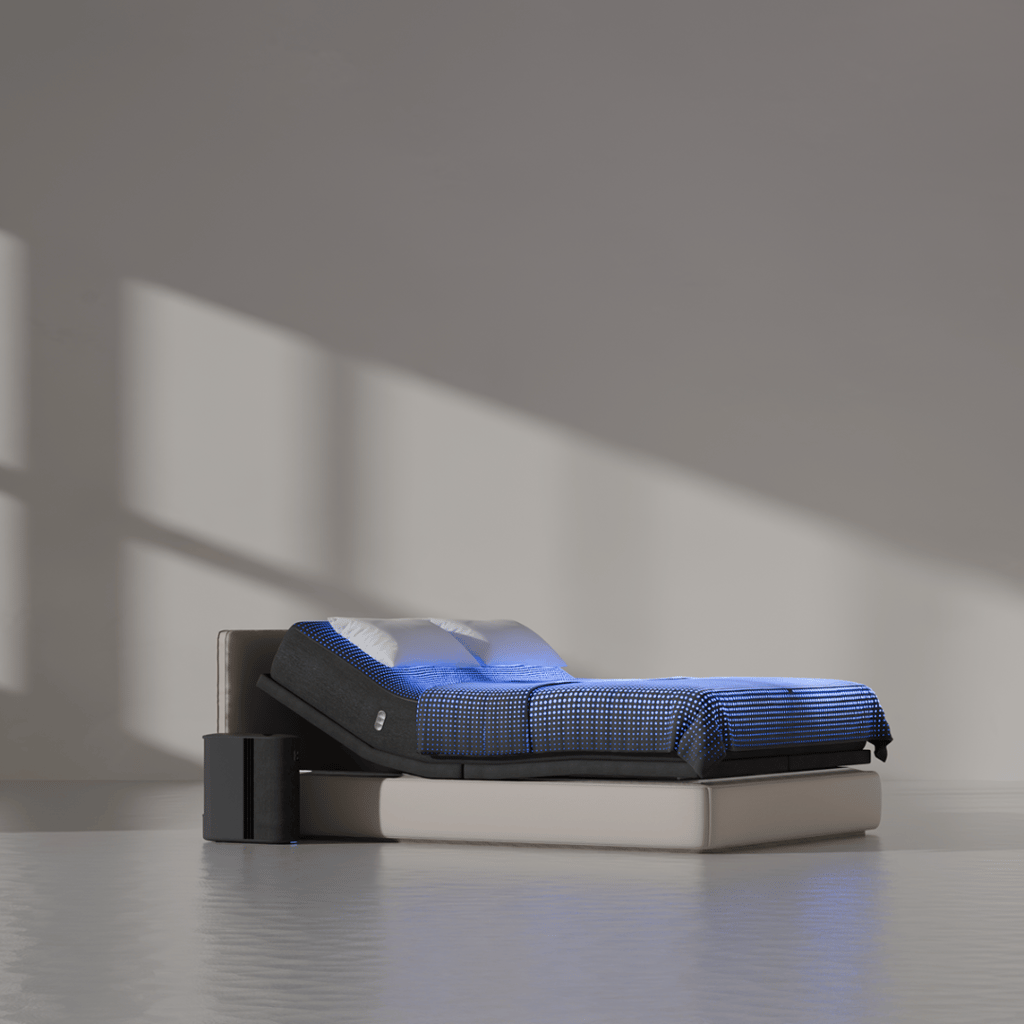
Eight Sleep Pod 5 Core
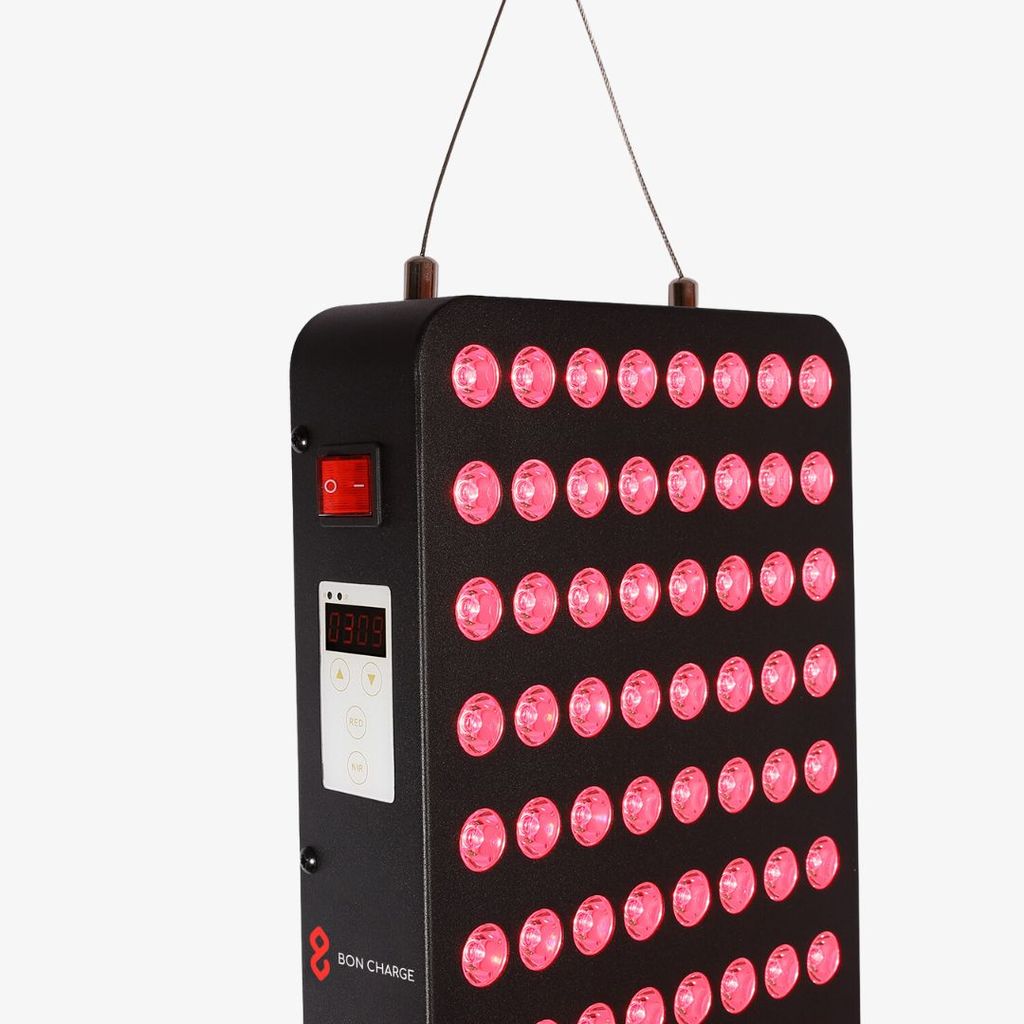
9. Light literacy that goes beyond just red light therapy
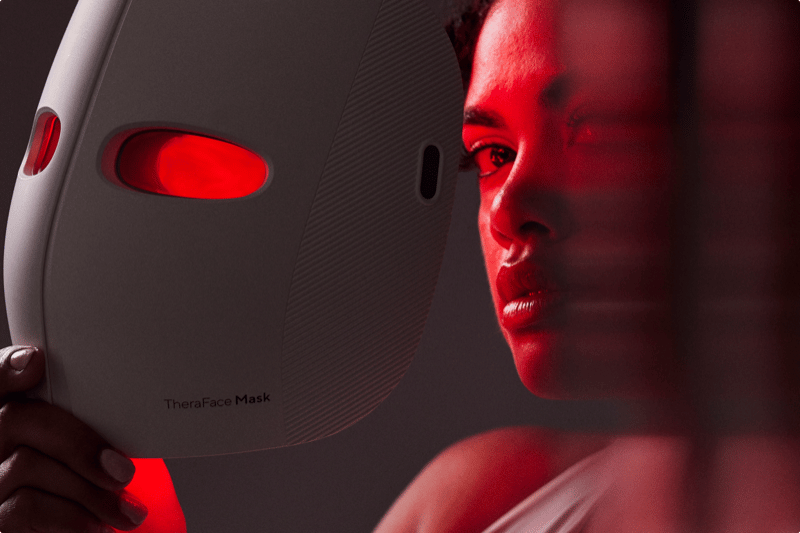
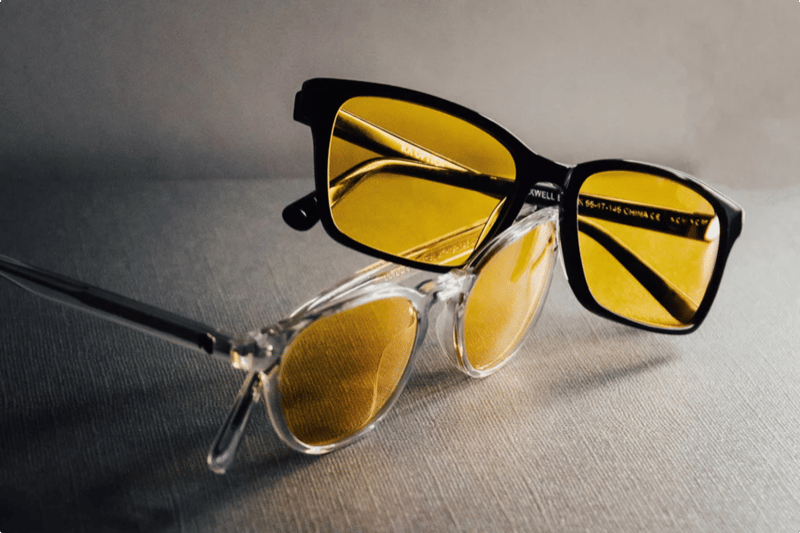
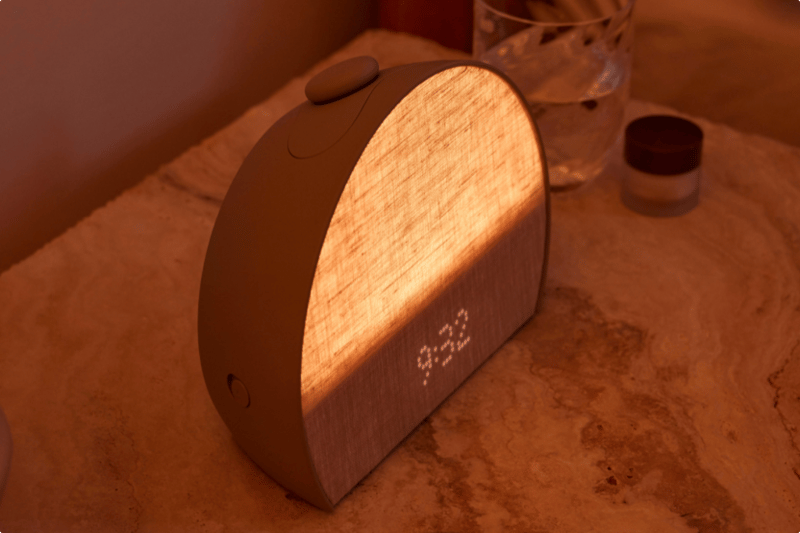
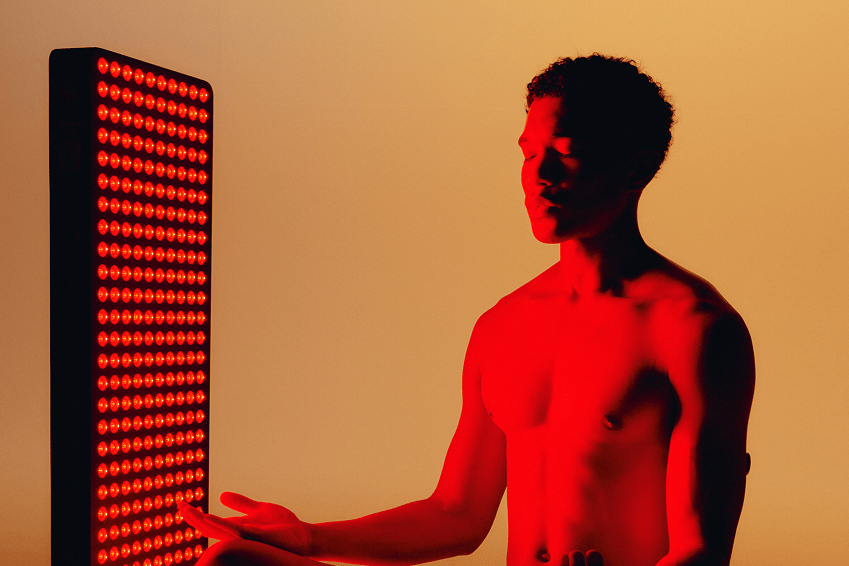
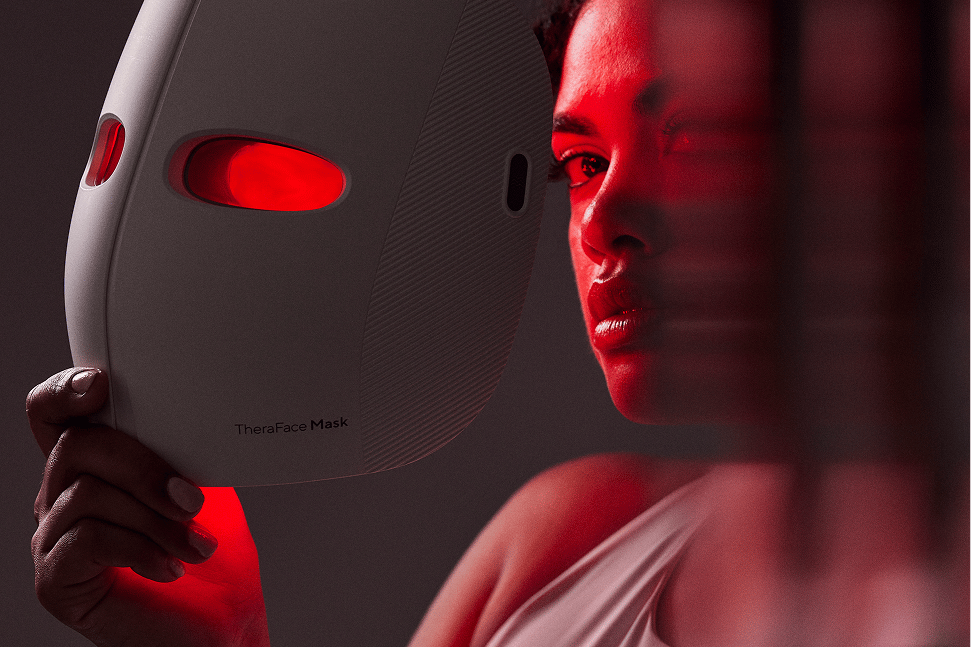
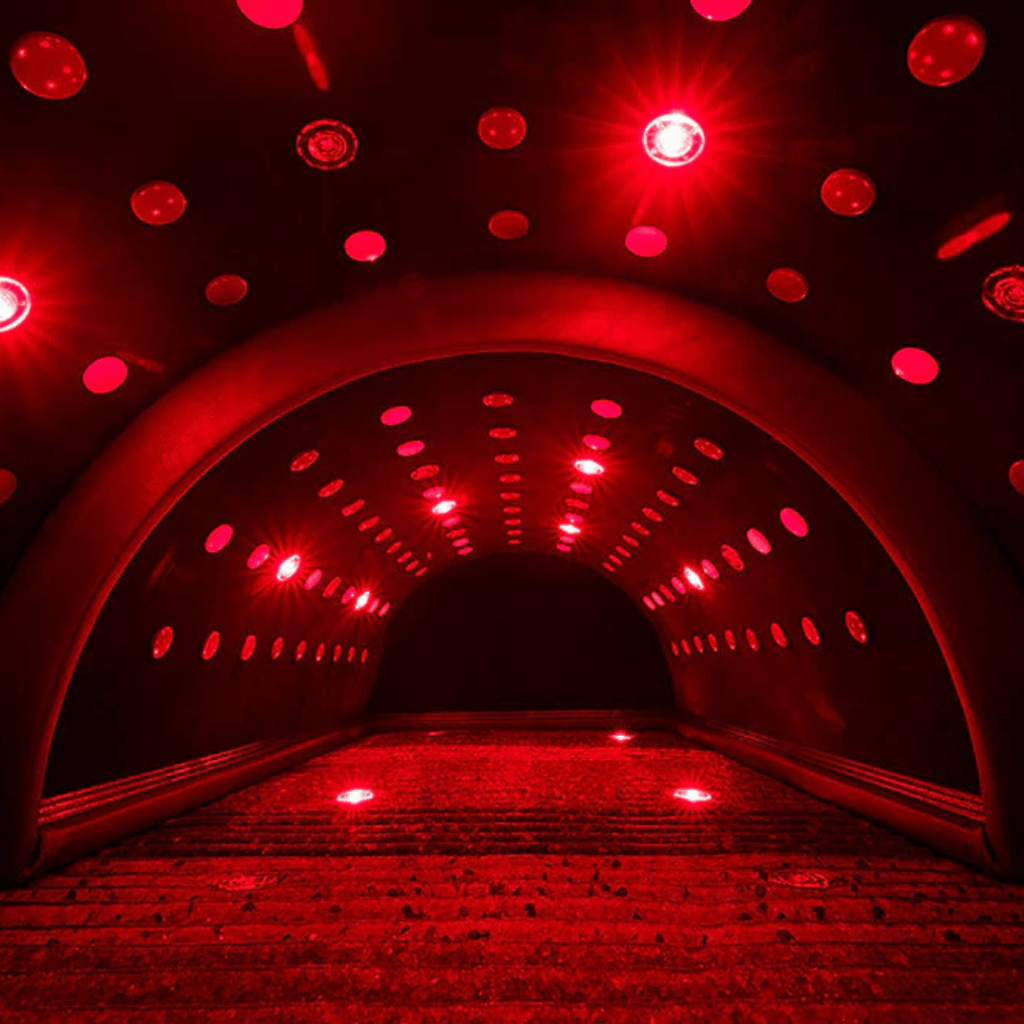
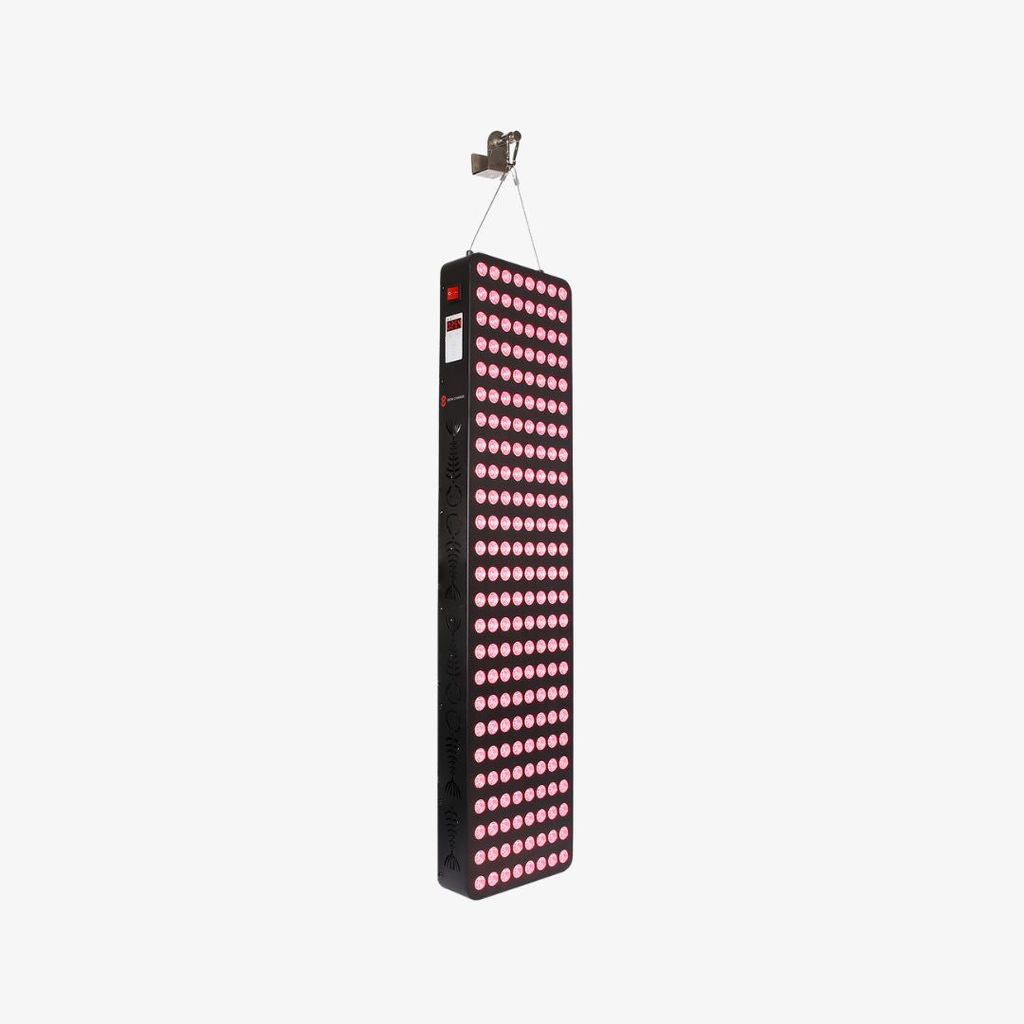
Red light therapy may have opened the conversation, but in 2026 the focus is shifting towards full-spectrum light literacy. Rather than relying on a single device, it’s now about designing lighting environments that work with your circadian rhythm by paying attention to brightness, colour temperature and timing across the day.
Morning exposure to bright, blue-enriched light supports alertness and mood, while warmer, dimmer light in the evening helps signal safety and prepare the body for sleep. This more nuanced approach recognises light as one of the most powerful regulators of both your mental and sleep health. When used intentionally, lighting can become a daily rhythm-setter to support energy, focus and rest without adding anything too major or time-consuming to your routine. Win, win.

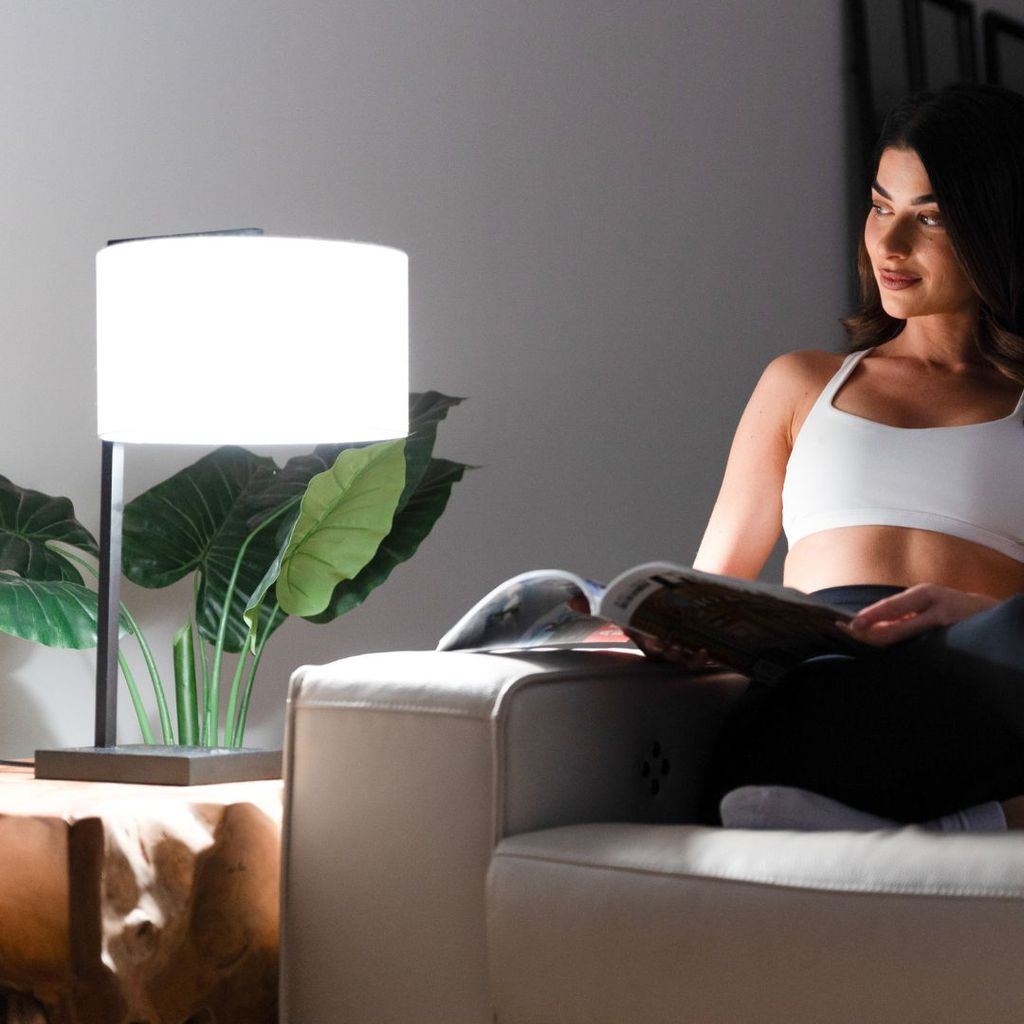



10. At-home tech moves from novelty to necessity
As light literacy grows, wellbeing is now becoming a pretty big part of the spaces we live in. Home wellness tech is set to be a big focus with smart circadian lighting, air-quality monitoring and sleep-optimised temperature control all becoming quiet background supporters of daily health.
Rather than demanding attention, these technologies work passively by adjusting light, airflow and ambience to support focus during the day and deeper sleep at night. The shift reflects a broader understanding that wellbeing isn’t just something we do, but something our surroundings either support or disrupt. When your surroundings work with your nervous system, feeling good becomes easier to sustain.
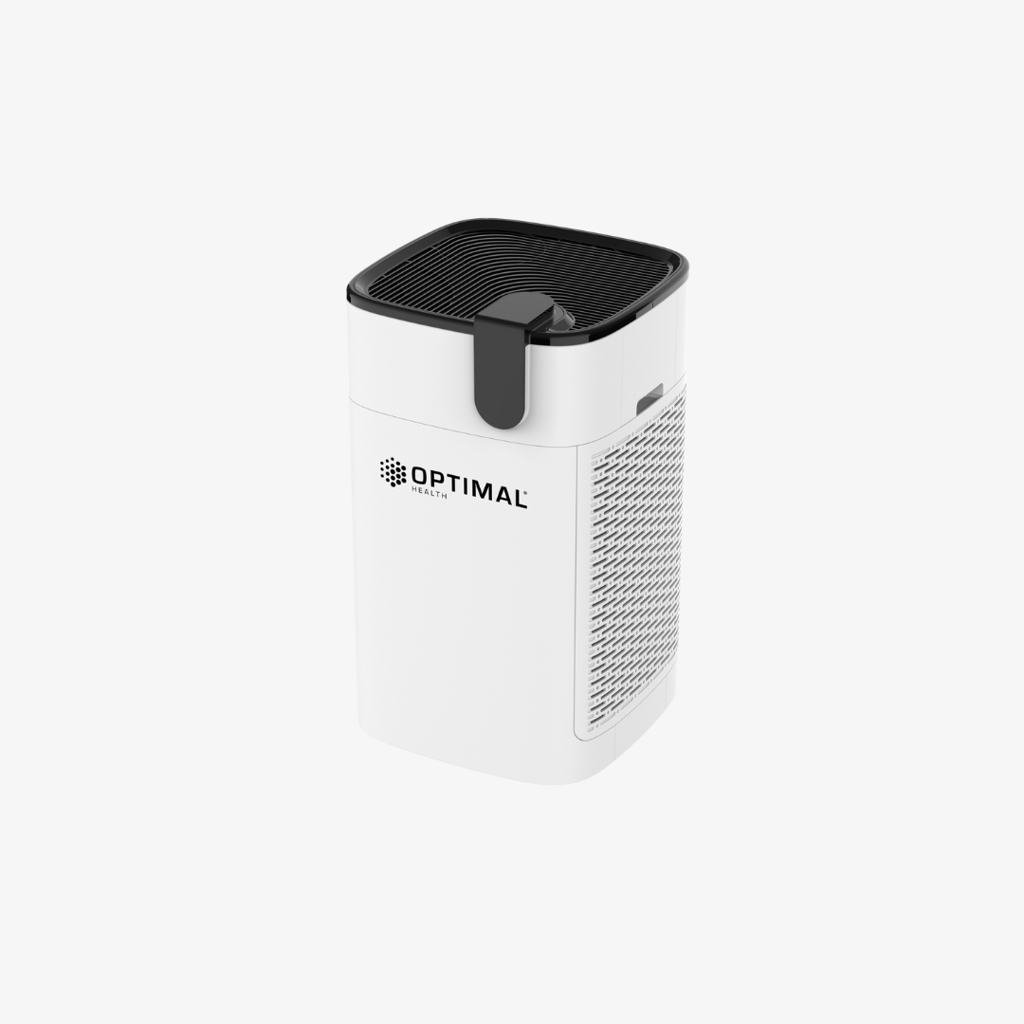


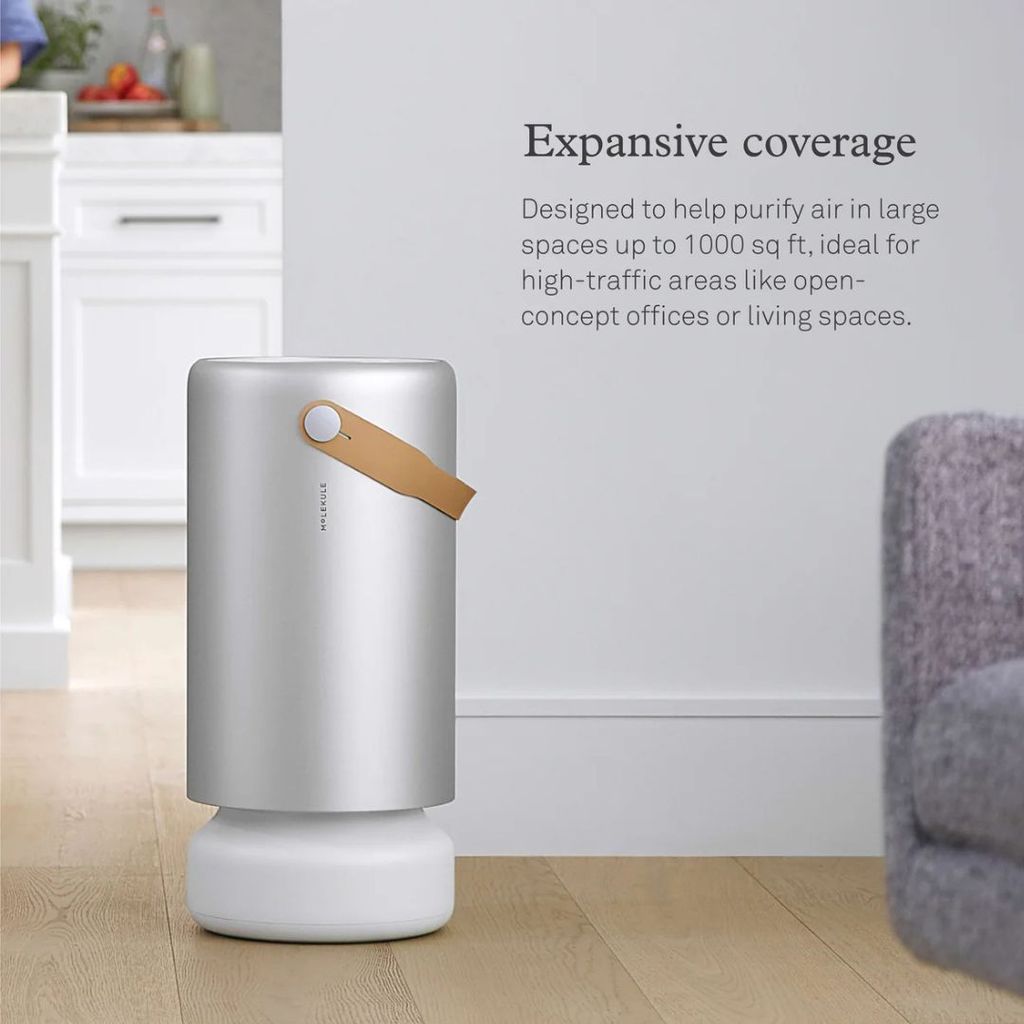
Air Pro with PECO Filter



This article is for informational purposes only, even if and regardless of whether it features the advice of physicians and medical practitioners. This article is not, nor is it intended to be, a substitute for professional medical advice, diagnosis, or treatment and should never be relied upon for specific medical advice. The views expressed in this article are the views of the expert and do not necessarily represent the views of Healf
Samantha Nice is a seasoned wellness writer with over a decade of experience crafting content for a diverse range of global brands. A passionate advocate for holistic wellbeing, she brings a particular focus to supplements, women’s health, strength training, and running. Samantha is a proud member of the Healf editorial team, where she merges her love for storytelling with industry insights and science-backed evidence.
An avid WHOOP wearer, keen runner (with a sub 1:30 half marathon) hot yoga enthusiast and regular gym goer, Samantha lives and breathes the wellness lifestyle she writes about. With a solid black book of trusted contacts (including some of the industry’s leading experts) she’s committed to creating accessible, well-informed content that empowers and inspires Healf readers.