









_Madeline_Spanier_Photos_ID7424.jpg)
4 Weeks Of Alcohol-Free Rituals
What happens when you take a 4-week break from alcohol? From better blood pressure to deeper sleep, the science shows clear gains.

Written by: Pippa Thackeray
Written on: 4 January 2026
Cutting down on alcohol or quitting it completely can be challenging, as all big changes can be. But, instead of seeing the 4 weeks as a long stretch of time that may feel insurmountable, it could be helpful to approach it in bite-size chunks.
Through a scientific lens, each week can also mark a milestone for the positive changes happening in your body as alcohol is removed from the picture.
Outcomes can be tracked, as much as they can be felt in real time.
These changes are firmly grounded in clinical evidence that has been repeated through numerous studies.
The dos and don’ts: How to handle dry January
Removing clear obstacles, creating structure, knowing what actually helps over what tends to sabotage progress, and recognising just a few simple adjustments at the right time can make all the difference.
So, to the starting line…
Week one: Rebuilding your evening routine
Although it varies greatly from person to person, alcohol intake, more often than not, becomes habitual in some sense.
It could help you wind down on a weekend, or be paired with your favourite meal, for example.
So, when leaving alcohol behind, the goal here in week one is to review what ties you to the tradition. It all starts with the nervous system.
Forming a new wind-down signal
Using physical actions to mark the end of the workday or working week can be a great starting point to ensure your body (and not just your brain) has switched modes.
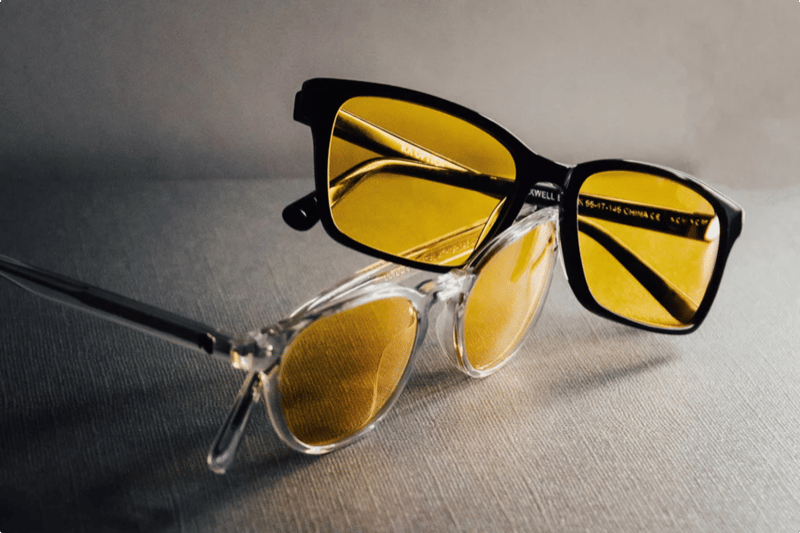
Even when working from home, if you want to signal to your body to relax, make subtle changes like routinely connecting casually with close friends, wearing a different outfit or adjusting the lighting in your home to make it dimmer.
You could even step outside for a few minutes. Seeing a sunset or a dusky sky can be refreshing for the eyes after staring at screens all day.
If reaching for a drink requires some form of replacement, some alcohol-free options are formulated with adaptogens and developed specifically for evening use.
Closer to bedtime, using a breathing sequence can assist in calming the stress response.
The benefits of the physiological sigh
The sequence suggested by Andrew Huberman is the physiological sigh, a technique that activates the parasympathetic nervous system and can be used at any time where you need to find calm.
Take two quick inhales through the nose, then a long exhale through the mouth. Repeat this for 3 to 5 cycles. The second inhale inflates the lungs fully, while an extended exhale signals safety to the nervous system, helping lower heart rate.
Practise seated or lying down. Optional closed-eye, side-to-side eye movements also have a proven calming effect.
Week two: Supporting the reward system
This is a phase that introduces actions that reinforce a stable mood, actions that rely on basic physical inputs the body already recognises and can be felt with joy.
Active behaviours for balance and stability
Movement, conversation, being in nature and fresh air are all factors known to influence what are known as our reward pathways.
These behaviours increase dopamine, serotonin and oxytocin, often called the "happy hormones" or "feel-good chemicals". It’s that element of harmless ‘play’ we so often neglect amongst our busy schedules in adult life.
jAGA offers drinks and shots infused with nootropics and mushrooms, offering a sensory experience designed for clarity and calm. The blends are free from added sugar or preservatives and have been formulated to deliver on taste and impact.
In summary, whatever yours may look like, establishing a new evening pattern becomes easier to sustain when it is built around the fundamental aspects of your health. It all comes back to EAT, MOVE, MIND, SLEEP.
Week three: Understanding the physical effects
At this point, you may begin to see your own timeline of progress become clear.
Changes that are predicted from four alcohol-free weeks have been documented in controlled studies, often with a similar pattern reflecting a process of recovery happening throughout the body.
Expanding your daily wellbeing habits
In order to get the best results from your alcohol-free stint, this stage welcomes a time to explore small adjustments in your wellbeing routine.
Movement, diet, sleep and stress can all be addressed in greater detail.
Beating the 3am crash
If alcohol is usually a regular part of your routine, you may notice changes in your blood sugar when you are no longer consuming it on a frequent basis.
Waking around 3am is often linked to a dip in blood sugar, especially when meals are eaten late. Many people find a late-night, protein rich snack can help to establish some equilibrium.
Then there’s movement in the late afternoon, such as yoga or stretching, to stabilise blood sugar and help the body establish calm into the evening hours by lowering cortisol.
Think tryptophan
Tryptophan is a precursor to serotonin and, ultimately, melatonin (the hormone that prompts deep sleep). It can be found in most meats and seafood products, also in plant sources such as chia, pumpkin and flax, nuts like pistachios and almonds, legumes including soybeans and lentils, whole grains such as oats and quinoa, as well as bananas, dates, spinach and mushrooms.
So, even a simple snack of nut butter on toast, for example, can make all the difference for the quality of your sleep when cutting down on alcohol.
Similarly, keeping mealtimes steady and repeating the same evening cues can help the body recalibrate. Consider a short walk after your evening meal, as this has been shown to aid glucose control and digestion.
Supporting energy without the spikes
Removing alcohol can sometimes reveal how much we leaned on it for stimulation or reward. Especially if you’re also reducing caffeine, having a reliable alternative to lift your energy without the crash can be very useful.
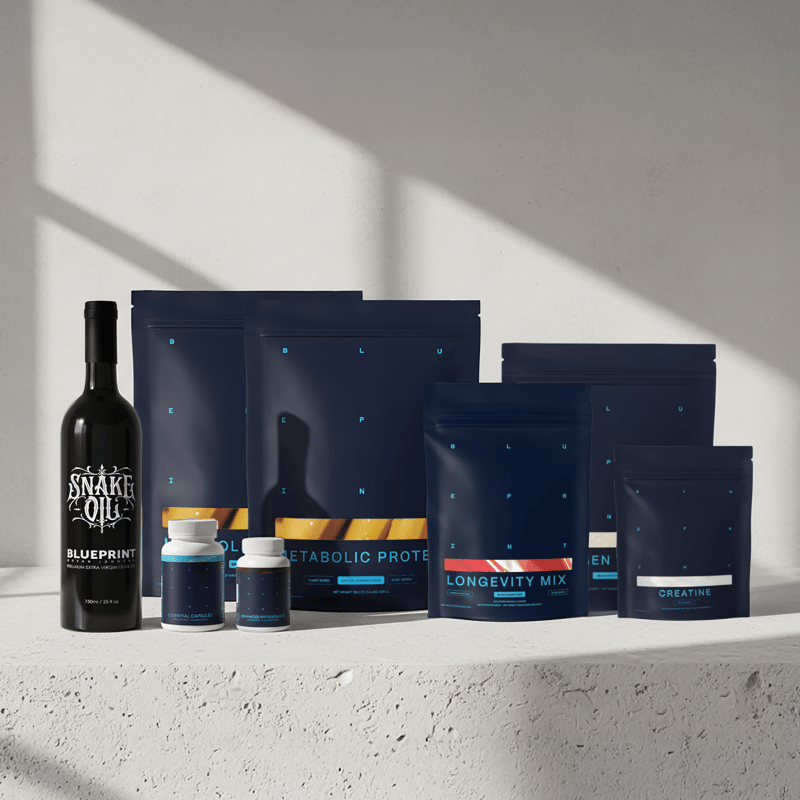
Blueprint’s Longevity Mix is a sugar-free blend with pineapple yuzu that’s designed to be refreshing without relying on stimulants. It contains ingredients like creatine, taurine, L-theanine and magnesium, supporting energy metabolism, hydration and mood. You can mix it into your morning or afternoon routine as a small ritual that feels easy to maintain.
Kicking other unhelpful habits
By removing one aspect of your usual routine, you could notice a knock-on effect whereby other cravings pop up to fill the gap.
The war on sugar
If you find yourself repeatedly grazing, especially on sugary snacks, consider whether your body is asking for something else. Fatigue from lack of rest, underhydration, lack of protein and even boredom can masquerade as a desire to eat.
The nervous system may seek other forms of stimuli if cutting down on ‘high hitters’ like sugar and alcohol. Particularly if you use a screen all day, your brain may not register the need to switch to downtime unless there’s a deliberate change in your environment.
By swapping the laptop screen for scrolling social media, this issue can be perpetuated.
The dopamine trap
Our smartphones trigger a "digital dopamine hit" similar to addiction by activating the brain's reward system, leading to craving, tolerance (needing more use for the same buzz), and withdrawal anxiety and restlessness. Direct parallels can be drawn from alcohol dependence and withdrawal.
Activities that promote the body’s rest response such as listening to calming music could be a healthier alternative. Reading is another way to redirect overstimulation, creating space for a sensory break.
Audiobooks can work just as well by replacing background TV or multitasking with something that effectively slows down the pace. Reading tracking apps like The StoryGraph or Bookly can help you celebrate your progress over time.
Ambient tracks designed to gradually slow the breath and heart rate, such as Weightless by Marconi Union, have been studied for their effect on nervous system regulation. The tempo slows from 60 to 50 beats per minute over the course of the track, gently activating the parasympathetic system.
Moreover, soothing music, sleep sounds or frequencies can be especially helpful if paired with an evening wind-down activity like a bedtime stretch. A trending routine by Adam Husler is a 20-minute all level yoga asana practice designed to soothe both body and mind.
What happens in the body after the third week
A recent study showed a 25.9% drop in insulin resistance after several weeks without alcohol. Other markers improved across the same time period, including blood pressure, weight and cancer-related growth factors.
A separate study published in Hypertension aimed to measure how abstinence from alcohol in heavy drinkers could reduce their blood pressure. A 7.2 mmHg drop in systolic pressure and a 6.6 mmHg drop in diastolic pressure over four weeks were recorded.
Reductions in liver inflammation and stiffness have also been seen in a similar window of time. These are relevant early indicators in long-term disease prevention.
Digestive improvements also occur, including reduced bloating, more regular elimination, and less interrupted sleep.
Including One Living kombucha at this stage can support digestive repair. It is made using live, unpasteurised cultures and traditional fermentation techniques. The ginger and turmeric version offers anti-inflammatory benefits.
Week four: What next?
The focus in the final week is on noticing what has improved and which routines are easiest to continue.
At this stage, you may see changes in skin tone, hydration, energy and sleep depth. That’s in part due to factors such as reduced inflammation, better hormonal balance and improved metabolic efficiency.
The ongoing benefits of staying alcohol-free
A large-scale study published in The Lancet examined data from just under 600,000 people. It found that consumption above 100 g of alcohol per week increased risk of stroke and cardiovascular disease. At 200 g, life expectancy dropped by two years. At 350 g, it dropped by five. Overall, the study findings reflect how even moderate intake impacts long-term outcomes.
Additional support for stress relief
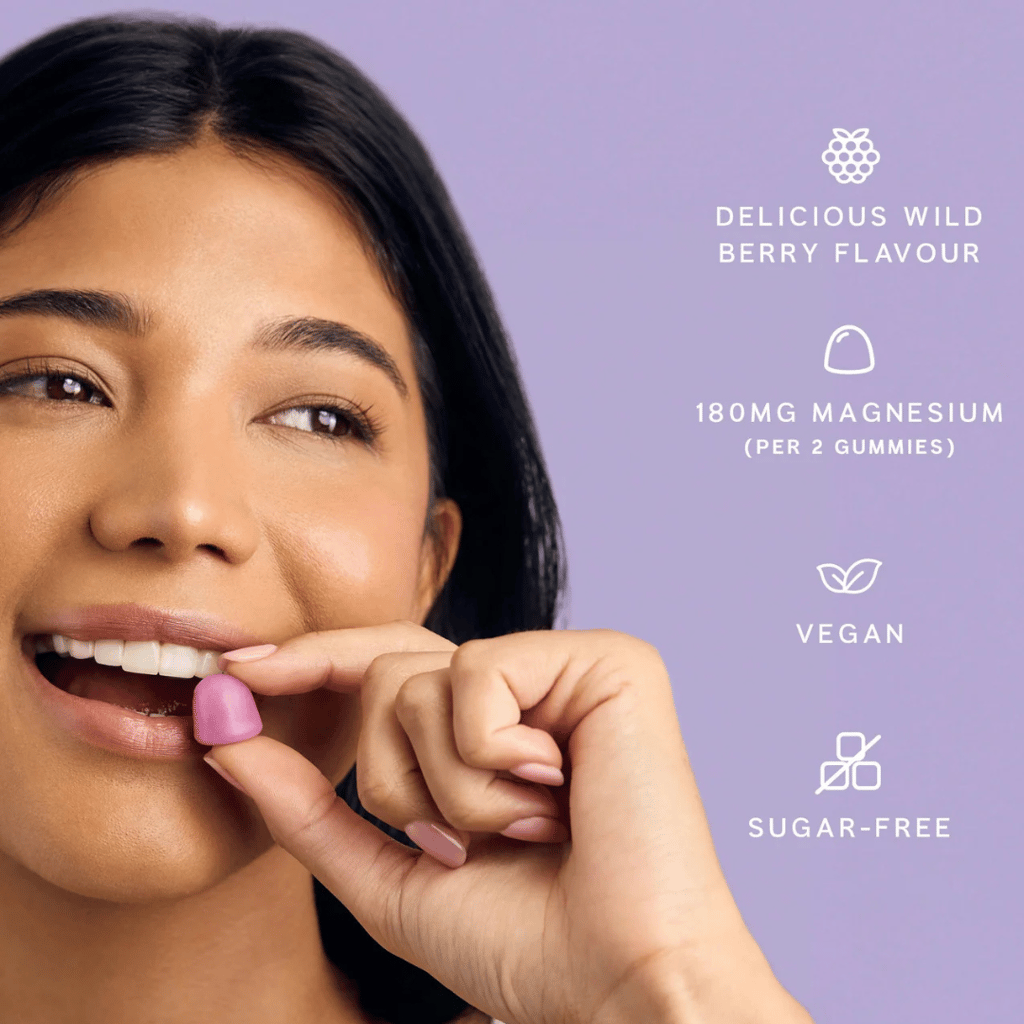
TRIP magnesium gummies can offer additional support for stress relief. They are made with the same quality-first formulation approach as TRIP drinks and offer a way to reduce tension without relying on sedation or stimulation.
The TRIP range is divided into primary categories: the CBD collection (for relaxation) and the Mindful Blend collection (focused on functional mushrooms and magnesium). Many of these ingredients act on calming neurotransmitters such as GABA, which reduces neural excitability, facilitating improved mood and sleep.

What remains useful beyond the 4 weeks
Lasting benefits usually come from consistent habits, and not single extremes.
By isolating habits such as alcohol consumption, it becomes easier to identify which other aspects of your routine were actually supporting your wellbeing, and which ones were simply filling space.
With a mindset prioritising structure over restriction, it’s possible to turn the gains of four weeks into something more sustainable in the long term.
Discipline is one thing, but the natural momentum of better sleep, improved digestion, and a clearer mind over time can lead to a truer and more holistic sense of wellbeing.
Breaking it down: What is alcohol doing to your body?
To go into further detail, it can be useful to consider the wider picture for your health in terms of alcohol consumption.
Alcohol slows down recovery by affecting several systems in the body at once. One of the main issues is the build-up of acetaldehyde.
This is a by-product created when your liver breaks down alcohol. It’s more toxic than alcohol itself and contributes to inflammation in the gut, on the skin, and in the brain. That inflammation can show up as bloating, redness, headaches, or brain fog the next day.
Dehydration and lowered mood
Alcohol also blocks a hormone called vasopressin, which helps the body retain water. When this hormone is suppressed, you lose more fluids than usual, often leading to dehydration, dry mouth, or puffy eyes. At the same time, alcohol strips the body of important nutrients, especially magnesium and B vitamins, both of which are needed for energy, mood regulation and muscle recovery.
‘Mystery’ symptoms
There’s also a strong link to histamine, a chemical involved in immune responses, digestion and brain signalling. The result of this histamine hike may present as skin flushing, rashes, nasal congestion, headaches and gut issues. If you already have a sensitive digestive system or low histamine tolerance, these effects may be more noticeable.
Sleep is also affected
Alcohol reduces the amount of REM sleep (that’s the stage needed for cognitive repair, memory processing and nervous system balance). Even if you sleep for a good amount of time, the quality of the sleep you get can be significantly reduced.
Simple alcohol-free swaps at Healf
Find drinks that promote relaxation without triggering histamine, disrupting sleep or depleting nutrients. From GABA-supporting blends to functional spirits, Healf’s edit makes it easy to rethink your ritual. Shop alcohol alternatives, nootropics, and gummies.




This article is for informational purposes only, even if and regardless of whether it features the advice of physicians and medical practitioners. This article is not, nor is it intended to be, a substitute for professional medical advice, diagnosis, or treatment and should never be relied upon for specific medical advice. The views expressed in this article are the views of the expert and do not necessarily represent the views of Healf
Pippa is a content writer and qualified Nutritional Therapist (DipNT) creating research-based content with a passion for many areas of wellbeing, including hormonal health, mental health and digestive health.
As a contributor to The Healf Source, she regularly attends seminars and programmes on a plethora of contemporary health issues and modern research insights with a drive to never stop learning. In addition, interviewing experts and specialists across The Four Pillars: EAT, MOVE, MIND, SLEEP.
In her spare time, she is an avid swimmer, mindfulness and yoga lover, occasionally bringing a raw, honest approach to the topics she faces. You may also discover some personal accounts of eye-opening wellbeing experiences amidst the reality of a disorientating, and often conflicting, modern wellbeing space.