






_2026-10-13_14-11-48.png)


Written by: Pippa Thackeray
Written on: 10 December 2025
A toast… to good health?
You are likely not drinking red wine simply for the antioxidants. And you are not ordering a martini for the sake of the olive. Most of us drink because it’s social, fun, celebratory, or maybe just part of ‘unwinding’.
But here’s the problem with alcohol (and it isn't just the sore head the next day), it unbalances blood sugar, drains hydration, irritates your gut, reduces REM sleep quality and, in many people, causes the common phenomenon of visible alcohol-flushed cheeks.
So, here is your much needed guide to drinking without destroying how you feel the next day (or even how you look and feel on the night).
What alcohol is really doing to your body
There are many processes involved once alcohol enters your system, primarily affecting the liver.
Interestingly, the liver metabolises only one standard drink per hour, converting alcohol into acetaldehyde and then into acetate. So if you’re drinking more quickly than that, the liver may be playing catch-up.
About acetaldehyde
The compound acetaldehyde is more toxic than alcohol itself and is responsible for much of the inflammation you feel the next day. That inflammation can show up in your skin, in your (sore) head, in your digestive system and rollercoastering emotions.
At the same time as acetaldehyde is being produced, alcohol blocks vasopressin, a hormone that helps you retain water. This is why you might feel dehydrated with a dry mouth, puffy eyebags and distended abdomen, and why your kidneys go into overdrive after drinking.
Histamine
Then, there’s histamine at the party too.
Some drinks are high in histamines already. But others tend to trigger the release of histamine through the breakdown of alcohol itself. That can then leave you with redness, rashes, hives, or other common skin issues.
Histamine also affects the gut and can exacerbate other existing allergies, so the list goes on.
Effects on blood sugar
Blood sugar also crashes, especially if you drink without eating enough first. Add in poor sleep and the loss of magnesium and you have a perfect recipe for increased irritability and brain fog.
Here’s the facts: Alcohol is removed from the blood at a rate of about 3.3 mmol/hour (15 mg/100 ml/hour), but this varies between people, on different drinking occasions, and with the amount of alcohol drunk. In any case, it usually isn’t enough to out-pace people’s drinking habits.
To sum it all up, outcomes such as this may happen whether you have had two glasses or six. The difference is in how your body handles it, and then what you do to support your health after the fact.
Why your cheeks go red when you drink
If you’ve ever wondered why your cheeks flush or skin looks blotchy after drinking, it is probably down to histamine.
That’s because alcohol acts as both a histamine liberator and an enzyme inhibitor. It blocks the breakdown of histamine and at the same time causes your body to release more.
Some people also lack a key enzyme (ALDH2), which means acetaldehyde builds up. This leads to dilated blood vessels, hot skin and redness. It is common in people of East Asian descent due to genetic factors, but it is not exclusive.
Other people have gut issues that reduce their histamine tolerance, for example, if your gut bacteria are out of balance or you are already reacting to food.
Clear spirits like vodka or gin with soda water are lower in histamine and usually better tolerated. Red wine, whisky, brandy and beer are typically the worst offenders.
Explained: How alcohol worsens histamine reactions
Alcohol interferes with the gut’s ability to break down histamine. It suppresses the enzyme DAO, disrupts gut bacteria and increases permeability, which allows more histamine into the bloodstream.
Who is most likely to experience histamine-related symptoms after drinking?
If your gut is already compromised or your microbiome is imbalanced, this effect may be amplified.
And it isn’t just flushed cheeks that are the issue here. The resulting build-up of histamine can trigger or intensify symptoms like skin issues, bloating, headaches and even respiratory issues.
The pre-drink protocol that works
Luckily, what you do before you drink can reduce many of the unpleasant symptoms the next day.
Eat a high protein meal
In our younger years, many of us might have been told that we need to stock up on carbohydrates before we drink, to soak up the alcohol. Yet, this may not be the most helpful suggestion, nor is it the correct macronutrient you need to focus on.
For starters, carbohydrates leave the stomach faster (at about double the speed) than proteins in the digestion process, and therefore carbs can cause a peak, followed by a crash in blood sugar. Such an event does not work to our advantage, especially when alcohol enters the picture. So, protein is the obvious choice in a pre-alcohol meal, both for this reason and many others.
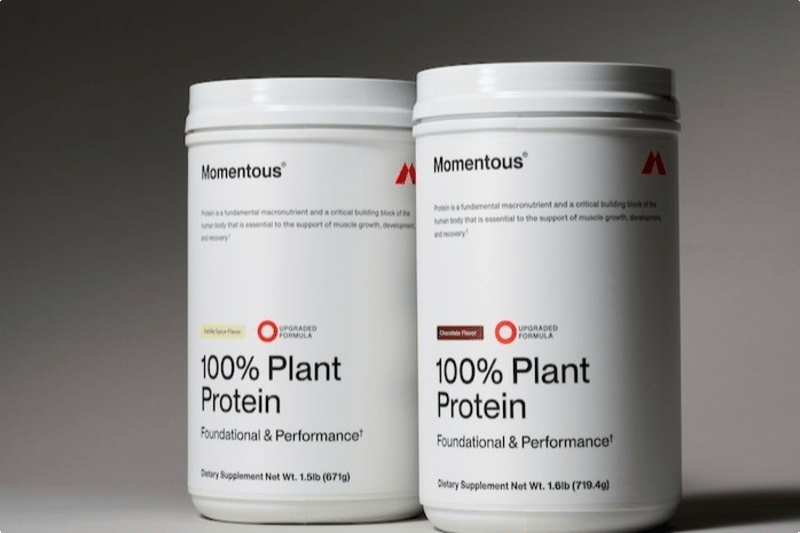
Protein also provides the liver with the amino acids it needs for detoxification. It slows how quickly alcohol is absorbed into the bloodstream, which helps you feel its effects more steadily and stay fuller for longer. At the same time, it supplies nutrients like B vitamins and electrolytes that alcohol strips from the body, helping to reduce hangover symptoms and late-night food cravings.
Go for salmon, tofu, eggs, lentils or lean meat paired with complex carbs like quinoa or brown rice and a little healthy fat. This combination slows the absorption of alcohol and gives your body a buffer.
Drink water with electrolytes
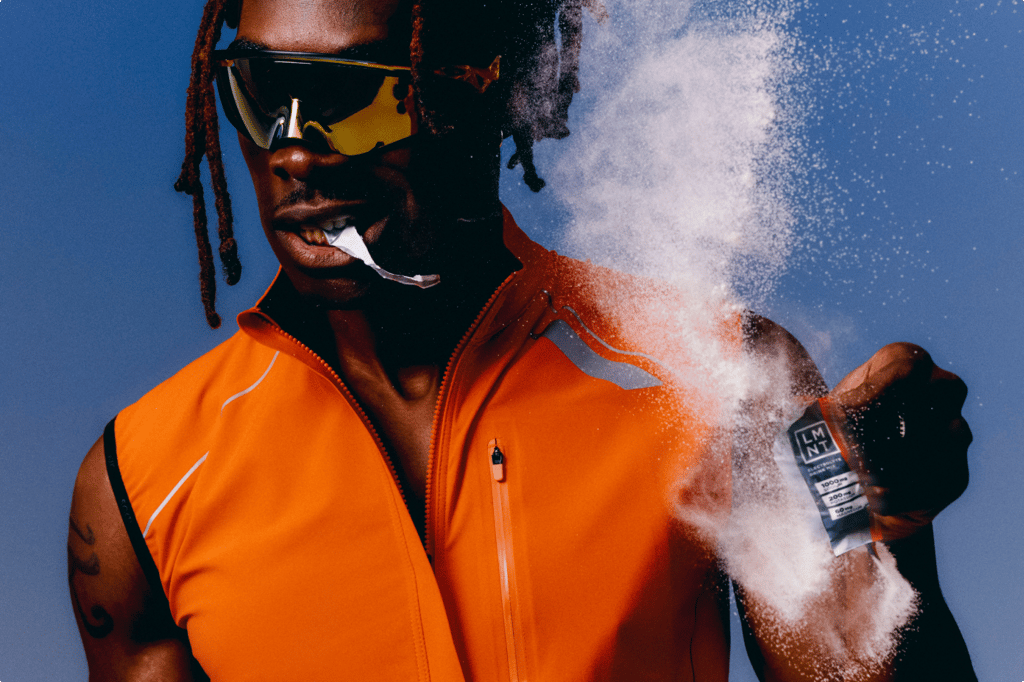
Dehydration drives many of the worst effects. Start the evening with water and a pinch of sea salt. Or try electrolytes, as they help you retain fluid, maintain mineral balance and support energy metabolism.
Prep your gut
To protect your gut and reduce alcohol’s impact, eat a protein-rich meal, hydrate properly, support your microbiome with probiotics, and focus on liver-friendly foods and supplements before and after drinking.
Why probiotics? Because they help counteract the impact of alcohol by supporting a healthy gut microbiome, strengthening the gut lining and calming inflammation. Alcohol can disrupt beneficial bacteria, damage the intestinal barrier and trigger widespread inflammation that affects the liver, brain and mood. So in keeping your gut in balance, you may reduce these effects and help your body recover in a way that’s more efficient.
Which strains? Lactobacillus rhamnosus may help reduce inflammation, gut permeability and even alcohol cravings. Bifidobacterium bifidum and Lactobacillus plantarum have been linked to improved liver markers and microbiome restoration. Other helpful strains include Lactobacillus acidophilus, Lactobacillus helveticus and Saccharomyces boulardii, a resilient probiotic yeast that supports gut stability under stress.
How to set a limit and mean what you say
Regardless of lining up two drinks or four, decide before you start. We’re not in school anymore but peer pressure is still a real thing. According to recent studies from the University of Stirling, over 80% of adults in the UK have felt social pressure to drink alcohol.
Therefore, if you find yourself overcommitting socially, have a stock phrase ready. “I’m good, thanks” or “make mine a half this time”, could work that bit better when you really mean it.
What to order
Avoid the worst culprits. Cocktails with syrups, cream or multiple spirits are loaded with sugar and additives. These can further exacerbate gut inflammation and strain on the liver, adding to the negative effects of the alcohol.
Better options with fewer ingredients include:
Vodka or gin with soda and fresh lime
Champagne or prosecco (in moderation)
Dry martini (no vermouth if histamine sensitive)
Unsweetened hard seltzers
Organic dry white wine (lower in sulphites and additives)
Avoid tonic water, cola and other artificially sweetened mixers. These too have been explored for their propensity to hike insulin levels and contribute to gut fermentation.
And, eat while you drink. This slows down the alcohol absorption and helps you notice when you have had enough. It also supports better digestion and more consistent energy.
The bedtime recovery routine
When you’re asleep, that’s when the real recovery happens. And so, it makes sense that what you do at the end of the night sets the tone for the following day.
Your before-bed recovery stack:
A small blood-sugar balancing snack like fibre-rich toast with almond butter or avocado.
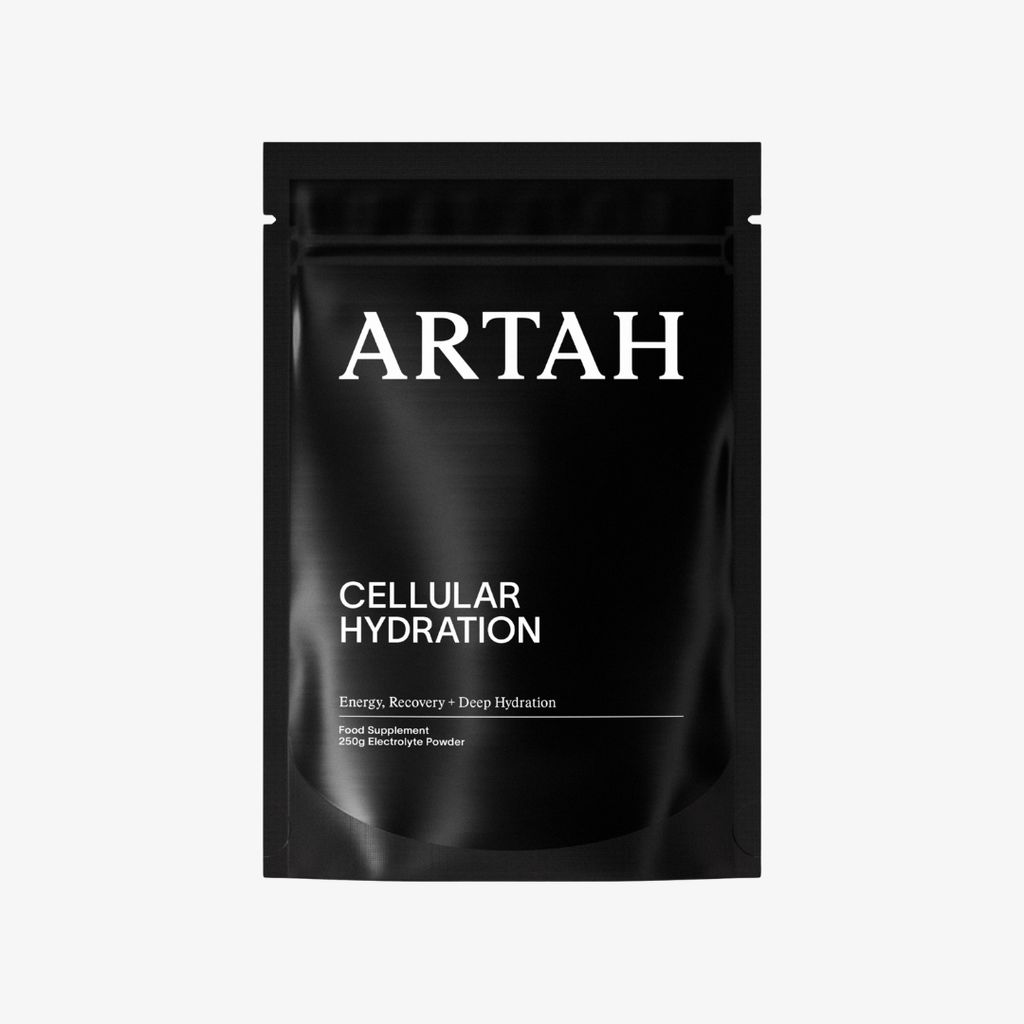
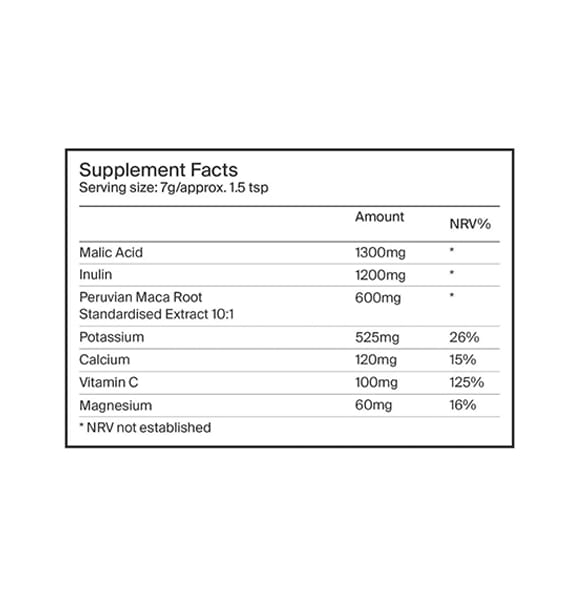
A large glass of water or coconut water with ARTAH’s Cellular Hydration powered by magnesium, potassium, calcium, and vitamin C.
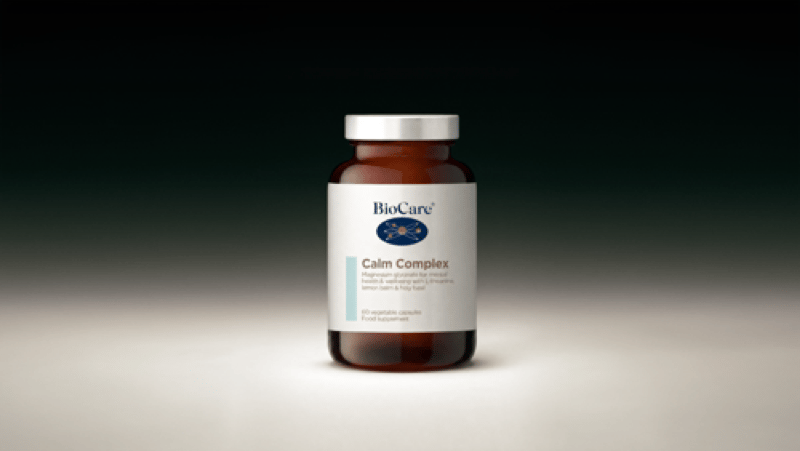
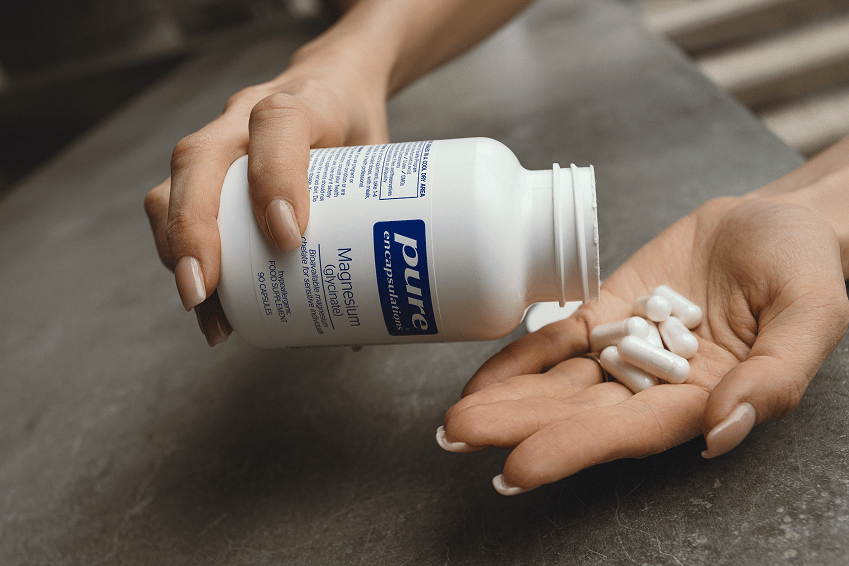
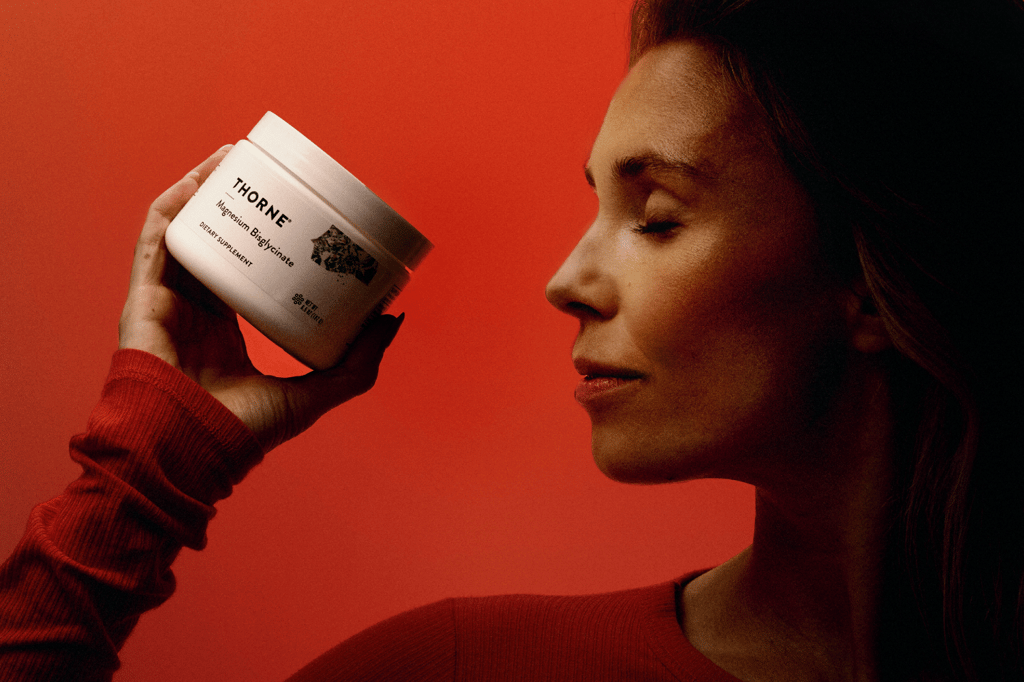
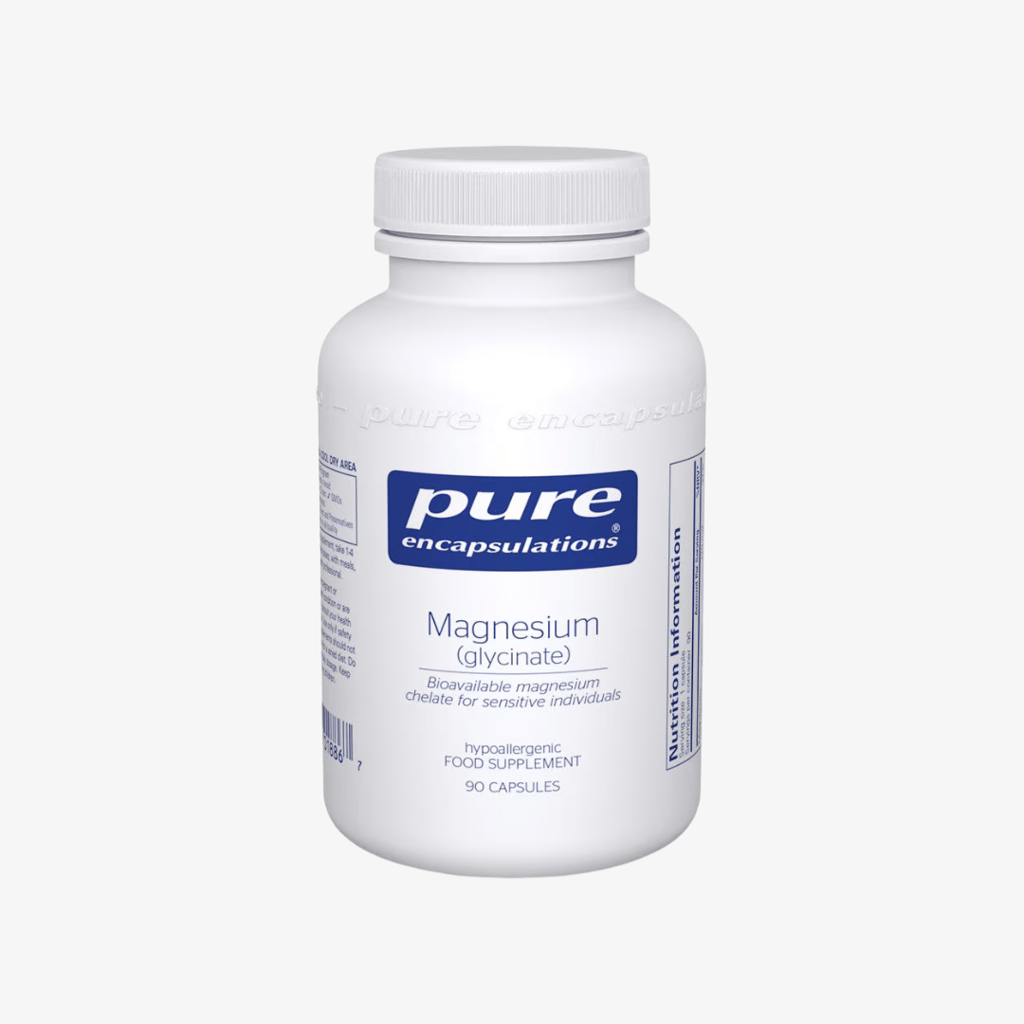
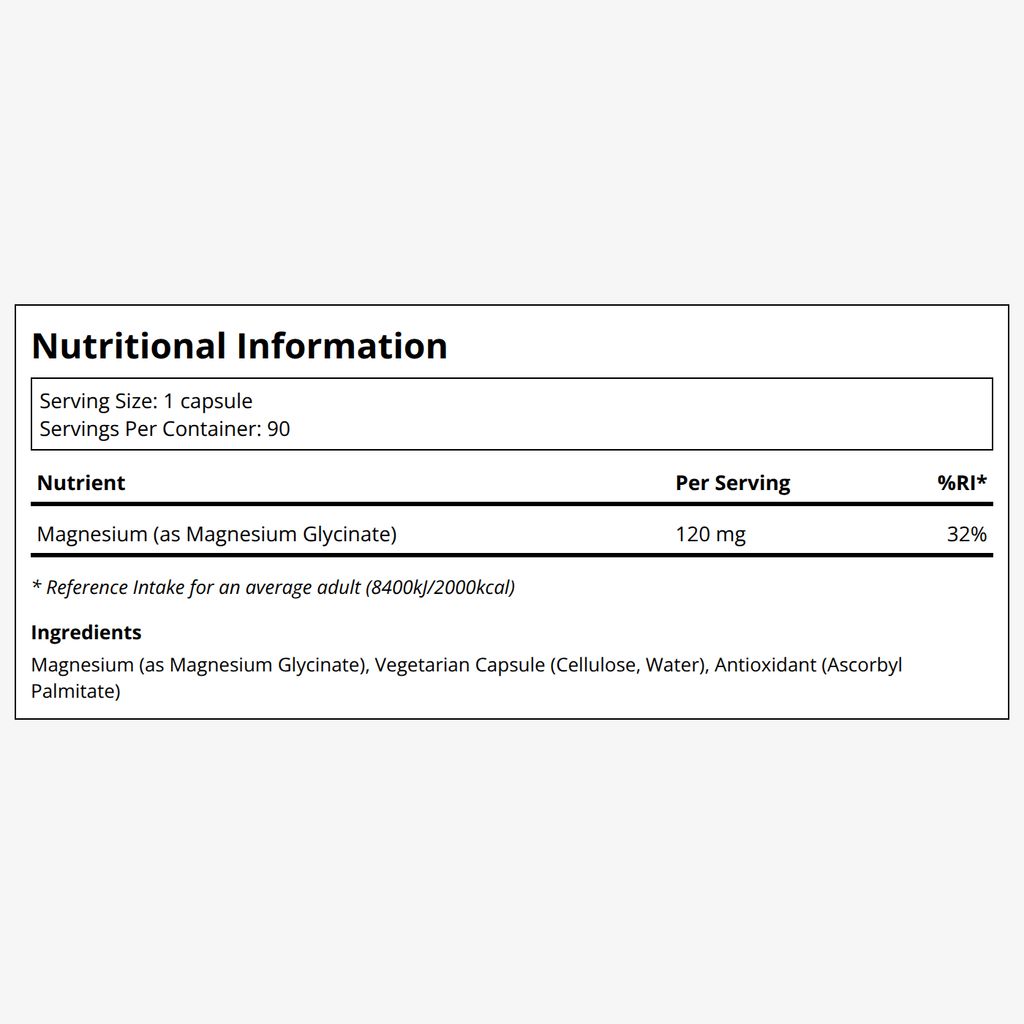
Magnesium Glycinate to calm the nervous system and support sleep
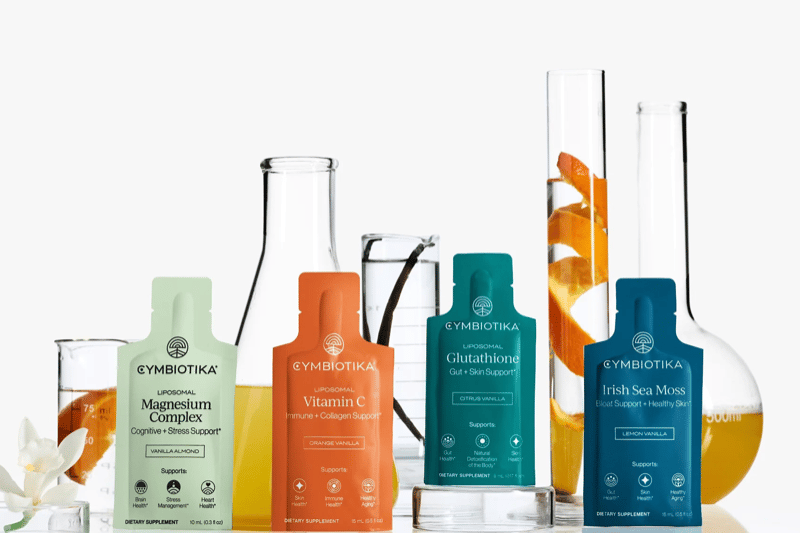
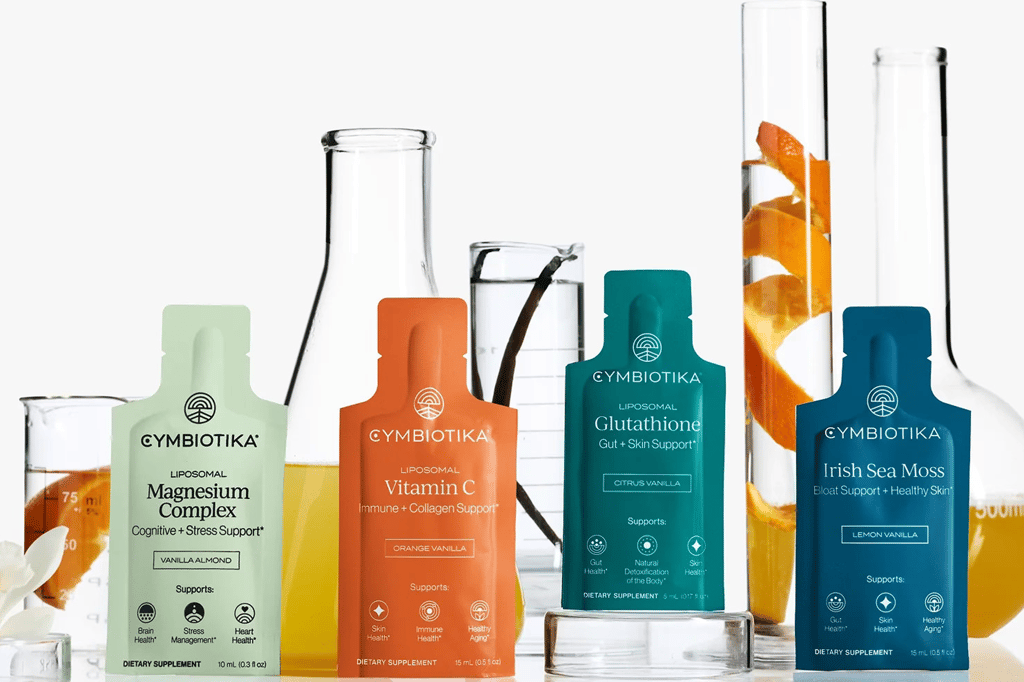
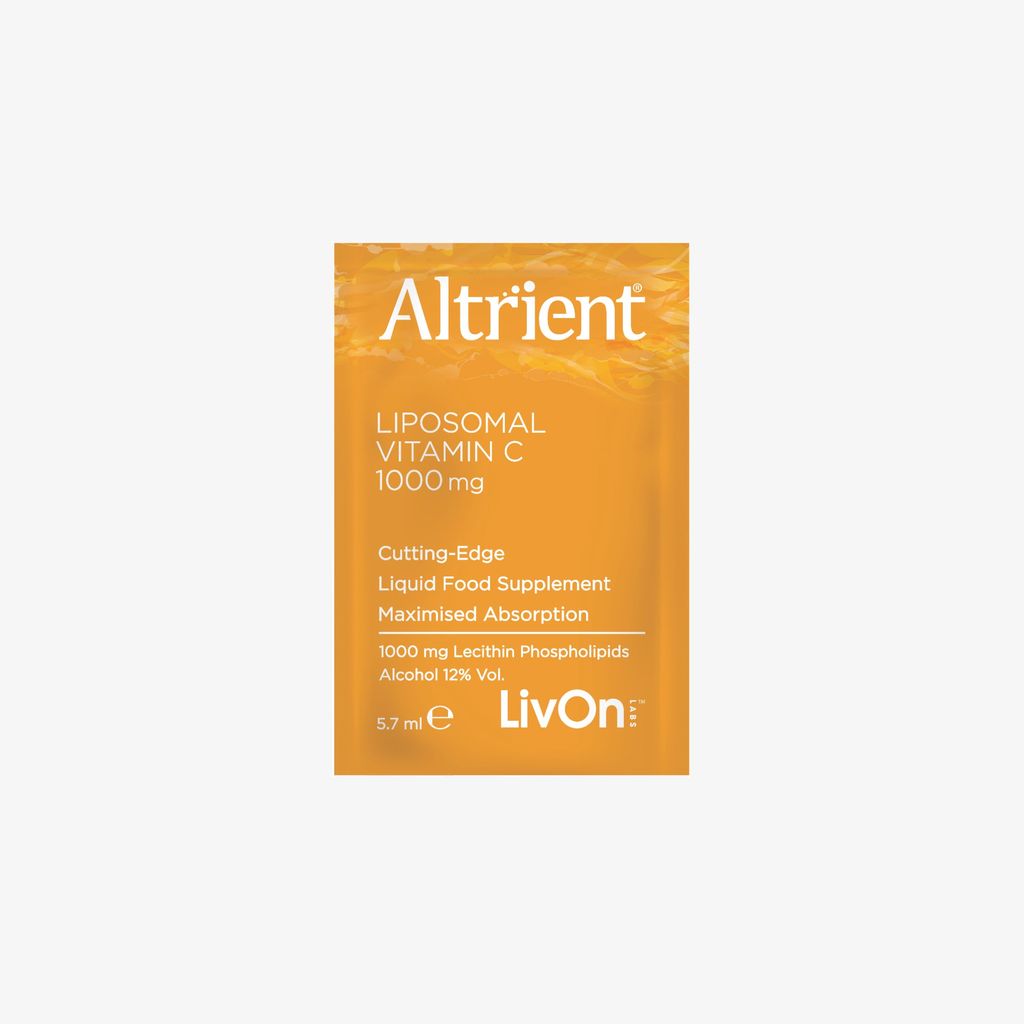
Liposomal Vitamin C or Glutathione for antioxidant support
Herbal tea like milk thistle, dandelion or NAC (N-acetyl cysteine) for gentle liver support.

The next morning doesn’t have to be awful
Even if you feel the effects, there are ways to recover faster.
Start with hydration. Again, a trusted electrolyte mix is your friend here.
Same as the night before, eat your protein. Scrambled eggs, oatmeal with nuts or a protein smoothie will continue to help stabilise your blood sugar and support your metabolism as you recover.
Although tempting, avoid heavy or greasy food first thing. That’s because your gut is still under pressure and, as a result, digestion may be slow, resulting in bloating and general discomfort.
If your skin is red, irritated or puffy, use a cool compress and drink mint tea or nettle tea. Both can help settle histamine and reduce that overcooked feeling.
Movement helps. Something like a walk outdoors improves circulation and supports your lymphatic system, which is crucial for clearing toxins.
Can alcohol be healthy?
Experts have long disputed the link between alcohol and health.
Although some studies promote the health benefits of alcohol, such as red wine (including the resveratrol argument), others claim that no amount of alcohol should be consumed in order to stand a chance of optimal health.
Aside from that, a popular opinion is that the key lies in moderation and balance, alike many other things we eat and drink.
Dr Linia Patel, a registered dietitian, sums this up succinctly: “Alcohol is both a tonic and a poison. The research seems to suggest that the difference lies mostly in the dose.”
What you should know
There is no one-size-fits-all solution when it comes to drinking alcohol in a healthy way. Each of us defines a healthy amount and cut-off number differently depending on our biological sex, age, health, and body composition.
Alcohol will always be work for your body.
This is just a fact. But it does not have to derail your skin, your gut or your weekend.
The difference is in how you prepare, how you pace yourself and how you recover.
So, listen to your skin, your digestion and your energy levels. Respect what they are telling you in order to make choices that reflect that.
Then if it all gets too much, it’s totally acceptable to say “no”, and do something alternative that fills your cup instead. Shop Alcohol Alternatives.
Shop EAT at Healf and support your body before and after the night out
Explore targeted probiotics, gentle snacks and hydration support to help your system stay balanced, even when you drink.


This article is for informational purposes only, even if and regardless of whether it features the advice of physicians and medical practitioners. This article is not, nor is it intended to be, a substitute for professional medical advice, diagnosis, or treatment and should never be relied upon for specific medical advice. The views expressed in this article are the views of the expert and do not necessarily represent the views of Healf
Pippa is a content writer and qualified Nutritional Therapist (DipNT) creating research-based content with a passion for many areas of wellbeing, including hormonal health, mental health and digestive health.
As a contributor to The Healf Source, she regularly attends seminars and programmes on a plethora of contemporary health issues and modern research insights with a drive to never stop learning. In addition, interviewing experts and specialists across The Four Pillars: EAT, MOVE, MIND, SLEEP.
In her spare time, she is an avid swimmer, mindfulness and yoga lover, occasionally bringing a raw, honest approach to the topics she faces. You may also discover some personal accounts of eye-opening wellbeing experiences amidst the reality of a disorientating, and often conflicting, modern wellbeing space.