













_2026-10-13_14-11-48.png)


How Do Pre And Post-Alcohol Biotics Work?
Enjoying a cocktail or two this summer? Read this guide first.

Written by: Pippa Thackeray
Written on: 4 May 2025
Drinking for enjoyment is one thing, but what about the lingering effects seeping into the next day? Nausea, blood sugar lows, the dreaded hangxiety, no thanks. This article brings good news in the form of science-backed supplement advice that can help lessen the effects of a hangover, just in time for sunny beer garden days ahead.
The word wellbeing, for many people, may conjure up images of Sunday mornings, dog lead in one hand, a flask of herbal tea in the other, sauntering blissfully into the picturesque sunrise, pain free and well-rested. But, with a hangover in the equation, such wholesome intentions might not go as planned.
Mood, blood sugar and hormones can all be hit by the unwanted aftereffects of alcohol. Plus, it doesn’t get any easier, with an ever-increasing distance from your early 20s.
Alcohol metabolism explained
Every time you drink alcohol, your body initiates several processes required to detoxify it.
Ethanol gets turned into a compound far more toxic than alcohol itself. Most of the ethanol gets processed in the liver by an enzyme called alcohol dehydrogenase (ADH). The role of this enzyme is to convert ethanol into acetaldehyde (CH3CHO), a toxic compound and known carcinogen.
Why hangovers are not experienced uniformly
Some people feel worse than others after drinking. It’s down to more than just luck; it may be good genetics, it could also be menstrual cycle or sleep-related.
ALDH2 polymorphism
Common in East Asian populations, the ALDH2*2 genetic variant, also known as ALDH2 polymorphism, can cause a slow clearance of acetaldehyde.
Sleep and alcohol tolerance
Low-quality sleep can make the clearance of alcohol feel more uncomfortable by slowing its metabolism.
Research found that those with sleep deprivation experience alcohol’s effects more strongly, even in relatively small quantities.
Moreover, alcohol has been found to negatively impact sleep quality. Several studies found that alcohol may disrupt sleep homeostasis.
Gut bacteria and alcohol clearance
Poor gut health slows alcohol clearance, leading to harsher symptoms and greater post-drinking discomfort, with consequences both within, and beyond the gut.
Your gut bacteria help in the process of breaking down alcohol. Microbiota play a role in the metabolism of alcohol, but they don't break it down directly in the same way the liver does. As such, probiotic consumption can help clear toxins faster to reduce hangover severity.
How to feel better after alcohol
Your body has its own strategies to metabolise alcohol, but it needs the right conditions:
- Eat before you drink: A meal with healthy fats and carbs slows alcohol absorption.
- Hydrate as you go: Match each alcoholic drink with a glass of water and ensure adequate electrolyte replacement.
- Sleep well: Alcohol reduces REM sleep quality. So, if you want to rebalance your sleep routine, be sure to prioritise recovery sleep the night after.
- Try botanical mixers: Going alcohol-free can still feel like a treat. The Aarke Bitter Orange Drink Mixer provides a great option to serve up a non-alcoholic drink and still make it an event. It’s a low-sugar alternative that pairs effortlessly with sparkling water or soda.

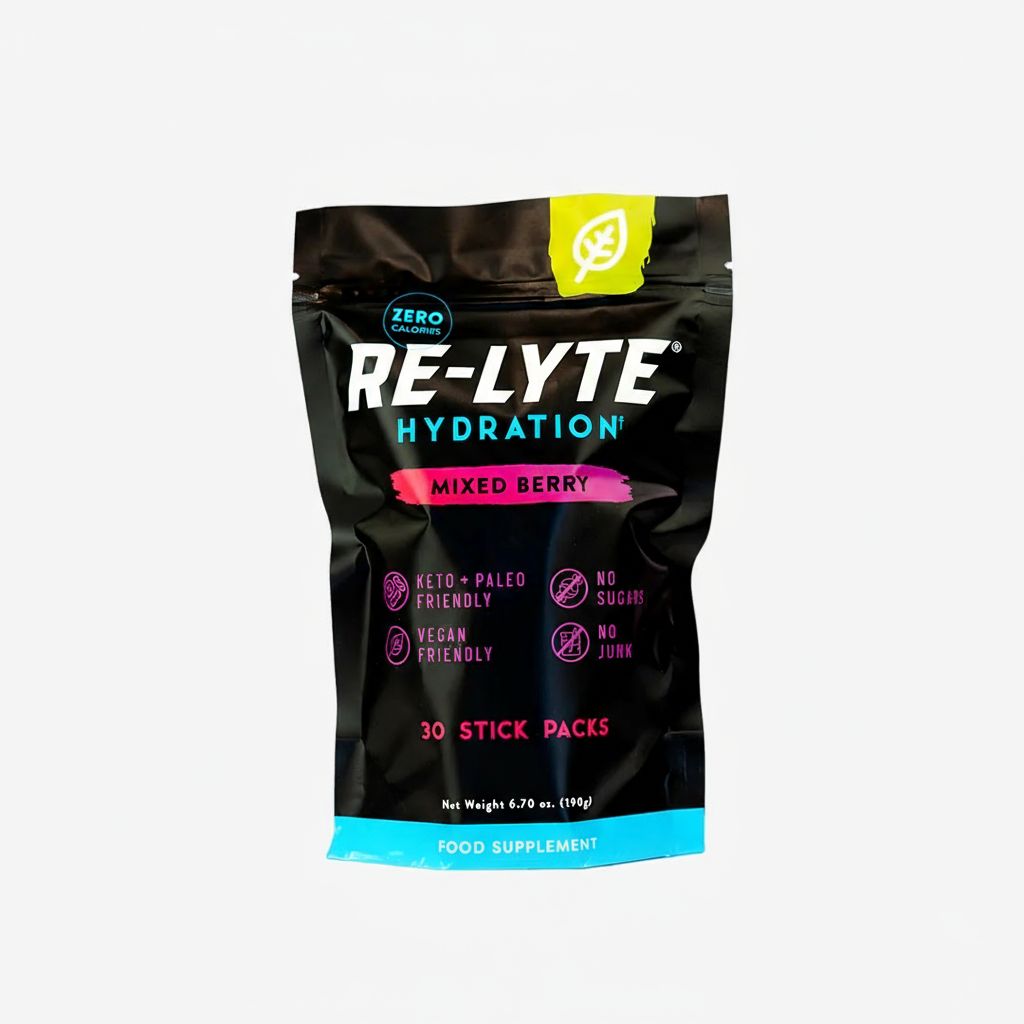
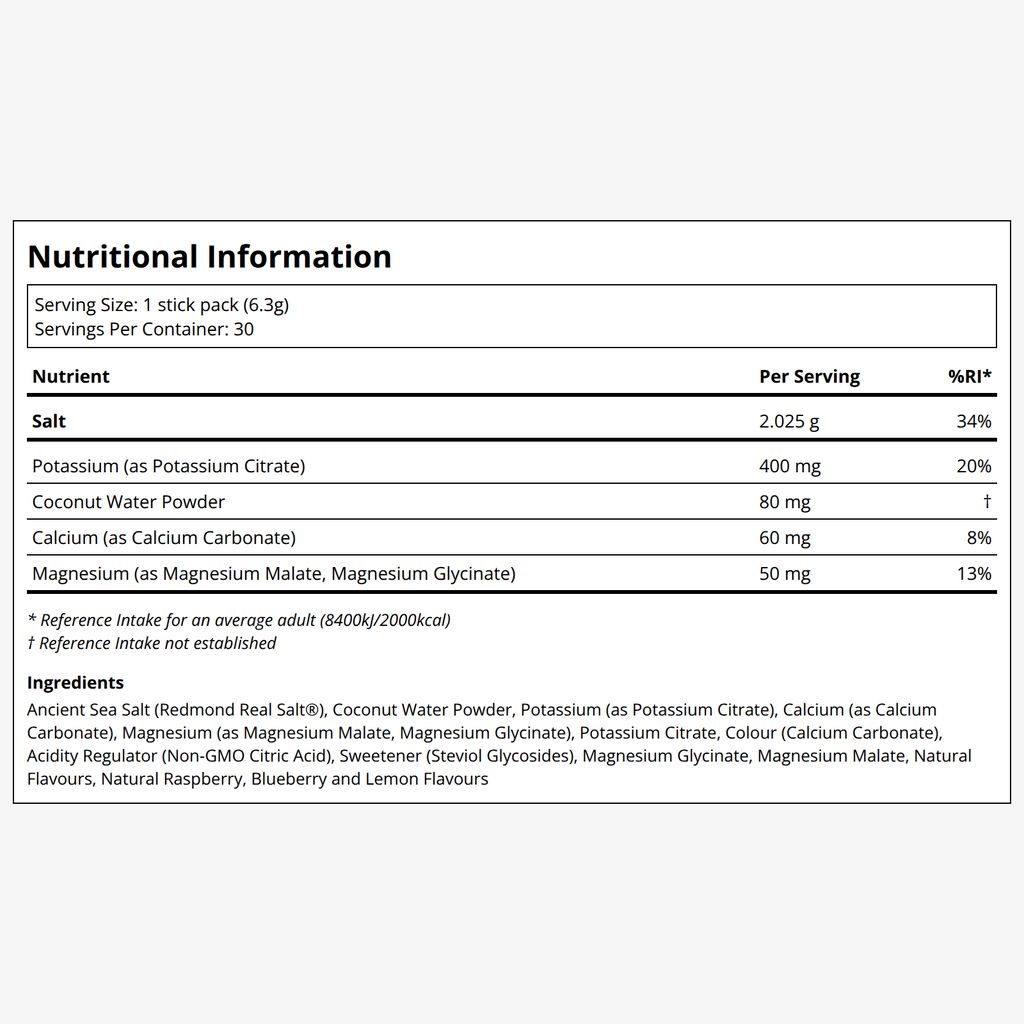
Gut support before you drink. ZBiotics is a genetically engineered probiotic that breaks down acetaldehyde in the gut, giving your body extra help to help lessen post-alcohol discomfort. The idea isn’t to drink more, but to feel better after you do. Drink responsibly, as the old adage goes, and let your gut and body thank you later.
The science behind alcohol-induced symptoms
Returning back to the topic of alcohol metabolites, a study found that acetaldehyde is between 10 and 30 times more toxic than alcohol. It’s been linked to cellular inflammation, DNA damage, and oxidative stress. However, because your gut doesn’t have the same detox enzymes as your liver, acetaldehyde builds up more easily there.
It means that gut symptoms can hit harder and last for a longer time frame, especially if your gut microbiome is out of balance as a result of poor diet, stress, or antibiotic use. Read more in the Pre and Post Alcohol Guide.
In summary
- Alcohol gets broken down into acetaldehyde, the real villain when it comes to hangovers. Your liver clears it efficiently, but your gut doesn’t.
- Acetaldehyde and acetate can accumulate in the intestine, potentially contributing to alcohol-related gut issues.
- Supporting your body with food, water, proper rest, and drink-pacing is your best defence.
- Alcohol-free mixers can still feel like a ritual without the sequel.




References:
1. https://link.springer.com/article/10.1007/BF01966822
2 https://pmc.ncbi.nlm.nih.gov/articles/PMC10269551/
3. https://www.niaaa.nih.gov/publications/alcohol-metabolism
4. https://pmc.ncbi.nlm.nih.gov/articles/PMC2775419/
5. https://pmc.ncbi.nlm.nih.gov/articles/PMC4427543/
6 . https://www.sciencedirect.com/science/article/pii/S0741832924001009
7. https://pmc.ncbi.nlm.nih.gov/articles/PMC2042884/
8. https://pmc.ncbi.nlm.nih.gov/articles/PMC8406052/
9 . https://pmc.ncbi.nlm.nih.gov/articles/PMC5513683/
10. https://www.nature.com/articles/s41467-023-41570-6
11. https://alcoholchange.org.uk/alcohol-facts/fact-sheets/alcohol-and-your-mood#
12. https://www.sciencedirect.com/science/article/pii/S1087079224001345#
This article is for informational purposes only, even if and regardless of whether it features the advice of physicians and medical practitioners. This article is not, nor is it intended to be, a substitute for professional medical advice, diagnosis, or treatment and should never be relied upon for specific medical advice. The views expressed in this article are the views of the expert and do not necessarily represent the views of Healf
Pippa is a content writer and qualified Nutritional Therapist (DipNT) creating research-based content with a passion for many areas of wellbeing, including hormonal health, mental health and digestive health.
As a contributor to The Healf Source, she regularly attends seminars and programmes on a plethora of contemporary health issues and modern research insights with a drive to never stop learning. In addition, interviewing experts and specialists across The Four Pillars: EAT, MOVE, MIND, SLEEP.
In her spare time, she is an avid swimmer, mindfulness and yoga lover, occasionally bringing a raw, honest approach to the topics she faces. You may also discover some personal accounts of eye-opening wellbeing experiences amidst the reality of a disorientating, and often conflicting, modern wellbeing space.