










Getting High Without The Crash

Written by: Pippa Thackeray
Written on: 25 September 2025
Avoid these 10 popular habits that claim to boost health but may, in some cases, deplete energy, crash hormones, and sabotage your focus. Learn how to get the high, both naturally and safely, without the crash.
There’s a particular state we all long for, the one where everything feels crystal clear, light, and sharp. When we feel properly switched on, it most likely means our wellbeing routines are really working for us. The effort finally pays off, and it’s addictive in the best way.
But some habits that promise to create that state may have the capacity to drain your system. You might feel good for a bit, then disappointingly flat. And that crash, repeated enough times, might even begin to feel normal to you.
10 things to avoid (or approach with care)
Ditching every wellbeing hack you are currently doing probably isn’t necessary. It’s more about using them with more awareness for your individual requirements.
Take these examples: a cold plunge can support energy, or spike stress, fasting can help, or wreck your hormones. Even the 10,000 step target can simply be a ‘magic number’ plucked out of the sky if it doesn’t fit with your goals.
Here are some common wellbeing traps that could compromise on clarity and hormonal rhythm, plus some smarter alternatives that don’t come with a nasty nose dive.
1. Cold plunges every morning when cortisol is already high
Cortisol naturally spikes in the morning. As a process, this is normal to get us to wake up and snap into action.
But some people have waking cortisol levels that are too high, and when you layer a cold plunge on top of that, you compound the stress response.
The body releases more cortisol, more norepinephrine, more adrenaline. So, what starts as a welcome, refreshing alertness could quickly become agitation, brain fog and fatigue. These are also issues commonly affecting women.
Over time, it can also flatten your hormonal sensitivity. You may sleep worse, wake up exhausted, or struggle with that dreaded ‘wired but tired’ sensation. It may be a sign to ease off to stop your stress axis from burning out.
Conversely, there is evidence to support cold therapy a little while after a workout or slightly later in the day or morning, once cortisol levels have tapered naturally.
2. Intermittent fasting when sleep and thyroid are compromised
Skipping meals, especially breakfast, can signal a state of scarcity to the brain.
If your sleep is poor or if your thyroid is already under strain, fasting can further suppress T3, the active thyroid hormone. As such, it can slow metabolism and downregulate reproductive hormones.
Fasting long-term has also become a trend in recent years. You’ll often hear people talk about 72-hour cleanses, dry fasts without food or water, and even multi-day dopamine resets.
However, in studies, women experienced increased PMS, low libido, poor sleep, anxiety and cold extremities after a few weeks of fasting. In women particularly, fasting can disrupt hormonal balance significantly, increasing cortisol and decreasing oestrogen and progesterone. If you’re running on fumes, fasting is simply added stress, and likely not a solution.
Fix your sleep, balance your thyroid, then reintroduce fasting gently and make sure you are selective about when to practice it.
3. Using blue light blocking at the wrong time
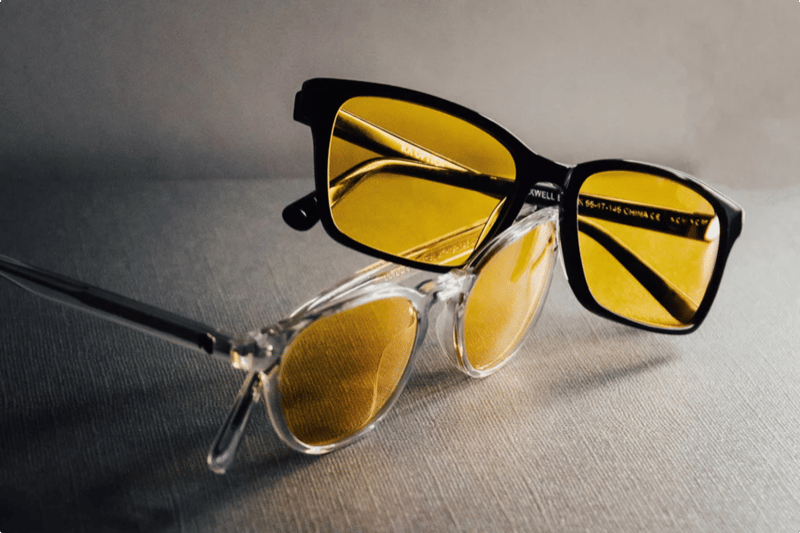
Blue light in the evening disrupts sleep; many sleep experts support this claim. But blocking it too early (like during morning or earlier daylight hours) confuses your circadian rhythm, making you sluggish and foggy when you need to be alert.
Daytime blue light, from natural sunlight and not your phone screen, boosts dopamine and serotonin. It improves working memory and reaction time.
Reducing blue light before bed is a smart move. Wearing red tinted glasses at noon? Maybe less so. That’s because your body needs blue light exposure in the morning to align energy and mood for the day.
4. Zero carb or carnivore diets that strain the microbiome and hormones
Ketogenic and carnivore diets are making a comeback in the headlines, but at what cost?
Carbohydrates are your body’s main source of fuel, but they also support thyroid function, serotonin production and sleep regulation. When carbs drop too low over an extended time period, T3 can fall, cortisol rises and serotonin pathways can weaken.
Researchers found that T3 levels dropped significantly in healthy adults after 3 weeks on a low-carb, high-protein diet, despite total calories being maintained.
Therefore, you may feel sharp at first, but soon you may crash.
And that’s not all. People trying these diets can see their libido drop, sleep fragment and mood flatten, too. Such damaging effects tend to affect females more than males, yet males can still suffer the consequences.
A low carb diet can also impair reproductive health. In women, this might show up as missing periods. In men, it may present as lowered testosterone, especially if low (or no) carb and high protein diets are used in conjunction.
Furthermore, if your diet cuts carbs completely, you’re also starving the gut microbiome, which thrives on fibrous plant matter, such as prebiotics.
The trendy carnivore diet may work short term for certain conditions, but it’s important to note that it may not be a long term fix without any cost.
5. Overtraining or overworking the body
Intense training spikes cortisol and dopamine, which can feel good short term. But without enough rest, your system becomes catabolic. That refers to when breakdown exceeds repair.
As a result, thyroid hormone T3 can drop, testosterone may fall, and oestrogen and progesterone are also affected. Females may stop menstruating, because the body is too stressed out to prioritise reproductive health.
Over time, you might feel constantly tired, moody or simply unmotivated. Remember to be kind to your system, it isn’t lazy or broken, but overdrawn.
Rest days, gentle strolls, mobility work and deep rest or sleep are not signs of weakness.
6. Overhydrating without electrolytes
It’s common to see people all over, clutching their 2 litre bottles like it’s some kind of religion.
But drinking excessive plain water can dilute sodium, potassium and magnesium, the minerals needed for nerve function, fluid regulation and energy transfer. This can result in hyponatraemia (a.k.a. water intoxication). Symptoms include fatigue, confusion, headaches and in extreme cases, seizures.
Dr Christopher Almond and his team studied participants in the Boston Marathon and found that a substantial number of them developed hyponatremia as a result of overhydration during the race.
Before you go following any extreme hydration programmes, remember that balance is what is required. You also need to be particular to your needs and the nature of your routine. For example, if you’re sweating a lot, or drinking large volumes, you must replace electrolytes, not just fluid.
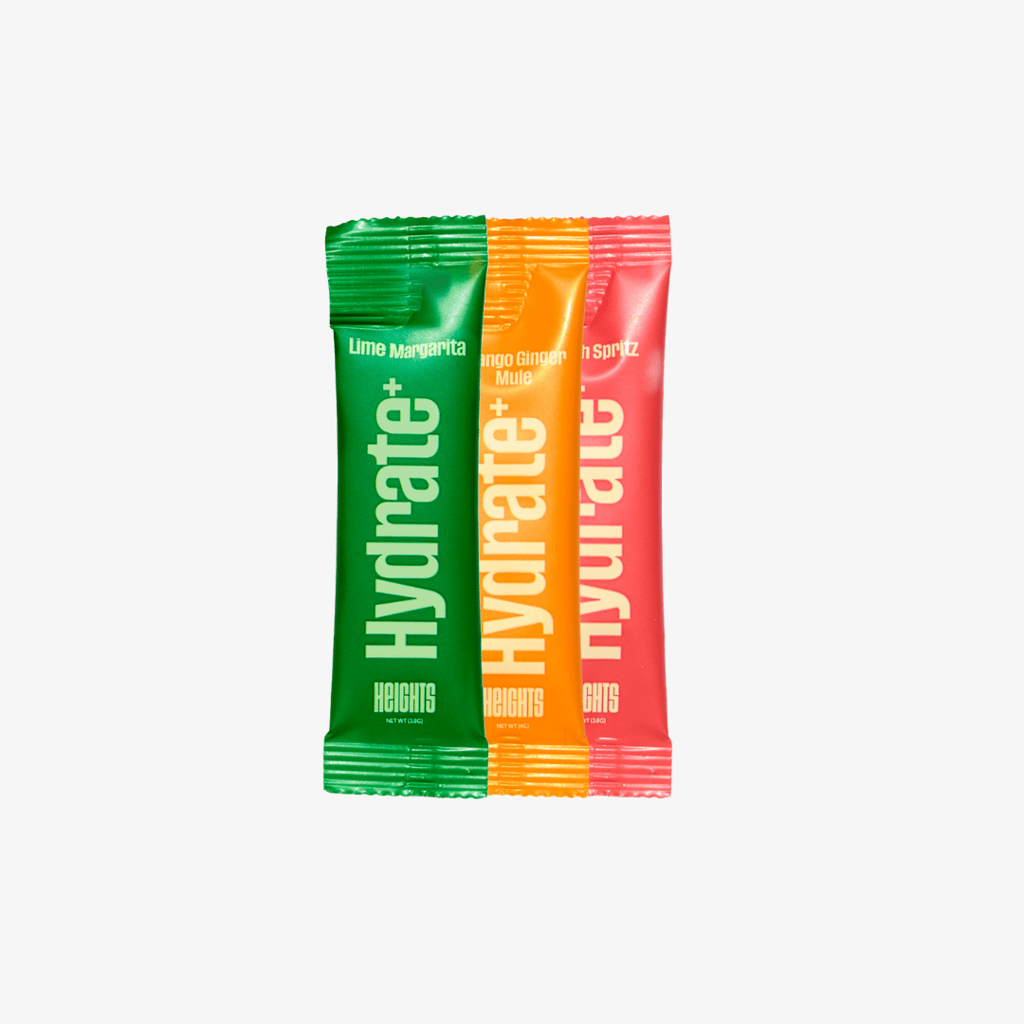
Listen to thirst, but then add a pinch of mineral content when needed. And don’t simply assume clear urine as the gold standard of health. Try introducing Heights Hydrate⁺ Smart Electrolyte or Cure Hydration Drink Mix to your bottle.
7. Treating 10,000 steps as the trusted standard
The 10,000 step rule wasn’t born in science, it was a marketing campaign. And yet many people obsess over the number, pacing their living rooms just to hit it.
The 10,000 steps a day target appears to have originated from a trade name pedometer sold in 1965 by Yamasa Clock in Japan. The device was named "Manpo-kei", which translates as “10,000 steps meter”.
Many of us can actually do far more than 10,000 steps. Some people's goals encourage them to hit more like 15,000.
Moreover, recent research from the University of Texas shows that walking fewer than 5,000 steps a day can reduce your body’s ability to metabolise fat the next day, with positive results likely increasing the higher the step count.
The truth is, however, every day is different, so it is best not to obsess over numbers and simply remember to move your body in a way that feels good and productive, intuitively.
Walk because it clears your head and makes you feel energised. Not because your device demands it.
8. Long term low fat diets may harm hormones
A low fat diet is not ‘clean’, it’s possibly incomplete.
“Some types of cholesterol and dietary fat can support heart health and lower the risk of heart disease, especially when combined with positive lifestyle choices like exercise, reduced alcohol, and a diet rich in olive oil, wholegrains, and oily fish.”
Rhiannon Lambert, Registered Nutritionist, MSc
Fat is required to build hormones like testosterone, oestrogen and cortisol. When dietary fat is too low, libido drops, energy crashes and menstruation becomes irregular or stops altogether.
Low fat diets have also been seen to impair brain function and emotional regulation. Saturated and monounsaturated fats found in olive oil, eggs, avocados and fish are crucial to include for your mood, focus, temperature regulation and hormonal resilience.
9. Early wake ups at inappropriate timings
Waking early sounds disciplined, but without sufficient hours of restful sleep, it’s a ticket to burnout. Early alarms that don’t take into account how much sleep an individual actually needs can increase inflammation and raise cortisol through the day, even in people who otherwise maintain good wellbeing habits.
What matters is not when you wake. It’s how rested your system is when you do. If you feel groggy, irritable or anxious by midday, your sleep debt is probably catching up with you.
10. Overcleaning skin and stripping its barrier
The skin has its own microbiome, a protective ecosystem that maintains barrier function and defends against inflammation.
Over cleansing with harsh soaps, scrubs, antibacterial products or a 10-step routine, strips this layer, leaving your skin exposed and reactive.
What feels like a clean slate is often just barrier damage. You may see increased breakouts, dryness, sensitivity or even rosacea. If your skin feels tight or raw after washing, it means you’ve probably gone too far.
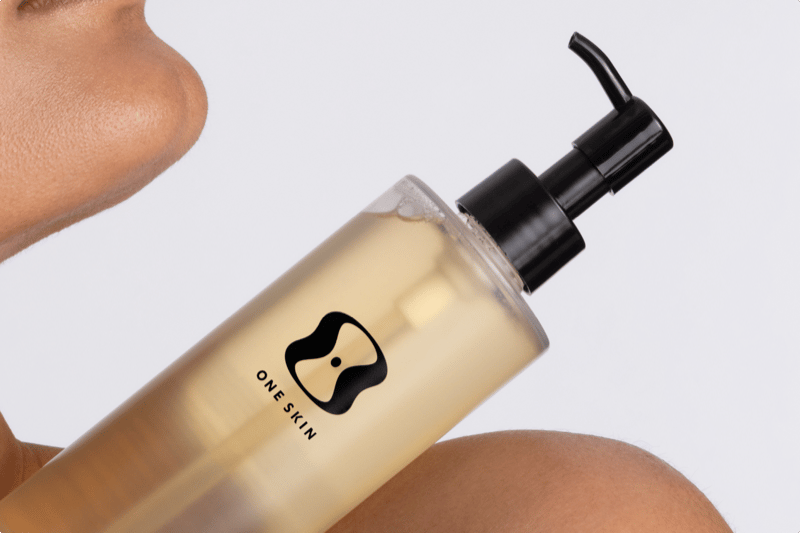
Try to use only a gentle cleanser once daily, treating your skin like an organ, not a surface to be disinfected. AWvi The Gentle Cleanser, The Nue Co. Barrier Culture Cleanser, and Green People Gentle Cleanse & Make-Up Remover are all microbiome-supporting options.

Final thoughts
These habits only become harmful when used in the wrong context. The answer is not restriction, but rhythm in its place.
First, look closely into your foundation and your unique qualities. Think about sleep, nutrition and hormone function, and then layer in any challenges that might actually be helpful, not harmful, to your wellbeing.
Avoiding these 10 common traps creates room for natural highs that really last, so that energy, clarity and hormonal resilience can be daily norms, not flukes or unrepeatable peaks.
Explore Healf’s Top Bestsellers
A curated edit of the most trusted, re-ordered formulas across skincare, gut health, and essentials, helping you to be on top every day.


This article is for informational purposes only, even if and regardless of whether it features the advice of physicians and medical practitioners. This article is not, nor is it intended to be, a substitute for professional medical advice, diagnosis, or treatment and should never be relied upon for specific medical advice. The views expressed in this article are the views of the expert and do not necessarily represent the views of Healf
Pippa is a content writer and qualified Nutritional Therapist (DipNT) creating research-based content with a passion for many areas of wellbeing, including hormonal health, mental health and digestive health.
As a contributor to The Healf Source, she regularly attends seminars and programmes on a plethora of contemporary health issues and modern research insights with a drive to never stop learning. In addition, interviewing experts and specialists across The Four Pillars: EAT, MOVE, MIND, SLEEP.
In her spare time, she is an avid swimmer, mindfulness and yoga lover, occasionally bringing a raw, honest approach to the topics she faces. You may also discover some personal accounts of eye-opening wellbeing experiences amidst the reality of a disorientating, and often conflicting, modern wellbeing space.