


























_2026-10-13_14-11-48.png)

.jpg)
The Ultimate Guide To Choosing The Best Collagen For You
Collagen is reigning supreme in the wellness world, but which type is actually best for your skin, hair and joints?

Written by: Chanelle Ho
Written on: 8 July 2026
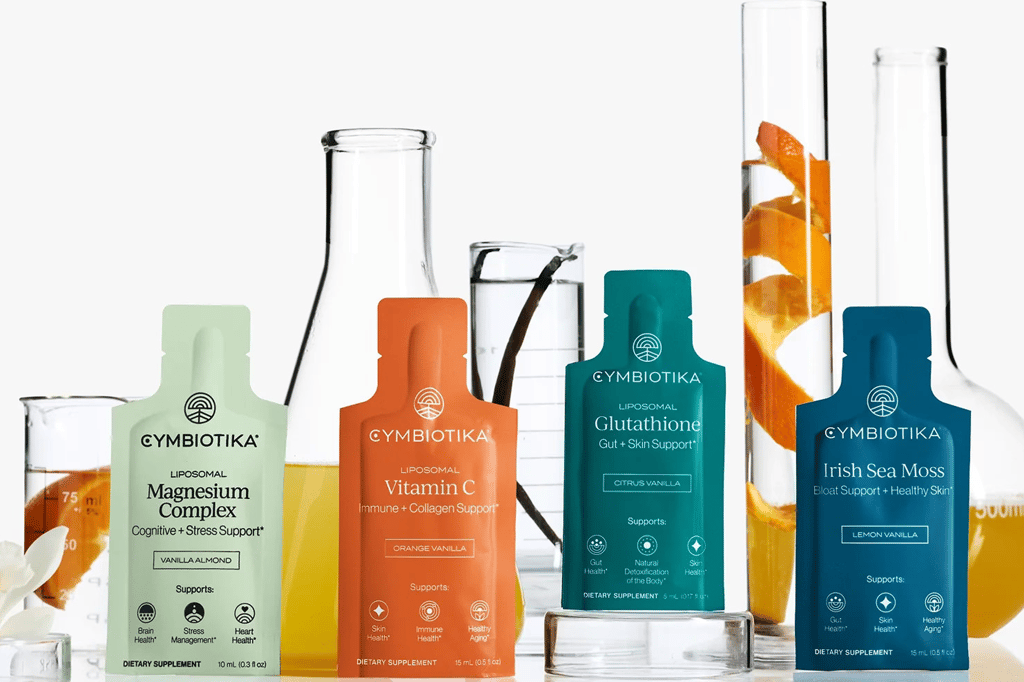
Jennifer Aniston has hers in a morning smoothie. Victoria Beckham takes two types a day. Bryan Johnson, the biohacker attempting to outsmart aging, has folded 25 grams of it into his 100-supplement daily stack. These days, collagen has become more than a functional supplement. It's practically its own glossy wellbeing category dressed up in sleek glass jars, minimalist sachets, and swanky subscription boxes. And that’s before you get to the creams and serums that claim to stimulate collagen from the inside, out.
But why is this little molecule so important? “Collagen production begins to decline from the mid-to-late twenties, with the body producing approximately one per cent less collagen each year,” explains Dr. Sabrina Karim, aesthetic doctor and founder of London-based clinic Skin Medical. “As a result, you’ll notice the appearance of fine lines, reduced elasticity, and changes in skin texture. During menopause, there can be a more rapid decline, with a loss of up to 30% of collagen in the first five years following menopause."
As the body's most abundant protein, making up about a third of our total protein mass, it's been around for a very long time. But with so much noise in the world of collagen, it can be hard ot know which type of collagen should you take, how they work, and which is right for you. Healf did some digging into the research and asked the experts to find out.
Not all collagen is equal: types I, II, and III explained
First, we need understanding the three types of collagen commonly used in supplements. Here's how Dr. Federica Amati, head of nutrition at personalised nutrition program, ZOE, explains it:
- Type I is the workhorse, found in skin, bone and tendon, giving them strength and structure.
- Type II makes up cartilage, cushioning your joints
- Type III sits alongside type I in skin and blood vessels, lending elasticity and support
On paper, that sounds pretty straightforward: buy type II for dodgy knee joints, type III to combat wrinkles. But in practice, it isn't that simple. “Collagen does not travel intact to certain parts of your body like a parcel with an address on it,” said Dr. Amati. Instead, it's digested and broken down into peptides that cross into the bloodstream and reach connective tissue throughout the body.
Hydrolysed vs liposomal: does smaller really mean better absorption?
According to the experts, hydrolysed collagen is the better choice when it comes to picking a collagen supplement that is aimed at improving skin and supporting your joints. As Dr. Amati explains, “hydrolysed collagen is pre-broken into small peptides, so it is digested and absorbed rapidly, with over 90% broken down and entering the bloodstream.”
Liposomal versions, on the other hand, wrap collagen in fat bubbles for protection, “a promising idea, particularly for stability,” she says, “but the trials proving it outperforms hydrolysed collagen simply don't exist yet.”
Marine, bovine, or vegan: does the source matter?
Marine collagen, as the name suggests, comes from marine organisms – think the scales, bones, and skin from fish, sponges, sea urchins, or jellyfish. As for bovine collagen, that tends to come from the hide, bones, and connective tissue of cows. “They’re structurally similar, both mostly Type I, and produce much the same peptides,” says Dr Amati.
As for vegan collagen? While it's a suitable option for vegans, “it still needs proper clinical testing before we can make confident claims as it’s a plant-based attempt to mimic the effects of collagen,” Dr. Amati explains. In short, unless you're using it to accommodate dietary requirements, these types deserve less of your attention than a label might suggests.
Topical vs ingested: can a cream actually boost collagen?
There are plenty of creams and serums out there that claim to boost collagen levels, but in reality, “the collagen molecule is too large to be absorbed through the skin, which is a natural barrier, and it cannot stimulate collagen production,” says Dr. Karim.
Applied topically, it sits on the surface of the skin and forms a light film that binds water and gives a temporary plumping effect. “The real functional benefits of a skincare product typically come from other active ingredients within the formula such as vitamin C, hyaluronic acid, retinol, and the like," she says.
As for ingested collagen, Dr. Karim says there is a growing body of evidence to suggest that oral collagen peptides can support improvements in skin elasticity, hydration, and dermal density, as they activate and nudge the cells that make collagen to start working harder. However, she’s careful to add that “supplements shouldn’t replace collagen so much as supplying the raw materials and signals for the body to make its own.”
How to pick the right collagen for your goals
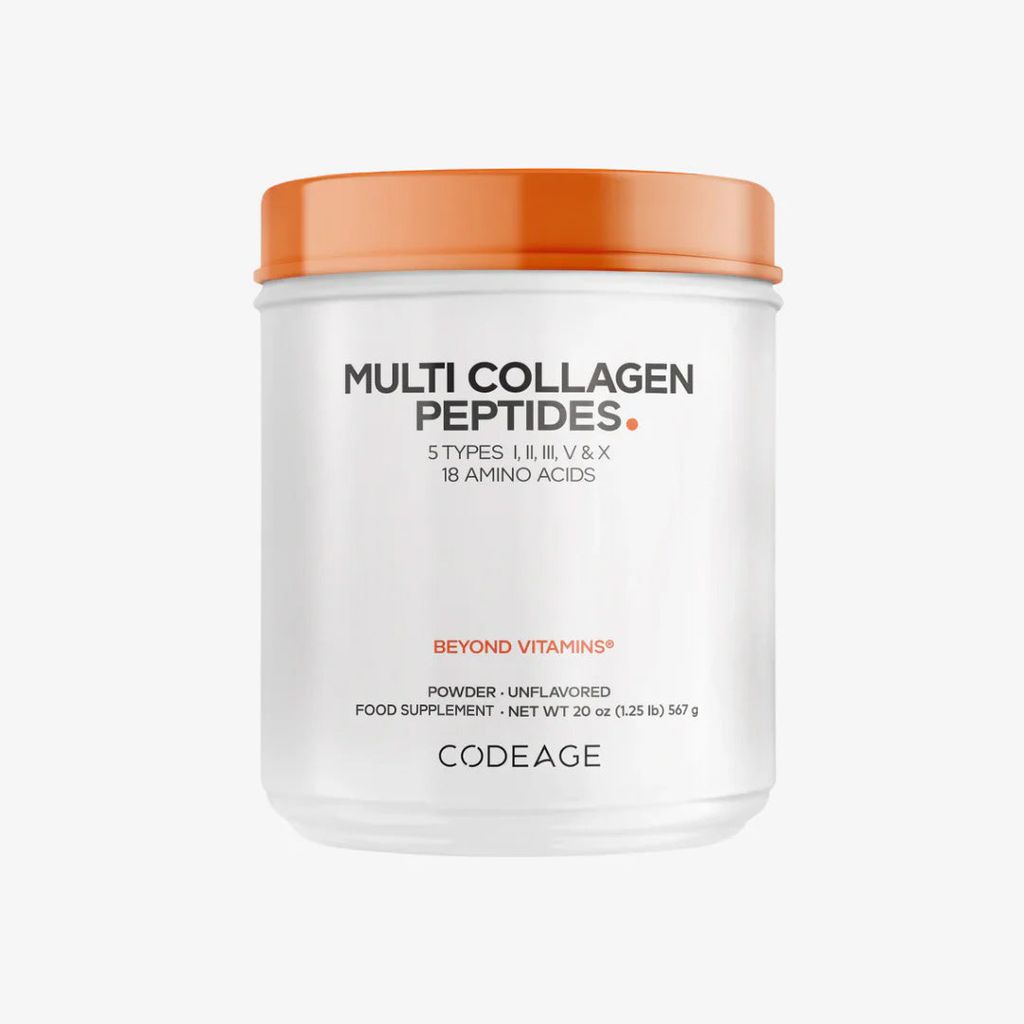
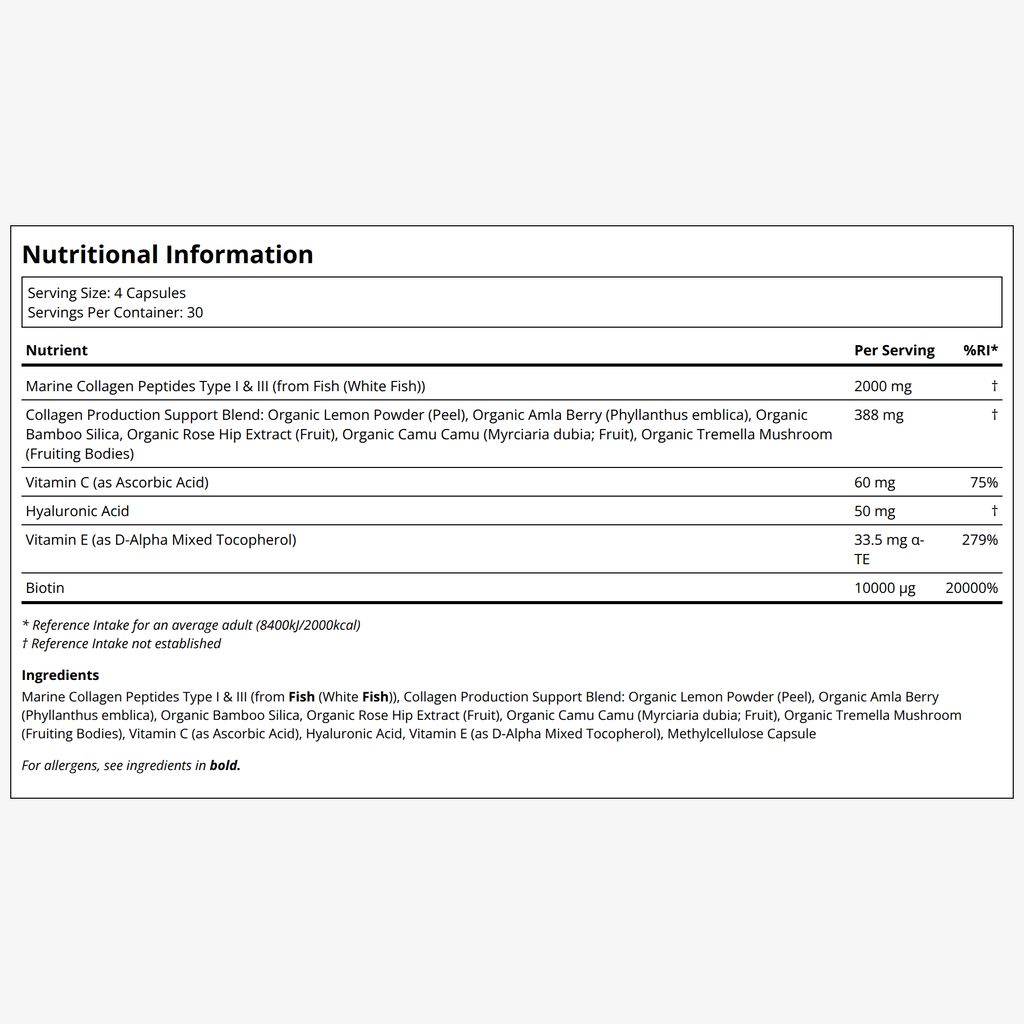
So which collagen should you take? The experts have a few quick tips for you. But perhaps most importantly: “Look past the 'type I, II or III' branding and prioritise a hydrolysed collagen peptide that has actually been studied, taken at a sensible daily dose,” says Dr. Amati.
Collagen for healthier skin
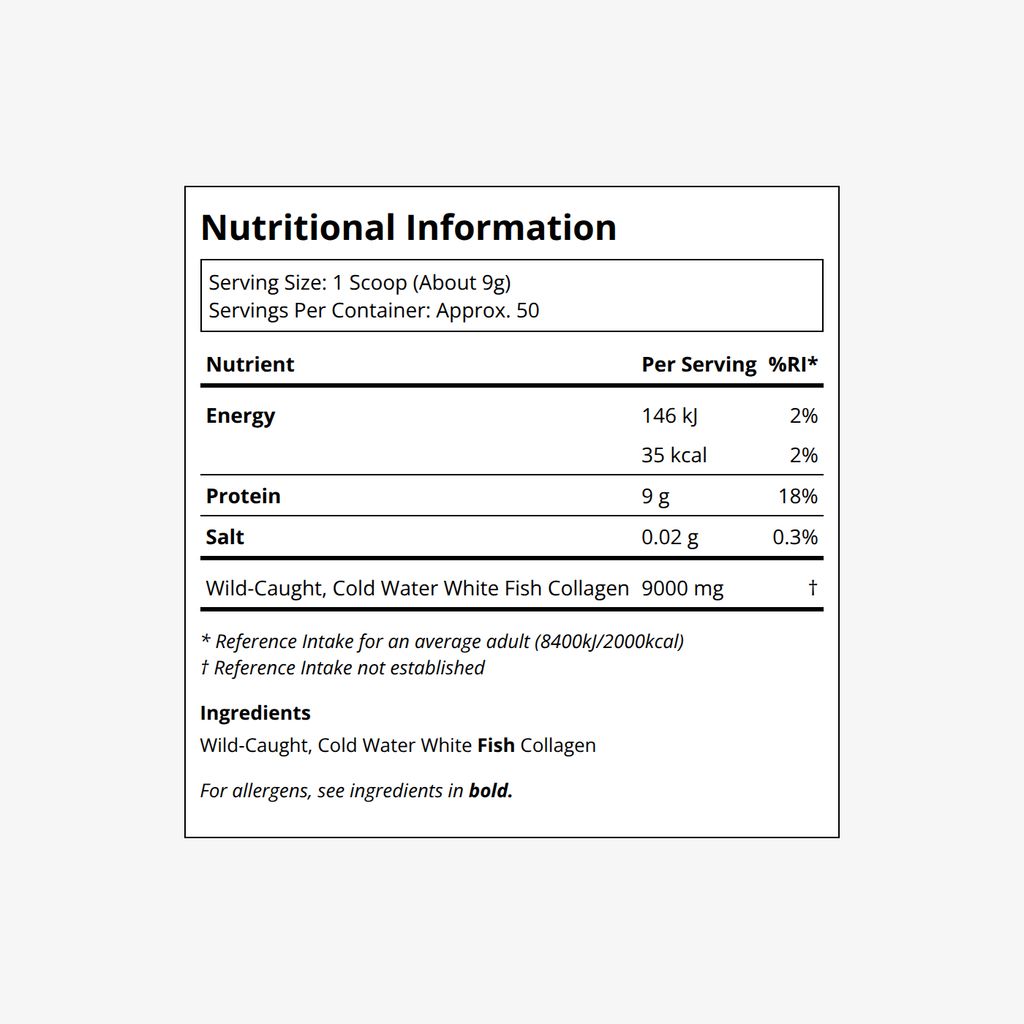
Hydrolysed peptides at 5 to 10g daily have the strongest backing for elasticity, hydration, and wrinkle depth. For genuine structural change, Dr. Karim looks elsewhere, pointing out that the most effective strategies involve stimulating the body's own collagen production through in-clinic treatments that work at a deeper level than any cream or capsule.
Collagen for gut health
Peptides survive digestion and can interact with gut cells, but its specific benefits aren’t firmly established, so Dr. Amati suggests that if improving gut health is the goal, collagen shouldn’t be the first move. Instead, ensure your diet consists of whole plants and things like red lentils, seeds, and nuts.
Collagen for recovering muscles and joints
“The only exception to the rule of collagen travelling through the whole body and not a targeted area is undenatured Type II [collagen] at 40mg for joint recovery,” says Dr. Amati. “It’s evidenced that taking this, or hydrolysed peptides at 5 to 10g daily, supports tendons, bone, and recovery,” she adds.





The takeaway
“There isn't a magic pill for healthier, more resilient skin," says Dr. Karim. “The key is taking a multifaceted approach.” Dr. Amati agrees: pick a well-studied hydrolysed peptide at a proper dose, and make sure you prioritise other lifestyle factors like good sleep, eating enough protein, sun protection, and moving your body.



This article is for informational purposes only, even if and regardless of whether it features the advice of physicians and medical practitioners. This article is not, nor is it intended to be, a substitute for professional medical advice, diagnosis, or treatment and should never be relied upon for specific medical advice. The views expressed in this article are the views of the expert and do not necessarily represent the views of Healf
Chanelle Ho is a beauty and wellness journalist with ten years of experience writing for titles including The Sunday Times Style, Grazia, Women’s Health, and Glamour. Drawing on a decade of conversations with the likes of leading dermatologists, aestheticians, and brand founders, she brings expert insights to every story and has a knack for translating complex skincare science, demystifying ingredient lists, and analysing which trends are truly worth the hype.
When away from her laptop, you’ll find Chanelle brushing up on her culinary skills, hiking somewhere in the countryside, filming content for social media, or volunteering with dogs.